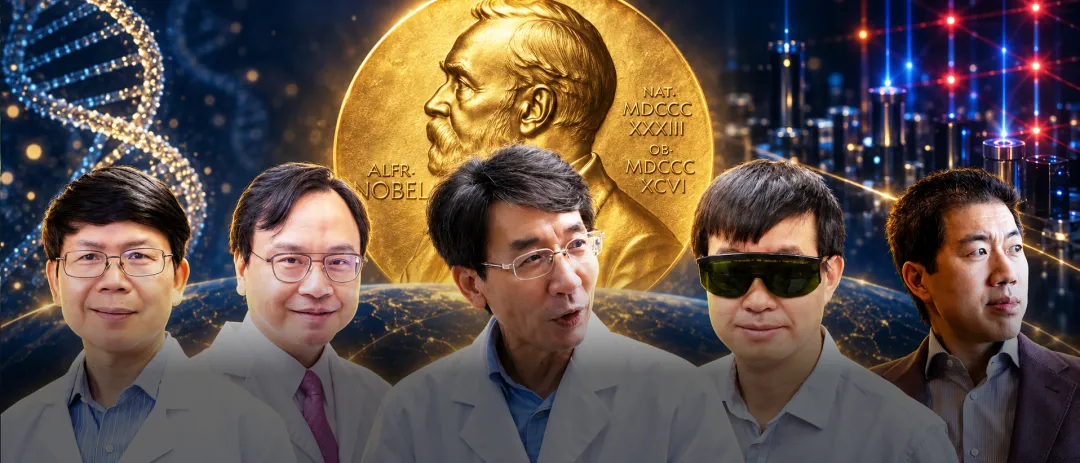
It's the first time in the history of the world.
This evening at 17:30, the 2026 Nobel Prize is open!
This time, all three of the top lists for science awards are Chinese.
Tonight's main event is the Physiology or Medicine Awards, with three on the Hot 100 list.
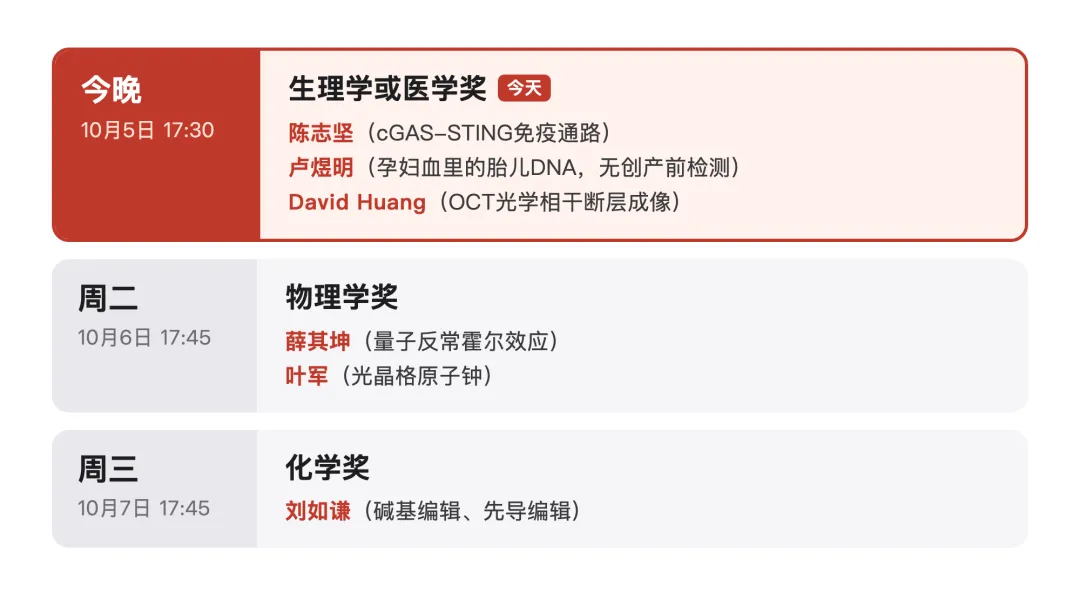
Tomorrow's physics prize is even more suspenseful.
In September, he won the Korean-Vietnamese citation for the Nobel Prize in Physics. On 1 October, he won the Wolf Prize in Physics for the same title.
Two winds pointed at two Chinese physicists in the same year, for the first time in history.
Wednesday's round of the Chemistry Awards. Chinese celebrities like Modia have evolved an enzyme that doesn't exist in nature in a lab to rewrite DNA.
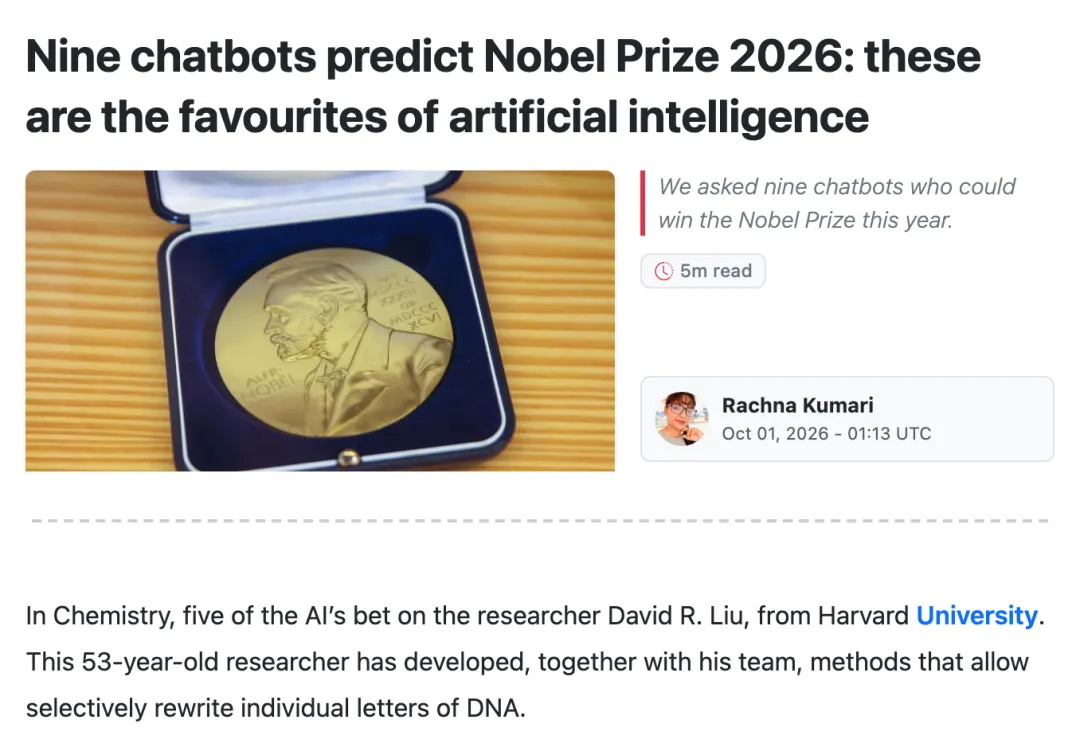
The foreign media gave him nine chatbot awards and five chemistry awards.
Monday 17:30Three Chinese Urgent Medicine AwardsThree OCT inventors, including Chinese-born scientist David Huang, are on this year's citation list for the Nobel Prize in Medicine.
Two other Chinese men, Chen Shicheng and Liu Min, have won the "American Nobel Prize" alone.
David Huang: The instructor took off his glasses and became the first subjectIn 1991, a 27-year-old MIT Ph.D. student, David Huang, published a paper in Science, introducing an optical interfacial imaging technology, known as OCT, that can take cross-sectional images of the retina.
The first time a live person was photographed with a retina, no one said it was unsafe to put a laser in their eyes. Their instructor, Fujimoto, removed the glasses and put his lower lip on a shelf, becoming the first subject.
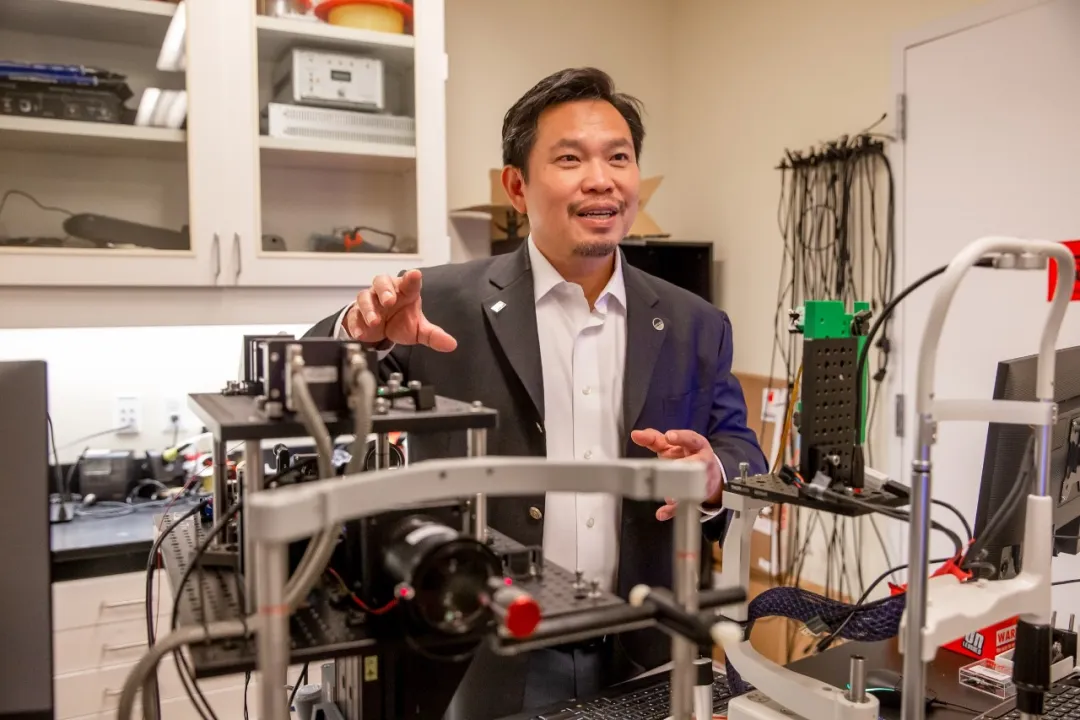
Today, more than 30 million OCTs are performed annually around the world, making OCT one of the earliest places for AI to prove itself in medical imaging.
In 2018, DeepMind and Moorfields Ophthalmology, UK, published a study in Nature Medicine. AI first divided 3D OCT scans into a tissue map, and then, based on this map, judged eye diseases and gave referral recommendations that reached even more experts.
According to Moorfields, the system provides correct referral recommendations for more than 50 eye diseases with an accuracy of 94%.
In 2023, a team at Moorfields and University College London trained the basic model RETFound with 1.6 million retinal imagery. It can not only look at eye diseases, but also look at the risk of heart failure and heart attack from the retina.
Huang himself says that the next big direction for OCT is AI. Every 3D image has several GB of data that no human expert can see through.
In 2023, he won the Lask Clinical Medicine Award with Fujimoto and Swanson, and in September of this year, the three were crowned with a citation.
Chongqing: A teenager who wants to blow mountains with wind turbinesChen Zhicheng was born in 1966 in a mountainous village in Fujian Anshik, which is surrounded by mountains. In his own words, the village boy's greatest ideal was as a truck driver.
When he was a child, he drew a windmill and wanted to blow away the surrounding mountains, because he thought it was the mountains that made the village poor and closed.
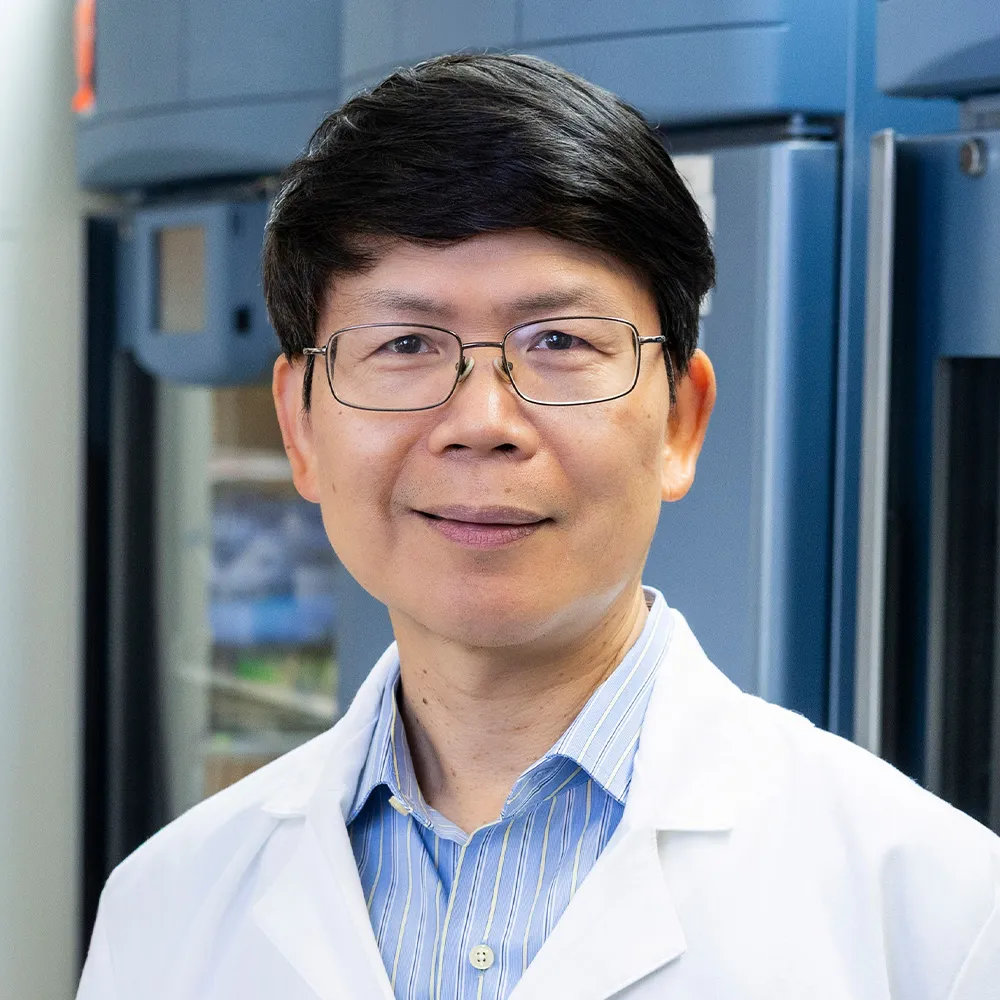
Later, he was recruited to the Biology Department of Fujian University, and in 1986 he went to the United States to study biology.
Scientists have known for a long time that once DNA appears in the cell, the cells will sound an immune alarm. But whoever perceives DNA, the major laboratories have reported several candidates that have not been tested.
The team first caught the alarm when the cell rang, a ring-shaped small molecule called cGAMP, which had never been seen in animal cells.
Then to find the enzyme that makes cGAMP. The team switched to three purification methods, leaving a stack of inseparable proteins each time.
So they in turn thought that all three samples could make cGAMP, and that the enzyme must be present in all three.
On the mass spectrum, only three of the three common proteins remain, one of which is recognized as cGAS.
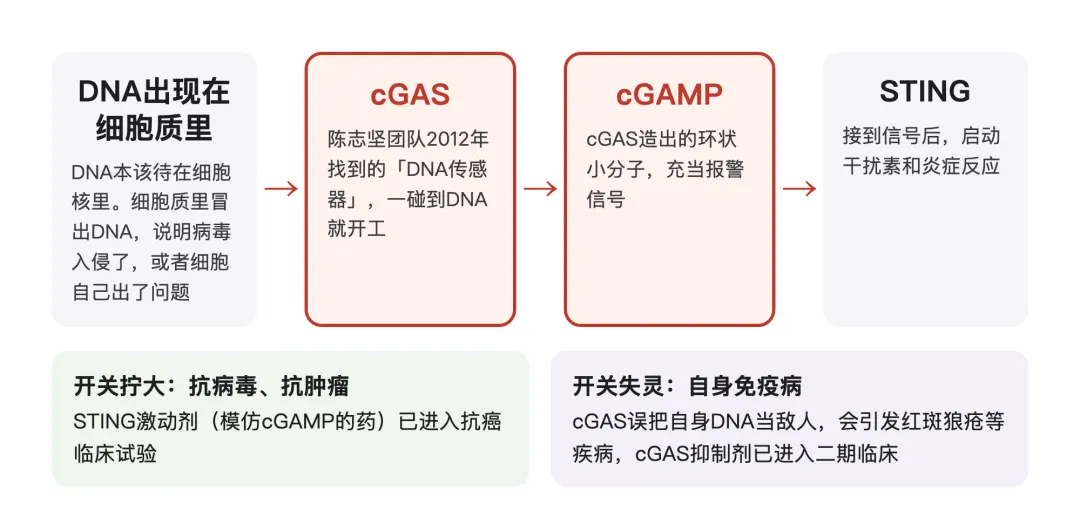
CGAS-related medications have entered clinical use. The fastest-running cGAS inhibitor for the treatment of scarlet fever has reached phase two.
In 2024, Chen Zhen won the Rask Prize for Basic Medicine alone.
He was the co-recipient of the Narask Prize for Clinical Medicine, and the scientists who studied GLP-1 made a popular drug such as Semeground from their research. GLP-1 was also the first winner of this year's medical prize.
The two groups that won the same prize two years ago could meet face-to-face tonight at the Nobel Prize.
Liu Min: A bowl of foam, cooked without fertility testAccording to a study by the National Institute of Allergy and Infectious Diseases (NIH), the study was carried out by the National Institute of Allergy and Infectious Diseases (NIH) and the National Institutes of Health (NIH).
The conversion comes from two cancer papers from 1996, in which the blood of cancer patients can detect tumor DNA. Luming thought that both the fetus and the tumor were connected to the blood vessels of the host, and that the tumor could put DNA into the blood, and the fetus should.
When he returned to the Chinese University of Hong Kong in 1997, he was only divided into a six-foot-long experimental platform.
He cooked the pregnant woman's blood for five minutes and took a few drops to measure the Y chromosome sequence that is only found in the male fetus.
I couldn't believe my eyes. For so many years, we've been looking for the wrong place.
It took another 10 years for the technology to detect Down's syndrome. According to Chinese statistics, it is now used in more than 100 countries, with more than 100 million pregnancies.
In 2010, he wanted to extract the entire genome of a fetus from a pregnant woman's blood. When he saw Harry Potter and the Half-Blood Prince, he thought of a pair of chromosomes, one from his father and one from his mother.
He came up with the idea of separating the two sets of data, which was later featured on the cover of Science Translational Medicine.
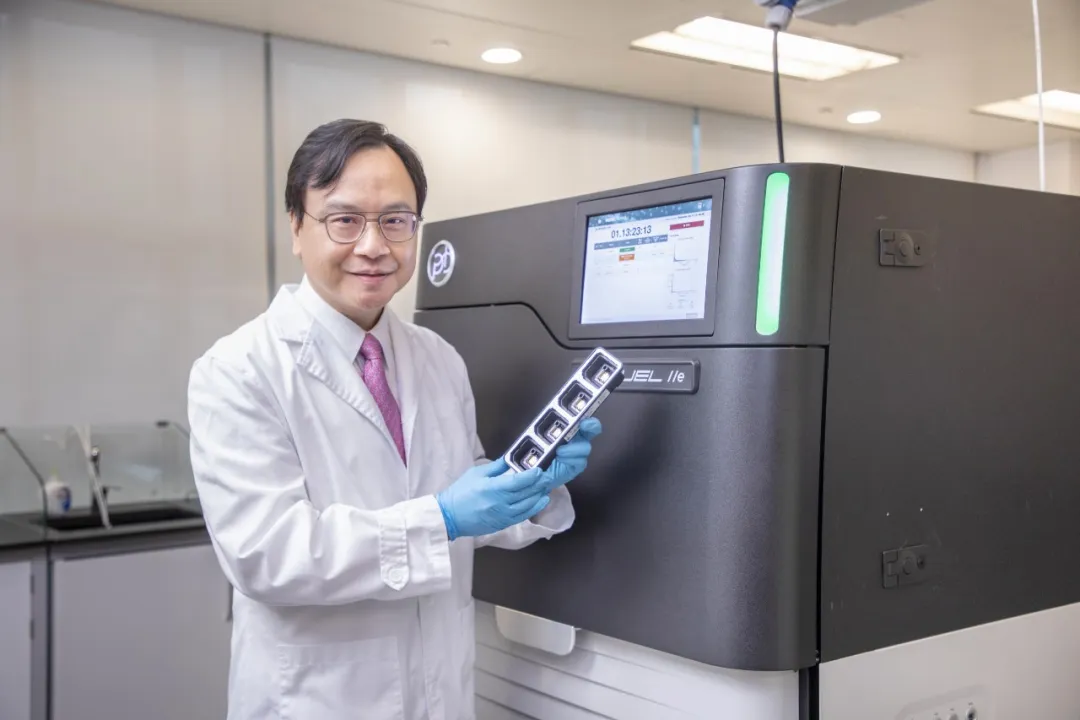
The people who used to cook blood in the past are now using Transformers.
In 2025, his team used a hybrid model of convolutional neural networks plus Transformer to analyze loose DNA in the bloodstream, identifying liver cancer with an AUC of 0.97 (full score 1).
From a bubble to a Transformer, it's been 28 years.
Tuesday at 17:45The Nobel Prize in Literature was awarded to the first woman to win the Nobel Prize in Literature.A text message at 10:35 p.m.At 10:35 p.m. on October 12, 2012, while returning home from the lab to park her car, she received a text message from her grandmother.
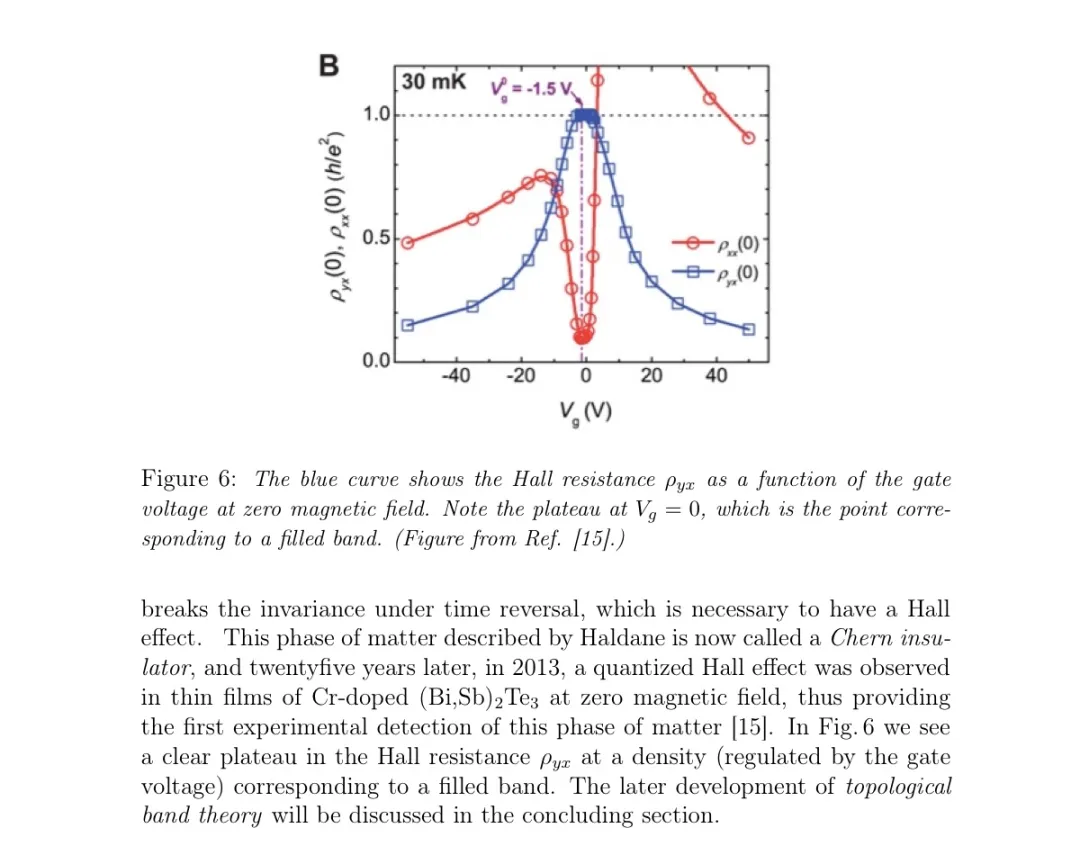
Professor, the quantum anomaly Hall effect is out, waiting for detailed measurements.
As a result, the team waited four years to grow and measure more than 1,000 samples.
After a few days, the readings went all the way to 10,000, 20,000, and finally stopped at 25,800 ohms, exactly the quantum resistance theoretically predicted.
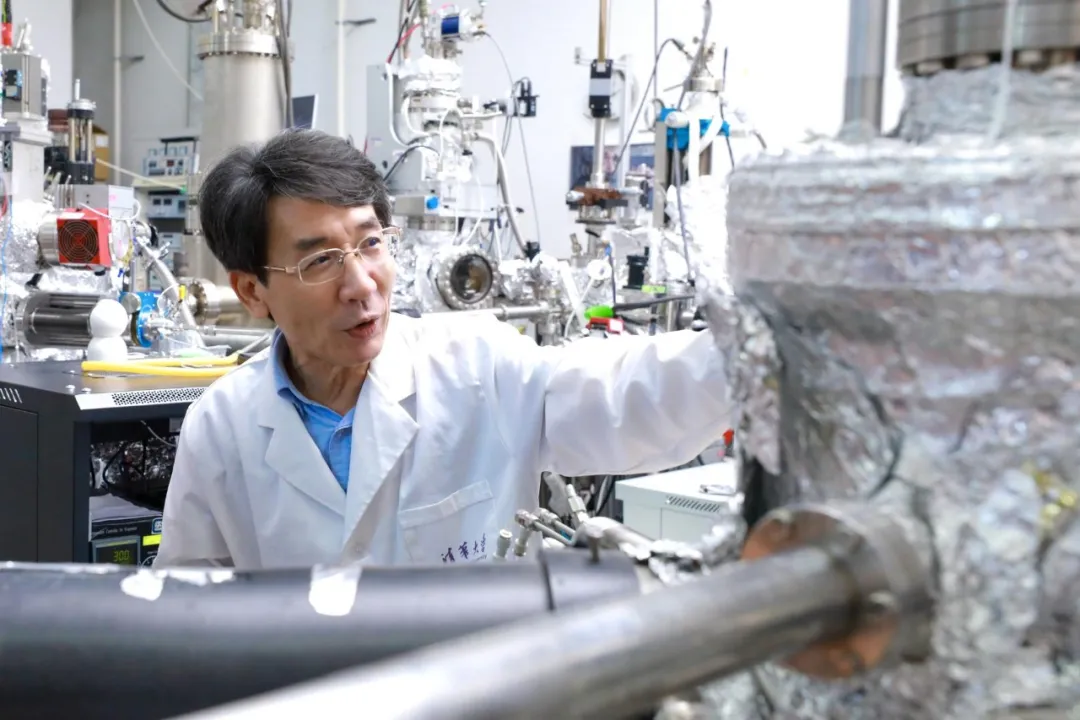
It's like the electronics in ordinary chips are going through the farmer's market, wherever they bump into each other, they walk around, they walk around, and they get hot.
The electrons in the quantum hall effect are like running on a highway with an isolating belt, each going its own way.
Normal quantum-hole effects require the addition of extremely strong magnetic fields, and the devices that generate the magnetic field have refrigerators that are large enough to not fit into the chip. Quantum anomalous hole effects can be achieved by the magnetism of the material itself.
It was the last member of the quantum Hall family to be discovered experimentally, and the first two members won the Nobel Prize in Physics.
At the results conference on April 10, 2013, Xi Jinping made the following remarks:
This is the first Nobel Prize-winning paper in physics to be published from a Chinese laboratory!
Shortly after the publication of the paper, Chen Zhenning also made a phone call to ask for a meal to be celebrated. On October 18, last year, Chen Zhenning died in Beijing, his first Nobel Prize season since leaving.
The Nobel Committee has long noted this work. In a scientific background document for the 2016 Nobel Prize in Physics, it directly used data graphs from the Zhengqi team, claiming that it first detected this material in an experiment.
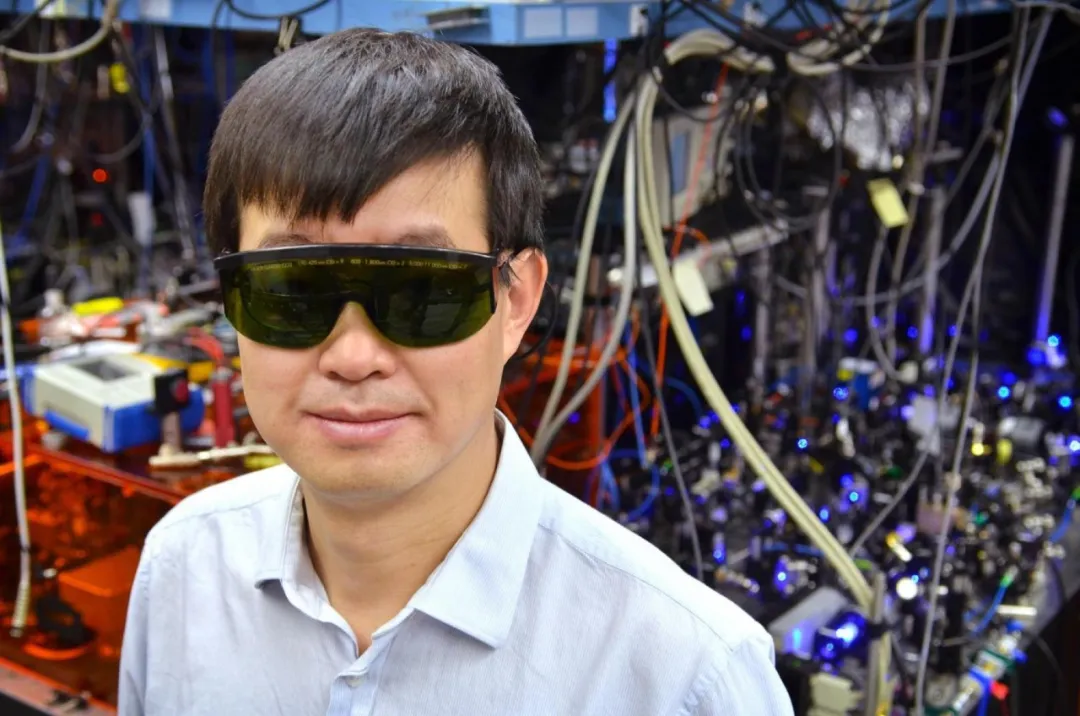
In 2024, he also won the Barclay Prize, the first Chinese-born recipient of the award in more than 70 years.
In 1987, he enrolled at the Faculty of Physics, where he studied for a total of seven years.
While studying, he attended Northeastern University in Japan, where the lab asked him to leave from 7 a.m. to 11 p.m., six days a week.
The discovery also relates to AI.
In an interview with CBC, he estimated that using this principle, the same supercalculator would only need a third of the electricity, "supporting the long-term development of AI in the future".
But it still has a long way to go before it can be done in an environment that is close to absolute zero.
He won the Wolf Prize five days ago.
On the evening of 1 October, Yan Yan and German physicist Bloch shared the Wolf Prize for Physics, the second Chinese to receive the prize, after Deng Xiaoping in 1978.
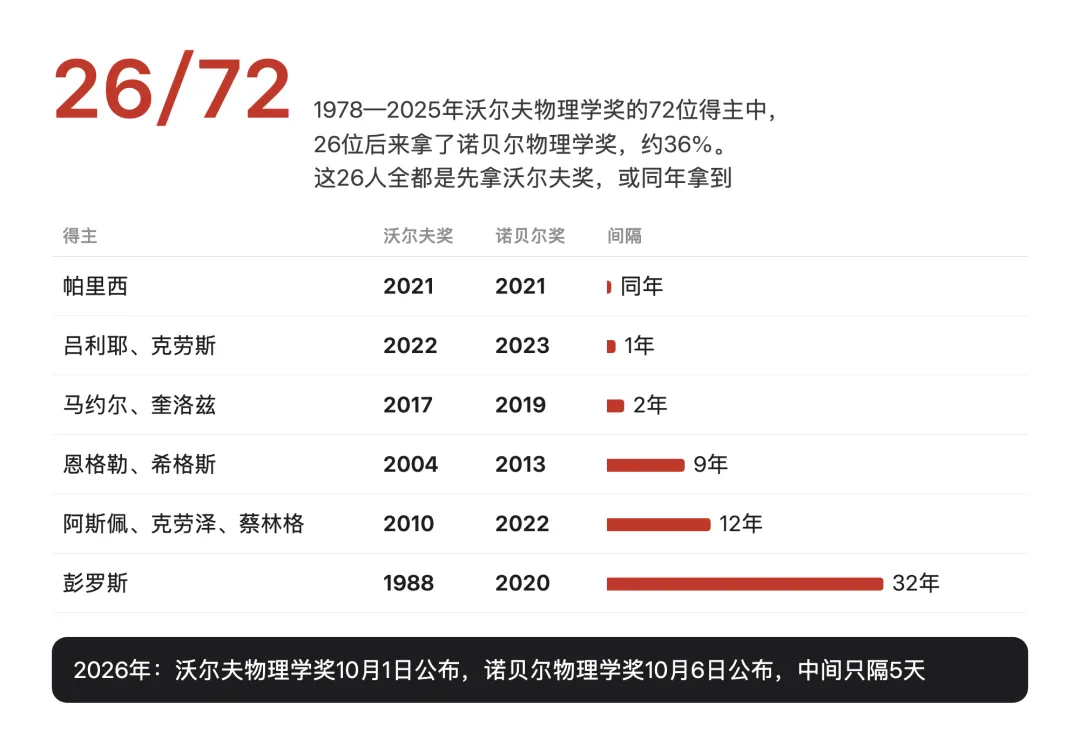
We estimate that of the 72 Wolf Prize winners in physics from 1978 to 2025, 26 later won the Nobel Prize in physics.
It was the world's most accurate clock.
According to the US National Institute of Standards and Technology (NIST), it is about 39 billion years short of a second, longer than the age of the universe.
At this point, even Einstein's prophecy can "see".
In 2022, in a cluster of mercury atoms only about 1 millimeter high, the team measured the difference between the upper and lower time velocities, which is the stronger the gravitational pull of general relativity and the slower the passage of time.
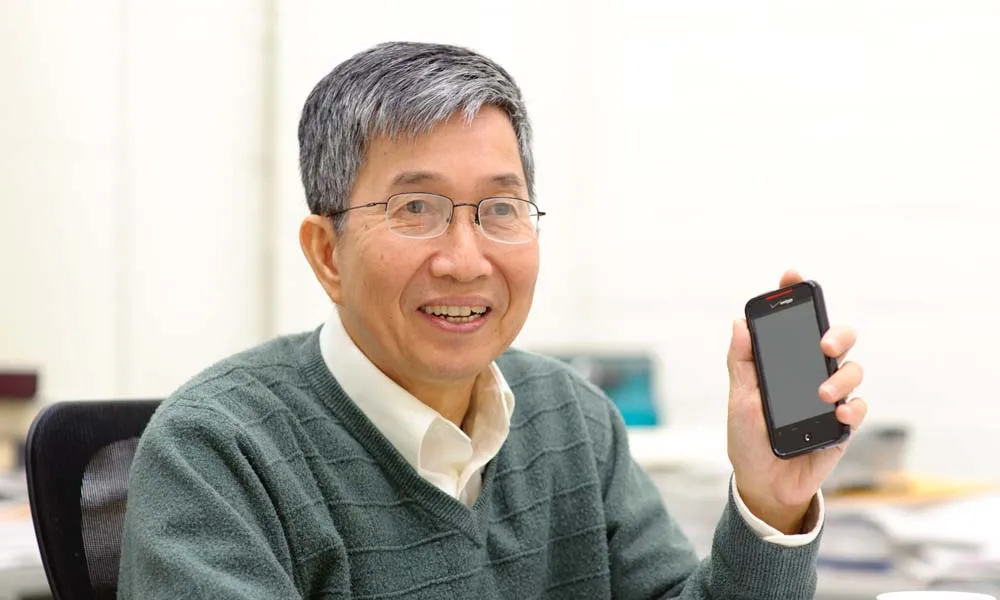
The OLED screen on your phone starts from here.
The winner of this year's Physics Award for Quotation is the second and third generation technology of OLED, nominated by Forrest, Thompson, and Anna Chibo.
The first-generation OLED was invented by Hong Kong University lecturer Prof. Zhang Yun in 1987 together with Kodak and colleagues.
Wednesday at 17:45He evolved an enzyme that nature lacks.A chemist dragged into a casino
Liu Xiaobo, born in 1973 in California, is a Chinese-born chemist.
At the age of 26, he became an assistant professor at Harvard and mastered a set of 21-point algorithms because he won too much money and was blacklisted by all the casinos owned by MGM.
He has been nominated for the Nobel Prize in Literature for his work on gene editing.
CRISPR, which won the Nobel Prize in Chemistry in 2020, is like a scissor that cuts off DNA binary chains and allows cells to repair themselves.
In 2016, Zheng Xiaojing made a comic book edit. Using his own metaphor, it's a pencil that, without cutting off DNA, directly transforms one letter into another.
The next year, he tried to change another type of letter, but found that there was no enzyme in nature that could do this at all.
So they took an enzyme from a bacterium that evolved in the laboratory for a generation, evolving into a seventh generation, hardly creating a tool that nature doesn't have.
In 2019, he also made a pioneering edit, the equivalent of "finding a replacement" on DNA, which in principle corrects about 89% of known pathogenic variants.
In 2025, American baby KJ became the first person in the world to receive customized gene editing therapy using an adenosine-based editor invented by the Humber Laboratory.
In July of this year, he added AI to this evolutionary line.
His team used an AI model developed by 2024 Nobel laureate David Baker's lab to re-engineer a more stable natural protein and then evolve it into a laboratory that was 79 times better than starting with natural proteins.
His next goal is to be a pioneer editor.
However, many predictions point to a concern. Six years after Gene Editing won the Chemistry Prize in 2020, the committee will not have to re-award the same direction so quickly.
Four other Chinese chemists on the listZhang Chen, who pioneered single-atom catalysis at the Colonial Laboratory, was the first recipient of the Nobel Prize in Physics for his work in mainland China last year.
Oikawa of the University of Chicago discovered the first RNA-methylated enzyme and won the Wolf Prize in Chemistry in 2023.
At Harvard University, Zhao Wei invented the super-resolution imaging technology called STORM.
Sugar chemist Aung San Suu Kyi was the winner of the 2014 Wolf Prize in Chemistry.
Next Nobel Prize: AI in the lab
In 2024, the Nobel Prize in Physics and Chemistry will be awarded to pioneers of AI such as Hinton, Hassabis.
These findings on this year's list of hot spots are still a bit more sophisticated.
But AI has entered their lab, and Liu Min is reading DNA with the Transformer, and Liu Xiaobo is starting to see AI-designed proteins as a starting point for evolution.
The next Nobel Prize-winning discoveries are likely to come from more and more people.AIA working laboratory together.
RoboInd editorial channelResearch, robotics companies and market intelligence for cross-border sourcing.Explore the channel ↗
Share this
End of editorialExplore more from Global Robotics News ↗