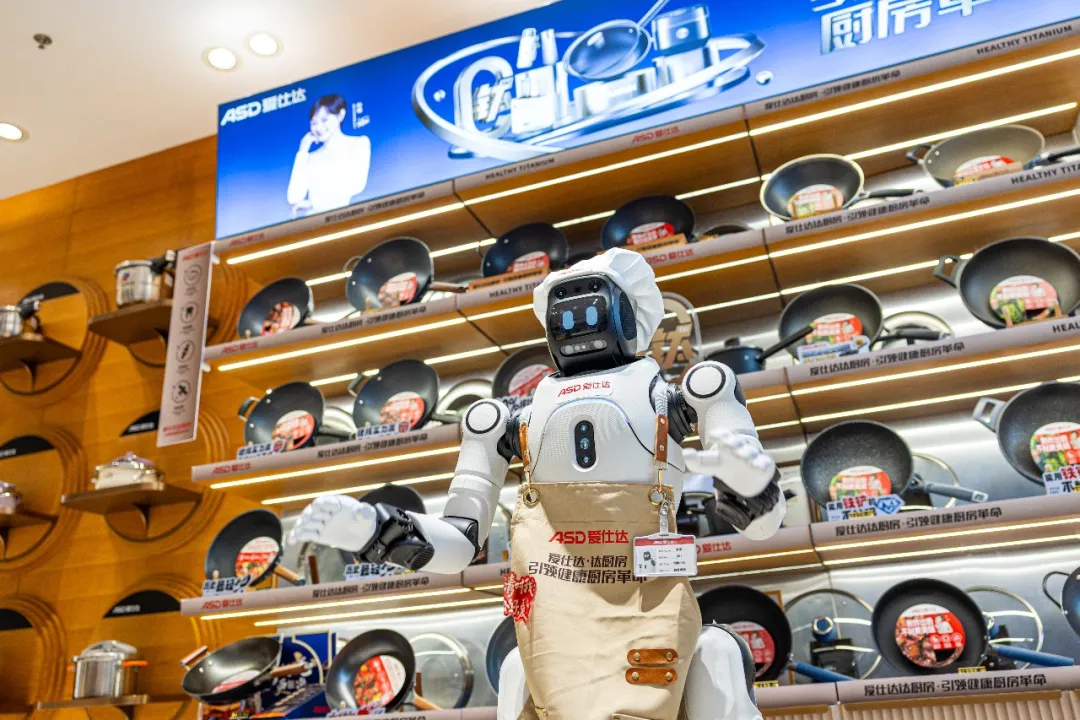
“ The Super-Hundred Rhinos X2 arrived in hundreds of shops around the world and went live for three consecutive days. One of the most interesting aspects of the test was not how autonomous the robot was, but how it knew when to deliver the message to humans.
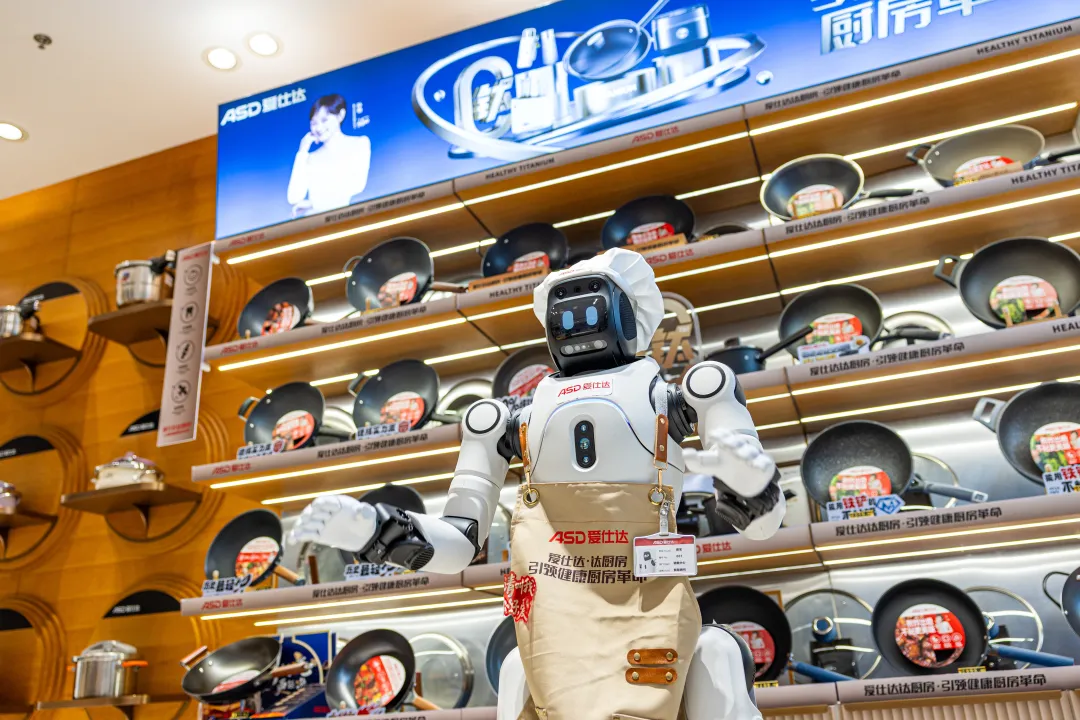
On September 28, Chiu-young officially launched a partnership with cooking brand Eishieda: 100 rhinos X2 humanoid robots entered Eishieda's 100 stores nationwide as shop promoters and took to the real retail scene. Starting at 10 a.m. that morning, the two opened three-day live shops in Wenzhou, Shanghai, and Ningbo, presenting the robot's service status in a real-life consumer environment for 10 hours a day.
When the live broadcast began around 10 a.m., a family of three walked into an ice cream shop in Warsaw, where a rhino X2 wearing a fence actively welcomed them, opening the door with three questions: how many people usually eat at home?
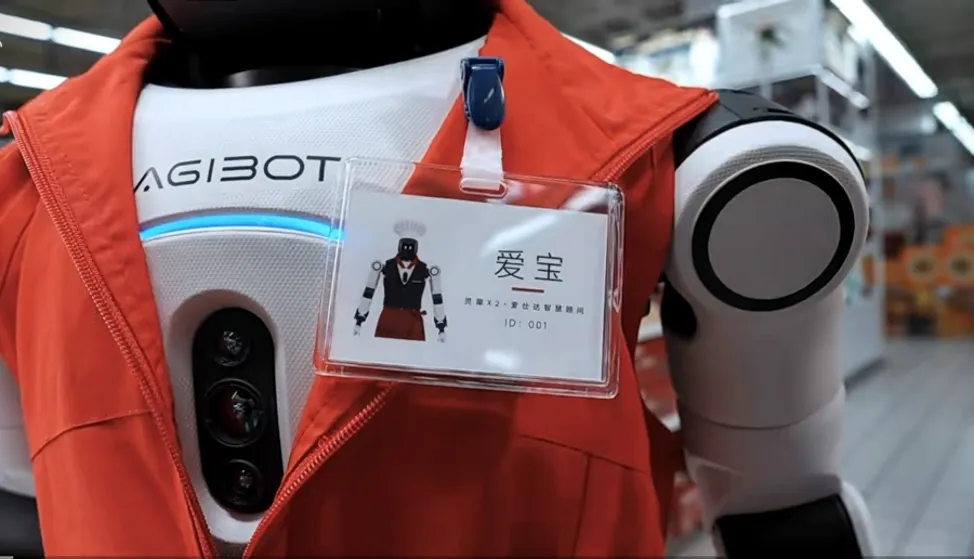
Knowing that three people often do Chinese popcorn, the budget is within a thousand yuan, the robot combines household cooking habits, 30 seconds to complete the filter selection, to explain to customers the material of the mold, the non-stickness and the convenience of popcorn.
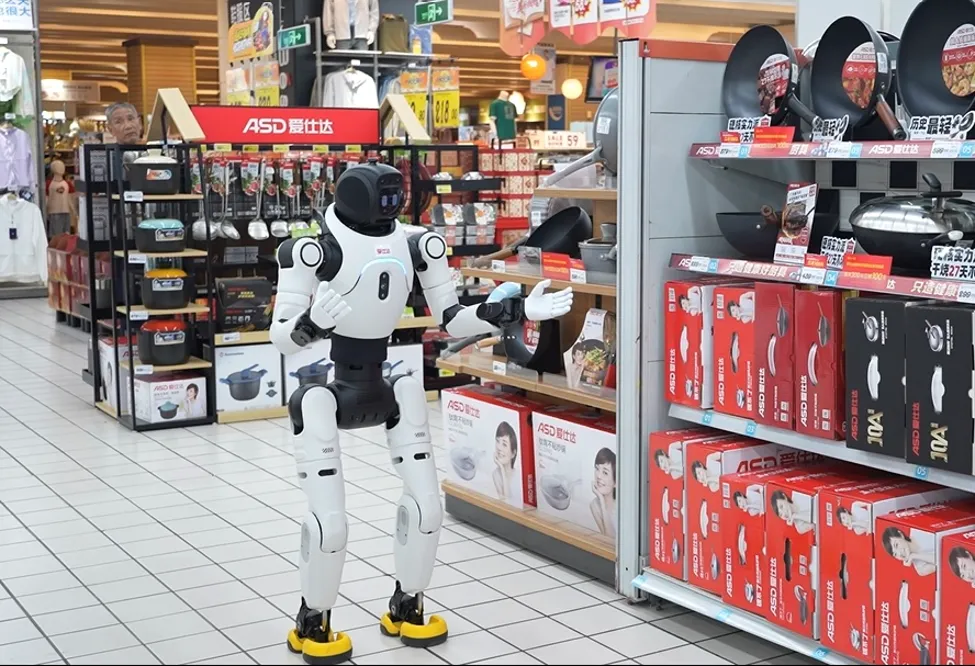
The 100 stores are spread across more than sixty cities across the country. There are more details in the on-site record: customers are waiting by the side, appointed to watch the talk; when asked why to use the strap, it can explain; the shopkeeper's turnover can also be replicated. Its task list also includes autonomous roads, strap interaction and retail warehousing operations.
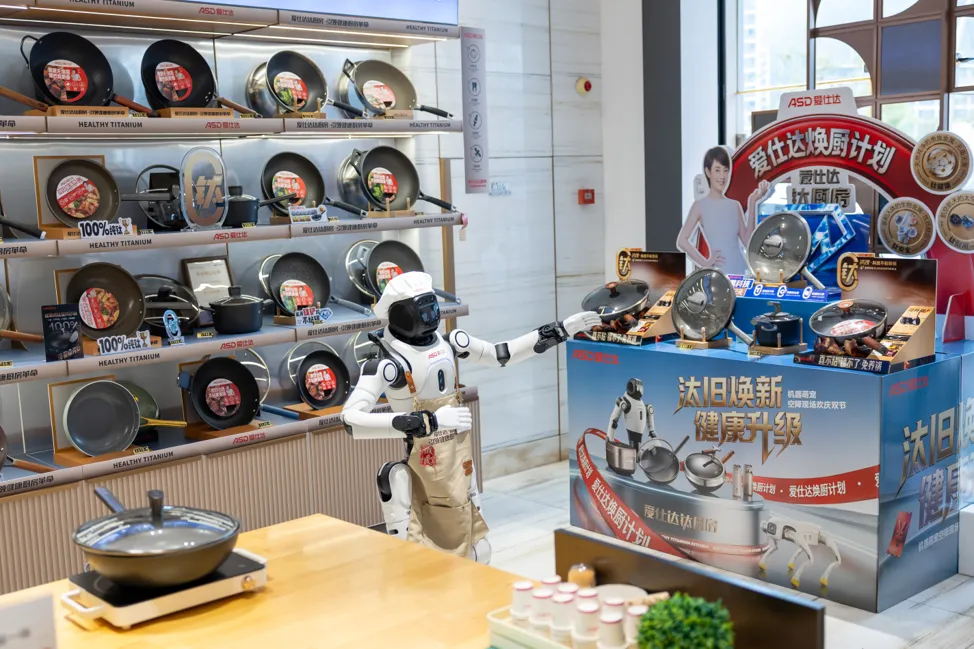
One of the most interesting aspects of this test of the same mass-produced robot, over 100 units in size, facing real consumers directly for three days in a row, is not how autonomous the robot is, but how it knows when to talk to people.
01.
What are you looking at?
In order to understand the scale of this step, it is necessary to define the business landscape of the last two years: mall courts, brand showrooms, tourist attractions, conference venues, where robots can be seen. Most of these projects are short-term leases, activities end equipment or evacuation, robots are tasked with attracting the flow of visitors and spreading exposure, the criteria are the number of visitors and the spread.
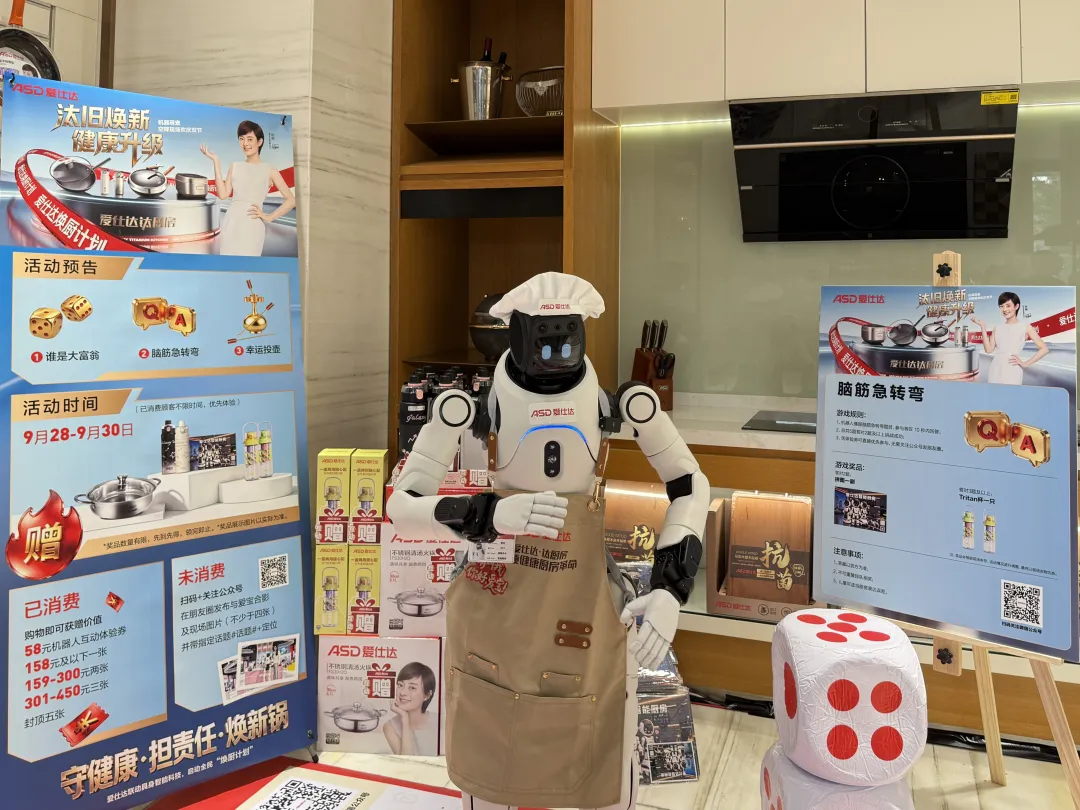
Retail stores do not belong to this category. It is a scenario of high frequency, strong business objectives: ten hours a day continuously facing real customer flow, service results directly attached to the operating accounts of the stores. The requirements also change with it, no longer the completion of a single performance, but the ability to read the procurement demands of a real consumer, can coexist with the existing procurement system of the stores.
These scenarios are not difficulty in upgrading, they are the source of variation in change. The variation of the race course is only track, obstacles and timing, taking into account physical limits and movement control; the variation of the output line is from rhythm, reliability and reliability, taking into account endurance, precision and engineering stability; the park must simultaneously cope with high-density passenger flow, noise, multilingualism and visitor travel, the unknown movements that can be made at any time, safety redundancy, long continuous operation and the pressure of large-scale synchronization are not great, considering the interaction routine; the countertop is another complexity variation is the customer's plans, price, inventory and completion, the consumer's goal is to be very clear, buy, or not to understand business plans and business results.
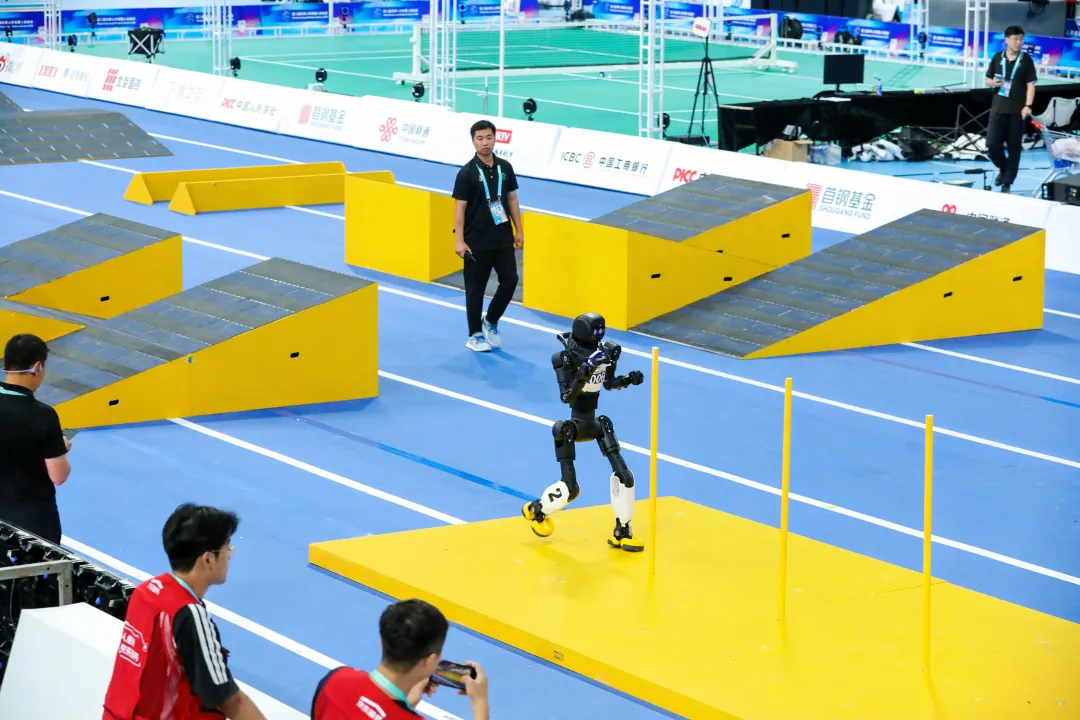
Judging the water level of a household smartphone company, count the number of scenarios it entered and see how many different variables it actually ran through. These variables are crossed by the same mass-produced Rhino X2: the switch between scenarios is not a robot, but software hardware capabilities and algorithms adapted to the same mass-production platform, relying on configuration and training to perform different tasks, rather than customizing a machine for each scenario.
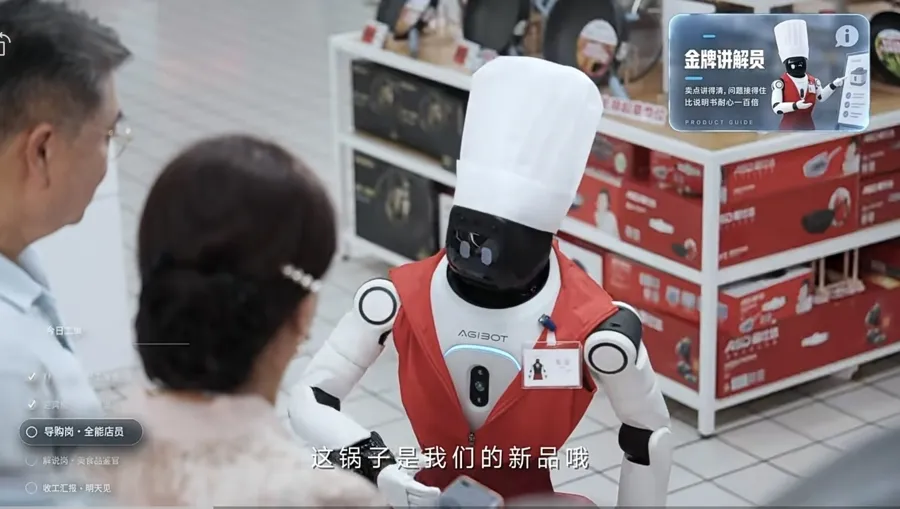
Therefore, the acceptance of this type of retail is different. Speed and reputation, production lines watch the pace and continuous operation, park experience, safety and operation scale, these indicators are measured by the operating state of the system itself. The final indicator of retail is the transaction, once the acceptance is made with money, the robot is no longer a technical project, it becomes a store operating account to calculate the return of the investment, production will fall on the actual operating results. The public sale price of the Rino X2 is tens of thousands of yuan, this figure has grown to the point that it must be placed on the poster, and that is because, dare to put it in this set, it shows the stability of the system is undermined.
The harshness of retail also lies in the fact that consumers don't respond to the demands of the test cases. He may say that the mouth is a joke to the elderly, he may say that he has half changed his mind, or he may just walk around with a question. Random expression, multiple rounds of communication, the need for temporary change, the constant movement of people, all crammed into the same conversation, the robot has to get out the real intent of the noise, and then decide how to be answered.
02.
In the retail scene, how do robots collaborate well with humans?
In April 2026, the founder, chairman, and CEO of the company explained: "The only way to achieve this is to develop not only the limbs, but also the brain; not only to talk, but also to work".
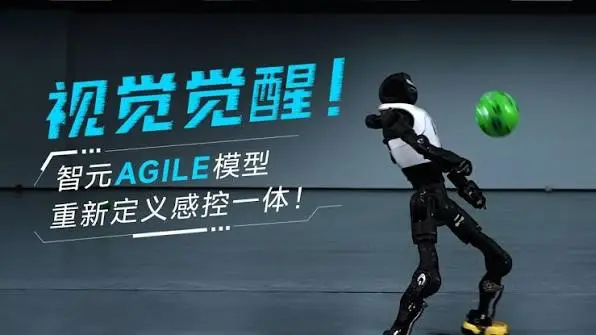
All three are based on technology. Mobile intelligence is the AGILE-generated general-brain engine framework that allows robots to make real-time decisions in arbitrary intermediate gestures, to generate coherent actions under the interference of shopkeepers, and to move steadily past, depending on it. Interactive intelligence is the fluorescence dynamics WITA model, and the robot's native end-to-end full-mode interaction model WITA-Omni, which fuses visual, auditory and awakening dynamics together, achieving uninterrupted interaction and multi-channel dialogue, and translating rotational parameters into a common expression attached to family dynamics.

Working intelligence is assumed by the combination of the baseline model GO-2 and the action world model GE-2, which are responsible for product identification, pick-up and delivery.
The real problem here is the model. The robot not only responds, but also perceives the environment, understands the intent, makes decisions, and finally interacts with the body and the real world: seeing the customer stand in front of the shelf, hearing the real demands behind the shelves, judging which material to tell the price first, then going past and taking the shell and handing it to him.
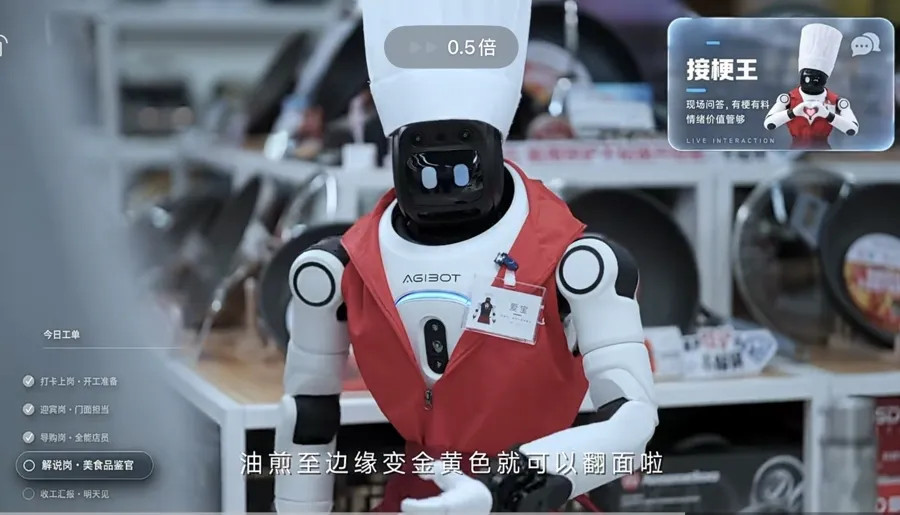
This set of capabilities goes to retail, and real-time acquisition combines this division: robots are responsible for receiving, demand mining, COP interpretation, preliminary screening; real-time acquisition is responsible for complex policies, inventory and exchange. This is preceded by high-frequency, standardized information services, which are the parts of the machine that are best at taking on scale; the latter involves real-time changes in inventory and policies, and the final confirmation of transactions, requiring on-the-spot discretion, and requiring someone to take on operational responsibility.
From start to finish, the robot is the most beautiful picture at the presentation stage; entering daily operation, the evaluation standards are changed to another set. The automated driving industry has long wanted to understand: not with zero takeover, to take over smoothly, to give adequate response time before taking over. Likewise, the customer service system, the key is not unmanned, is to turn on the full context, do not let the user say the words again. According to this standard, the core indicator for measuring the deployment mode should not be autonomy, which is the transmission success rate, the timing of the transmission is incorrect, the context is not lost, the customers are not forced to speak again.
Knowing when it is time to make decisions, and getting things done, is a sign that the system is moving toward maturity. At the same conference, Chiyo's co-founder, president and CTO, Xi Jinping, said: "The real watershed of being physically intelligent is not just AI models entering the physical world, but products entering a real workflow, and the industry is shifting from selling robots to delivering results.
03.
What else does Chiu want besides selling coconuts?
The term is not about how many scenarios robots have entered, it's about a set of capabilities that can't form a closed loop: 3D shutdown, model capacity increases, mass production pushes down costs, real-world deployment puts robots in, real-world feedback comes back, products and models are recycled.
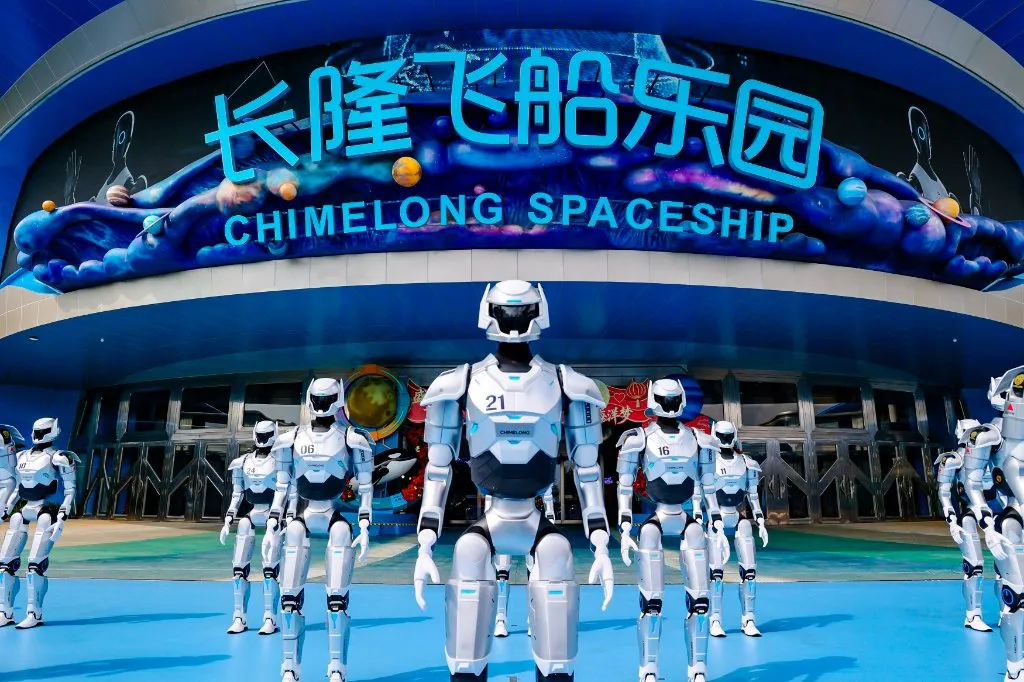
In addition to the purchase of machines, the agreement also includes the construction of a full-chain collaboration system covering real-world robotic scenario collection, model training, scenario landing; the co-creation of a real-world training base; the development of vertical models in the industrial, retail and joint R&D sectors; the completion of a complete chain of deployments to replace data-driven real-world products; and the opening of four robotic supply chain support channels to Ericsson and helping Ericsson build a localization service team.
A physical space of 100 stores and a real customer flow were delivered in exchange for a large-scale delivery of industrial robots under the banner of Changjiang Robot, a ticket to enter the robotic supply chain.
This is the most expensive thing in the industry, and many companies are investing in the construction of large-scale data collection facilities. However, it is important to understand that video data from the human perspective and physical data from the body of a robot are not the same as the lack of feedback, the consequences of actions, and the physical interaction in the first perspective.
So in this retail deployment, sales aren't the only numbers worth seeing. It's more like a distributed, model-trained collection of actions with real users, with real consequences, followed by the sale of goods.
04.
What are the numbers in the middle, from deployment to long run?
This closed loop really needs to be turned around, and there are a few more numbers waiting to be filled.
It is the premise of this route that data from different scenarios can be combined into the same model. Factory fares, parks, sales booths, countertops, how much underlying capacity is shared?
The data for normalizing operations is equally critical. Three days of live streaming is just a window to show the continuous running time, failure recovery time, real conversion conversion, and there are no hard standards for the coloring of this type of retail once published. It can't run in the long run on a commercial basis, but it has to wait for these numbers to answer.
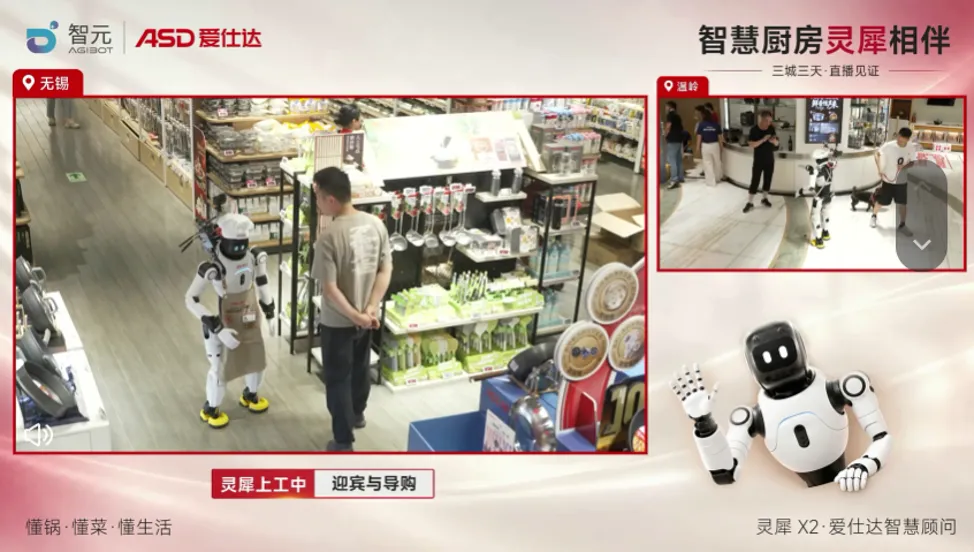
From the racetrack, to the factory production line, to the theme park, to the retail counter. The universality of physical intelligence has become unestablished, and in the end it is not surprising to see how much a demo is, but to see how the same set of mass production platforms can not constantly enter different real scenarios, face different objects, and complete different tasks.
In the window, three people walk in and the robot comes up to ask how many people are eating in the house. The key to this is not how well it answers, but that it is allowed to answer badly and when it doesn't answer well, to stand next to someone, take a conversation and do business.
The words that have sounded the most physically intelligent over the years are autonomous. But really entering the physical world of machines, the first lesson is probably not autonomous, but collaboration. They are first placed on a large scale in a place where they can't make mistakes, and they must make mistakes, and when they are designed to make mistakes, someone next to them catches up.