“ It's the policy that determines where the robot goes first, the working conditions that determine what it looks like, whether it stays or not, customers say.
In the last two years, one of the most expensive and rarest stories in the robotics industry has been the invention of unlimited human-powered space shuttles.
Capital is priced by imaginary space, how many workers a humanoid robot can replace, how many households it can enter, how many plates it will take in five years, and the valuation moves upward along this curve.
But on the customer's side, another bill counts, the device enters the factory, saving a few people a year, how many lives, how long to live. Two curves, one going up, one going down, the crack in the middle, is the biggest bubble in the industry.
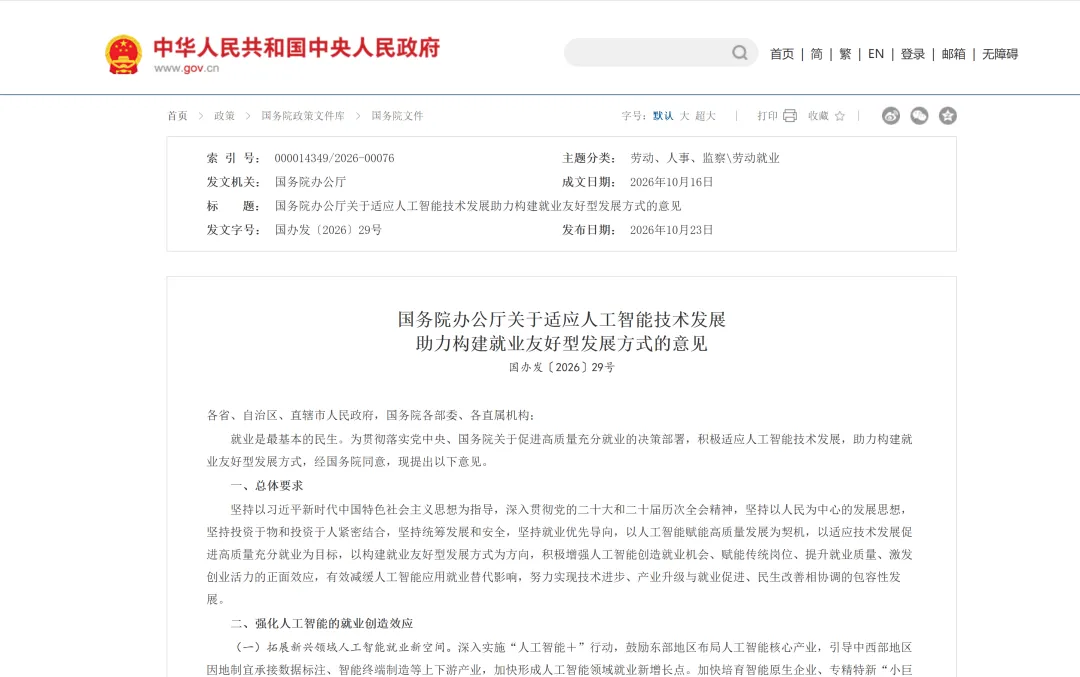
On October 23, 2026, a document issued by the State Department Office silenced the robotics industry.
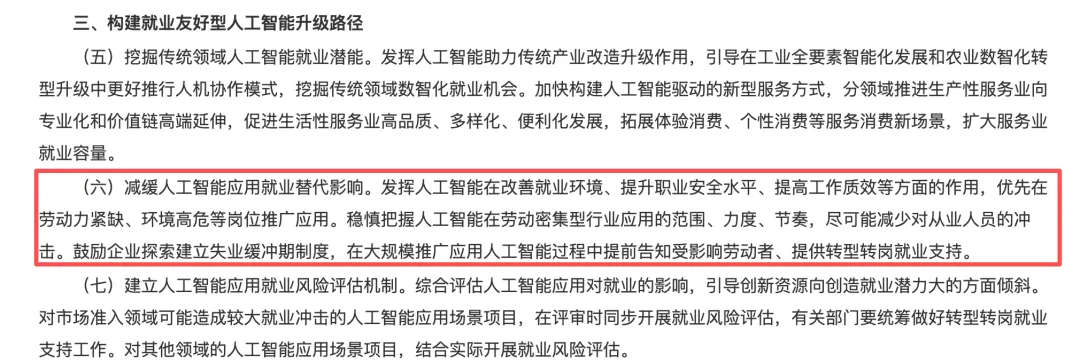
The document, entitled 'Article 6 of the Opinion Paper on Adaptation to the Development of Artificial Intelligence Technologies to Help Build a Way for Employment-Friendly Development', explicitly states that the promotion of applications in positions such as labor shortages and high environmental hazards is a priority and calls for the scope, strength and pace of applications to be firmly grasped in labour-intensive industries.

The following is a link to the document: www.gov.cn/zhengce/zhengceku/202610/content_7084108.htm
Some people in the market read it as a stepping stone to the story of a robot-turned-human brake, while others saw special robots as a policy-defined accelerator. This tearing itself is the most honest portrayal of the robot industry today.
In the opinion of the Robotics Workshop, the policy is not to not change people, but to make them pay the bills. Over the past two years, the value of blueprints and imagery has risen a hundredfold, and the documents now tell the market that a replacement is possible, but to divide the scene, rhythm.
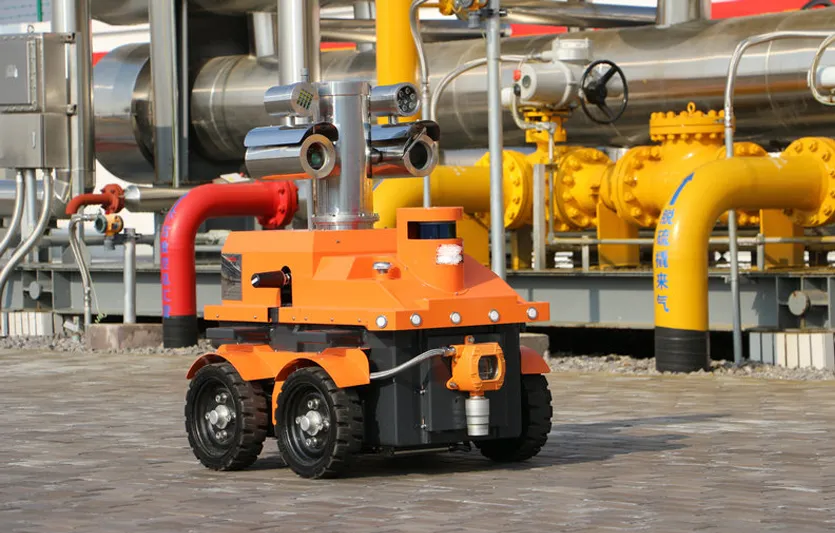
Prior to this, the signal on the capital end was very clear, and the market value of the head humanoid company experienced a sharp turnaround, and the eyes of capital began to turn. In this shift, the pragmatic special robotics industry, such as anti-explosion robots, high-altitude robots, and underwater robots, which were previously obscured by grandiose narratives, is emerging and gaining more funding.
Because most people in the industry have already found that the capital invested is imaginary space, but customers buy back this cycle, and the gap between the two is bubbles.
Policies are like filters, shifting resources from the bigger story of who's who to the clearer account of who's who. This document does not just outline the current technological routes of robots, but also the discipline of the scene. It indicates that the shorter the number of people, the more dangerous the places where robots can be.
01.
What should robots change for humans?
The most interesting thing about this document is that it does not encourage anything, but it replaces it with restrictive words.
The phrase, which places the robot landing scenario in a very specific context: where people are unwilling to intervene, where people are not good enough, where people are at risk to intervene. While steadily grasping the scope, strength, and pace, is a clear distortion of the past narrative that the robot completely replaces the workforce. The value of a person is never dependent on how many people it can replace, but on how much money it can replace the individual, how long the replacement accounts can be calculated.
In labor-intensive industries, the effect of alternatives on scale seems tempting, but in low-cost, unstructured, highly complex scenarios, ROI is often inconceivable; in special scenarios such as high-end, high-risk, explosive, toxic hazardous, individual labor costs are extremely high, operational tasks are relatively clear, customers are willing to pay, and accounts are easier to calculate.
Policy papers begin to drain stories and leave books. It draws resources from the larger-scale competition of who's telling the story, directing them to people who can create quantifiable value in real working conditions. This is a cold water basin for a company that relies on general narrative valuation and a late name for a company that has been around for a long time in special situations.
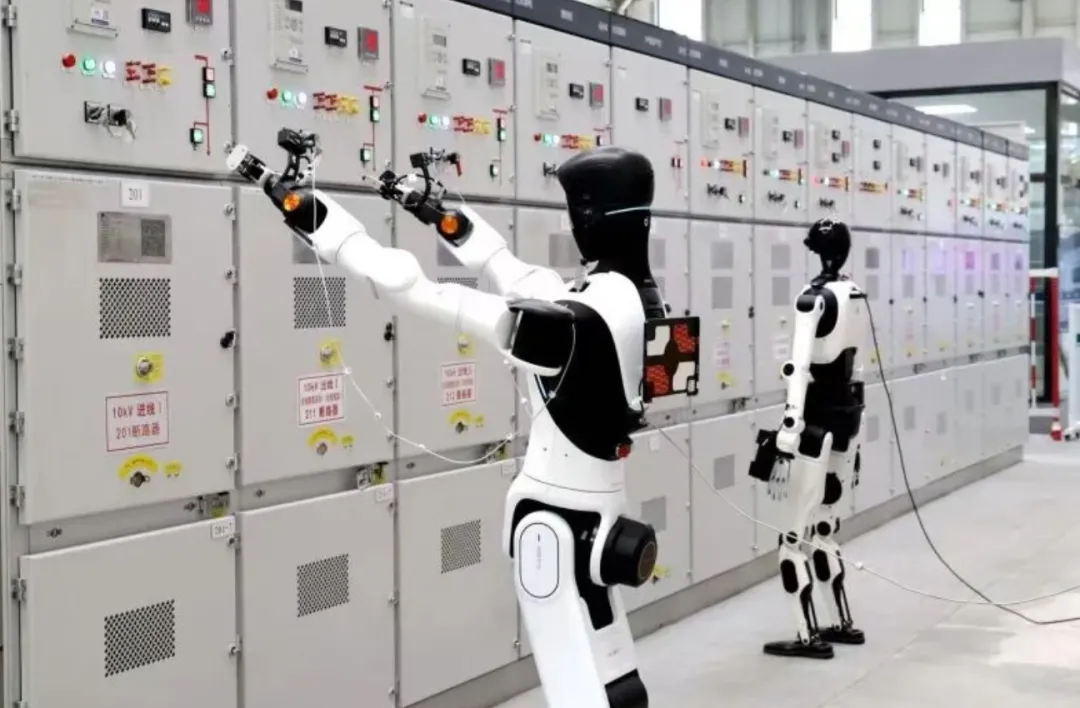
The problem with the popular humanoid robot, which has been overwhelmingly pursued by capital, is not that some parts are not good enough, or that a model is not strong enough. The real problem is that its commercial closure has not yet been verified in a highly demanding and high-frequency scene.
Even the few leading companies in the industry that have achieved economies of scale, the tensions between their revenue structure and market value have been made public, but the once-in-a-lifetime surge in market value remains far beyond the reasonable range given by sellers based on their 2027 revenue forecasts.
More profound changes came from the model layer. In September 2026, after the release of the GPT-6 Astra, the research community quickly incorporated it into robotic assessment, with partial zero-sample scores exceeding the performance of specialized strategies trained with large amounts of robot data, semantic generalization and long-range planning. The General Large Model directly drives robotic execution tasks using the LLM as Policy approach, using pumped resources that are being invested to eliminate the capabilities of robotic-based modeling that have been seen as the core barriers of capital. Wang Jingjing publicly acknowledged that the GPT-6 Astra demonstrated the potential of the General Large Model to directly control the completion of part of the robot's tasks, and reflectively underestimated the ability of the AI.
This means that the real barriers to a robotics company may be no longer a robot that has a smarter, more general brain, but one that has scenario data that no one else can get, and an entity that can function steadily and quickly in real-world conditions.
02.
Let's talk about the size.
Since then, most of the leading companies in the specialty robotics industry have had an unwritten ethical discipline, which is that it is difficult to account for projects that are unclear to clients, and more than a year and a half of ROI is difficult to pass at the ethical stage. This requirement sounds simple, but in many special and high-risk scenarios, accounting does work and has real alternative meaning.
For example, ships can remove cast iron, because the outer boards of ships are curved steel plates, the working surface is vertical, the difficulty of operation is high, the risk is high, the monthly salary of high-space workers is 10,000 to 15,000 yuan, the average age of the workers is 45 to 50 years old, every year is still going up, new people barely come in.
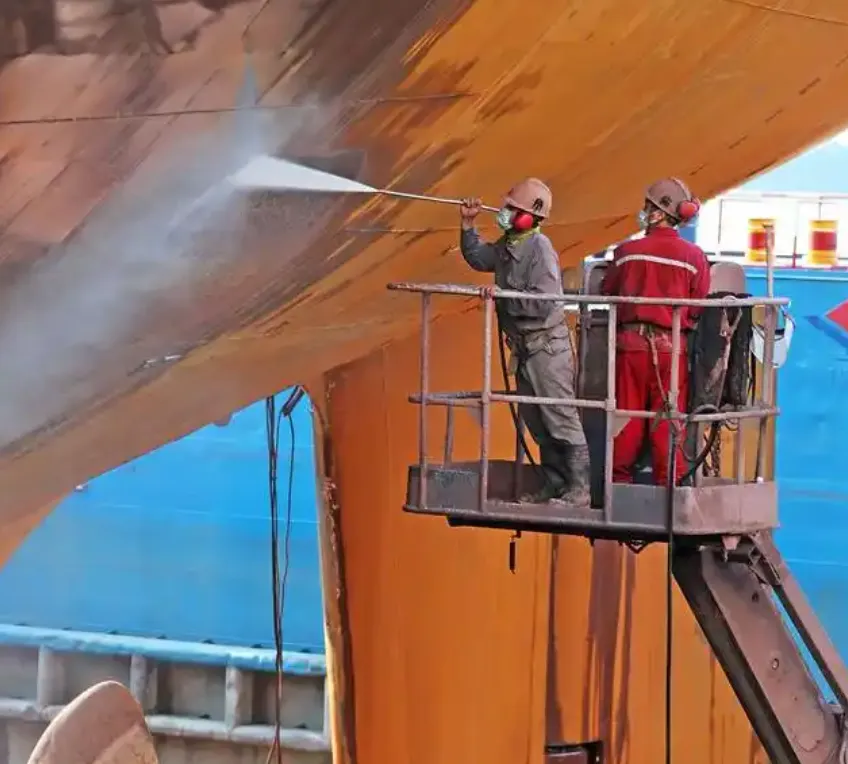
In place of robots, this set of work conditions requires no general form, no absorption methods, no load capacity and no level of protection, resistance to salt fog corrosion, high temperature humidity, continuous long-term failure-free operation, and the ability to be flexibly suspended in the hull, which is a complete systematic engineering.
Customers pay not only for the efficiency of robots, but also for the people they save and the risks they take. This logic is very similar to industrial robots. Industrial robots solve the problem of lithium, a production line is 30% efficient, multiplied by huge production, and the ROI of the equipment injected is equally clear. Special robots solve the problem of lithium prices, which may not be large in the overall market, but the single-point manpower cost is extremely high, and the replacement is absolutely big enough.
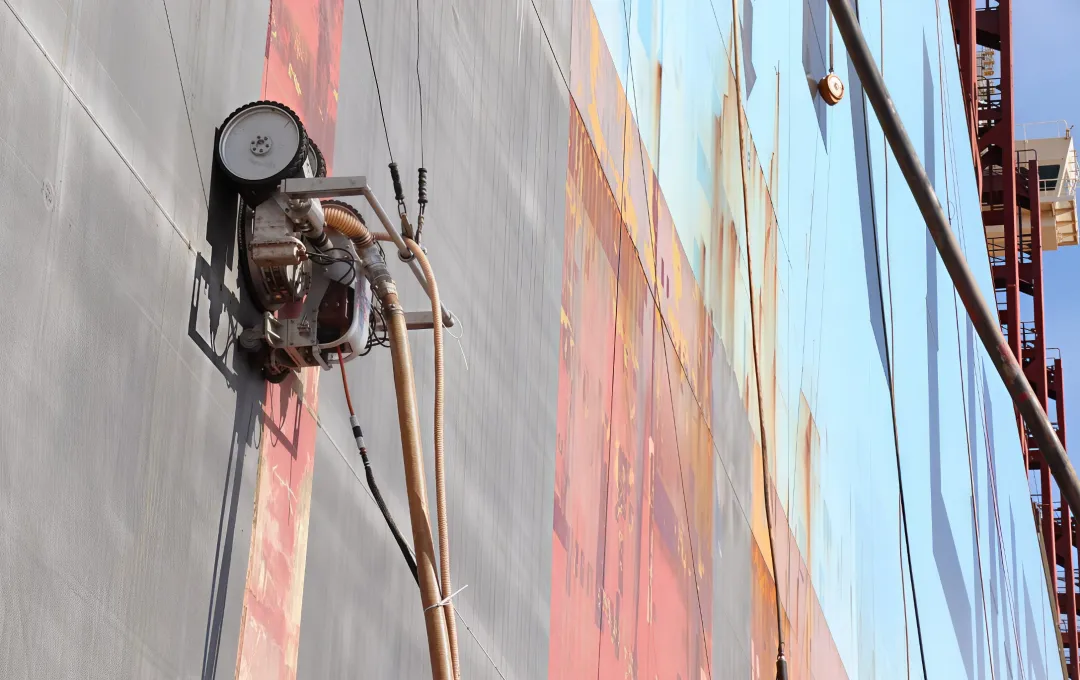
In special high-risk scenarios, the A-side is not to compare robots to workers, but to the likelihood of accidents.
As a result, the industry's barrier to robots is not the hardware itself, but the real gateway lies in three places: reliability, process packaging, and the closed loop of customer accounts.
Scenarios such as high-altitude hazard, high explosive rate, extreme hazardousness, and requirements for MTBF (average failure interval time) and protection grades determine that products must undergo long periods of actual wear and tear. Once the product stabilizes, the data flywheel begins to rotate, new samples continue to flow through OTAs, the better the model is used, the more data customers have, and the greater the gap the latter has to trace.
Data flyers in areas such as industrial specialties, dozens of application scenarios, hundreds of thousands of hours, were exchanged by a group of customers for real gold and silver.
The launch cost of this aircraft was precisely that part of the unsexy charm, the time it took a year or two, the actual work of hundreds of scenes, the patience of early customers, the barriers of these businesses, the time that the latter could not buy with money.
These devices do not have an intentional adult appearance because they are not about universality, they are about accessibility, they are about protection, and they are about continuous operation.
03.
Special Four Tigers: An underrated industrial map
If a map was drawn by the operating space of China's special robots, the four companies happened to be stuck in four key dimensions, each running a verifiable ROI and market share in their respective segments. They don't have a trillion-dollar narrative, but they come together to form a robust industry.
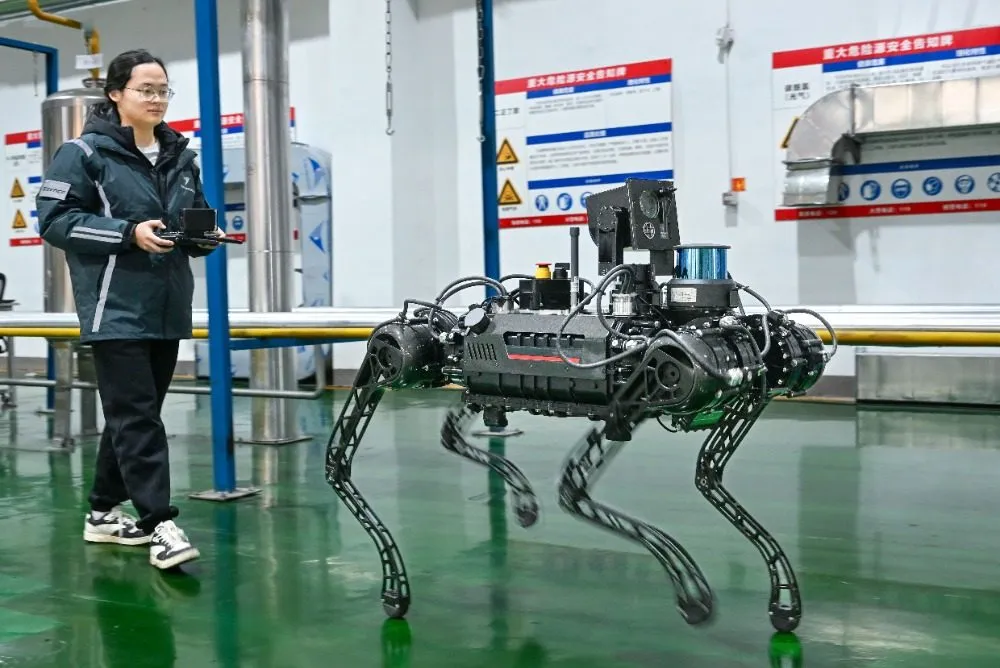
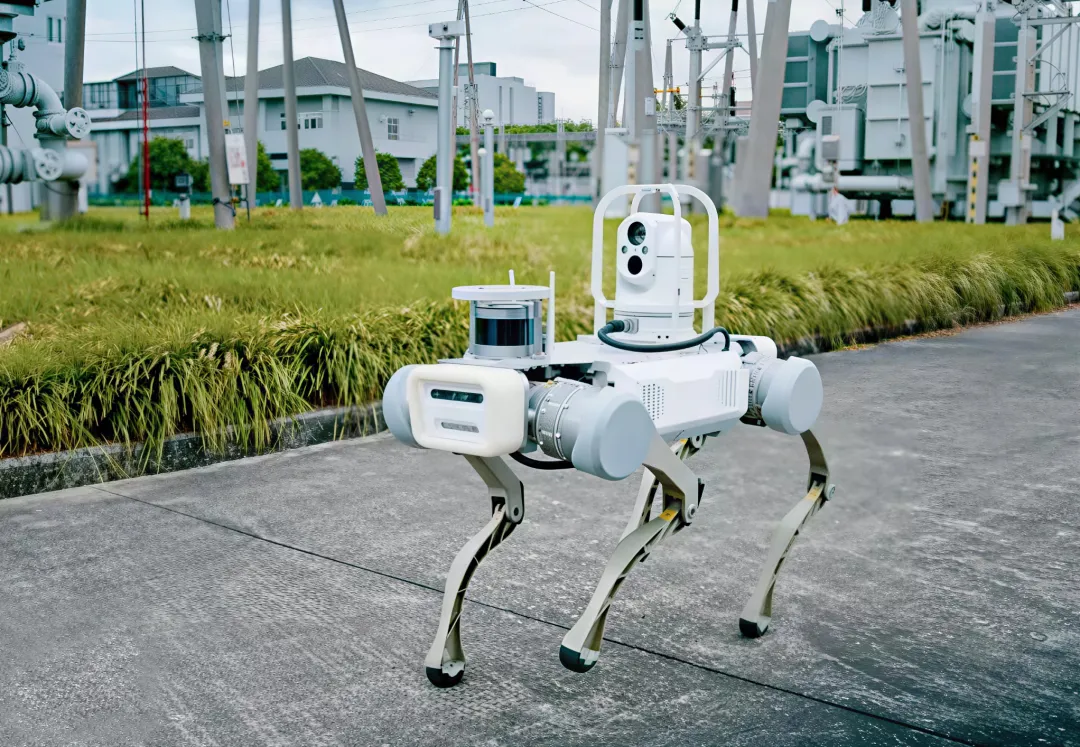
The cloud-deep technology of the ground scene, the four-legged robots have completed a large number of real-world verification in the power inspection and outdoor scenes. The power station is large, people are walking around, the manpower efficiency has plummeted in the cold and cold, and the penetration capacity and longevity of the four-legged platform is precisely on this gap. The value of the inspection itself is limited, but the temporary disposal of the leakage of the patrol and operation drops, the remote intervention of the shutter gate is the real part of the balance.
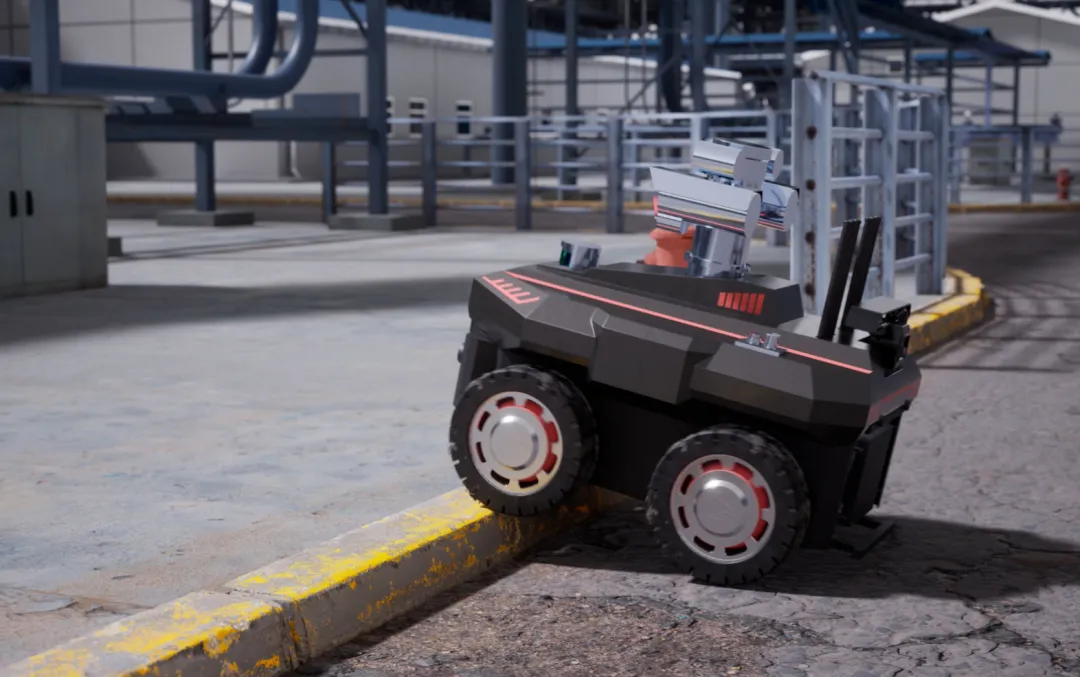
The seven-ton robots in the explosion-proofing scene, the deep-farming petroglyphing industry, and the use of explosion-proofing robots as a closed loop for explosion-proofing and operating tanks. The requirements for an explosive-proofing rating and resistance to high and low temperatures are almost exact, especially in the northern tri-state area, where young people are most reluctant to go, and where the age of workers is highest.
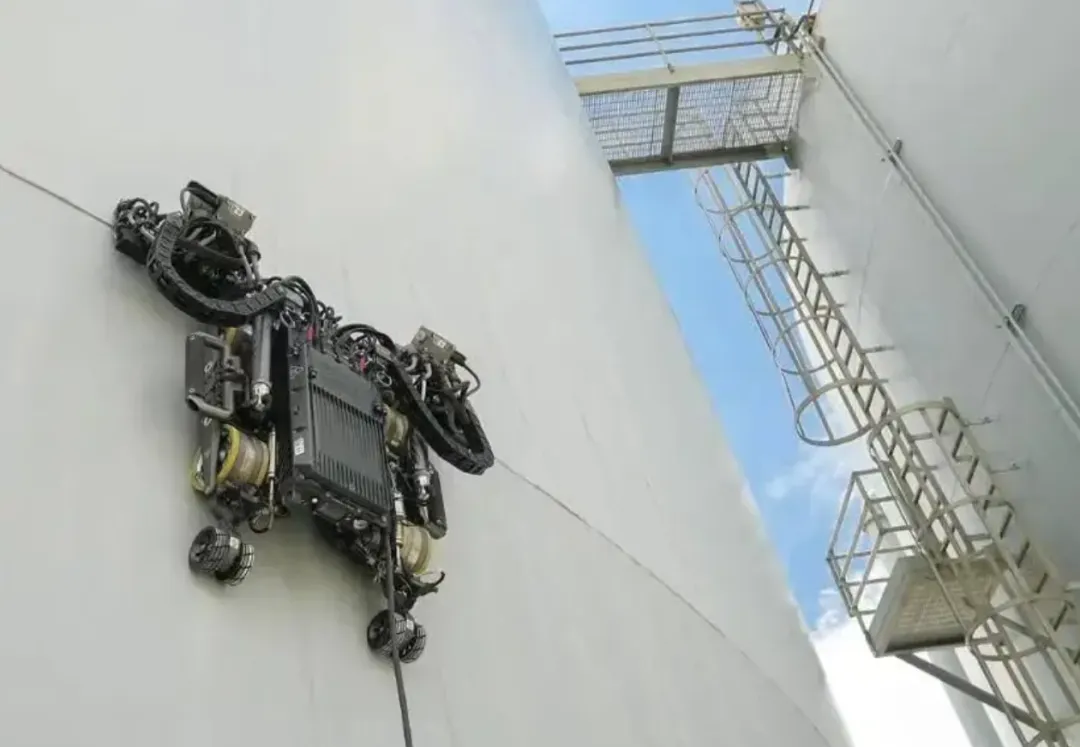
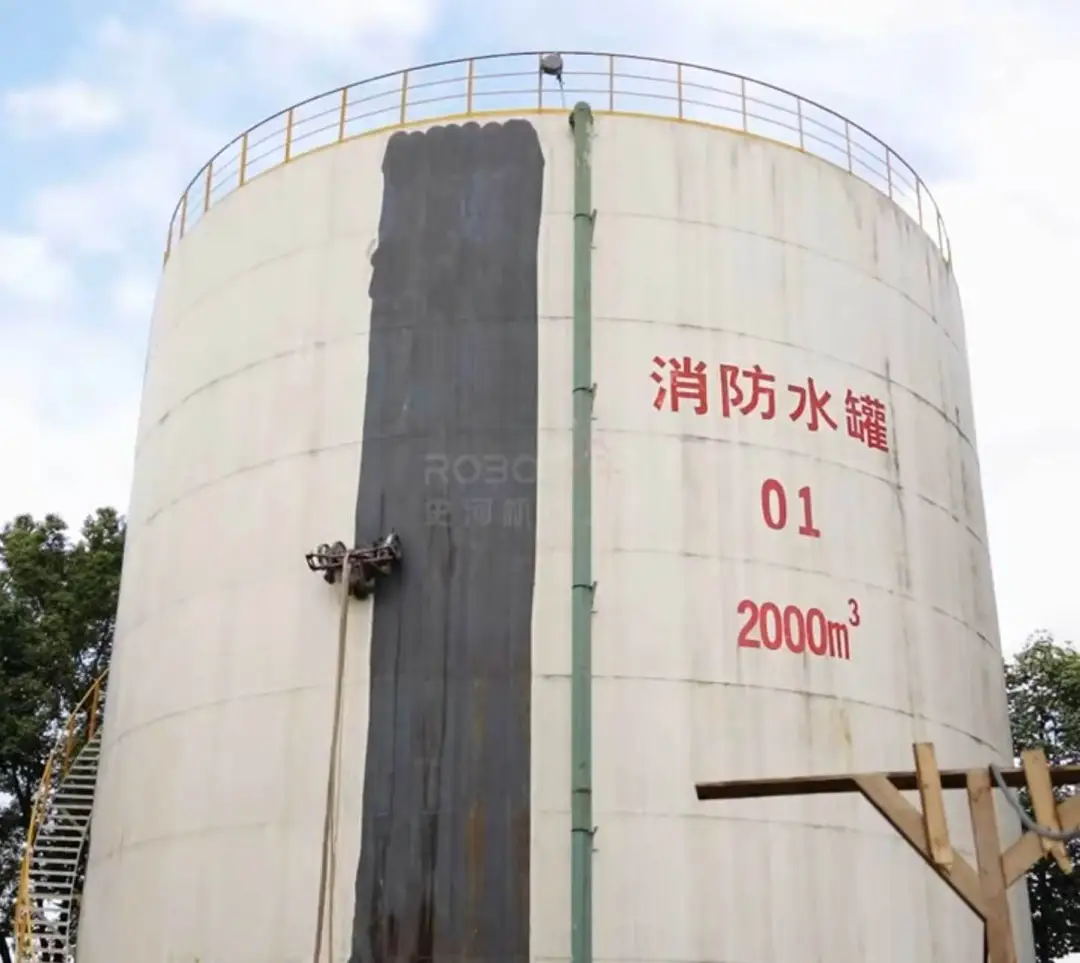
High-flying history robots, which account for more than 70% of the market share in such scenarios as ship dehumidification, chemical corrosion prevention, wind power detection, cumulative dehumidification of more than 10,000 cargo ships over 100,000 tons, corrosion prevention spraying of thousands of large chemical storage tanks, the latest products are in the fifth generation, are the few domestic crawler robot body manufacturers with IECEx and ATEX anti-bomb certificates at the same time.
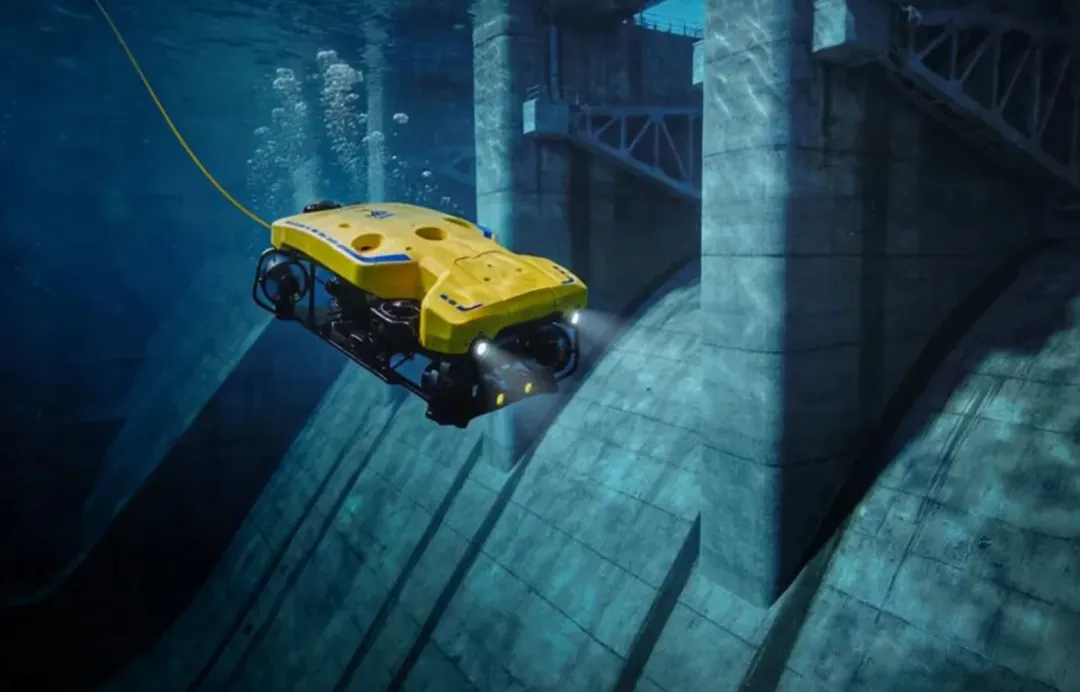
The deep blue of the underwater scene, cut into the extreme cost of manpower in marine engineering and underwater operations, replacing the extreme difficulty of the link, replacing the manpower engaged in emergency rescue, salvage detection and other hazardous work.
The four companies cover four operating spaces: ground, explosion-proof, high-altitude, and underwater, all of which have in common the relatively limited structural nature of the scenery, the clarity of operational tasks, the severity of manpower costs, the ROI that can be calculated in one to two years, and the deeper the scenery data, the deeper the fortress can be.
The four species of tigers represented are typical examples of labor shortages and high-risk jobs, as indicated by government documents. Policies give priority to the type of jobs that are the most difficult to do. Labor shortages mean no recruitment, high-risk environments mean no entry, the two scenarios have in common non-standard, small orders, poor on-site conditions, and increasing demand for robots.
However, once the scenario runs out, companies are expected to become solid track stealth champions, with market share increasing day by day. For example, the three scenarios that made history, shipyards, chemical plants, energy, have reached more than 70% of the market share in the country and are now rapidly attacking cities in overseas markets. The market for special robots is not large, but each segment is enough to produce a stealth champion worth two billion dollars.
Today, a consensus in the Chinese robotics industry is that the real growth is overseas. The logic of overseas is still accounting, but the book is thicker, which means that the outbound potential of special robots is just as great. Europe has no cheap labor to use, the blue-collar wages of the old industrial countries are high enough, and the price of Chinese robots with CE certification and anti-bomb certification surcharges is higher than domestic.
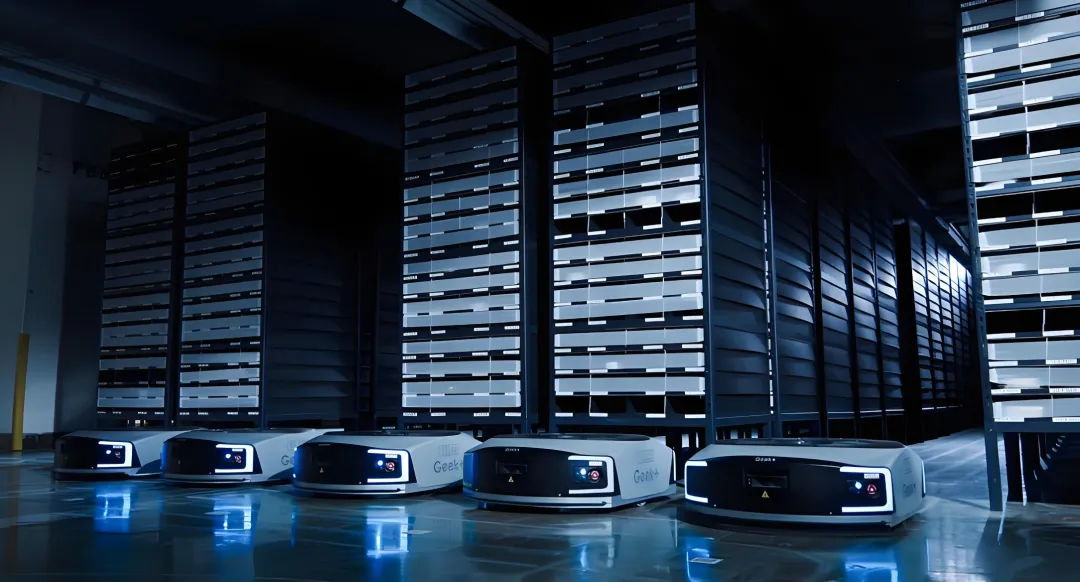
For example, the warehousing robots of Zhijia are already running in major logistics centers around the world, the delivery and cleaning robots of Purdue are entering restaurants and shops in Japan and Europe, the high-end operating robots of Hyundai have been receiving overseas orders since 2023, and the shipyards of Southeast Asia and the chemical bathing areas of the Middle East are the first two markets to open.
Not only did he go to sea and sell his produce, but he went to the sea and sold the books of the rich and the poor, and he went to the most expensive places and counted the same books.
04.
Link to the Future
Returning to government documents, the effect it produces will not be reflected in the K-line map in the form of profitable bonuses or profitable empty bonuses.
End-customers, especially central government and industrial customers, may not change their purchasing decisions because of a document, because what they see is always ROI, a return to the cycle, a tough constraint on safe production and green transformation. A document can't change the physical world, but it can change capital market valuation models.
The real meaning of the document is to get the robotics industry out of a bigger-than-expected competition to tell who's story, to get the resources to flow to people who can account in real work, and to really turn the robotics industry into a more accountable business.
The long-term direction of general humanoid robots has not been denied, but the battle of shape does not exist with customers at the moment. Customers do not ask what the robot looks like, only ask three things, can it do, how much money, several years.
While special robots have been around for a long time in the verification period, it's not a billion-dollar market cap, but how much value a device creates, how many high-risk species it replaces, how much labor it saves a year, how many times it takes.
The essence of business is ultimately to create value, and value needs to be calculated. Narratives can be priced at a time, books can be priced at a time. In the second half of the robotics industry, perhaps not more like humans, but like the four species of tiger, whose products can support a good business more than those of the family.