“ After the break-up, McCandless submitted his first score sheet.
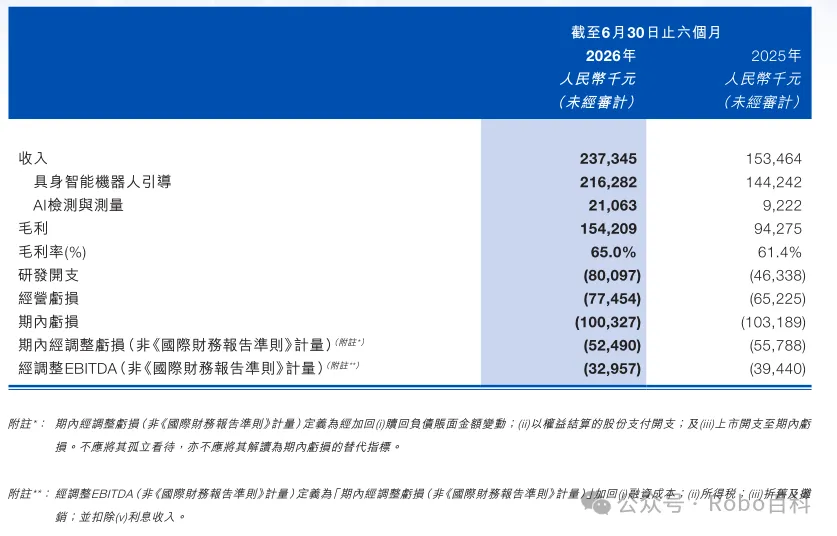
On September 24, McCandless Robot ((09615.HK) released its first mid-term earnings report after going public. In the first half of the year, it generated revenue of 237 million yuan, an increase of 54.7% and a gross profit of 65%; overseas revenue of about 100 million yuan, accounting for 42% of total revenue; adjusted net loss of 52.5 million yuan, the losses were relatively narrow.
Just three weeks ago, on September 1, the company, which is the first of its kind in the world, launched its first IPO on the market with a price tag of HK$101.7, raised HK$23.53 billion, publicly traded shares oversubscribed 3,835 times, and was one of the hottest IPOs of the year.
On the one hand, there is a rare enthusiasm for new funds, and on the other hand, there is a secondary market vote.
01.
Back of the reverse
In order to understand this discrepancy, we must first understand what McCandless's business is.
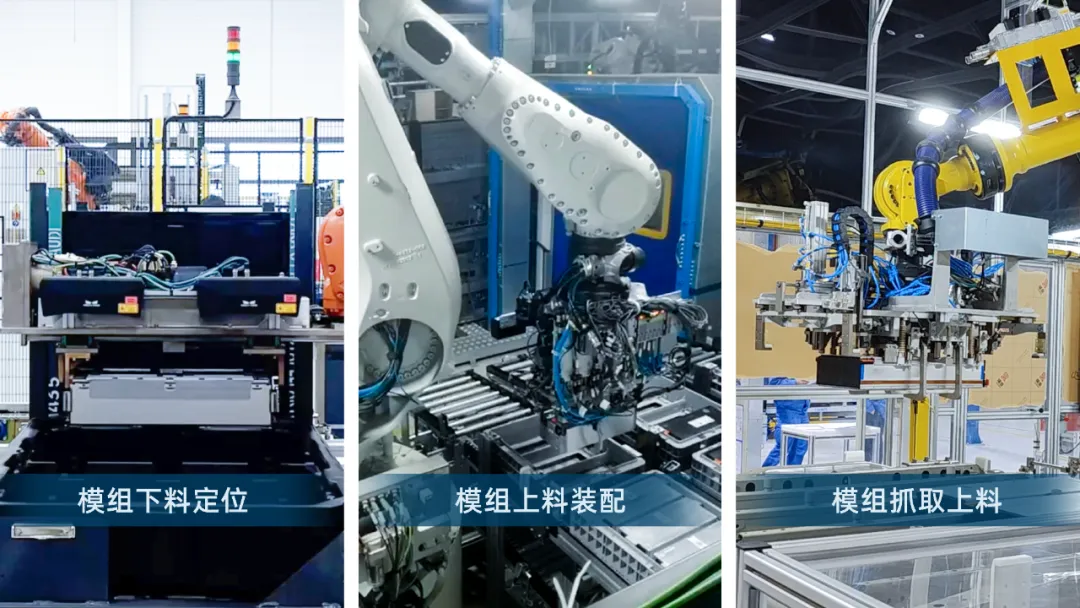
McCandless does not produce complete robotic integrated circuits, and its core business is industrial robotic eye-catching and brain-catching.
The Mech-Eye is an industrial-grade 3D camera in the Mech-Eye series, responsible for environmental perception, precise identification of parts' positions, postures and surfaces. The Mech-Eye is a software system based on the Mech-GPT multi-mode large model, responsible for decision-making, commanding the mechanical arm to complete the clutching, placement, installation and other actions.
Its customers are half system integrators, the other half are end-users in the automotive, industrial manufacturing and logistics storage sectors, and more than 90% of the company's revenue comes from the industrial vision business.
In the long run, revenue increased from US$181 million to US$389 million from 2023 to 2025, a compound annual growth rate of 46.6%; net loss for the same period was US$1,044 million, adjusted for a cumulative loss of US$657 million, and is expected to remain at a loss for the full year of 2026.
High growth, high returns, and unprofitability are the core business features of McCandless, which are presented in full for the first time in China.
02.
Gross Rate of 65%
Of the three characteristics, the one that deserves to be displayed separately is high-mobility.
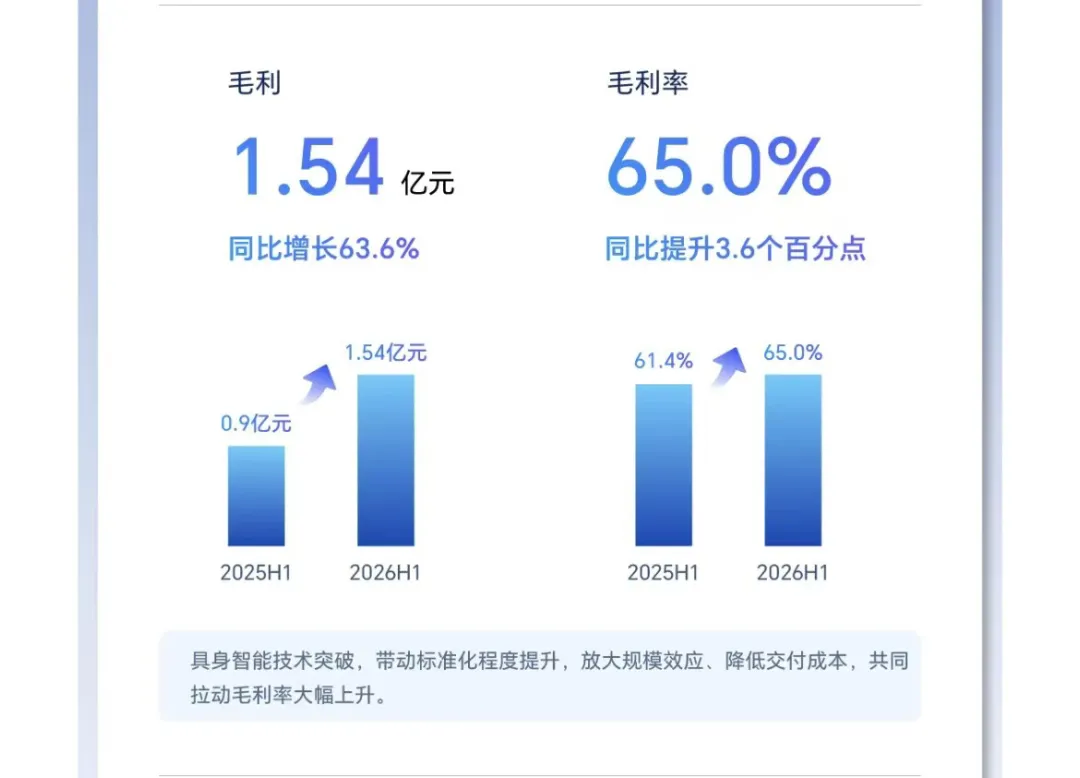
In this report, the gross margin of 65% continued to rise by 61.4% over the same period last year, while the volume of revenue expanded and the gross margin did not rebound, indicating that business growth did not dilute product pricing rights.
It's more of a reference value compared to the industry as a whole.
Global Machine Vision's profitability index is Japan Keynes, which has a long-term gross profit stability of around 80% and overseas revenue of over 60% and is one of the most profitable companies recognized by the Japanese stock market.
Domestic peer-to-peer gross interest rates are mostly concentrated in the range of 30 to 70 percent. Heikon robots are about 46 percent, Obi-Wan Lighting is about 48 percent, Lions Light is about 37 percent, and Opti is about 65 percent. McCandless is already at the top of the domestic machine vision ladder, and its core gap with Keynes is in revenue scale rather than profit structure.

In contrast, the gross margin of robotics companies is generally less than 30%, and the profitability of industrial chains is very high.
Perception and decision-making are closer to software business, product standardization, high-yield, fast replicability; manufacturing is closer to traditional manufacturing, multi-custom, heavy-asset, low-yield. The industry has repeatedly debated which of the industry chains is the most profitable.
Currently, Keynes and Connaught still hold about 60% of the Chinese machine vision market, with the remaining space being the core growth in domestic alternatives.
Business is good business, space is not small, the difference is only in price.
03.
Two stories, deciding a share price
As calculated by the issuance price, McCandless has a market capitalization of about HK$12.7 billion, corresponding to revenues of HK$389 million in 2025, with a market share of more than 30 times, which is significantly higher than the average valuation of machine vision.
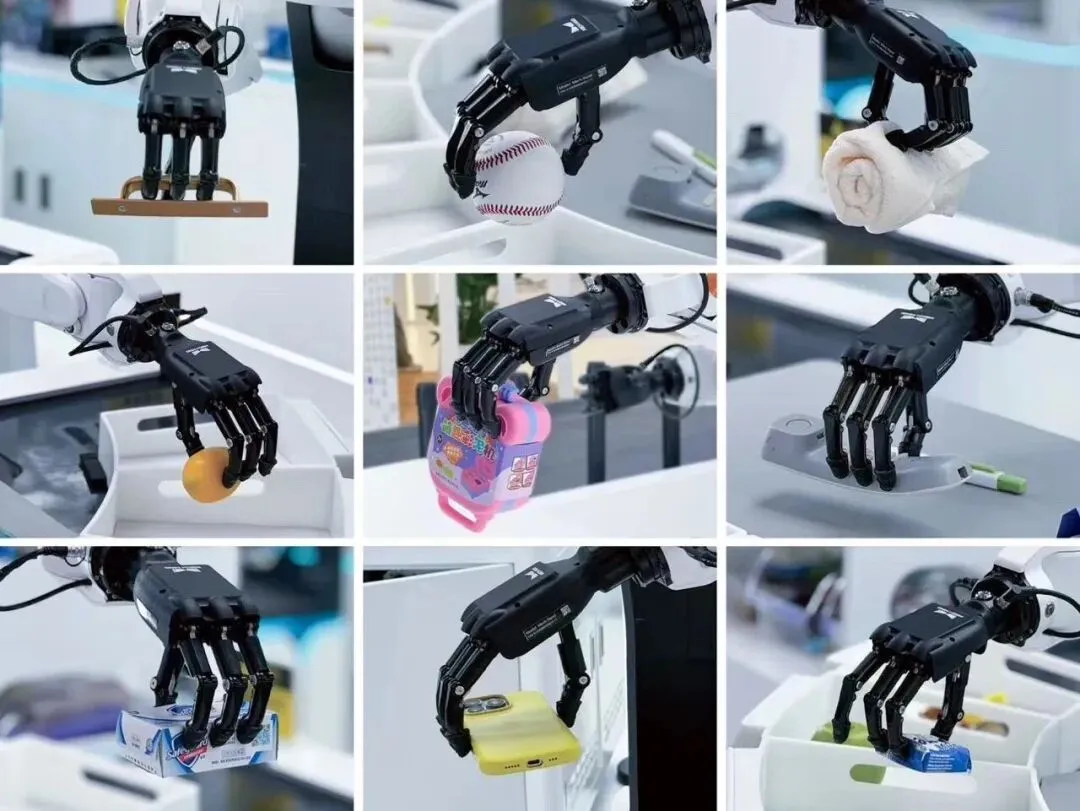
First-class markets and new money are willing to give such a high premium, because the first brainstorming is not just an industrial vision story, but a full-fledged intelligent narrative. Mech-Eye is the eye, Mech-GPT is the brain, plus the five-fingered hands of Mech-Hand, all three form a complete layout in which the combination of the Mech-Hand and the brainstorming has already made public appearances at events such as the Central Village Forum.
But dismantling the revenue structure will reveal that only this leg of the industrial vision, which currently accounts for 65% of gross profits and 42% of overseas revenues, is rising.
In other words, the market used to be an imaginary space with physical intelligence, pricing to an industrial vision company. This breakthrough, rather than recognizing the fundamentals, was more about the market adjusting to too high a conceptual premium.
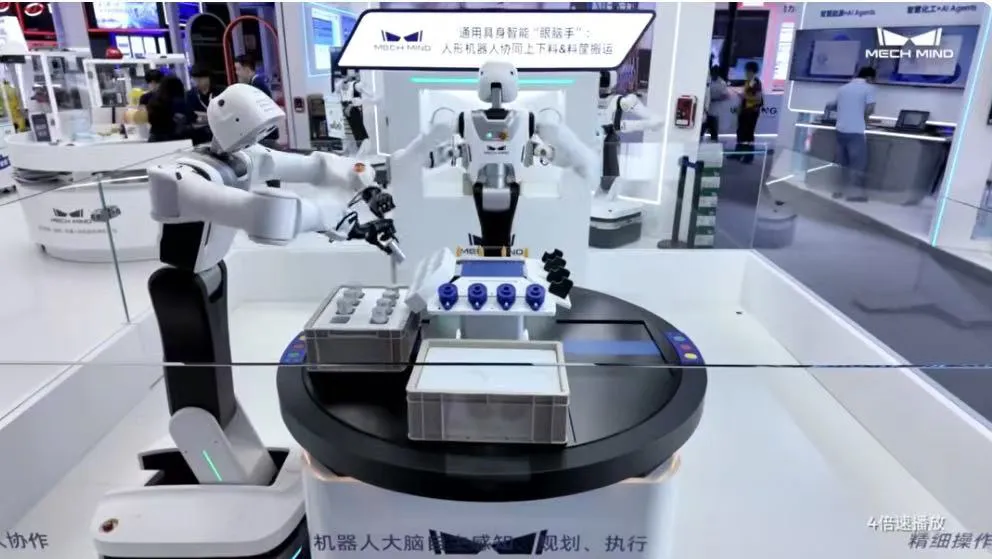
Moving the gaze away from the stock price, McCandless has taken a reference path for the industry as a whole.
First, it uses the industrial landscape to feed technology, store cash flow, and gradually consolidate physical intelligence as the second growth curve.
Mech-Hand of McCamand is currently in the middle of this funding gap, but it has not yet been reflected in revenues.
A more central change is that the capital market's valuation logic for artificial intelligence is shifting from the overall packaging of artificial intelligence concepts to the pricing of artificial intelligence. It is reported that regulatory levels are considering raising the IPO threshold for artificial robot companies, focusing on verifying the real revenue capacity and the reduction of losses. This means that the era of artificial intelligence as an artificial intelligence concept is ending.
McMand's first medium-sized newspaper is the first public sample of this segmented pricing era. Currently, its new orders (US$335 million) are about 40 percent more than the previous half confirmed revenue (US$237 million), and in the second half the market will continue to measure it with this gauge, as well as all subsequent counterparts.
Source: Identity points