There is an interesting setting in science fiction: humans can use a device called an "emotional regulator" to automatically regulate emotions by dialling or setting parameters.
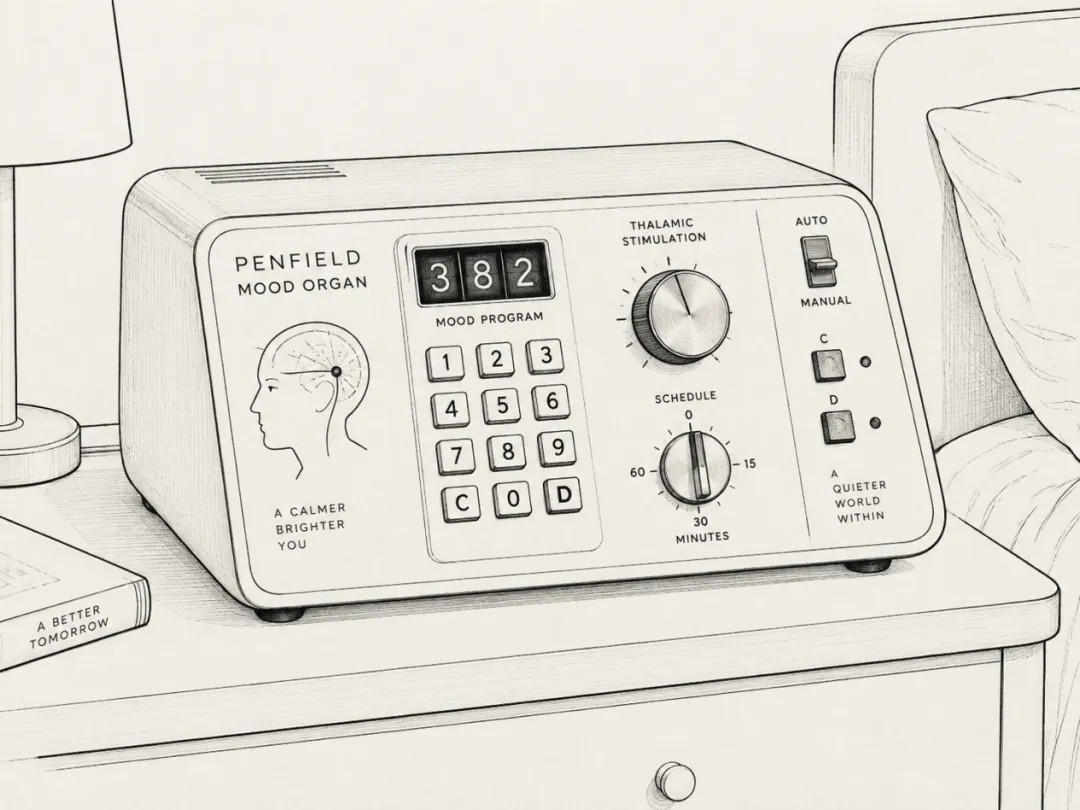
A.I. made
In response to current technology, the closest approach may be brain-machine interfaces and neural controls. Referring to brain-machine interfaces, many people first think of Neuralink as an implanted electrode brought into public view, or a brain-electrical device worn over the head in a lab, filled with electrodes and wires.
Li and his team envisioned another possibility: not having surgery, allowing devices to perceive and influence the brain from the outside, and allowing AI to continue to understand, judge and adjust to the human condition. A little bit more boldly, it can continue to understand the brain, even becoming a new interface that connects the brain to AI.
In 2025, Li founded China Super Divine Control (BCI-Sonics) in Shanghai. More than a year later, the company completed a $200 million Pre-A round of financing, which was jointly owned by Redwoods China, Yunnan Capital, Nexstar Investments, Yuan Heat Holdings, Xuwei Ko Investments, and Teixeing Investments, with former shareholders continuing to invest in Divine Investments and Divine Capital.
It is reported that BCI-Sonics is one of the few pioneering non-invasive AI brain machines in the industry that is leading the way in terms of valuation. The company's two generations of FUS-BCI series products have completed research and development and received the corresponding safety reports, and the closed-loop ultrasonic brain machine system is scheduled to enter clinical practice in Q1 2027; the consumer-facing closed-loop brain machine technology products enter the mass testing phase; the company is also accelerating the development of a multi-modal brain reader, Neuro AI platform and CNS pharmaceutical combination of related products, in which direction strategic cooperation has been reached with major international pharmaceutical companies.
In our interaction with Lee Hyun, he defined Huawei as a "non-invasive AI machine interface company".
This includes several simultaneously developed techniques: low-intensity focused ultrasound as the primary "brain-writing" means, multi-modal reading of brain states with brain electricity, functional ultrasound, and AI involvement in neural decoding, focus-point judgement, and parameter optimization. The company generalizes this system as "brain-reading brain decoding".
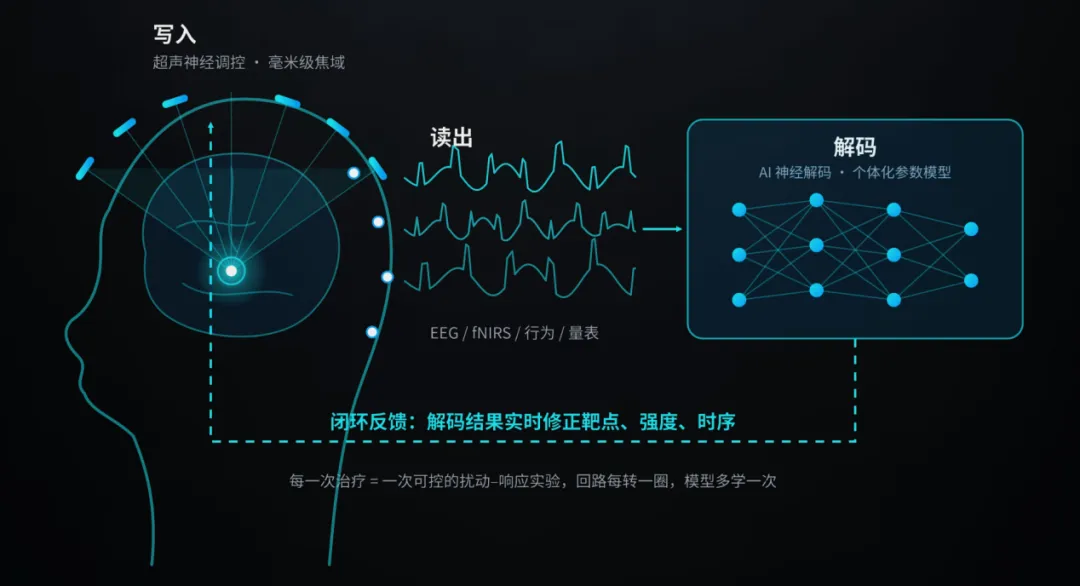
In simple terms, it wants to complete a cycle like this:Read brain states, understand what's going on, implement regulation, and then continue to adjust based on feedback.
To complete this cycle, two questions need to be addressed simultaneously: how to read and act more accurately on the brain without opening the brain; and how to judge the current state of the system in the face of complex and individual differences, and how to regulate the next step.
The answer given by Huawei is "non-invasive + AI".
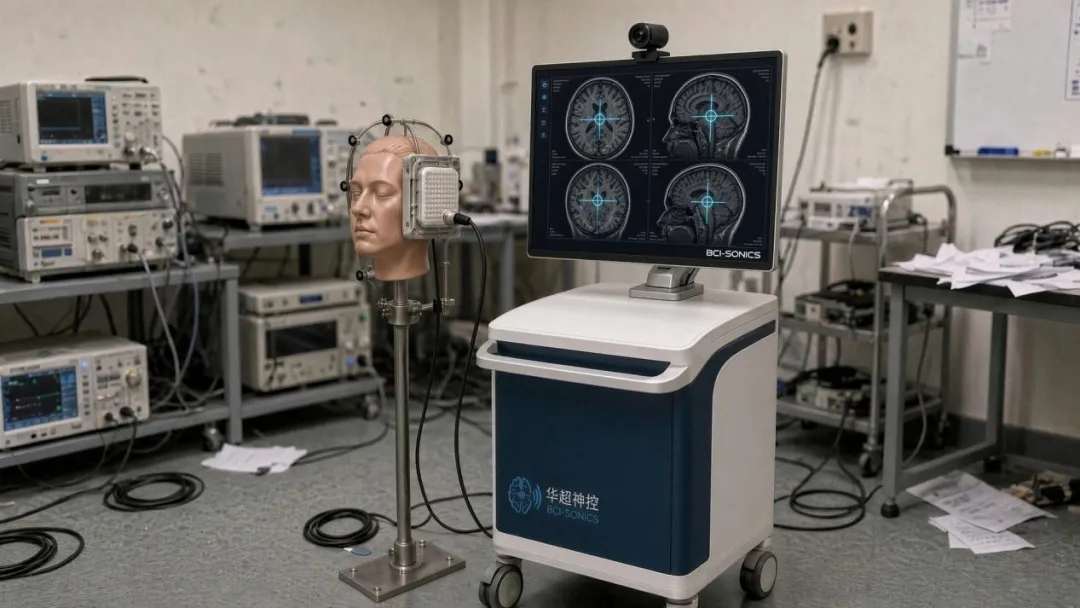
Why "non-invasive + AI"?
Li Liu had the idea of creating a brain-machine interface startup, which was founded three years ago.
In 2022, after more than a decade of brain imaging, medical imaging, brain machine products and medical device industrialization, he started thinking about starting a business, but it wasn't until 2025 that he actually started a company.
In our interview, Li Xi summed up the three-year change in three aspects:Technology has matured, demand has become clearer, and policies, capital and business environments are changing.Among them, the rapid evolution of big models and AI capabilities was a driving factor he specifically mentioned.
At the same time, policies and industrial environments are also changing. Starting in 2024, brain-machine interfaces are being incorporated into future industrial layouts, and subsequent policies are further encouraging non-implantation devices, new types of stimulation technologies, and the application of AI in neural decoding.
But when deciding on the path of technology, Li Yang first considered what kind of people the brain machine interface would serve.
Invasive brain-machine interfaces have shown significant value in scenarios such as severe neurological disorders, but are often accompanied by surgery and implants. Non-invasive does not require opening the cervix, so the potential audience and use scenarios are wider.
In this direction, Huawei has broken down the brain interface into two "read" and "write" parts: the reading end uses brain power, functional ultrasound, etc. and the writing end starts with low-intensity focused ultrasound.
The team's focus is on ultrasound.Depth of action and spatial accuracyCompared to magnetic stimulation, electrical stimulation, it has the opportunity to focus energy from outside the brain into deeper, smaller areas of the brain, including some of the critical nuclei below the cortex.
Over the past decade, human ultrasound research has expanded into a variety of areas, including pain, depression, Parkinson's disease, Alzheimer's disease, addiction; companies in the industry, such as Nudge, have focused on ultrasound directly; and Merge Labs will include ultrasound as one of the important deep information channels for its new brain machine interface.
However, the ability of ultrasound to pass through the cranial bone does not mean that it naturally acts precisely on the brain.
The real engineering difficulty lies precisely in the cranial bone. Each person's cranial bone thickness, density, and curvature vary, with energy decay and phase shift occurring as the ultrasound passes through, and the focus that was originally set may deviate.
This is also one of the underlying capabilities of China's ultra-focused investments. The company's previously publicly disclosed focusing accuracy is about 1.5 millimeters, and the computing time for 3D voice field reconstruction and phase compensation is about 10 seconds; in our interview, Li Liu said that the current positioning accuracy has been pushed to 1.5 millimeters.1 mmIn this context, the response time for algorithms such as phase compensation is approximately.5 seconds。
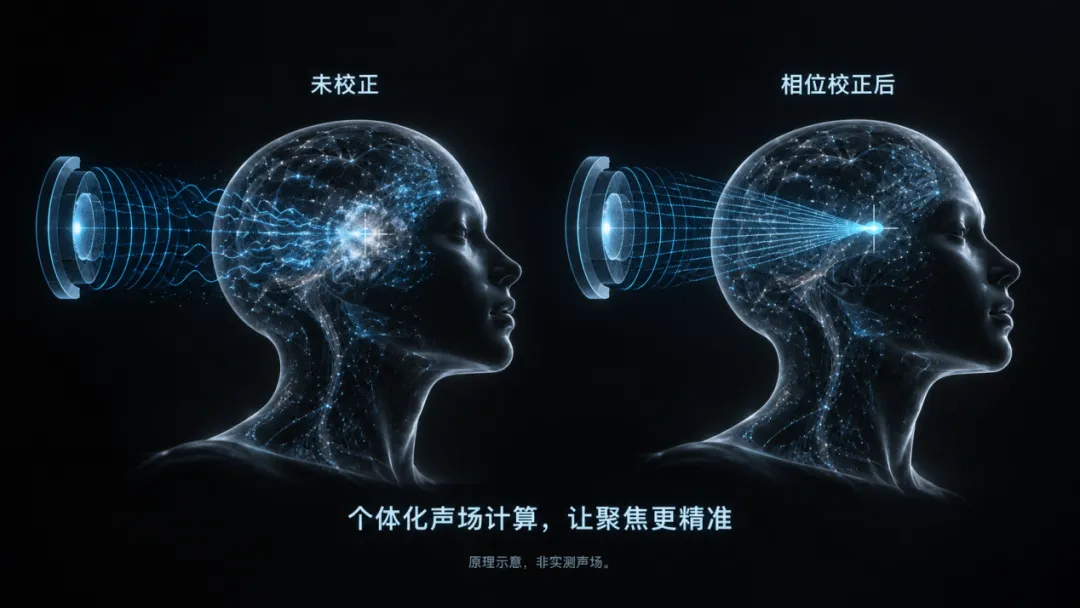
But sending energy accurately to one area of the brain only solves "how to write". Real access to the application requires judging the user's current brain state, determining the location and parameters of the stimulus, and continually adjusting it according to feedback after the stimulus.
These problems cannot be solved by fixed hardware parameters alone, and AI has thus become another core capability in the Chinese supertechnology route.
In China's super-current system, AI has entered multiple levels. The closest layer to the device is to engage in navigation, positioning, voice field computing and personalized phase correction, improving focus accuracy, computational speed and system efficiency; and the upper layer is to process continuously generated neural data to help identify brain states and gradually understand the different responses of different individuals to stimuli.
In the longer term, Huawei expects AI to further engage in individualized focus point and parameter selection, and develop capabilities such as neural decoding, brain modeling, and more on the basis of continuously accumulated data. That is, AI is a technological mainstay from device computing, neural data understanding, and has been extended to closed-loop regulation and future modeling capabilities.
In this regard, Huawei's "non-invasive AI brain machine interface" route is also becoming clearer: non-invasive expansion technology can cover people and scenarios, ultrasound is responsible for accurate "write brains", multi-modal signals are responsible for "read brains", and AI processes individual differences, neural data, and regulation strategies.
The next question is, when a stimulus is no longer the end, how does AI engage in "read-and-decode-and-write-brains" and make them a continuous loop?
How does AI get into the brain's closed loop?
In order to form a closed loop, the system needs to continuously know the state of the brain before the stimulus, the changes after the stimulus, and how to adjust the next round of parameters.
Huawei summarizes the process in five sections:Read and understand how to control and optimize feedback.In the past, there has been a decline in the number of users who have access to the core capabilities mentioned above.Read brains, decode and write brains。
"Brain reading" is responsible for providing brain states.
Huawei currently uses multi-mode routing, with brain-electric EEG and functional ultrasound fUS at its core, and combines it with other neural imaging methods. Different models have characteristics in time resolution, spatial resolution and coverage depth, which can be combined to provide more rich brain state input for subsequent AI decoding.
Among them, EEG was better at capturing rapid temporal changes in neural activity; fUS observed the state of the brain region through fluid dynamics changes accompanied by neural activity, providing more detailed spatial information. The team hoped to combine these signals from different sources to provide a more complete description of the state of the brain before and after stimulation.
After receiving the signal, the next step is to decode, which is also a link to AI's centralized involvement.
In accordance with the technological guidelines disclosed by Huawei, AI is involved in the computation and recognition of information related to brain states, focal points, and voice fields on the one hand, and attempts to establish a relationship between stimulus parameters, focal area states, and responses on the other.
One of the more specific product forms of this idea is the recently released Ultrasonic Neural Regulation Parameter Interaction AI platform. The platform's data is mainly derived from three parts: the "parameter fluid effect" record of the public ledger, acoustic and neurophysical simulation data, and the "stimulating fluid feedback" pair data accumulated in corporate animal and human studies.
After the researchers give stimulation parameters, the system can calculate information such as the path of the sound beam, the shape of the focus field, the matching of the focus field with the target brain area; in turn, if the target effect is given first, the system can provide a candidate parameter window and corresponding evidence. At the same time, point-to-point navigation algorithms and AI-accelerated sound field modeling are also used for sound stage correction and three-dimensional sound field computation.
AI research tools such as Cortex Atlas, TUS Research Studio, and others attempt to further organize the focus points, brain regions, parameters, and outcomes of scattered papers, registration studies, and experimental data to help researchers compare existing evidence and design experimental programs.
The role of AI here is to further structure the relationship between parameters, focal points, and effects so that they can be calculated, compared, and used for subsequent parameter selection.
And then there's "writing brains".
The system executes the stimulus by focusing ultrasound at the identified focal points and parameters. New neural signals, state changes, and behavioral feedback are generated after the stimulus, and this information is re-introduced into the reading and analysis linkages as the basis for the next round of judgement and parameter adjustment.
In theory, this is a closed loop.
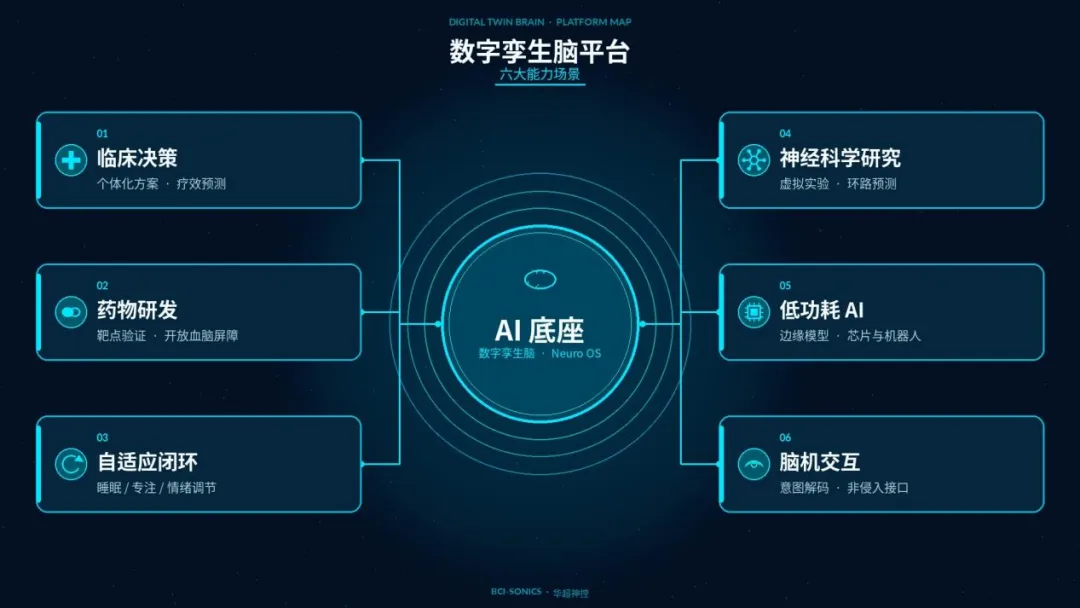
From the current disclosures, the maturity of the different nodes in the closed loop is not the same. The ability to navigate, voice field computing, focus identification, and other capabilities have entered the company's equipment and research tools; an AI platform around stimulating parameters, buffer zones and response relationships has also been released. However, the ability of the closed loop to automatically adjust the next round of programs based on individual brain states and stimulating feedback is still required for further scientific research and clinical data verification.
The boundaries of decision-making in the medical scene are relatively clear.
At this stage, the main decision maker of the closed loop is still the doctor. The system can read the patient's status and provide decoding results, voice information and parameters, and the doctor combines the data with the patient to decide whether to stimulate and how to adjust the follow-up. Huawei's idea is that as historical data and model capabilities accumulate, AI can take on more auxiliary judgments and gradually improve the degree of automation in the closed loop.
In line with this technological path, Huawei has deployed a dedicated AI team since its inception. According to Li, the team needs to understand AI and the brain at the same time, and its members include young doctors, senior AI scientists and researchers with overseas work experience who are involved in neural data processing, neural decoding and related research into AI for companies.
As a result, Huawei's technology routes are connected to the following business routes:Equipment is responsible for touching and sensing the brain, AI is involved in understanding and optimizing, and scientific and clinical research provides ongoing verification and data sources.
The next question is, at what stage is the technology currently progressing, and how will it move from scientific research to clinical and further into a broader application scenario?
How to move from R&D equipment to clinical and larger markets
For Lee, implementing a technology and turning it into a truly available product are two different logics.
In 2008, while he was a graduate student, Li and his team made an AR-connected device, also trying to finance and participate in the project. The project continued for about half a year. Many years later, he looked back on the experience and was impressed by the "time point": many people didn't even know what such products could be used for.
Later experience at GE Medical and several start-ups influenced the product lineup of Huawei today:Consumption of medical marijuana for scientific researchThe company generalizes them as follows:Exploring the brain, healing the brain and enhancing the brain。
The first is scientific research.
At the annual meeting of the Chinese Academy of Neuroscience in September this year, China Supercentre released a non-invasive closed-loop brain machine system for research users, an ultrasonic neural control parameters interaction AI platform and AI research tools, covering animal experiments, ultrasonic control in human studies, voice field computation, focus point planning and parameter analysis.
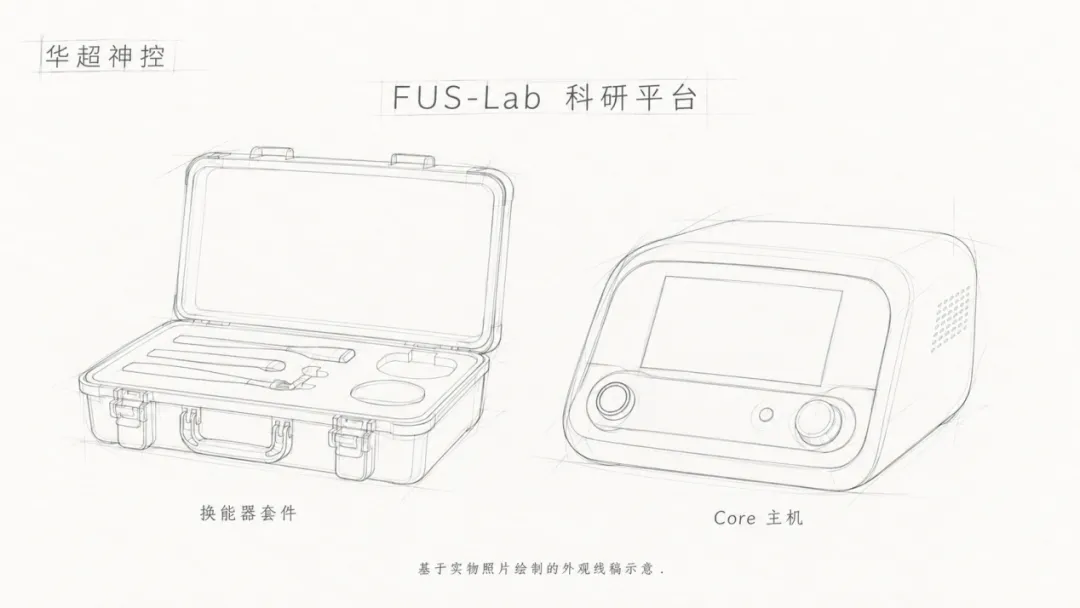
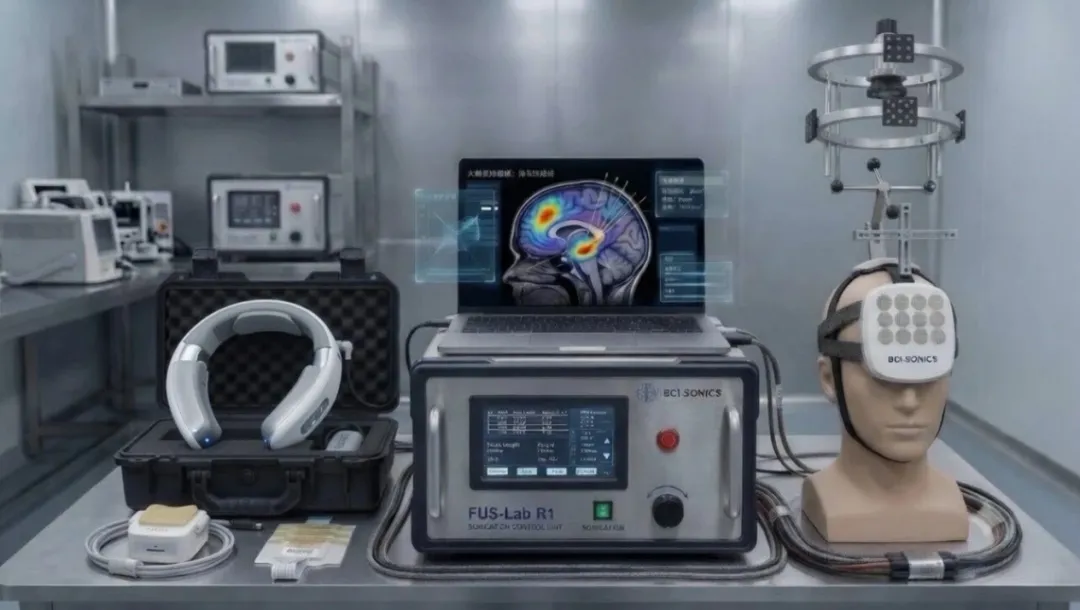
FUS-Lab scientific research platform ((Core host and power adapter kit) with clinical research products
This line carries out a basic task: to solve the problem of the mechanisms of ultrasonic neural regulation by figuring out where the focal points are, what parameters have the effect, whether the same results can be repeated, why different individuals will be different. The company currently has about 4 to 5 devices in the research laboratory for research such as consciousness, memory and brain machine fusion, and feedback from researchers will also be used in product iteration.
After the scientific research, it is "healing the brain".
Currently, the direction of Washington's layout includes pain, Parkinson's disease, Alzheimer's disease, addiction, sleep disorders, and the use of focused ultrasound to open the blood-brain barrier.
The clinical line needs to continue to answer a number of specific questions: whether the same thresholds and parameters can stabilize reproduction in different patients, whether equipment operations can be standardized, and whether evidence of safety and efficacy can support medical device registration.
In an interview, Li said that one of the company's core goals at this stage is to promote the registration of non-invasive brain machine interface medical devices; at the same time, scientific research equipment continues to undertake mechanism research and pre-clinical knowledge accumulation.
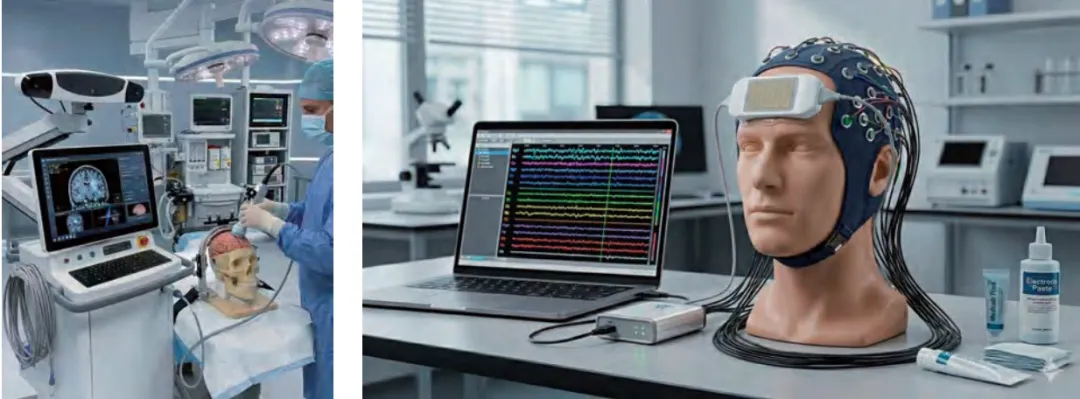
The third line refers to the broader population.
Huawei has placed sleep, mood, focus, and other scenarios in its "brain enhancement" product line, with the form in the plan including wearable brain machine terminals. At this stage, this part more reflects the company's medium-term direction, and the business progress that can be seen is still mainly focused on scientific research tools and clinical research.
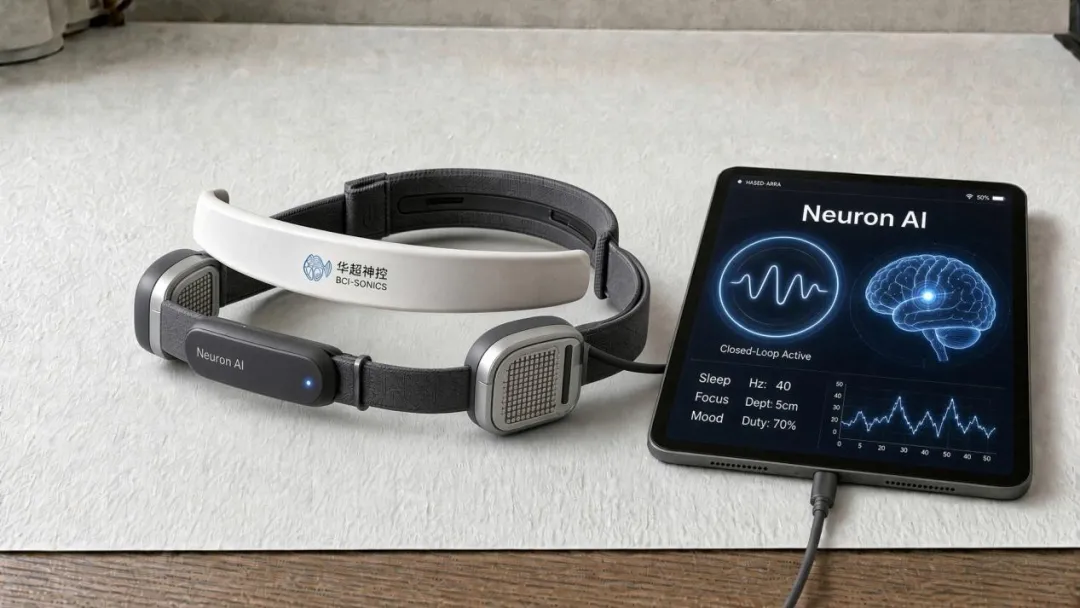
Behind these three product lines is a business logic of device-to-platform, then data-to-modeling: initially using scientific research and clinical devices as inputs to provide stimulation, navigation, reading, feedback, and analytical capabilities; then gradually building platform capabilities such as voice field computing, neural decoding, knowledge libraries, and AI tools to further accumulate neural data and models with the increase in focus points, parameters, and multimodal data.
Li Li saw these terminals as "the data collection tools of the nervous system". An experiment or treatment produces stimulation parameters, brain states, and feedback results; when these data continue to accumulate within the authorized scope, further study can be done on what kind of brain states and what responses to stimuli occur.
This is what China has been proposing for a very long time.Neuro AIThe basis of the concept.
According to the company's plans, the recent AI mainly serves device performance, neural data processing and closed-loop regulation; the mid-term wants to build neural data bases and virtual brains based on more data; and the longer term wants to study the consciousness, reasoning and operating mechanisms of the human brain and explore the value of this knowledge for the next generation of AI.neuroscience for AI。
As far as progress is concerned, scientific research products have entered practical use, and clinical research is progressing; consumer terminals, virtual brains, and Neuro AI beyond are still in the long-term product and technology planning stages.
This also gives the company several specific indicators for measuring its progress over the next few years: the scale of the use of research equipment and research results, the replicability of clinical results, the progress of the registration of medical devices, and the ability to comply with compliant data and models.
The experience of the AR+EEG project, which Lee left behind decades ago, is that the technology needs to come together at the right time.
Today, he is again putting the company in a technology direction that is still very early. The difference is that this time, from research tools, clinical research to product registration, there are more specific nodes that can be verified at each step.
What is the meaning of this verse?
Almost sixty years later, in an interview, we also asked Li Lian a question: do fantasies in science fiction often appear much earlier than technology does, and are what we're doing today a reflection of the past or a creation of new possibilities?
Li Feng's answer is that both. Many of the concepts that once existed only in science fiction are now found in the real world; more unrealized parts are also pushing people forward to explore and open up new possibilities in the process.
Brain-machine interfaces are probably at this stage. Implanted brain-machine interfaces have already shown value in scenarios such as severe neurological diseases, while non-invasive routes attempt to further expand the populations and scenarios the technology can cover.
But science fiction has really become a technology that relies not only on the imagination, but also on breaking down the imagination into verifiable, engineered, and ultimately usable problems. In China, the distance is Neuro AI and broader human-machine interaction, which is still ultrasound, closed-loop, clinical and product.
To quote a phrase that has been quoted too often in the era of AI, "to look to the stars and be able to stand firm", is very apt to summarize the current state of the company.
Investors' Opinion
The intersection of brain science and artificial intelligence is opening up a long-term and important technological direction. Chinese supercomputing is moving away from non-invasive technology, both towards current verifiable scientific and clinical needs, and is building the foundation for longer-term Neuro AI capabilities.
With the continuous accumulation of high-quality data and high-quality traffic, the generalisation of brain models will dramatically leap up, and the future of consumer-grade applications and interaction with new generations of machines, with broad business prospects and strategic value. Huawei Supersystems will be at the forefront of disrupting complex medical scenarios and achieving high-quality landings in real clinical environments. With the continuous accumulation of high-quality data and high-quality traffic, the generalisation of brain models will dramatically jump up, and the future of consumer-grade applications and interaction with new generations of machines will have broad business prospects and strategic values.
According to Neighborhood Investments, the advantages of low-intensity focused ultrasound are both innovative, deeply achievable and millimetre-level precision, which are reshaping the technological boundaries of brain machine interfaces.
Ultrasonic brain interface is at a critical point from the scientific concept towards engineering reality. Behind it, there is a historical intersection of three types of technological waves: ultrasound has millimetre-level precision control capability, brain spectrum makes key control focal points increasingly clear, and AI brings multi-modal data aligned with neural decoding capabilities. The three resonate, giving rise to the new direction of ultrasound brain interface is almost synchronous at home and abroad.
The application of artificial intelligence in the field of life health is one of the avenues for the focus of Xu Wei Wei Wei Wei Wei Wei Wei Wei Wei Wei Wei Wei Wei Wei Wei Wei Wei Wei Wei Wei Wei Weiwei Wei Weiwei Weiwei Weiweiweiweiweiweiweiweiweiweiweiweiweiwei Weiweiweiweiweiweiweiweiweiweiweiweiweiweiweiweiweiweiweiweiweiweiweiweiweiweiweiweiweiweiweiweiweiweiweiweiweiweiweiweiweiweiweiweiweiweiweiweiweiweiweiweiweiweiweiweiweiweiweiweiweiweiweiweiweiweiweiweiweiweiweiweiweiweiweiweiweiweiweiweiweiweiweiweiweiweiweiweiweiweiweiweiweiweiweiweiweiweiweiweiweiweiweiweiweiweiweiweiweiweiweiweiweiweiweiweiweiweiweiweiweiweiweiweiweiweiweiweiweiweiweiweiweiweiweiweiweiweiweiweiweiweiweiweiweiweiweiweiweiweiweiweiweiweiweiweiweiweiweiweiweiweiweiweiweiweiweiweiweiweiweiweiweiweiweiweiweiweiweiweiweiweiweiweiweiweiweiweiweiweiweiweiweiweiweiweiweiweiweiweiweiweiweiweiweiweiweiweiweiweiweiweiweiweiweiweiweiweiweiweiweiweiweiweiweiweiweiweiweiweiweiweiweiweiweiweiweiweiweiweiweiweiweiweiweiweiweiweiweiweiweiweiweiweiweiweiweiweiweiweiweiweiweiweiweiweiweiweiweiweiweiweiweiweiweiweiweiweiweiweiweiweiweiweiweiweiweiweiweiweiweiweiweiweiweiweiweiweiweiweiweiweiweiweiweiweiweiweiweiweiweiweiweiweiweiweiweiweiweiweiweiweiweiweiweiweiweiweiweiweiweiweiweiweiweiweiweiweiweiweiweiweiweiweiweiweiweiweiweiweiweiweiweiweiweiweiweiweiweiweiweiweiweiweiweiweiweiweiweiweiweiweiweiweiweiweiweiweiweiweiweiweiweiweiweiweiweiweiweiweiweiweiweiweiweiweiweiweiweiweiweiweiweiweiweiweiweiweiweiweiweiweiweiweiweiweiweiweiweiweiweiweiweiweiweiweiweiweiweiweiweiweiweiweiweiweiweiweiweiweiweiweiweiweiweiwei
The real industry opportunity for brain interfaces comes not only from a single technological breakthrough, but also from the continuous integration of hardware, algorithms, data and clinical capabilities. Huawei has chosen to focus on ultrasound cutting into non-invasive brain interfaces, and to further extend to AI closed-loop and neural data platforms, a path that combines technological barriers and long-term business value.