It's the first time in the history of the world.
Remember that long post the other day that blew up the net?
On 7 September, chief scientist Jakob Pachocki, in a multi-word essay titled An Alien Mind, told the world that we are building an intelligence that humans cannot fully understand.
At the beginning of this article, the whole internet was shaken.
However, when it came out, a Chinese company in Suzhou was silent...
The more they look at it, the more they feel wrong.
Are not the conceptual frameworks described by Pachocki, the gPT-6 Astra's flying particle properties, the core expressions of "evolution", "cognitive neuroscience" and "value alignment" themselves on the web?
Just a few days ago, a video of a mysterious robot exploded across the net, sparking a great deal of interest in the circle.
A mirror is DEMO, and the video is 1.5 times faster.
This model that amazes countless people, the MVP code, is not from Silicon Valley, but from a Chinese company on a dirt road: Enjoy Technology.
Originally, the company also intended to continue to refine the model while maintaining the suspension.
But just in the last 48 hours, a series of "coincidences" occurred across the ocean, causing them to decide: disguised, the show was officially announced on September 10th!
Don't say a word, the technology and model concepts that have been around for months are likely to be taken away "legally" by OpenAI!
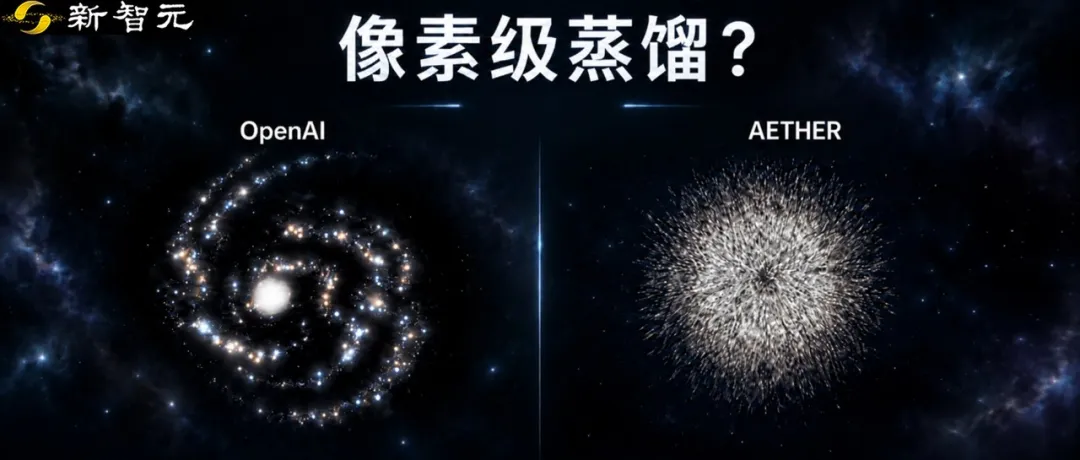
A stunning "pixel level" crash.First, let's look at the timeline.
More than a month ago (July 2026)Aether.cn, released simultaneously with DEMO's video explaining product concepts, from model architecture to technical routes to core psychology, are all open to the public.
A few weeks agoIn a face-to-face interaction with many industry peers, the founders of the Silicon Valley of the United States of America have publicly demonstrated their core conceptual framework for "Star Aliens": this "non-human intelligence/alien mindset", a completely new form of intelligence that did not grow out of human cognitive logic.
It's September 3rd, US timeOpenAI has suddenly released the official GPT-6 Astra website.
6th of SeptemberPachocki published the full text of An Alien Mind, titled "Extraterrestrial Mind".
The industry found that OpenAI's content, ranging from UI vision, core concepts, to technology philosophy and alignment strategies, was "highly similar" to the content released by Entertainment Technology more than a month ago.
Next, let's make a comparison and see who is "learning from" who.
First question: Why is the design of the official website so similar?
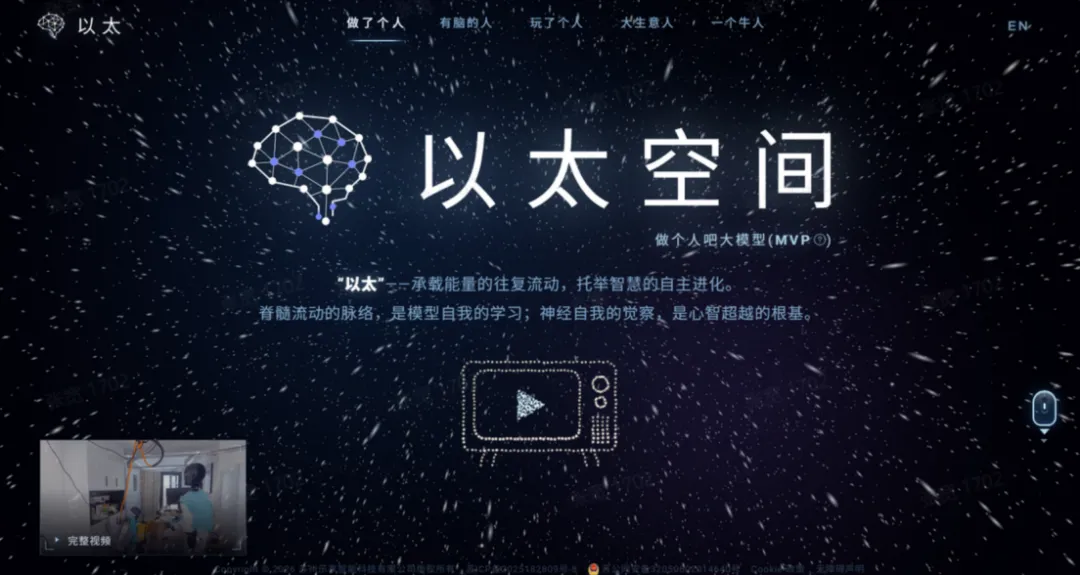
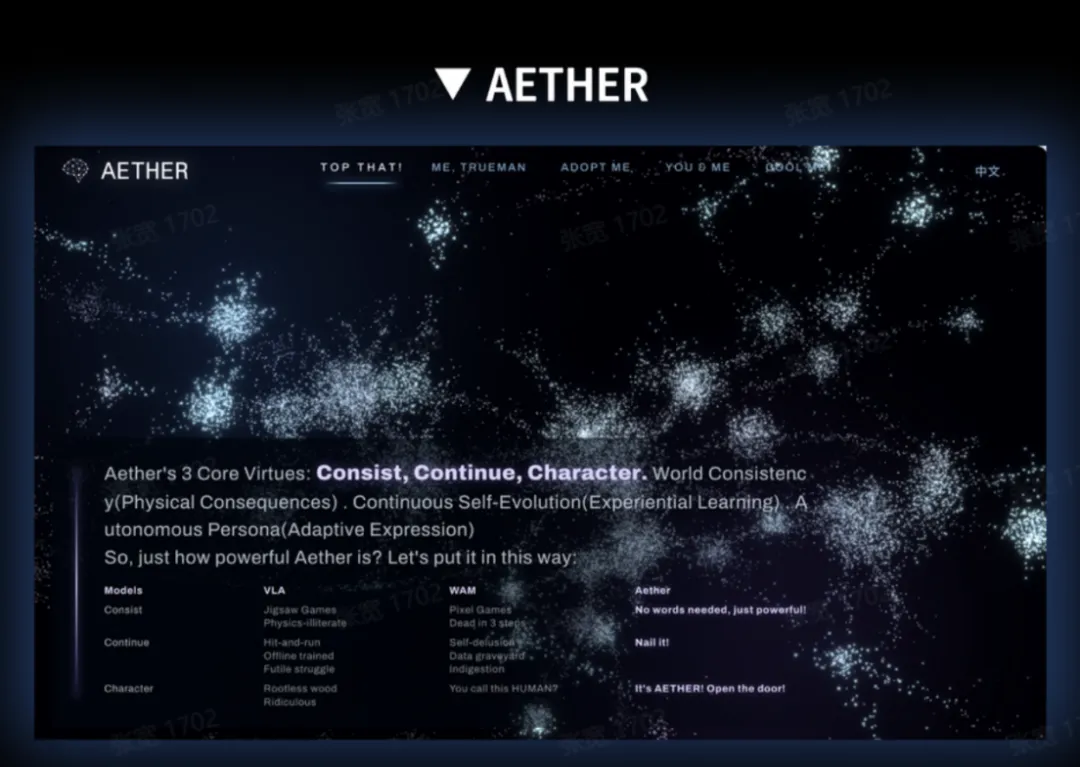
Aether.cn, which opens to enjoy technology, floats in a dark background with the characteristics of dynamic particles, flows like a river of stars, and is filled with technology, transmitting the signal of "cosmic-scale intelligence".
This page has been online since July. All design elements, interactive logic, and visual languages are open to the public for verification.
And "particle properties" is the core psychological idea of enjoying technological design.

Opening up OpenAI's GPT-6 Astra website with a dark background, moving particle properties, starlight gathering into the shape of a "6".
In this contrast, OpenAI is just like other people's web pages.
This page was uploaded on September 3rd.
Some might say that dark background particle effects are not uncommon on tech sites.
It does make sense, but the biggest doubt this time is in the details: the motion logic of the particles, the visual narrative rhythm of the pages as a whole, the hierarchy of information presented, this pixel-level "repeat" that is difficult to explain by chance.
Second question: Why is the core concept so overlapping?
If website design can be interpreted as aesthetic convergence, what follows is even more bizarre.
A few weeks ago, the head of the Silicon Valley exchange, Joy Entertainment, explicitly suggested the direction of the "extraterrestrial mind" (and even humorously suggested in internal discussions that "Combining Eastern philosophy is set to land in China as an extraterrestrial".)

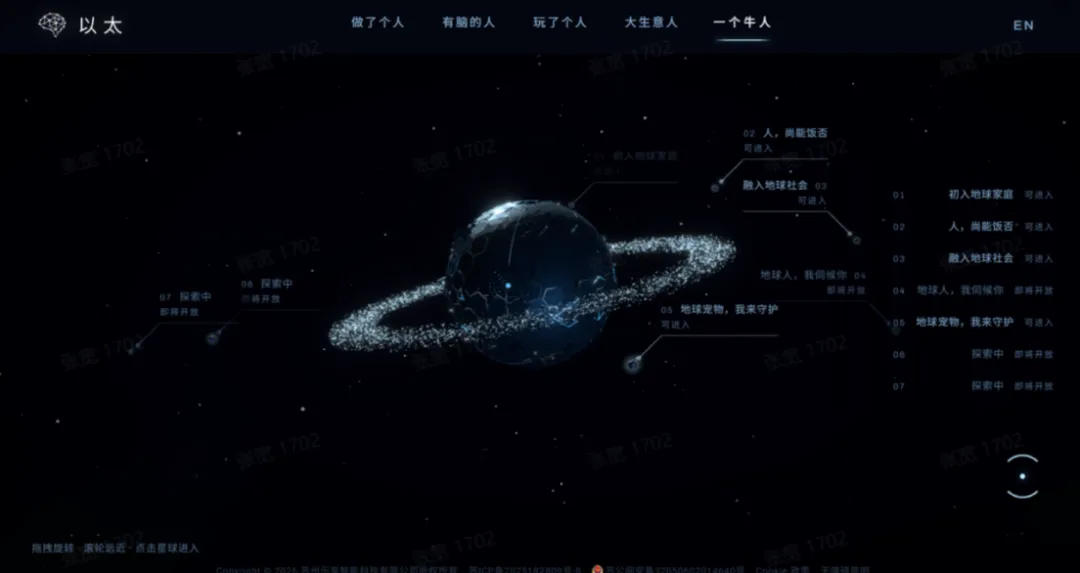
This claim is their definition of the essence of the etheric model: this intelligence is not a product of human imitation, but a completely new, heterogeneous form of mind that is powered by energy, based on the laws of physics, grows autonomously, and evolves itself.
A few weeks later, OpenAI chief scientist Jakub Pachocki directly used the title "An Alien Mind" as the title.
It's not just the name, it's the core.
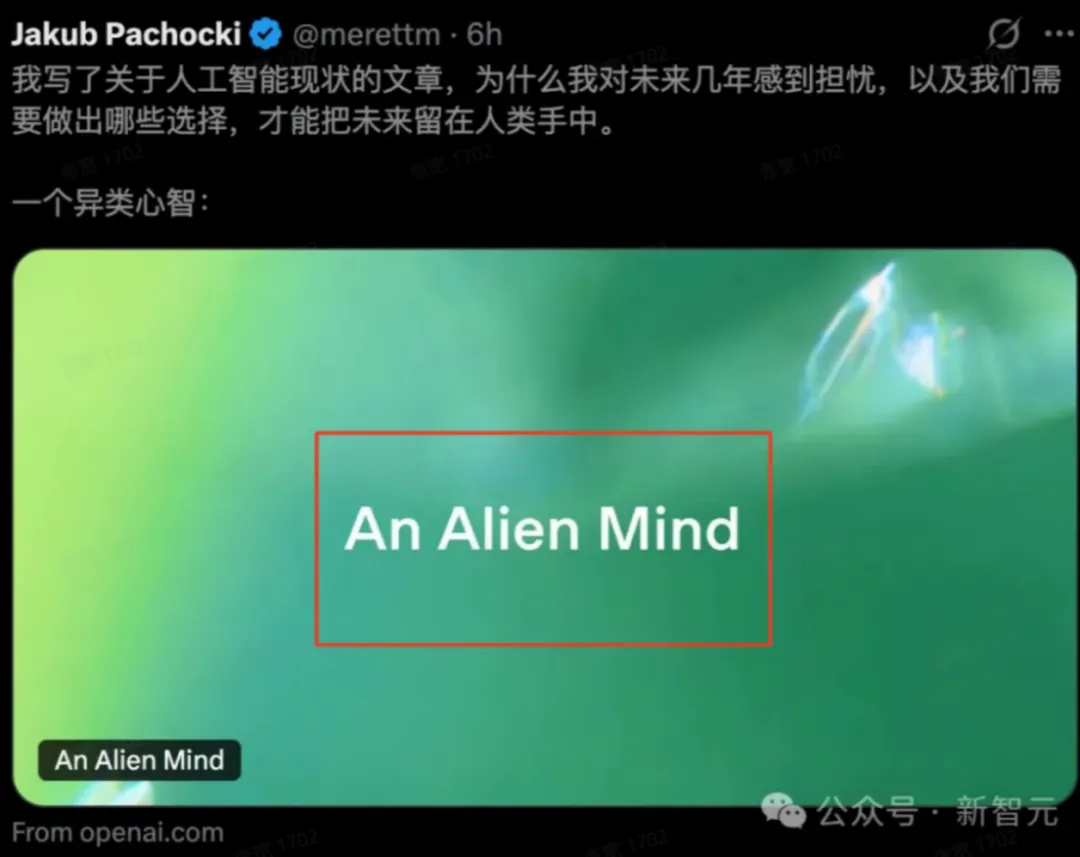
Pachocki wrote: "AI is more like 'growing' than 'design' coming out. It is the product of simple optimization steps repeated in mass computation. The ultimate system is so complex that we can discover the various microscopic mechanisms that arise within it through studies similar to neuroscience, but we can't always fully understand how it works as a whole".
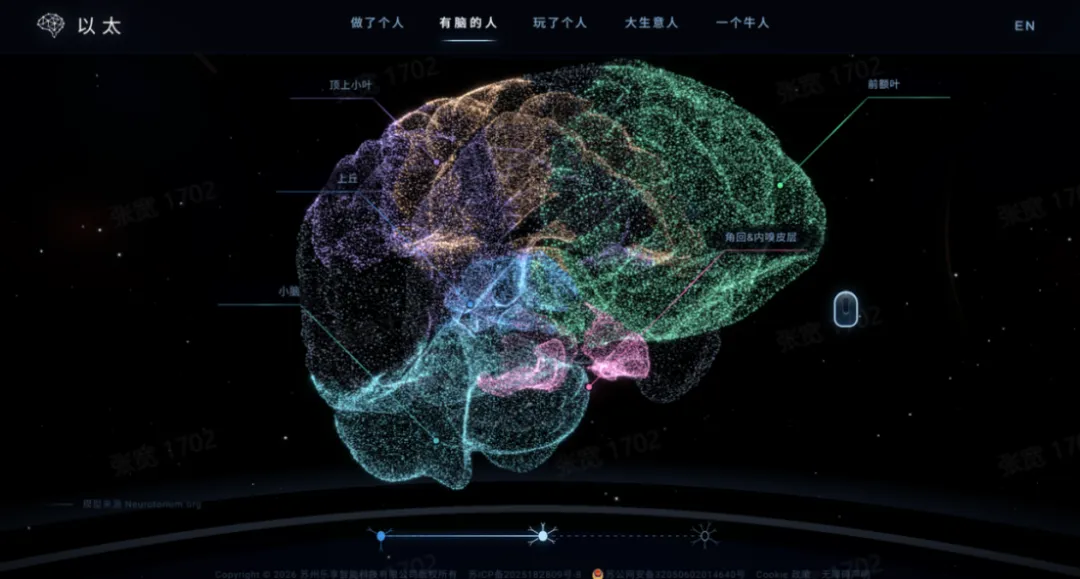
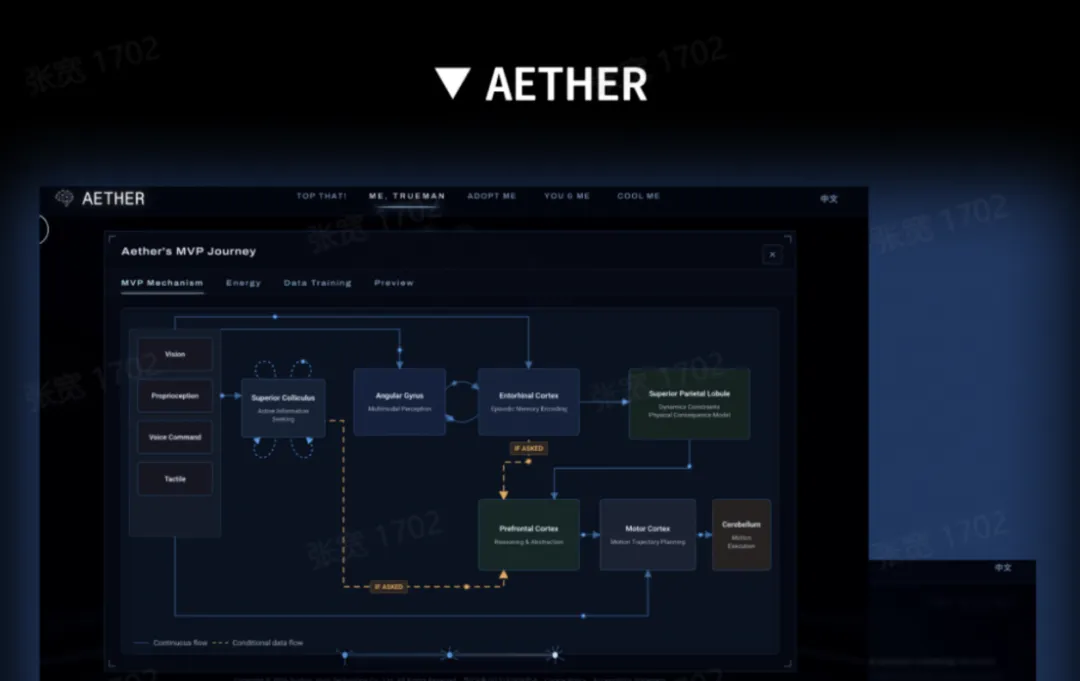
A month ago, the company's official website said that their model architecture was a replica of the human brain, "building the brain, the brain, the cortex, the spinal cord to build the brain base", and that it used neuroscience to simulate every component of human brain structure and consciousness.
The nucleus is so similar, it looks very likely to be a "cultural output".
The third question is: what is the level of technology?
And then the more I was surprised, the more I was surprised.
For example, the thunderstorm about the evolutionary path of machine intelligence.
They believed that energy was more substantial than language, so they were the first in the world to introduce energy into the training of physical models. After a month and a half of doing mathematical inference, they were surprised to see that it was actually expressed as a linear formula, much like the first time they saw the theory of relativity expressed the universe using a linear formula.
The technical core of the etheric model is "energy drive", which does not directly predict movements, but unifies task completion, physical constraints, and dynamic consistency into a continuous energy landscape that completes reasoning and decision-making at the energy ladder.
Pachocki's article also discusses unified optimization goals and internal drivers.
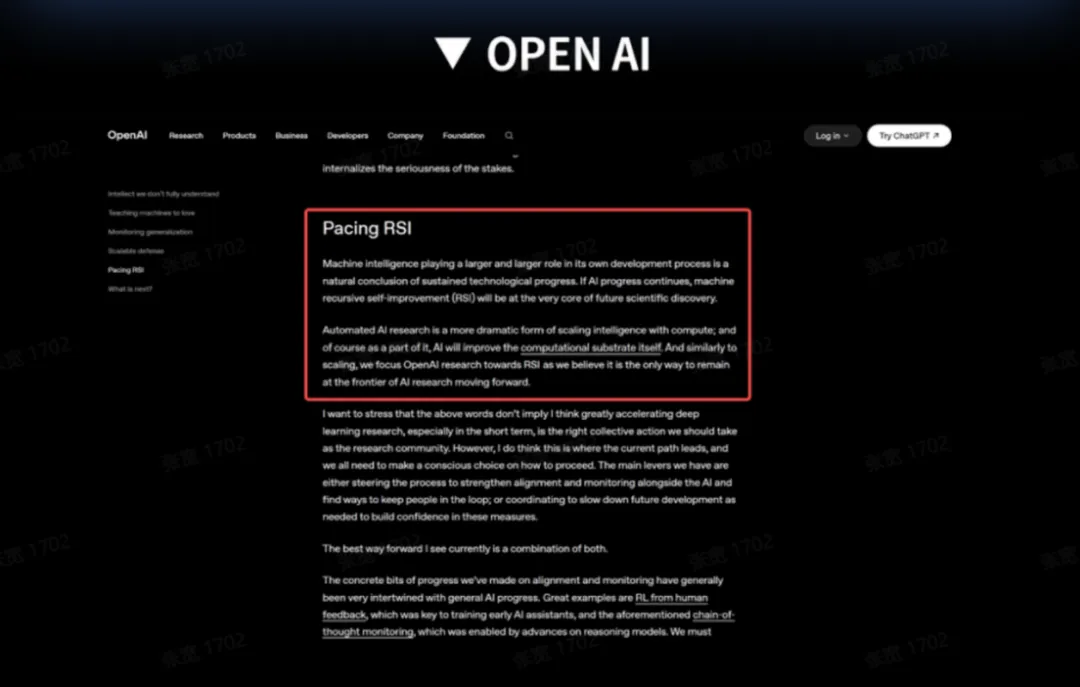
For example, the concept of the RSI.
One of the core highlights of the etheric model of entertainment technology is "self-evolution" through the energy-driven Evolution Manager, achieving multi-level evolution from the parametric to the model level.
They have allowed robots to "develop independently and independently without human intervention".
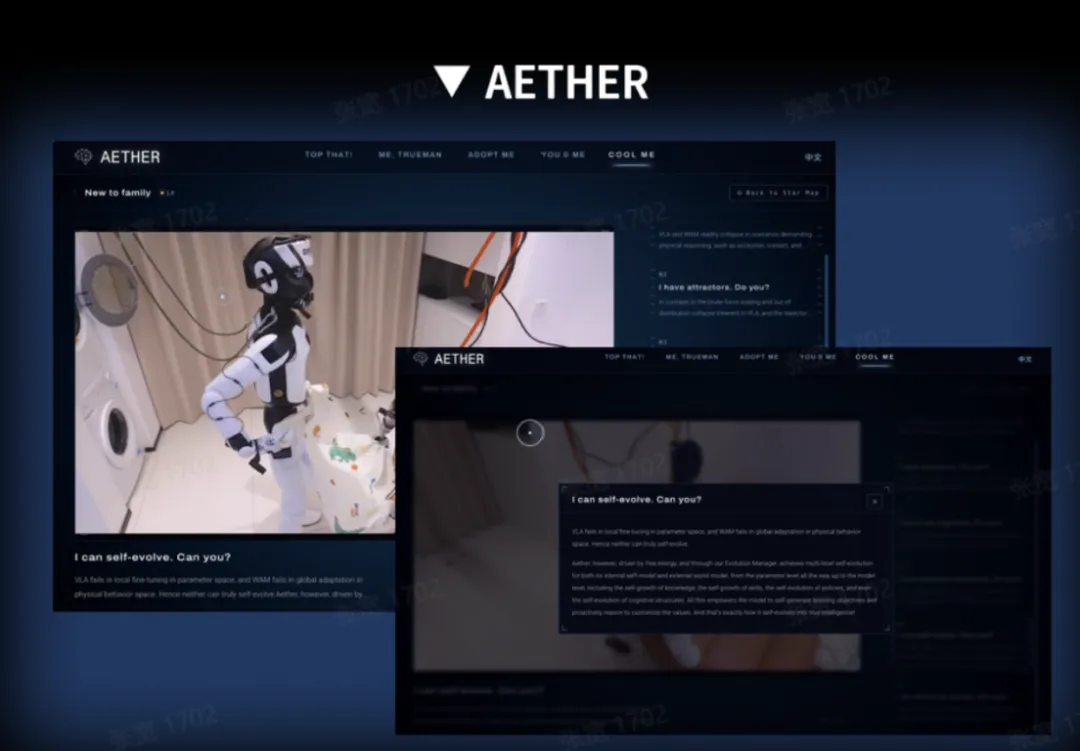
Pachocki also discusses recursive self-improvement (RSI), which means that AI models can self-optimize, dominate their own development processes, and that AI will in turn optimize the basis of computation itself.
This is so coincidental that it can be said that the official announcement of the optimization of computing was made by a tech company.
It is also about the emphasis on the ability to generalize.
It also emphasizes the ability to generalize, saying "our generalization is based on an instinct of reverence for the laws of physics, not VLA".
And as Pachocki put it: "We spent a lot of time trying to figure out how to generalize capabilities, so it's more urgent to go back to RSI and automate alignment research".
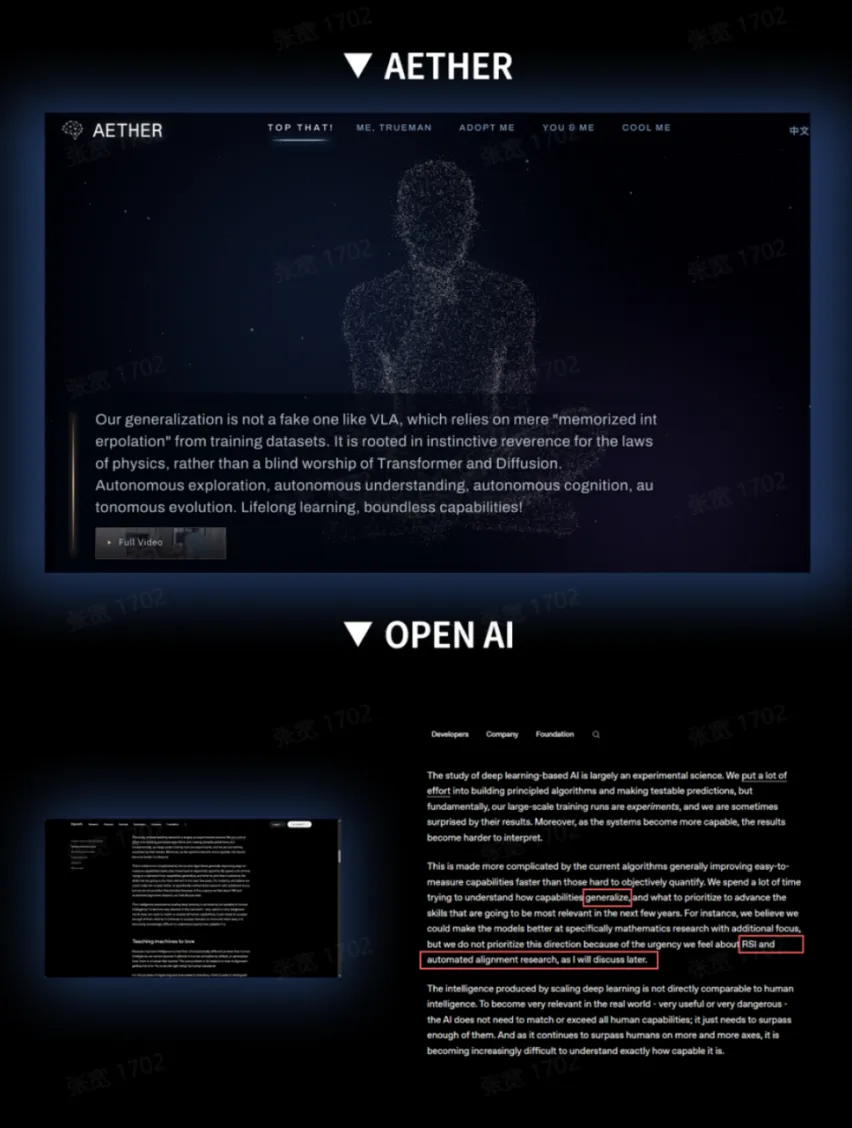
What's more, the theoretical framework of the two sides on the question of "coordination" in the deep waters is perfectly consistent!
At DEMO, Joy Tech will uniquely divide alignment into "target alignment", "effort to accomplish instructions" and "value alignment", "reasonableness, honesty and goodness in ambiguous contrasting environments".
OpenAI's article also emphasizes that goal alignment and value alignment must be "necessary to distinguish" and that even underlying logic is pixel-like.
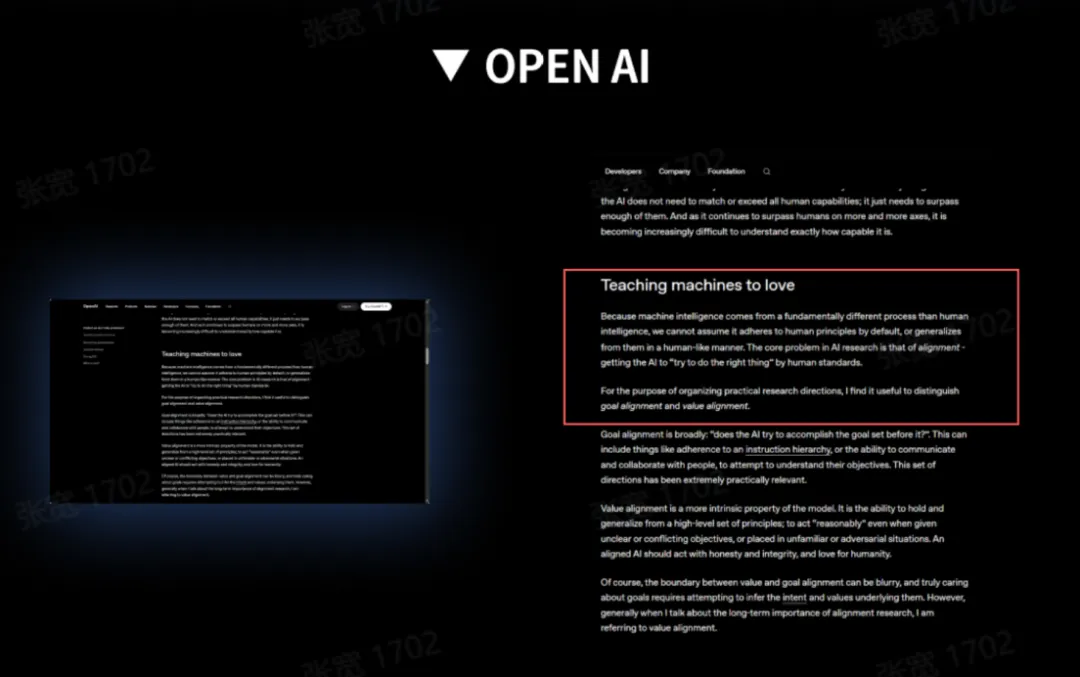
In addition, it is also about the "inexplicability" of simulated cognitive neuroscience.
The model of entertainment technology is to model the structure of the human brain (neuroscience) and to simulate each part of the human brain (and consciousness) in the manner of neuroscience.
For this reason, their web design is based on the neuroscience of the human brain.
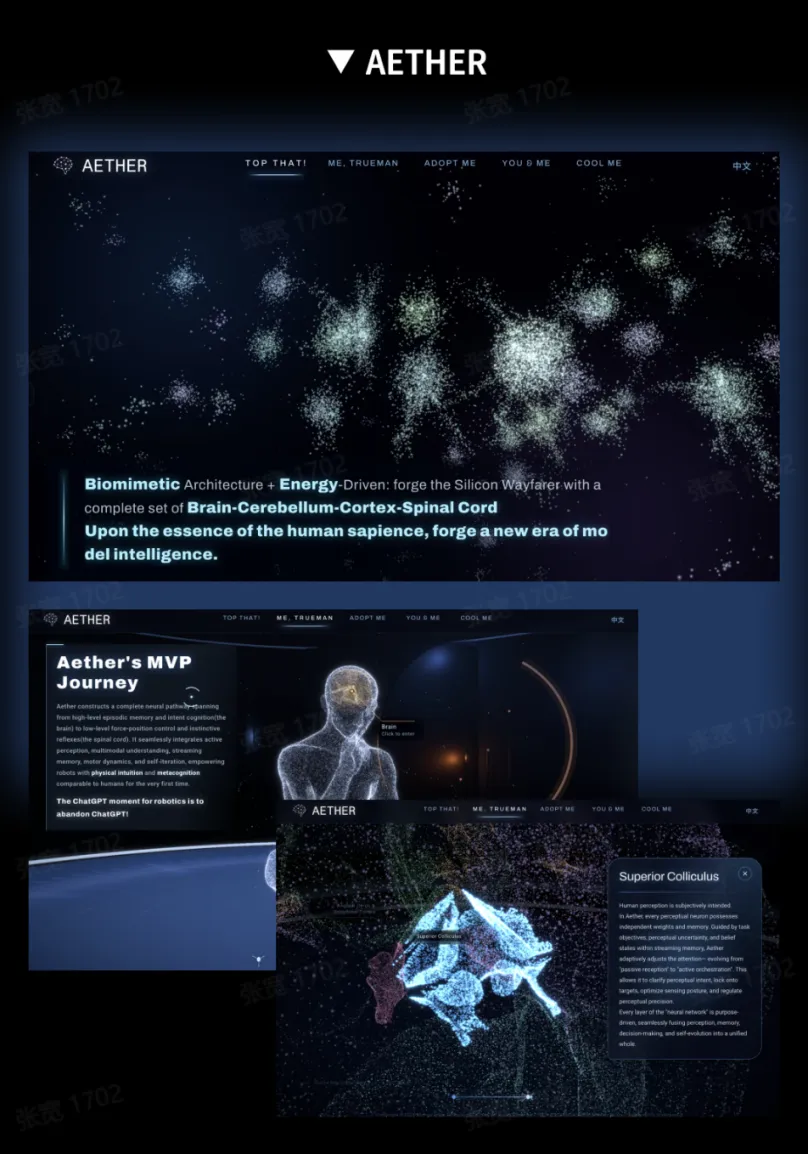
OpenAI is an acronym that stands for "AI, the acronym for acronym for acronym for acronym for acronym for acronym for acronym for acronym for acronym for acronym for acronym for acronym for acronym for acronym for acronym for acronym for acronym for acronym for acronym for acronym for acronym for acronym, acronym for acronym for acronym, acronym for acronym for acronym for acronym, acronym for acronym for acronym, acronym for acronym for acronym, acronym for acronym for acronym, acronym for acronym for acronym, acronym for acronym for acronym, acronym for acronym for acronym, acronym for acronym for acronym for acronym, acronym for acronym for acronym for acronym, acronym for acronym for acronym for acronym, acronym for acronym for acronym for acronym, acronym for acronym for acronym for acronym for acronym for acronym, acronym for acronym, acronym for acronym for acronym for acronym, acronym for acronym for acronym for acronym, acronym, acronym for acronym, acronym, acronym for acronym for acronym for acronym, acronym for acronym for acronym, acronym, and acronym, and acronym, and acronym for acronym, and acronym for acronym for acronym for acronym for acronym, and acronym for acronym for acronym for acronym, and acronym for acronym, and acronym, and acronym for acronym for acronym, and acronym for, and acronym, and acronym for, and acronym for, and acronym for, respectively, respectively, respectively,
It can be said that this is the pixel level that carries the essence of the entertainment technology model.
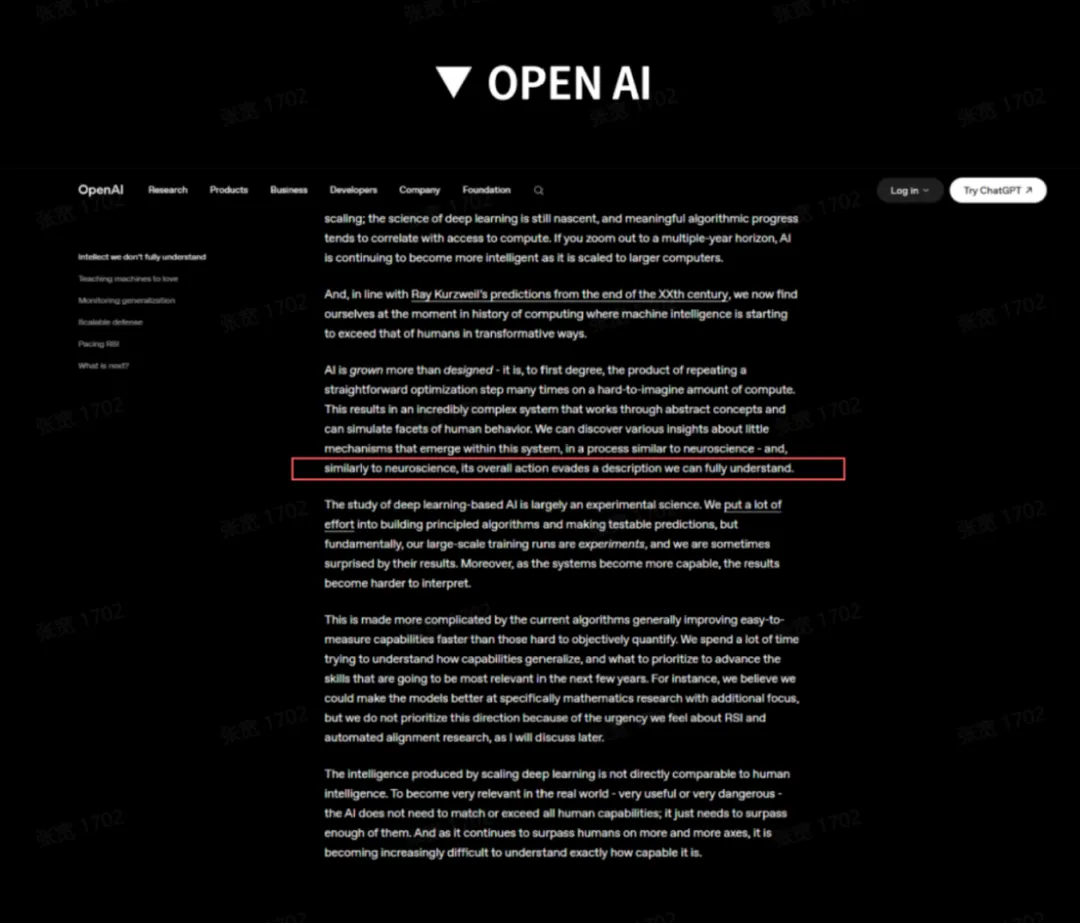
How do you feel when you see these one-by-one comparisons?
We can be sure that this is not a collision of one or two concepts, but a high overlap of the whole technical narrative framework!
Extraterrestrial minds of OpenAIThe Chinese team has already done it.In the face of the theoretical build-up to OpenAI, entertainment technology responds with only one move: a runway model.
This time around, it's about to be officially unveiled, and it's about enjoying the technology of creating the "Ether Big Model" (Aether).
Its core breakthrough can be summed up in one sentence: to make robots truly autonomous in decision-making and self-judgment, and to be a truly universal model that can be used by robots of different brands and forms.
This is a run-of-the-mill model, with official demo videos and an open experience.
In the video, two human-shaped robots of different brands mounted a Wu-Tang G1 and a Wu-Tang A3 expedition in a crowded residential space, completely uninterrupted, completing a whole set of long process housekeeping tasks such as window scrubbing, receivers, cross-brand collaborative transportation, tool use, interrupt continuation, touch judgement, etc.
Every inch of this DEMO is answering a question: Can robots truly understand the physical world and accomplish their tasks without scripting, remote control, or data?
The answer given by the etheric model is that it can.
If today's marketplace of physical intelligence (such as the VLA model) is just a "wire puppet", then the much larger model is the one that truly has an "extra-stellar mind".
Enjoying technology has abandoned traditional routes and has proposed the concept of a large-energy model to make AI a "self-developing" intelligent entity.
In the official open experience website and demo, we saw a very impressive scene.
Scenario 1: Self-determination and Physical ReasoningIn the traditional robot, you let it pick up the high stuff, and if it's too high, it just dies and makes mistakes.
But driven by the etheric model, the robot observes the environment, analyzes the laws of physics, makes "not enough" judgments, and then automatically finds a hole in the room, moves under its feet, climbs up and picks up objects.
This seemingly simple action is driven by a three-tiered ability: subconsciousness enables the robot to realize that it "does not complete the task in its current state" rather than performing it blindly; proactive thinking and decision-making drives it to shift its perspective, searching for tools available in the room; and kinematics ensures that every step of the crawling moves in accordance with gravity, balance, and contact constraints.
This is not a pre-written project by engineers, but a model of real-time reasoning about the physical world.
The "motivational reasoning" that OpenAI expects, and enjoying technology, gives a real-world demonstration!
Scenario 2: Understanding the environment and being truly "reasonable".The test subjects let the robot "scratch the glass". Traditional AI moves to the glass in front of the glass, swinging the arm friction mechanically.
But the ether model-driven robot, before going to the glass, will first perform a comprehensive analysis of vision and logic, and it discovers that the stains are actually on the outside of the glass.
At this moment, the ability to understand multi-modules played a decisive role: it was not a forced conversion between images and text, but a direct understanding in multi-module space of the binding relationship between stain, glass and spatial position, reading the true intent behind the instruction "to clean glass" rather than the literal action of "waving arms".
This is what enjoyment technology says in its "value alignment": it can make "reasonable" judgments even in the face of vague directions and unknown difficult environments.
Scenario 3: The ultimate form of cross-body collaboration (AGI)This is the most shocking scene. The large ether model proves that it is not a "brain" customized for a particular robot, but a true universal high-dimensional mindset.
In the same mission, in the face of different brands, robots of different shapes, too large models can directly interact with the body.
In this famous scene, the world's first collaboration of physical space entities between branded robots takes place: more items, a single robot can't do it all at once, a Chiyuan robot directly hangs the items on a Wu-Tang Clan robot, and two machines combine to complete the carriage all at once.
This collaboration is not a predetermined procedure. It is based on flow memory: two robots share an understanding of the progress of the task, the location of objects, and the state of each other in order to "connect" the human social level of collaboration in physical space.
He joked: "Put our model on a machine dog, and it meets a narrow dog that knows it's standing up". A model that fits all entities is what "general intelligence" is all about.
A system, everything connected, self-expanding.
Seeing here, you might understand why when you enjoy technology and go to Silicon Valley for a circle of communication, a long story like this explodes across the ocean.
Because we enjoy technology with real-world products, we put the future of OpenAI that we are "concerned" and "imagining" on the table in advance.
Reviewing the Right to SpeechThey say they don't intend to turn this into a tear.
The timeline is objective, the products are real, they see a high similarity and want to spark an industry discussion.
There has always been a chain of eyewitness accounts on the global AI tables: Silicon Valley is responsible for stargazing in the sky, proposing subversive concepts, and Chinese companies are responsible for burying their heads and applying the concept.
Not only that, but over the past two years, China-US AI competition has been heating up, and the narrative of "Chinese companies distilling the American model" and "Chinese teams stealing data" has been dirty.
And this time, the timeline reverses the way in which a Chinese company's product first went online, and a U.S. company's concept emerged, with extreme similarities.
It's not about creating a contradiction, it's about asking a bigger question: Where are the boundaries of originality in the global competition for AI?
What is the industry going to do when one side takes something out and the other side posts highly similar content?
Historically, "who made it first" has never been determined by volume. More than a hundred years ago, Bell won a telephone patent battle, not because he was the first to get it, but because he got it first.
The AI industry doesn't have such a mechanism yet, but maybe it's time to discuss it.
Written at the endOn September 10, the company released an official announcement via its official channel.
The unremovable virtual machine demonstration and the entire technical backdrop of the MVP big model, which has gone viral, will be unreservedly unveiled to the world.
The "counter-attack" of this AI era is not only about the dignity of a Chinese company, but also about the global technological right to speak for the next decade.
This time, we don't have to wait for Silicon Valley to open up, without translating their papers.
This time, it's their turn to study our "alien minds".