If you've been to WAIC last year, you'll probably feel a subtle change this year.
Public information shows that this year, there are 208 smart phones in the WAIC exhibition hall, over 300 first-person shooters competing on the same platform, but there is a significant decrease in the number of showcases, such as dancing, behind-the-scenes flipping, and the replacement of real-life showcases of robots in warehouses, factories and other scenes.
In 2026, the robotics industry is entering a period of emergence from the period of lithium technology verification to the period of emergence of lithium productivity. The Chinese robotics industry is completing a collective shift from lithium cult lithium to lithium scenario defining hardware lithium, from lithium parameters competition lithium to lithium data-driven evolution lithium.
It's not like I don't know what I'm going to do with my life.
Scene redefining the hardware
The most intuitive change for WAIC in 2026 is that robots will no longer be working on who is more like a human mouse, but who is more active than a mouse.
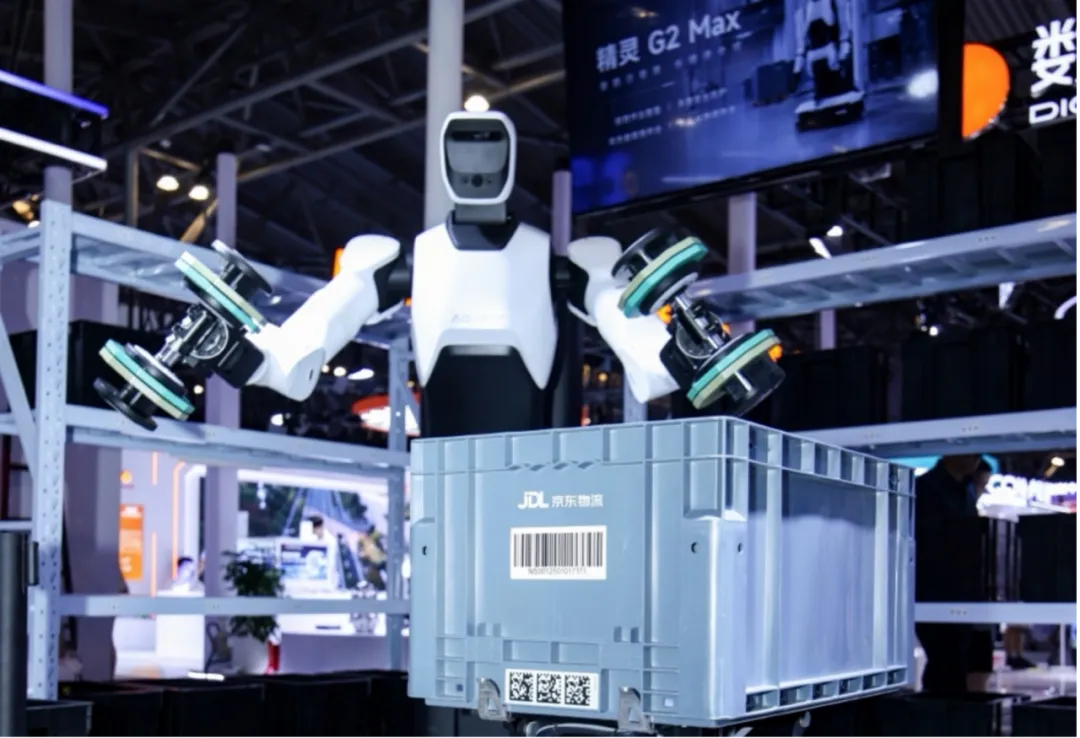
A clear industry signal is that a combination of wheeled chassis + human upper limbs is becoming the dominant structural choice in the industrial scene. This trend has transcended the technological origins of enterprises, showing a highly consistent evolutionary direction.
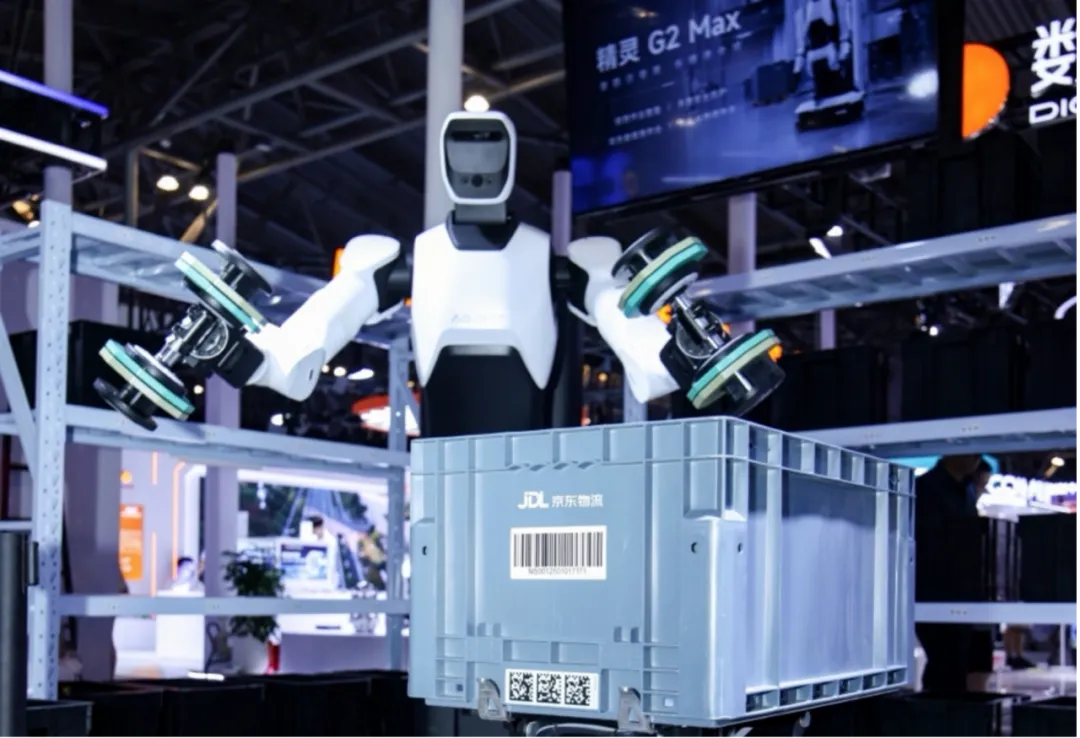
As an example of an enterprise with humanoid robot genes, Zhiyu Elite G2 Max, in collaboration with Jidong Logistics, deploys landing gear in real warehousing operations, using a wheeled chassis, a single-arm load of 18 kg, two-arm standard load of 38 kg, with a peak load of up to 50 kg. Magic Atom MagicBot D1 also uses a wheeled chassis and a human upper limb complex structure, and has now entered the Chasing Intelligent Manufacturing Plant to conduct standardized practical tests.
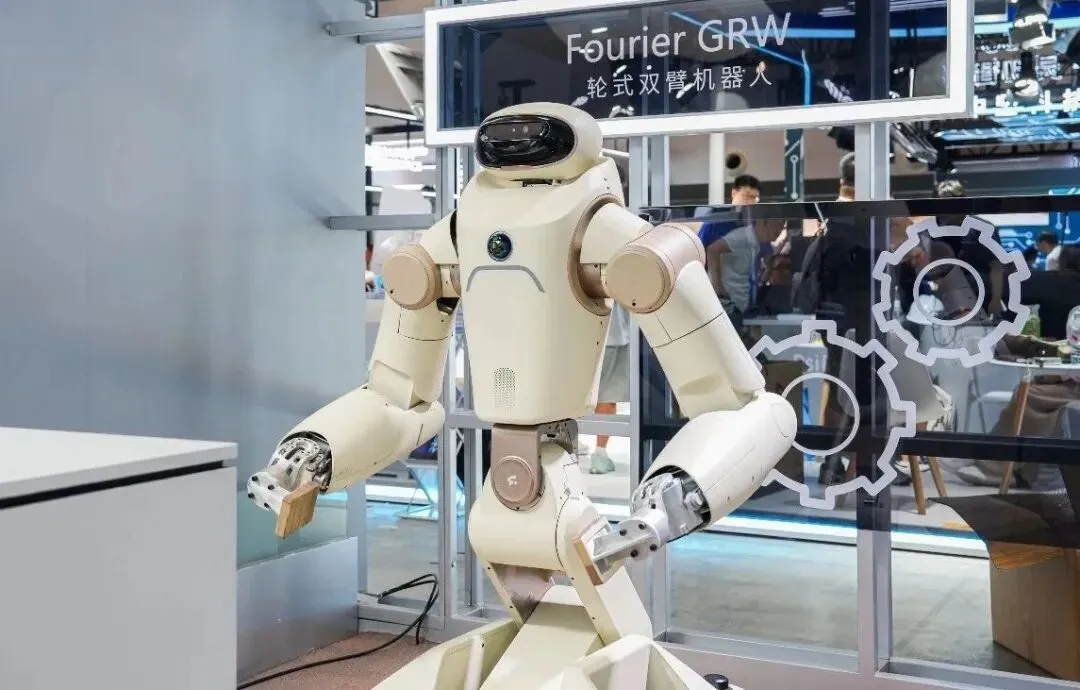
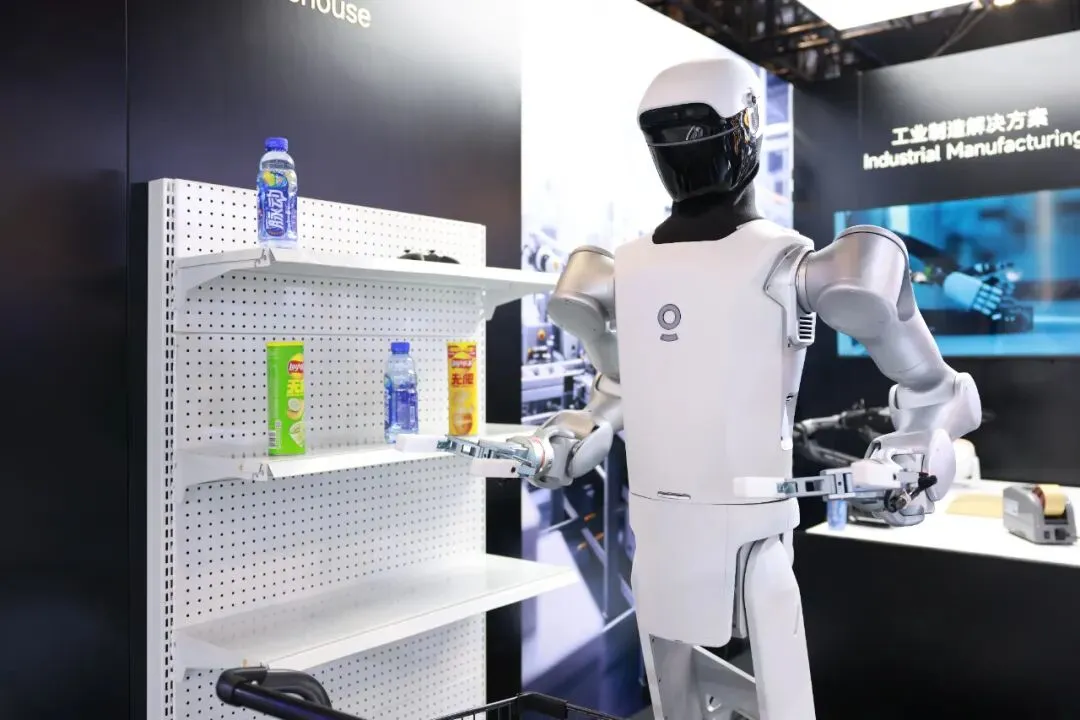
Companies with mobile robot genes build differentiated advantages in scheduling and synchronization capabilities. The Gino 1, a general-purpose humanoid robot with a wheeled chassis + human arm-like structure, with a self-developed Gravity 4D brain, can not only be moved, but can also be assembled with mobile robots, special workstations in sync, such as the same controlled workstation team, end-to-end run to select the entire process, demonstrate the people's generalization capabilities and operational efficiency, is one of the very few smart holistic solutions that can be applied directly to the body.
Kagei Technology has launched its new product NERA-P body robot flagship all-wheel drive, and together with the Zhejiang Human Robot Innovation Center for a live demonstration: EMMA 400K mobile robot for gearbox transport; NAVIAI-WA2 wheeled robot with Kagei NERA-P all-wheel drive completes gearbox crawling; NERA-A mobile operating robot for NERA-FOUP wafer box crawling, crawling to an accuracy of ±1mm.
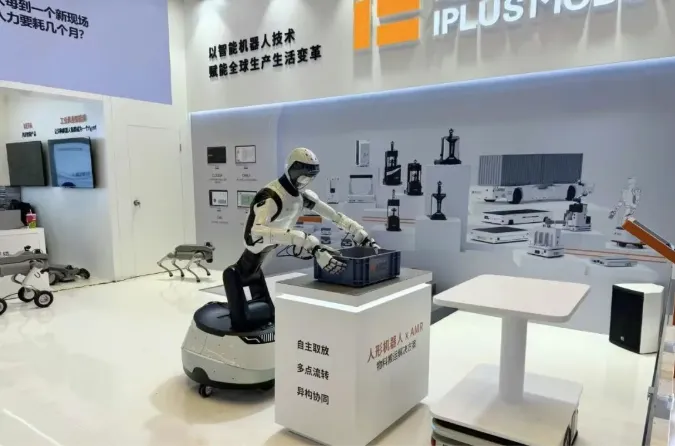
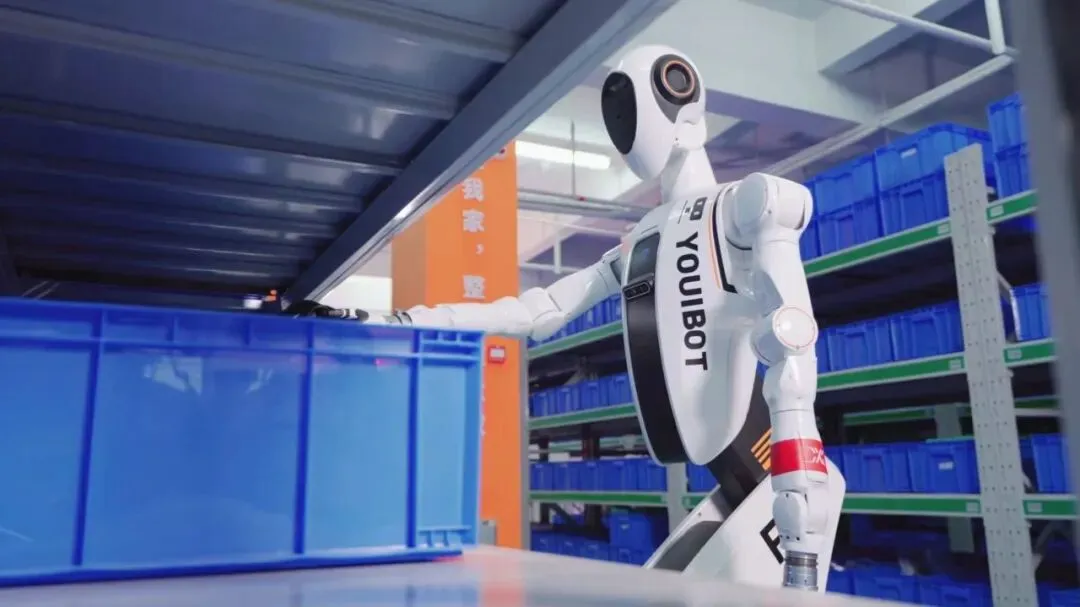
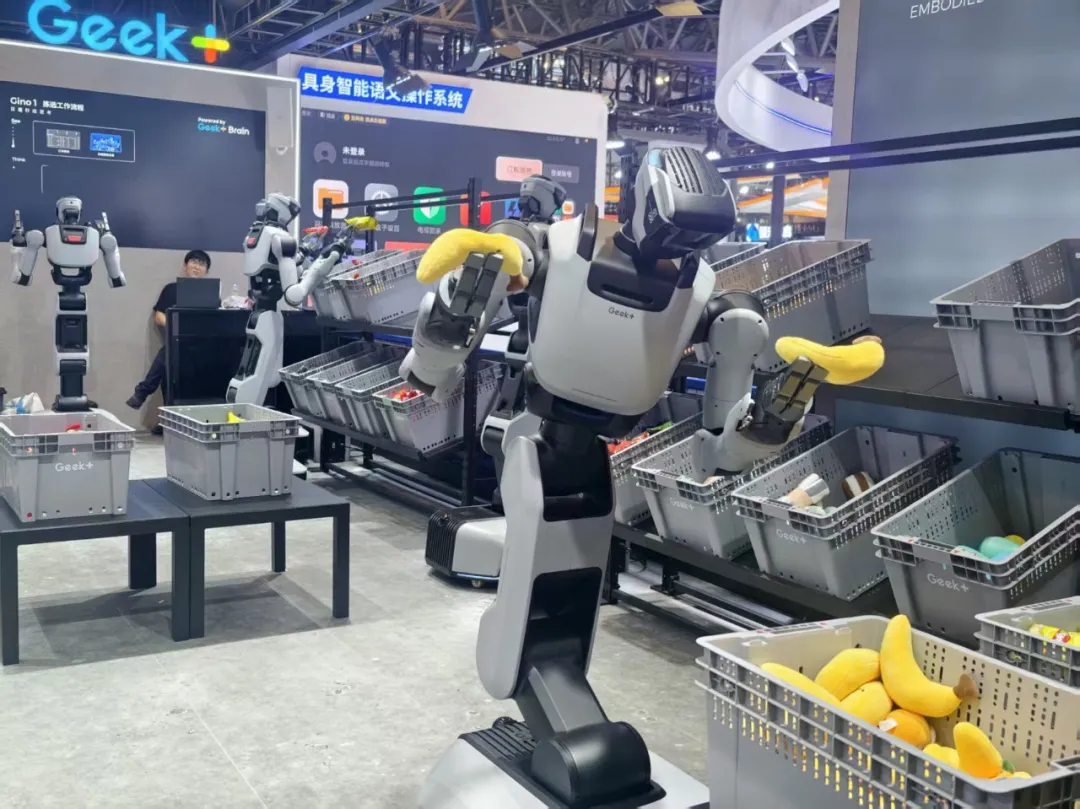
Companies with industrial/collaborative robotic genes are also relying on this model. The RealBot series can move 90° vertically up to 2.1 meters, lifting more than 60 kg. Well, we can do it lightly enough and adapt to the environment set up by humans.
The three main platforms are the Gento Luna wheeled folding robot, the Gento Skye wheeled elevator robot, and the Marvin Pro fixed-power controlled human-powered two-arms platform, covering multiple scenarios ranging from mobile operations to high-precision operations. Thinking robots also showcase differentiated thinking: the H20 lightweight high-dynamic two-legged human-powered robot is geared towards scientific research and physical intelligence research, while the H10-W wheel assistant robot is designed for office and home scenes.
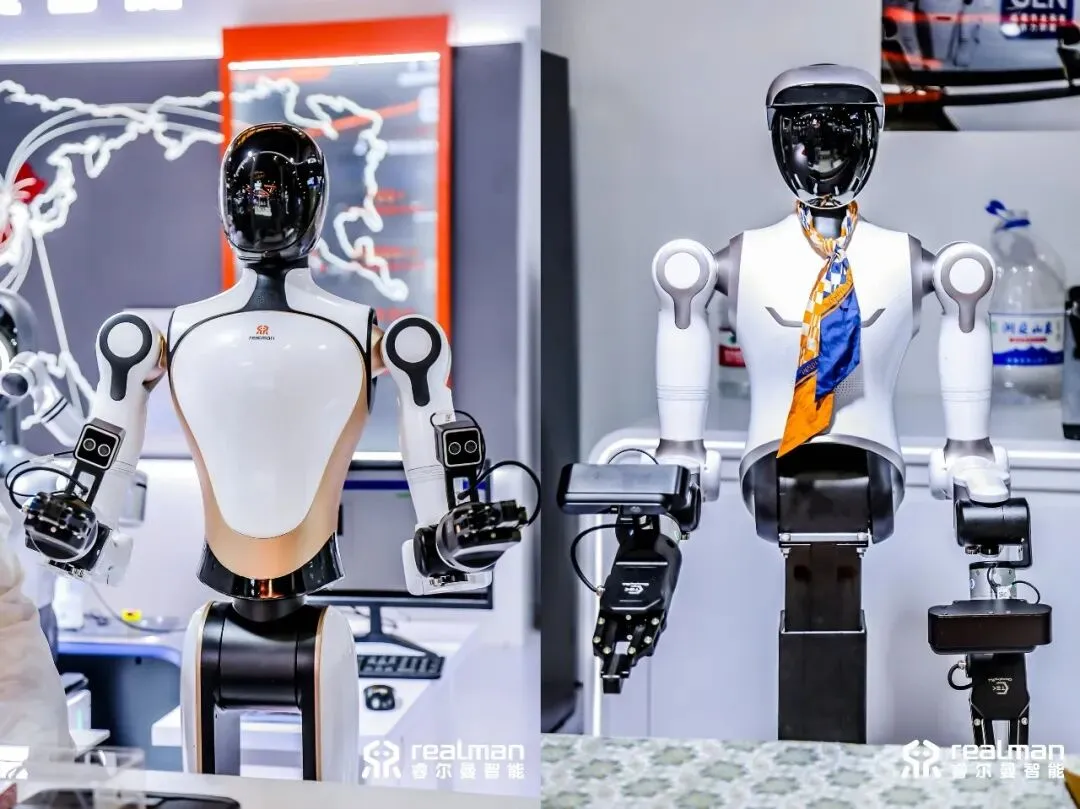
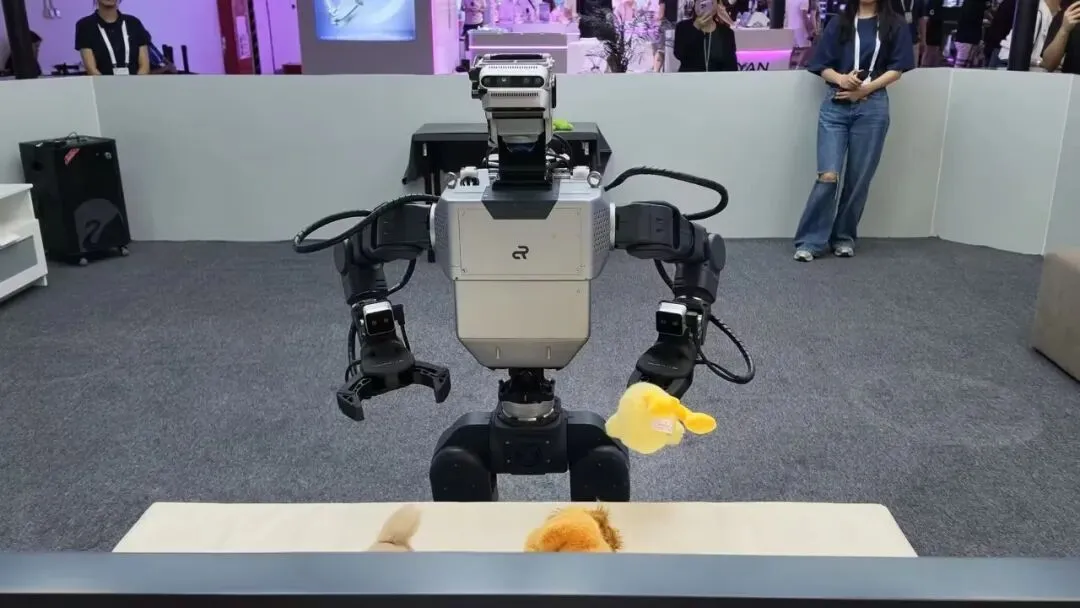
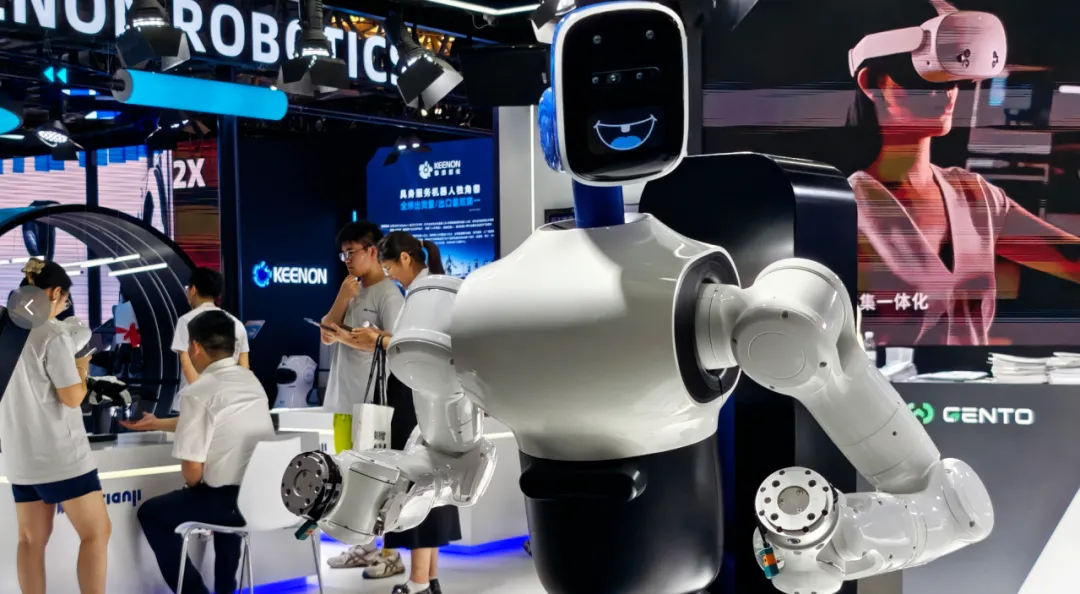
Both legs adapt to stairs, slopes and obstacles, but between standardised plant areas and production lines, the wheelbase has significant advantages in efficiency, stability and cost.
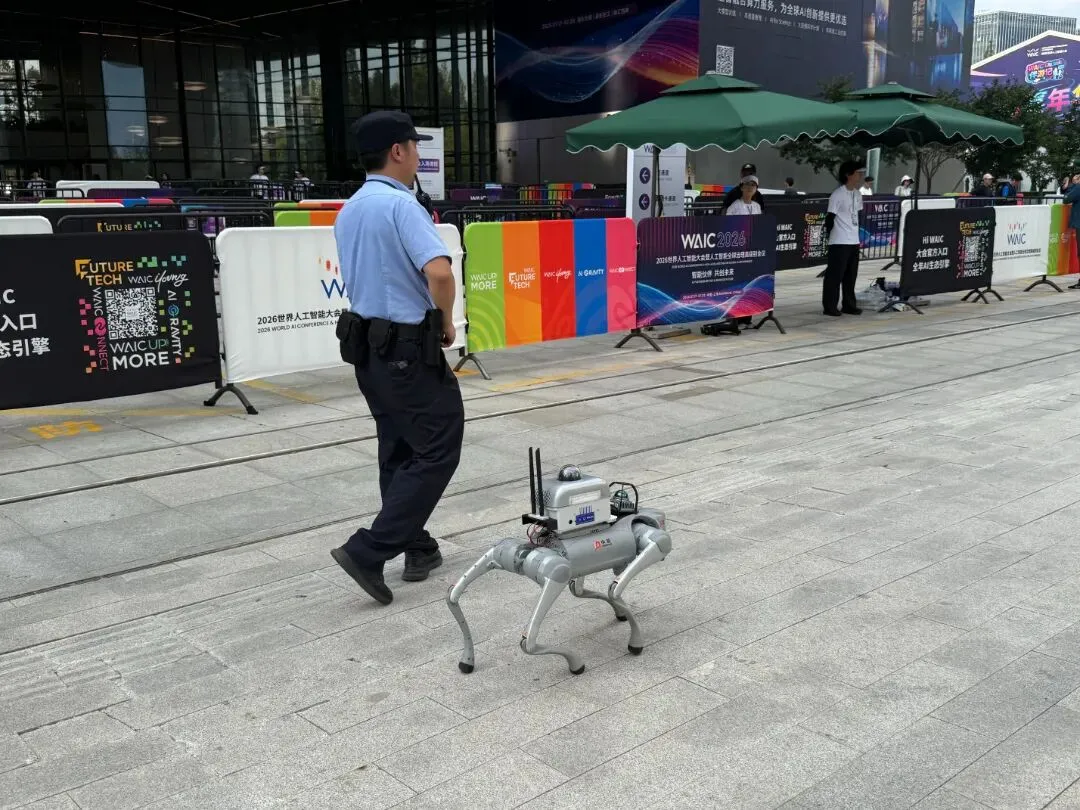
This logic also extends to the field of quadruped robotics. Cats are deeply involved in WAIC field security, thanks to quadruped motion control technology, easily adapted to the diversity of the exhibition site, deep staircase gaps, narrow passageways, corners of equipment, etc.
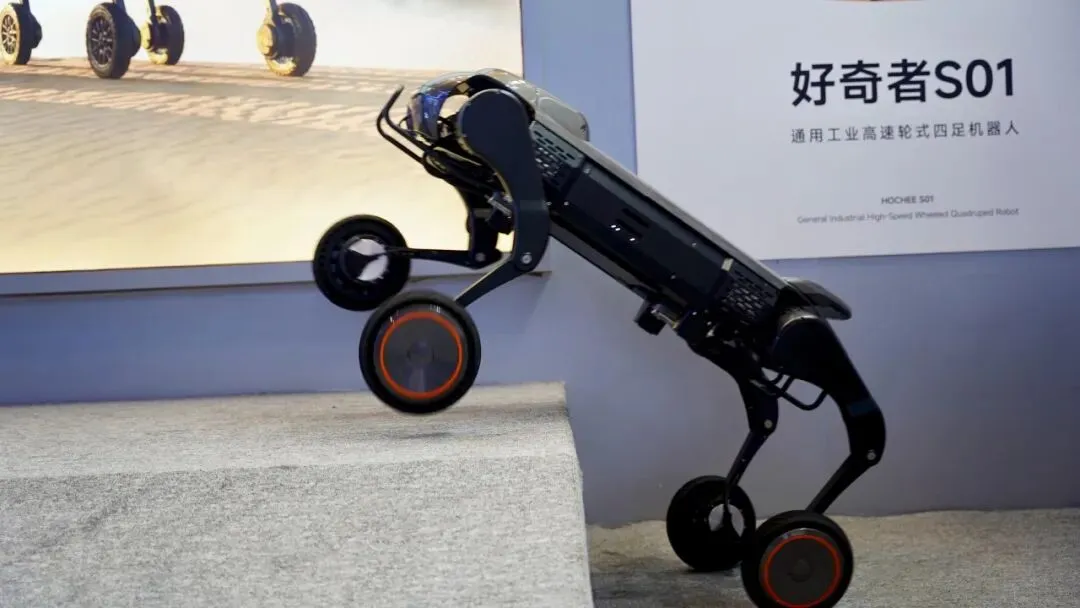
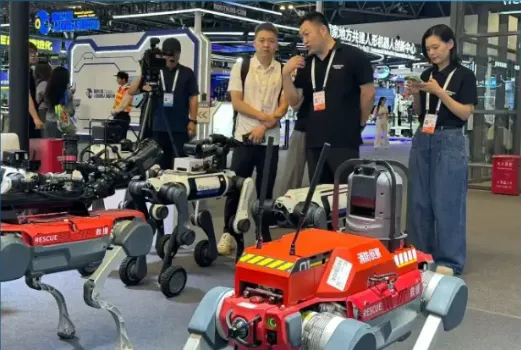
Cloud-deep mountain cat S10 wheeled foot robot integrated belt battery weighs less than 20 kg, passes through narrow passageways, ruins gaps, filling large equipment operating blind areas; microtechnology curious S01 industrial high-speed quadruped foot robot, focused on magnetic, anti-explosion, waterproof, anti-tank scenes, flexible to penetrate the transformation of the power station walls and underground pipelines, filling the gaps of special grade small and medium-sized robots.
Behind the decentralization of the form, there is a tendency to generalize the technical system. McCandless judges that different tasks and scenarios give rise to different types of robots, so that the future robot form will not be unified. Currently, McCandless's brainstorming technology is capable of supporting human robots, industrial robots, mobile robots, collaborative robots, etc.
The Elite robot also adheres to a multi-brained, non-human-focused, self-developed brainstorming concept. Its rotary humanoid robot Centaur-G1 specializes in AI-based construction scenarios.
Facing the real needs of different industrial scenarios, Vietnam has built a multi-body braided braided braided body intelligent platform: with self-developed hollow braided DobotWAM braided braided body model, to realize the multi-modal integration of vision, language, movement and the evolutionary ability based on the world model; with self-developed high-precision full-body control system as a braided braided braided braided braid, responsible for real-time coordination of motion control and precise operation; with full-form robot matrix (mechanical arm, rotary, humanoid, multi-body) as a multi-body, to share the same set of braided braided braided braid + braided braided braided braided braided system, to achieve the capability of cross-form reproduction.
Among them, DobotWAM has the capability to perform pre-processing in the brain when faced with complex multi-step tasks, where the big model first assesses the best paths in the virtual world and then executes them in the physical world. The model achieved an average 99.25% success rate in the four standard mission suites of the international authority assessment benchmark LIBERO. This technology path is the key breakthrough for physical AI (Physical AI) from the silicon demonstration system to the silicon production system.
The first sign of the industrial transformation is clear: the doll is no longer the only belief, the scene defines the hardware, the structure serves the task.
The evolution of the brain.
The model of the physical world becomes a new groundbreaking
Large language models are trained by Internet text, but robots are faced with friction, distortion, rigidity, spacing, etc. These physical quantities are not present in the text, they are not true in the simulation, only in the real world.
The president of ABB Robotics Global, Matt McConnell, said: "Physical AI is fundamentally reshaping the boundaries of robotics' capabilities, application scenarios, and value creation.
The core value of a model of the physical world lies in allowing robots to evolve from the recognition of crystal at the level of crystal vision to the understanding of crystal at the level of crystal physics.
The Physiverse Industrial Physical World model, released by Toastata Joint Flight Co., featuring a fully self-developed physics simulation engine, physics, precision restoration of factory components, real-world physical characteristics such as line rigidity, deformation, friction, load, spacing, and more, enables industrial simulation to serve real industrial scenarios instead of just being shaped like a real world simulation.
Based on the cloud-side-end integrated evolutionary architecture, the Physiverse model combines years of mass-industrial scene experience and deep integration of landing data, creating a complete technological closure for self-driving iterative upgrades. Optimized AI algorithms and production process schemes can complete full state-of-the-art simulations in virtual physical environments, full-scale verification, avoid trial costs and risks of real-machine modeling, and can be deployed quickly to real-machine robots. At the same time, real-machine robots can run complex process data, real-machine experience and the ability to adapt to the scenario.
The core breakthrough of the Gravity 4D body model, released by Poitiers, was to allow robots to move from the gravitational prediction of a visionally rational future wave to the future wave that modeled the three-dimensional laws of motion. The main version success rate increased from 73.73% to 78.62% after the introduction of 4D representation in zero samples on the public LIBERO-Plus benchmark.
Synde developed its own vertical-physical engine using a five-tier architecture to construct steam scene perception→action prediction→simulation execution→data flow back and forth and close-loop. The longitudinal-physical fusion technology demonstrated industrial flexible manufacturing units already deployed in the Ningde era, achieving deep collaboration from the production line with robots and magnetic drive systems, providing a dynamic physics training ground for large industrial models.
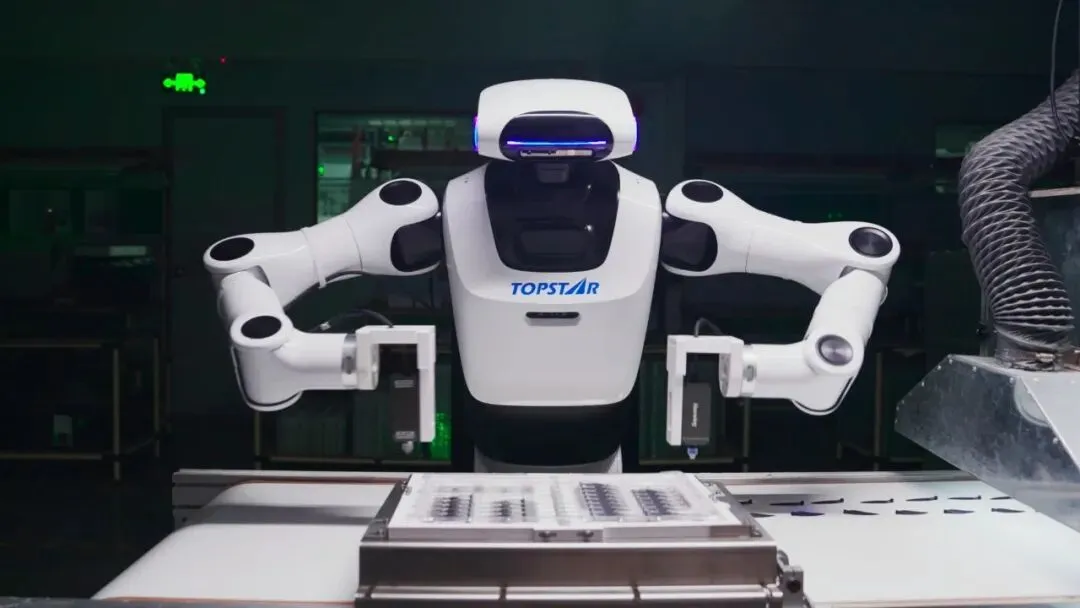
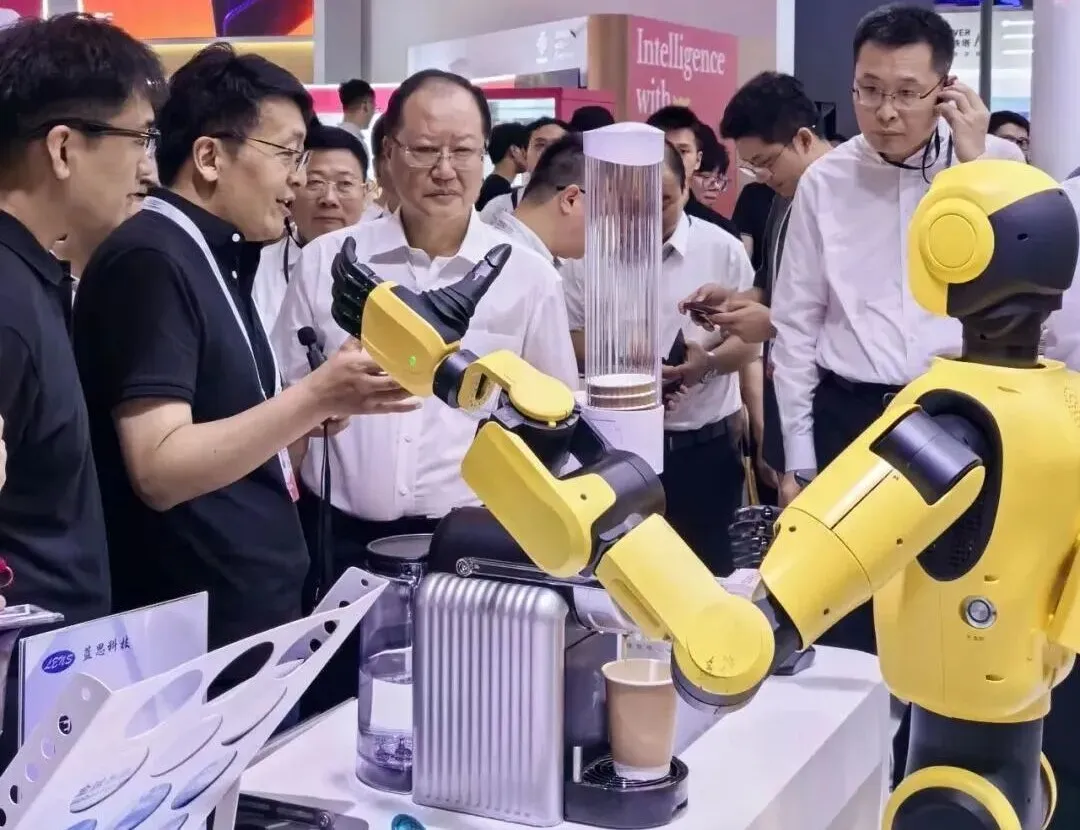
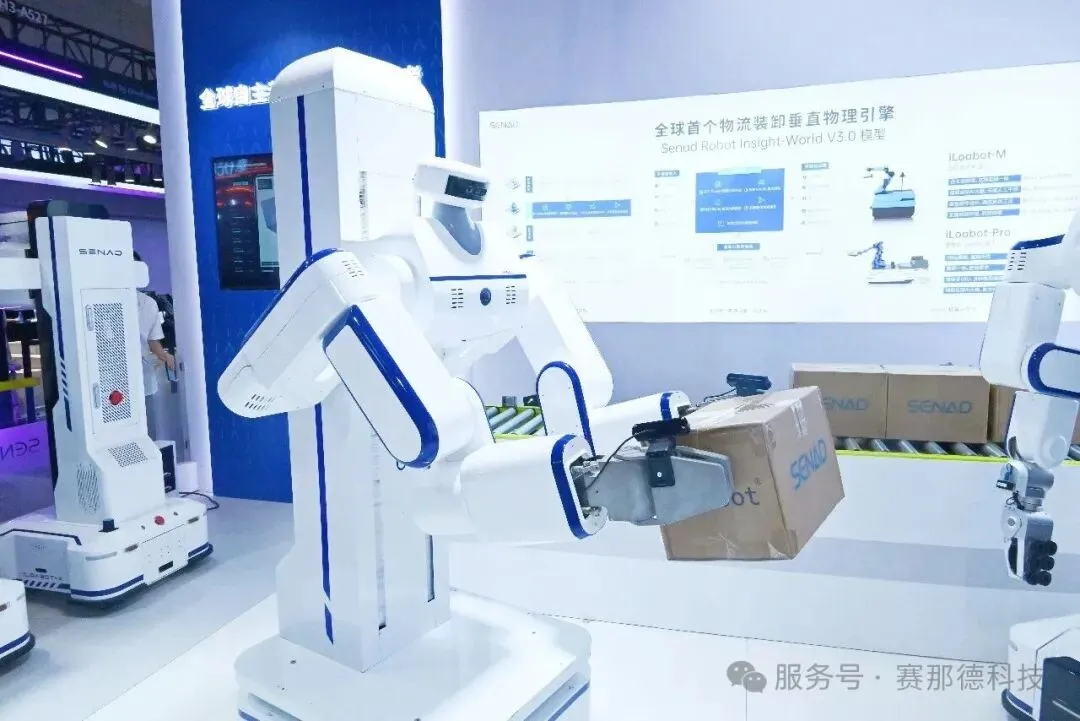
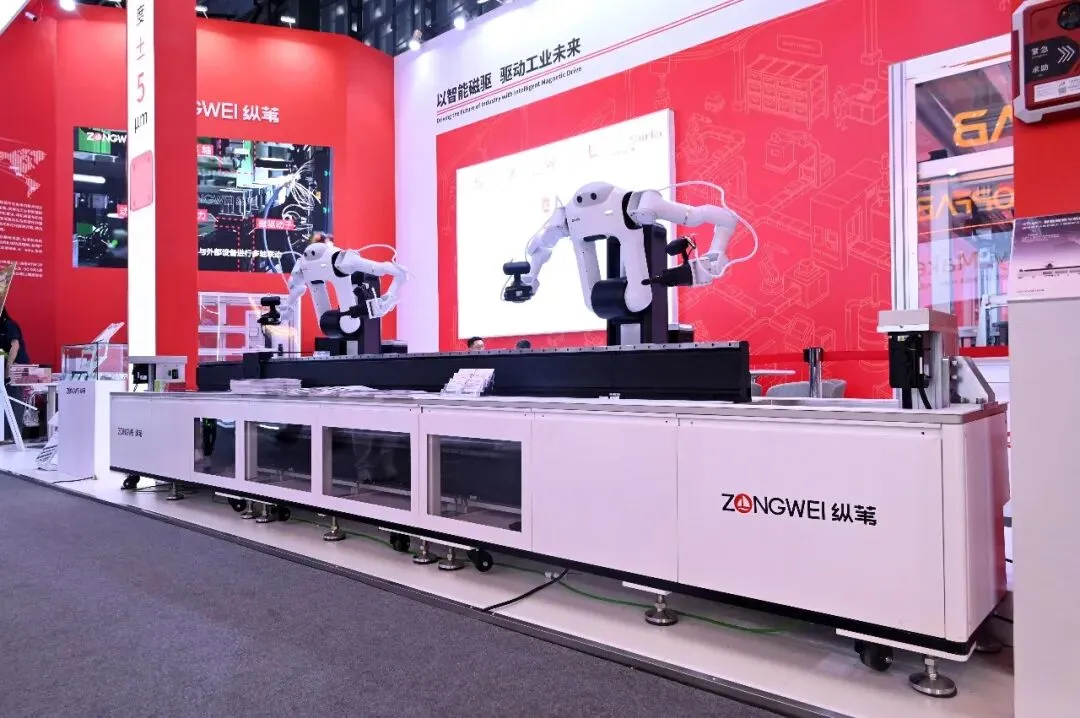
In the evolution of cerebrospinal fluid, the architectural innovation of the synchronous size of the brain is equally critical.
Goal2Skill is a dual-system framework that draws on the size of biological cerebrospinal tubes to execute high-level VLM semantic programming and low-level VLA movement to solve long-range, memory-dependent task problems such as memory management and failed reflection recovery mechanisms in retail logistics. In the RMBench benchmark test, Goal2Skill achieved an average success rate of 32.4%, up more than three times from the strongest baseline, marking a substantial breakthrough in long-range task planning.
ABB Robot jointly released a white paper with NVIDIA, which proposed a methodology for rapid deployment of aids to physical AI, emphasizing the need to bridge robotic vision, digital simulation, and real-world operations to form a standardised engineering implementation process that can be replicated on land. The white paper also clearly outlined a core engineering landing pathway: prior to any real-world physical robot debugging, the identification of the risks of robotic vision should be prioritized to the digital engineering stage by means of digitally generated tasks, guided synthetic data, and AI verification.
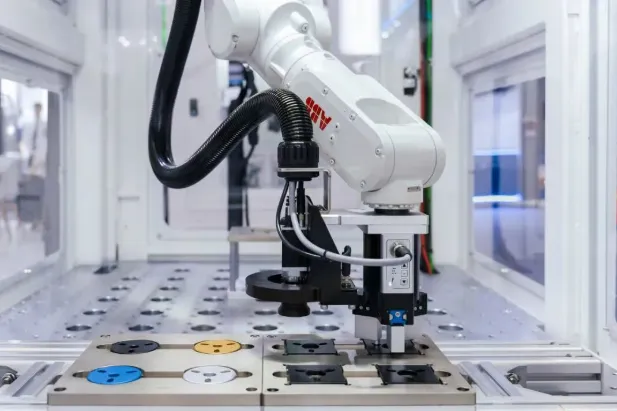
On WAIC, ABB robots demonstrated the power of the Sim2Real virtual virtual closed-circuit operator in a virtual environment, which reliably replicated product models, robots, visual systems and stationary behaviour, creating highly realistic digital microorganisms; the AI-guided card button assembly plant uses mass-synthesized image data generated by digital microorganisms to pre-train the visual model.

At the data level of model training, the industry is building core barriers to differentiation.
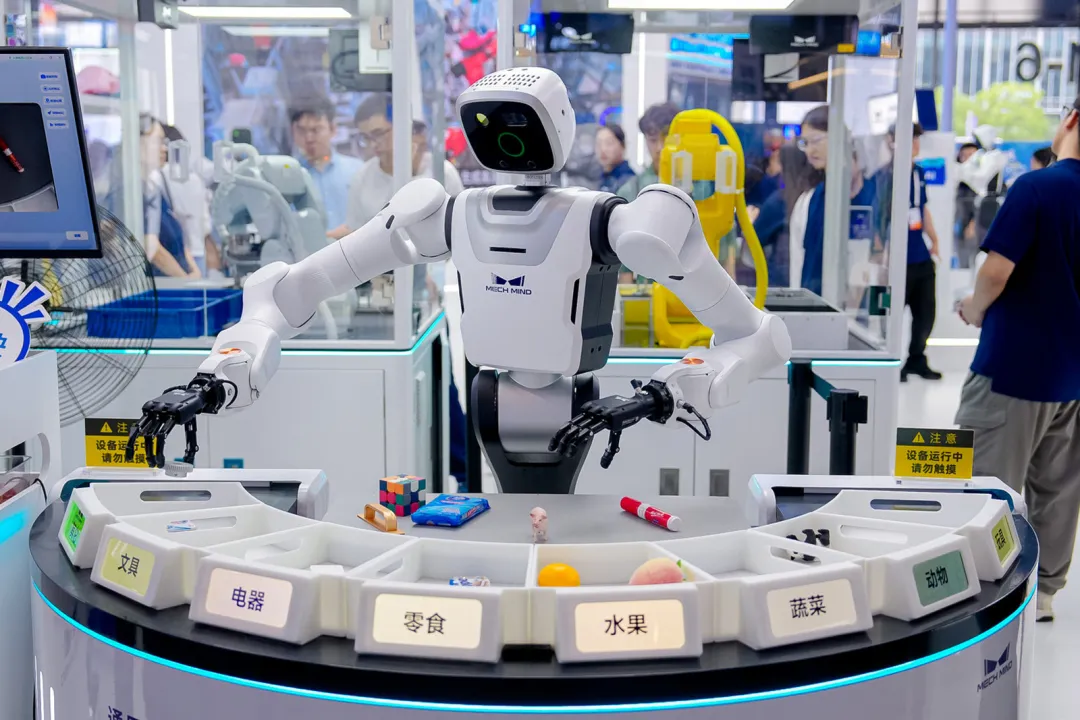
Meckamand demonstrated that single-armed robots, built on the Mech-GPT multimodal model, are not only capable of understanding multimodal information, such as natural language instructions, images, but also of identifying arbitrary objects, understanding object relationships, logical and common sense reasoning, and performing a variety of complex operations, such as classification, sorting, crawling, and more, according to mission objectives.
The Centauri patrol dog is based on self-developed AI algorithms, with high-definition visible light clouds and infrared thermal imaging dual-camera systems, integrated environmental sensing modules, and can collect data on all weather and non-dead angle scenarios along the patrol.
Elite robots have accumulated millions of levels of operational trajectories, millions of hours of real-world data, and millions of levels of dynamic sampling data, enabling Primo to achieve localized evolution through federal intelligence. Openmind's HumanGPT underpinnings rely on full-modal data acquisition to complete full-channel governance, storage, management, and recommendations, and the embedded system has been running for more than 5,000 hours on-site.
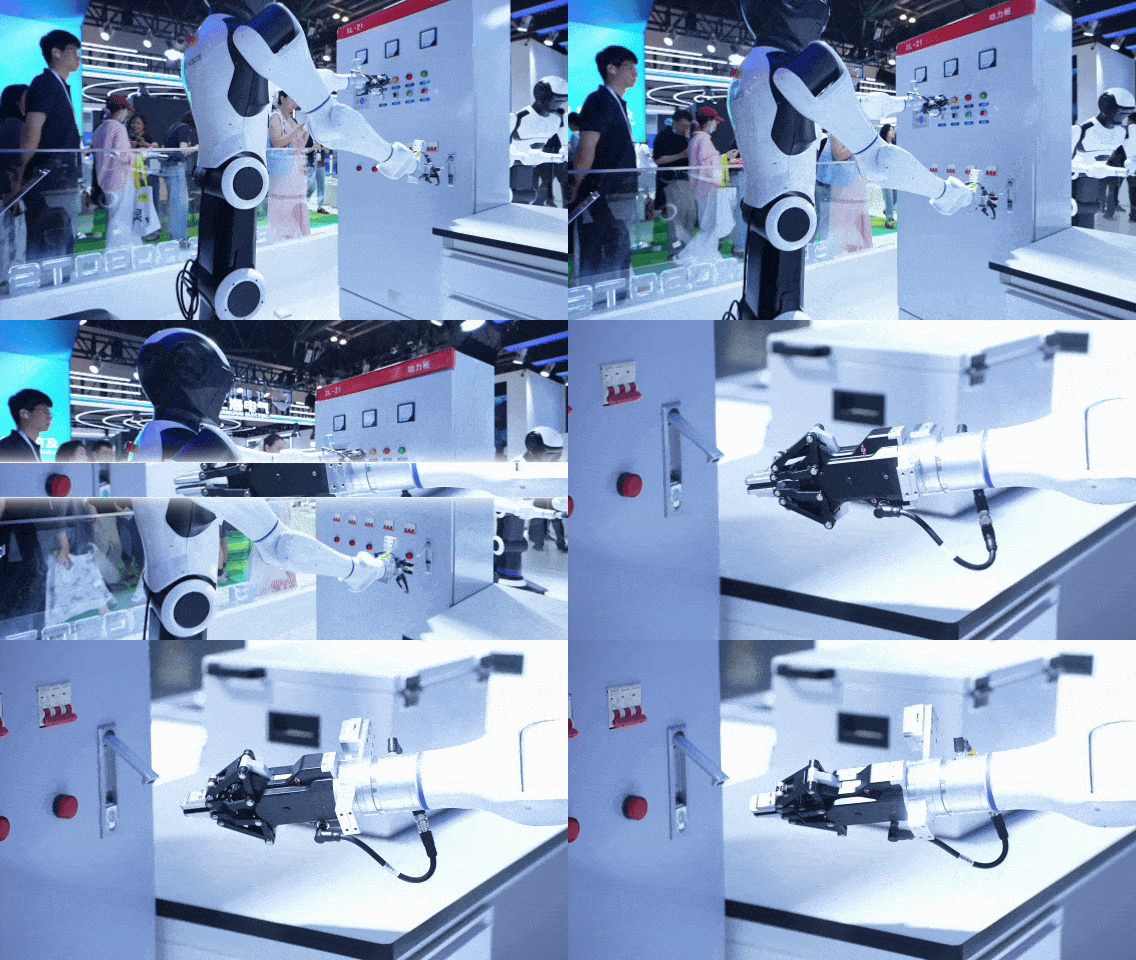
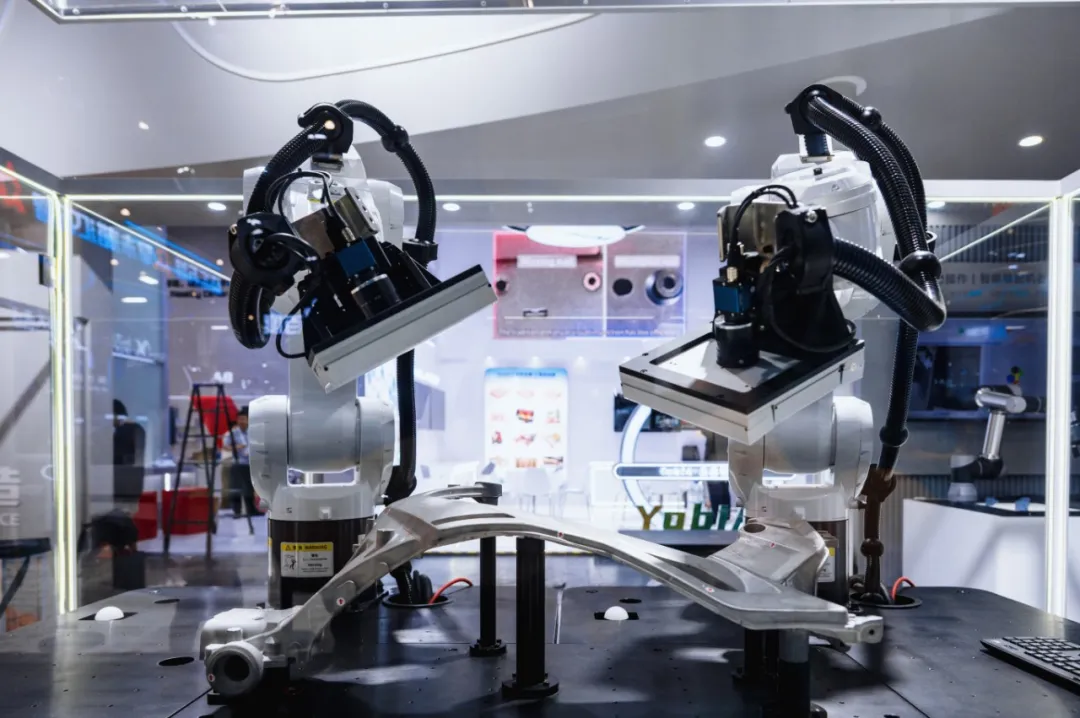
Micro-billion-dollar AI also deepens the industrial vertical scene and creates deep data barriers, with its multi-armed synchronous robotic screws no longer just listening to instructions, but actually having brainwashed brainwashed brainwashed brainwashed hands. Relying on the brainwashed physical AI brain, micro-billion-dollar smart robots can, like experienced teacher screws, crawl on parts and pinch on defects. The two mechanical arms, coupled with cloud-flowing water, complete precise scanning and detection in high-speed 1000mm/s flying movements.
Thinking robots use high-precision feedback to remotely operate data collection systems, full process retention, movement, vision, and other multimodal data sets, directly supporting robot simulation learning and reinforcement learning.
High-quality real interactive data is becoming a core competitive barrier. The physical world model is the key infrastructure for transforming data into "physical intuition". Senior Vice President, ABB Group, President of China's robotics division, Han Chen, said: "China is not only the world's largest robotics market, but also at the forefront of physical AI application deployment and ecological innovation".
However, a smart brain can't win a whole war alone.
Competition is rising.
From single-point technological breakthroughs to fusion ecosystems
In the WAIC 2026 exhibition halls, hardly any of the leading companies are fighting alone. The complexity of the technology, the fragmentation of the scenes, the diversity of the data, so that eco-cooperation has been upgraded from a niche to a niche for entrance tickets.
The GINO ECO eco-plan defines three open directions: towards high-reliability, low-cost hardware platforms open to body model companies and universities; to unite industry leaders to explore innovative scenarios; to work with complementary hardware companies to create end-to-end workflows across the body. The plan is based mainly on three judgments: the technological path has not been narrowed, and the shutdown is self-contained; the scenario is the best test site, the scenario defines hardware; and the smartphone is a long run, not a sprint.
With the launch of the AIMA Developer Recruitment Campaign, over 2 billion yuan of special funding will be invested over the next five years, and more than 100 million yuan of support funds will be launched this year, supporting developers and eco-partners in four dimensions from technology, funding, scenarios and traffic.
As opposed to the cloud-centric platform cloud model, Non-Sync Technology chose a cloud-centric cloud path, not an application layer, not a model layer, but a general intelligent robot base. At WAIC, the non-Sync robot base, based on non-Sync partners, completed a demonstration of bitcoin interaction, arm-packed boxes, and intelligent identification, accurately reflecting the strategic positioning of Non-Sync Technology: to do the basics well and let the partners focus on what they do best.
Elite robotics, through its "From AI, For AI" strategy, platforms outputs of robotic capabilities and deepens vertical scenarios with industry partners. While AI relies on MEMS joint torque sensors and extreme lightweight joint design, it builds a complete technological chain from core components to integrated platforms to provide underlying capabilities support to ecosystem partners.
From single-point technological breakthroughs to fusion ecosystems, the dimensions of industrial competition have changed. Whoever builds the most open ecosystem is more likely to be the definer of industrial infrastructure.
Landing inspection,
From POC samplers to tens of millions of tonnes of tonnes
The last sign of the change in the industry lies in those less sexy numbers.
The disassembly program has been running in real factories for three to four months, with an overall success rate of about 95.8%, with a single-box average of about 28 seconds. The Galaxy S1 has been running for more than three months in the 7×24 hour era and has been working with Shanghai, Beijing, Bosch, and Modern.
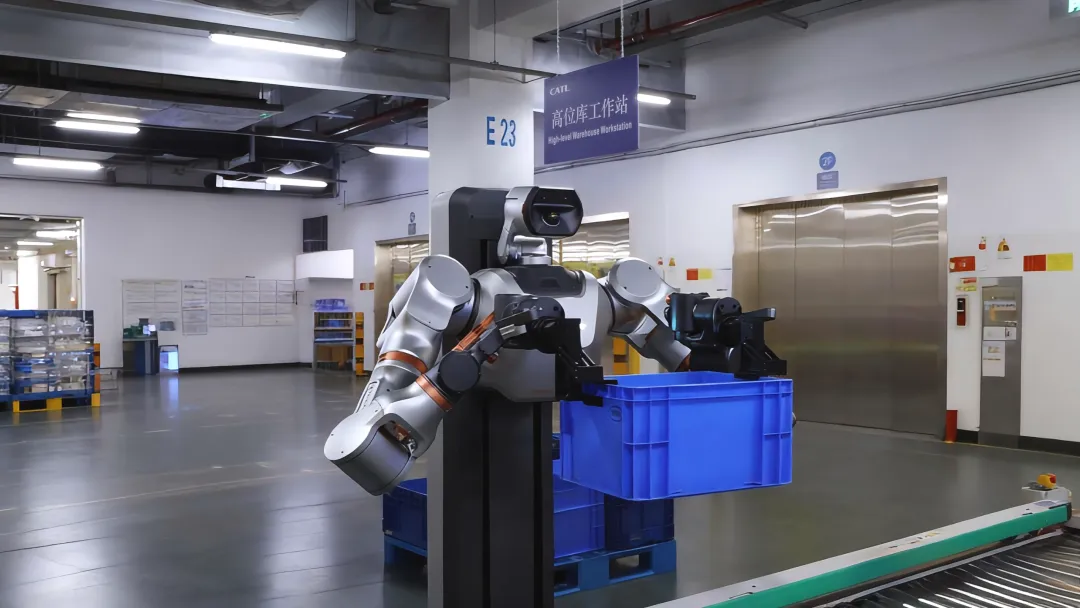
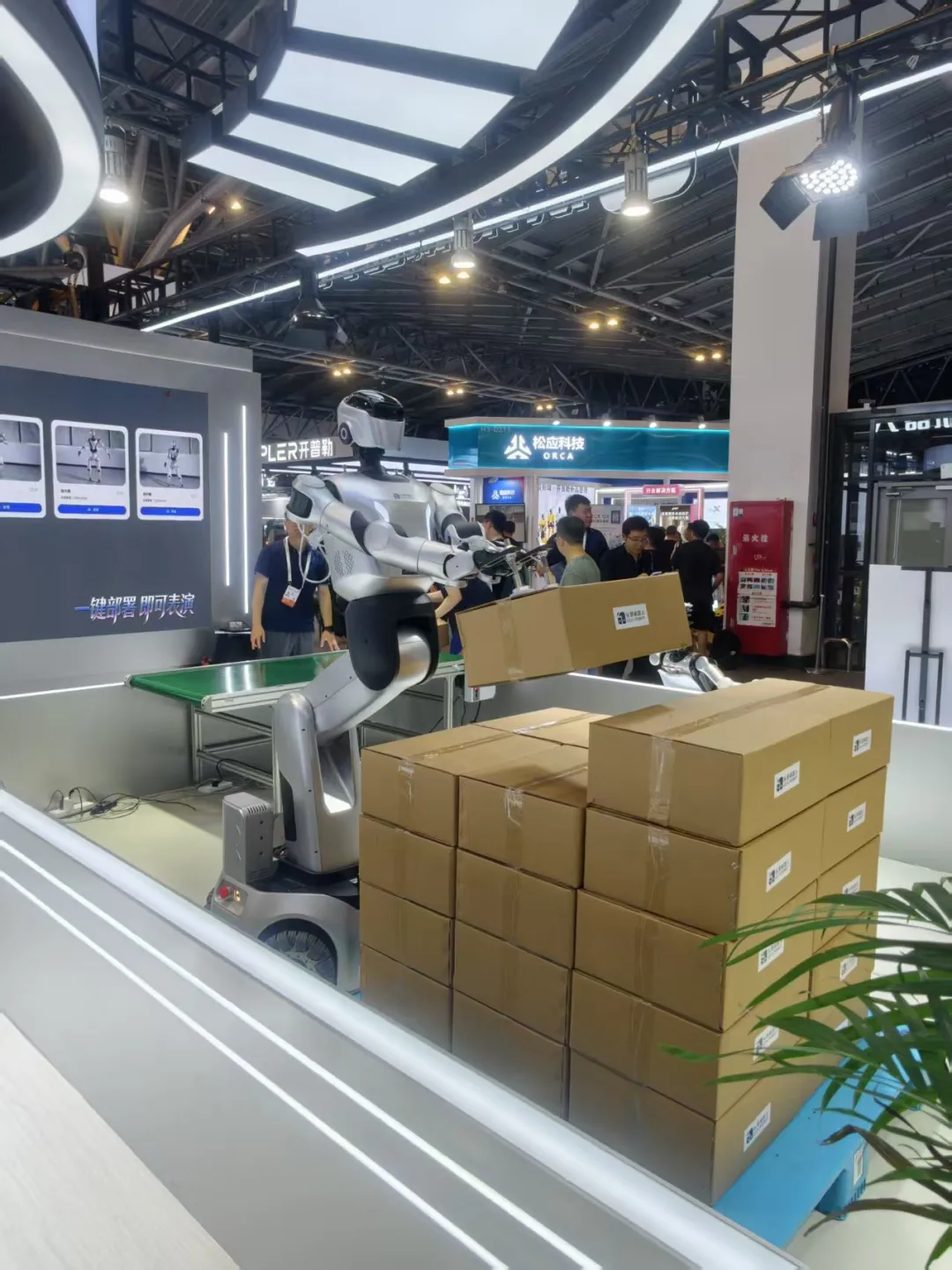
Together with Tencent Robotics X, Vietnam has delivered proven real-world results: with the X-Trainer platform as the industry-class benchmark for true machines, on the real production line sites of the world's leading cosmetics manufacturing companies, Vietnamese robots carrying Tencent VLA models complete training and deployment.
The seven-axis man-shaped arm of the Chinese robot covers more than 3kg to 15kg load models, full-joint high-precision force control precision ≤0.02N·m, end-to-end contact force accuracy of 0.1N, and has been applied to real-world scenarios such as welding, therapeutics.
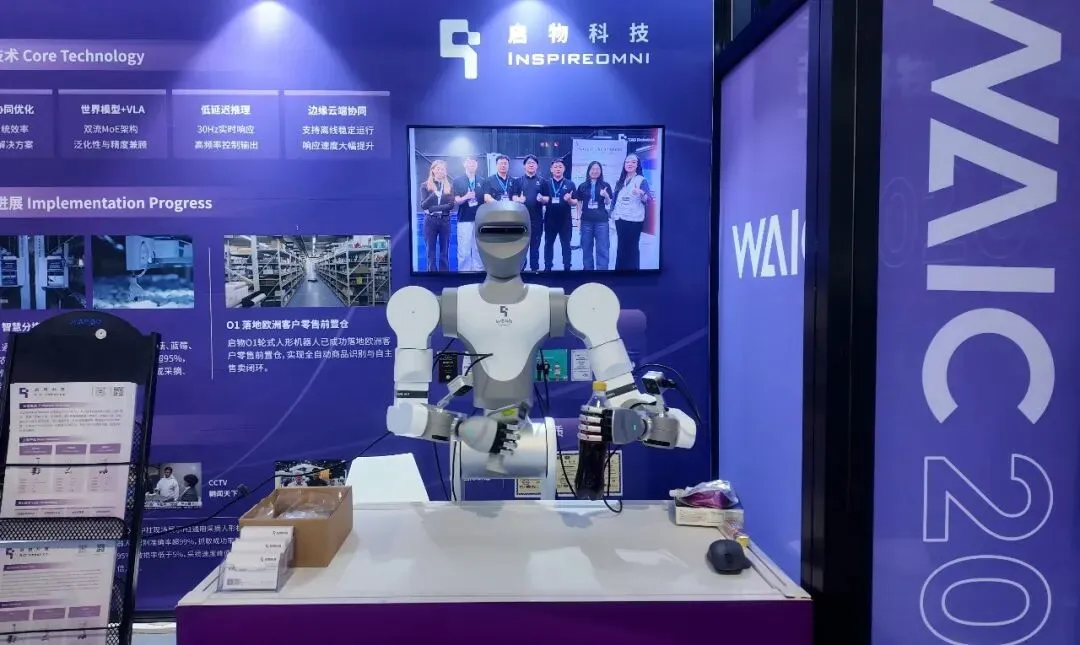
The O2 robot has been used in retail and pre-storage scenarios, crawling snacks to complete the scan, entering pre-storage to achieve full process automation operations such as crawling, deployment and transportation. In addition, the O2 robot has also been specially optimized for the express sorting scenario, the prototype machine has successfully completed remote control and VLA model deployment reasoning, and the initial implementation of flexible crawling of many types of shape objects such as software packages, paper boxes, plastic bags.
In the semiconductor, energy chemicals, and lithium-electricity sectors, Yu-Gi-Oh has accumulated over 800 intelligent scenario landing projects, serving more than 400 of the world's leading enterprises, with a customer buy-back rate of over 70%. Thinking robots have accumulated nearly 40,000 robots delivered to global customers, with annual revenue doubling for eight consecutive years.
Billions of micro-smart robots have been put into operation in the production lines of the world's leading automotive companies in the U.S. and Germany. China's smart technology is no longer just out-of-the-box equipment, but is a key link directly embedded in the world's most rigorous manufacturing processes.
Behind these numbers is China's robotics industry, which is moving from hydrogen replacement hydrogen to hydrogen definition hydrogen.
According to data from the Institute of High-Industry Robotics (GGII), China's industrial robotics market is expected to reach $4.7 trillion in 2025 and $1.64 trillion by 2035, with a compound annual growth rate of 42.3 percent.
90,000 units, which is the critical point, is the watershed. It means that human robots are transformed from silicon laboratory jewelry to silicon factory marking plates, which is a barrier to material transformation from non-metallic to non-metallic. Prior to this barrier, China's robotics industry has been preparing silicon from parts to complete machines, from models to data, from hardware to ecology, from domestic markets to global supply.
Warm suggestionsNote: This is an incomplete statistic based on the on-site exhibition and public information provided by the high-tech robotics team of the enterprise department featured in the text. If there are any omissions, please add comments in the comments section.
Next, high tech robots will launch a series of more in-depth analysis articles...
From WAIC to the parts industry: Nearly 30 companies release the five big signals
Tactile racetrack on WAIC: Another big order entry away from clever hands
......
* Cover for AI mapping
—END— Recent Activities

"Fao Robots" will attend the 2026 High-Intelligence Summit in Xi'an, Tostas, Obi-Wan Kenobi, the world's most promising startups, and a week-long capital event in Vietnam.