It's the first time in the history of the world.
OpenClaw, it's been seven weeks.
This is the fastest-growing open-source project in GitHub's history, with 106 releases in 230 days, an average of more than two days.
This time, the official hardcover version has been out of print for almost seven weeks.
And this version 2.0 was born by accident.
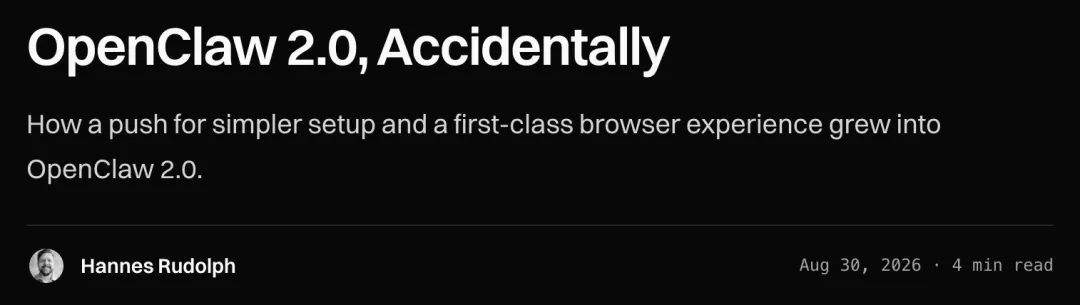
On August 30, OpenClaw posted a blog entitled "OpenClaw 2.0", Accidentally Created 2.0.
On the morning of the 31st, v2026.8.1 has just been officially uploaded to GitHub.
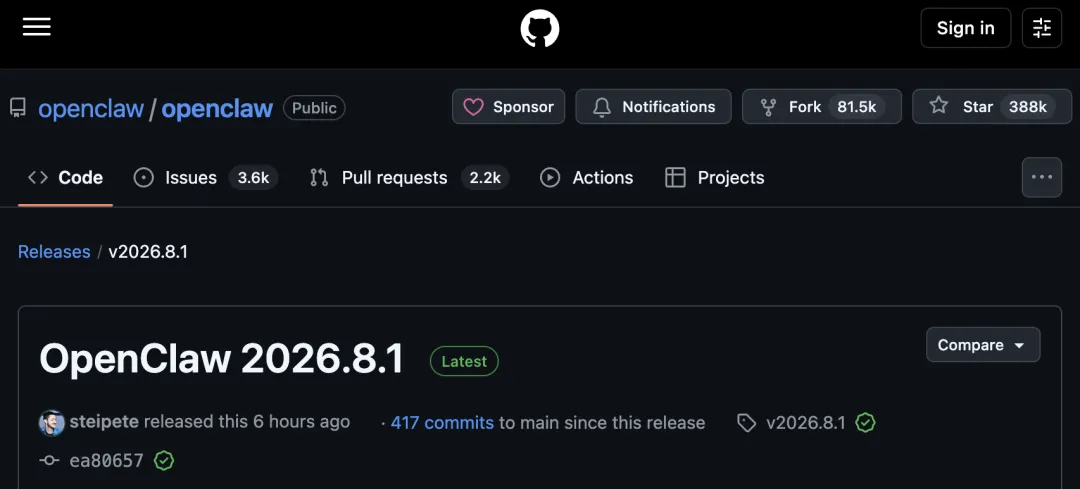
It's called 2.0 and it's called v2026.8.1, but it's actually the same version. 2.0 is just a promotional name, and the version number used in the warehouse is still in the calendar.
Officially, the edition was completed by 933 contributors, 569 of whom were first-time participants in the project, including more than 16,000 PRs.

What's even more shocking are the following figures: these PR numbers account for roughly half of all combined PRs in OpenClaw's history.
In other words, the code for the project, "Most of the time", is squeezed into this version.
In contrast, the last official version of v2026.7.1 was released on July 13, with an official record of 3063 contributions and 532 contributors.
Over the past month and a half, the number of contributors has almost doubled, and the PR volume has directly reached a quantitative level.
The official reason given is also justifiable:
One version is filled with half the history of the project, so it's better to spend more time getting new and old users up and running rather than rushing out and throwing up a bunch of broken configurations.
Take it easy.It's because we're too much alive.According to the official, slow down is not inactive, on the contrary, it is too much alive.
As the team grows, the volume and pace of work has gone beyond the scope of OpenClaw's original underlying architecture and distribution processes.
So, this time, it's just two things going back to work: doing the baseline again, and doing the publishing process again.
It took about 48 days between the two official releases.
The middle isn't completely shut down, pre-release versions like beta have been going on, but the stable version hasn't been out.
In this update, the original goal was very small:
I just want to simplify the installation process a bit and re-create the browser as the first entry.
I didn't think it would be possible to close the door while cleaning it.
Messages, memories, skills, models, automation, plugins, security, native apps, almost every module was folded over and turned into what they called "2.0".
PR has a new nameprompt requestIt's more important to know how these PRs came about than 16,000.
Just days before the release of the new version, GitHub officially interviewed a group of OpenClaw advocates.
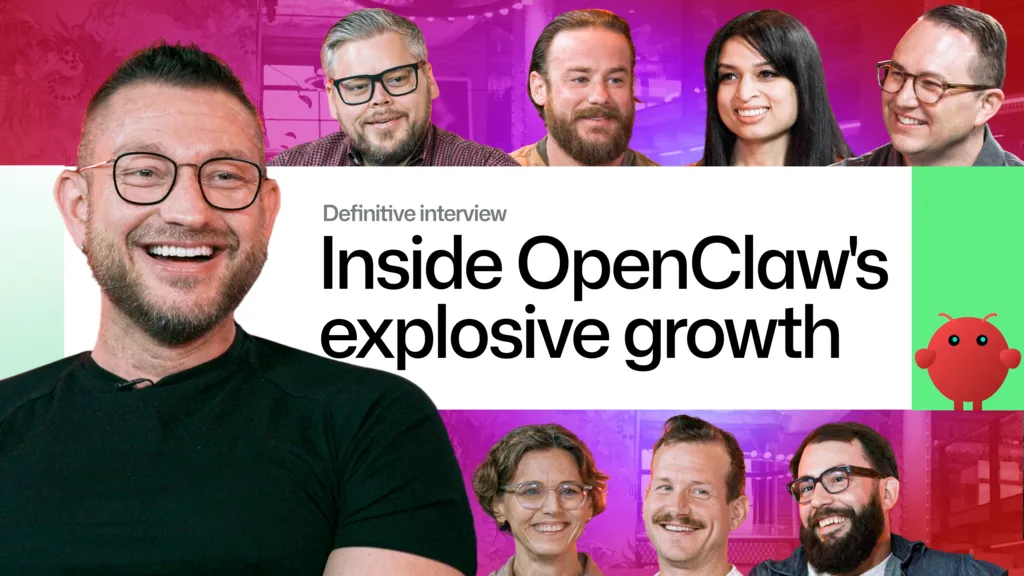
Peter Steinberger, the founder of the project, said:
I don't even call them pull requests, I call them prompt requests.
Another defendant was more straightforward: someone simply built an automated "software flow line", and one person hung up hundreds of PRs, digging up the troubles of the entire warehouse.
As of August 26, OpenClaw has accumulated approximately 38,80,000 Stars, 81,000 Fork, and more than 80,000 submissions.
The project started in November 2025, initially as a weekend toy for Peter Steinberger.
For ten months, so many people flocked in and trouble followed.
After the code can be mass-produced, the number of PRs no longer represents any problem.
If a person makes 300 PRs, it could be that 300 problems have been solved, or it could be that a smart body has swept through the warehouse and handed over the bulk to get lucky.
Defenders couldn't tell the difference from the PR list, so they simply switched the "trust signal".
Now what they want to see more is: the records of your conversations with the smart body, the tests you run, the screenshots, and whether you can explain why this change is happening.
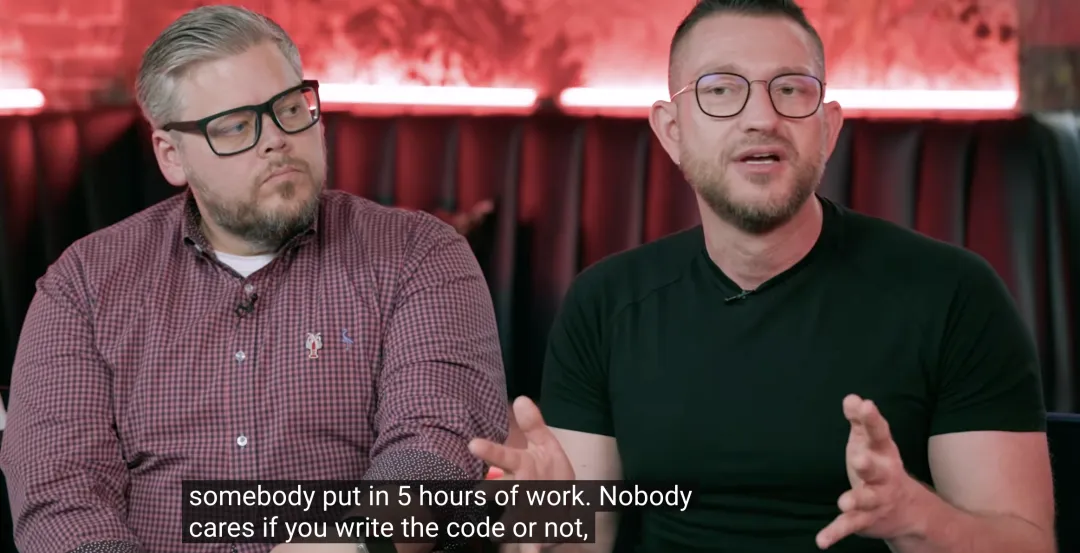
In the words of Peter Steinberger:
No one cares if the code is written by you, but we care if you really thought about the function.
Defenders are starting to test AIThe way the code is reviewed has also changed.
If the maintainer receives an AI-written PR, click directly on the Copilot review to see which files have been modified and what they mean.
Some people just don't come back and get the PR and they get it right.
Interestingly, the door was raised and the door was not closed.
Advocates say a significant proportion of PRs that were merged for the first time came from people with no development background.
They just bump into a specific problem, get the smart body to write a patch and then work with the maintainer to make it merge.
What is even more troubling is that even "compound numbers", this old indicator, have been contaminated.
Some people directly copy other people's PRs in order to filter out the number of mergers, creating an image of a credible contributor.
Thus, a somewhat ridiculous situation arose: AI filled the capacity of code, people's review, architecture, and release processes, and instead became a bottleneck on the entire link.
Toys from the PolesHow many people will respond?In this product line, OpenClaw is obviously aimed at ordinary users.
When you first install it, you don't have to pack it first.
It looks at what's already on your computer: Logged-in ChatGPT or Claude, the Key API on your hand, the model running locally that can connect directly to it.
Much of the configuration is removed from the installation process, so you can chat first, and the rest of the settings can be replaced.
The end of the browser, re-created as the first entrance, is where most people first see their own claw.
I've seen a lot of "every day" stuff:
By keyword searching past conversations, refreshing task progress cards, pinching the interaction components to the meeting panel, letting the smart body find the credentials separately instead of storing them in the chat logs.
For example, let your claw stare at your mailbox and send you a telegram when your child's school has a homework or activity notice.
Another change is even more remarkable: it's starting to become multi-person.
Officials said that when the team created this version themselves, more and more lives were thrown into the hands of their own Claw, and then they ran into a problem: they wanted to drag their colleagues in and play together, and the context that Claw knew before was gone.
Shared Cloud Meetings solved this issue.
One person's task, others can come in and see it, or they can take it directly, and the context remains the same.
The mission can also be moved to a paired device or cloud machine to run, people connect to a computer, and live on.
A task is taken on by three people in a row in the group, and Claw always remembers what happened before: this was probably the moment when the word "personal intelligence" began to loosen.
However, the official release notes clearly state that the team role is a collaborative control rather than a security isolation for hostile tenants.
It can't be used by many enterprise-level tenants.
Want to upgrade?These craters get away first.This is not a painless update.
In the official release, there are also two changes that mark breaking, which means that upgrades might not work.
One is that the built-in OpenProse plugin has been removed entirely, and the previous /prose command is gone.
The other is that the model names of OpenAI and Codex have been changed, and the old names that you wrote in your configuration have all gone down, so you have to run openclaw doctor -- fix it to change it automatically.
There is still a long way to go to install third-party plugins.
After September 1, a bunch of old interfaces are no longer recognizable. If the plugin authors don't follow, you may not be able to use them directly.
On the native app side, the signed and certified versions of macOS are now available for download, and newer versions of iOS and Android are being distributed.
There is no standard answer to this question.
As a result, many people have already uploaded other directories using soft links, and complaints have surfaced as soon as the closure is complete.
But no matter what, security reports will drown them.
According to Peter Steinberger, finding a balance between "hands on" and "safe enough by default" is a difficult battle.
With the release of this piece, the team is now divided into four channels: stable is the official version for ordinary users, ext.