
Developed byInnovation has no standard answer
In 2025, the GDPS Global Developers Pioneers Conference was inaugurated in Shanghai's Xue Wei West Bank. With 450,000 online attendees, 200 developer communities, and more than 2 million online technology enthusiasts, the GDPS explored the limitless possibilities of AI innovation tools such as Openclaw, which bring a truly interesting, playful, hands-on atmosphere to developers in the industry. Shanghai's home in the city responded to the expectations of global developers: nearly 300,000 working intellectuals, and GitHub's open source contribution in the Asia-Pacific region was 40% from Shanghai's 170,000 white hat communities, where about a third of the nation's AI talent gathered to maintain new security.
The city has a real reason to leave the developers behind. With 5,100 robots shipped, Chiyo Robot is the world's first human-powered robot, behind the day and night uninterrupted code lights in the Zhangjiang Modeling community. Gambling celebrates open-source human-powered robot prototypes, 1.2 meters of two-legged robots that are completely transparent from bolt size to operating algorithms, more than 1,400 GitHub stars, running into the global open-source twin-legged robot project Top5.
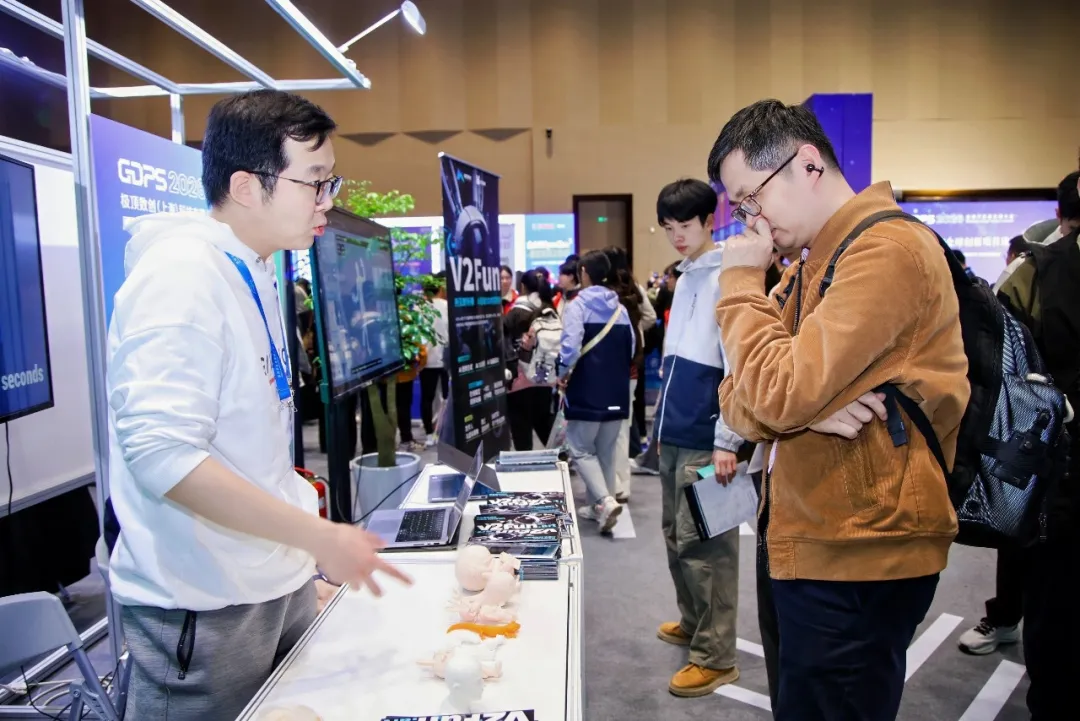
The most knowledgeable developers in Shanghai are the ones who are most in need of smart developers.
In 2026, the shipment of Chinese humanoid robots is expected to reach 625 thousand units.
To this end, GDPS 2026 will be organized by the Global Developers Pioneers Conference Organizing Committee, organized by the Office of the Global Developers Pioneers Conference Organizing Committee, and supported by Shanghai Zhangjiang Corp. Smart Robot Co., Ltd. and will be held from October 23 to 24 at Zhangjiang Academy of Sciences in Shanghai. Thanks to the influence of the past, the GDPS has convened about 100 universities around the world, established attractive tournament prizes and attracted thousands of developers.
In this GDPS 2026 workshop, the Robot Workshop hosted a series of developers' events, innovatively designing a keynote address and an innovation link of four developers' workshops, in an attempt to hand over the discourse to developers so that developers around the world can really try to answer a long-standing question posed by the industry: physical intelligence moves from technological breakthroughs to scalable applications, and the wall in the middle, who is going to tear it down.
In 2026, most of the industry practitioners are excited, with more and more funding, less and less truth. But it is sometimes difficult to close the doors to the future of the smart industry. Therefore, the GDPS 2026 developer series, we really want to provide a platform for developers to showcase problems and solutions.
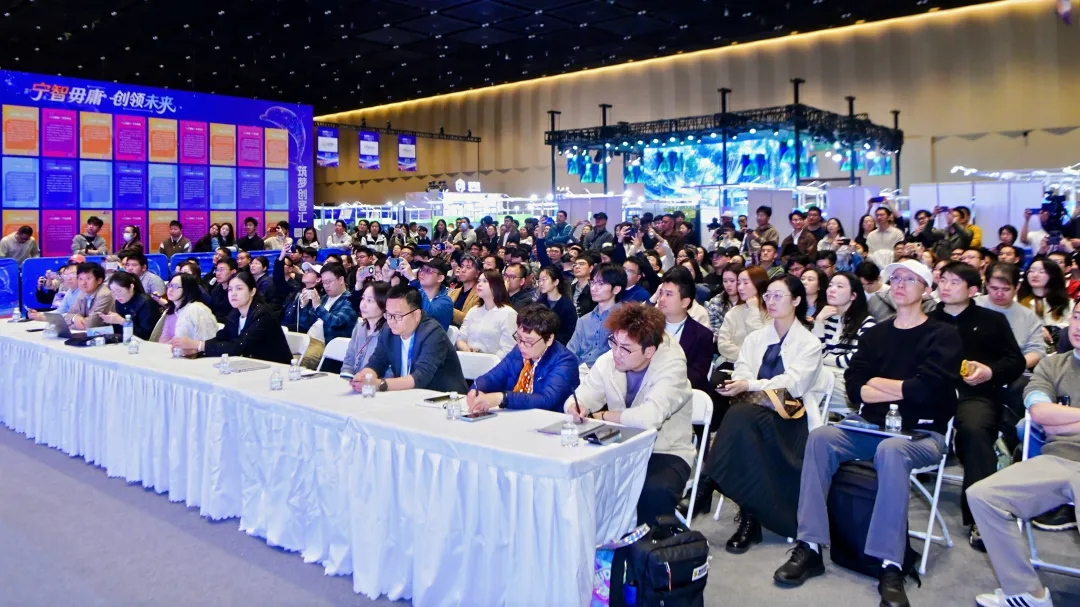
In contrast, the logic of a traditional technology-sharing convention is this: I did a great thing to see my demo, but no one knows if it's a pre-training or a really widespread one.
Therefore, after a series of arguments, the logic of this GDPS developer series of activities, in turn, is that people on stage are asking real questions, and developers on stage are answering them with code and programming.
01.
GDPS Keynote: Pushing top developers to the wall
In the past two years, the most familiar narrative frameworks for the physically intelligent industry have been shipments, production lines, and cost curves. Capital markets are willing to pay for this set of numbers. But what is the end of the argument competition? After the creation of 625 000 robots, who gives them the skills to write? Who defines their rhythms in factories? Who deals with emergencies in hospitals?
All three parties are waiting and all three parties are complaining. This dilemma is not a technical problem, it is still a problem of organizing the industry. And the solution to organizing the problem is not to hold a conference anymore, but to draw the three parties into the same physical space, so that information flows through the conversation.
The GDPS 2026 Forum is designed to address new solutions to the plight of the plight of the poor. The main forum on the afternoon of 23 October, the theme of which is "Wisdom for the New". This forum does not pursue large and comprehensive industry reports, but instead hands the talk to young founders and industry innovators.
GDPS 2026 seeks to break with the traditional form of reporting forums and adopt more innovative forms such as 1V1 dialogue, 2V2 dialogue, roundtable discussions, to allow the world's leading experts with physical intelligence to cross paths around the world model with VLA technology.
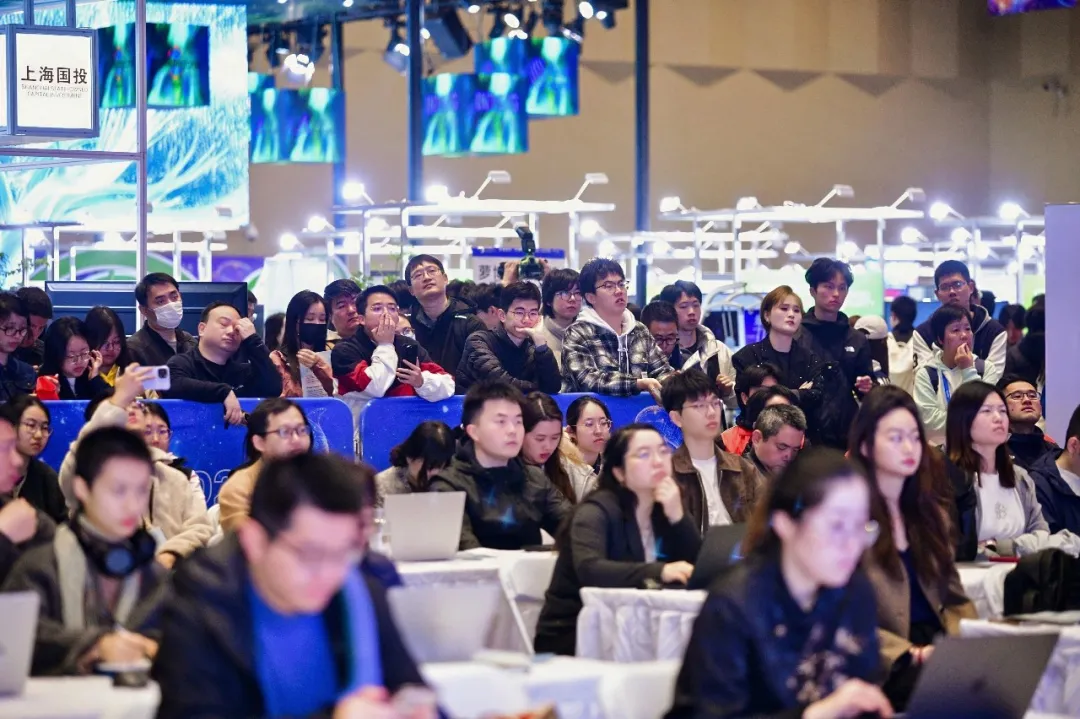
The 1V1 dialogue link will unfold around the world model and the technical path of VLA. Competition, complementarity or fusion, is not a standard answer, but collisions themselves are valuable. The theme of the link will be shared by Zhejiang University, where the chief scientist and general manager of the Zhejiang Center for Human Robotics Innovation will take the stage.
There is no standard answer to the question of competition, complementarity or convergence, but collisions themselves are valuable. How the physical world's Scaling Law is formed, the memory puzzles of the continuing evolution of robots, and what infrastructure is needed for the continuing evolution of the same core question of hardware intelligence.
Because of the smart industry in 2026, most people are already realizing that robots are three layers apart from creation to use.
The first layer is the gap between the model and the real thing. The world model, the VLA, the visual touch fusion, the indicators in the papers are beautiful, but fall into the real thing, the stability, latency, ruggedness all have to be recalibrated. The second layer is the rupture between the real thing and the scene. The robot factory, the developer super, the hospital, the emergency room, each scene means a whole new set of tasks, defining the safety boundaries and the cost of failure. The third layer is also the most easily overlooked layer. The difference between developers and real needs.
On the afternoon of October 23, the main forum, through a more open form of discussion, you will hear more new perspectives, new intersections, and this will be the main battlefield for smart frontline developers.

You can sign up for the event by browsing.
02.
Workshop: Let developers really play
On the morning of October 24, the four workshops were the real place for developers to play.
The four workshops represent four developers, covering the entire chain from technology to the scene. From how to move, to what to think, to what to do. The four workshops are not four activities, but a robot with a complete interface from research and development to landing. Hardware, models, and scenes are all the links that physical intelligence must open from the lab to the production line.
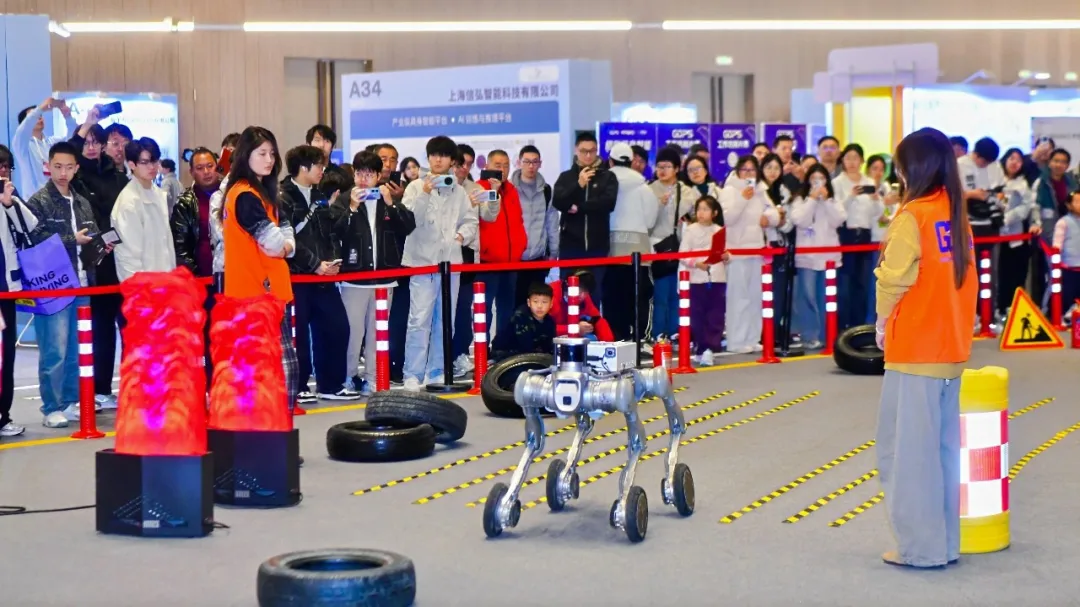
The theme of the first workshop was Little Man, Big Power. We tried to invite companies that focused on Little Man, to share the entire chain from hardware open to action compilation, to dismantle open SDKs and secondary development community games. It was more like a developer's door clinic, where we wanted developers to get in, edit, and play, because these three words measured a developer's ecological maturity more than any other parameter.

You can sign up for the event by browsing.
The theme of the second workshop is the next stage of a physically intelligent brain. Many experts will explore the engineering realization of world models, visual touch integration, visual touch-driven operations. This link encourages young researchers who have not yet published papers but are active to take the stage to explore who is more stable in the real world.
You can sign up for the event by browsing.
The theme of the third workshop was robot addiction. Five real-life scenario developers collided, each of which invited a line of companies and developers to unravel together. The answer to the question of which thresholds robots really need to climb is not in PPT, in live conversations.

You can sign up for the event by browsing.
The theme of the fourth workshop is Zhang Zhengjiang City Walk. The idea of the City Walk event is to showcase the stage of AI in real-life enterprises and park scenes, to build a complete experience closure of AI expertise in explaining + field visits + real-world interaction, to look at products, enter the scene, touch the bottom of the curtain to visit the logic, allowing participants to complete a full-chain cognitive penetration in half a day from the consumer end of AI products to the intelligent end of physical manufacturing.
You can sign up for the event by browsing.
The design logic of the four workshops is clear. Physical intelligence is a future industry at the forefront, and this time DGPS wants to push developers to the front of the wall and let them get their hands dirty. Therefore, the four events are not only a short-term training, but also a public test of developers' ability to solve real problems.
It means a change in the value order. The number of papers is no longer the only measure that developers can run real machines, solve real problems, and is equally worth seeing. This shift in the value order can have far greater impact on the developer community than any technology conference.
The developer's real flashpoint is not to make a multi-dimensional demo, but to face a real dirty problem, a difficult problem, a problem that nobody wants to touch, and stand up and say, "I'm here to try it out".
03.
To give a start to development
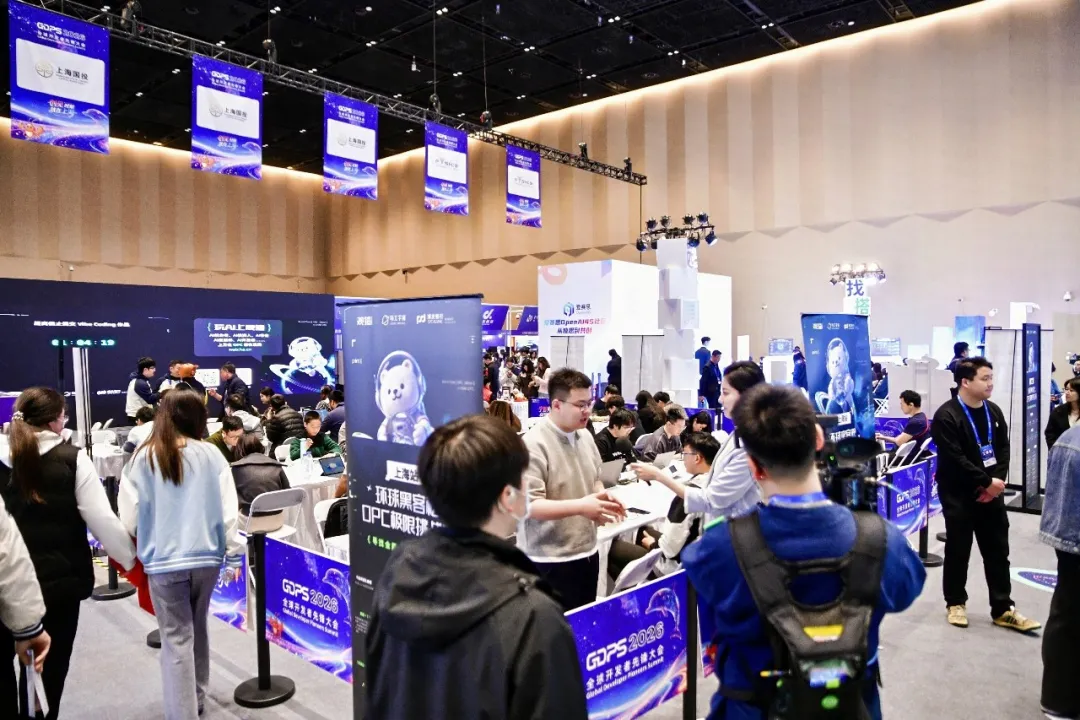
Last year, 45,000 developers rushed to Shanghai, where they found computing, scenarios, partners and landing routes. This year's GDPS 2026 developer series, which narrowed the stage from general AI to artificial intelligence, handed the speakers back to developers from industry leaders.
There are three things that a developer can get out of this: firstly, trend judgments, the judgments that the founders of the main platform and the scientists reveal in interviews, which are closer to the truth than any industry report; secondly, mobile opportunities, from action coding to skill codes, from simulation to real machines, where the code can run on the spot; thirdly, platform exposure, collision, interactive reviews, short shows, where developers can go from the stage to the stage.
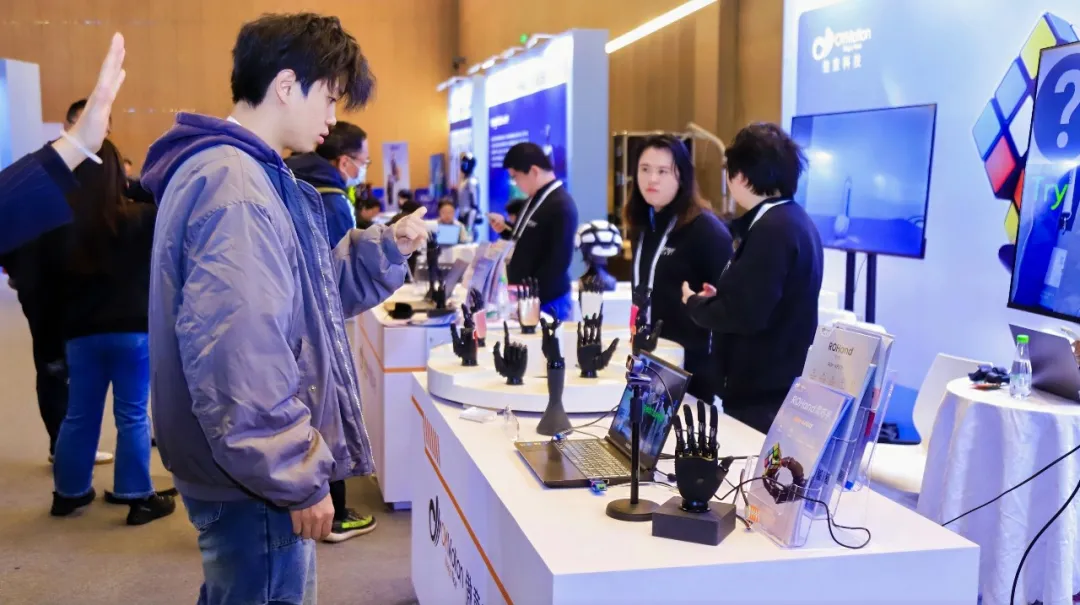
If you're a leading scientist and developer in the field of humanoid robots, physical intelligence, core components, scenic applications, if you want to meet face-to-face with the tech executives at the headquarters, if you really want to experience new models from manufacturers, run your own code on a virtual machine, if you want to understand the real needs of factories, supermarkets, hospitals, rescue sites, this event is worth it.
GDPS 2025, 50,000 developers, 200 communities, 2 million online outlooks, is a response from developers overseas.
GDPS 2026, the man who demolished the wall is already in place. Zhangjiang Science Hall, the answer is not in the PPT, it is on the ground.
* The schedule is continuously updated for a pre-meeting final edition