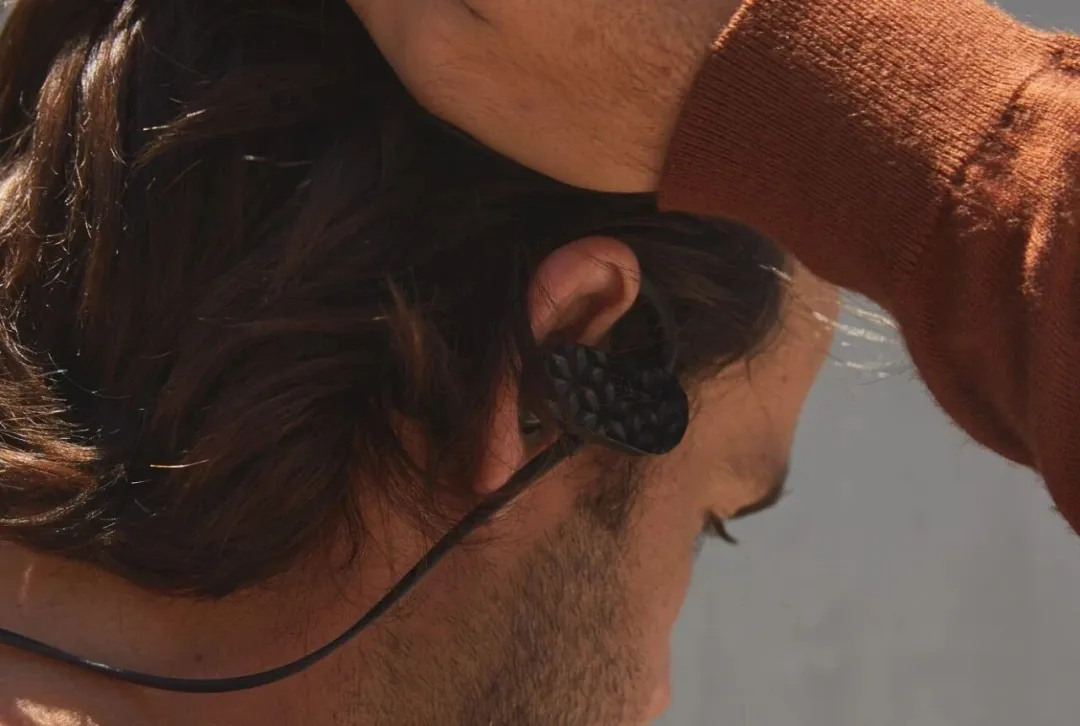
“ The brain-machine interface is switching to a plug-in.
If a headset could read your brain, what would you want it to do - control the music playback, monitor fatigue, or help you type?
This is no longer a far-fetched science fiction puzzle. On October 6, Bridge Neurotech, an American neuroscience startup, officially came out of hiding, announcing it had secured $13.5 million in funding.
It's worth noting that the company isn't just about how much money it's getting. More specifically, it's about what it wants to do: an unimplanted brain that reads brain activity via ultrasound and ultimately becomes a wearable brain interface in the shape of a headset.

Bridge was founded by Will Biederman. He developed a neural interface chip during his Ph.D. at Berkeley, which later became the chip used in early Neuralink implant devices; afterwards, he worked at Google X and Verily for nearly a decade and co-founded Forest Neurotech.

Dr. Will Bidman, founder and CEO
Currently, Bridge has not released a final product image. The company is conducting its first human-to-human study in Redwood City, California, recruiting healthy adults and adults who have received PEEK or Longeviti bone marrow transplants to record brain activity with small ultrasound probes in tasks such as listening, viewing, activity, and speech.
In other words, it is now clear that Bridge is not the birthplace of a brain-readable headphone jack. Instead, the brain-computer interface is trying to get into a kind of everyday hardware that people are used to wearing.
And headphones aren't the only answer.
01.
Interface of the brain machine
Borrowing from everyday hardware
In the past, brainstorming interfaces were easy to associate with brainstorming, headgear, or electrode implants. They all existed as devices that needed additional wear.
The consumer market is slowly changing its mindset: if people wear headphones and glasses every day, why can't they put their brain functions directly into it?
On October 1, Neurable officially launched the Neurable One, a $499 headset with 12 EEG sensors woven into the earpiece that can continue to collect brain electrical signals while maintaining noise reduction, Bluetooth and normal earpiece functionality.
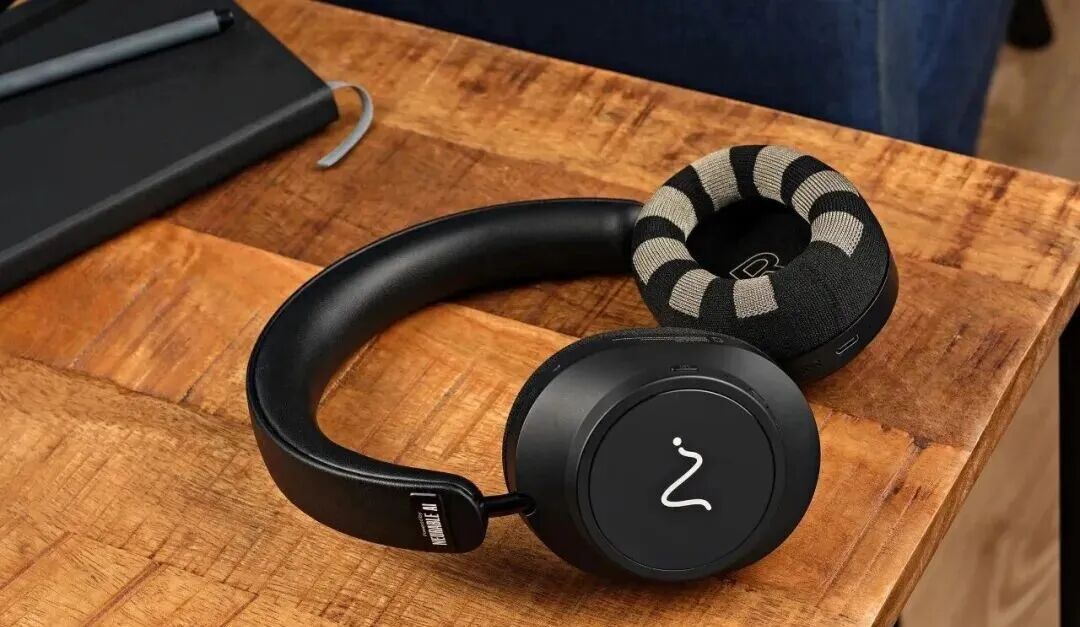
When a user normally wears a headset, the system collects brain electrical signals and converts them into more understandable metrics such as focus, cognitive load, cognitive speed, and brain-power metrics through the app. The brain-power metrics synthesize the degree of fatigue, stress, and cognitive load to try to judge the current state of mind; the system can also analyze the alpha peak frequency and recommend that users rest after detecting a decrease in attention or fatigue.
Earlier, Emotiv had shrunk the brain voltage further into the ears.
Its MN8 is a 2-channel Ear-EEG earpiece with electrodes located on the left side of the earpiece, which mainly monitors daily cognition and brain activity. Compared to traditional brain electrical devices, the wear is almost no different from ordinary earpieces.
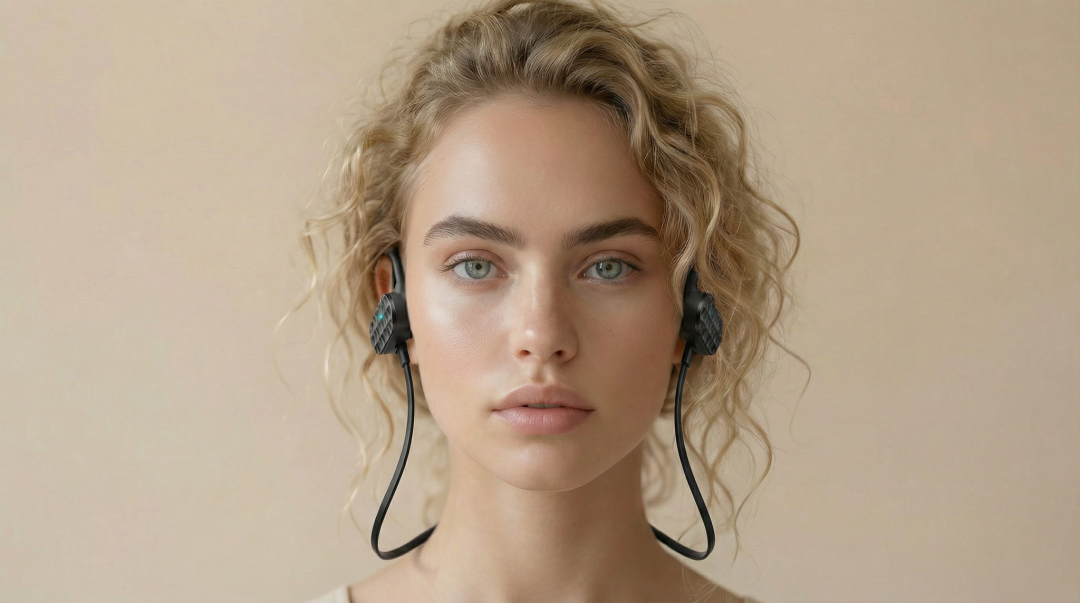
In fact, these two products have shown one thing: a consumer-grade brain interface doesn't necessarily have to solve brain problems first, it has to solve brain problems so that users are willing to wear braces.
At the same time, another daily hardware is also beginning to enter the track.
The glasses.
In 2026, Looktech introduced AI glasses with EEG brain-power sensors, integrating brain-power collection modules into traditional lens shelves. Public reports show that the product continues to emphasize the lightweight and traditional eyewear wear experience, behind which is the collaboration between Zhejiang Auto-Technology and Wenzhou City's Zhejiang Eyewear Limited: the former provides brain-machine interfaces and AI technology capabilities, while the latter provides eyewear industrial design, structure and manufacturing capabilities.
It is also worth noting that Shenzhen glasses are not a temporary replacement. Public reports indicate that the company, which has been deeply engaged in traditional eyewear manufacturing for many years, has built a dedicated production capacity around AI glasses and promoted the extension of the traditional eyewear industry to smart hardware.
This means that the brain-machine interface is borrowing the form of headphones and glasses to solve the problem of making users want to wear glasses first.
02.
The Battle of Forms
In essence, it's a struggle to locate signals.
Currently, consumer-grade brain-machine interfaces have emerged in a variety of major forms, from headphones, headphones, earbuds, wristbands, glasses, and ultrasound headphones that are being verified by Bridge.
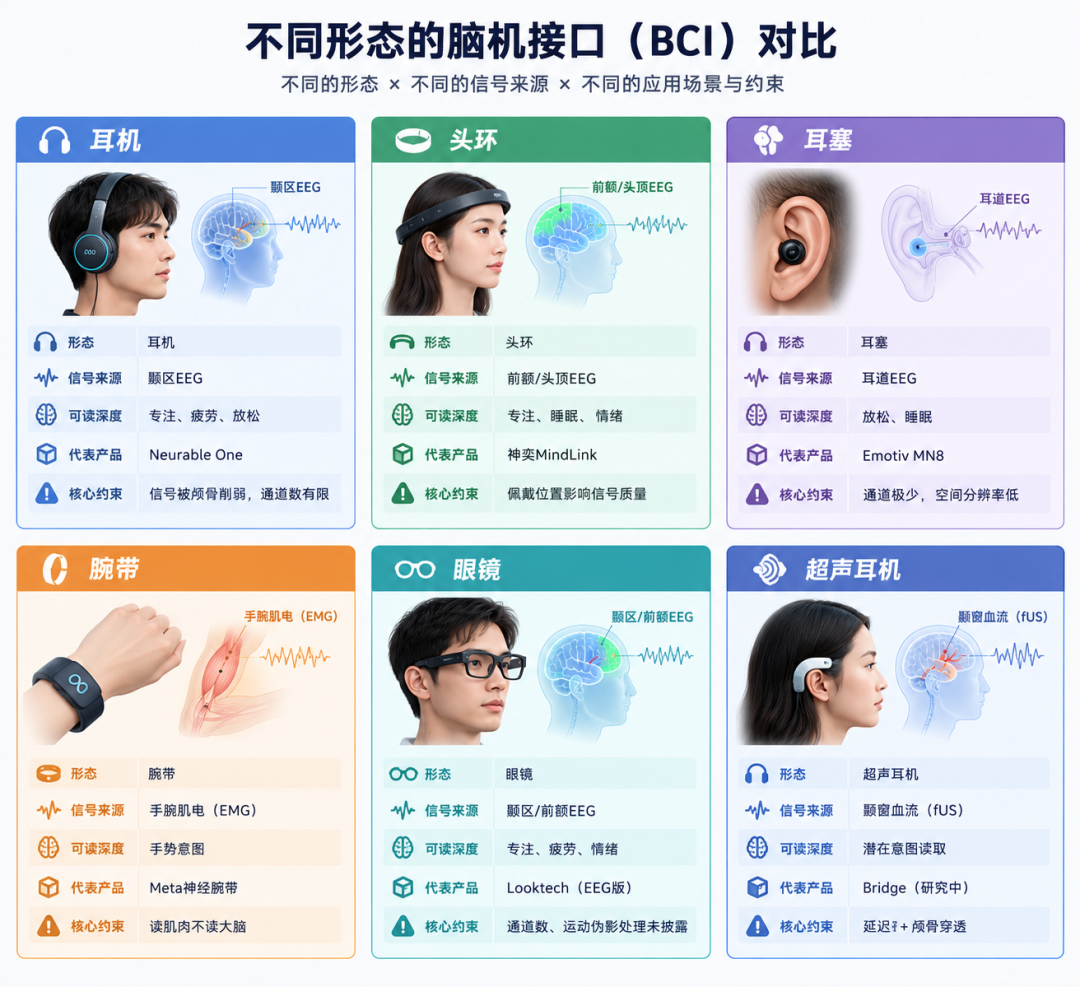
The two most extreme of these are Meta's ring and Bridge's ultrasound headphones.
The Meta Neural Band collects the electromagnetic signals (EMG) generated by the muscles of the wrist. Machine learning models convert these signals into digital instructions, allowing users to control the display lenses of the Meta using fine finger movements, to perform clicks, rolls, etc. The official data shows that the response time for these types of EMG inputs is calculated in milliseconds.
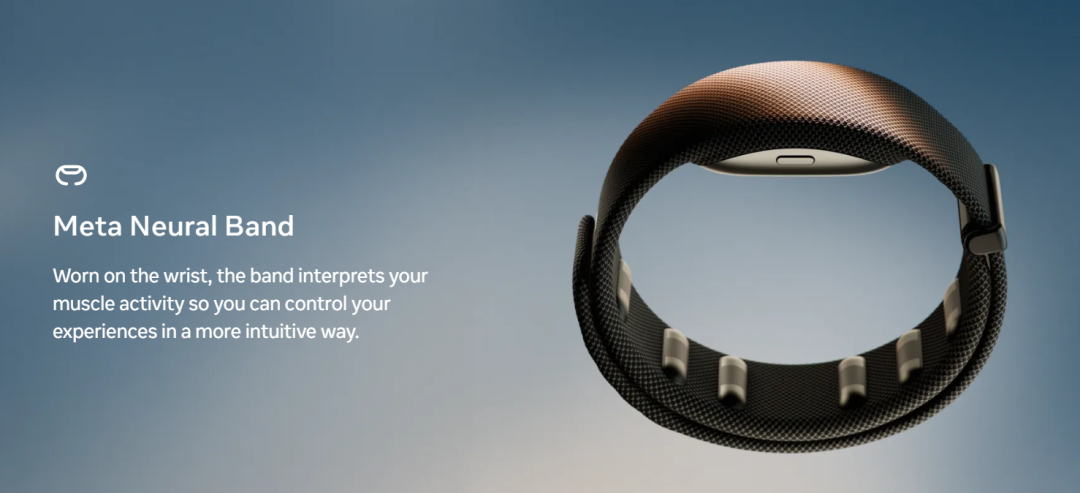
Strictly speaking, the Meta Neural Band is not a brain interface in the traditional sense. But it poses a very realistic question to the industry: Do consumer-grade neural networks have to read the brain directly?
What users really need, perhaps, is not proof that it's a brain signal box. Instead, it's possible to complete an interaction without reaching out to the screen, pulling out the phone, or even talking all the time. If the myonectrium is already able to provide a fast enough, stable enough control signal, it may be easier to land from a consumer electronics perspective than to read brain signals directly.
The hand revolves around the head, choosing a signal quality that is more stable, with lower engineering difficulty, to position the wrist. While the direction and ring of the bridge is completely opposite, it not only reads the brain, but also through the jawbone to read.
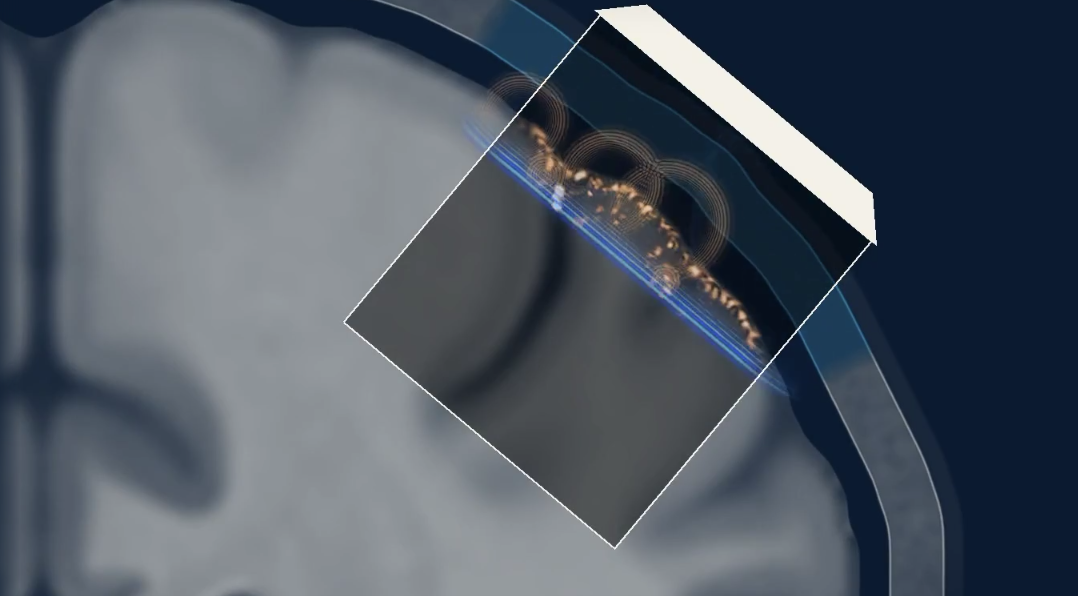
Bridge uses functional ultrasound imaging to use sound waves to observe changes in blood flow to the brain and indirectly infer brain activity based on the relationship between changes in blood flow and neural activity. This determines a very specific engineering question: where should the probe be placed?
Bridge's current research has placed a small ultrasound probe in a curtain at a slightly higher elevation above the ear, where the skull is relatively thin and more conducive to ultrasound passage. For ultrasound schemes, this is not a purely industrial design choice, but is determined by human structure.
So, Bridge and the Neurable mentioned above both look like they're making headphones, but the logic behind it is completely different. Neurable is because the headphones are good, so put the EEG in. Bridge is because it needs to get an ultrasound signal from the window, so the final shape naturally rests on the headphones.
Product form is not the final step in packaging, but may be the outer outcome of the technical route.
03.
From being measured to being used
Once the form is established, the real competition has only just begun. Because the ability to detect nitrogen in the laboratory, and the ability to accurately measure nitrogen in everyday life, are two things.
The first step in the EEG pathway: movement.
The brain's electrical signals are extremely weak, and the dry electrodes significantly decrease in signal quality when exposed to hair coverage, loose wear, head vibration. Independent assessment bodies have confirmed the effectiveness of this type of headset in static environments, but it is also clear that the accuracy of movement and poor exposure to electrodes will break down. This is the shortcut common to all dry electrode EEG systems.
Neurable's detection accuracy currently averages around 80%, which determines that its best-case scenario is still VVD rather than a dynamic environment.
The second way is: power consumption.
Neurable One has a pure audio life of about 22 hours, which shrinks to about 12 hours once EEG monitoring is started. This means that there is a line drawn by the battery between continuous reading of the brain and wearing it all day.
The third way can be more fundamental: regulatory identity.
Neurable One is not a medical device under U.S. regulations and cannot be used to diagnose, treat or monitor any health condition. This means that it can only follow a healthy path of consumption, bypassing long medical approvals, and first help users explore and record their own health status.
Interestingly, this pathway could instead yield real personal brain data that has been accumulated over a long period of time by users of Walking Dead. Indicators such as Alpha Peak Frequency respond extremely slowly, requiring weeks or even months of continuous wear to be calibrated. In other words, the value of these products accumulates over time, the longer you use them, the better the data will understand you.
It's a completely different nature when you look at what the ultrasound routes are facing.
The advantage of ultrasound is spatial information. EEG can only roughly infer brain activity from the surface of the scalp, while ultrasound can observe changes in blood flow in the deep regions of the brain.
One is the cranial bone. The thickness and density of the cranial bone varies greatly between individuals, and ultrasound signals decrease significantly as they pass through, and Bridge places the probe in the cranial window because the cranial bone is thinner. The second is time delay. The blood flow to the response to neural activity itself is delayed by 1-2 seconds, while the neural electrical activity is in milliseconds.
Meta's ring is another extremely clever one. The signal signal-to-noise ratio is higher, it responds in milliseconds, and the positioning of the wrist is the least difficult, but it reads not the state of the brain, but the intention of the muscles. Its substitute is to give up the imaginary space of the brain to read the brain, in exchange for the most definite interactive experience available.
So, headphones, glasses, wristbands, all forms are doing the same thing: sacrificing some of the signal capabilities for lower shutters; or increasing sensing capabilities for more complex hardware and algorithm costs.
Finally, there is a dimensionally sensitive scene that is often overlooked. Fatigue monitoring of truck drivers is needed, focused tracking of knowledge workers for toys or productivity tools remains to be verified, silent input to AR glasses is a killer interaction, but may not be necessary for ordinary mobile phone users. The same signal, with completely different values in different scenarios.
What really determines the direction of a wearable brain-machine interface is what kind of signal it can steadily receive from the human body, and whether that signal can't support a product that the average person is willing to use every day.
04.
The Future and the Word
If a headset could read your brain, what would you want it to do? Today, we're still a long way from reading thoughts in the true sense of the word.
But there's another, more realistic change in the brain-machine interface -- it's starting to get into headphones, glasses, earphones, wristbands -- they don't pick the same technological path, but they're changing one thing together.
What follows are key steps along these lines: ultrasound to prove that it can pass through most people's cranial bones, consumer-grade brains to move from health tips to medical value, and all companies to answer the privacy questions of brain data.
The history of the smartwatch may be worth mentioning. At the time, heart rate monitoring was also ridiculed as a junky fitness toy, and it eventually became a healthy infrastructure, relying not on the heart rate sensor itself to win, but it disappeared into the watch, merging with blood oxygen, heart electricity, and sleep monitoring.
The brain machine interface may go the same way. The EEG is responsible for the state, the mucus is responsible for the input, the PPG is responsible for the characterization, and in the end there is no separate brain machine product, only a single piece of everyday accessory that understands your headphones, glasses or other inseparable parts.