“ Let's get robots into human society.
01.
With robots entering human society, why is it so important to have multi-modal social networks?
Will robots talk even when they're social?
When a robot enters a real service scene, the actions of a beggar, a bunch of helpful glances, or even hesitation in tone can change the robot's response to the next step. It needs to combine language, expression, and action to determine when to open, when to wait, and adjust the interaction with feedback from people.
The company is focusing on this direction, based on the results of the team of the University of Science and Technology of China, Wuhan Huilico Robotics Limited, founded in Wuhan. The company is focusing on the self-development of VLI multi-module-to-body interaction model, focusing on multi-module perception, interactive decision-making and collaborative expression, exploring how robots understand human condition, adjust social strategies, and continue to complete professional services in real-life scenarios.

Figure 1 Robot of the Hui-Kō LOGO
02.
From L0 to L5, define the limits of robot interaction
The framework examines system dynamics, multi-modal collaboration, individual memory and scenic complexity, clarifies the interactive tasks that need to be completed at each level, and provides a common scale for product research and development, scenic selection and performance evaluation.
L0 Listening to Directions → L1 Perceiving → L2 Understanding Scenarios → L3 Individually Directed → L4 Groupally Directed → L5 Non-cooperative Interaction
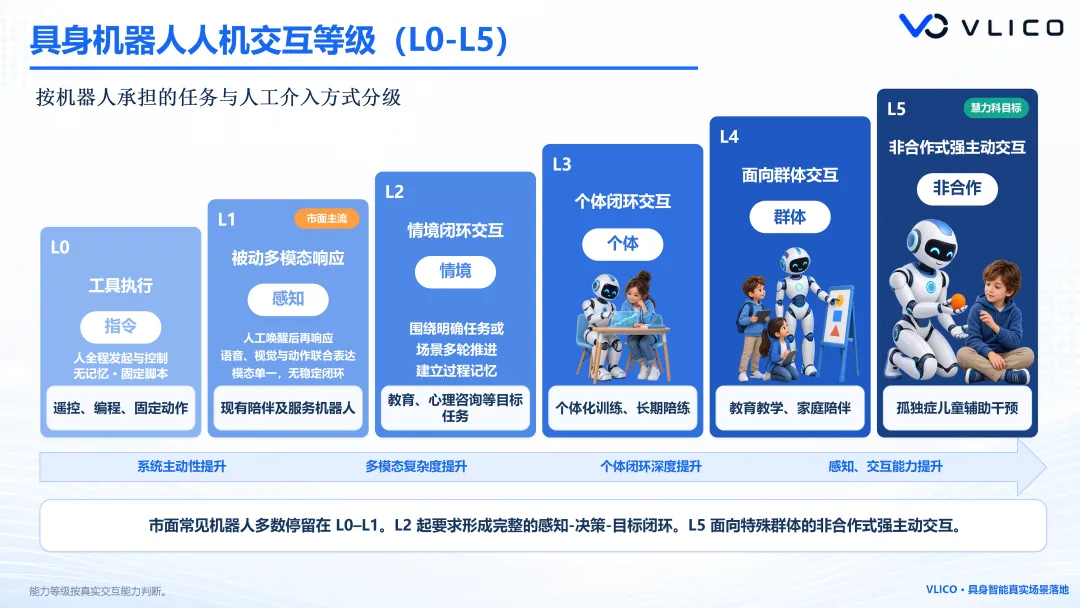
Figure 2 Human-powered robotics and human-machine interaction class (L0L5)
L0 tools to execute
Interactions are initiated and controlled by humans, and robots perform actions according to explicit instructions or fixed scripts. Task objectives, execution order and abnormal processing are largely determined by humans, and the system has not yet developed the ability to adjust interactions based on the object's state. Remote control, button triggers, and fixed action execution are typical forms of this level.
L1 Passive Modular Response
Robots are capable of responding to human awakening or explicit input, and are able to express themselves through a combination of language, vision, and action. Interaction revolves primarily around current requests, and the task of advancing the ongoing guidance of the dependent. Multi-modal access requires further strategic collaboration to support a stable targeted closure.
L2 Situational closed loop interaction
Under limited scenarios or clear targets, robots are able to organize tasks through multiple rounds of interaction, combining multi-modal feedback and process memory adjustment steps, and produce records and evaluated results. The focus is on judging whether the system can maintain targets, utilize existing information, process task branches and complete processes. Professionals set task boundaries, review results, and handle outreach situations.
L3 Individual closed loop interaction
The robot combines individual characteristics, historical feedback and intersession memory with a strategy for continuous adjustment based on a scene-closed loop. Information formed during the previous interaction can affect the next task and the way the interaction changes updates with the individual. L3 focuses on whether the same object can receive continuous, adapted responses in multiple social interactions, and whether these adjustments are traceable.
L4 Group-oriented interaction
Robots are able to understand participant relationships, task changes and on-site constraints in social scenarios, and coordinate interaction processes in which multiple or multiple robots participate together. Systems need to adapt interaction objects, routines and actions within the scope of scene authorization.
L5 Non-cooperative dynamic interaction
The system cannot be based on interactive questioning, explicit expression, or collaborative pre-set processes, and needs to actively create opportunities for communication based on the status of the object, understand weak or uncertain feedback, and continually adjust the timing, manner of expression, and pace of the intervention.
Each level of judgement should be carried out within a clear set of tasks, objects and environments, and record the outcomes of tasks, multi-modal synergy performance, strategic alignment of bases and man-made interventions. The capability level is supported by verifiable interaction processes.
03.
The ultimate product thinking behind the landing scene from L5 to L2
Hulico's product pathway is based on a complex interaction problem: how do robots build and sustain interaction when interaction objects cannot actively express their needs and engage in continuous communication?
Most autistic children have difficulty expressing their needs, understanding other people's expressions and gestures, and engaging in constant communication. Faced with such children, professionals need to first find what interests them, create opportunities for communication, and then decide the next step from a glance, action, or brief response: to continue guiding, to wait patiently, or to change one way of expressing themselves.
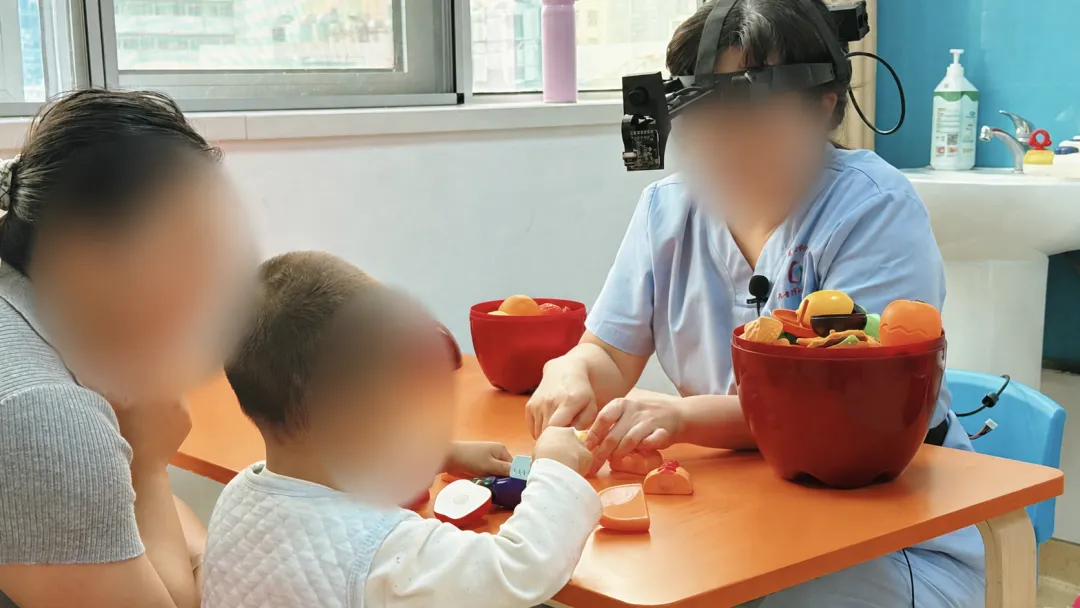
Figure 3 Rehabilitation practitioners wear medical equipment for rehabilitation of children
This type of interaction is called non-cooperative interaction. The non-cooperative interaction here describes interaction conditions and does not mean that children intentionally refuse to cooperate. It requires robots to actively look for intersections, understand subtle feedback, and continually adjust strategies according to individual differences, in line with the long-term goals of L5 non-cooperative interaction.
The value of this scenario also depends on how experts interact. Doctors, therapists, when to intervene, what feedback changes the strategy, how to keep communication going, are models of professional experience that need to be learned. In the direction of autism-assisted interventions, Huiqi is collaborating with authoritative experts such as Prof. Liu. Prof. Liu is a member of the Royal Medical Society of Great Britain, the Permanent Chairman of the International Committee for the Study of Eugenics, the Vice-Chairman of the Committee for the Study of Autism Rehabilitation of the Chinese Rehabilitation Society, and has a very strong professional accumulation in child development assessment, diagnosis of autism and rehabilitation guidance.
The collaboration provides three aspects of support for the autism scene: expert guidance, clear directions for research and development, professional interactive data supporting model learning, clinical resources connecting to real application needs. The team follows experts deeply into the field of inquiry and intervention, understands how doctors and therapists observe children, initiate interactions, judge feedback and adjust strategies, has collected a multitude of formats, including videos and texts covering the inquiry and intervention process, and has gradually organized professional experiences into models that can be done, learning tasks and interactions that can be performed by robots.
Based on the communication foundation established by a team of experts serving children and families over the long term, Hueyuki will be able to more directly understand real needs, connect clinical and rehabilitation scenarios, and create conditions for product testing, feedback collection and continuous verification. The expert collaboration will thus go through demand definition, data accumulation and scenario verification, supporting companies in the long-term approach to strong non-cooperative interaction with L5 needs defining technologies and data systems, while forming products in conditions of delivery scenarios.
In Wuhan, Guangdong, the company has landed a student career planning interaction scene:
Conversations are conducted by VLI's brain-driven robots around students' interests, confusions, and planning goals, guided by expert framework organizing information, expressing and forming planning recommendations, and verifying multi-cycle interactions with target closure capabilities at L2 stage.
In the middle-school career planning scene in Wuhan, China, Huiqi Co. collaborated with Wanglong teachers with 17 years of educational practice experience and cumulative service to more than 1,000 students. Wanglong teachers with a background in computer and educational psychology have been invited to give lectures at Harvard, Columbia University, the University of Pennsylvania and more than 985 universities nationwide, with a long-term focus on the academic, psychological and career convergence education of adolescents, and the formation of sophisticated specialized growth programs.
Its long-term practice in Beijing is characterized by a combination of academic science learning, individual understanding and growth planning, which accumulates teaching credentials and practical experience in continuing to follow the development of students.
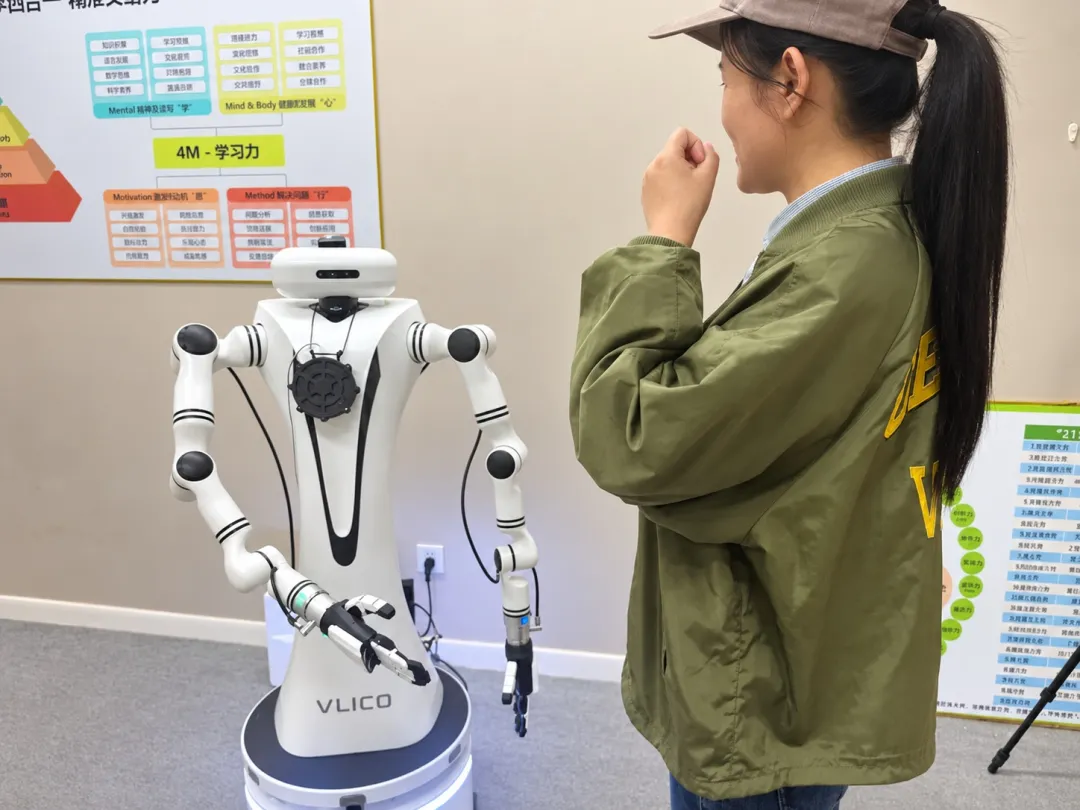
Figure 4 How to interact with a shop in Huizhou Forest High School
On the basis of these educational experiences and accumulated cases, the two sides translated the expert approach into a VLI-driven career planning interaction process, with robot-assisted students assessing their own situations, defining goals and forming action suggestions, verifying the goal-closing capabilities of the L2 phase in Yangon Forest.
On this basis, the team plans to promote L3 personalization strategy collaboration through cross-session memory and individual feedback, further expanding to L4 through scenario understanding and interactive organizational capabilities. Ability to accumulate data, validate effects, collaboratively support multi-modal perception, interactive decision-making and collaborative expression capabilities for all types of scenarios.
04.
VLI interaction brain that supports interactivity
The VLI interaction specialist is the core technology and product subject of the company, carrying out the company's research and development of robotic understanding, active interaction and continuous service capabilities. Based on the team's accumulation of research in areas such as robotic perception and interaction, planning control and intrinsic systems, the company will further integrate single-mode and multi-mode research results such as visual perception, voice interaction, emotional expression and action generation, and develop and independently develop the VLI multi-mode interaction model (Vision-Language-Interaction Model), as the core model of the Internet brain, integrating human state understanding, physical memory, strategic decision-making and synergy into a unified framework.
Around VLI interaction specialists, robotic terminals undertake perception and expression, expert knowledge, interaction data and scenario feedback support skills training and conversion. Specialized needs such as autism-assisted interventions, career planning, and others are further integrated into the expert knowledge, workflow and interaction methods of the VLI, forming professional service capabilities suitable for different tasks, and through practical application of continuous verification and improvement, gradually building interaction hubs that can be adapted to different robotic terminals, and expanding to multiple types of professional scenarios.
Continuous emotional modeling and simulation synergy
In the study of emotional interaction, the team proposed a continuous dynamic emotional expression methodology that allows emotional states to evolve synchronously with language, providing the basis for emotional coherence and expression regulation in ongoing conversations. In terms of physical expression, the team has developed three generations of human-like robotic heads, realized connective expressions of parts such as the eyes, mouth, and face, and established a method of mapping speech and dynamic lip shapes to convert emotion and language into executable facial movements.
These studies constitute the technical basis for emotional modeling, voice-driven, and simulated expression, respectively. The University of Haifa further integrated it into a self-developed VLI multi-mode interactive model that explores the coordination of language, tone, expression, and movement under a unified interaction strategy, enabling robots to adjust expression content, intensity, and rhythm based on human feedback. The specific task of this ability in an autism-assisted intervention scenario is to provide clear, coherent, and adaptable demonstrations of individual interactions to enable multiple expressions to serve the same goal.
Body-moving models and robotic systems accumulated
The team has conducted studies in the direction of the Physical Operations Model, such as DeepThinkVLA, which explores the combination of visual, linguistic and reasoning processes to generate robotic movements; the engineering side has accumulated experience in robotic planning controls, multi-frequency execution agencies and integrated machines. These results provide a methodology and verification platform for the conversion of interactive intent into physical action.
In the direction of VLI, relevant research is being integrated with interaction strategies that allow voice, gaze, head postures and hand movements to be executed in sync around the same goal. The team combines model output, movement timing and terminal operation with integrated verification to drive algorithmic capabilities into real service processes.
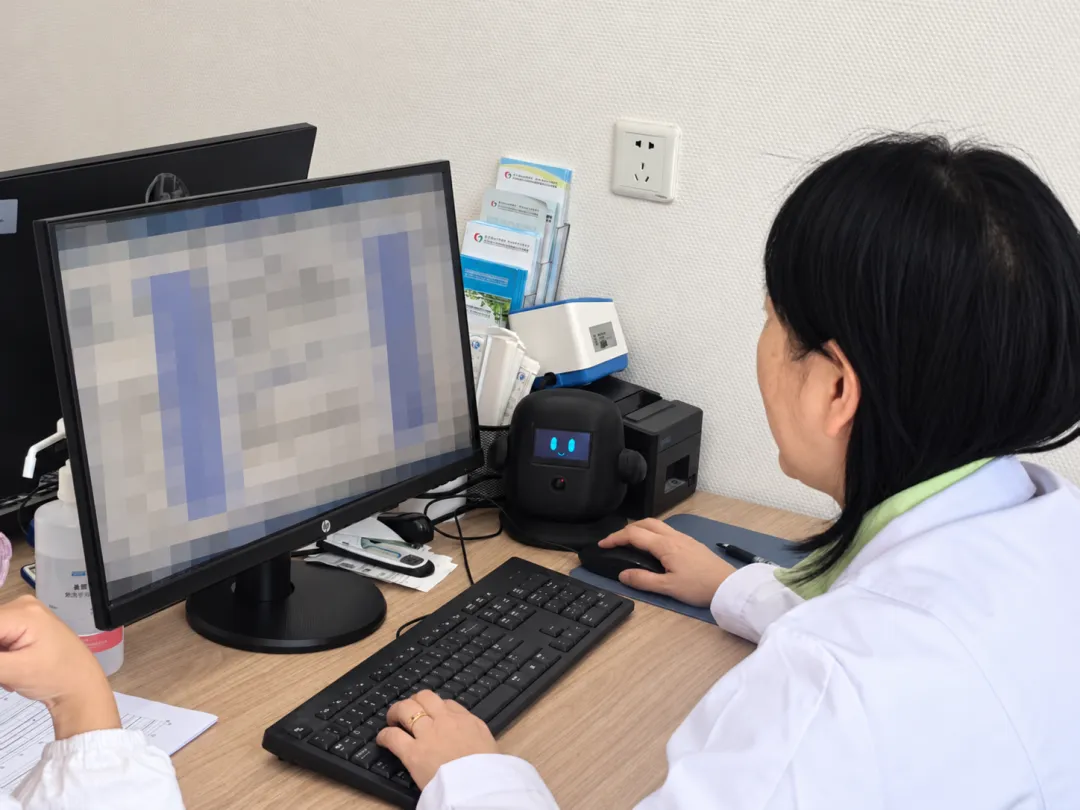
Figure 5 StarBoo clinical assistant in the outpatient clinic
Scenic transformation of expert approaches and individual memories
The team focuses on what feedback experts use to make judgments, when to change direction, and how to evaluate an interaction, and then organizes these experiences into task processes, strategic bases, and evaluation requirements.
On this basis, VLI builds process memories around current missions and explores how authorized retained individual information, historical interactions and expert feedback can be used for subsequent strategy adjustments. Expertise, interactive experience and individual change thus enter the same R&D process to provide the basis for continuous judgement in long-term service.
Multimodal data collection for real interaction
The team has accumulated research into simultaneous acquisition of visual, tactile and physical states, and has developed wearable acquisition equipment for interactive scenarios, incorporating first-person perspective, facial expressions, speech and human movements into the acquisition program. Its focus is on preserving the timing relationship between expert expression and object feedback, so that the interaction process can be traced and analyzed.
These data will be combined with task processes, expert evaluation and model output to analyze the applicable conditions for interaction strategies and support system iteration. The team is continuing to connect expert methods, multi-modal data, model strategies and robotic execution, a cross-sectional R&D and verification capability that is an important foundation for Hyundai's own technical characteristics.
05.
Moving from an interactive framework to real service
For industry customers, the key is not a one-point demonstration, but the ability to embed real service processes into a system that can be delivered, evaluated, and replicated.
VLI develops interactive models + robot terminals + scenario solutions: VLI specialists provide understanding, memory and interaction strategy capabilities, robot terminals assume perception and synergy expression, professional scenarios specify mission objectives and evaluation requirements.
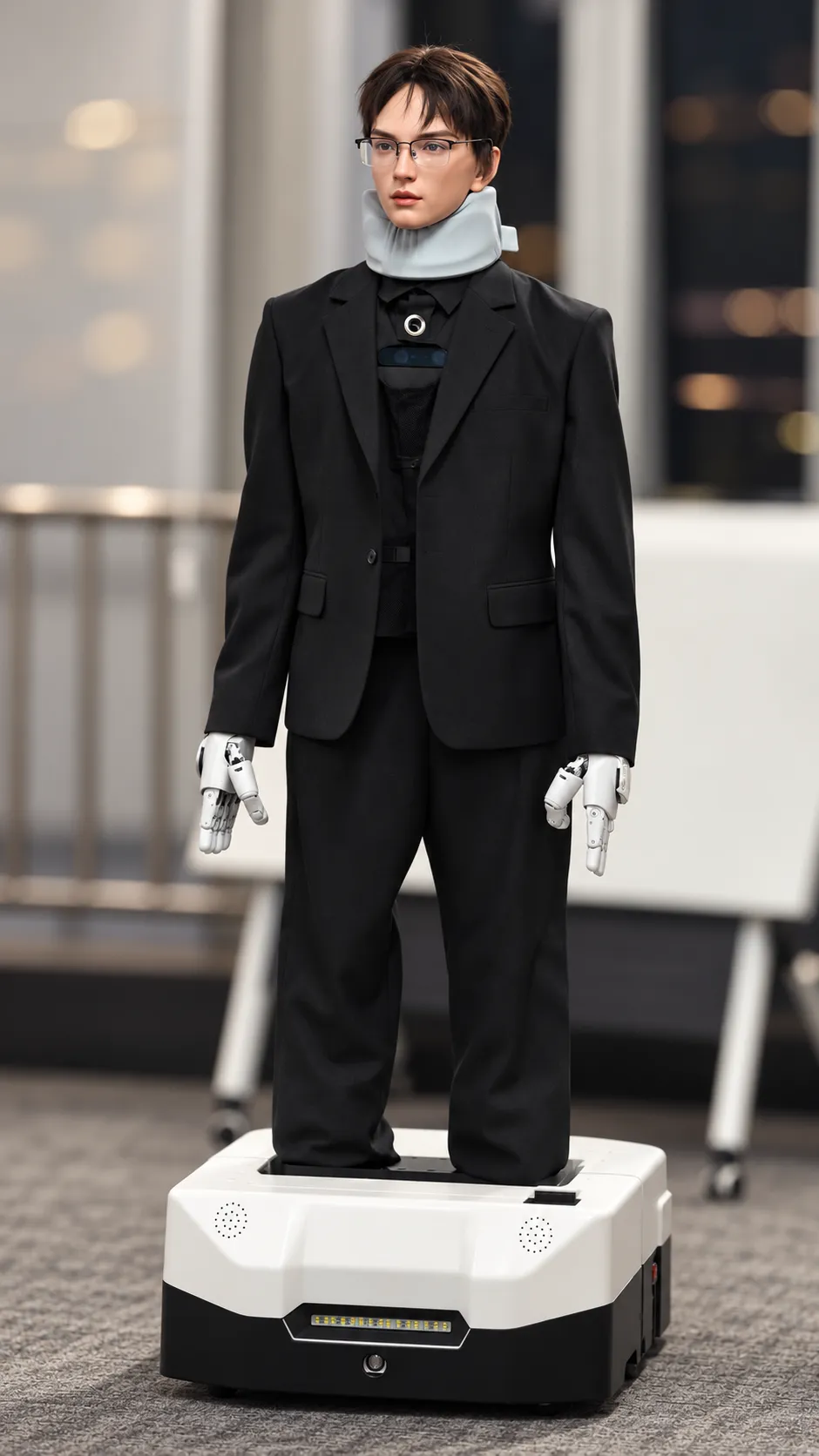
FIGURE 6 Human interactive robots developed by HAI from a series of simulated human interactions.
From an industry perspective, the value of the L0 to L5 framework provides a set of comparable capability coordinates.
It clarifies which tasks the system undertakes, under what conditions it operates, in which areas humans intervene, and gives buyers, scenarios and developers a common language. For customers, this is closer to a decision-making base than a human-like puzzle: robots can't complete a targeted closure, can't remember individuals, can't adapt to scenarios, can't take over in unusual situations.
On the landing trail, Hulico builds delivery capabilities not from general accompaniment, but from professional scenarios. High-difficulty scenario attraction technology ceilings, low-difficulty scenario verification product ceilings. On the one hand, L5 non-cooperative dynamic interaction is a long-term goal, in high-difficulty scenarios, such as autism-assisted intervention, the model allows experts to learn how to find a cut-off point, understand weak feedback and adjustment strategies; on the other hand, in L2 to L4 with delivery-conditioned scenarios, product formation, multi-cycle interaction verification, goal closure, personalization strategy and scene coordination capabilities.
Therefore, moving from an interactive framework to a real service is essentially about transforming the robot's social skills from demonstrative capabilities into service capabilities: both understanding people, adjusting strategies, and stability of delivery within professional boundaries. Based on long-term team technology accumulation, supporting research and development with expert approaches and real interactive data, Huawei is pushing the thinking of the robot's social skills into specific technical frameworks and product practices, and continuing to validate the multi-modal machine-to-machine interaction capabilities, pushing robots truly into thousands of households.
The official email address is contact@vlicorobot.com
Business cooperation contact: Mr. Wang (+86) 13308095608 at the same number as tihong443@vlicorobot.com