
It's the first time in the history of the world.
The AI is so smart, how does it work, and sometimes it's like an internship that needs to be handcuffed?
The instructions must be precise, the background must be aligned, the task must be half done and progressed; temporary changes to the requirements must be repeated.
The headache is that several projects are being launched at the same time, like taking several interns at the same time.
It's hard to keep yourself busy as a full-time instructor when you move information, background, progress between chat windows.
I was looking for an assistant, and I didn't think I'd get another job with AI.
Now, OpenAI is rushing through this pain point.
On September 29, OpenAI launched its new product Dots at DevDay 2026.
Ottman himself proclaimed, "The Dots are here!" while making a tempting promise:
Let AI work for you all the time, give you time and attention to do something higher.
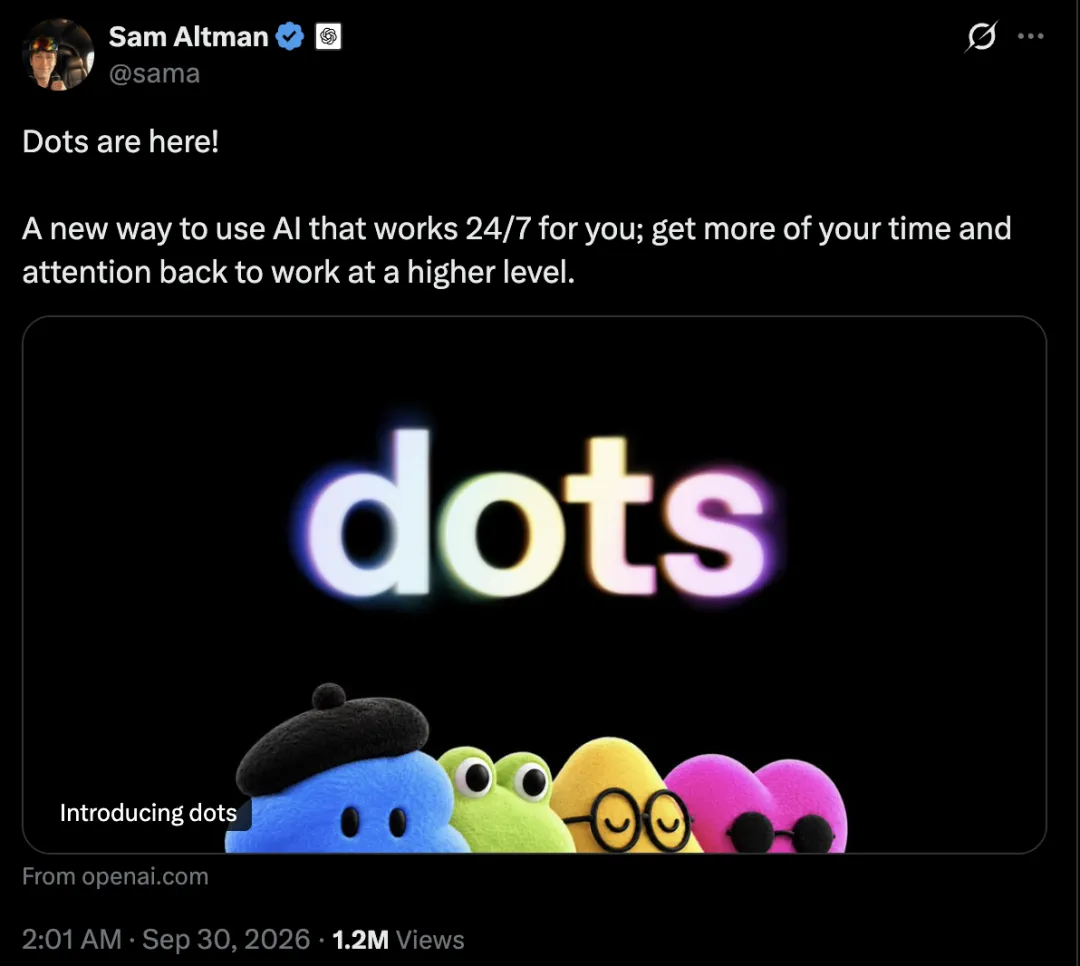
Dots wants to be a 24-hour online AI colleague.
You switch goals, you give clear authorization, and it can continue to advance tasks in the cloud.
You turn off the chat window and it goes dry.
Self-driving computerI'm going to find out what's missing for you.A colleague who can follow a project for a long time is not smart enough.
You have to have your own jobs and tools, understand the requirements, remember the background of the project, and it is best to "live in the eyes".
This is the ability of the Dots to dominate.
It is powered by GPT-6 Astra and comes with a cloud computer and a browser to process files and run tools inside.
Plug-in ecosystem also allows you to connect more than 4,000 applications and integrate your authorized information and tools into your workflow.
Alternatively, if the task requires the use of files or tools on your computer, you can allow the Dots to connect to the machine.
However,Cloud computing can continue to function after you turn off the machine, which requires operating the home computer's tasks, while keeping the computer available.
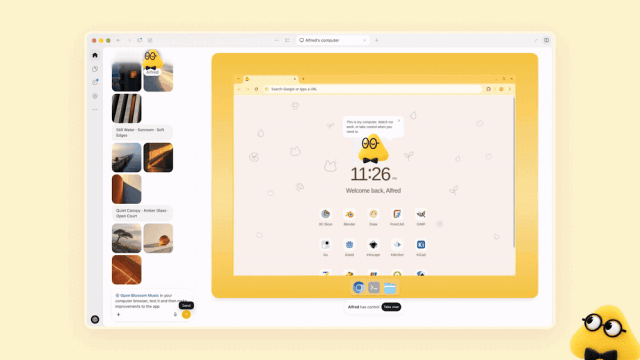
Dots operate applications in their own cloud computers.
With jobs and tools, you have to be able to accommodate specific children.
For the content creator's daily routine, a new interview text is sent out, and you have to pick the focus, organize the notes, and translate it into publication documents for different platforms.
In the scenes shown in OpenAI, you can give the Dots a first round and then give them a review.
Once you give feedback on the modification, it can also bring feedback to other relevant materials, reducing the trouble of duplicating the adhesives, repeating the explanations.
Project backgrounds can also be extended between ChatGPT, Slack and Teams, changing the communication input, and then going back and forth.
Another feature of the Dots is that "the eyes are alive".
An early tester had forgotten to open the invoice to a publishing house. Dot discovered the flaw, prepared the invoice and sent it out after approval by the tester.
This is not a big deal, but it undermines the expectations of AI colleagues:
When someone finds out that you're missing something, someone prepares the material in advance and gives it back when it's needed.
24 hours onlineIt's a good idea to know the dimensions.Of course, being online all the time is not the same as being blinded.
A mature worker has to know the dimensions, and so do the dots.
Even if you don't send a new message, it can do "active research" to find valuable changes in accessed sources of information and organize its own work notes.
However, these types of research tasks use read-only tools, can't send messages directly to others, modify application content, or control a browser or desktop.
Follow-up actions based on the results of the study will still be subject to appropriate authorization and inspection.
For a task that you have already delegated, the specific scope of the authorization can proceed on its own according to the rules, without having to repeat the request.
When it comes to sensitive operations, OpenAI specifically delineates clear boundaries:
Permanent deletion of data must be confirmed by the user each time; modification of the password must be handed over to the user himself.
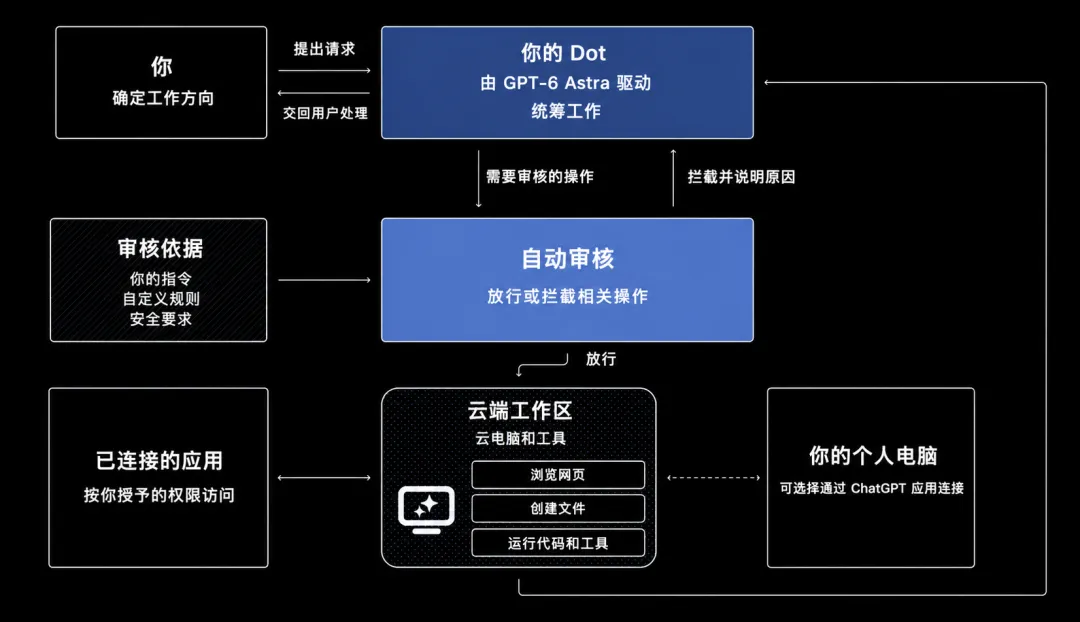
Before executing the relevant operation, the automated verification of the Dots takes place based on user instructions, custom rules and security requirements and decides whether to let go or intercept.
If you ask anything, you'll feel too tired to take it with you; if you don't make an argument, you won't be able to give up the core business.
If you can't figure out when to go ahead, when to stop, please, decide if Dot's going to be your trusted long-term partner.
Throughout the process, you can check progress, add information, or simply pause it.
Dots just got here.The dot.com is going to Grock Bot.Interestingly, OpenAI's DevDay also brought out a pretty catchy "black egg".
After watching the event, you entered the name dot.com in your browser and jumped past the official website of Grok Bot of xAI.
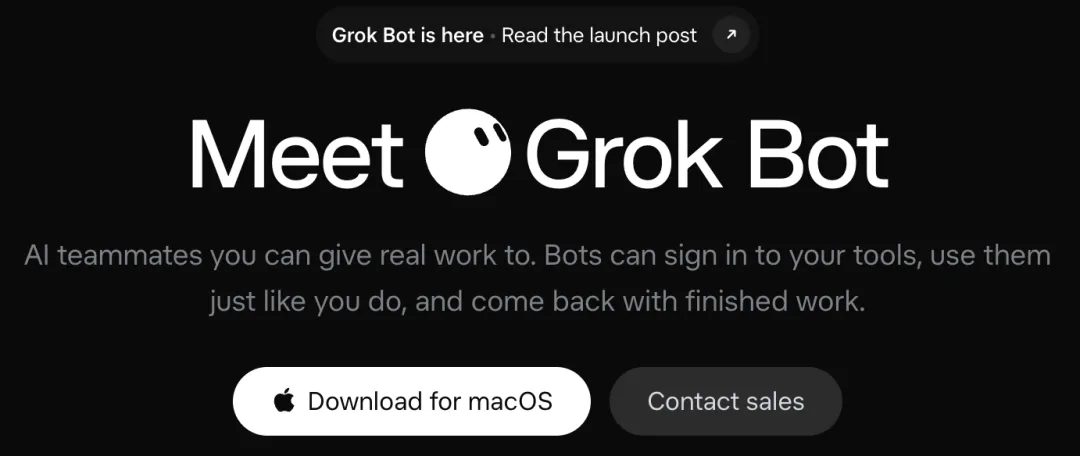
According to TechCrunch, this domain name is easily associated with Dots, which was transferred in July this year, about two months before OpenAI's release.
Does xAI know the name beforehand and specifically buy the domain name to "shut it down"?
The coincidence of time really makes people think about connecting.
What's even more interesting is that Grok Bot, who jumped, was also "AI colleague".
Its official website also refers to itself as an AI teammate, emphasizing that computers are available and that multiple bots can work in parallel.
The official website also mentioned that Grock Bot would come back when users needed approval, and that sensitive operations could be subject to action scrutiny.
From these product descriptions, both sides have already baked the same piece of cake: follow your long-line work.
Following a project, dealing with a process, continuing to cling to a type of thing.
These long-term tasks require more information and authorization from users, as well as testing whether AI can get things done.
24 hour AI colleaguesHow much can I spare you?Currently, Dots are gradually being opened to Pro and Business Premium users who meet regional requirements; enterprise users, including Edu and Healthcare, are required to start beta testing by administrators.
24 hours online is not the same as unlimited use.
The Pro and Business Premium packages include the first dot, with no extra charge, and the release in January will also temporarily increase the depth of work quota, but the quota limit remains in place.
There are three things to consider when judging whether an AI colleague is good or bad:
Can it go on after you're gone?
If it is temporarily added to demand, is it unable to remember its original goal?
When you come back, will it be able to bring out the results that are available and tell you what needs to be captured?
If the saved time eventually turns into checking and returning to work, this assistant, on the contrary, becomes tired.
On this track, there's Anthropic.
Claude Cowork already supports cloud tasks and timing. Users can allow it to schedule messages, generate reports, and continue to execute cloud timing tasks even when the computer is dormant or the application is shut down.
Claude timing tasks can still be executed as scheduled after the cloud runs, the computer is dormant or the desktop application is turned off.
These skills are also being gradually incorporated into Claude's unified conversation experience.
There are different types of products, but several manufacturers are getting closer and closer: let AI take on a continuous job, let people slow down a little bit and get more results.
The competition for continued work is ultimately about who can continue to win the trust.
From Dots, Grock Bot to Claude, who makes less progress, less waste, and more useful results, who has a better chance of becoming that AI colleague who has been left behind for a long time.