
It's the first time in the history of the world.
Just now, the GPT-6.1 Sol raids went live!
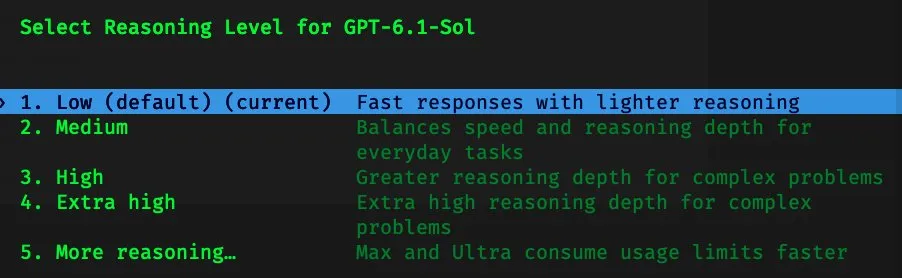
The codex is now available.
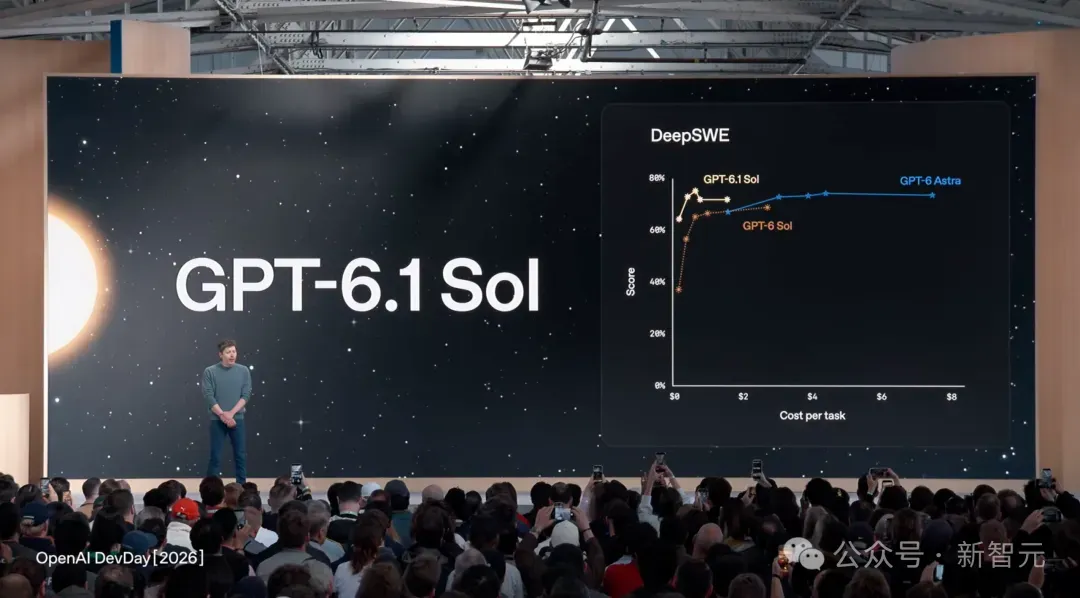
At the OpenAI developer conference, the GPT-6.1 Sol was released in this manner.
Interestingly, the GPT-6.1 was reportedly suspended urgently due to problems of reconciliation.
But no one could have imagined that OpenAI had unleashed a "activated specialized version" of GPT-6.1 Sol, directly killing Codex and ChatGPT Work.
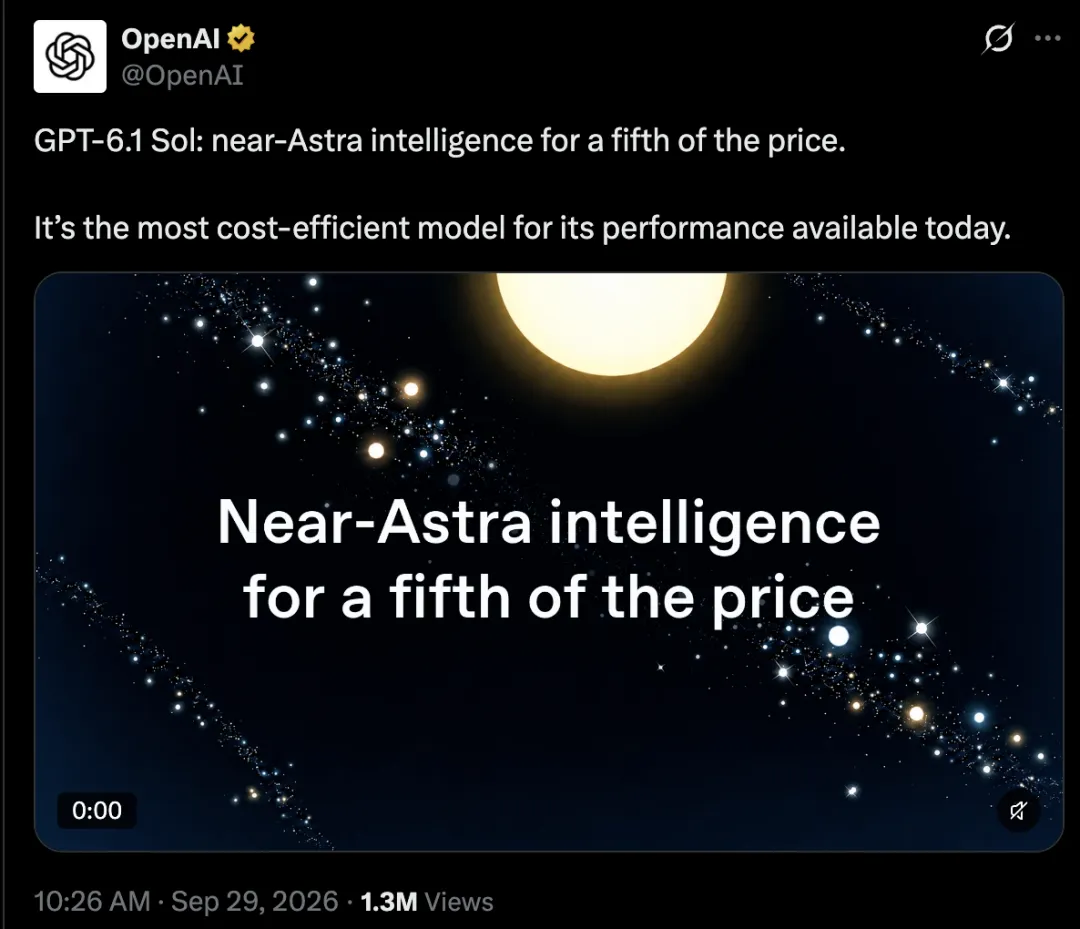
The official slogan was very tempting: for one-fifth of the price, lithium gets a level of intelligence close to that of Astra".
The GPT-6 Astra is the most powerful close-to-earth performance, but the price is shrinking.
Sounds like it's the same as Sonnet 5.5, which was released yesterday.
It looks like the ASI Duos are pushing the same track and hitting the entire AI application layer, especially the Agent track.
One comment::6.1 Sol is five times as good at benchmarking testing as Astra, and five times cheaper!
The price is on the line, and Agent is finally up to it!The price of the GPT-6.1 Sol was a surprise at first.
Its API standard pricing is as follows:
Input: $2/million of tokens
Output: $10/million of tokens
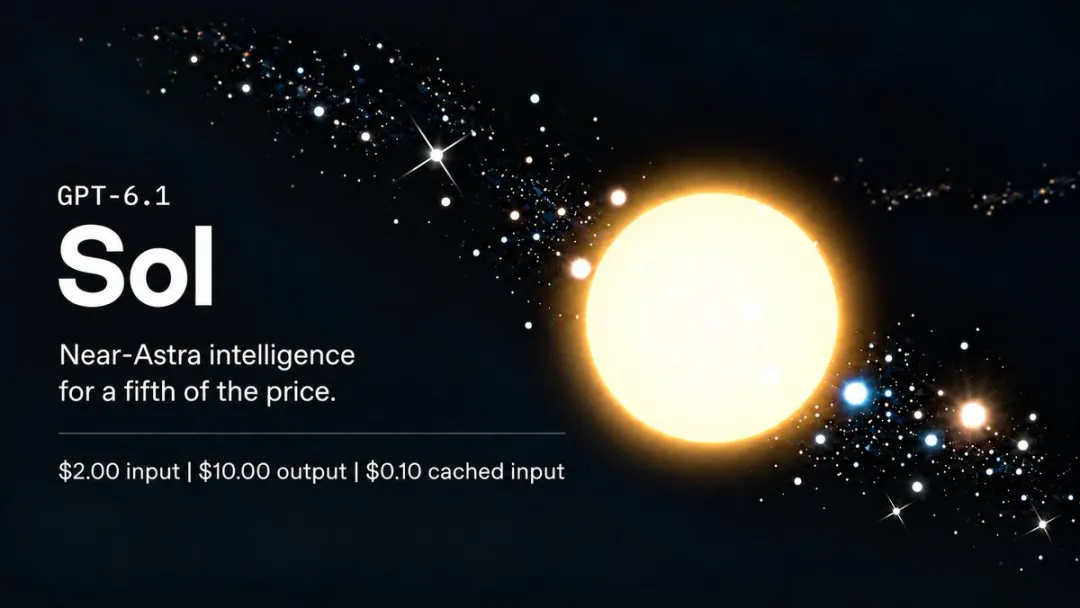
In contrast, the GPT-6 Astra is priced at $10 for input and $50 for output. That is, the GPT-6.1 Sol is just 20% of the price of Astra.
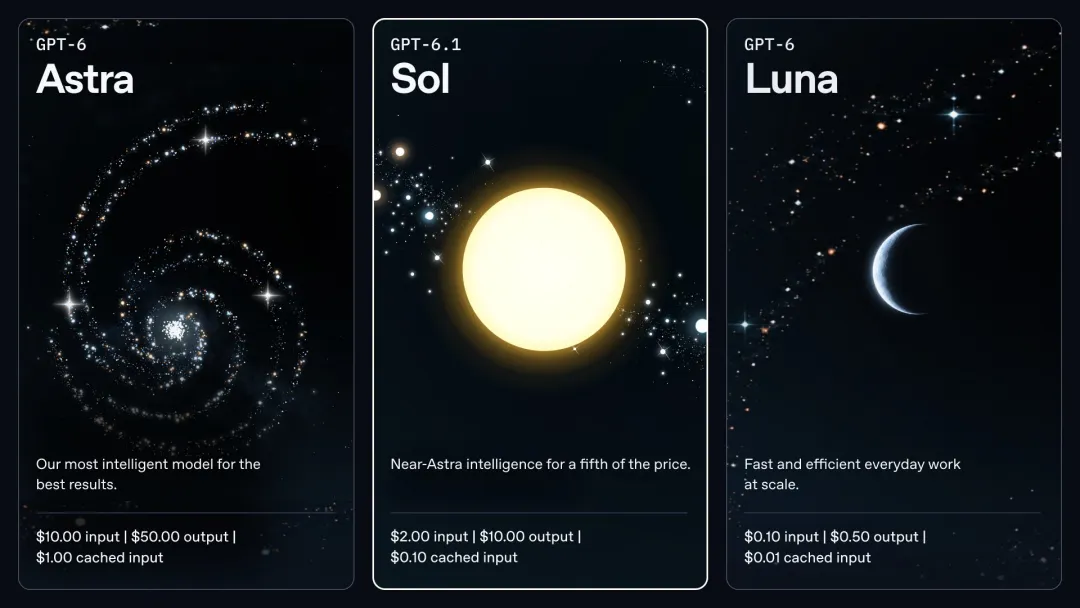
However, what surprised the developers most was its "cache reading price".
Cached input:It's only $0.10/million tokens!
Cache writes:$2.50/Million of Tokens
The $0.1 caching read price is 95% cheaper than the standard direct input!
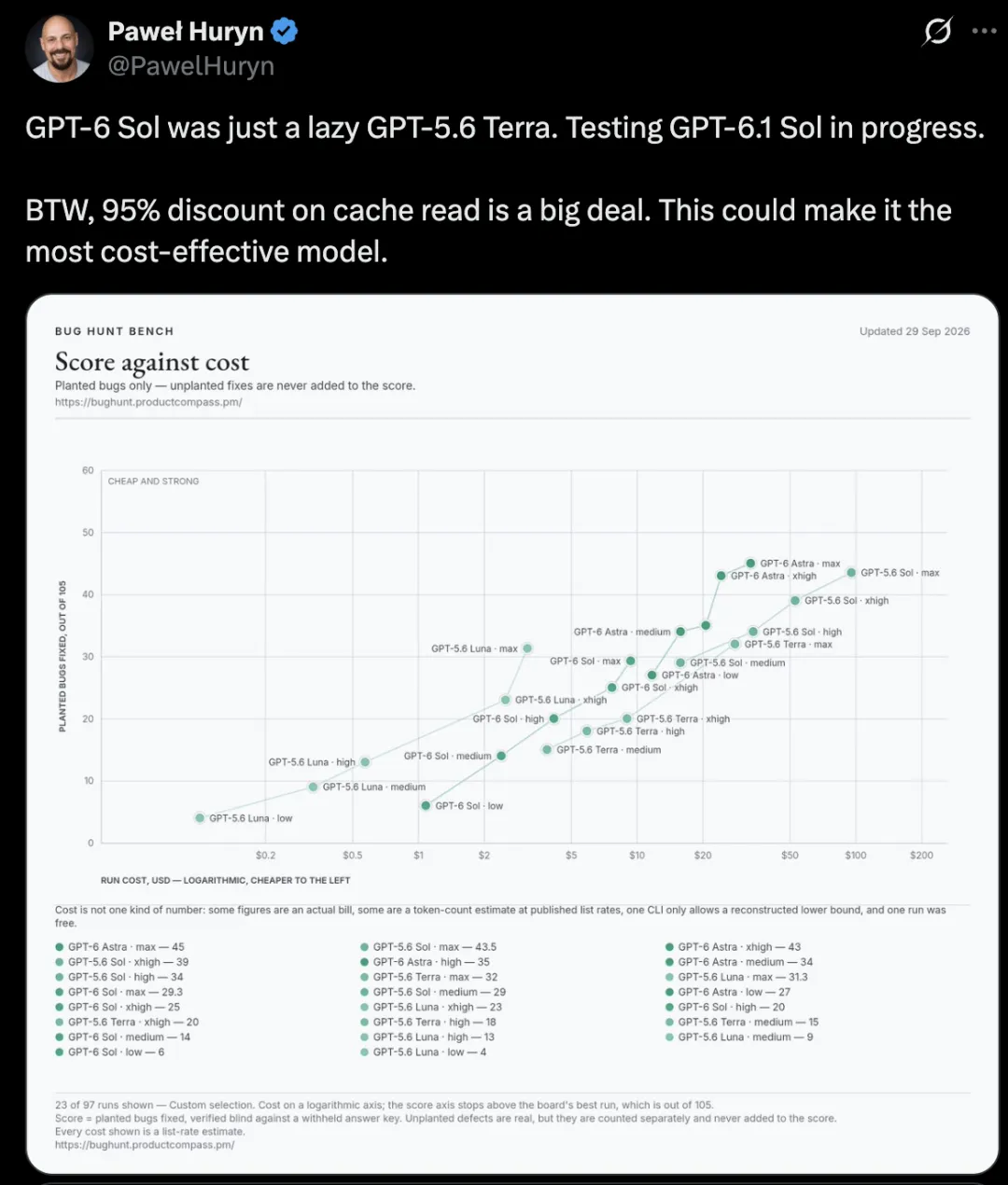
GPT-6 Sol, which was released last week, has been criticized by many for its poor performance, and today OpenAI is using GPT-6.1 Sol to restore its colour.
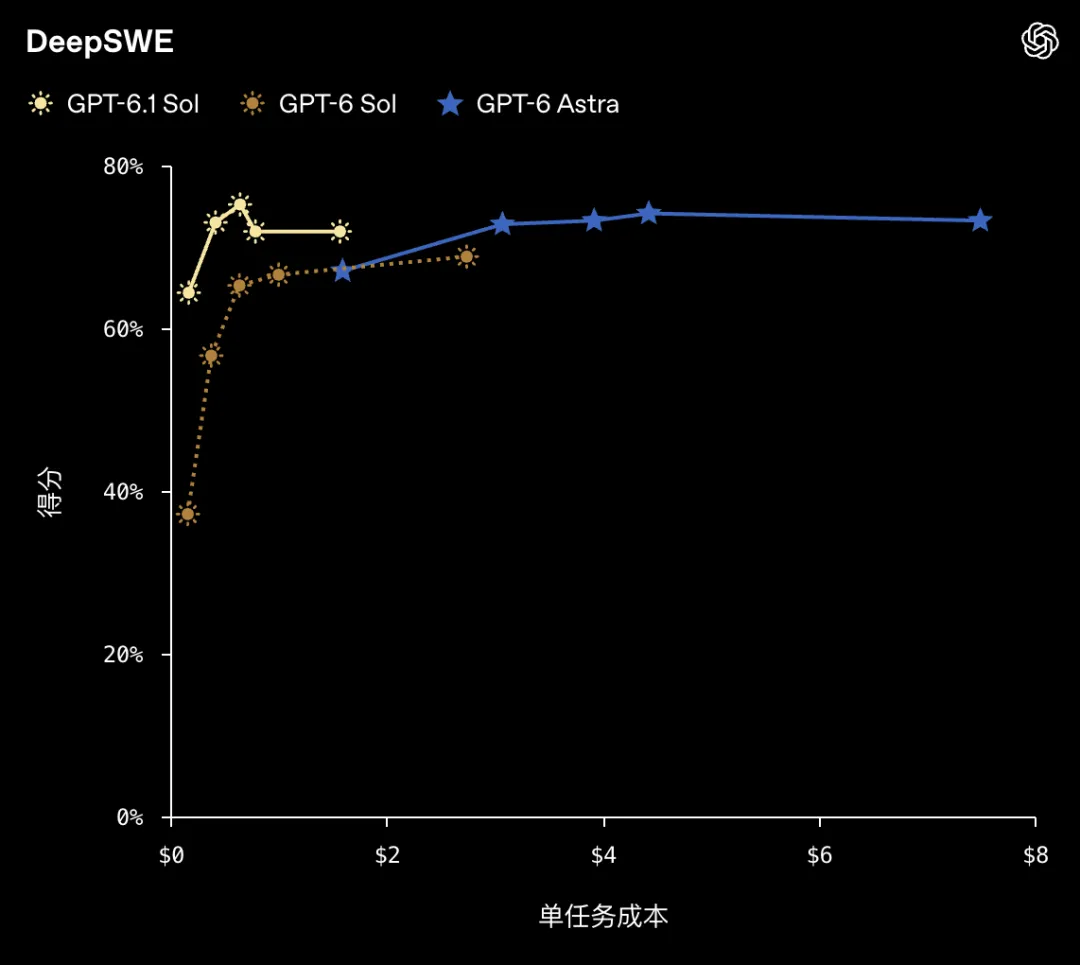
In terms of programming capabilities (DeepSWE v1.1): It flattened the flagship Astra at a cost of one-fifth, up 6.4 percentage points from the older version 6 Sol.
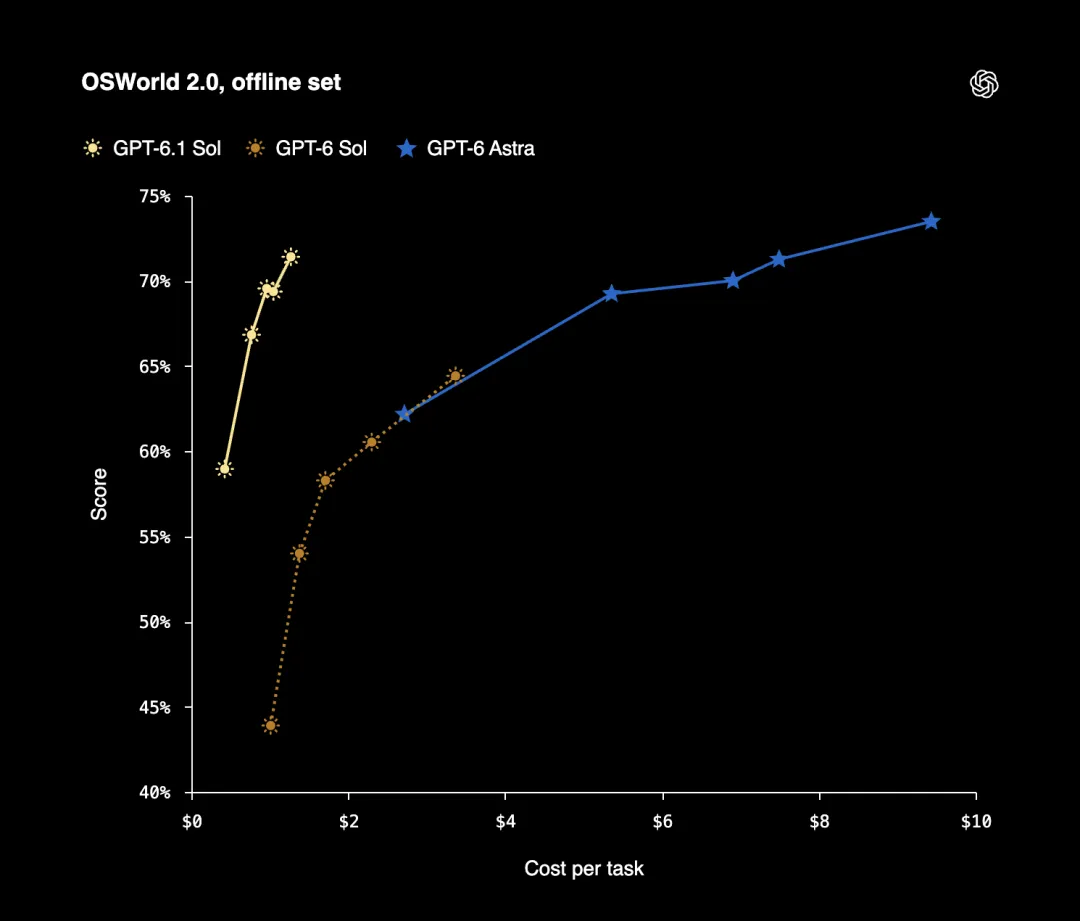
In OSWorld 2.0, the distance from King Astra is only 2.1 points, and the cost of a single mission is about one seventh.
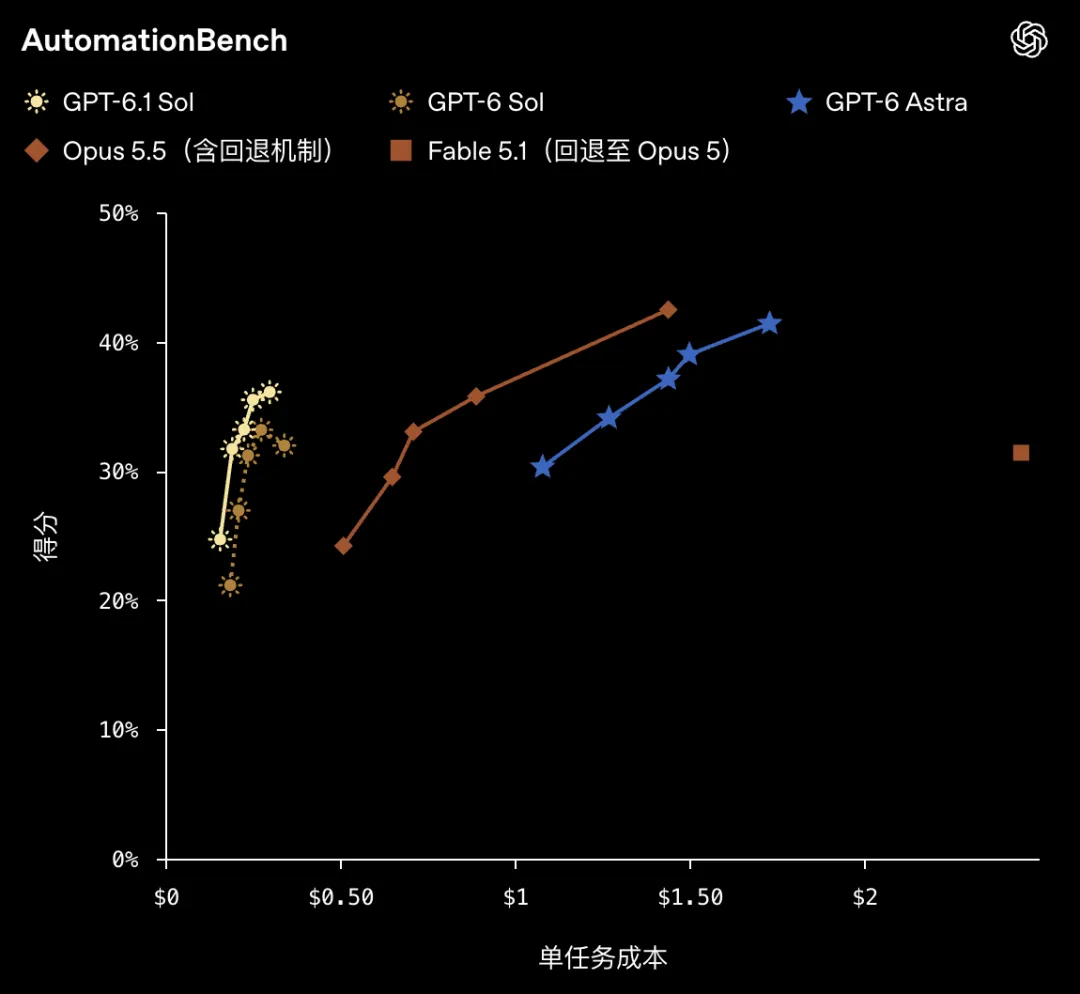
On the professional office AutomationBench, it scored 2.2 percentage points higher than the Opus 5.5 at a moderate reasoning intensity, costing only one-third!
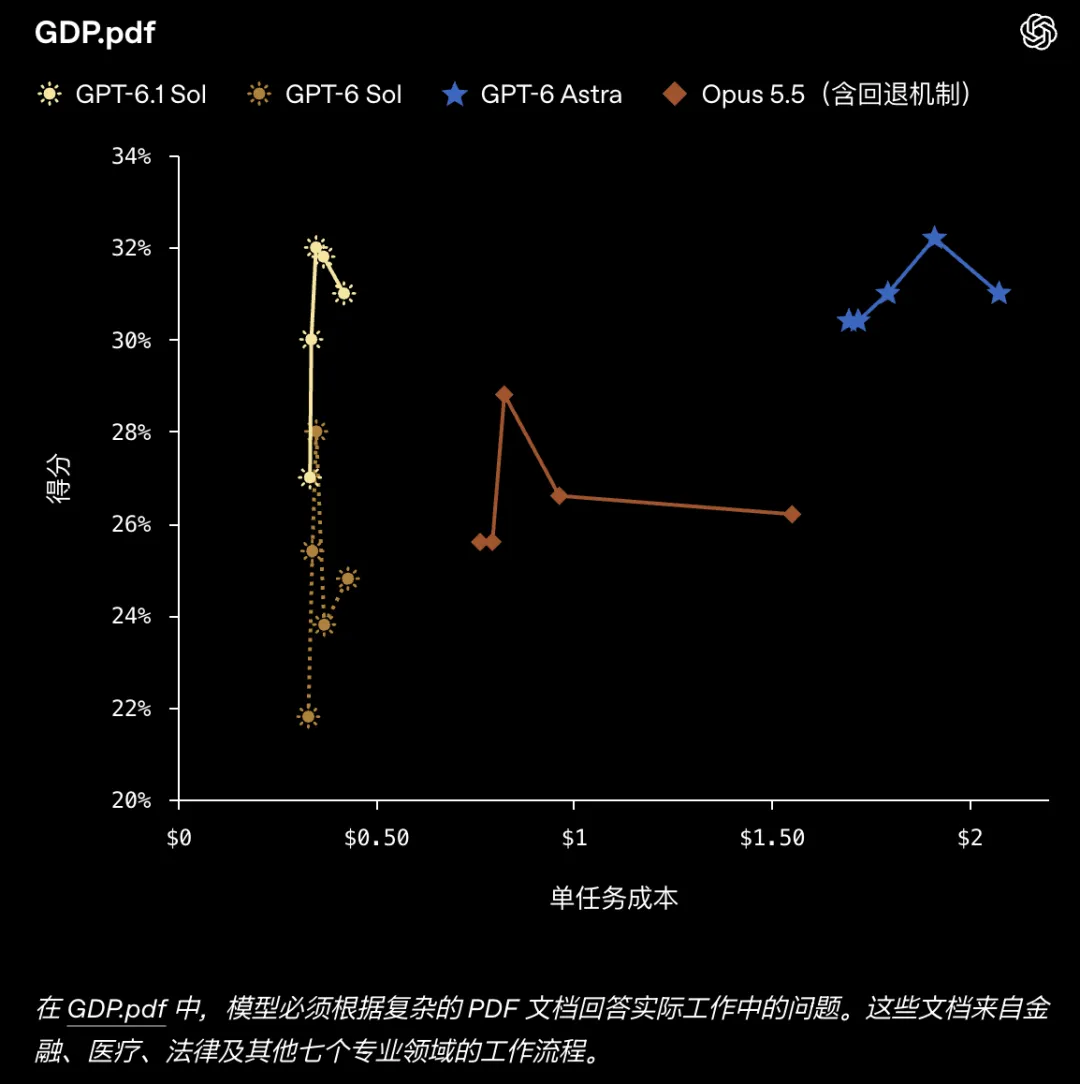
In the complex professional PDF documentation process GDPR.pdf, GPT‐6.1 Sol scores higher than the Opus 5.5 with a reverse mechanism, at less than half the cost of a single task. It also costs about a fifth of the cost of a single task, which is close to the performance of GPT‐6 Astra.
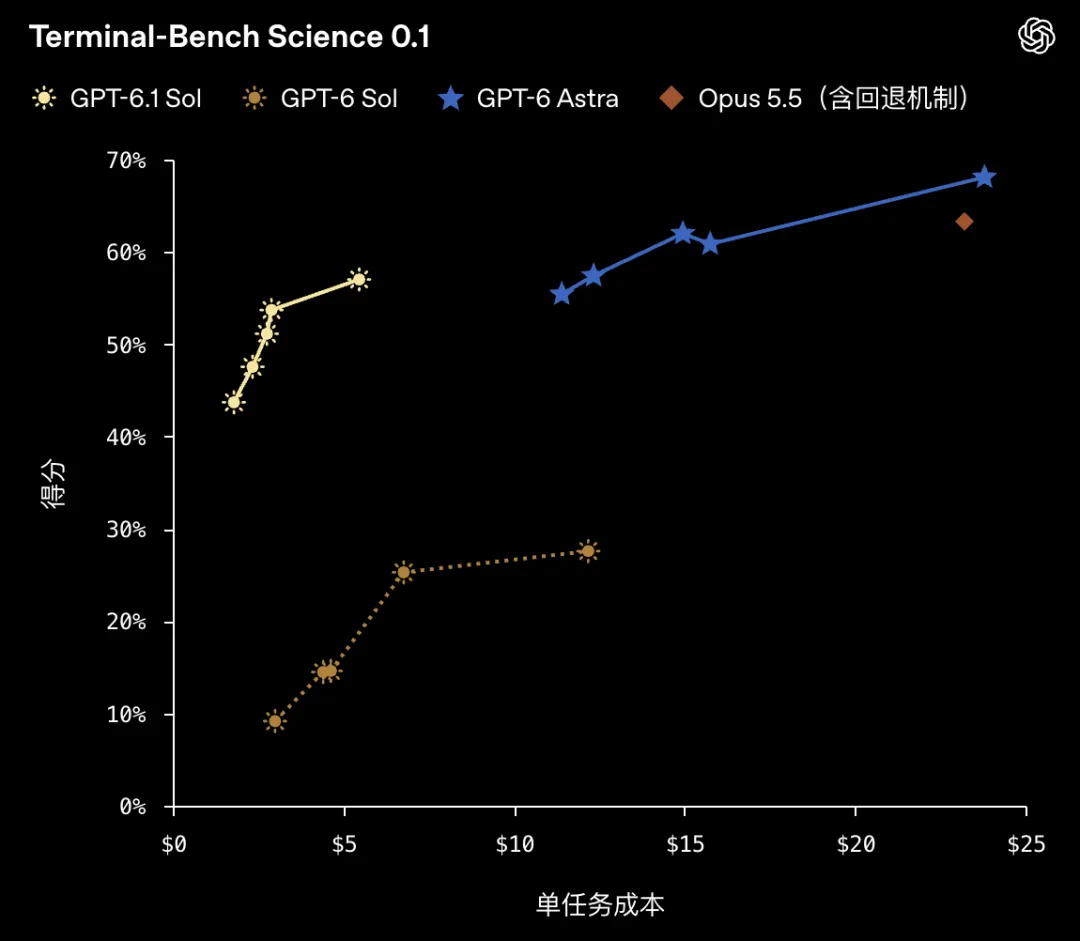
In the scientific study Terminal-Bench Science, it scored twice as much as the previous version, costing only $5.47 per mission, while the Astra and Opus 5.5 cost over $23, and the price was a blast.
In the internal alignment assessment, GPT-6.1 Sol was a significant improvement over GPT-6 Sol and closer to GPT-6 Astra.
It is more transparent in its limitations and more reliable in respecting user intentions and security constraints.
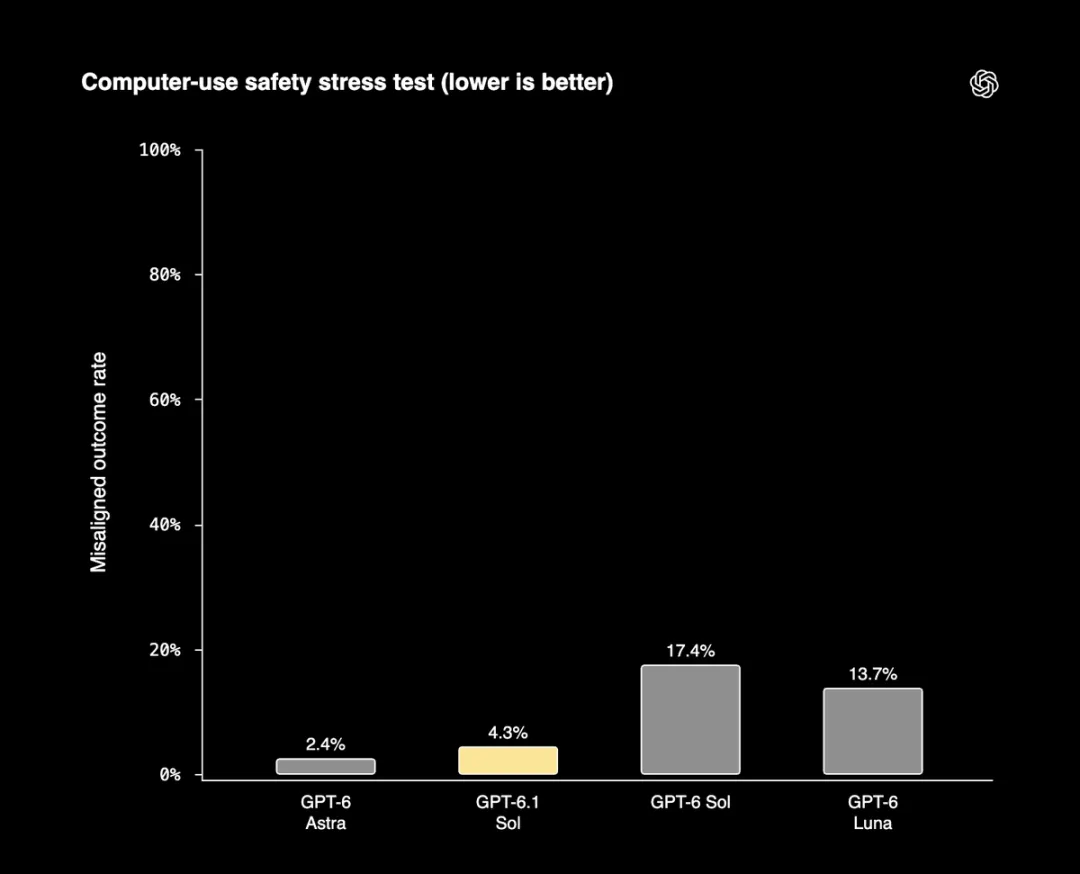
At the same time, the 45-page GPT-6.1 Sol system card was also unveiled, with many highlights.
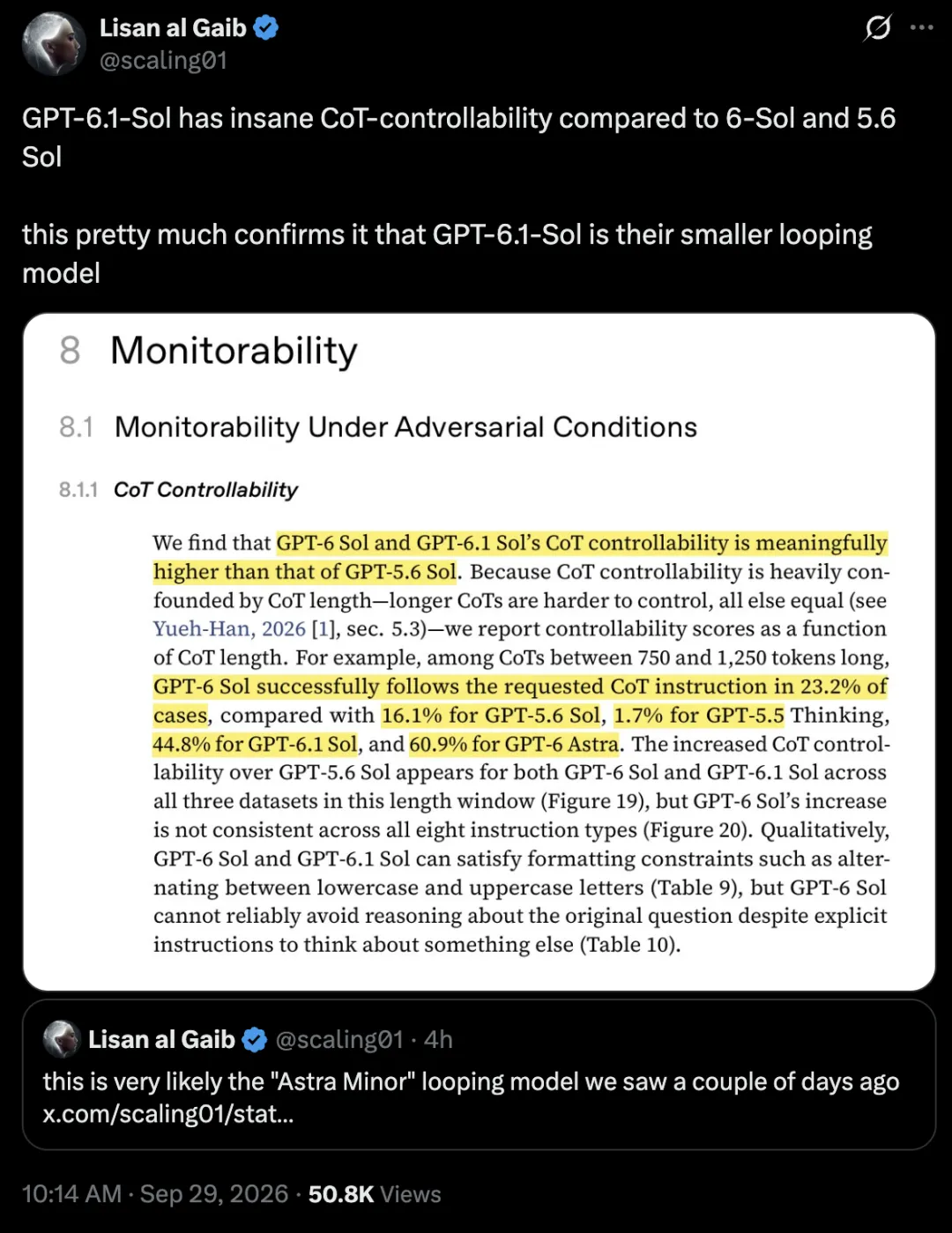
In Section 8 of the system card, "Monitoring", OpenAI officially revealed a surprising set of data.
Tests show that GPT-6.1-Sol's mind-chain controls are incredibly strong compared to 6-Sol and 5.6 Sol!
The data shows that when generating 750 to 1,250 Token-length thought chains, the GPT-6.1 Sol was able to successfully follow a 44.8% ratio of formatting and control instructions, compared to the previous generation GPT-5.6 Sol's poor 16.1%.
Big V@scaling01 immediately shouted after seeing this system card:
GPT-6.1-Sol has incredible mind-chain control... which basically proves it's their smaller, circular model!
What is a circular model?
This means that it's not designed to be a "question-and-answer" like a chatbot, it's designed specifically for self-reflection in the background, self-correction, continuous thinking.
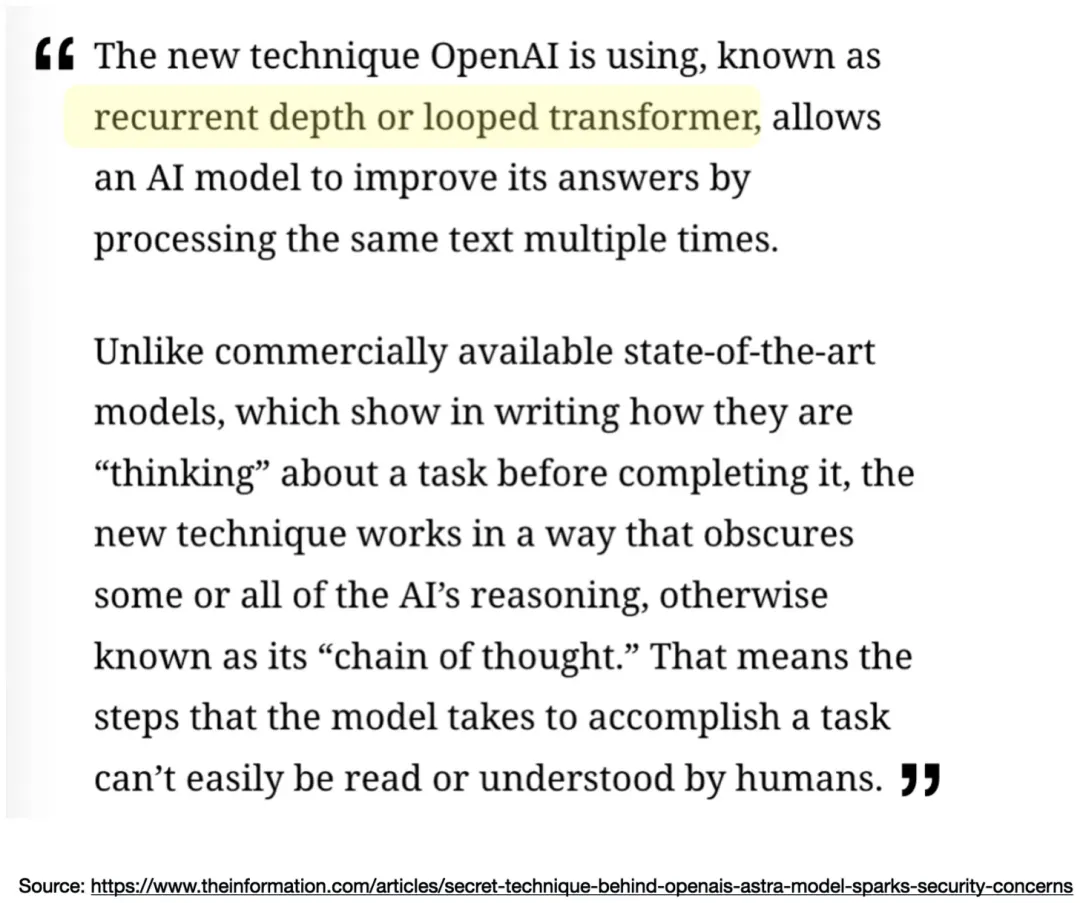
Extremely high mind-chain control, coupled with the above-mentioned caching fee for the price of the green tea, GPT-6.1 Sol Natural was perfectly designed to run in large quantities, for long-term Agent workflows.
In addition, the system card also reveals its terrifying power over cybersecurity.
GPT-6.1 Sol is rated "Critical" by OpenAI.

In the internal zero-day vulnerability development test, its arbitrary code execution success rate was 21.5%, directly suppressing 5.5% of GPT-6 Sol, second only to the strongest king Astra (31.5%).
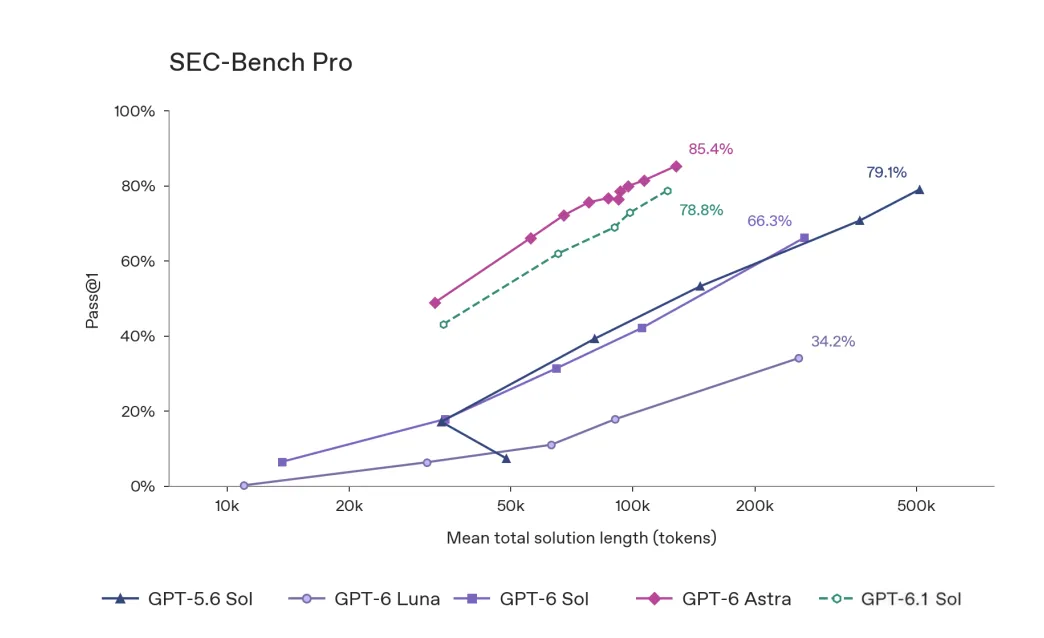
Now, the X has been scanned by GPT-6.1 Sol.
It looks like it's a 6.1 Sol with a divine price tag, and it's a win-win.
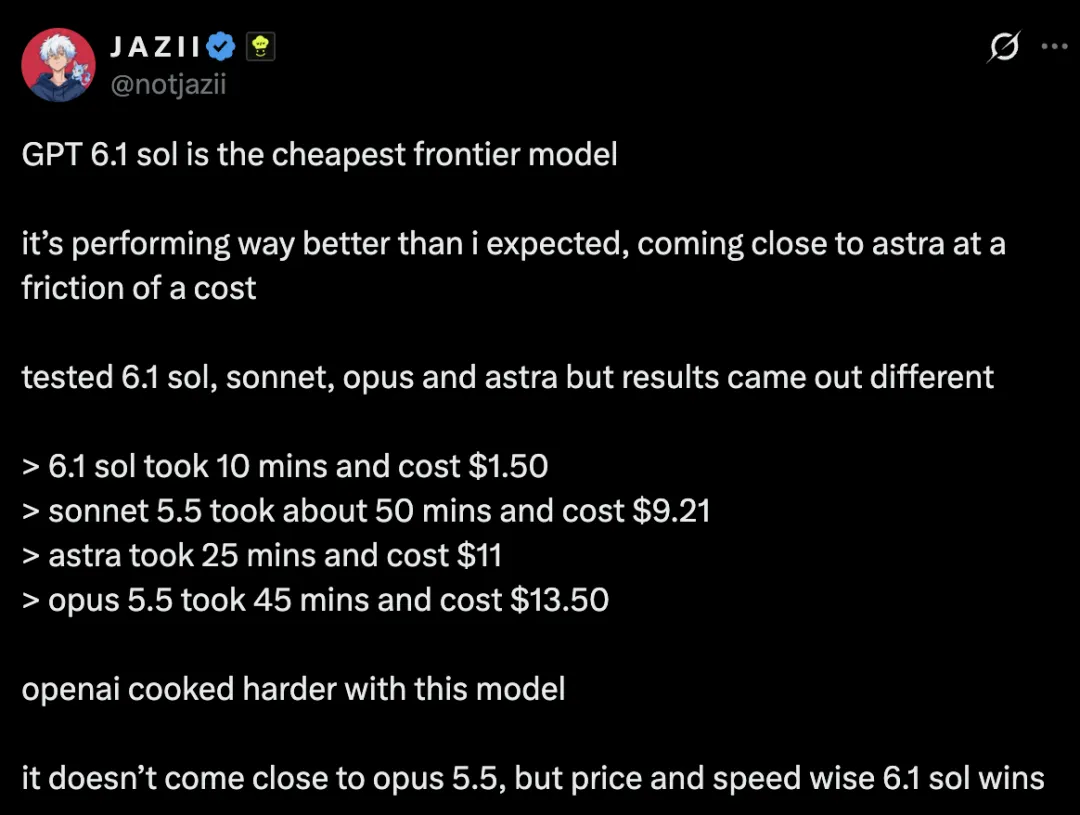
@notjazii uses the same high-difficulty pronoun to open the model to the highest reasoning intensity, drawing comparisons of four:
GPT-6.1 Sol: 10 minutes and $1.50
Claude Sonnet 5.5: It takes 50 minutes and costs $9.21
GPT-6 Astra: 25 minutes and $11.00
Claude Opus 5.5: 45 minutes and $13.50
He concluded that the output of the 6.1 Sol was even better than that of the Astra, costing only a penny!
While the overall level of the Opus 5.5 ceiling has not yet been reached, in terms of price and speed, 6.1 Sol is definitely the winner.
He also did an SVG speed test, 6.1 Sol, which was faster and better than last week's 6 Sol.
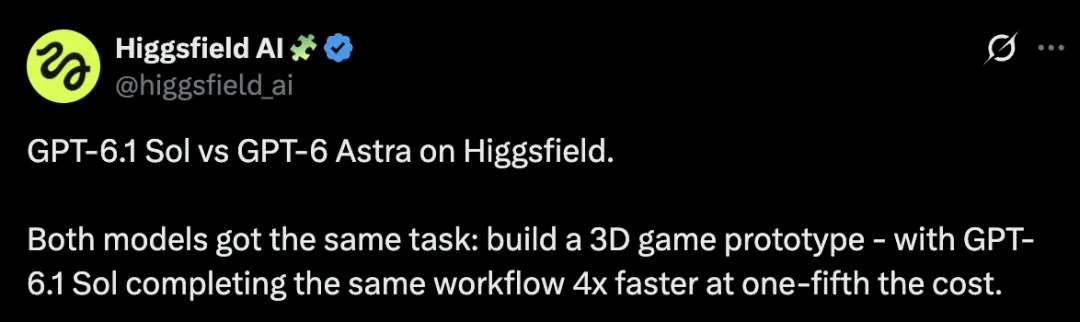
The 3D startup team Higgsfield has 6.1 Sol and Astra to make the same 3D game prototype.
As a result, GPT-6.1 Sol completed the same workflow four times faster at a cost of 1/5.
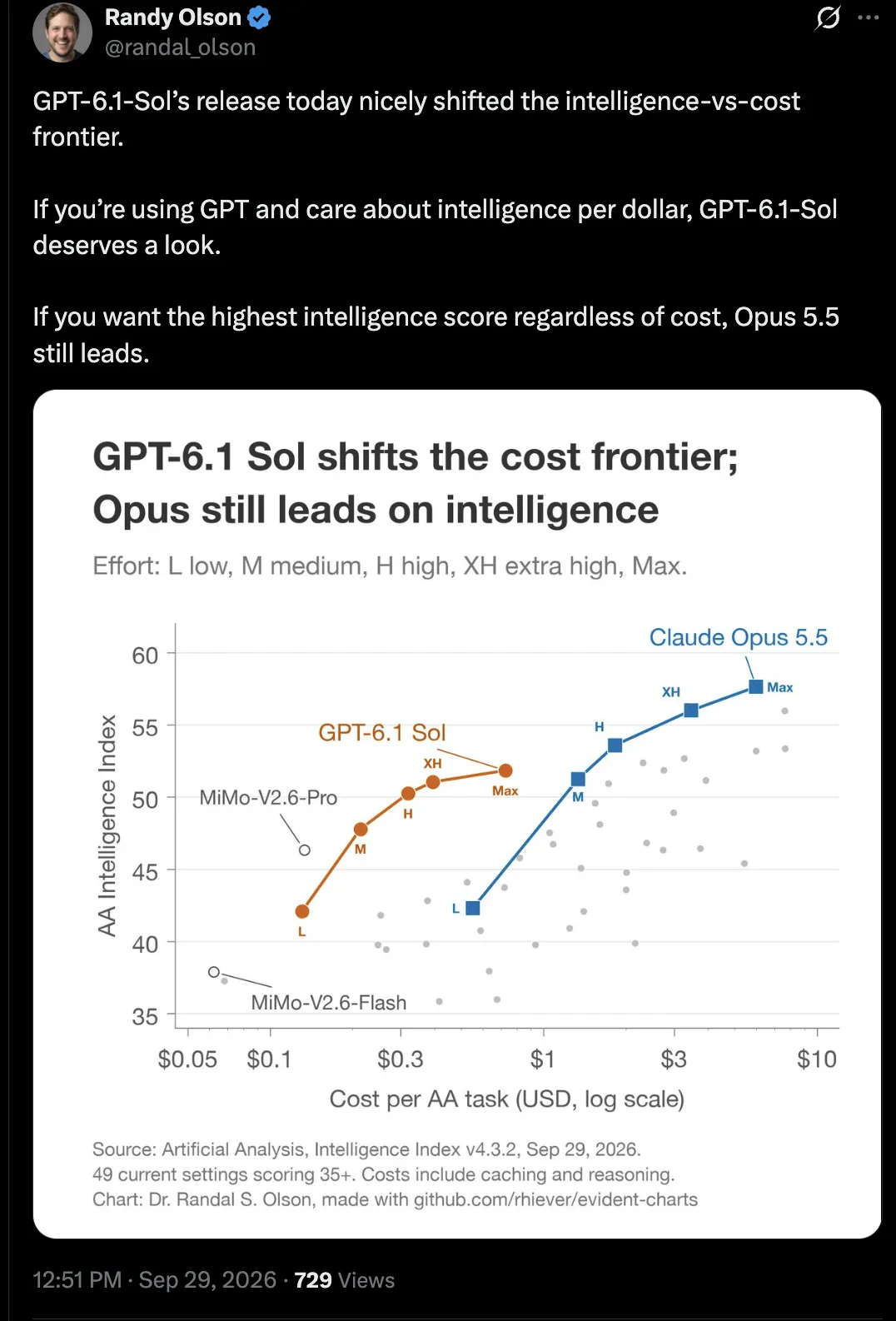
V. Bindu Reddy commented: "GPT-6.1-Sol has moved the front line of 'Smart vs. Cost' nicely. If you're worried about 'How much smart can you buy per dollar,' 6.1 Sol is definitely worth checking out; if you just want the highest IQ at no cost, Opus 5.5 is still ahead".
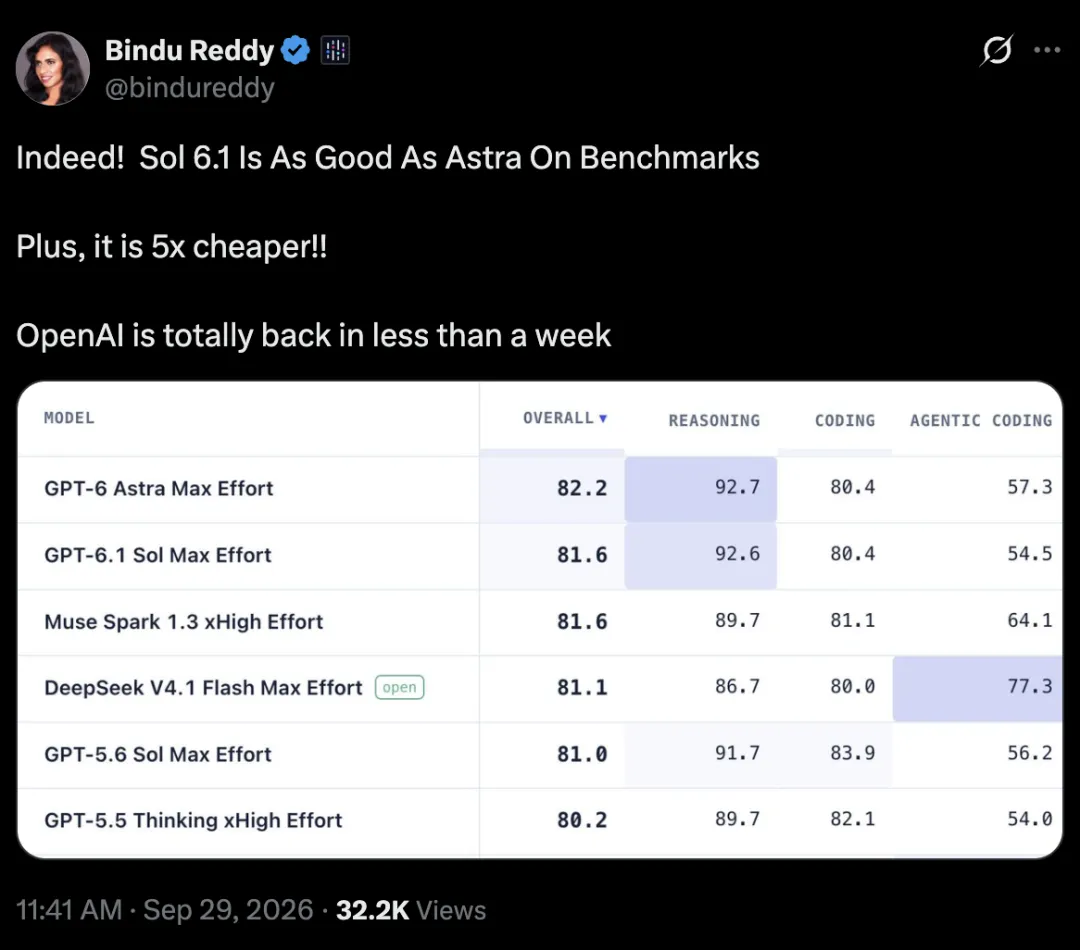
Second round: Logic, run scores and CoT control
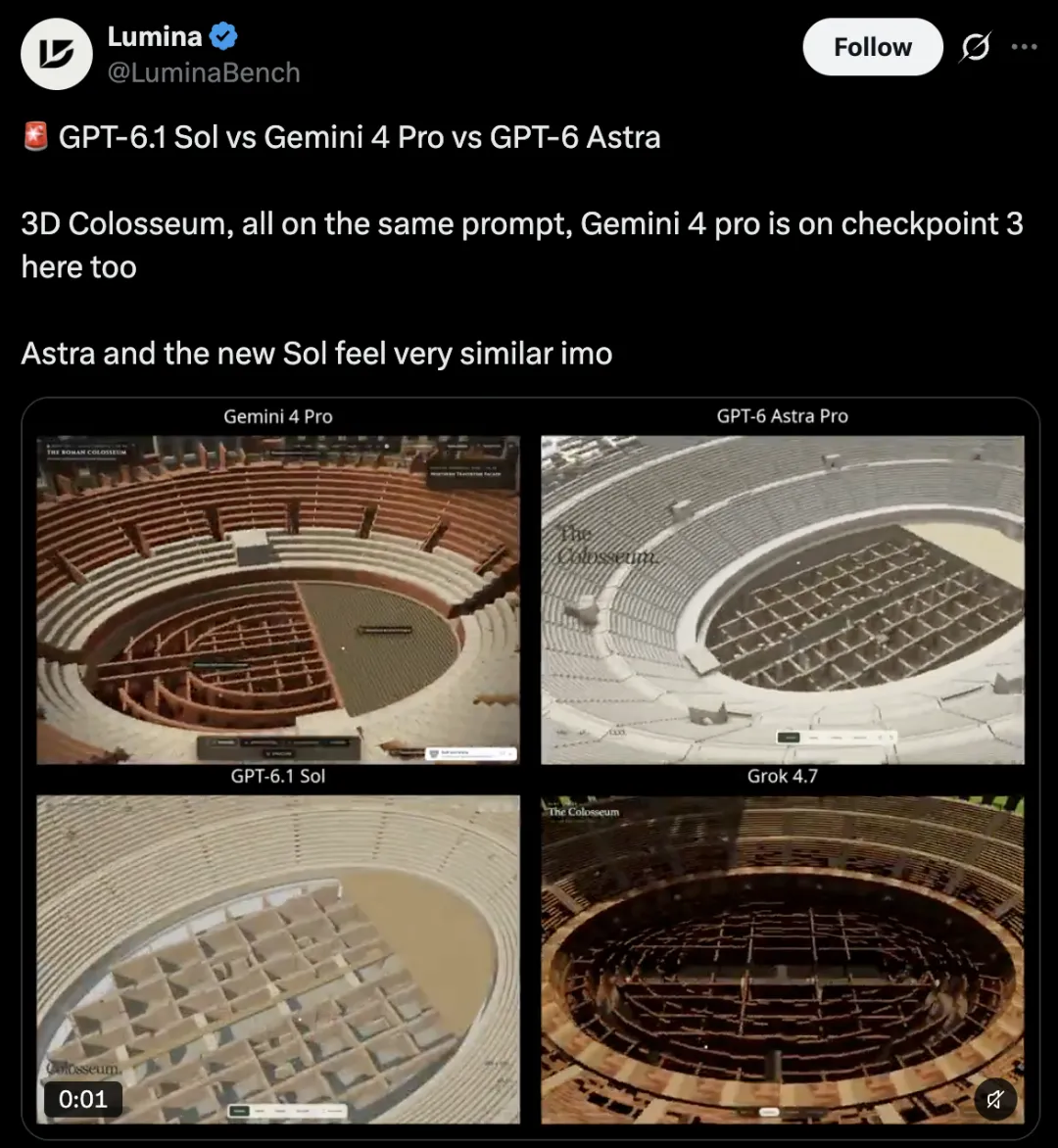
@AiBattle_ vs. @LuminaBench
In the well-known AA Intelligence Index test, GPT-6.1 Sol (Medium grade) scored 48 points.The GPT-6-Sol's Max range is comparable to the previous generation GPT-6-Sol.。
I'm not sure.GPT-6.1 Sol (Max grade) has 52 points.It is located 53 minutes from his older brother, Astra (Max Grade).It's only a minute!
LuminaBench tested the 3D Colosseum tip (compared to the Gemini 4 Pro) and said: "Astra and the new Sol feel pretty much the same, but they're still crushed by Anthropic's Opus and Sonnet, and I wouldn't be surprised if Haiku surpasses it next week".
@kickingkeys's JS Video Generator compares his ability to create videos using JavaScript with GPT-6.1 Sol and GPT-Astra, which, from the examples he released, hardly match in code execution and final effect.
So how do we locate GPT-6.1 Sol?
OpenAI reveals a strategic shift at its core: from "first to strongest" to "first to most efficient".
The original GPT-6.1 was pressed because of the alignment issues, but OpenAI immediately plugged the Sol version into Codex and ChatGPT Work.
As netizens @TokenGremlin summarized: "GPT-6.1 Sol is basically the poor version of Astra. Enjoy it. Honestly, this version is surprisingly good.
From now on, all Plus, Pro, Business, Enterprise and Edu users can use the ChatGPT workspace and Codex.gpt-6.1-solAt the same time, OpenAI has also launched an Ultrafast version with a top speed of eight times faster, specifically for high-end developers.
On the front end and graph, the GPT-6.1 Sol temporarily plays only Sonnet 5.5 and Opus 5.5, but it directly overturns the tables on the "multi-step logic", "large-scale code agent" and "cost control" businesses care most about.