Opus 5.5 has been released for a few days now, but the heat of this model doesn't seem to be going down at all.
The reason for this is simple: Netizens are constantly developing new games.
One particularly interesting example these two days comes from Victor Mustar, Head of Product at Hugging Face.
Victor presented the Opus 5.5 with a challenge: designing a Microduck the size of an object with genuinely available Lego parts.
Microduck is a small two-legged robot launched by Hugging Face and Pollen Robotics that sells firecrackers in 4 seconds after launch. Victor wanted to do a Lego version of it.
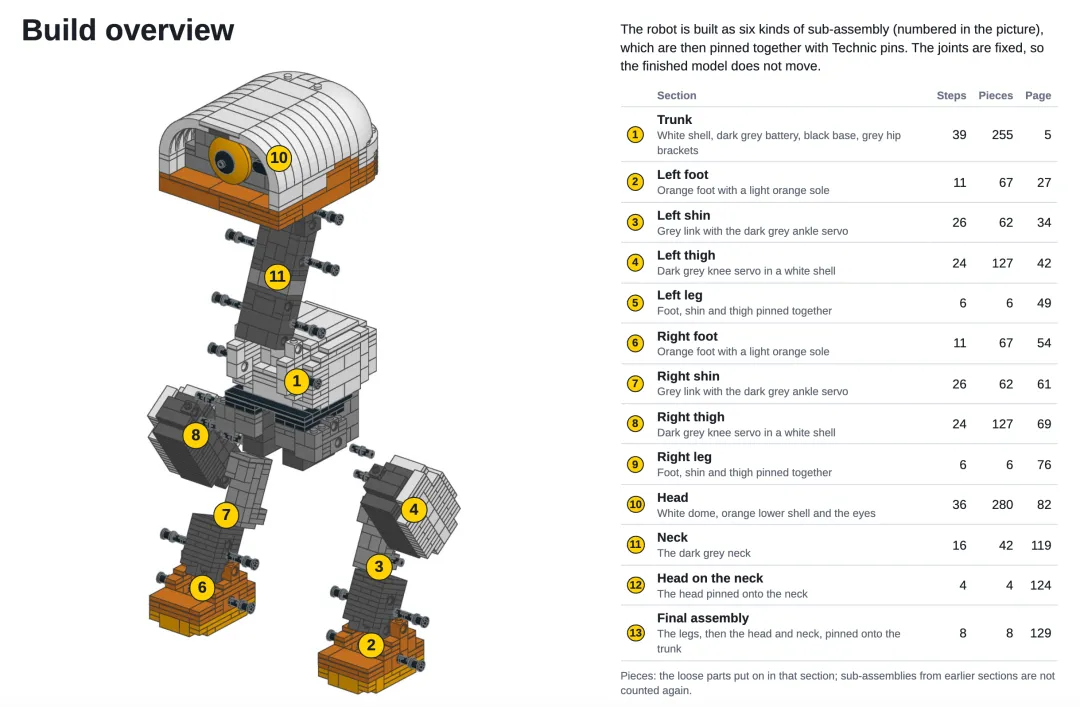
I don't know, the Opus 5.5 is still alive.
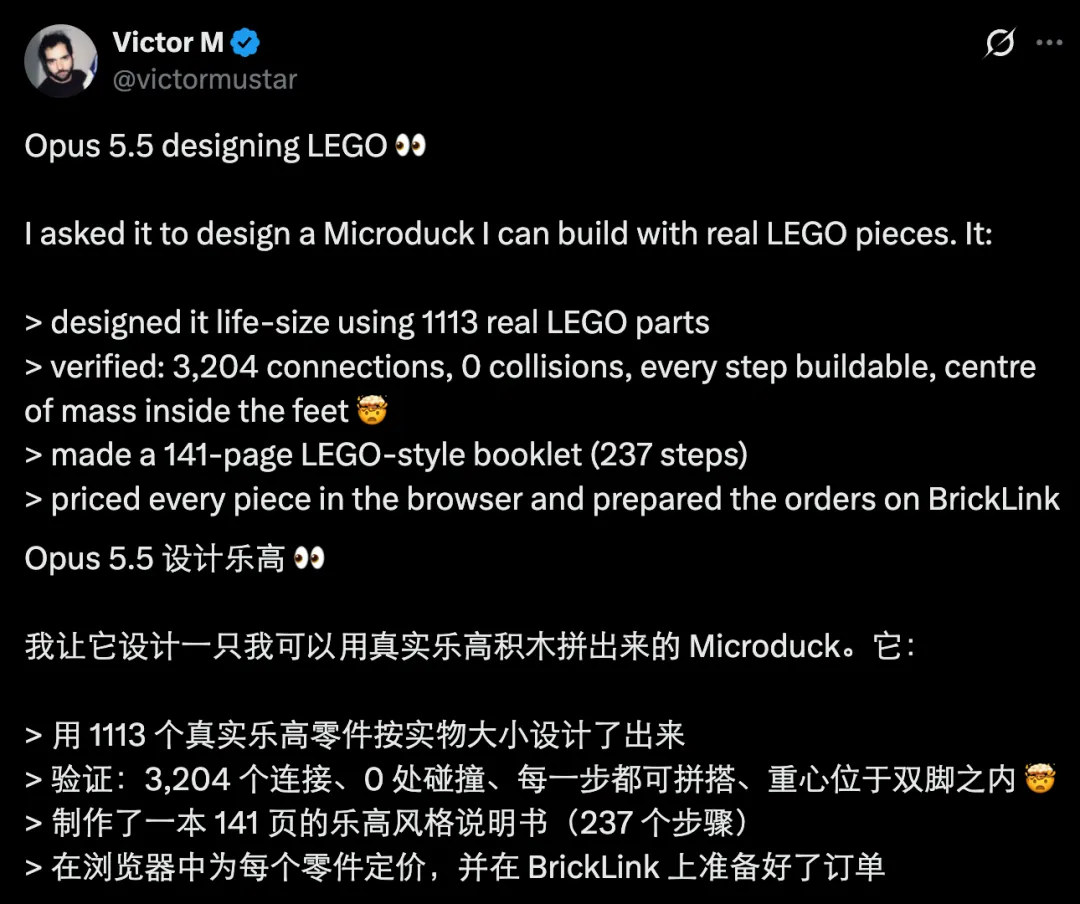
First of all, the design of Opus 5.5 used 1113 real-life Lego parts, the model examined 3204 connections, and also verified the collision of the parts. The most exaggerated thing is that it even produced a 141-page, 237-step Lego manual by hand, and a list of parts that can be picked up.
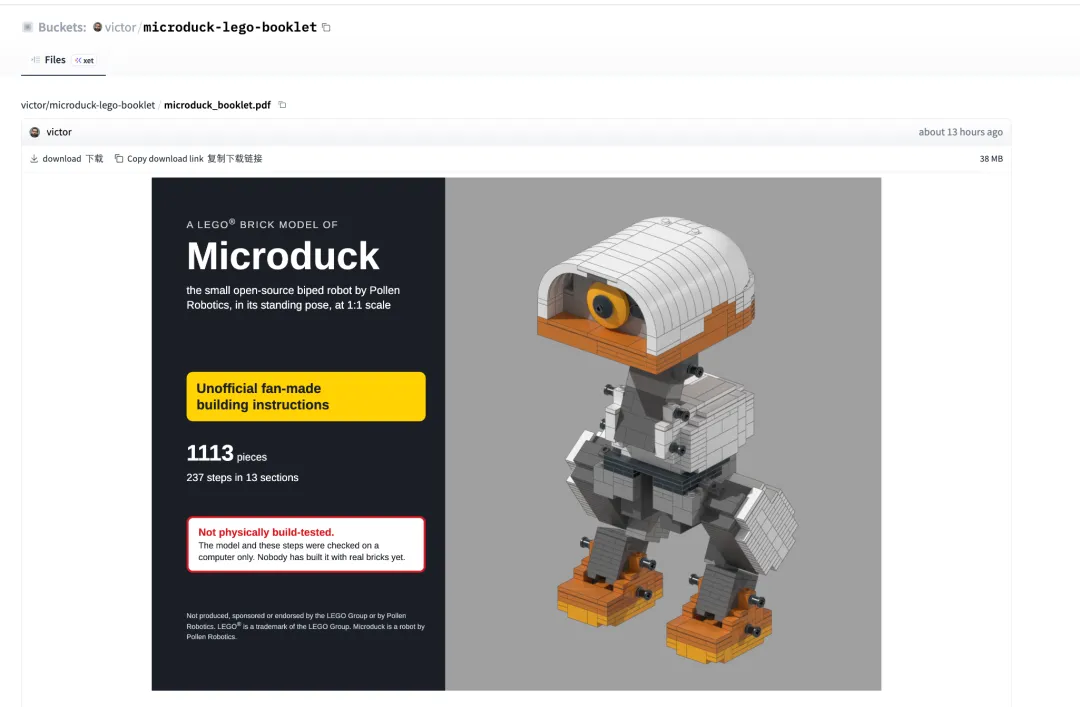
Victor uploaded the entire manual to Hugging Face.
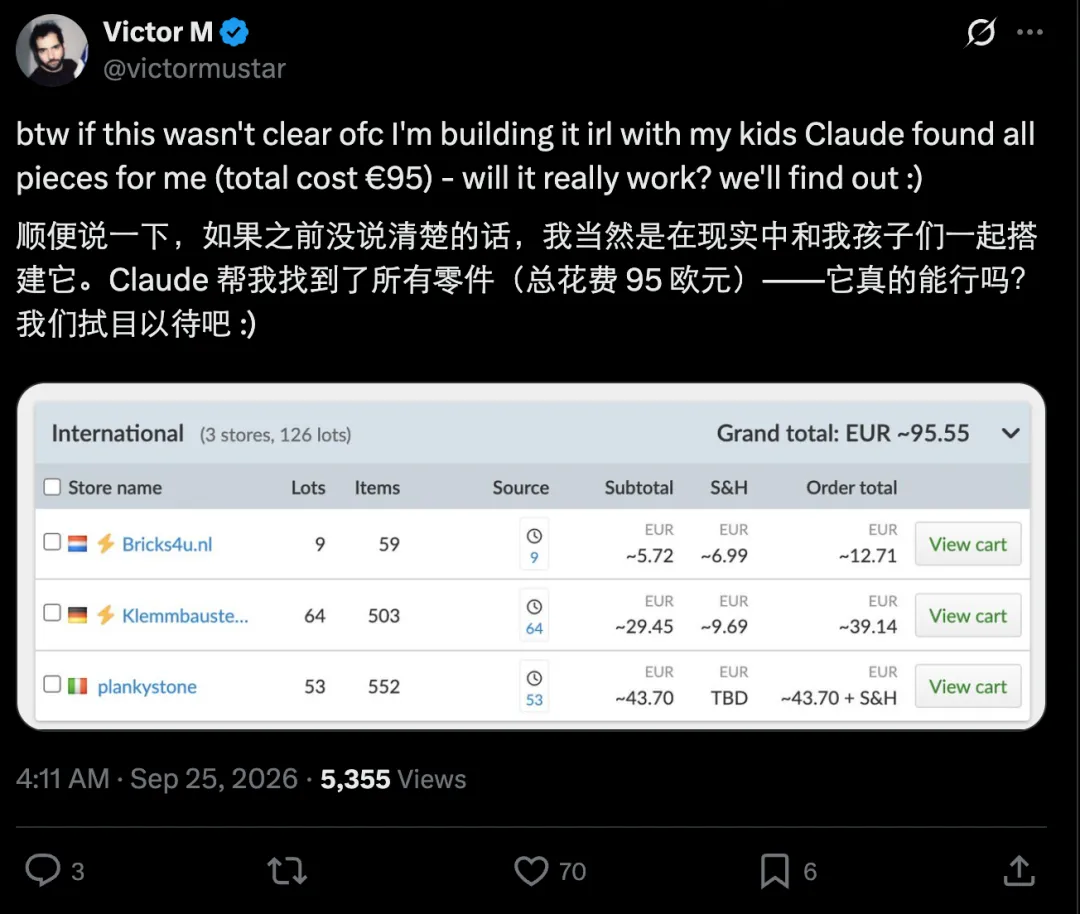
Everyone is curious as to whether the list will eventually be able to come out. Victor Mustar is already trying and the results will have to wait for further information.
Boris Cherny, the head of Claude Code, also ran to the comment section. His first reaction was: "It's cool, I really want to put this thing directly on a 3D printer".

It looks like the gameplay of Opus 5.5 is a bit different this time around.
In the past, testing a large model would write code, maybe make it a webpage, draw an SVG. Now netizens have started to let it design something that could actually come out in the real world, and then do engineering verification, documentation and even procurement lists by hand.
And Lego is just the beginning of a new way to play Opus 5.5 these days.
Another interesting case is that IKEA's assembly instructions are not unfamiliar to anyone: there are few sentences, all based on a small piece and a design of parts, that tell you how to put them together.
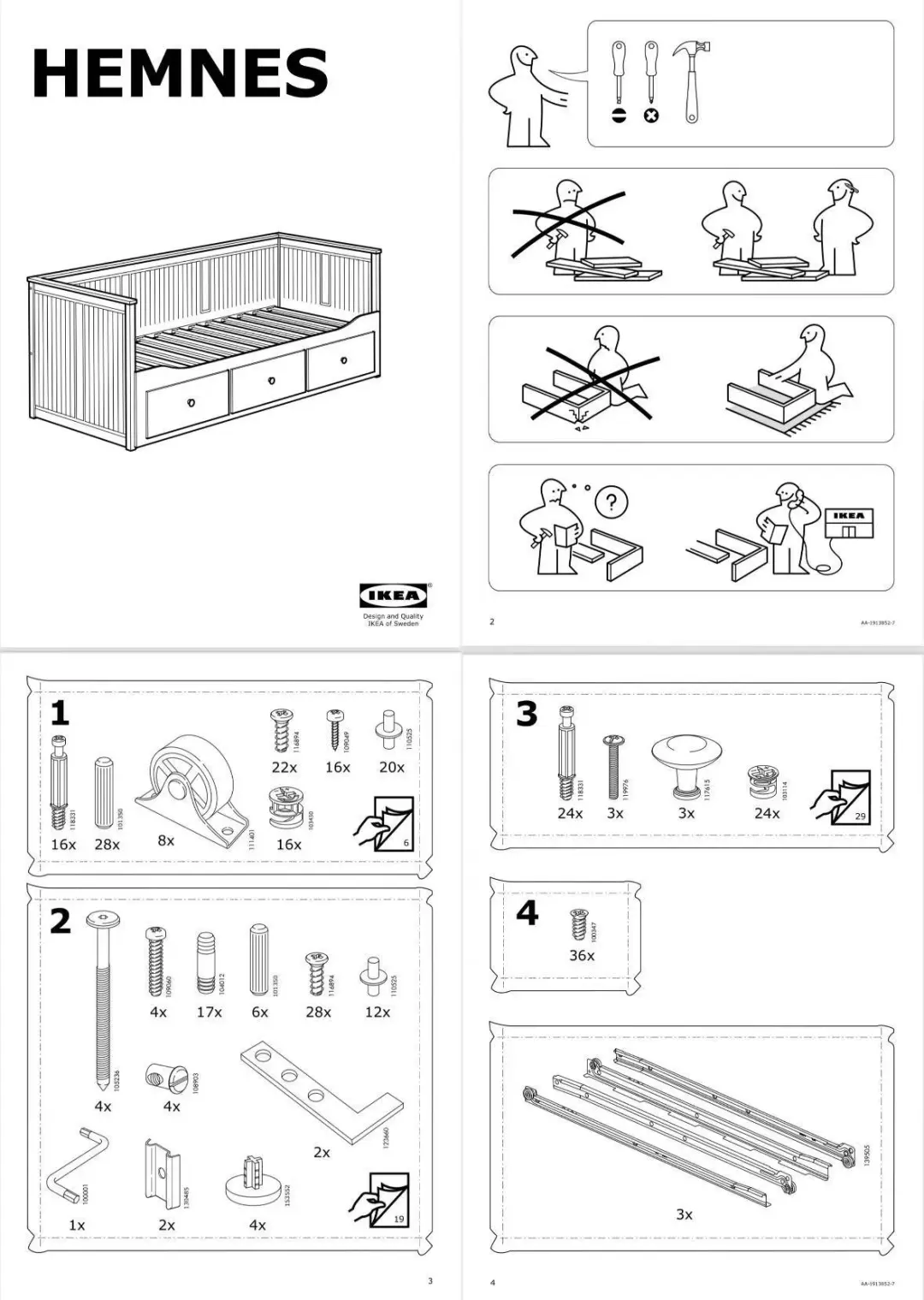
Some people like this very simple design and, of course, many people have the experience of not being able to understand it.
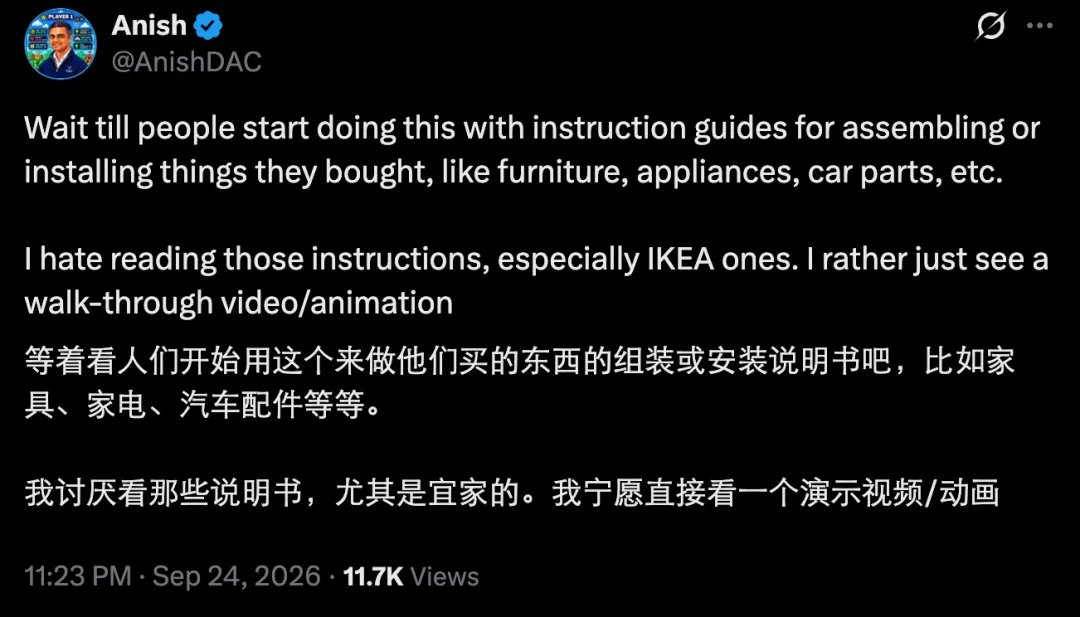
So someone came up with the idea of putting together an IKEA instruction manual and making it into a 3D audio tutorial video.
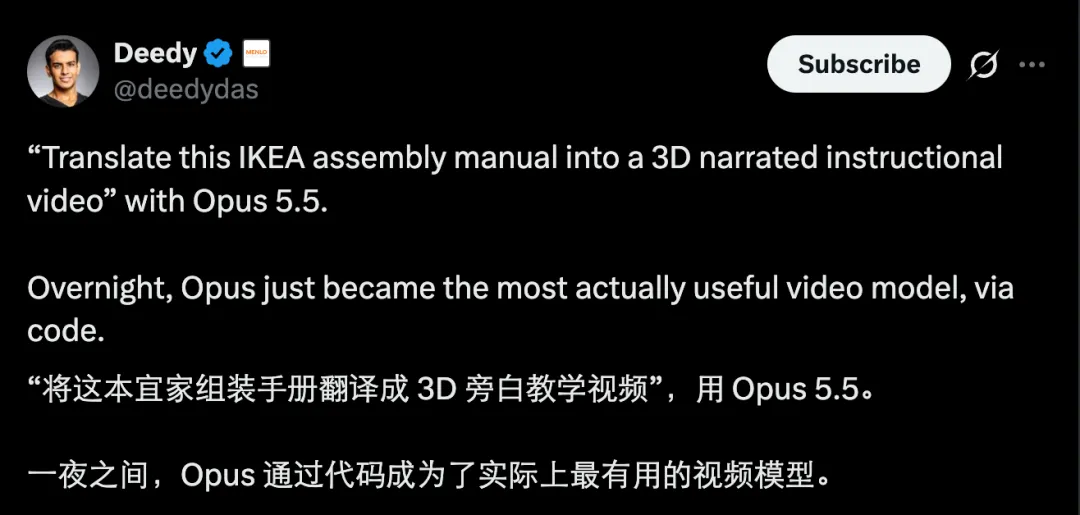
The two-dimensional steps, which were originally static, were reworked into 3D scenes. Where the parts are, how they move, and where the next step is to be installed, can be directly demonstrated using animation.
Video author and technology investor Deedy Das said with enthusiasm, "Opus became a very useful video model overnight through code".
Of course, strictly speaking, Opus 5.5 didn't suddenly learn to spew a video directly like a traditional video generation model.
The interesting thing is that it sees the instructions, writes its own code, paints scenes, controls the movement of objects, and then renders the end result into video.
The code starts to become an omnipotent middle layer, and the model is crazy about writing, but standing on the user's side, you don't have to look at the code.
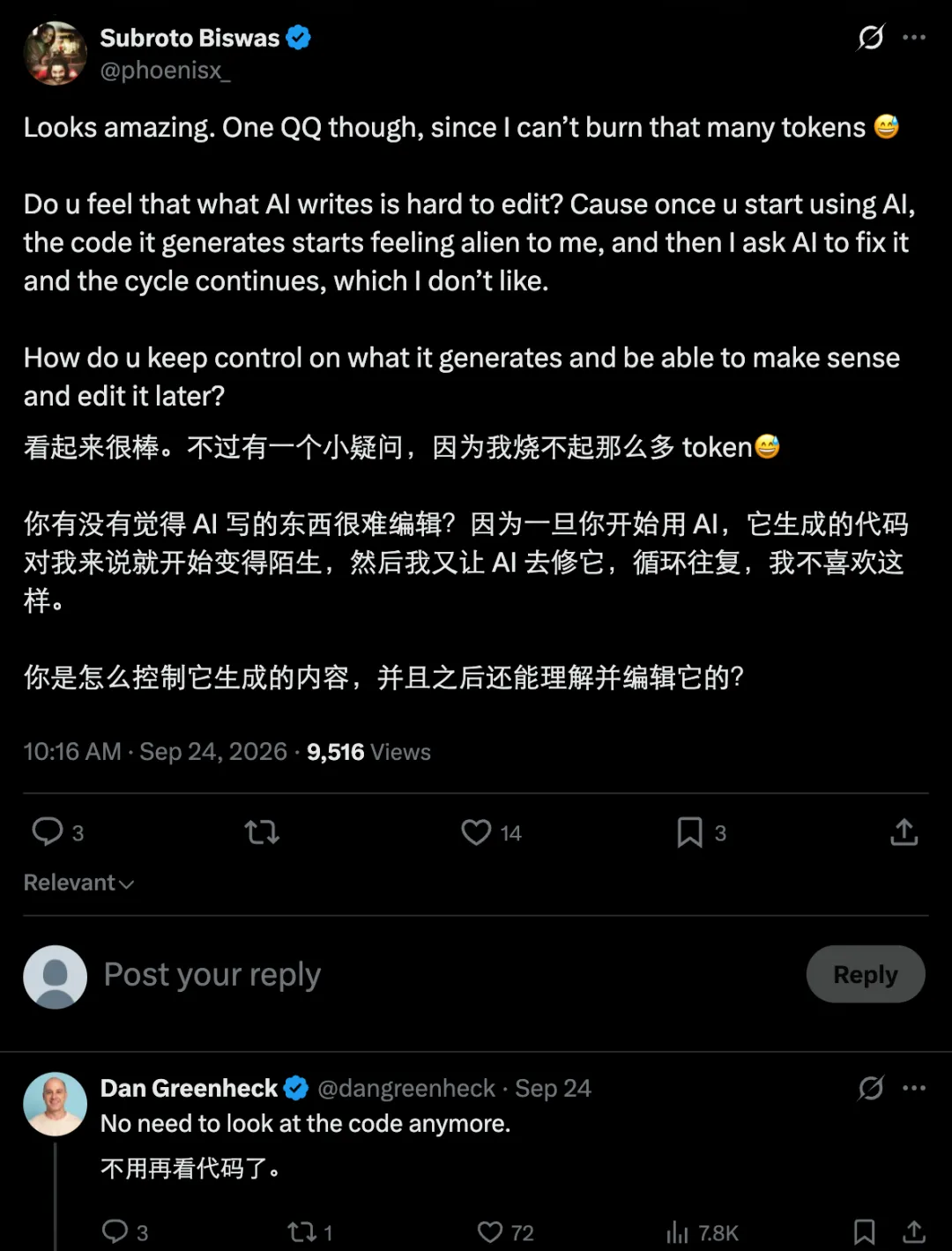
And the hard part is that someone else has put things in the game.
One of the netizens pulled the Opus 5.5, GPT-6 Astra and Fable 5.1 and gave them the task of re-creating the Celtic legend: the whistle of time.
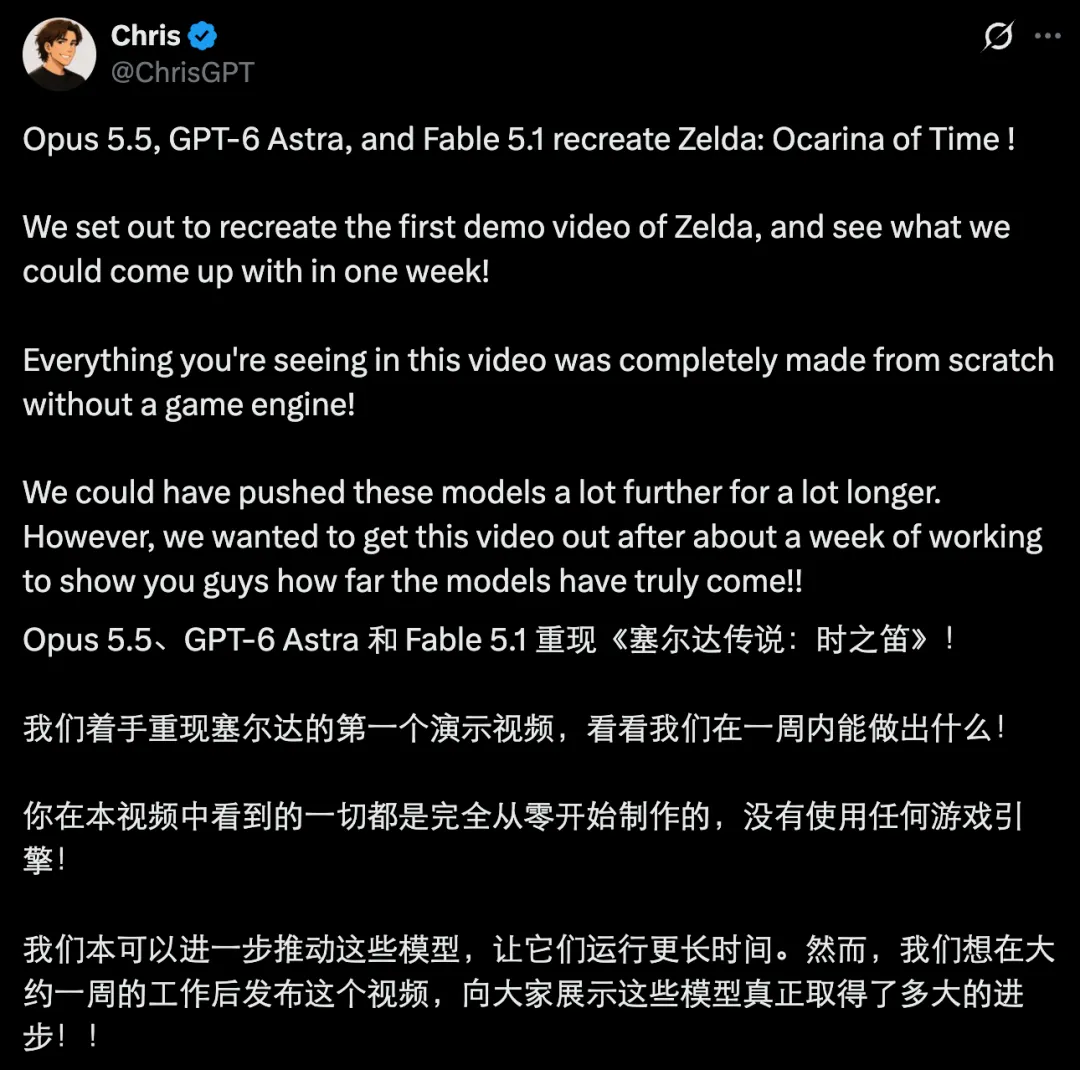
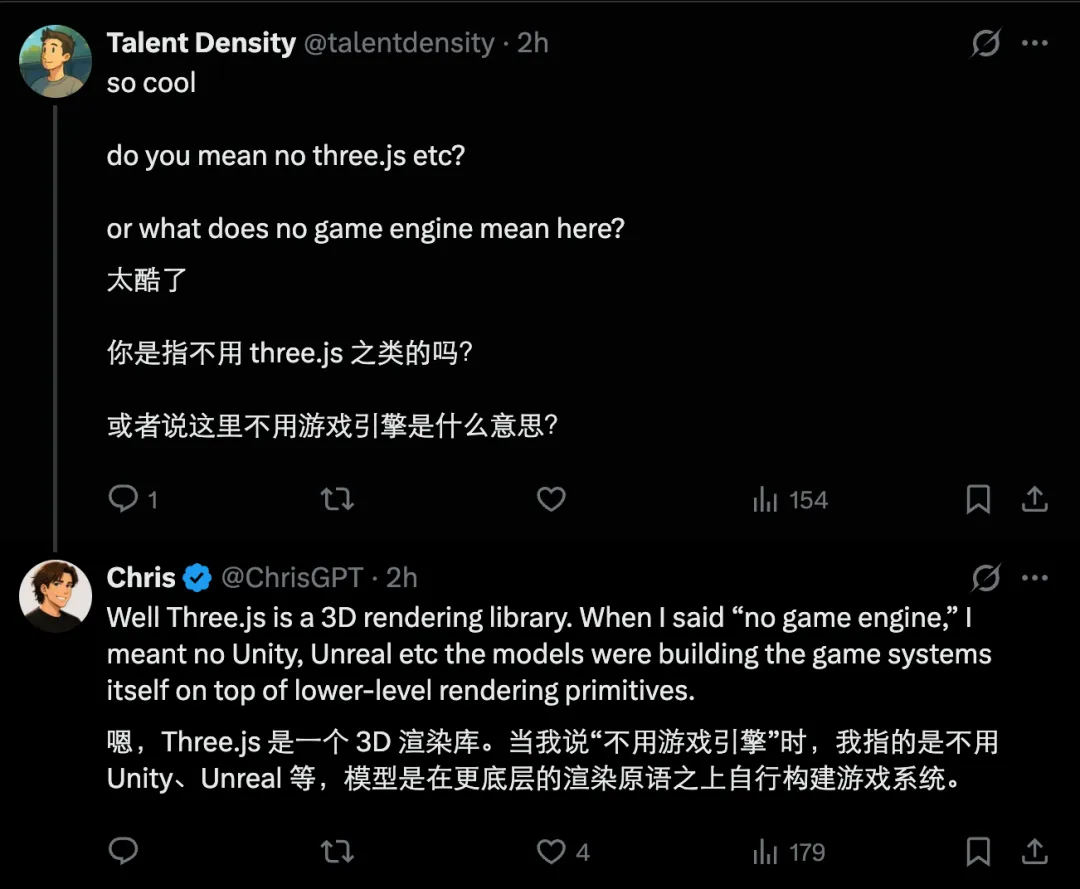
The team re-created the scene from scratch, following the game's initial presentation footage. They emphasized that instead of directly using the complete game engine, the models themselves built a large amount of game logic and visual content.
Of course, what's in the video is a long way from the full-fledged Phantom of the Opera, but the problem is that until recently, we've been testing whether AI can draw a bicycle mouse to understand the world. Now, a group of people have started taking a model that's just been released a few days ago and trying to make Lego, 3D tutorials, videos, even games. And it's not just because everyone suddenly gets particularly creative.

After the release of Opus 5.5, it took first place in the Code Arena: WebDev list, 60% less than the second best model, the GPT-6 Astra (Max).
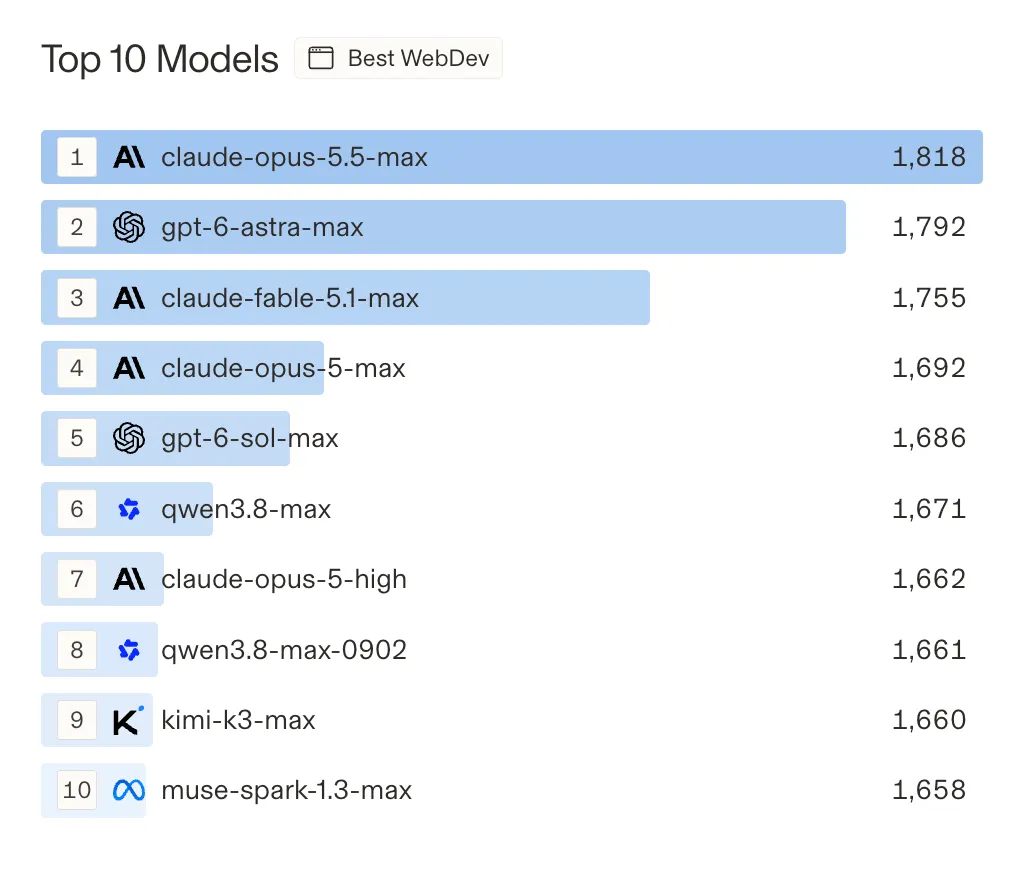

The list tells us that its coding and Agent capabilities are stronger. What the netizens have done in recent days gives a more specific answer: What will "write code" become when the coding model is strong enough?
At this point, the name "Vibe Coding" is even a bit narrower.
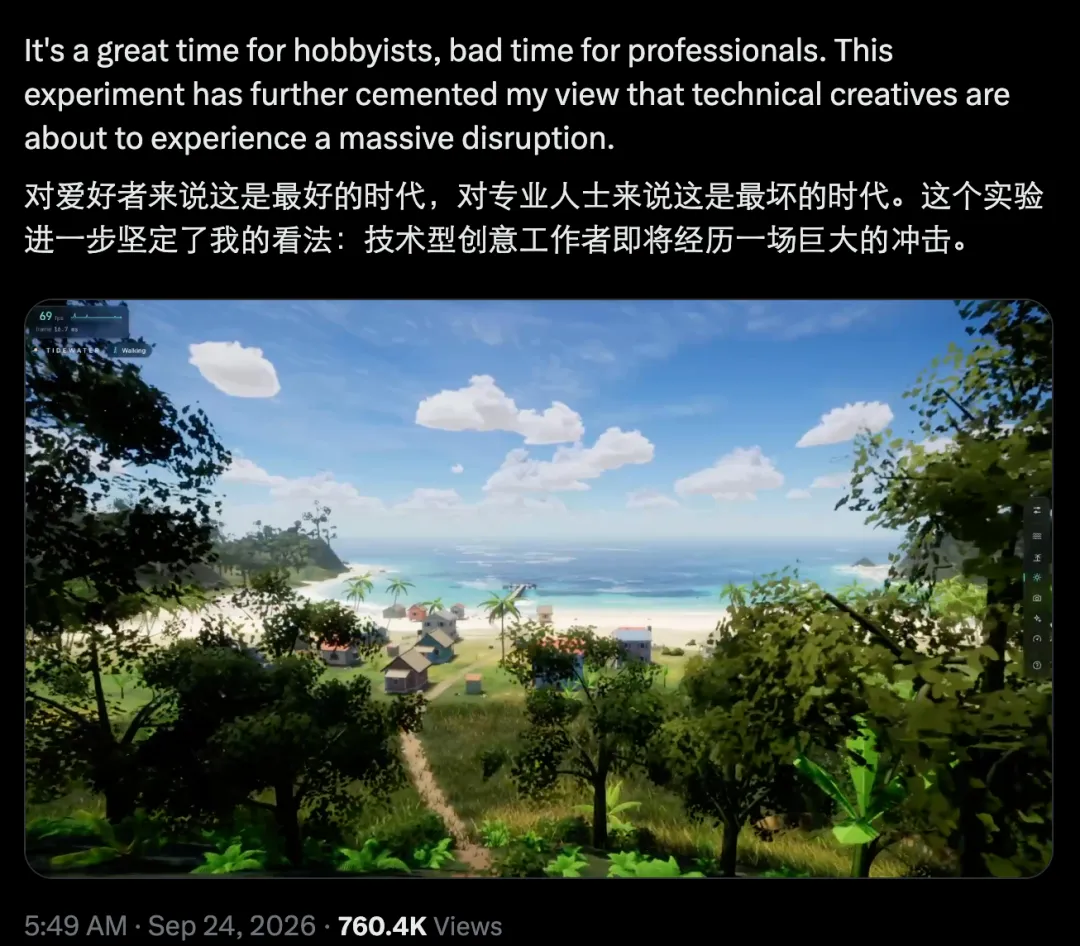
However, there are also some problematic netizens: Victor's 141-page Lego manual, which contains stills, no real locked-in connections. It looks like Opus 5.5 has been able to pack an idea very much like a complete work, but from "Looks like it can be done" to "Really can be done", there's a final gap in the middle.
If you have any other new games, please share them in the comments section.