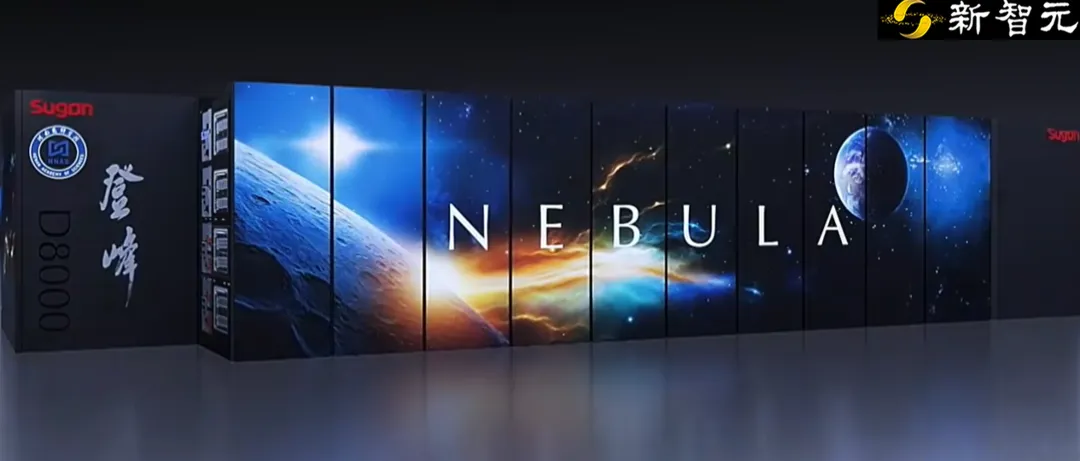
It's the first time in the history of the world.
In December 2022, the birth of ChatGPT in space ignited the furnace of the AI era, and it was discovered that machines seemed to actually possess intelligence.
"ChatGPT moments" became a synonym for smart start-ups.However, thisAlgorithmsA Chinese machine is missing.。
It's about 8,000.。
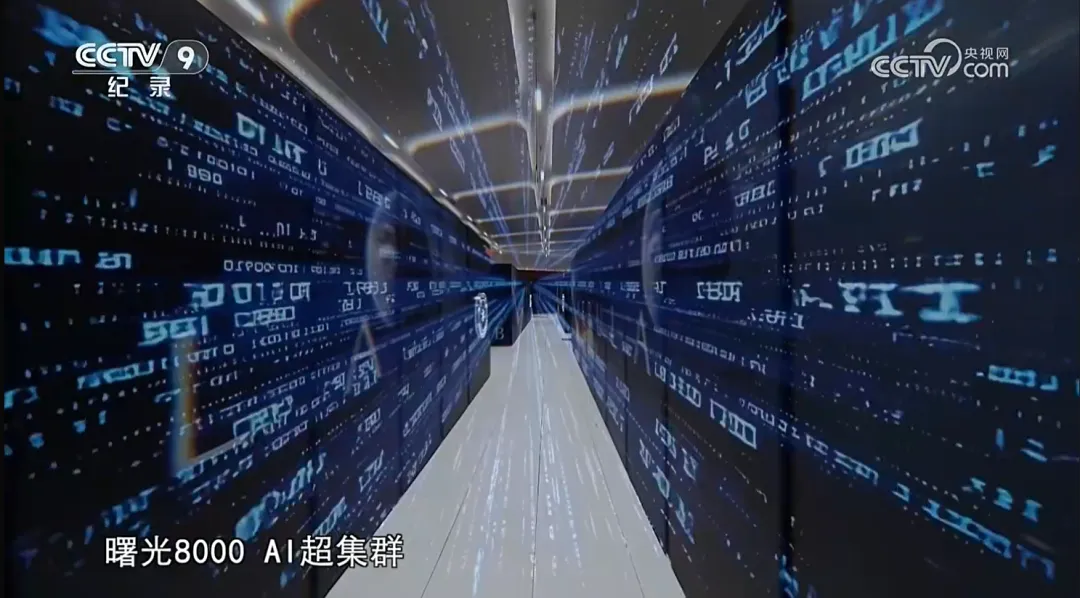
Recently, China's computing infrastructure has been at the forefront of a major documentary film called Super Engineering.
The documentary summarizes the entire process of the first nationwide production of 100,000 carats of AI supercluster L8000 from technical route selection, critical technology offensive to engineering delivery, scientific research applications.
At the end of 2021, at 8,000 light-years, AI is still in the "Small Model Era".
Limited to computing (GPUs are not yet widespread), data size and algorithm architecture, and model parameters are typically in the millions or even below.
They primarily perform differential tasks such as facial recognition, speech-awakening speech recognition, and are essentially incapable of generating and understanding complex semantics.
At the time, almost no one thought that the smart age would soon require a "super machine".
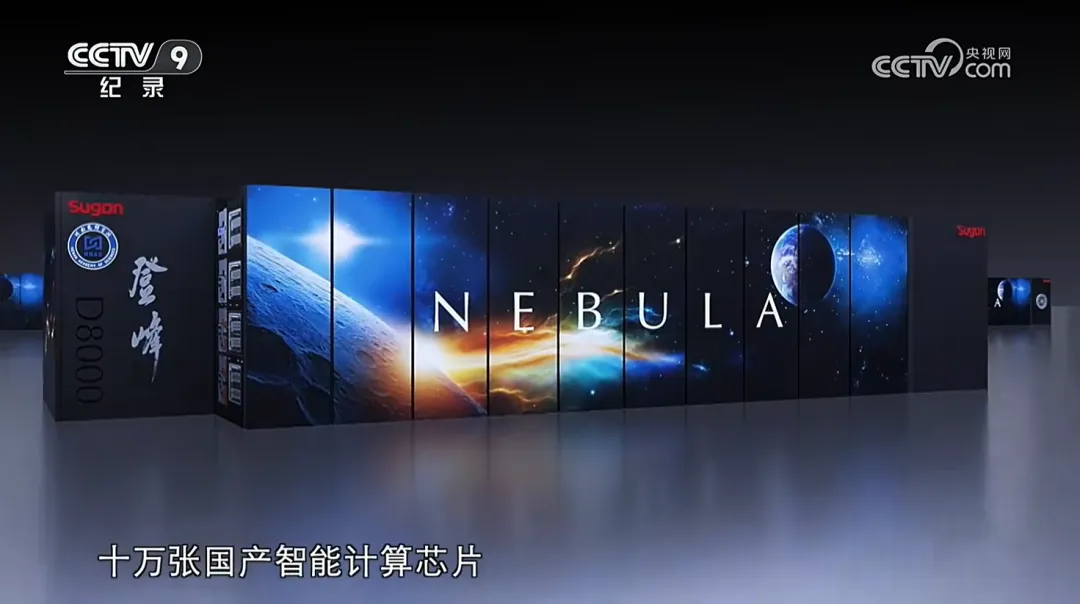
The decision was made by a team of ophthalmologists.It took five years to build a chip with 100,000 domestically produced smart computing chips capable of both high-precision scientific computing and training.AIA supergroup of big models of AI。
Two years later, smartwatches triggered by big models swept across the globe.
A road in a deserted area
It's about 8,000 light years.The first problem is not how to build it, but what kind of machine to build.。
The development cycle of superclusters is long, and when the project is scheduled, it seems that the actual construction will meet the needs of the technological environment and the market in a few years.
While the mainstream AI is still based on "small models" at the time of the Silicon 8000 formal proposals, traditional high-performance computing is best suited for high-precision computing by relying on mathematical models, while intelligent computing pursues low-precision computing for higher data throughput. The two routes originally had their own systems, and hybrid computing often meant cross-platform scheduling and frequent data transfer.
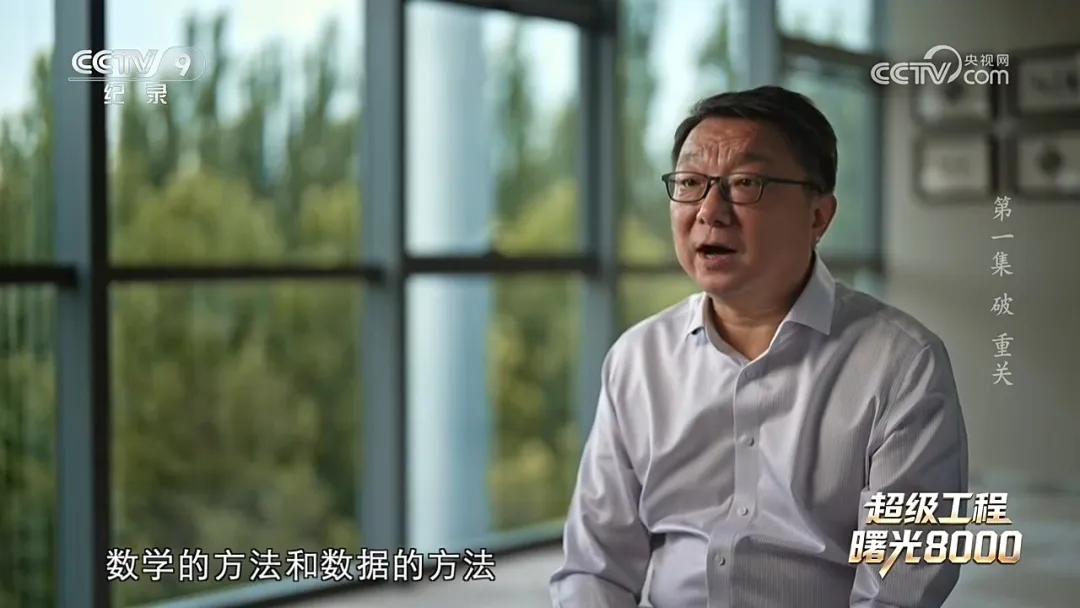
At the time, the president of China's Photonics Institute predicted that when machines were built, "mathematical methods and methods of data were equally important", meaning that they were both accurate and fast.As a result, CIC has proposed a superintelligence fusion route that allows high-precision scientific computing and low-precision intelligence computing to run in the same set of systems.It covers a wide range of computational accuracy from FP64 to INT8.
This is not an easy decision.
Because once the direction is determined, it is difficult to change the technical route in the middle. The team took at least a year to communicate repeatedly with industry experts, scientists and industry partners, and ultimately superintelligent integration of this technological route was determined.
But soon, this judgment, which needs to be interpreted repeatedly, began to show its unique strategic value.
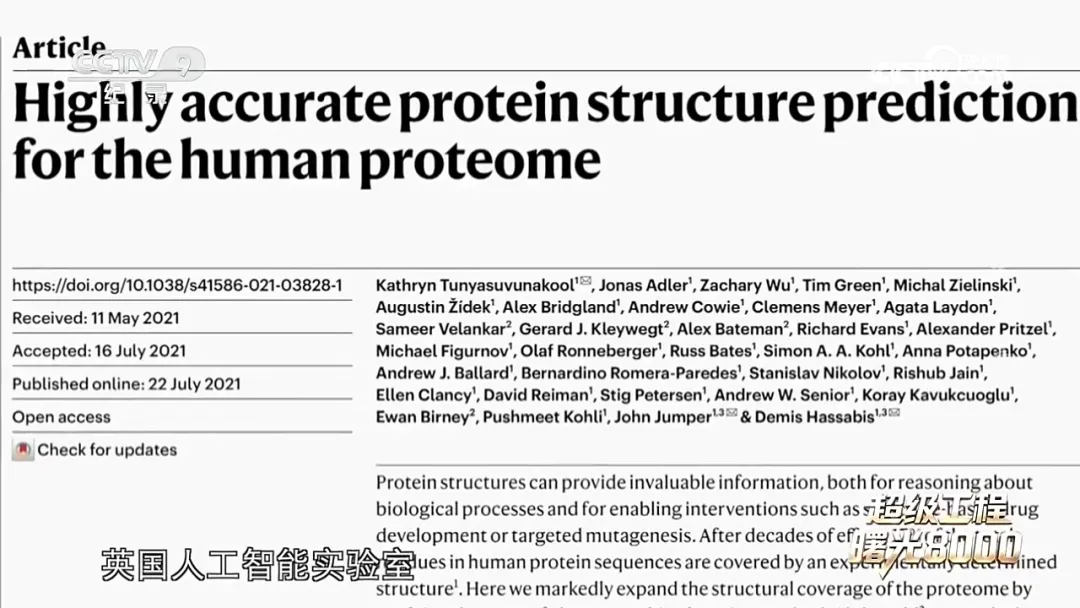
In 2021, a landmark paper on solving the protein folding problem appeared on Nature's Watch; shortly thereafter, ChatGPT was officially released and shocked the world. It became clear for the first time that the support for this intelligent revolution was no longer a conventional mathematical proposition, but a whole new method of intelligent computation introduced by supercomputing.
Today, as more complex applications such as world models, physical AI, multi-models, and AI for Science are becoming a trend, the future of computational standards is precisely that "calculate accurately" and "calculate quickly" and that "calculate quickly" requires low-precision computational throughput, and that scientific verification and simulation of the physical world are inseparable from high-precision computing reliability.
With the precise "bet" of the ultra-intelligent fusion route, Fluorescent 8000 puts the full-precision calculations from FP64 to INT8 into the same set of systems.A machine that can both simulate climate change, explore life's codes, and train big models.。
After a hundred thousand cards, each player must pass by himself.
The right path is just the beginning. To turn the superintelligence fusion on the map into a machine that can run steadily, the team faces a whole set of post-amplification challenges.
The difficulty of the process is that it spans more than 60 sub-disciplines, more than 800 industrial processes, and hundreds of millions of process control parameters.
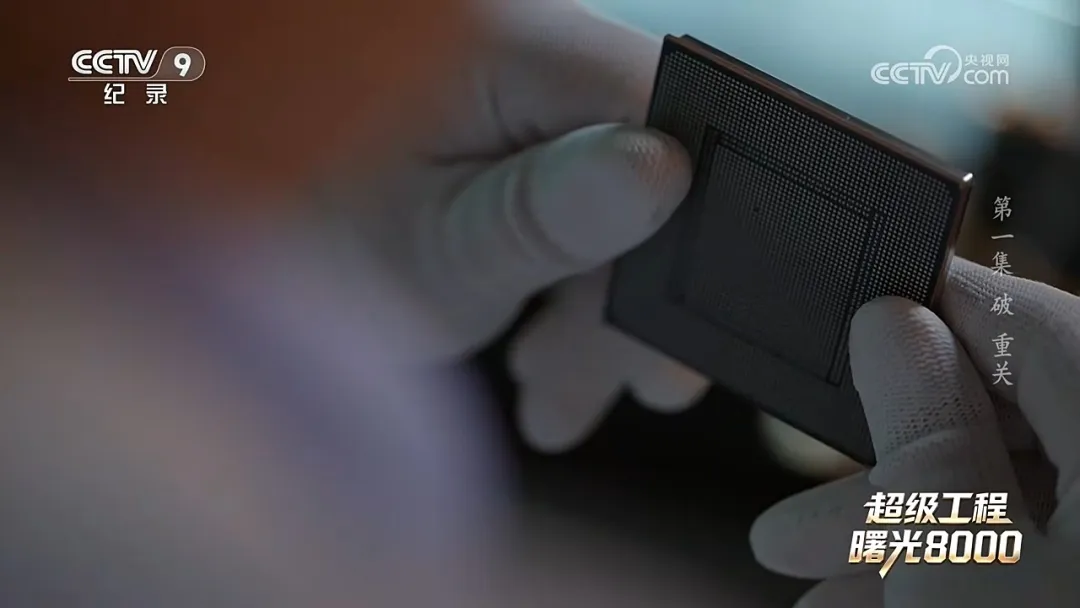
Network transmissions between nodes should reach 800G per second and data read-write time should be compressed to 0.202 milliseconds.With 100,000 chips running at an hour's output of heat, this is about the equivalent of 12 tons of standard coal combustion.Computing, networking, storage, power supply, heat dissipation, anything that doesn't work, the whole machine will be waiting.
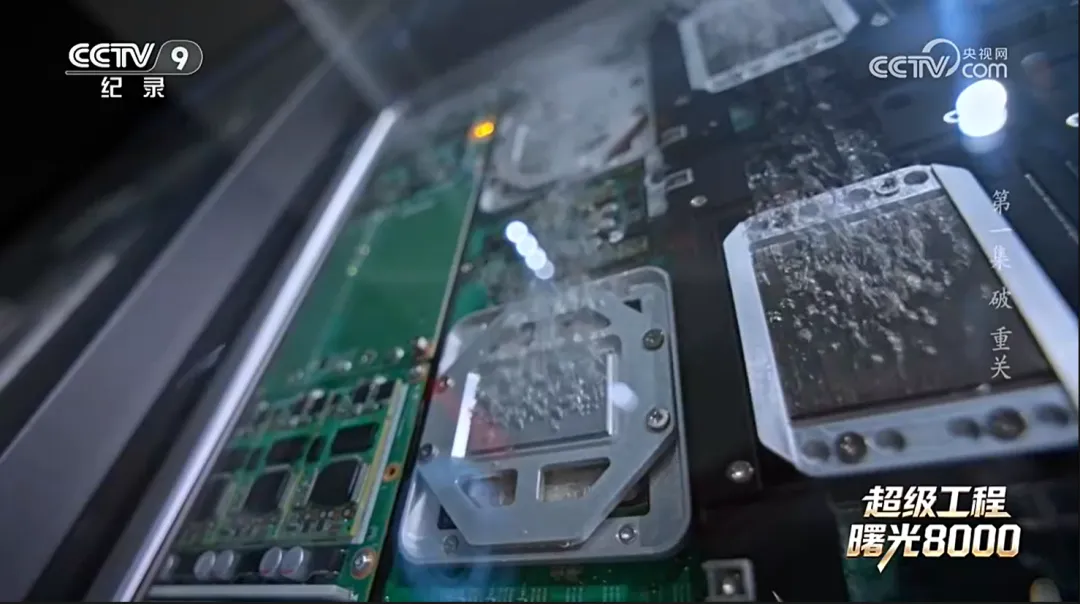
What is even more troubling is that there are some key issues that have not been answered at home.
For the high-speed connectivity of the eight intelligent chips, the system needs an exchange chip capable of efficiently gathering and scheduling data.At the time, there was a gap in the country in this area.If you don't do it, the whole self-development will be stuck in the most central data exchange.
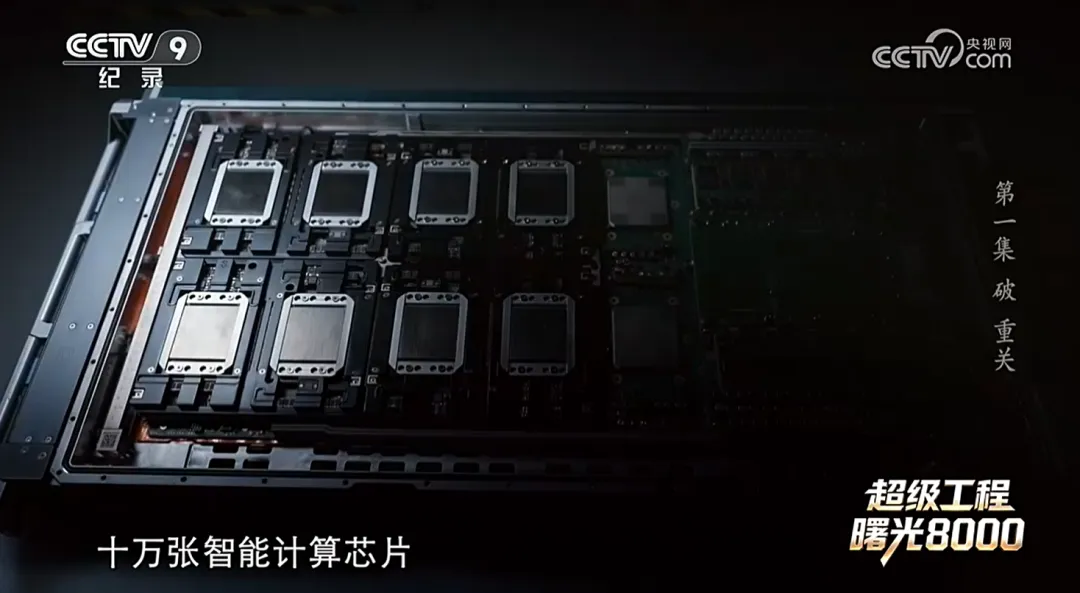
The team can only move forward and dismantle everything from chips, computing systems, storage, high-speed networks, to liquid coolant heat, adding each weak link one by one.
The larger the scale, the smaller the probability of failures, the more common it will be.An autonomous "smart switch" is designed in the switching chip, so that once the link fails, the signal can be switched to a backup path in milliseconds without having to wait for central regulation.The storage and heat dissipation teams are also solving their own limit problems at the same time.
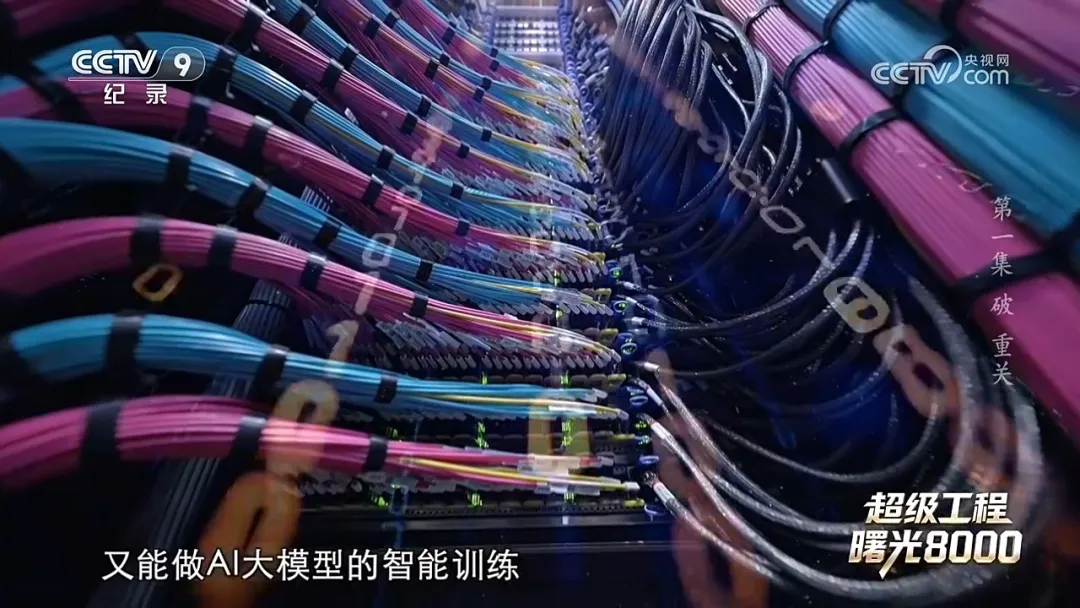
In the end, the whole system covers the entire chain of "chips, computing, storage, networking, heat dissipation, applications, services".Major core technologies have been fully nationalised。
More than 80 sets of high-density cabinets, 100,000 smart computing chips and more than 10,000 computing nodes, but the real difficulty lies behind the numbers:
One second of design computation is equivalent to 200 years of continuous computation by 8 billion people around the world day and night.A system that is so large that it needs to remain stable for a long time to run. This cannot be expected from a single technology, and the entire system must have no obvious shortcuts.
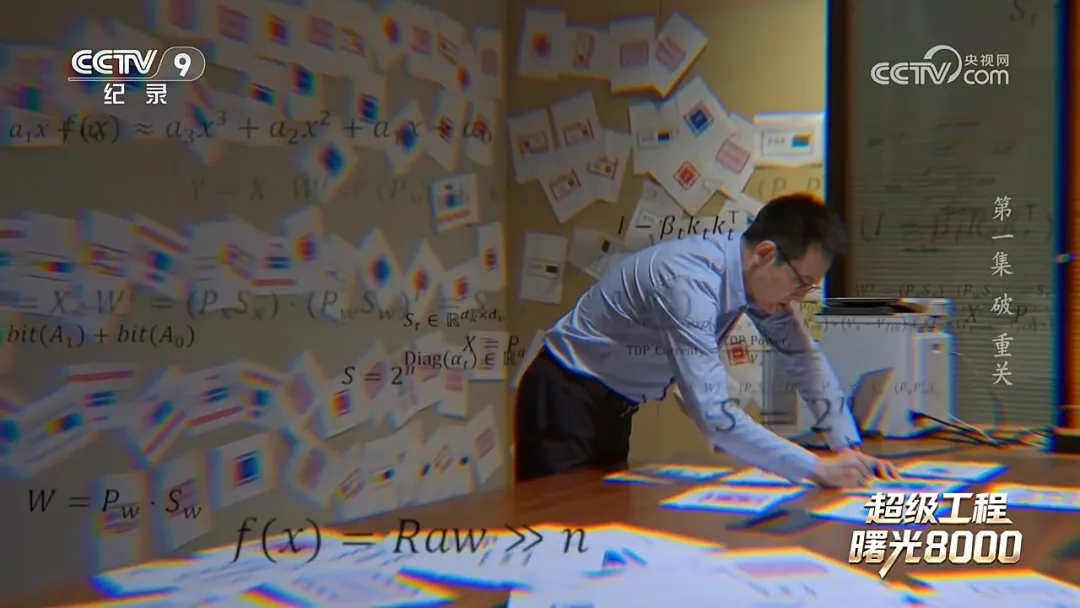
A breath of silence for thirty yearsBehind the huge engineering roster of Silicon 8000 stands a team that has been doing high-performance computing for over thirty years.
In the 1980s,Supercomputers had to be rented and operated under strict supervision.It was an unforgettable experience for the founder of nanotechnology, Lee Kuan Yew and his colleagues.
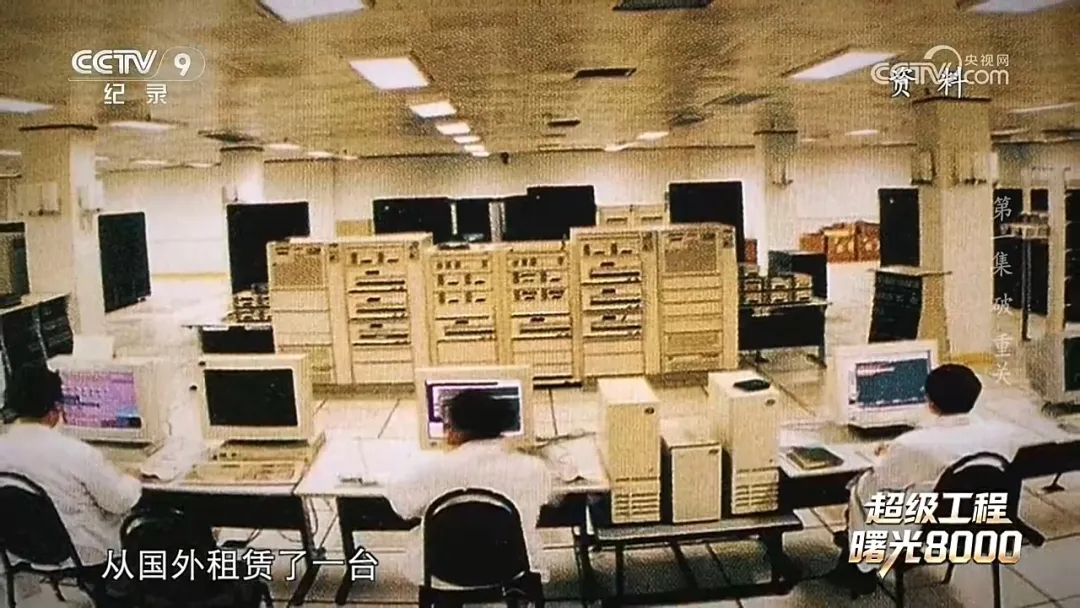
In 1991, he led the team to begin the development of Fluorescent No. 1. Before leaving, several young people wrote seven words on a blackboard in the Research Center building:"There are many twists and turns in life".。
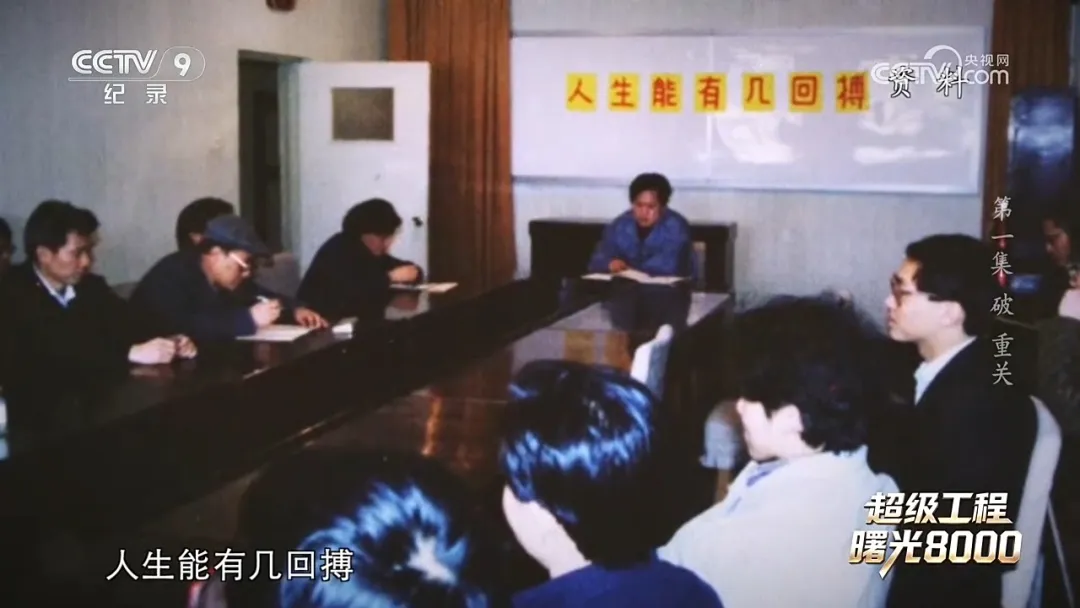
In less than two years, the successful development of Fluorescent I, with a peak operating speed of 640 million times per second, changed the situation of high-performance computing restrictions in the country at the time.
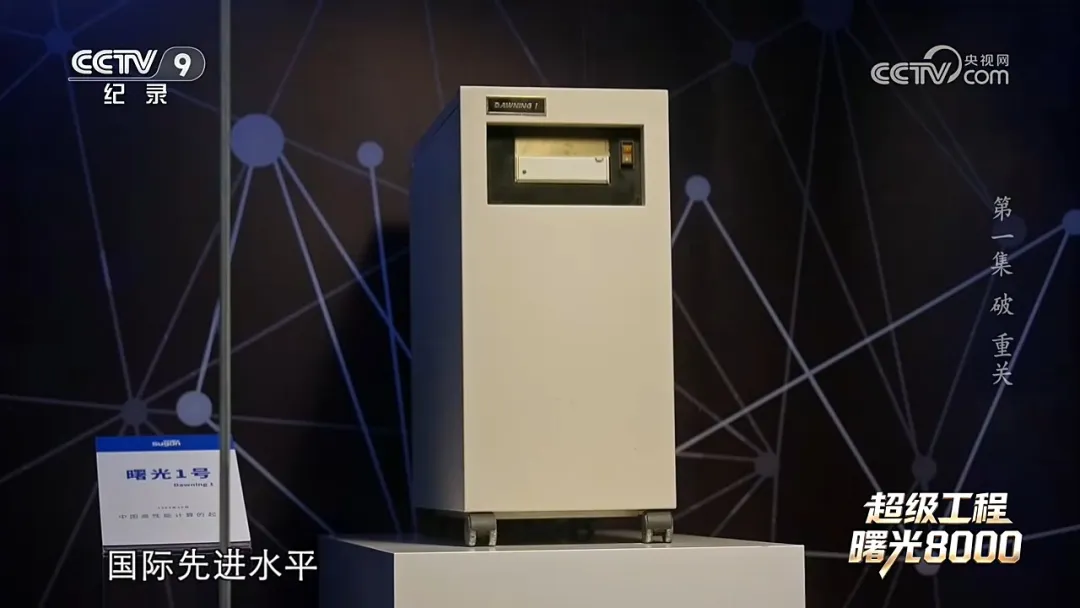
More than thirty years later, it would take a day's worth of calculations for a normal mobile phone to run in less than a second. However, the day-to-day life of R&D personnel has not become easy.
The current chairman of the Department of Biomedical Engineering, Prof. Dr. Kaling-jun, describes his work over the years: "Every day we keep track of progress, no matter what goes wrong, it's almost a generation".Start a little later and try to run a little faster.It's been 30 years, and it's passed down from generation to generation.
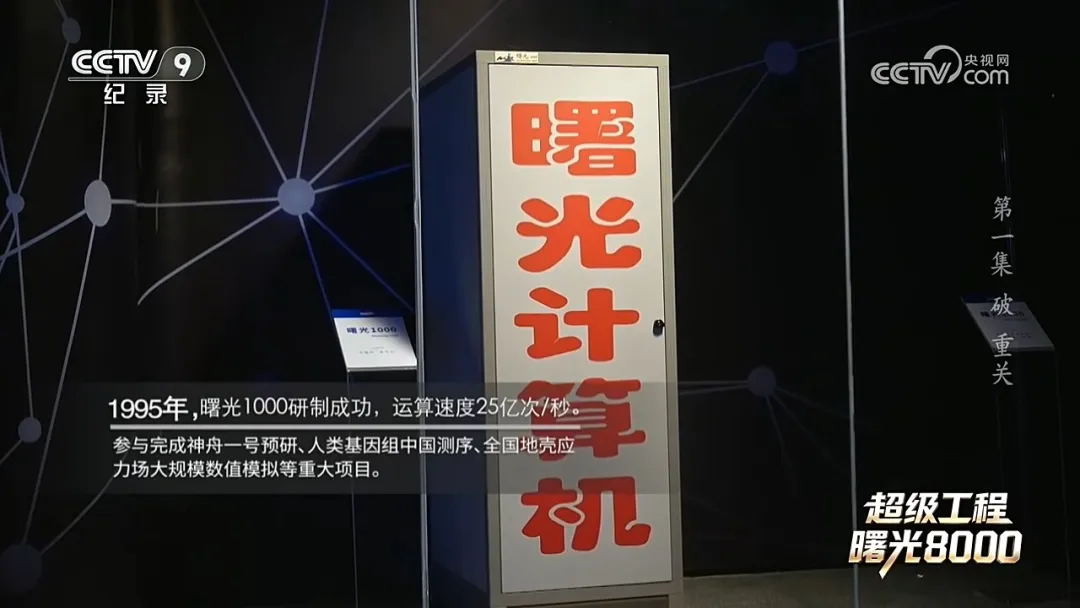
By 8000, these accumulations were mobilized at once. The super-intelligent fusion routes required architectural research and development, networking, storage and heat dissipation collaboration on a 100,000-capacity scale.LandingOperations also require construction, power supply, installation and interconnected test teams to be equipped. Thousands of people, thousands of days and nights, finally gathered together for a complete test.
When Fluorescent 8000 reaches its expected peak, it is not just a new machine, but also more than thirty years of technology, experience and talent centralized verification.
"Good steel is used as a knife to really solve some of the most pressing problems in the country.It's a good steel."That's what I'm talking about.
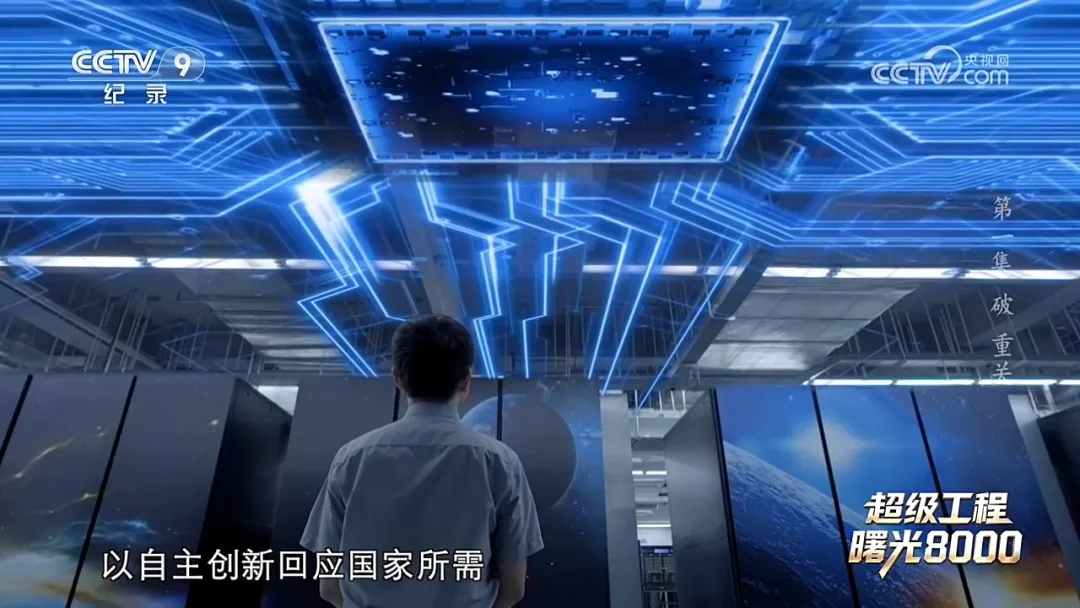
Compared to the supercluster itself, the selection made by the X-ray team in advance, and the accumulation of thirty years of selecting one inch of land, are the hardest parts of the project to replicate.
So there's no such thing as "the AI era has been won".With every leap in Chinese technology, the answer lies in a generation of tech workers using their youth to make choices and stick to them.。
There's more to the story of the Photon 8000 than that. From the technological offensive to the landing of the machine, to the moment it truly serves scientific research, more answers are slowly unfolding in the next chapter of the documentary.
RoboInd editorial channelResearch, robotics companies and market intelligence for cross-border sourcing.Explore the channel ↗
Share this
End of editorialExplore more from Global Robotics News ↗