“ Tencent doesn't build robots, so why mass-produce robotic startups?
On June 3, 2026, Shenzhen announced the completion of its Series B round of financing, totaling over 1 billion yuan in three months, with a valuation of over 10 billion yuan.
He is not the only one. Three years ago, at the end of 2022, Jay-Z left Tencent to found StarDust Intelligent, where he is a co-founder; in 2023, Chen Chang-Hun founded AI Intelligent, which builds a physical data base; in September 2024, the head of the control center, Liu Liu, resigned as vice-president of the Yubi Selection Research Institute and became a humanoid robot scientist; in December of the same year, the head of the Intelligent Design Project, Liu Xiaoping, became the founding founder of Intelligent Design; in May 2025, Zhu Jingqiang and Liu launched Intelligent Design; at the end of July, the head of Intelligent Design, Liu Xiaoping, resigned as the chief scientist of the Intelligent Design Machine; in January 2026, Intelligent Design separated its operations independently, and Robotics participated in the creation of the XTO team led by XTO from 0 to 1 bear.
An explicitly declared non-hardware, non-mass production, non-commercialization laboratory is known outside as the "Humpback Military School", a robotics startup.
01.
Why not mass-produce, why not commercialize, why not keep people?
Robotics X was founded in March 2018 and is affiliated with TEG, along with AI Lab. The laboratory was co-founded by Liu Xiaobo, who returned from the Microsoft Research Institute as director of the team from 0 to 1. There are no commercialized KPI, hardware procurement and computing are unlimited, and R&D positions are generally higher than other business linear control algorithm experts.
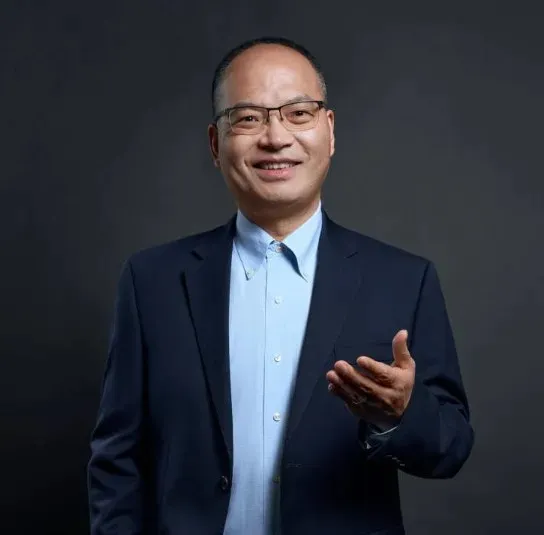
By the second half of 2020, the more than two-year-old laboratory had not yet come up with a complete product like the image, and researchers began to worry. In November of that year, about 40 R&D workers closed their doors for three days in a holiday hotel next to the Tencent Yangtze dam, with no leadership attending, secretaries not recording, and finally relying on anonymous voting to narrow the direction down to three main lines: mobility, operation, intelligent decision-making.

Prior to this meeting, the laboratory had delivered a balancing bicycle (December 2019) and a four-legged machine dog (Jamoca) that can walk on Mayflower (November 2020).
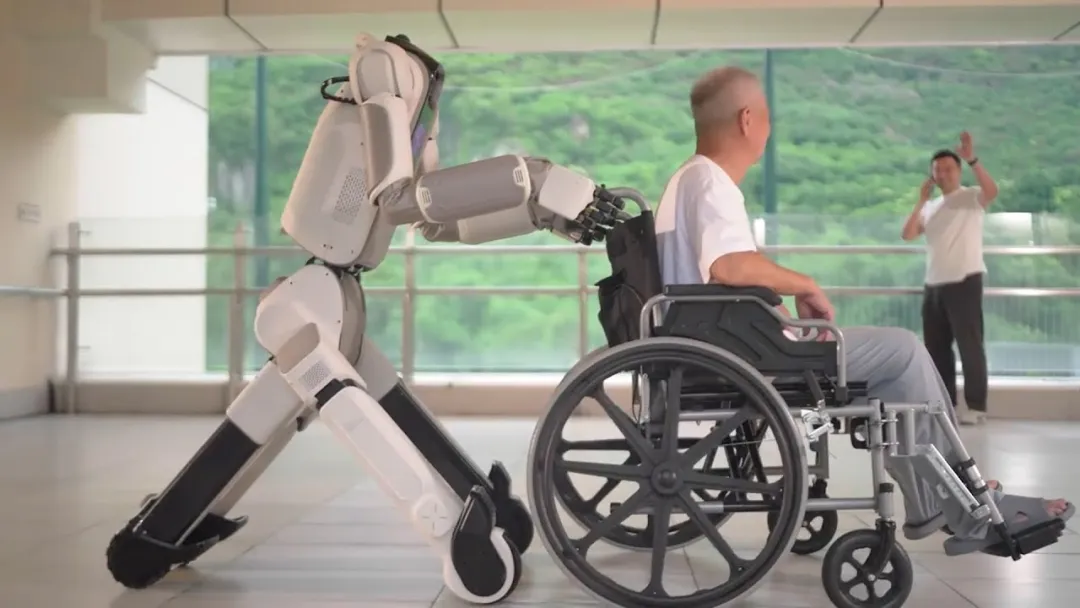
After the meeting, the results began to appear systematically: Ollie, four-legged machine dog Max, two-armed cocktail robot, in 2023 the self-developed TRX-Hand and machine arm TRX-Arm, in September 2024, the human-environmental robot "Little Five" was launched. According to the judgement of former members of the laboratory, Robotics X began layout from 2020, two to three years earlier than most domestic teams.
But as the results change, people are also going out.
Reefnet's reports at the time gave two reasons: first, that Tencent's robotics research did not pursue commercialization or mass production, and that the technology in the hands of researchers could not find a way to land; and second, that after Tesla showed Optimus at AI Day in 2022, human robots became the mainstream trend, and that the industry's scale shifted from the number of papers to the ability to deliver, while humans were not the focus of Robotics X.
The result of the two overlays was that the laboratory gave these people solid technical training, but did not give them the means to turn technology into a product. Those who wanted to complete the entire chain from research to mass production could only complete the second half themselves.
02.
Why are you still doing the same thing?
From this list, most people who go out do what they are responsible for in the lab.
He joined Robotics X in 2018 from the Baidu-sized robotics team, in charge of embedded and software direction, while also overseeing two integrated projects for self-balancing wheeled robots and wheeled robots; Daegu is a UIUC undergraduate, UCLA doctor, who joined the same year as a senior researcher at Tencent.
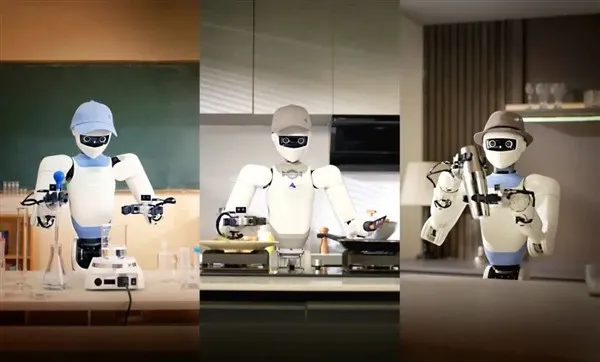
At the beginning, they did not follow the trend of the two-legged humanoid. The first product Astribot S1 used a wheelchair-like rope drive system that mimicked the upper half of the human body, which was not mainstream at the time. But the route ran out: at the end of 2025, the rope-driven robot from Star Dust completed the 1000-degree delivery. On May 27, 2026, the company released the new generation of rope-driven robot T1, which sold for 899 million yuan. The entire machine is 1.55 meters tall, weighs about 66 kilograms, 23 degrees of freedom (not including the end), with a single-arm load of 5 kilograms.
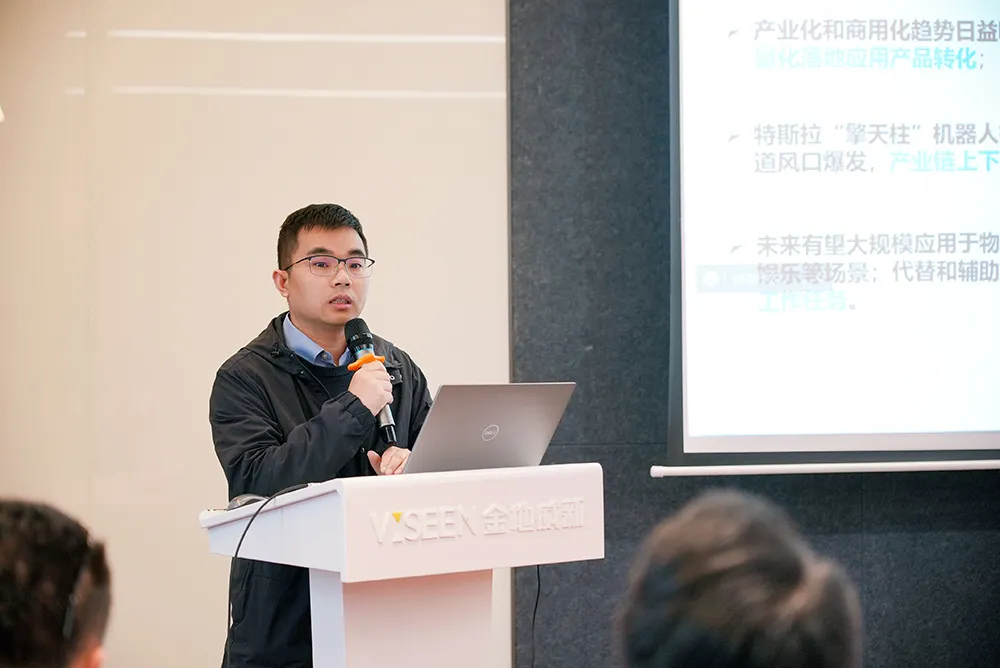
Another system center Tech Lead, Liang Shuihui, is also in the overall direction. After leaving the lab in 2022, he first went to Daejeon robots, and later founded the Chico-Ship robot, which is a family-oriented intelligent robot product.
The hands were divided into two rounds, and both are currently at the forefront of the hands-on race track.
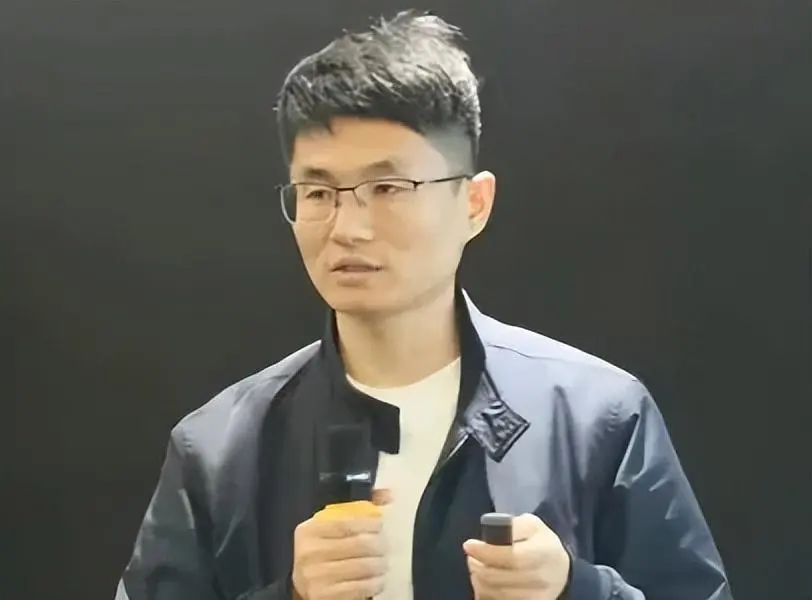
In December 2024, he founded Intelligent Source in Shenzhen, where he co-founded and co-founded Intelligent Source in Shenzhen, where he co-founded and co-founded Intelligent Source in Shenzhen, where he co-founded and co-founded Intelligent Source in Shenzhen, where he co-founded and co-founded Intelligent Source in Shenzhen, where he co-founded and co-founded Intelligent Source in Shenzhen, where he co-founded and co-founded Intelligent Sensing Systems in Shenzhen.
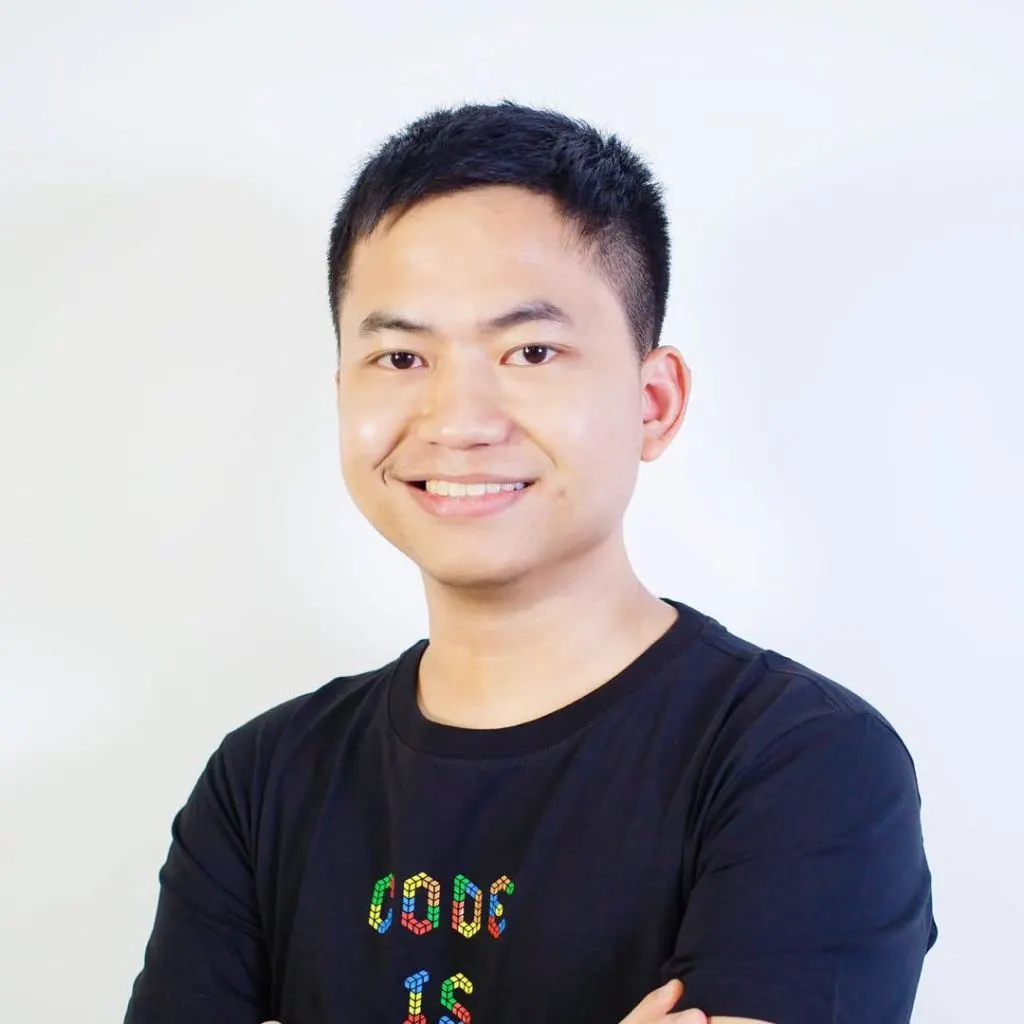
In 2018, he graduated from the Hong Kong University of Technology's Robotics Institute with a master's degree, participating in the creation of Robotics X from 0 to 1; after leaving in 2022, he joined IDEA's Weiwei Institute of Technology; in November 2024, he joined Chiyo Robotics, working full-time in the hands-on business; in January 2026, the business was spun off independently and he became CTO.
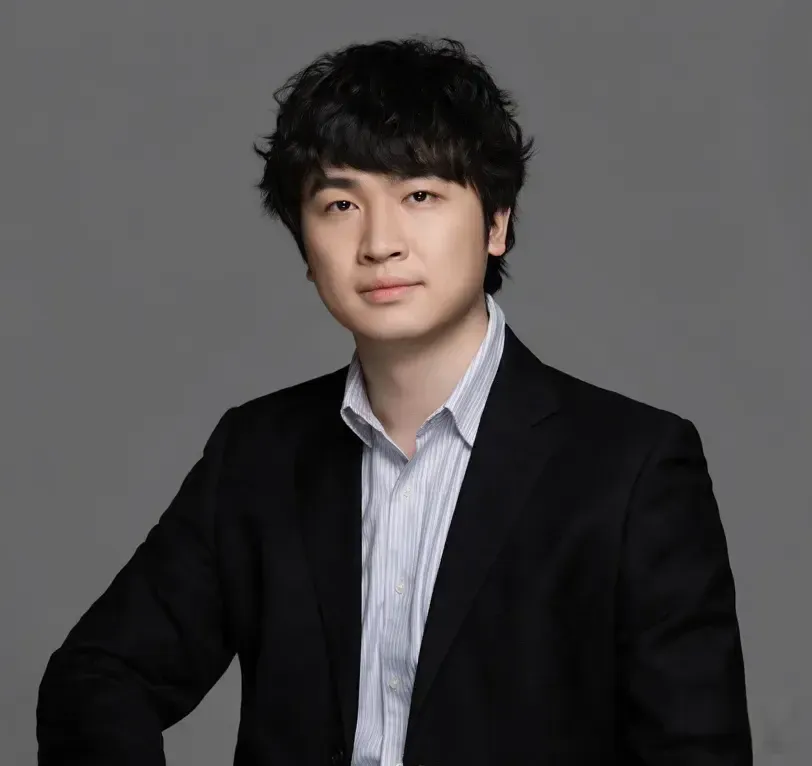
He is a PhD student at the JSK Lab at the University of Tokyo, where he won the ICRA best paper award twice, in 2018 he joined the newly established Robotics X and later became the head of the Tencent quadruped robot project. At the end of 2021, he left Tencent to head the Intelligent Mechanical Arm Center at the small automotive ecological enterprise, after which he founded AI Europe. AI Europe sells tools for remote operation of data collection system TeleXperience, human data collection system SenseXperience, data management platform EmbodiFlow. Related data shows that this set of products has been accumulated for more than 80 robots, serving more than 150 robotic corporations, model companies and industrial customers worldwide; in August 2026, he completed the acquisition of US$26 billion in joint venture financing, venture capital, and venture capital investments.
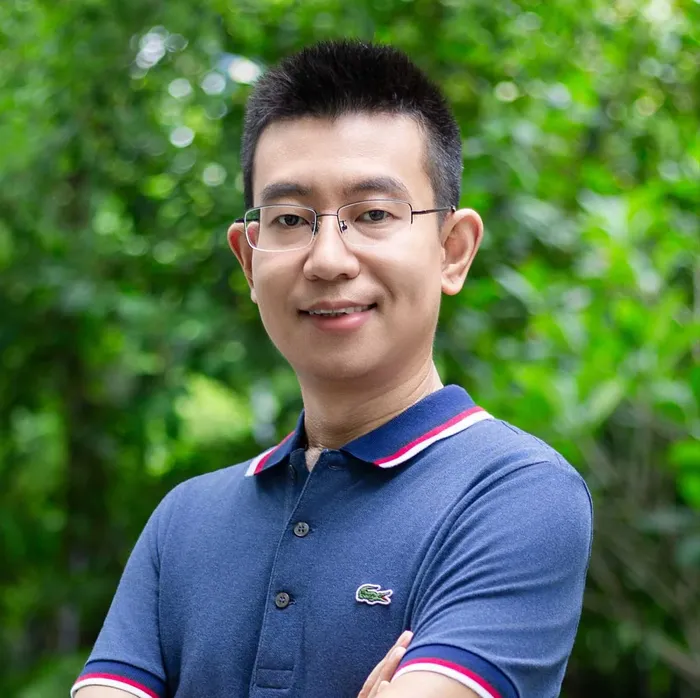
He holds a dual doctorate from Beijing University and Japan's Kyushu University. In 2017, he joined Tencent, and in 2018, he led the creation of an intelligent body center for long-term multi-intelligence reinforcement studies. He published more than 60 peer-reviewed papers and over 30 patents. After leaving office at the end of July 2025, he joined Nanotechnology as co-founder and chief scientist.

He joined Robotics X in 2025 after graduating from the Swiss Federal Technical and Industrial University of Zurich's joint training program in 2021 and left in 2025 to create the Spirit of Everything. His direction was to use pre-training models and reinforcement learning to control robots, and related results appeared on the cover of the July 2024 issue of Nature. As the first author, another paper was nominated for the best paper in SIGGRAPH Asia.
So the company abandoned the widely used remote-operation program in the industry, switched to optical power capture and UMI data collection, and adopted a sub-layered architecture: the brain in charge of the interaction library, the brain in charge of task planning and generalization. Another co-founder, Zhou Liu, has long done quadriplegic control and hamstring balance, and her control algorithm was used on Max Ollie and Little Five, supplementing this layer of the brain. The company was founded in Shenzhen in May 2025, and completed three rounds of financing in four months.
03.
Did the person who left have anything to do with Tencent?
Among these people, only a fraction of the people who started the company themselves. Yuan went to Yubi and was elected vice-president of the institute and a humanoid robot scientist, reporting directly to the founder Zhou Sheng, which is the standard mature corporate executive position.
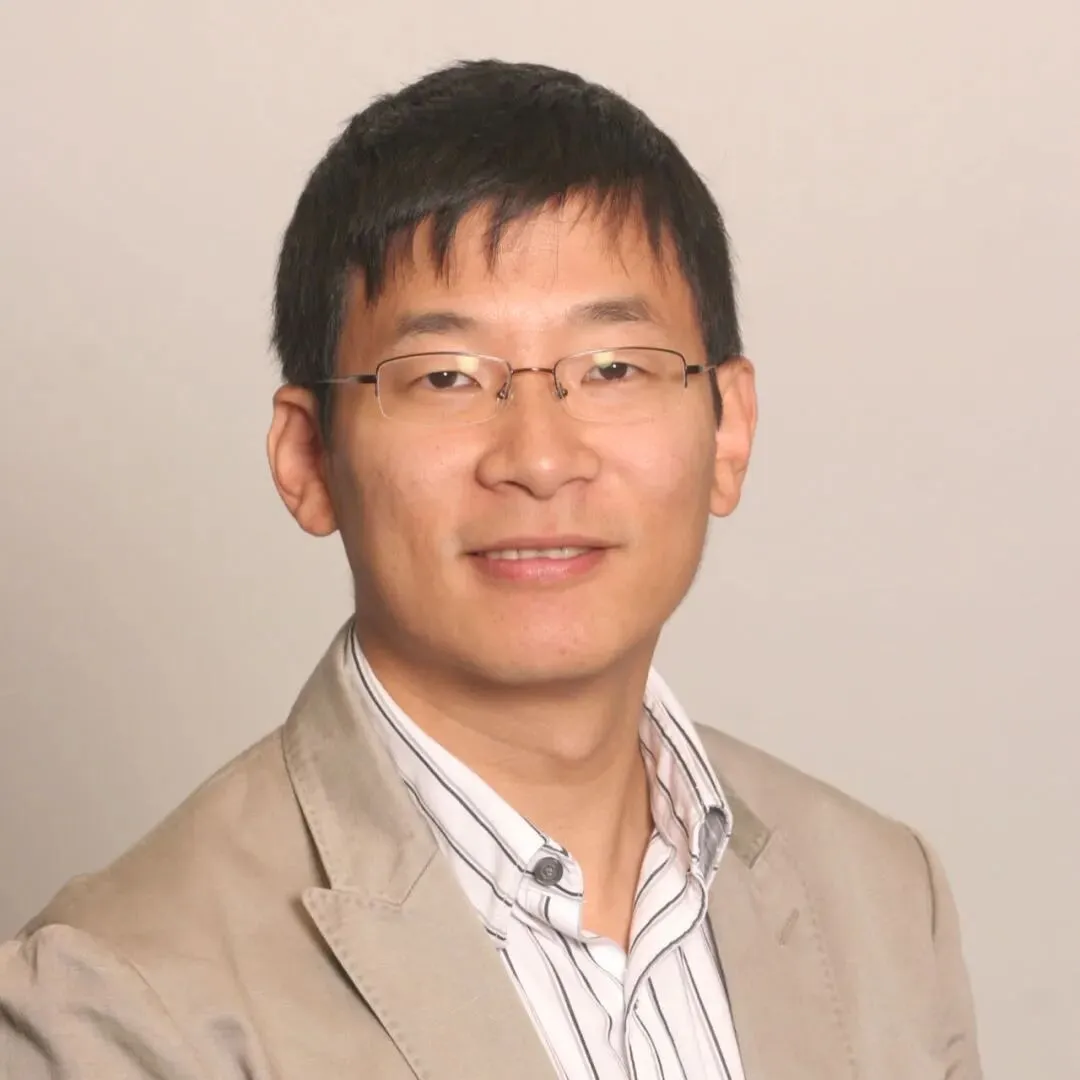
He is also a member in name, but he joined the company in early 2025, separating himself from the company and operating independently. He is the co-founder and chief scientist, strictly speaking, still a startup. In other words, outsiders have both their own team and have been taken over by mature companies.
People who go out have one thing in common: they rarely come up with a two-legged human-shaped machine, which is the best way to invest, the slowest way to make a return. The dust starts from a wheelchair instead of two legs; the source lifts and the critical points are only handy, not the machine; robots are selling data tools; the spirits are selling everything algorithms. They first entered the industrial chain looking for a link that can generate revenue faster.
Tencent's relationship with these old departments is also changing. In July 2025, Robotics X, a joint venture of Ford Labs, released the open-source intelligent platform Tairos, while Zhang Zhengmiu reiterated "no hardware, no mass production, no commercialization". After the lab switched to the software platform, the outgoing people from potential competition to upstream, downstream, actual, hand-to-hand, data-making, theoretically Tairos customers or partners.
The capital connection is more direct: related information shows that Tencent has taken hundreds of millions of yuan of financing at the critical point in February 2026. The connection between people and people has not been broken. In September 2026, former Byte jump reinforcement learning expert, former head of Robotics X's Intelligent Body direction, joined StarDust Intelligent, in charge of robot reinforcement learning direction; he left Tencent that year before going to Byte, and now returns to the company founded by his former colleague Jay.
04.
And who is it that it cultivates, and what has it accomplished for it?
The name "Hungyu Military School" says one thing: no KPI, unlimited resources, an environment that allows for free exploration, and indeed training a bunch of robotic engineers and algorithmists in a few years. Liu Yi has published 12 papers in the leading robotics journal TR-O; Zhuqing's work has been featured on the cover of Nature; another paper has been nominated for SIGGRAPH Asia's best paper; and Han Liu has over 60 papers and over 30 patents.
But it missed the other side: the value of a military academy should have been measured by its own goals, not by the achievements of its graduates. Robotics X has not yet entered the market with a mass-produced robot, and the Little Five is still a prototype when it is on display.
At WAIC 2026, Zhang Jun-mi said that today's smartest AI is still essentially the "brain in the hole", which needs to connect language, vision, spatial cognition, physical control and environmental feedback in a closed loop.