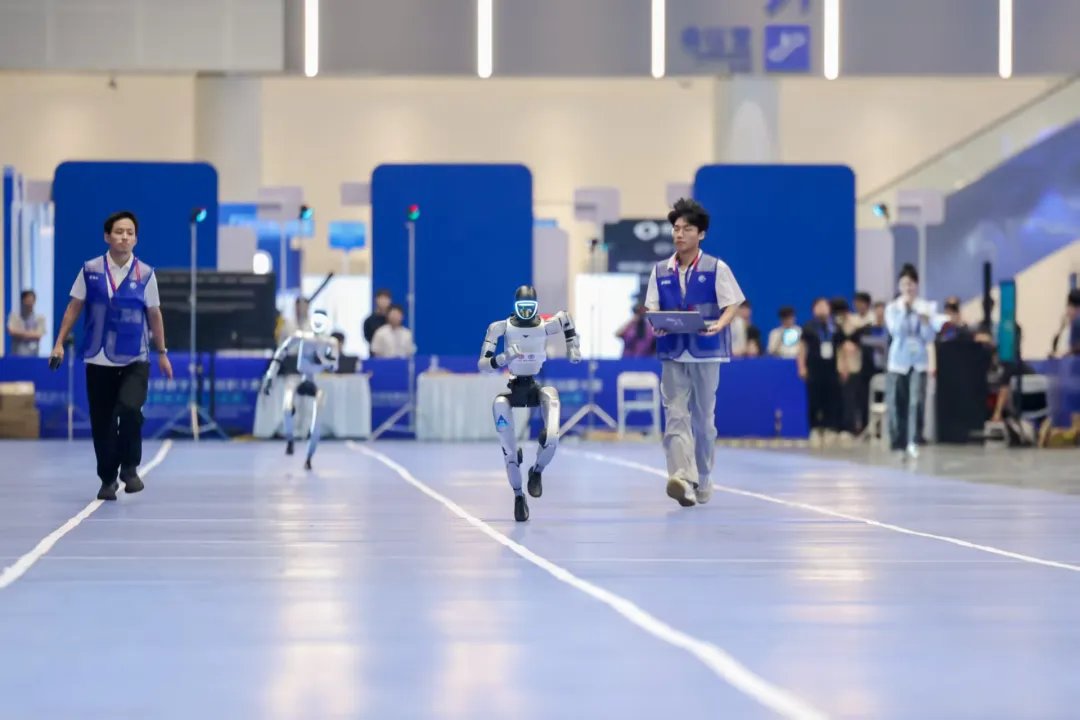
“ The race, racing, and endurance races were held on the same day, with humanoid robots on the main track.
On September 24, at the 6B Hall 4 of the Hangzhou Convention and Exhibition Centre, the 2026 Global Digital Trade Innovation Competition (GIT) will be the most intense day of the competition.
To coincide with the first day of the 5th Global Digital Trade Fair, which is open to the public, professional robotics and the general public are facing a face-to-face collision here.
The day before, the race track was dominated by foot robots, and today the power rod was delivered to the hands of humanoid robots. Human robot race races, football team races, river racing finals, six-hour endurance races, multi-line synchronous running of the Body Smart Innovation Workshop. The real technical level of body intelligent is being tested on a track.
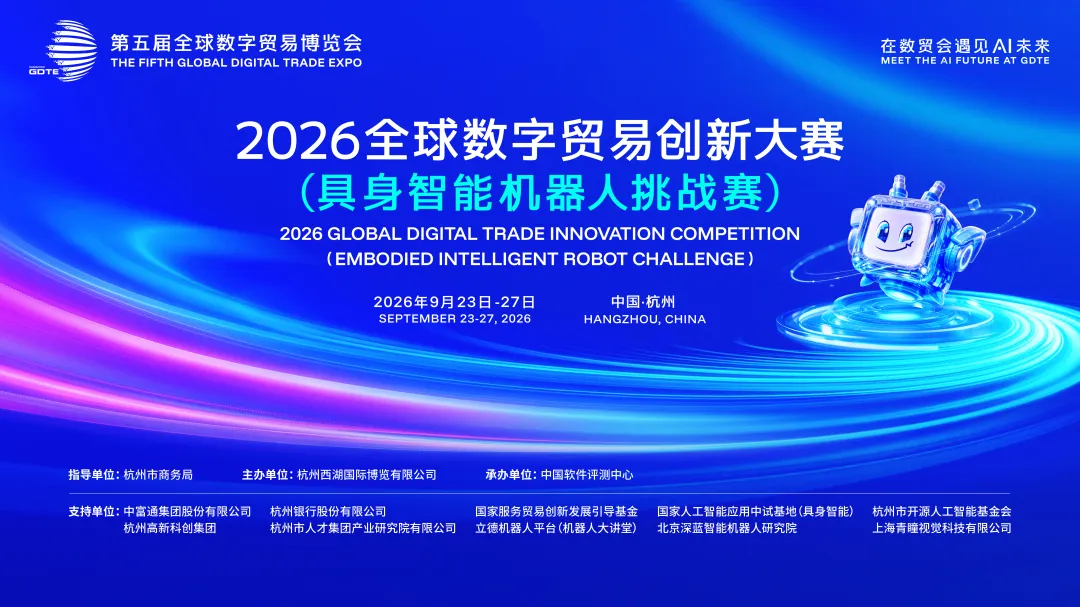 The competition was organized by the Hangzhou City Commercial Office, organized by Hangzhou West Lake International Expo Limited, China Software Evaluation Center, China Futurama Group Shares Limited, Hangzhou Bank Shares Limited, the National Service Trade Innovation Development Guidance Fund, the National Test Base in Artificial Intelligence Applications (AI) in Hangzhou, the Hangzhou City Open Source Artificial Intelligence Foundation, the Hangzhou City High Tech startup group, the Hangzhou City Talents Group Industrial Research Institute Limited, and supported by Lide Robot Platform Robot Workshop, the Beijing Deep Blue Intelligent Robot Research Institute, and Shanghai Toll Puppy Vision Technology Limited.
01.
The first appearance of a humanoid robot
At 1:30 p.m., the official opening ceremony of the Human Robot Race Qualifier will take place. The 100m race, the 60m race, the back-and-forth, and the field obstacle races will be held in four different events.
This was also the first time that a humanoid robot entered the race track. On schedule, the humanoid robot field obstacle race started with 100 meters of speed first, followed by 60 meters of speed, and finally with a turnaround. Obstacle crossing, high speed running, fast braking, turning and turning turns, several races in three hours of successive matches, equivalent to a round of high-intensity stress testing to give the humanoid robot the ability to control the movement.
Over the 100-meter race track, the robot starts to react, accelerates the step frequency of the phase, maintains the weight in the process of high-speed walking, and every move is tested on the maturity of the motion control algorithm.
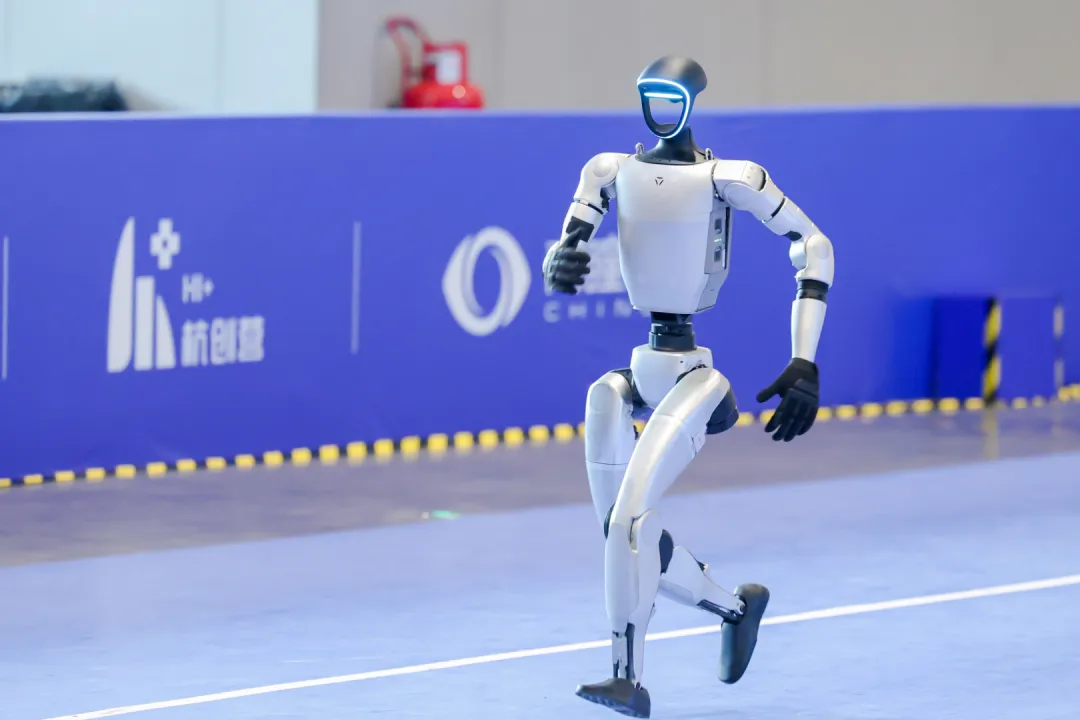
A technical pain point worthy of industry attention is the problem of slowing down. At the current stage, mainstream humanoid robots run at high speeds, the body's weight is heavily tilted forward, relying on high-frequency alternation of legs to maintain body balance, and algorithms optimize prioritize more biased throttle acceleration rather than steady braking.
Putting it on the racetrack, it sometimes evolves into the hobby of crashing into walls after a robot surge; returning to industry reality, the core practical capabilities of safe stopping and precise positioning after a robot moves at high speeds are behind it.
Subsequent on-site obstacle races are more challenging. The human-robot race tracks set up continuous slopes, spiral stairs, S-bridge, multi-clutch jump decks, robots need to complete a series of complex running, crossing, climbing, drilling, and crawling operations consistently. In contrast to purely racetrack projects, obstacle races are closer to the real-world complex geographical environment, focusing on robots' environmental perception and autonomous decision-making in unstructured scenarios.
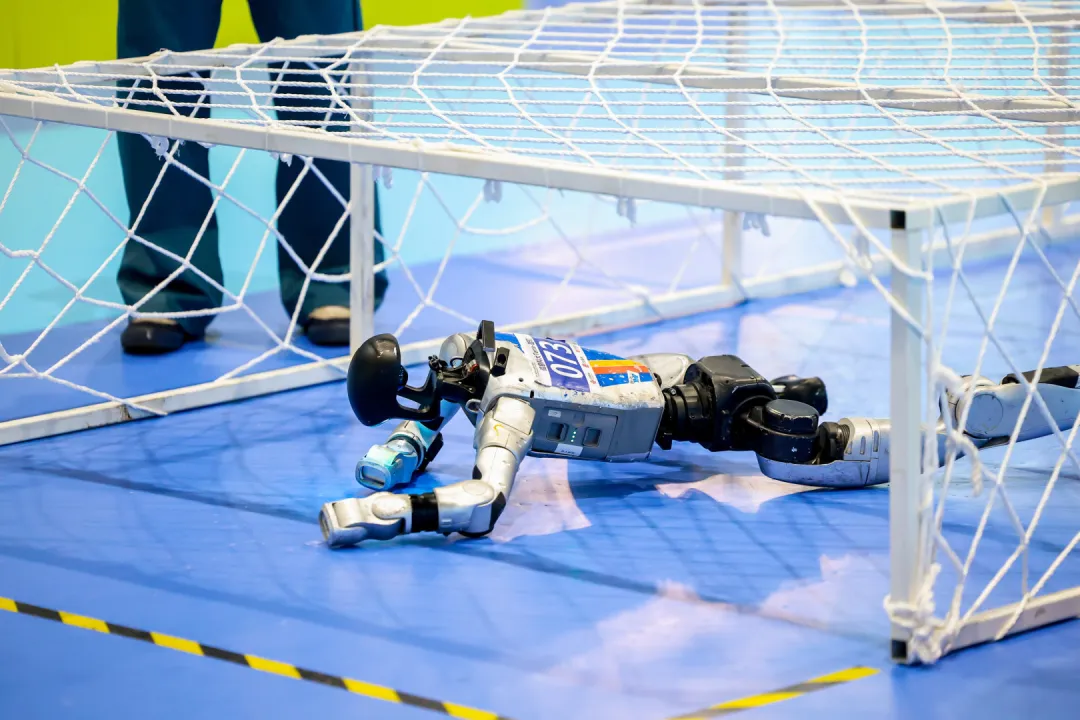
When running fast, stopping steadily, jumping high and slowly from the hot news to the baseline of the basic capabilities of humanoid robots, one of the most valuable values of the race comes from open, reproducible and horizontal contrasting standardized test scenarios.
This is the unique value of this challenge in Hangzhou: to concentrate speed, obstacles, and reversals on the same afternoon, on the same track, and to challenge the real capabilities of humanoid robots.
02.
The River Finals: Another Singularity of Power
On the afternoon of the 24th, the Riverside Racecourse is undoubtedly a very scenic area.
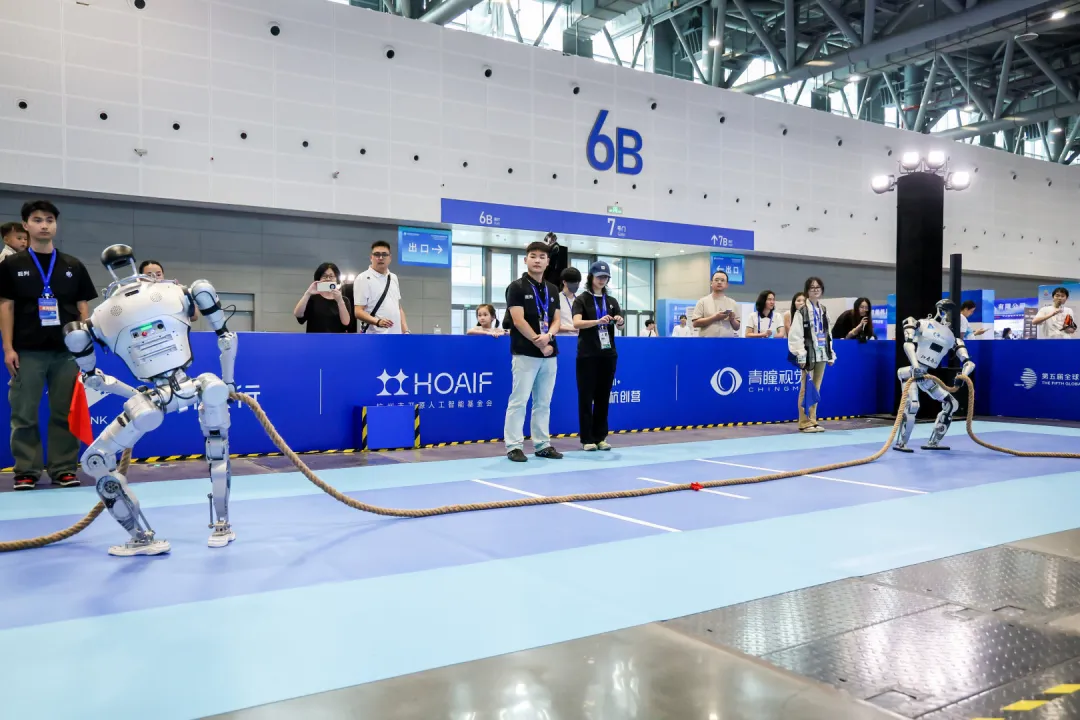
The final of the human-robot rifle competition was held in a special athletics area. At the moment when the ropes were tightened, the two participating robot motors fired a low-pitched sound, the body slanted slightly forward, and the legs were firmly pressed against the ground.
Many people underestimate the technical barrier behind the project. Human robots only have a footrest the size of a palm, and the level traction imposed by the opponent will result in a huge overturning torque, the weight is slightly deflected, and it is easy to drop directly.
Strength control, dynamic control of gravity, direct response to industrial locations such as towing, moving, and towing. Strength control is the first gateway to industrial landing scenes such as installation, moving and grinding.
As opposed to high-intensity resistance at short distances, robotic footers compete in 6 hours of 100m back-to-back endurance races simultaneously to measure the final. Speed and explosive power cover up the underlying details of battery management, heat dissipation, failure recovery, but under six hours of endurance testing, all the short boards are nowhere to be hidden.
For the industry, robots run perfectly for 60 seconds on promotional footage, and complete a whole line of work in the workplace, are two things. The meaning of endurance racing is to publicly validate the unseen reality of video demonstrations, placed under a timer.
03.
The racecourse is more than just a competition to see the other side of the industry
The venue has established an enterprise product innovation exhibition area, Hangzhou Bank Shares Limited, Hangzhou City Open Source Artificial Intelligence Foundation, Hangzhou City Talent Group Industry Research Institute Limited, Hangzhou High Tech Innovation Group Limited, Hangzhou Intelligent Bodyless Intelligent Technology Limited, FaoMed Intelligent Robot Systems Technology Limited, Hangzhou Higher Institute of Technology, Shenzhen State University Sensing Technology Limited, Shanghai Yu Real Estate Technology Group Limited, Shanghai Puppet Vision Technology Limited, Shanghai Gaming Technology Limited showcased the core components covering robotic integrated machinery, six-power sensors, motion capture systems and other upstream components, as well as exhibited consumer service machines.
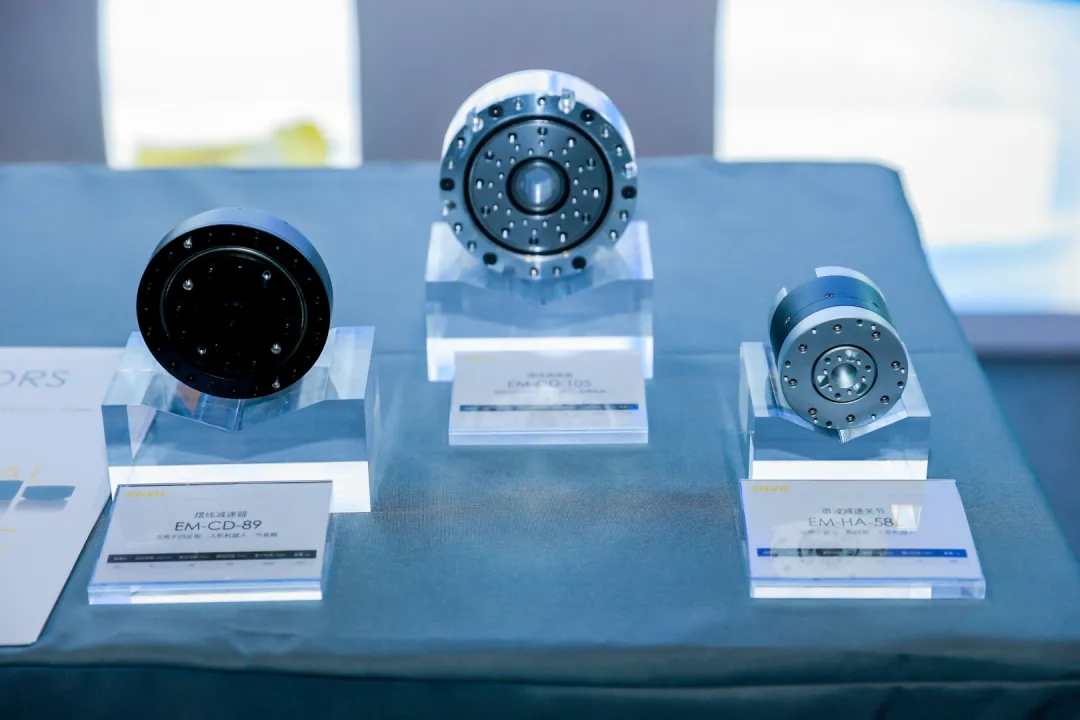
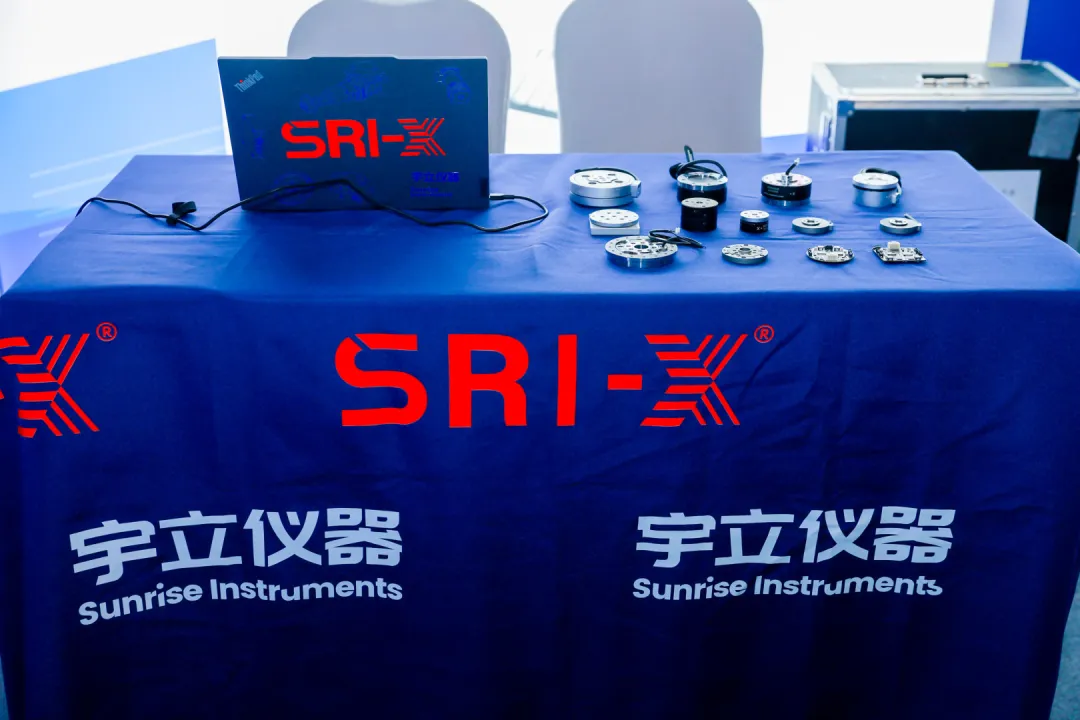
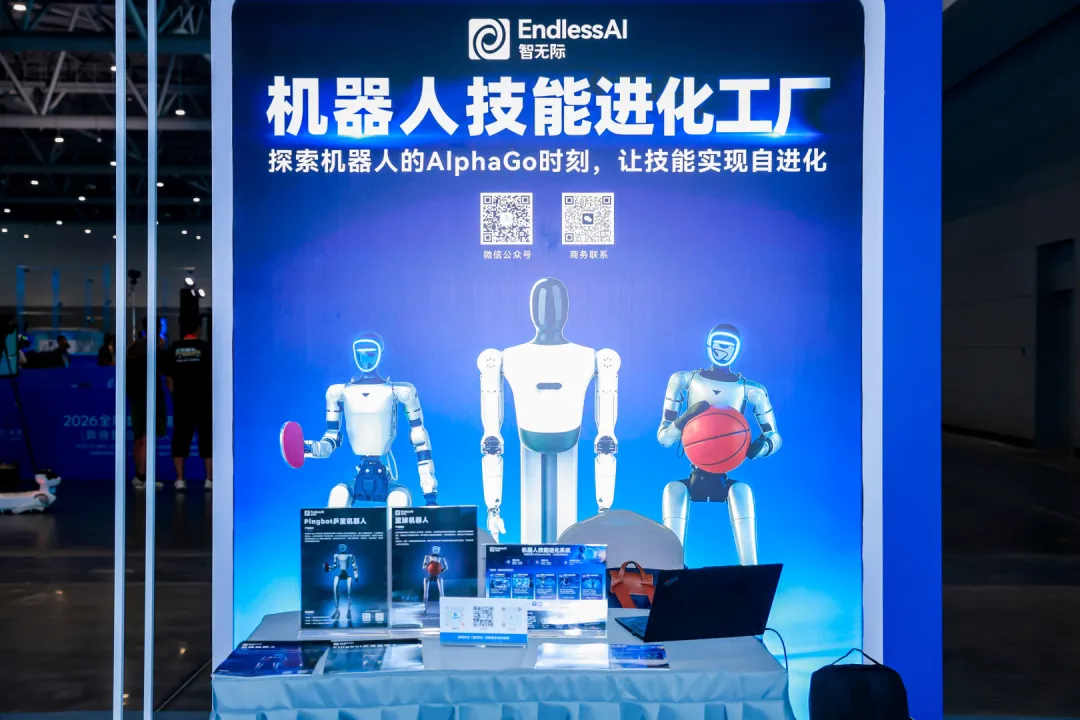
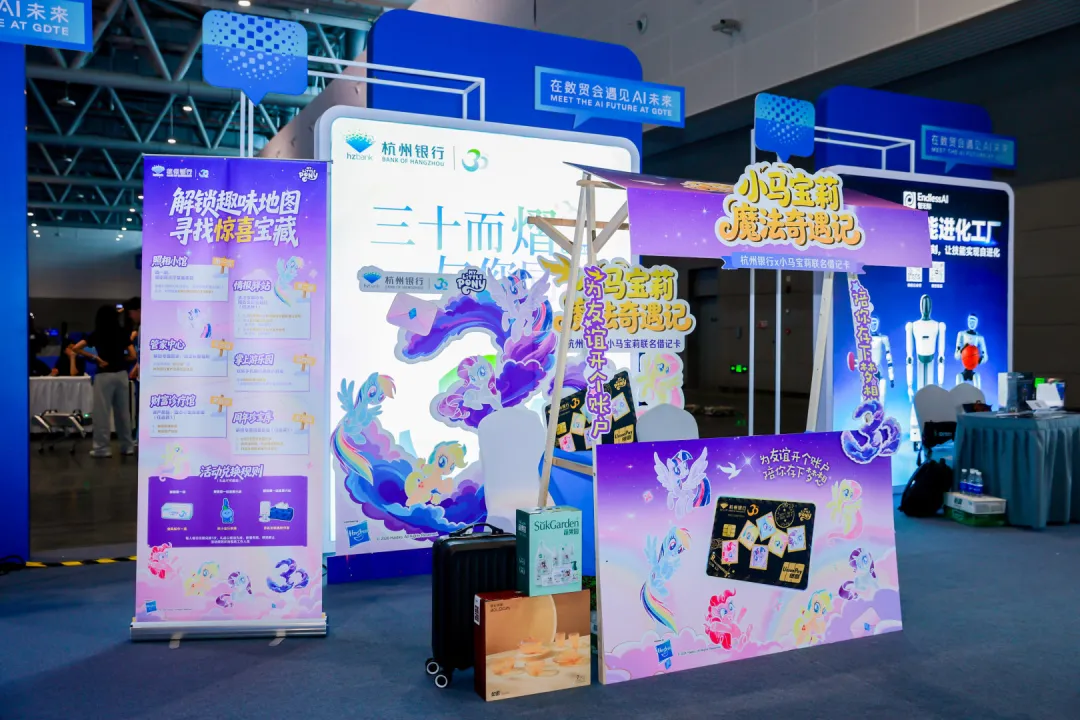
In addition to the exhibition area, special robot performances were also performed that afternoon: Beijing dolls brought face-to-face running, jump-to-height robot demonstrations; saving card robots brought robotic Tai Chi performances.
Like human-machine shooting interactions, these links seem to be the adjustment of the competition interval, and in fact play a key role, transforming the professional techniques of the game into intuitive performances that are understood by the general audience. For the audience in the field, a face-running humanoid robot, a set of cloud-flowing machines, could be the first window to the public's understanding of the well-equipped intelligent game.
The competition addresses the quantitative question of how strong the capacity of robotics is; public experience eliminates the cognitive distances between robotics and ordinary people. The combination of the two forms the whole face of industry and society.
04.
Link to the Future
Every round of applause on the racetrack allows the factory to accept the actual landing task, while there is still a gap in the middle.
This is also the rational perspective that the tournament needs to be maintained. We can applaud for the steady filtering, precise shooting, but not overly rendered interpretation; seeing the rapid progress of technology, it is also necessary to be aware of the real gap. For cities that want to seize the opportunity to be smart, the real harvest is not the trophy, but the list of the ability to quantify the game.
On September 25th, the final day of the competition will be marked. Futsal and humanoid robots will compete in the 100m sprint, 60m sprint, backstroke, field hurdles, soccer, point-and-shoot competitions; free-kick and high jump will also be held.
More important than the ranking of the competition, the huge amount of data that the teams are absorbing on the track, and the algorithmic schemes that are repeatedly verified, are the basics of what physically intelligent people really are going to do in the industry.
Measurers at 6B are still counting seconds for the smart industry.