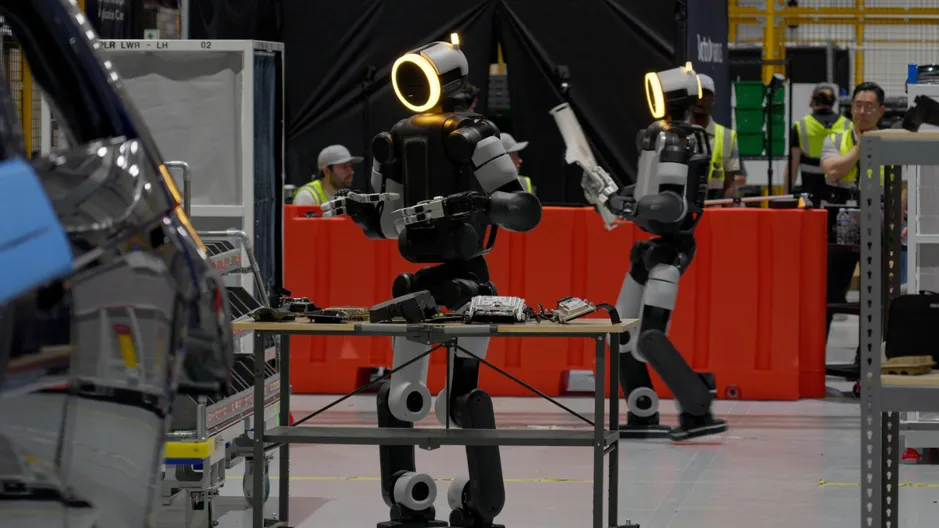
“ Atlas steps into the real production line, with parts sorting becoming the first class to land
Boston Power recently established the Robot Metaplant Application Center (RMAC) at Modern Automotive Group's U.S. Metaplant Plant (HMGMA). The plant is located in Bryan County, Georgia, about 25 miles southwest of Savannah, and RMAC is also a testing and training center that provides direct access to Atlas robotics for the automotive manufacturing business.
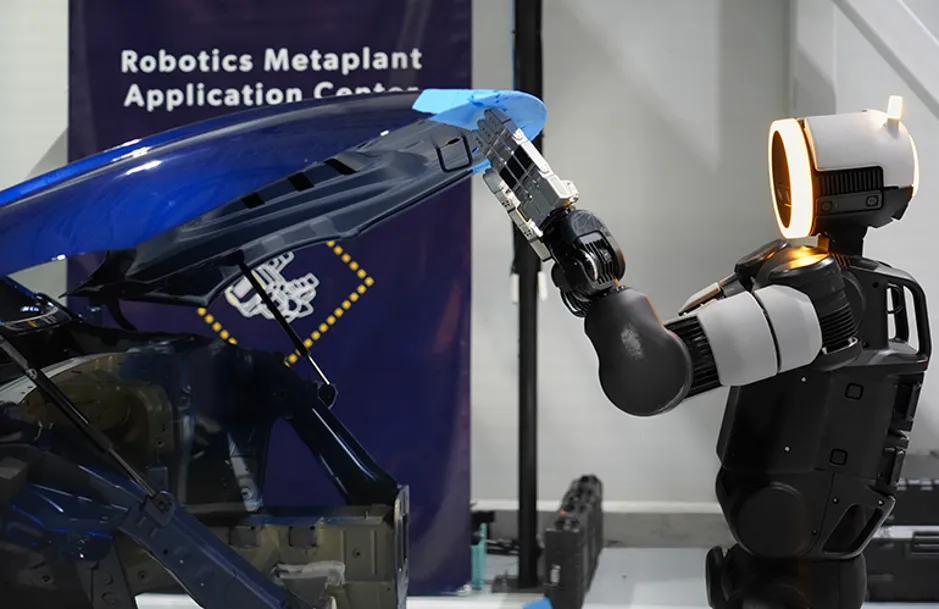
HMGMA was the first privately-owned modern electric vehicle plant to be built in the United States, and was put into production in October 2024. In 2021, Modern Automobile Group acquired control of Boston Power from SoftBank. Five years later, Atlas was officially deployed alongside the modern standalone production line. Unlike previous limited, small-scale, highly reliant on engineers for on-site modeling, RMAC is a permanent facility.
01.
Why not move to a car factory?
The team needed to clarify two issues: the actual performance of the Atlas after entering a real operating facility; how to compare off-site, on-the-spot and simulated three-dimensional data to train execution strategies for high-reliability standards. Early trials were limited in scale and a large amount of engineering work needed to be done by R&D personnel themselves.
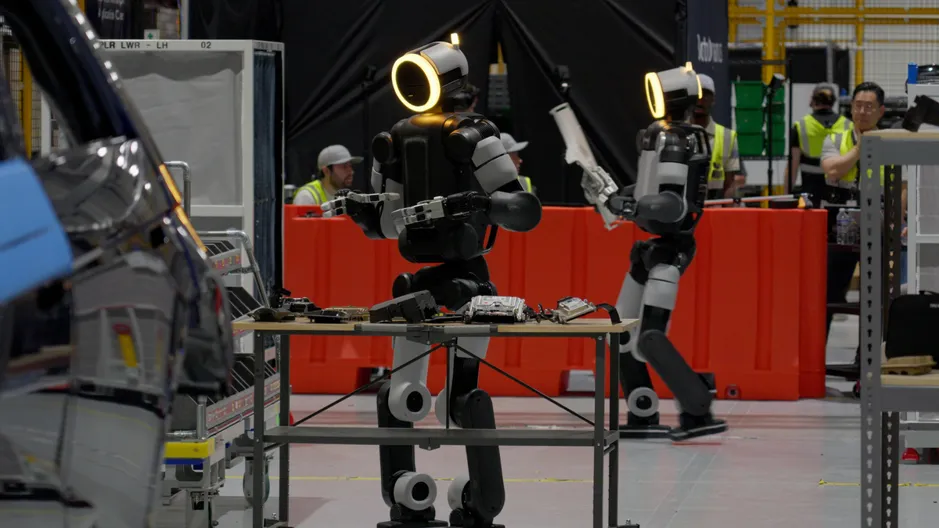
RMAC is the landmark of these experimental experiences. It is set up in a normally operating automotive factory with two core tasks: data collection, testing applications, and on-site configuration of Atlas robots and skilled operators, using real parts to repeat tasks to produce diverse data for behavior training.
RMAC Phase 1 has been commissioned, and the expansion has been launched simultaneously. According to Boston Power, RMAC will move into the new building next year, with an overall expansion of about 10 times; the company has moved some of its employees from its Waltham, Massachusetts, headquarters to Savannah, Georgia, with multiple departments simultaneously opening recruitment.
These types of projects have long cycles and little spinning space. Many of the problems with human robots are only exposed in the continuous production rhythm of the factory: the transmission belt does not move to the robot movements; the shift of the batch brings changes in the pace of personnel and operation; the model switching corresponds to a whole new set of parts and equipment.
02.
What can't be practiced in a simulation?
Atlas' learning data comes from three channels: remote operations, simulation environment reinforcement learning, general operating interfaces (UMI) equipment. The value of RMAC is that all three are aligned in the same real-world industrial scenario: simulation-trained strategies require verification on physical parts, sample data collected remotely, and transformed into mobile robot behaviour.
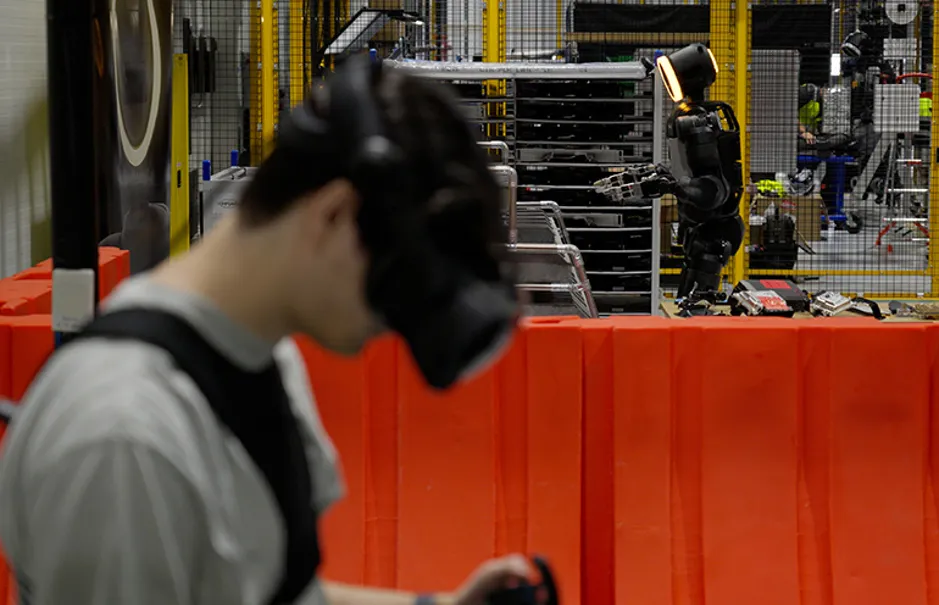
The three methods of data acquisition have short boards. The data collected by remote operations is of high quality, but the output speed is limited by the capability of the operator, and effective samples can be obtained in a limited amount of time; simulation can be completed in parallel tens of thousands of times, but simplifies the physical physical effects such as physical contact, material transformation, light reflection; UMI handheld devices can record the trajectory of real operations and visual images, and the collection is larger than remote operations, but the recording is not the movement data of the Atlas itself.
The gap between simulation and reality is a classic difficulty in the landing of humanoid robots. Robots can steadily complete tens of thousands of crawls in simulation, but surface friction, reflection, processing gaps and packaging patterns of real parts often result in a direct failure of training strategies. Training with real parts and equipment is the only way to resolve this false gap.
At the same time, he lists several tasks that the RMAC will need to tackle next: optimizing gear and component packaging, adapting robot operations; building efficient data collection mechanisms in production environments; and establishing a complete supporting process for robotics. These modifications do not only target the robot itself, but more on factory-side support facilities.
03.
Why not practice ordering and not assembly first?
At the present stage, Atlas mainly performs the logistics and sorting of automotive parts at RMAC: the parts are finished in the production order before entering the assembly process. The operation requires direct contact with shaped complex parts, tightly constrained crawling links, need to distinguish between crawling areas, appearance and fragile parts; robots also need to extract parts from complex transport packaging and place them in high density spaces to be sent to the production line.
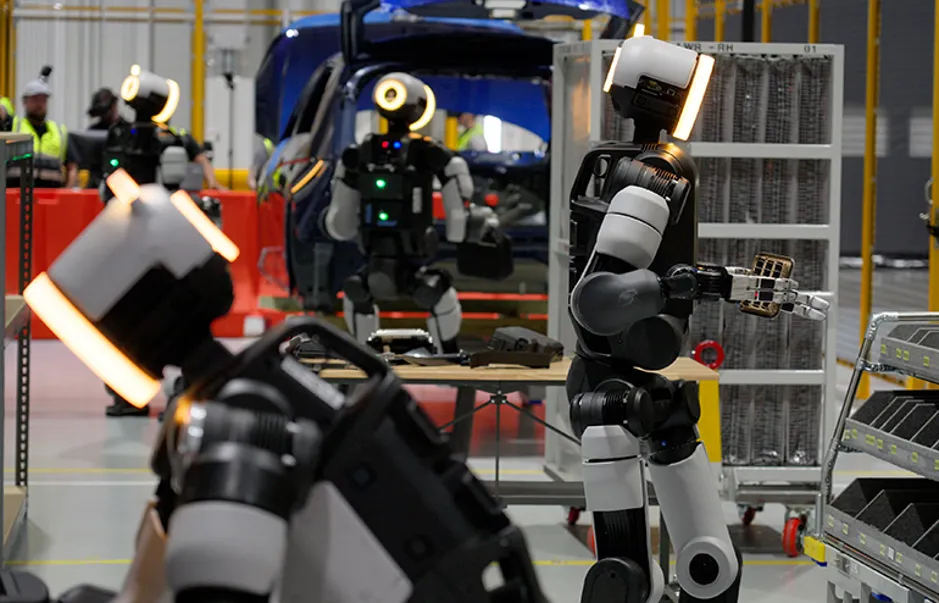
This type of task requires a higher level of sophistication and the constraints on speed and accuracy are relatively loose. The car parts themselves fall into the non-standard scenario: SKU numbers are huge, the packaging specifications of different suppliers are not uniform; the same parts are replaced in batches, supporting plastic bags and partitions will also change. HMGMA produces the same production line simultaneously IONIQ 5, IONIQ 9 and start-up Sportage mixed cars, changing the car models will have to replace the whole set of parts.
Boston Power gave a clear landing timeline: Atlas officially ascended to HMGMA in 1928 to execute parts sorting; expanded to Georgia plants in 2029; cut to parts assembly business after 2030 and subsequently undertook repetitive work and heavy lifting. Accuracy and consistency in assembly are almost zero tolerance, and a single failure could cause the entire production line to shut down; while logistics sorting has an online buffer zone for production data, larger error space, and is suitable for continuous accumulation by robots during operations.
04.
Is it a plan or a slogan?
Modern cars have bigger goals. In the robot and artificial intelligence strategy announced at CES 2026, Modern proposed the deployment of 25,000 Atlas units on the global network in the coming years, the first global plant to be deployed in modern Asia, and RMAC is the focus of the strategy.
Modern does not disclose separate factories, annual delivery schedules, and Atlas sales are not always open to the public. Human robots want to replace existing workplaces, avoiding three hard indicators: effective replacement time for single robots, failure stops and maintenance costs, stable operating capabilities to adapt to existing production line speeds. In public discussions, these indicators are rarely mentioned. One fact that can be referenced is: Boston Power's Atlas 2026 capacity has been allocated to RMAC and Google DeepMind, and new customers will have to wait until 2027 to get the equipment.
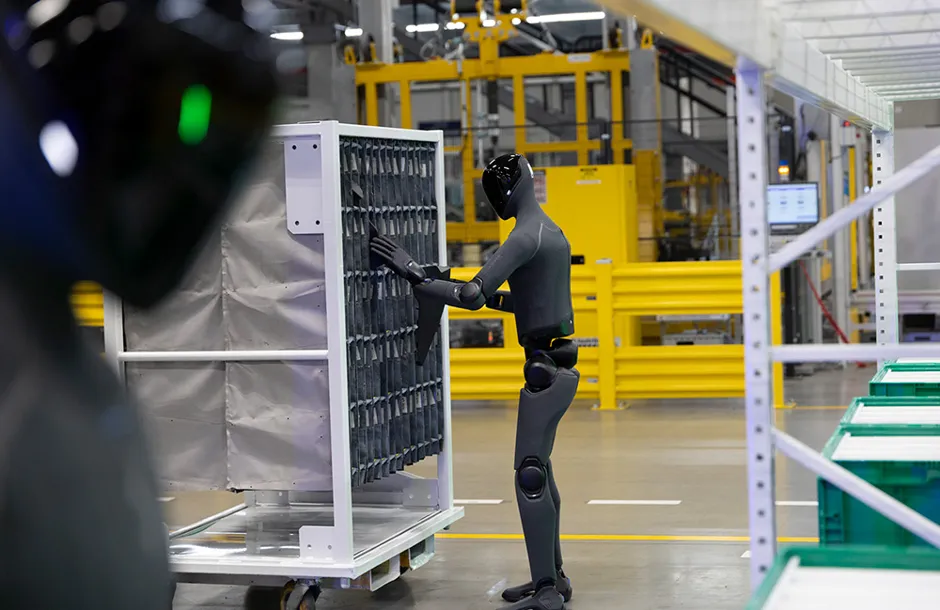
Finding landing scenarios is a common challenge for all humanoid robot enterprises. Figure 02 operated for 11 months at the Spartanburg plant in Beaumont, South Carolina, with the completion of 30,000 X3 models; the next generation model Figure 03 entered the factory this year, still engaged in logistics sequencing work; the Tesla Optimus is currently primarily testing inside its own factory. The special feature of Boston Power is that it has customers who are willing to open a real production line to solve data sources for real-world scenarios.
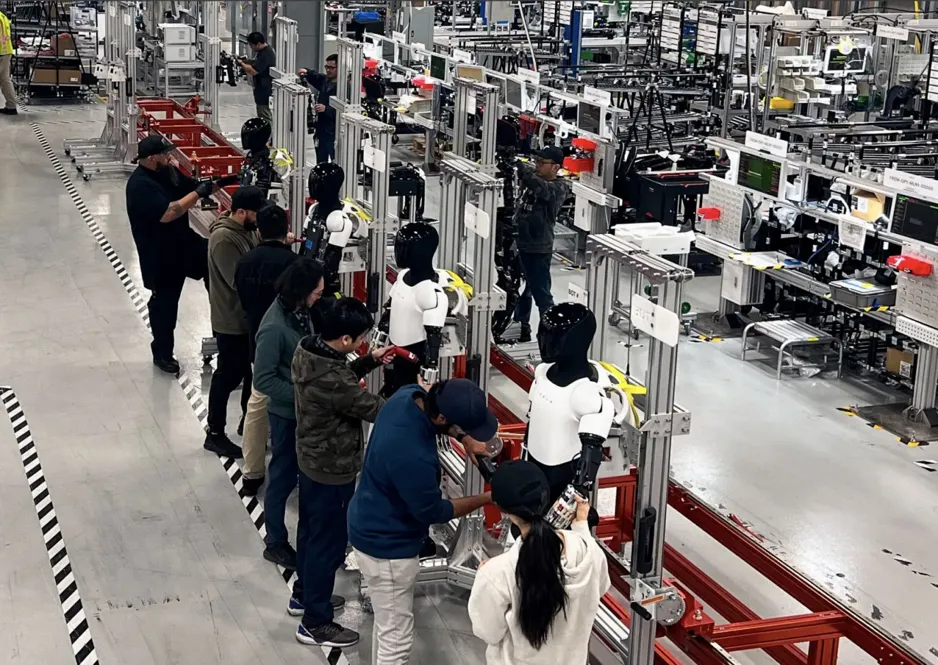
In addition to Atlas, Boston Power does not restrict its operations to the automotive industry. The company is in talks with aerospace, semiconductor, logistics, food and beverage, life sciences, and other companies to prioritize the acquisition of Spot's four-legged robot, Stretch's unloading robot inventory customers.
Procurement of robotic hardware is just the starting point. Maintenance, fault response, data retrieval, product line scheduling integration, the entire process is difficult for customers to complete independently without complete practice.
05.
SoftBank bought RAI, is Atlas's brain still stable?
According to The Robot Report, SoftBank has reached an intention to acquire the Robotics and Artificial Intelligence Research Institute (RAI) from the Modern Automotive Group. The transaction is being reviewed by the US Foreign Investment Commission (CFIUS), the amount of the transaction has not been disclosed, and the parties have not yet formally confirmed. The RAI is headquartered in Cambridge, Massachusetts.
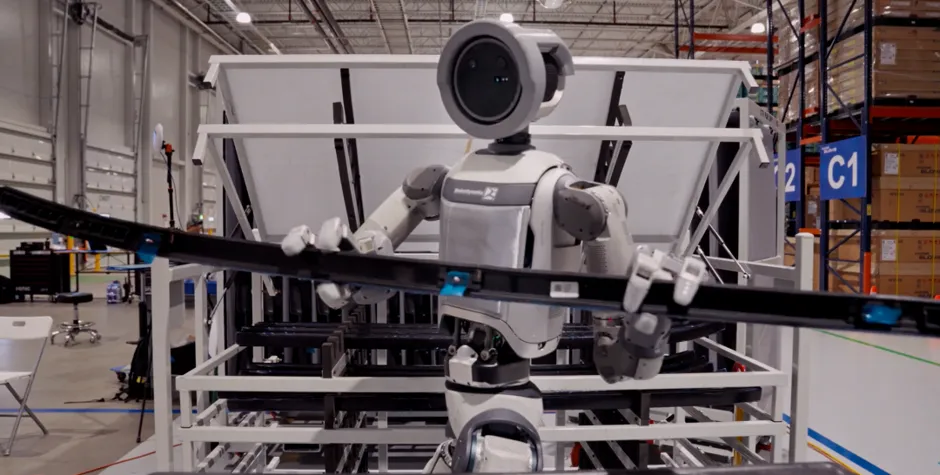
External concerns about Atlas's robotic brains are not going to be easy to deal with. To this, Jack Voskey responded: "Boston Dynamics and RAI are two independent organizations that have been targeted separately since their inception, and this change has no effect on us". He said that Boston Dynamics has a robotic AI team with a global scale and top-of-the-line power, and the results of high-quality industrial data and strategy evaluations produced by RMAC, will further accelerate the pace of development.
In the short term, this assumption holds true: the two teams have been operating independently, with Atlas training data mainly coming from Boston Power's own facilities, and RMAC's output data also coming from Boston Power. However, changes in ownership of AI-researched assets will affect talent flow and technical route choices, which are usually not immediately apparent when a transaction is completed.
Follow-up can focus on two facts: how much efficient work a single Atlas can produce on an actual production line; whether customers have the ability to operate independently after the Boston Power Engineers withdraw. Only these two publicly verifiable data can really judge the likelihood of a target of 25,000 deployments.