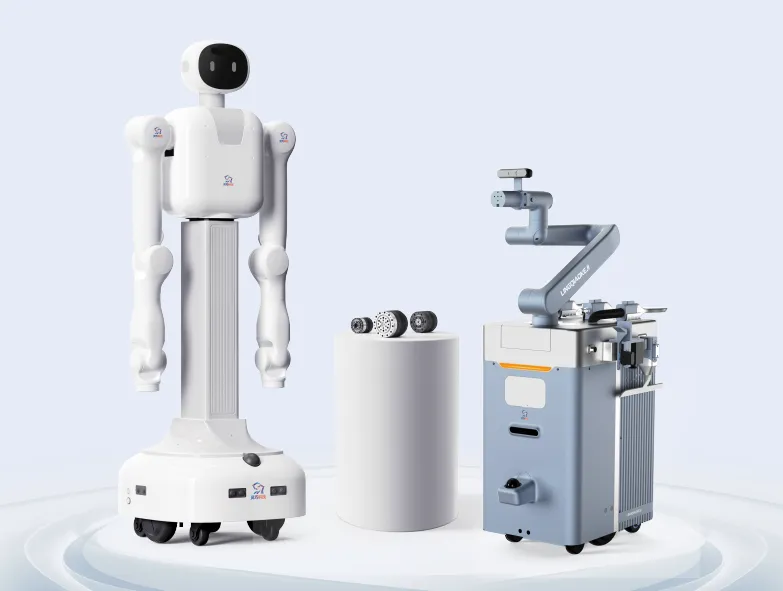
On the site of the event, Shōji Shōji shared three scenarios, basically highlighting the most headache-inducing aspects of flexible manufacturing.
Automotive wire beams, wire soft, many types, inserting accuracy requirements, traditional automation equipment movement is rigid, it is easy to break the outer skin of the wire beam, make a bad insert interface. Food processing, clean standards are strict, oil debris is the risk of pollution, equipment strength is slightly uncontrolled, the foodstuffs are squeezed.
These problems are not new today. There are many companies in the industry that work with collaborative robots, flexible automation, but Shōji says directly: what factories really need is not parametric luxury exhibits, but robots that can handle and solve sophisticated flexible operations.
This sounds simple, but it's actually a choice of research and development path. Most robotics companies do it by creating a general-purpose kernel and then looking for a suitable scenario. The kernel is dead, and the scenario can only be moved to the hardware.
Shōji Shōji summarizes this path in one sentence: not universal, deep vertical cultivation.
Reverse definition, where is feedback?
It sounds a bit abstract. It's actually about making robots like humans, able to handle variable, soft, uncertain objects. The strings are soft, the food is fragile, the toilet spaces are narrow and irregular.
Technically, it's a good idea to take these specific processes out of the wire folding, terminal compression, food sorting, soft material packaging, fine assembly, and overlay, and then see what the requirements are for the joints.
This logic is best reflected in the joint module.
The core advantages of the S8015 shoulder joint are the high power torque and high power density. The current power density is over 722 W/kg, while the use of the unbroken torque motor and two-stage planetary propulsion, by optimising the thermal design of the motor, increases the temperature control within 60K. Why emphasize this?
The elbow joint E6010 has a transmission efficiency of more than 90%, a shock resistance of over 1000 N, and a low inertial structure that reduces the disruption of start-up and turn-off. The elbow joint is to be solved in terms of power transmission and dynamic stability, to be adapted to all types of negative-weight bending operations.
The wrist joint W4310, which weighs only 0.43 kg, has a maximum output torque of 36 Nm, a control bandwidth of more than 1 kHz, and a positioning accuracy of micrometers. The wrist joint is the key to the execution of the end, lightweight, high-response, and high-precision.
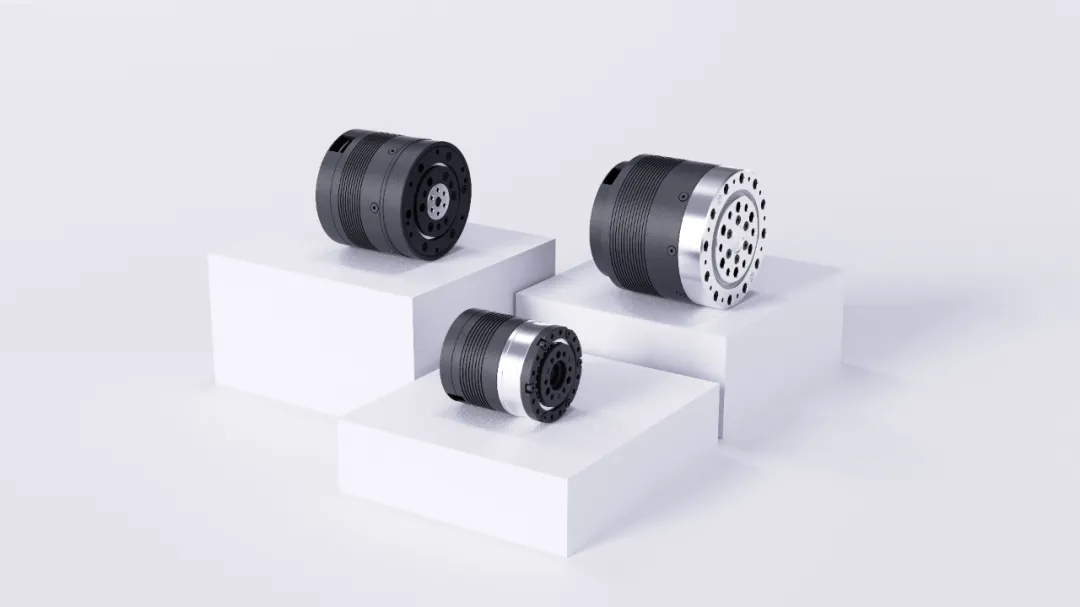
From shoulder to elbow to wrist, each joint has different positions and tasks, as well as different optimization directions. It is not about first making a general joint and then stifling it into different positions, but rather defining what each joint should do according to the needs of the whole in the specific process.
At the heart of the idea is the agility of operation, which allows robots to adapt to buffering, not pulling lines, not squeezing food when they come into contact with flexible materials, and to flexibly adjust their postures in narrow spaces to perform fine-tuning operations.
Technical foundation:
How spirit, power, and energy define the ability of joints
As robots move from industrial automation to human-machine collaboration and complex scenarios, traditional joints face three more obvious problems: slow response, insufficient power, and insufficient accuracy.
The core objective of this new generation of joint module products, which can be summarized in three words: spirit, force, energy.
Intelligent technology has made a breakthrough in the traditional FOC algorithm, with the bandwidth of the current ring exceeding 1 kHz, which can control the motor torque faster; the speed ring reaches 200 Hz, which can ensure the speed change stability; the positioning ring is responsible for the final position modification. On this basis, it also added real-time trajectory planning patterns such as PP, PV, PT, which allow joints to make smooth transitions in the start, acceleration, deceleration, and change direction process.
The instruction came to enable the joints to respond rapidly and to remain steady during exercise and to stop accurately when approaching the target.
Power, in other words, is power output and smooth control. In terms of power systems, ingenious technology uses high-torque density planetary accelerators, with a torque density of 88 Nm/kg; high-power density unbroken torque motors, with transmission efficiency of more than 90%.
But more importantly, the force cannot be controlled. Therefore, its built-in resistance to control and torque limitations allows the robot to maintain sufficient output when it needs rigid motion; when it needs human-machine interaction, it can also reduce rigidity to make the movement more flexible.
The precision of the positioning precision. The precision of the robotic joints to achieve high precision is a major difficulty. The use of double encoder closed-loop control, according to Shōji Yū, has increased the precision about 7.5 times compared to single encoder control. At the same time, its combination of high precision mechanical processing and assembly processes, reduces transmission gaps and shape errors.
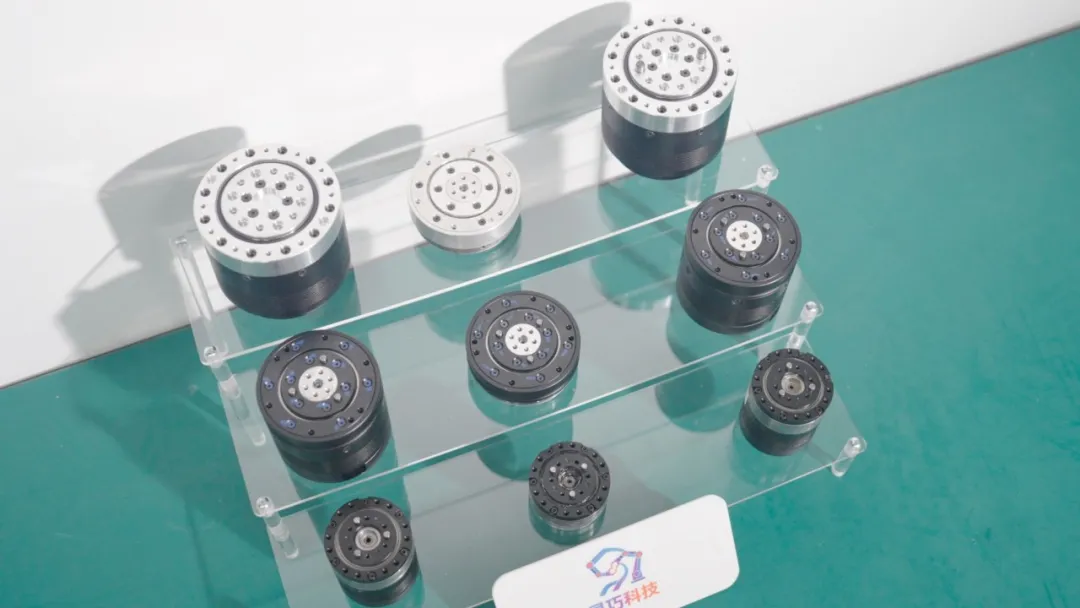
Flexible operation is really to be achieved, relied on to make the joints respond faster, the force stronger, the control more precise. Less one, the flexible materials can not be processed, narrow space can not enter, the precise process is not completed.
Three integrations, corresponding to three types of specific scenarios
The tech base is fine, let's see how the whole thing lands.
The flexible industrial mechanical arm LQ-10DOF7-NP differs from the traditional collaborative arm in improved force control accuracy and more flexible narrow-space posture.
The dual-arm elf DW-R1 is a sophisticated technology-focused integrated production line. It uses a symmetrical twin-seven-degree frequency architecture, incorporates self-developing joints, supports two-arm independent sensing and synchronous force control, both mirror synchronous operation, and can be operated in conjunction with the completion of complex processes.
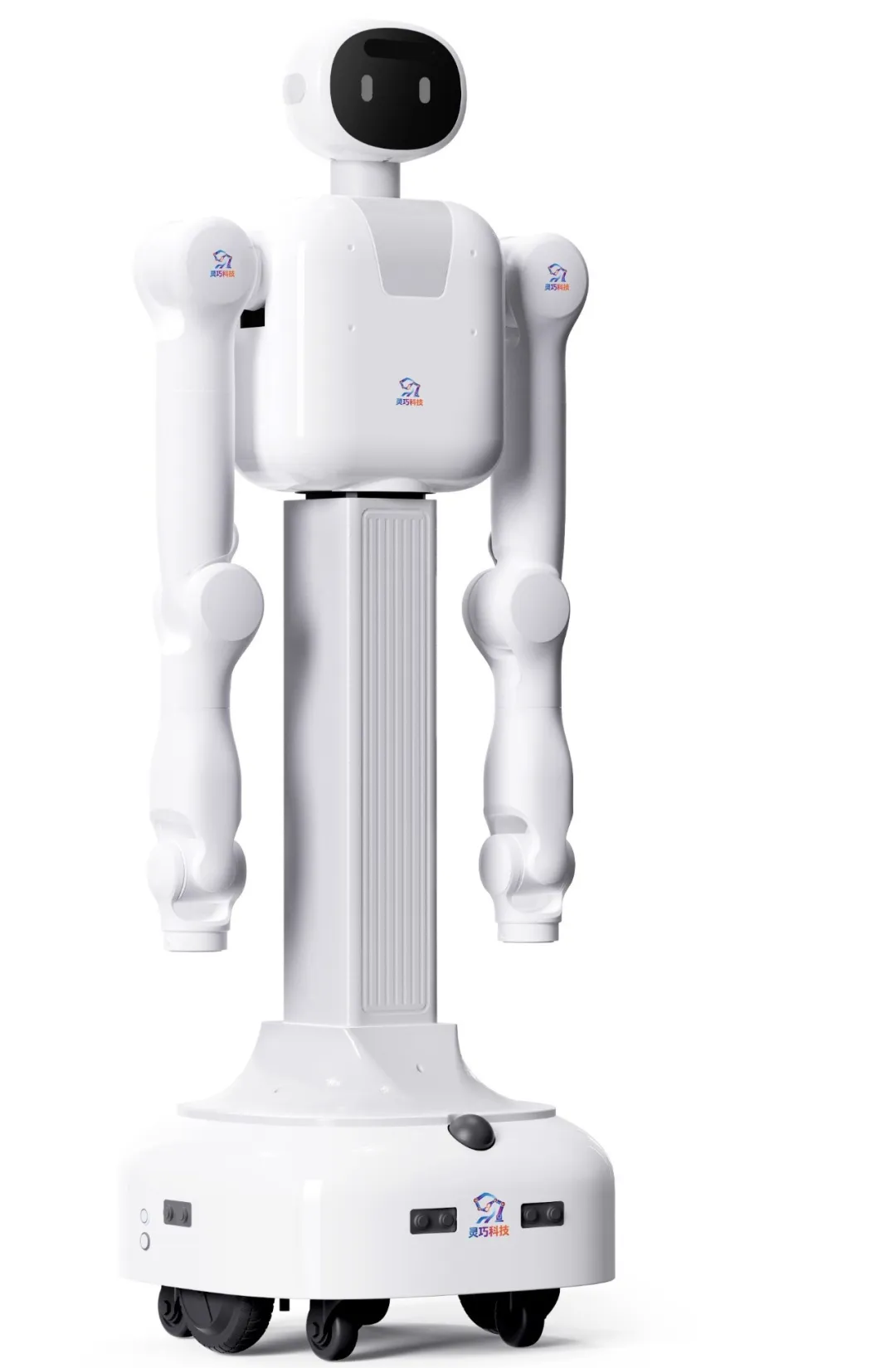
Clearing arm QX-C1 is a commercial toilet cleaning scene. The selection of this scene jumps a bit, but Shōji Jin explained it clearly in high-tech robot research: industrial scenes sharpen space perception, narrow environments avoid obstacles, flexible operational capability to move to space stations such as toilets, and many obstacle cleaning scenes.
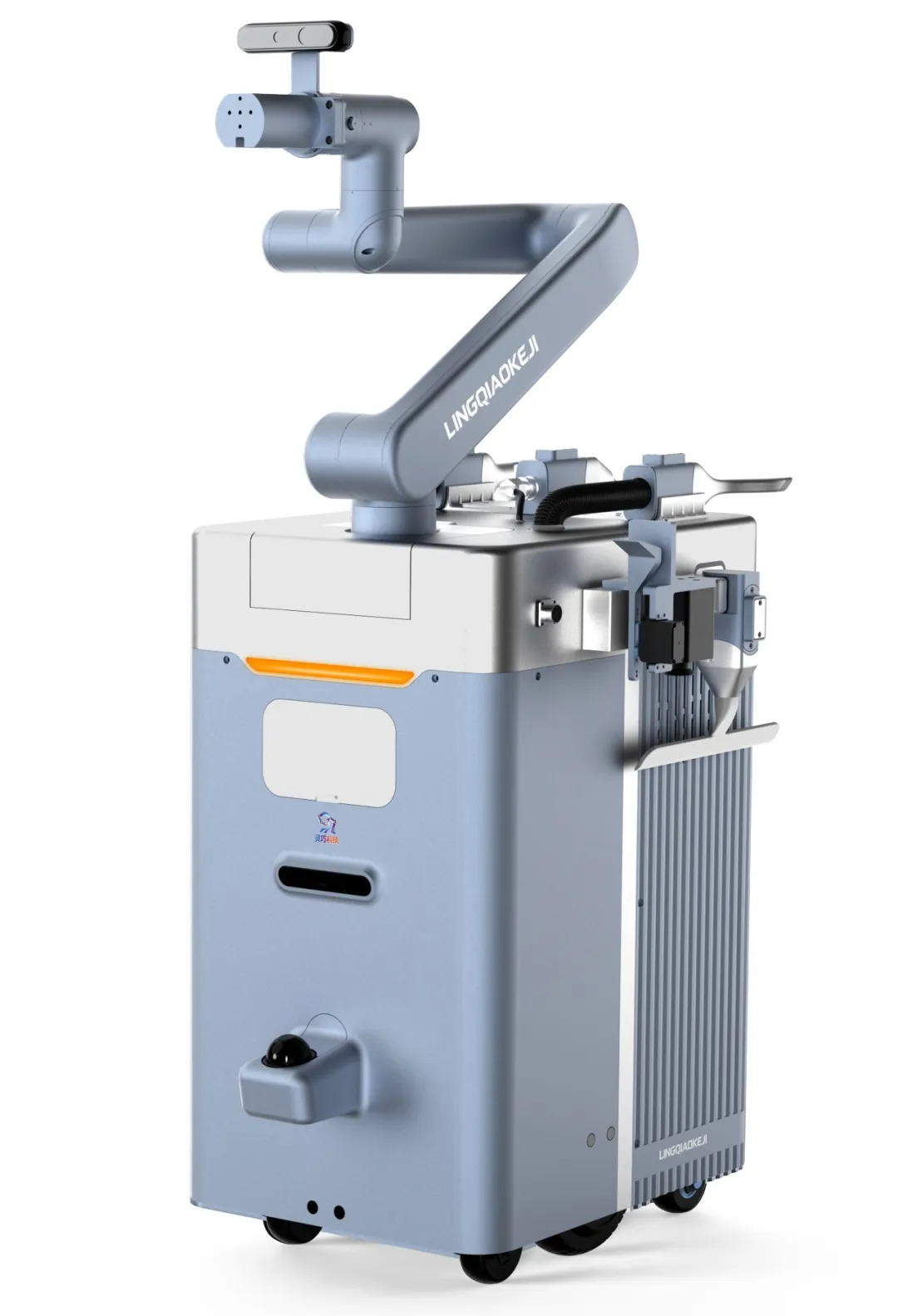
It's not a regular ground cleaning robot, but it focuses on the entire cleaning scene in public toilets, completing point-to-point refined cleaning, filling in the cleanliness of commercial spaces that can't be scrubbed, washed, or cleaned.
The product features multiple modules of lightweight frequency joints, with flexible coverage of the full height space from low-level foam to high-level lenses; combined with visual identification and stain detection, self-planning clean paths, supporting rapid replacement of brushing, spraying, rubbing, disinfecting, and four clean ends. According to Shoji, the QX-C1 can directly increase toilet cleaning coverage from the industry-wide 20% to over 96%.
To some extent, the cleaning robot in the toilet is not a cross-border transformation, but an industrialization of the existing technological base in the new vertical scenario. On the one hand, the commercial scenario is a fast-moving product, generating revenue; on the other hand, it continues to replace artificial intelligence algorithms with hardware, anti-feeding industrial lines, food processing, and so on.
Signed seven cooperation agreements, filling gaps
It has signed a strategic cooperation agreement with six companies and one academy, respectively.
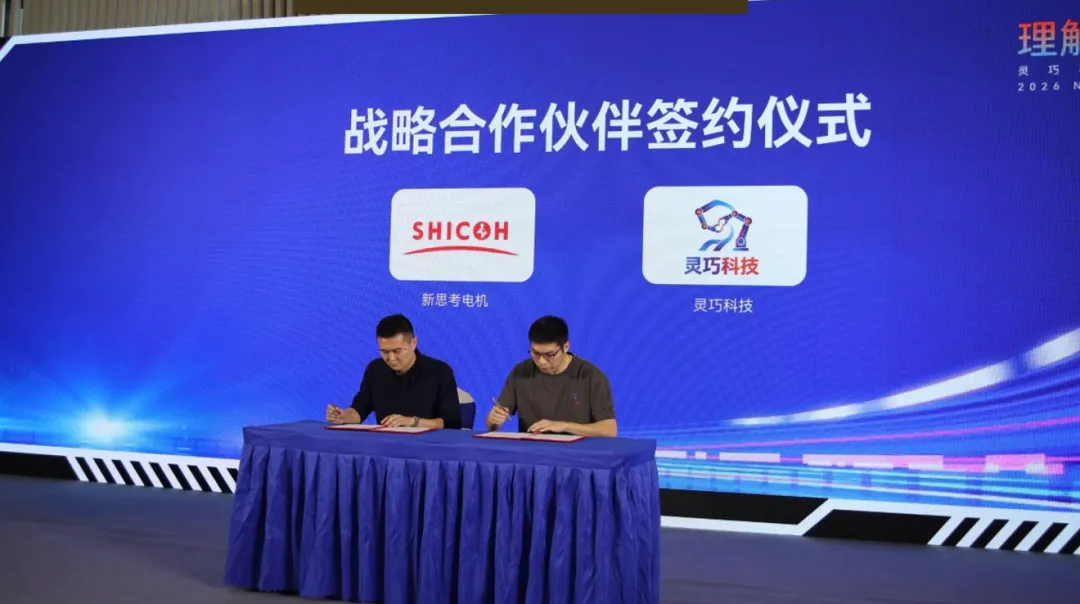
New Thinking Machines are important enterprises in the field of domestic imaging media, with products covering sound circuit media, stepwise media, brushless direct current media, which have expanded to robotic joints media, smart hand micro joints media; New Thinking Machines is strongly engaged in the research and development and production of electromechanical integration products, covering joints planetary decelerators, decelerators, executors, mainly used in the field of robotic joints.
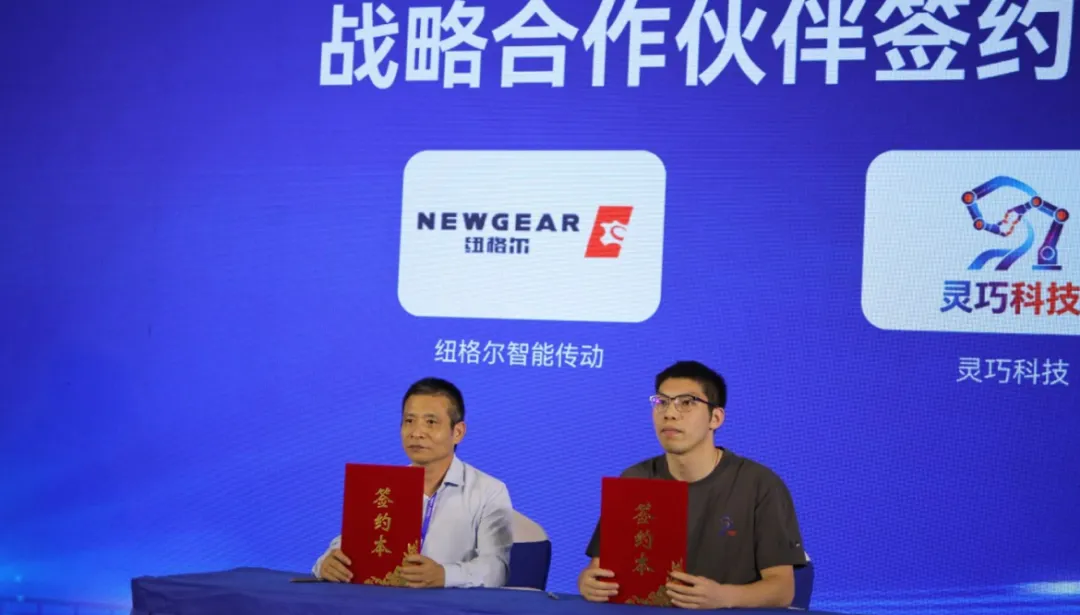
Atelco Electronics provides PCB processing and customization services for Intelligent Technology, and Atelco Electronics provides intelligent transformation services for robotic production lines for Intelligent Technology, both of which form business complementarity.
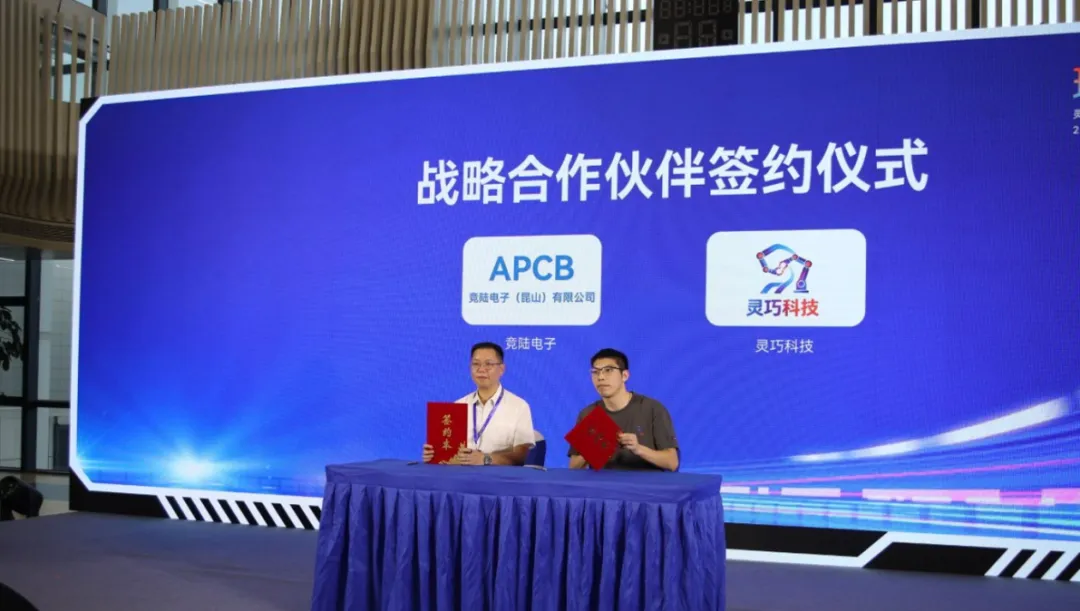
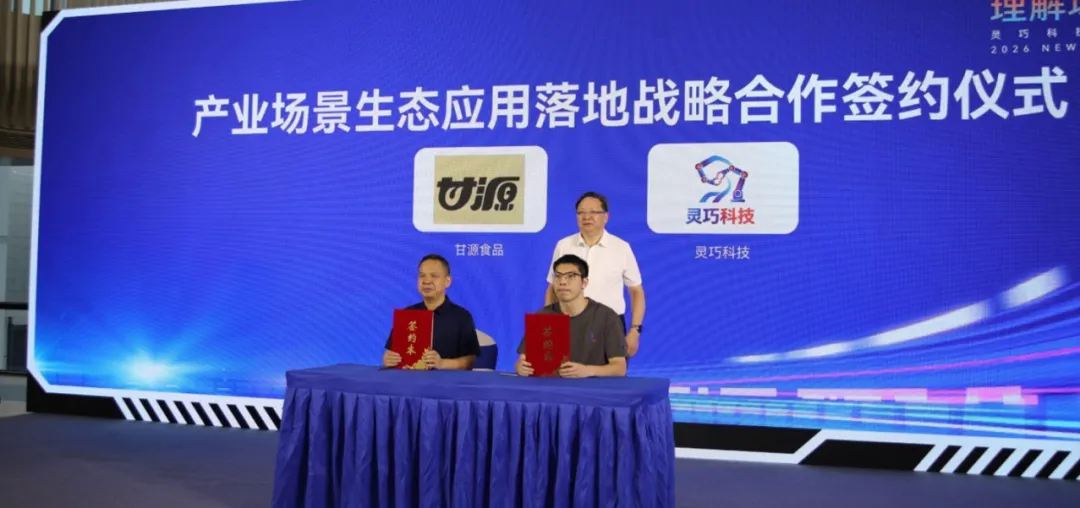
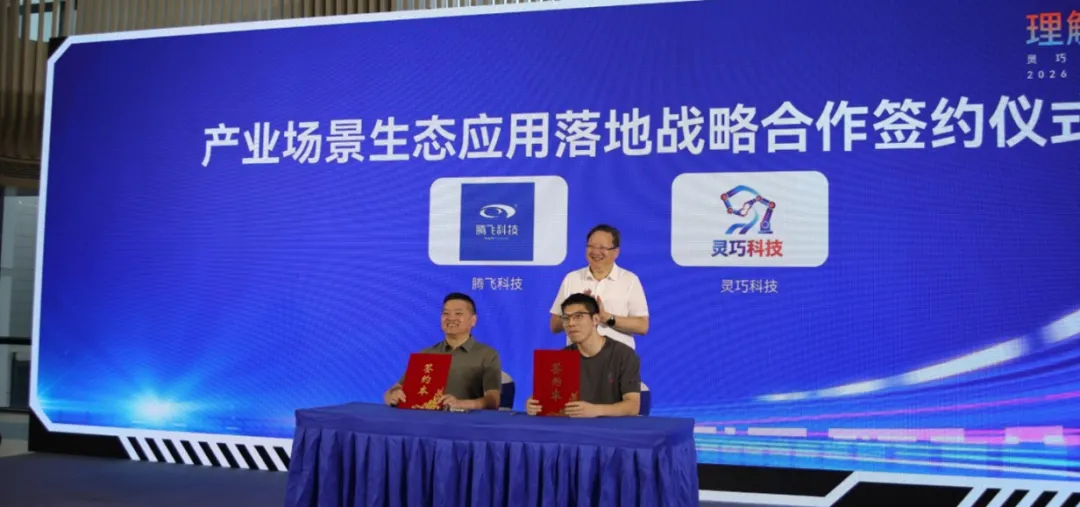
Gankyoung Food and Fujifilm Technology, complementing the scene. Gankyoung Food opened a leisure food production workshop, covering raw materials pre-processing, sorting, packaging, material transfer, product inspection, and other processes, providing real-world scenario verification for smart technology robots. Fujifilm Technology fully opened its own production manufacturing production lines, industrial operation scenarios and production operating systems, providing special application carriers for the scenario adaptation, function optimization, technology generation, and performance verification of smart technology robot products.
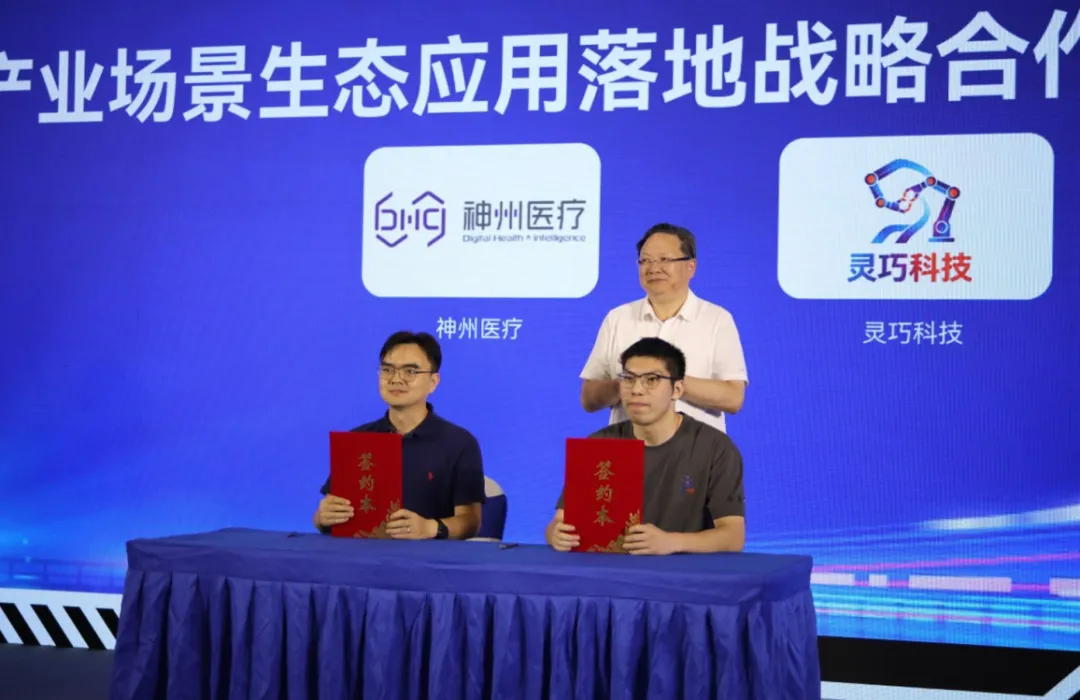
In the state of Nassau, the medical landscape is complementary. The two sides work on strategic cooperation in research and development of intelligent robotics technology and products around the need for an intelligent upgrade in the medical field.
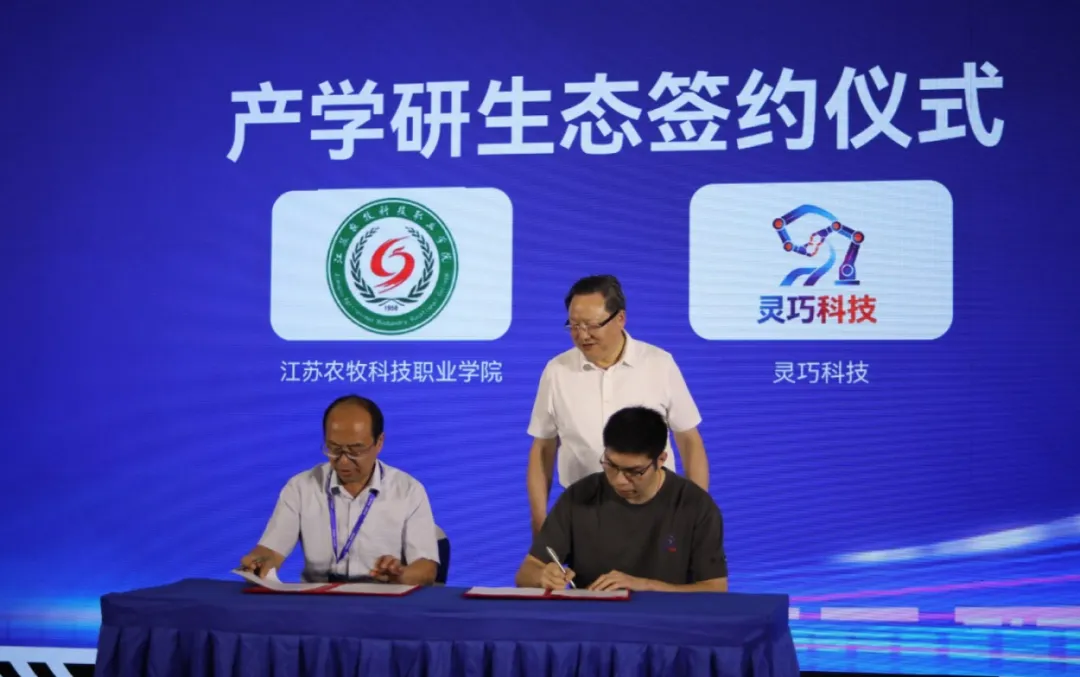
 Jiangsu Agricultural and Technological Vocational College is complemented by talent. The two sides focus on the fields of physical intelligence, robotics and intelligent manufacturing, focusing on multi-industry scenarios (smart agriculture, smart factories, smart logistics, etc.), deep cooperation in talent cultivation, technological research and development, result transformation, and joint service to regional economic transformation upgrades.
Six collaborative companies, plus one collaborative academy, covering core components, entire machinery manufacturing, scene landing, and talent transfer, will help a company that was founded in December 2025 to quickly form a more complete industrial chain collaboration layout.
“Components + Vertical Scene IntegrationThe layout,
“Industrial + CommercialTwo-way verification
Less than a year after its founding, Lincho Technologies received a strategic investment of Photovoltaic Capital in March 2026, and now has a core R&D team of more than 40 people covering the entire chain of structure, server, and software development.
The scale is small, but the product matrix has been expanded: from joint modules to flexible industrial mechanical arms and two-arms ellipses covering the industrial scene, and then to the commercial service scene. Supported by self-developed visual perception, power control algorithms and low-code demonstration platforms, the aim is to enable first-line engineers without the need for a deep robotic professional background to quickly complete task demonstration and product deployment.
In the second half of the automation of manufacturing and services, it is no longer just the parameters of the motor. The ability of robots to cope with variation, softness, and uncertainty like humans is where the gap is really drawn.
This is not the way to go, but ultimately to see the actual performance of the product on the production line and in the toilets. From this conference, it is clear that technology is not focusing on the parametric packaging of the showroom samples, but instead on the landing of the specific process.
—END— Recent Activities
 On September 29th, the first direct-drive stock was put on the market! The first direct-drive stock is coming to the end of execution as a landing card point, not because the hand is not agile enough, but because the industry has reversed the order.