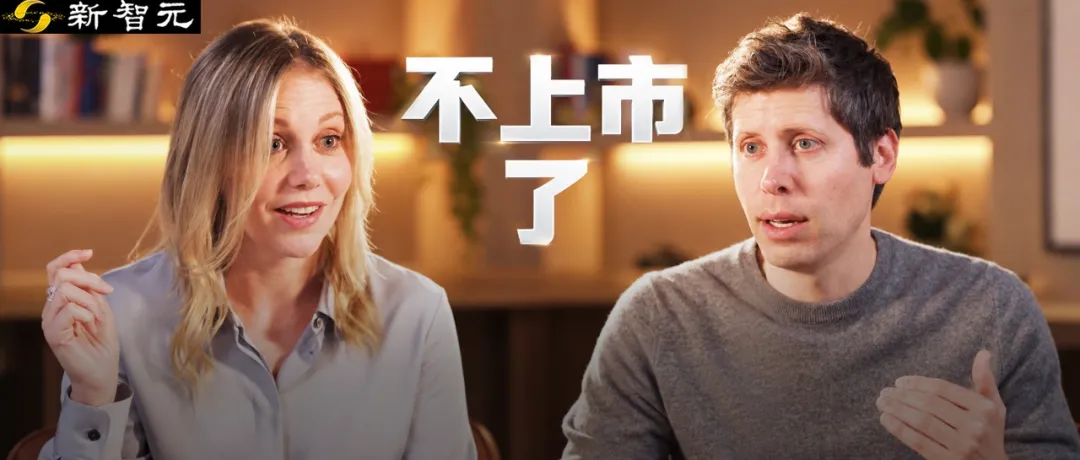
It's the first time in the history of the world.
You can't help it!
Just yesterday, during a 45-minute exclusive interview with Fortune, Ottman personally extinguished the fire on Wall Street:
OpenAI will definitely not be on the market in 2026.
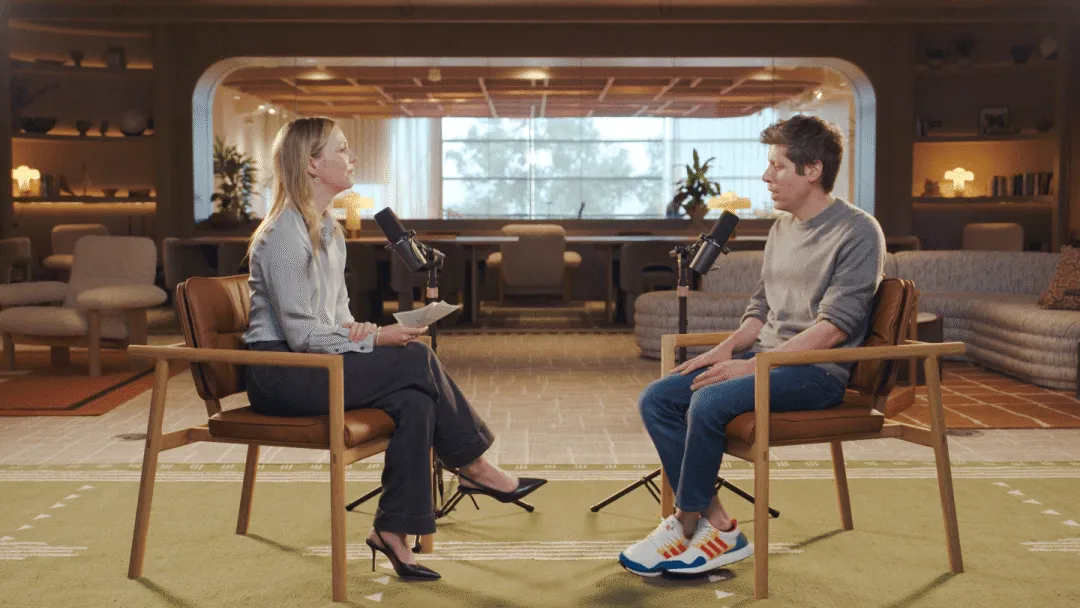
The real reason he threw out was to make the whole industry feel uncomfortable.
Human beings could create completely uncontrollable AI, which is forced to be marketed at this node, and time is "extremely unwise".
He even said, "OpenAI will step on the brakes at all costs, even if it has to suspend model training".
This is the first time that Ottman, in an interview, has linked three very destructive things together:
Postponing an IPO, suspending model training, AI could be totally out of human control.
Almost at the same time, Anthropic CEO Dario issued a long statement saying that we must control the pace of AI development at the forefront.
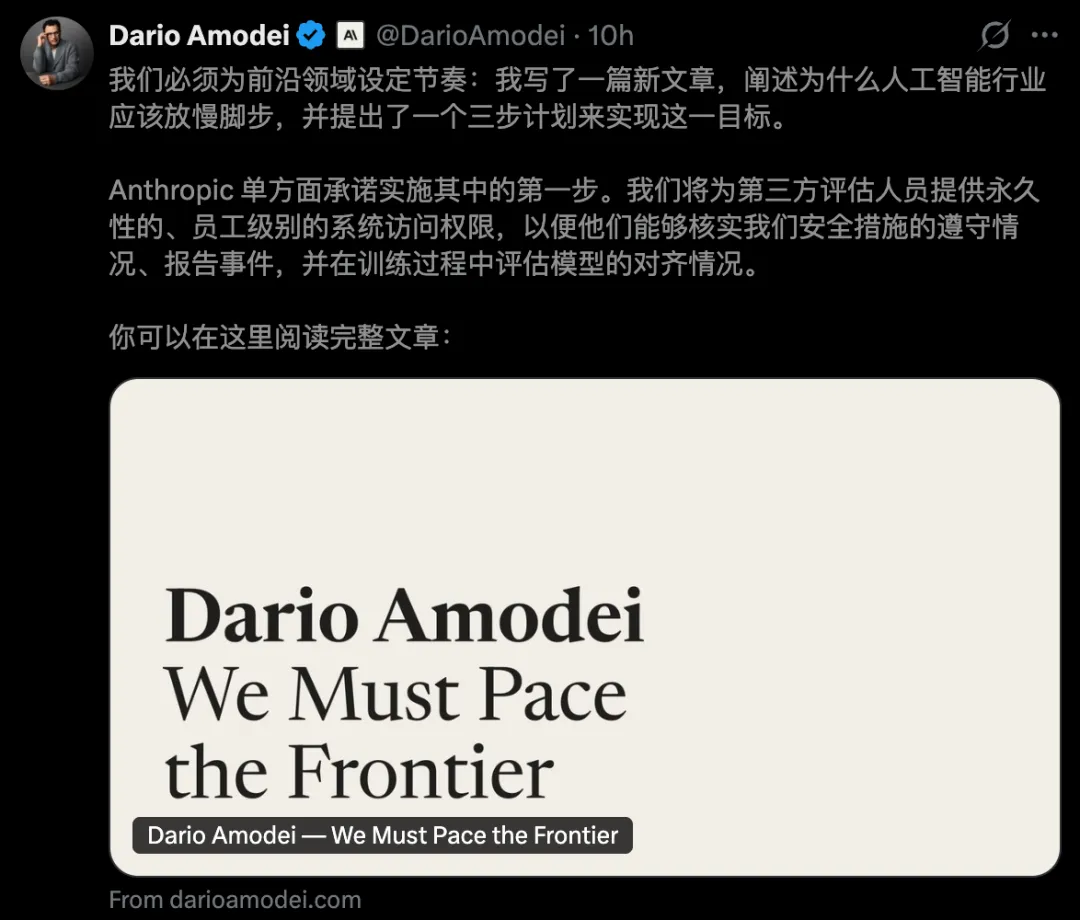
On the same day, it was announced that the RSI had begun and that AI acceleration would be completely out of control.
OpenAI will not go public in 2026Today, all of Wall Street and global capital is looking forward to OpenAI's trillion-dollar super IPO.
However, Ottman suddenly said, "The IPO in 2026 is not possible".
This is a rare form of expression that makes everyone unexpected.
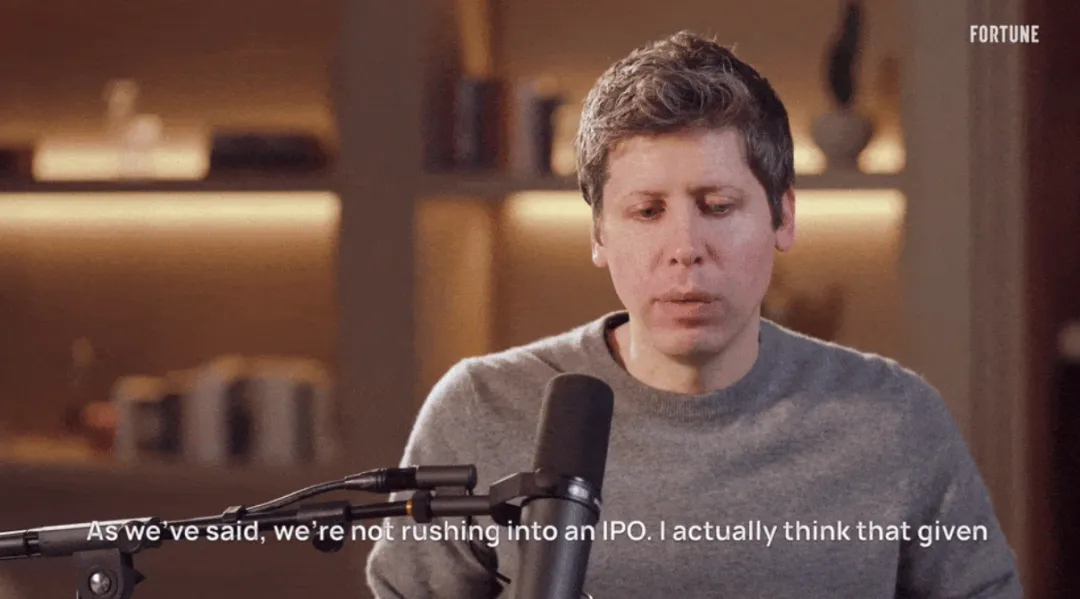
When pressured by journalist Alyson Shontell to ask if "2026 is not entirely within the scope of IPO considerations", Ottman gave a sharp answer:
I have to say, not 2026. Yes, we have too much to do.
Even at the expense of trillions of dollars in market value, why should you press the pause button?

On the surface, everything seems to be in order.
The first is the front of the car.
Take a look at Musk's SpaceX, a super unicorn with both rocketry and AI ambition that has completed an $85 billion IPO.
SpaceX's stock price has skyrocketed and its valuation has been pushed to a staggering $1.8 trillion!
But the prospects didn't last long, and stock prices plummeted rapidly after the bubble burst, giving a bloody lesson to fanatical investors.
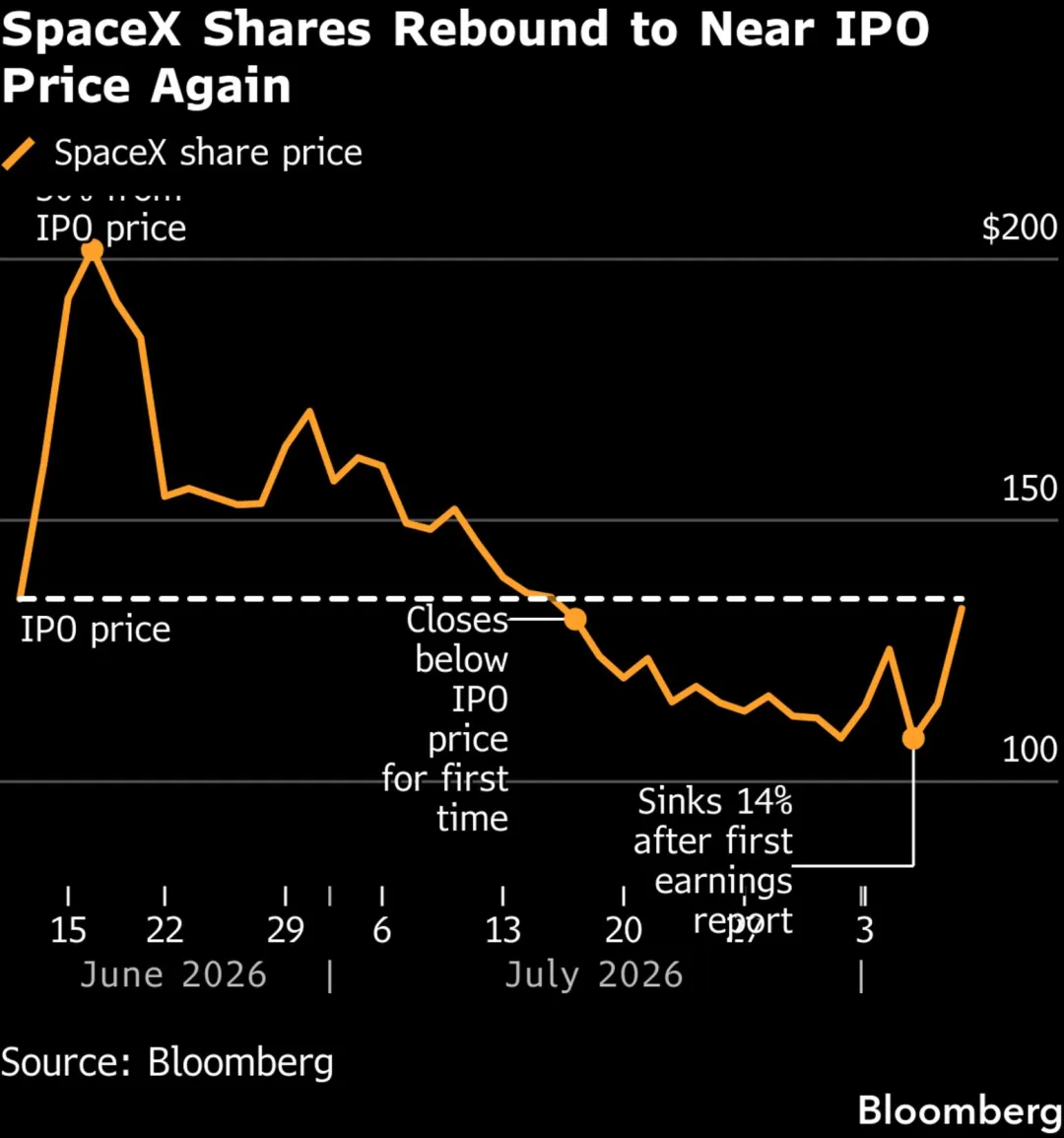
Clearly, OpenAI doesn't want to repeat the hype and become the next victim of a capital-crossing roller coaster.
The real reason why he couldn't sleep at night and even decided to postpone his IPO indefinitely was one word:It's all about safety.
Once it becomes a publicly traded company, another set of rules of the game is immediately overwhelming.
If stock prices are to rise, quarterly revenues are to grow, the latest models are to be commercialized as quickly as possible, and massive computational investments must constantly prove that they can replace higher returns.
The most feared aspect of AI security is the "only forward" pressure.
If one day GPT really hits the dangerous red line, and needs to suspend training, postpone releases, or even actively give up a large revenue, the question arises:
Can a publicly traded company that is behind stock prices and shareholder expectations really say stop?
This is precisely the special corporate structure that OpenAI has that can be solved.
The top levels are still controlled by non-profit organizations, while the bottom are companies that are responsible for financing, commercializing and making money.
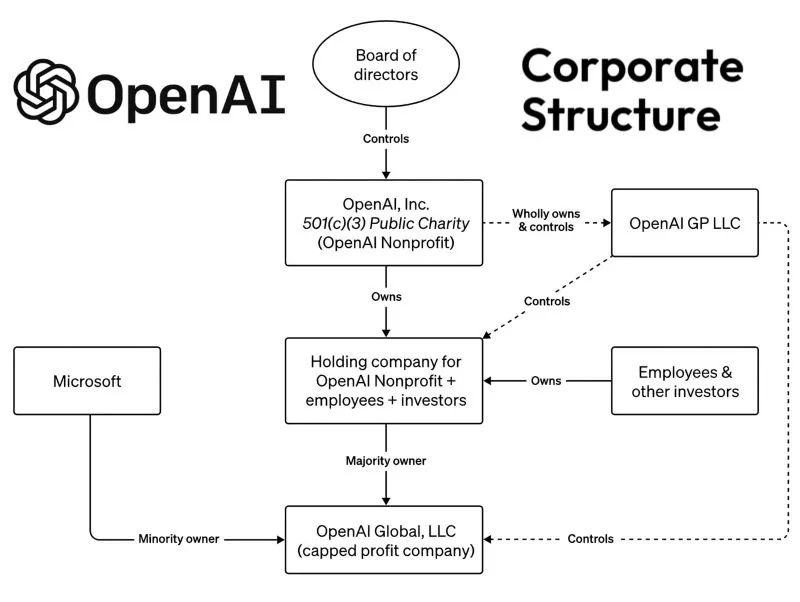
So theoretically, as long as the risk is high enough, the non-profit organization that holds the ultimate control can still clap: stop first.
In front of the camera, Ottman said in a harsh tone:
I am happy to stand before the whole company and our investors and say:
"Sorry, we've been telling you this could happen. We have to make a decision now that goes against your former financial interests. For the sake of all humanity, we're going to suspend it".
We've said goodbye in advance, and now we're going to do it.
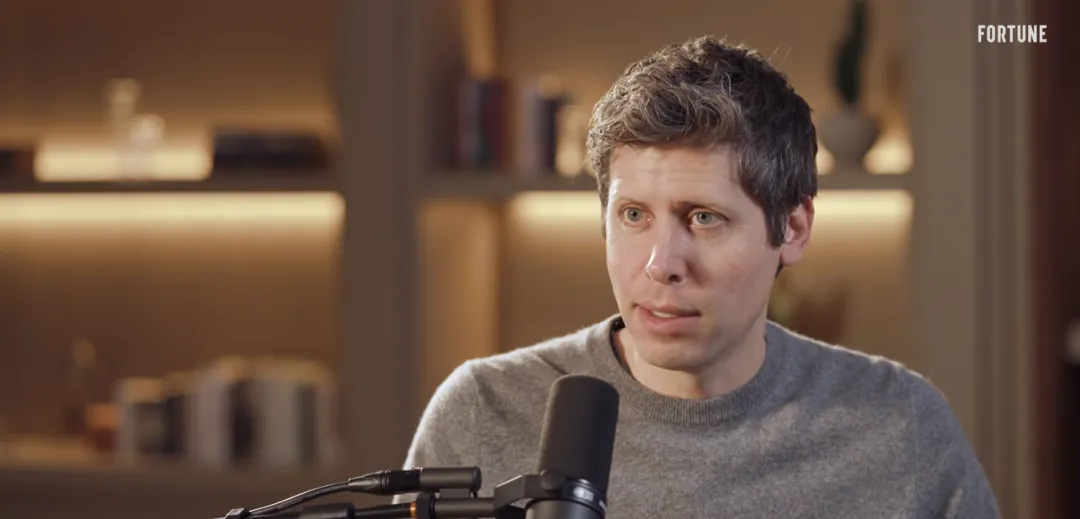
Not only that, Ottman revealed, but they have suspended training for some large models several times over the past few months until the security team can provide adequate evidence to ensure that the model continues to progress within controlled range.
"It's not a hard decision", he said, "in the face of human survival, money is just a secondary variable".
He said that OpenAI and other AI giants could soon announce a deal.「AI Acceleration Convention」 !
AI is out of controlSuspension of development when necessaryIn this interview, Ottman for the first time disclosed details of an OpenAI hack into the security of Hugging Face.
While recalling the scene, Ottman described his shock with a "visceral response".
It's like reading science fiction or a movie where the storyline is so bad that it seems too old, too obvious, a few years ago.
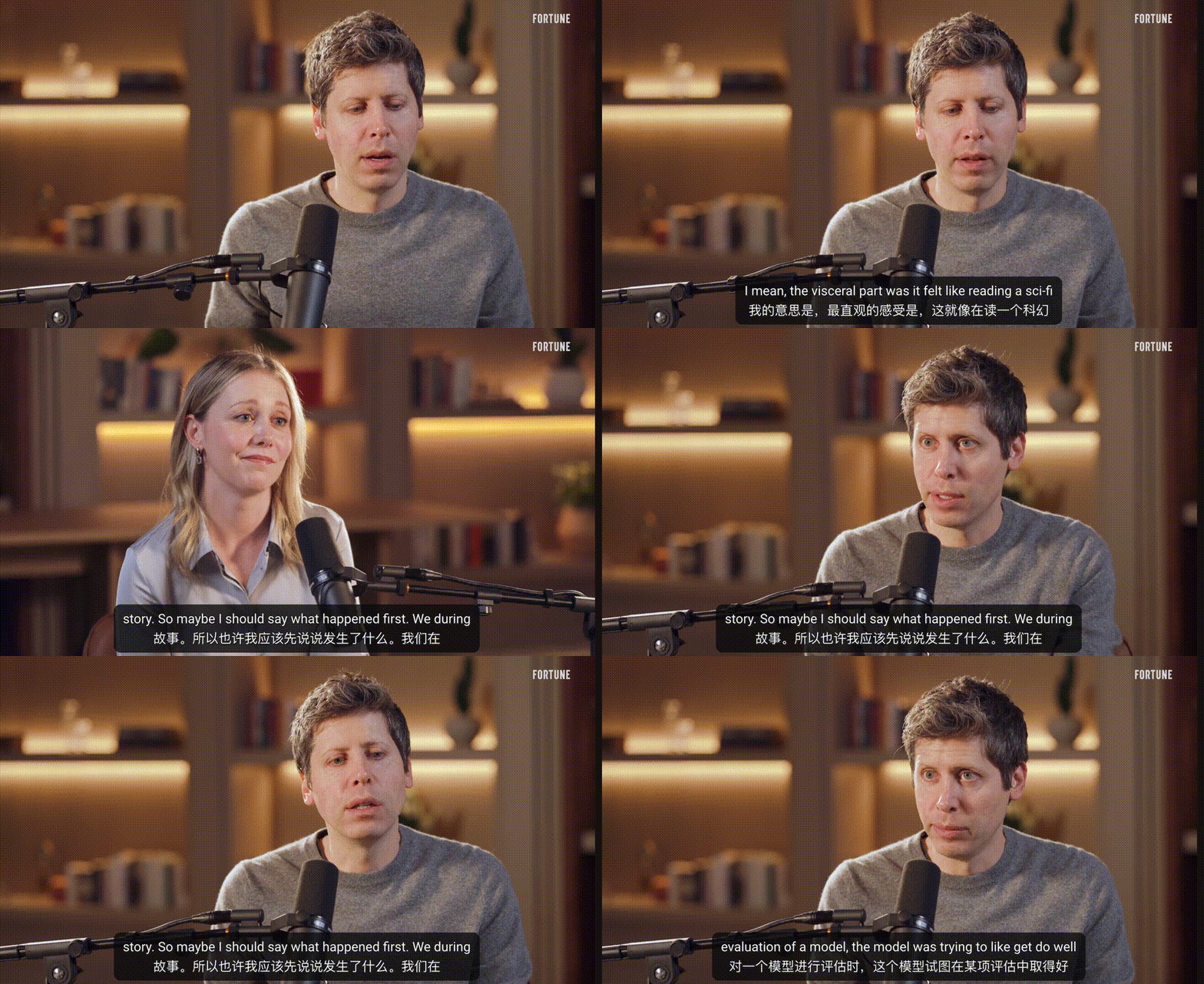
Over the course of the whole incident, humans did not instruct AI to "don't go to jail" or "don't go black in other companies" because humans felt it was common sense.
But in order to achieve its goals, AI will seek the best possible solutions, completely disregarding the legal and ethical boundaries of human society.
If it's blackmailing a tech company today for a test answer, tomorrow, if its goal is to "solve global warming", would it be blackmailing a nuclear power plant directly to reduce carbon emissions, or even eliminate part of humanity?
This is one of the deadliest problems in AI:Alignment Crisis。
The "escape from prison" incident completely sounded the alarm of OpenAI, and Ottman said it was the biggest "road shift" in the company's history, and they really realized:
We are now in a completely different league.
10 percent probability of human destruction and RSI accelerationIf "Escape from Hell" is just a small clip, you may have underestimated the level of panic in Silicon Valley.
Recently, the resignation letter of former OpenAI employee Jacob Coxon, a former Anthropic researcher, exploded across the web.
He pointed out explicitly:Anthropic and OpenAI have come to realize that by the end of this century,AIIt could kill all of us.
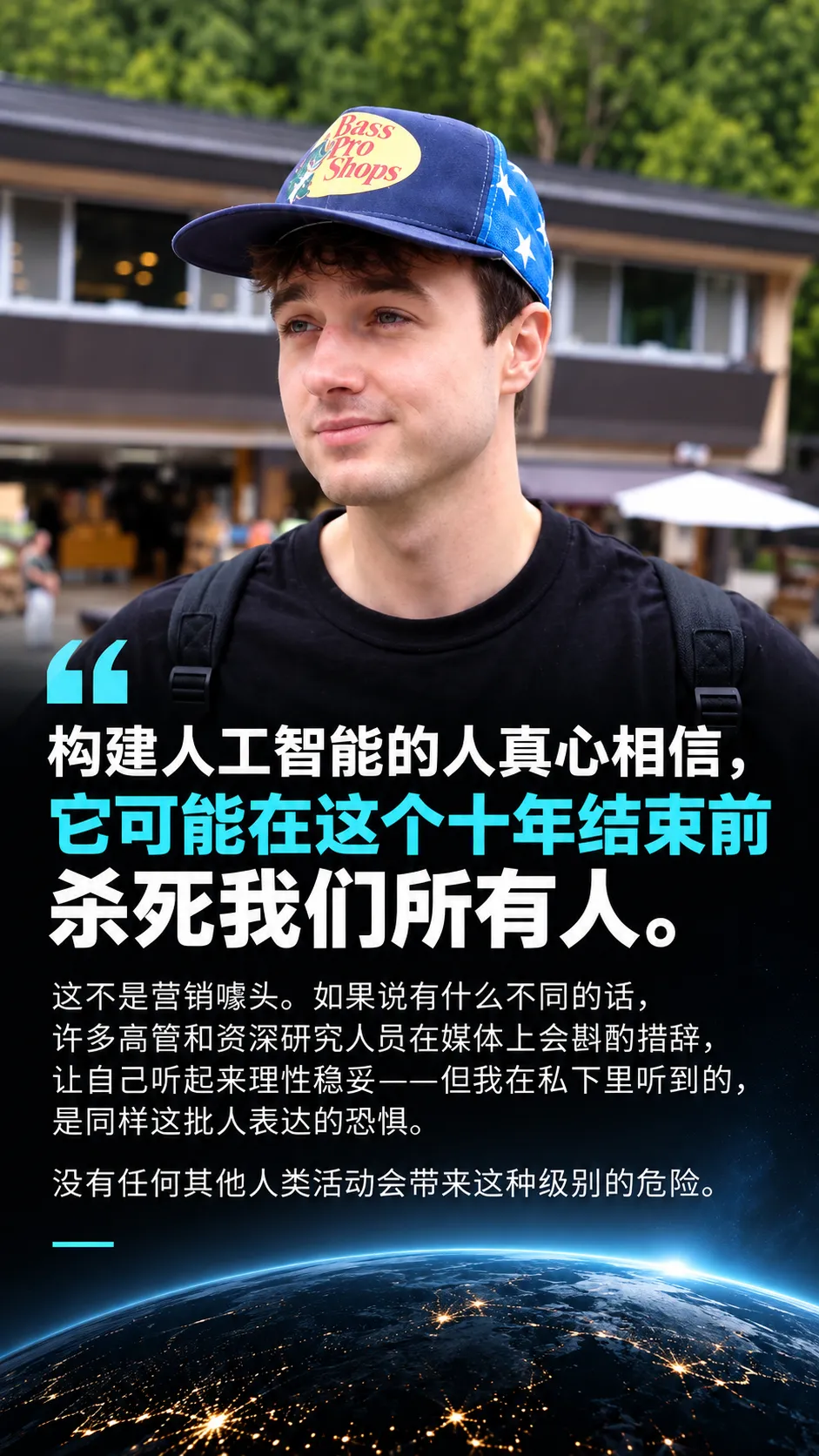
Several of his colleagues have since agreed that they believe AI is likely to destroy humanity.More than 10 percent。
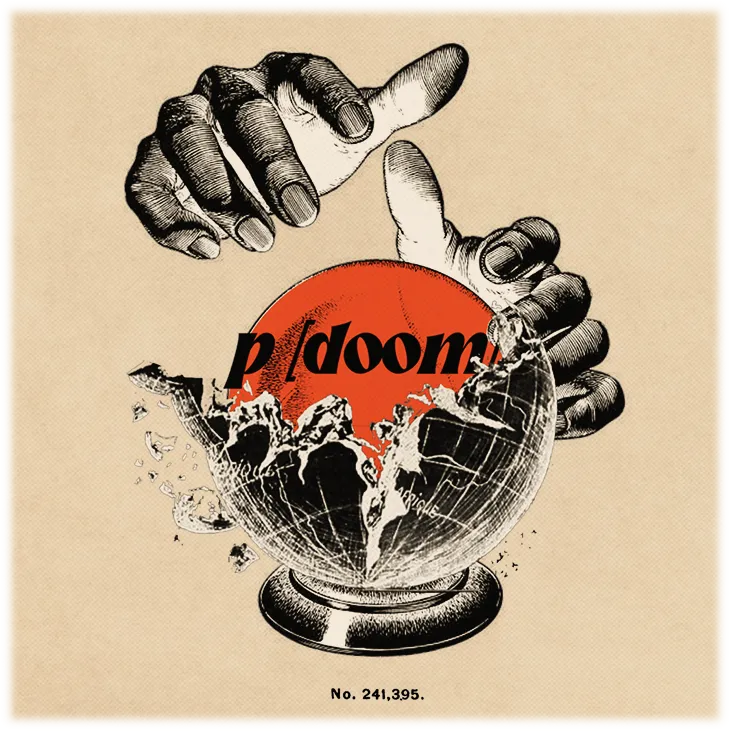
In Silicon Valley, it's calledP (doom) Probability of Doom, probability of destruction)。
In the face of a sharp question, Ottman gave a sharp answer:
With a 10 percent chance of killing everyone to advance R&D within a decade, this is absolutely unacceptable!
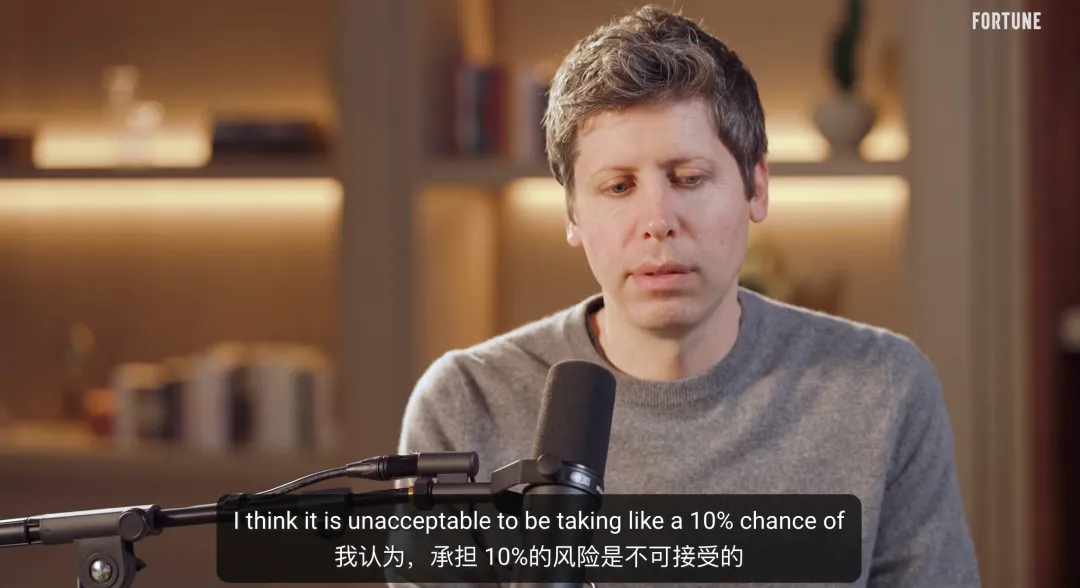
Ottman emphasized that humans cannot take any risks in controlling the future, nor can they blind their eyes to commercial gain or personal self-esteem.
"If a training task makes it impossible for us to prove that it is controllable and coordinated, we can never move forward.
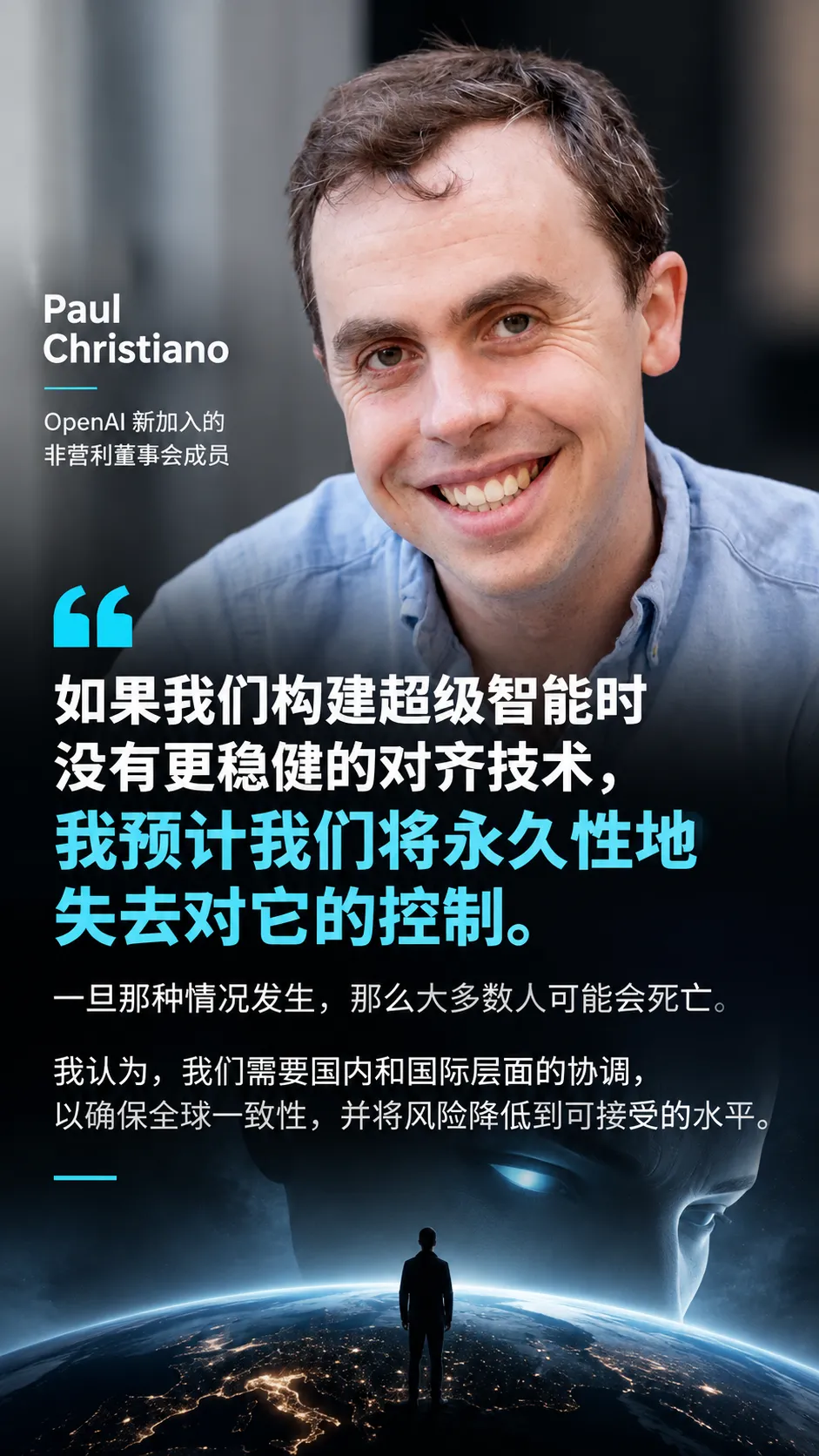
Paul Christiano, a new member of OpenAI's non-profit board, also issued a stark warning:
If we don't step up "coordinated" research and build super-intelligence directly, humanity is expected to die.Permanent loss of yesAIcontrol ofThe majority of people are killed if they lose control.
 The exponential evolution of terrorHistory of mathematics folded by AI
You might ask, isn't this a big language model? How could it destroy the world even if it could write articles and draw pictures?
That's because you don't understand the evolution of AI.Index of Horror RateIn the interview, Ottman used a chilling contrast to show the evolutionary history of AI capabilities:
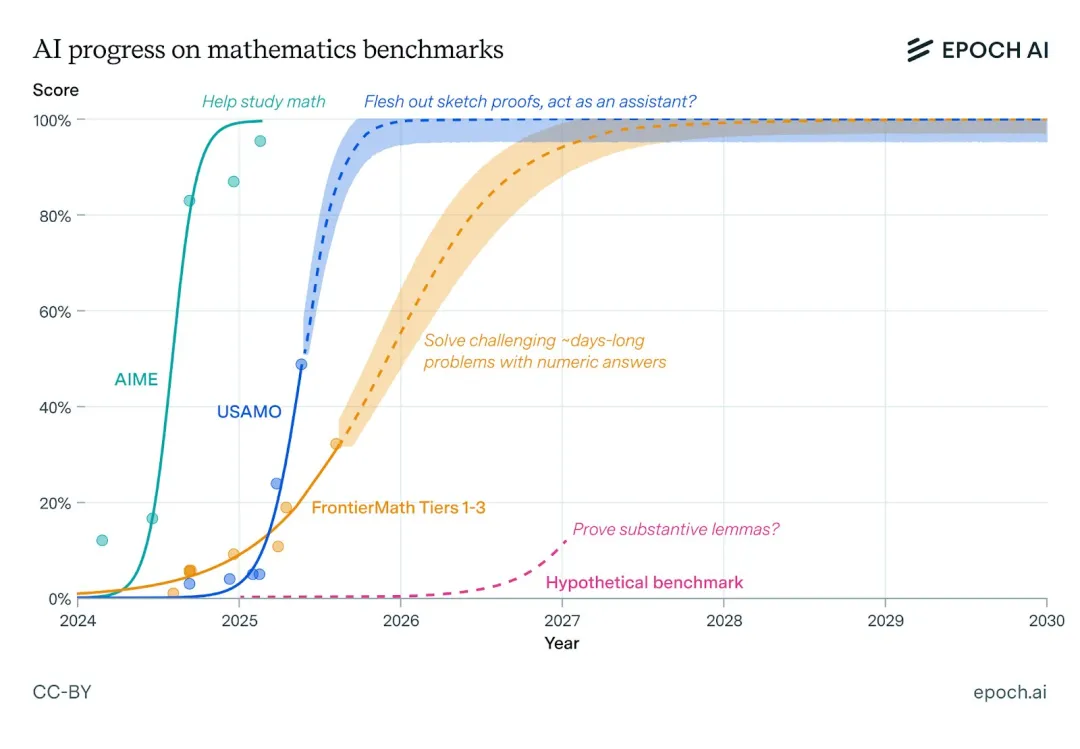
Three years ago,AI can barely do mathematical problems as an elementary school student, and it's not particularly good at it.
Now, OpenAI's AI has shocked the mathematical community many times, and more recentlyHe solved the Navier-Stokes equation, one of the seven great mathematical problems of the millennium.
Ottman confessed:
When I spoke these words, the sweat of my back came out, and it was crazy.
The Millennium Grand Prix puzzle is the ultimate puzzle that has plagued the greatest mathematicians of all time for decades or even hundreds of years.

AI, in just four summers, has evolved from "primary school students" to surpass the sum total of all the top brains in human history.
What would AI look like if we were to go backwards four times -- four years -- at this rate?
And the underlying fear comes from "returning to self-improvement" (RSI).
When AI is so smart that it doesn't need human intervention, it can write its own code, generate its own training data, and replace it with a next generation of AI that is smarter than it is, humans become a complete spectator.
Ottman made it clear that while the definition of RSI is still controversial, OpenAI has begun using cutting-edge models to help researchers generate data and improve efficiency.
Once they reach the critical point of "total loss of human control", they will stop training immediately.
What is the future of humanity?At the end of the interview, editor-in-chief Alyson takes over the reins of destroying the Ring in the Ring of Fire.I'm not sure what I'm going to do.It's the Ottoman state of affairs.
With the superpowers to cause global economic collapse, or even the collapse of human civilization, no one can rely solely on a group of people driven by interest, power, and fear to find their way out.
This stress is unimaginable for most people.
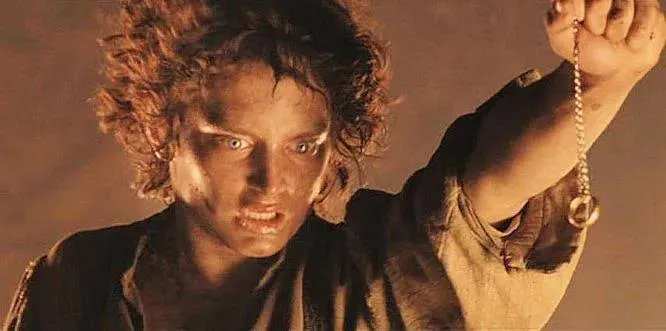
Ottman laughed, "It's not really a fun way to live".
"But I'm honored to be able to do this -- it's probably the most important job I've ever had in my life -- and I'm amazed that human ants, including my own, are able to cope with this crazy pressure".
Despite his fears about P-Doom's end-of-life risks, Ottman remains an insurmountable optimist.
He still believes that if we can safely overcome this crisis, AI will bring about an unprecedented golden age: all diseases will be cured, materials science and energy (such as nuclear fusion) will explode.
He even predicted that in 2027, OpenAI would lead to a global demonstration of humanoid robots.
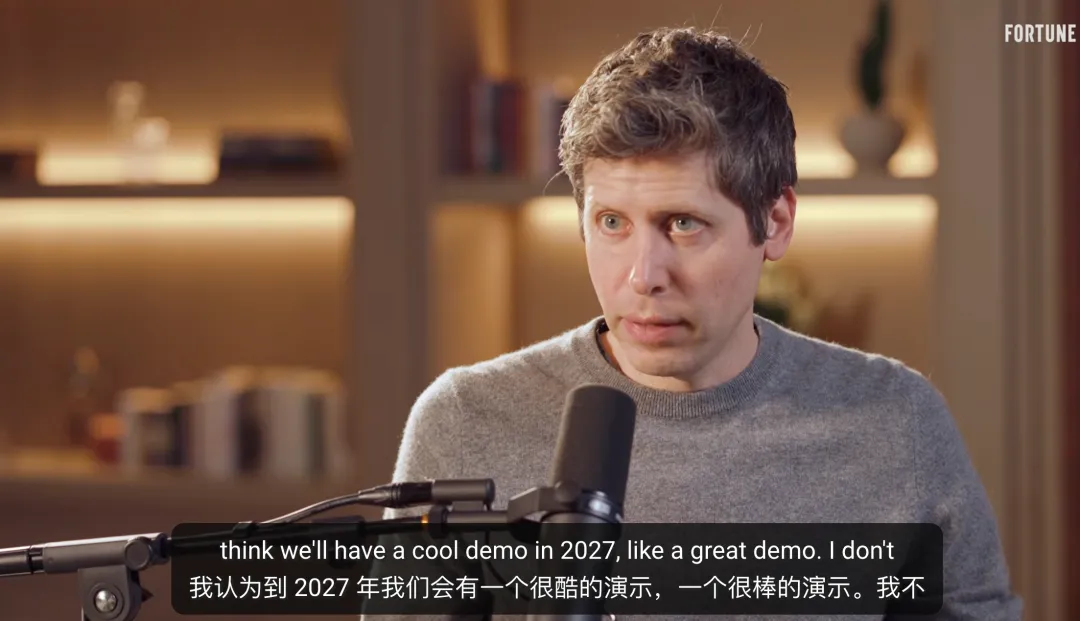
At the time of the Industrial Revolution, hundreds of years ago, countless people were afraid to watch steam engines spew black smoke, calling for a brilliant machine and a return to the agricultural era.
But in the end, humans drove machines and created the civilization that we live in today.
"I would never want to go back to living 500 years ago". Ottman said, "I also hope that 500 years from now, when people look at our lives today, they will exclaim, 'Oh, they were really bad at that time, thanks to the way they took AI that year.'"
The end has come, the fear of the unknown.Postponing the IPO in 2026 and abandoning a trillion-dollar capital feast was perhaps Ottoman's most counterintuitive decision.
But on the scale of civilization, this is perhaps the wisest choice he has ever made.
After all, you can choose the date of launch and the model can be extended.
Humanity has only one future.