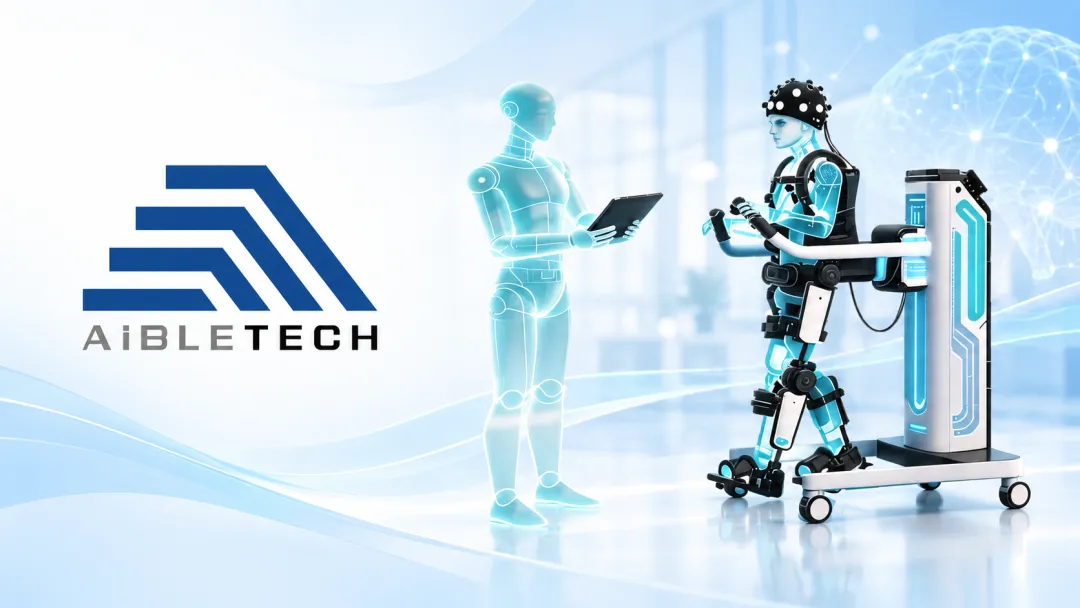
It's all right.
Starting with a name
In the English name for AI, Aible, there are two words: AI and Able. According to them, the name expresses a simple desire: to help those with disabilities regain their ability to use AI, which is to get rid of the dysfunction in the disable array.
This vision is first placed in the recovery scenario. When a person wants to lift a leg, the brain's movement instructions do not necessarily reach the limbs. The brain's electrical signals on the surface of the skin are so weak that eye and muscle activity are disrupted; even if the algorithm recognizes the intention of the movement from it, it must transform it into a device that can safely execute the movement.
How does AI get into this recovery process and re-engage patients in exercise?
This is the reason why we are here with AIbo. In 2026, the 2nd People's Hospital of Anhui Province will release the list of AI+ Rehabilitation and Innovation Scenario Development and Demonstration Applications based on non-invasive brain-machine interfaces.
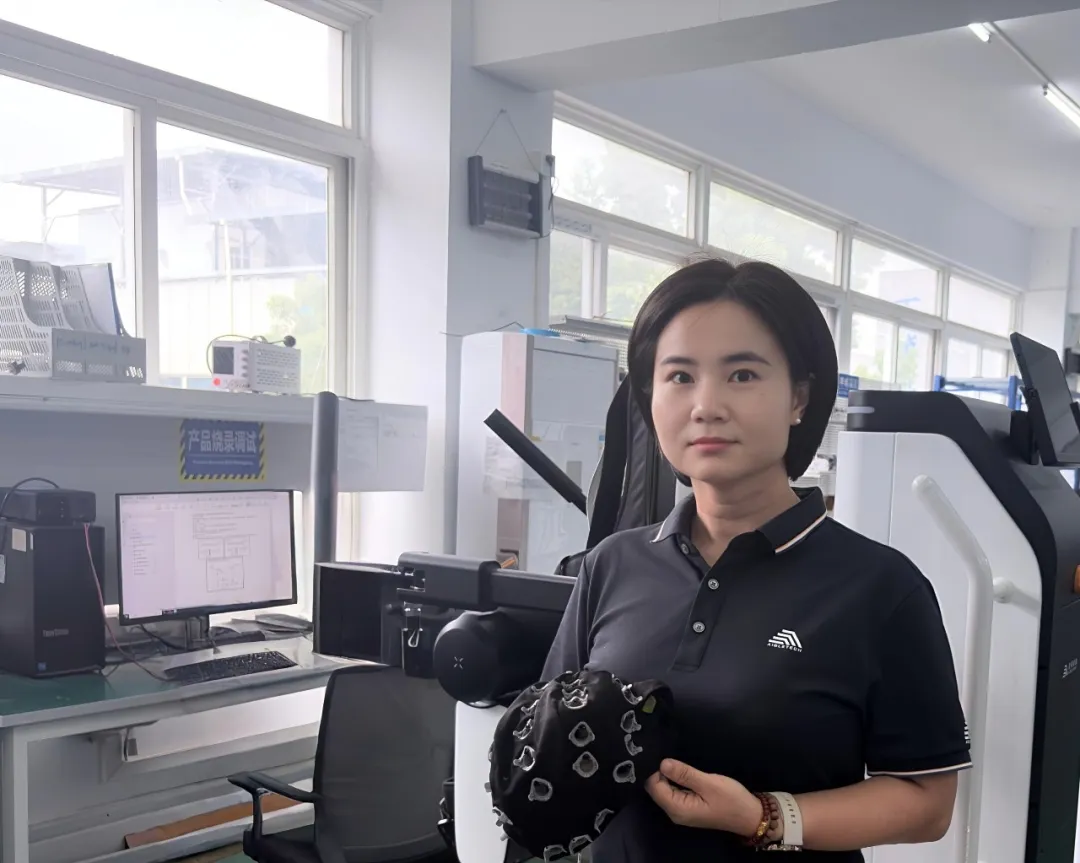
It's been a while since I've been able to write a blog post.
In IBM's program, a brain electrical device collects signals from the surface of the scalp, the algorithm completes noise reduction and decoding, and the outer bone moves instructions through the executor. The company's answer to the question now becomes clear: can the algorithm read brain electricity and continue to work steadily in a real hospital environment?
Future routes are not yet formulated
Speaking of invasive and non-invasive brain machine interfaces, Abe's general manager, Suzanne, first gave a judgement: the path of AI technology is not high or low.
Invasive electrodes are closer to the source of neural activity, and the received signal is usually clearer, but needs to be implanted by surgery; non-invasive devices read the electricity to the brain next to the scalp and cranial bone, no surgery is required, the use of thresholds is lower, the cost is weaker, and the signal is more susceptible to physical activity and environmental noise interference.
Both routes have applicable scenarios, and each faces unresolved issues. Suzanne has repeatedly pointed out that the brain interface is still a futuristic industry puzzle: the technological pathway has not yet been crossed, and the industry has not yet had a standard answer. In her view, the rapid development of this turn-based brain interface has two backgrounds. The advances of these materials are helping invasive devices improve electrode quality, improve flow rate, and the development of AI provides new tools for enhancing complex signal processing and individual generalization capabilities. The former brings electricity closer to real neural activity, while the latter attempts to extract more effective information from a variety of signals.
As a company that pioneered deep learning in speech reduction and recognition, Cognitive Intelligent Design has provided traceable pathways and technical experience for Cognitive Intelligent Design. In Suzhou's view, voice and brain signals are essentially continuous time signals, which must be decoded after collection; however, non-invasive brain signals are weaker, more susceptible to noise and disruption, and individual differences and time-to-time changes are more pronounced.
It often takes a long time to get from the lab to the application landing site. After selecting a non-invasive route, it is necessary to make it into a product, but also a scenario that can continuously collect signals, execute actions and recycle feedback.
Rehabilitation, becoming the first landed field
Cerebral electricity can be used to assess and control external devices, and in the field of rehabilitation, it is well-established to construct a clear chain of intervention between the central and peripheral nervous system. Patients generate movement intentions, the brain electrical equipment collects and decodes signals, and drives the rehabilitation robot to perform actions. The physical sensations produced in movement combine the visual and auditory neural feedback presented on the screen, again transmitted back to the nervous system, and once trained, this results in the formation of a signal from the nervous system to the peripheral nervous system, and then a multi-modular sensation from the peripheral nervous system returns to the full circle of the nervous system, effectively inducing positive neuroplasticity.
Robotic training usually starts in a passive mode, with the device moving the lower limbs according to the default step pattern, and performs part of the therapist's repeated auxiliary actions.
In addition to muscle training, the brain electricity provides another pathway: it attempts to search for movement information from a position closer to the central nervous system when the body has not yet completed a movement. The system needs to determine whether the brain has issued a corresponding instruction before the patient actually lifts the legs, and then sends the results to the control system of the extraosteum. The extraosteum assumes the execution of the movement, and the algorithm is responsible for converting the brain electrical signals into instructions that the device can execute.
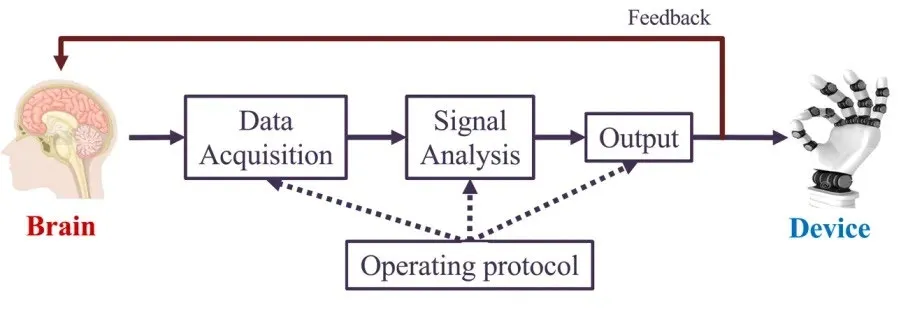 Graphics of brain-machine interface technology
The company's technical base is divided into two layers. Non-invasive brain machine interfaces are a long-term direction that has been confirmed in advance; existing external skeletal and rehabilitation engineering capabilities provide a currently accessible scenario for this route. The Adobe Intelligent Footsteps Rehabilitation Training Equipment is currently certified as a medical device and has been put into use in hospitals. It provides the product engineering basis for the combined system and also provides the operation execution terminal.
It's a way to make BCI+ heal faster, more accurate, and more stable.
Before a brain-controlled exoskeleton training begins, the rehabilitation therapist first enters the user's basic information. The mechanical exoskeleton completes the matching of size and assist level, then guides the patient through animation to walk and imagine movements, through brain caps to collect signals, chip algorithm processing, brain signal analysis, motion intent recognition to execute movements intent signals, so that the exoskeleton robot can actually walk with the help of the exoskeleton.
At the level of motion picture decoding, Suzhou explains that AI is not intended to capture brain interfaces on a single signal or a single paradigm. The current system is mainly based on a static vision inducement power output, or SSVEP paradigm: when users look at a visual target with a specific frequency of cyclical changes on the screen, the brain produces a corresponding static vision inducement response. The system determines which target it is focused on, and converts it into a corresponding instruction. The team is also studying the motion picture model, or simply MI. Users do not have to focus on flashing targets, just imagine a movement, the system tries to recognize motion from the changes in the brain.
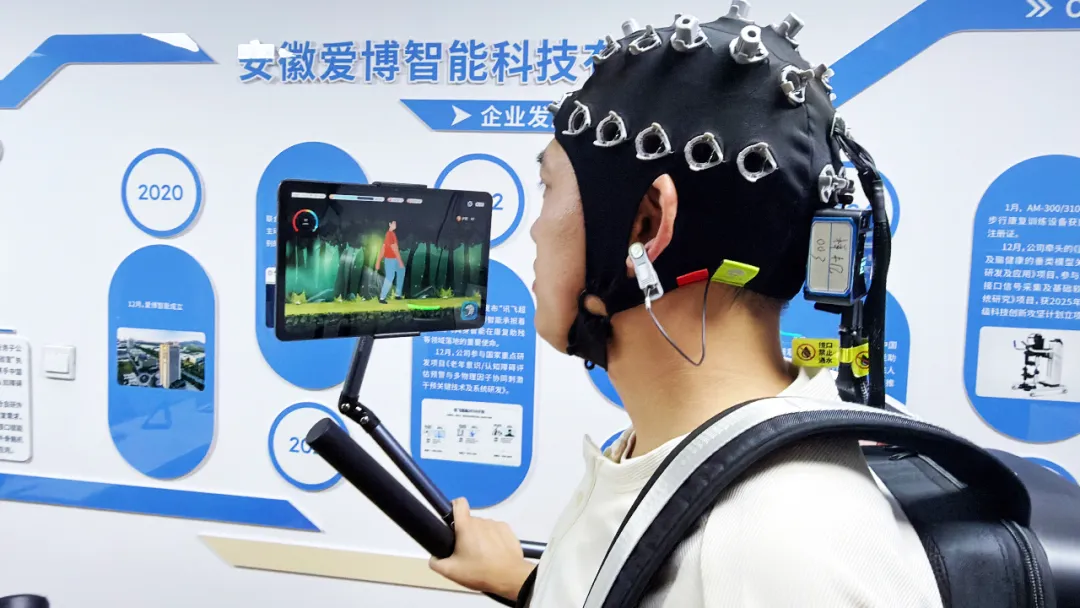
Using the visual inducement paradigm in the Ebo intelligent brain-interface-exoskeleton robot system for rehabilitation training
At the moment, the core goals of AI are summarized in three words:Faster and faster.What is it?It's more stable.
This is achieved by relying on streamlined lightweight real-time decoding architectures (reducing algorithm computing time) and high-algorithmic edge computing (avoiding cloud transmission delays) on the home end.Suzhou countered with the common spelling scheme: the brain power device first sent the data to its host machine and then handed over to the software processing of the robot manufacturer, the control instructions reached the executor after several switches; Ebo Smart is now letting the brain power data into the end-side chip to complete the processing, directly calling the step-by-step algorithm and the robot control. According to the current program indicator given by Suzhou site, the end-to-end delay goal is within 80 milliseconds;
It's more like that.What is it?”。Mainly referring to the recognition of exercise intent, in the brain-machine interface rehabilitation system, this indicator directly determines whether the system understands the patient with epilepsy. If it is not recognized, for example, if the patient tries to stretch his legs, the machine mistakenly judges him to have lifted his legs or even stumbled, not only training is ineffective, but it can also cause the patient to feel frustrated and even cause the wrong neural feedback, which is harmful to recovery.Non-invasive brain electrical signal noise is low, and interference such as eye movements, muscular activity, and mobility disruptions can be separated as much as possible from the original signal before accurate intentional identification is discussed. While noise reduction is an important research direction for the director of the Joint Laboratory, Professor Chen Chen, the team proposed a series of brain electrical noise reduction algorithms based on joint blind source separation and deep learning; the company's engineering team engineered algorithm models simultaneously, allowing the algorithm to work in edge-side algorithms and continuous operation conditions.
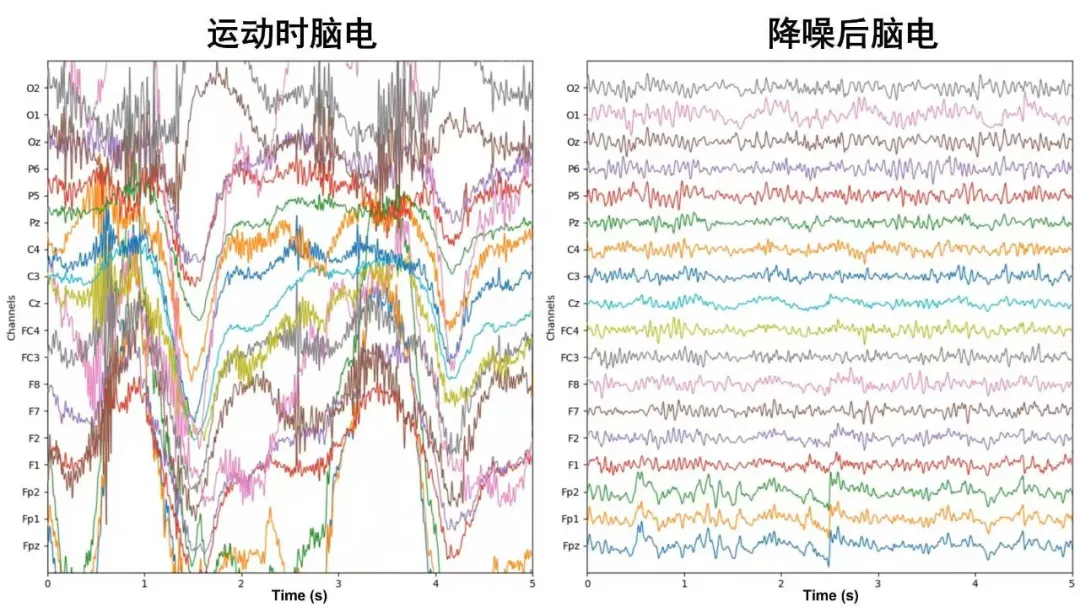
This is an example of the effects of electrical noise reduction in the brain of the Chinese Academy of Sciences-Aabo Intelligent Brain Machine Interface and Rehabilitation Assistance Joint Laboratory.
In an interview on the ground, Suzhou showed us the contrast of raw brain electricity after processing different noise reduction methods. She emphasized that scientific research algorithms can reduce noise in experiments, is only the first step; really entering the recovery equipment, but also considering the size of the model, real-time and continuous operation.
In the end, the steam is more stable.Changes in the brain are more difficult to handle in the long term compared to the high accuracy of a single experiment. Different people's electrical characteristics are not the same; the same person's electrolyte position, fatigue level, and mental state can also change in two trainings. A model that performs well only in fixed subjects and silent laboratories can quickly fail in the clinic.
For cross-individual differences, Suzanne describes a set of schemes that are still being explored: first, extracting relatively stable commonalities from a group of stroke patients to form a generic decoding model; then, after the new patient enters, collecting a small number of individual signals to calibrate a small sample. The goal is not to train a set of models from scratch for everyone, but to complete the individual adaptation as quickly as possible on a shared expression.
The team is studying adaptive alignment for the same patient's trans-day, trans-state changes so that the model parameters can be adjusted to the signal state of the day. At the same time, steady state also includes algorithmic security: when the system captures signals that are unrelated to training, difficult to confirm or that may cause misjudgement, the team is also studying negation strategies to avoid directly turning unreliable decoding results into action; even if it generates control instructions, the outer skeleton is only executed within the preset procedure and within the scope of the security actions.
Some of these works have entered engineering systems, some are still in the research and verification stages. But it is faster, more accurate and more stable to connect the problems in the eyes of AI: both to make the link between intention and action short enough and to read as much effective information as possible from the weak brain battery, and to make sure that the same system faces different patients, different dates and complex interference. Only through these changes can the brain interface be transformed from a demonstration to a reusable recovery tool.
Ansan province's second hospital to get the system into a real recovery site
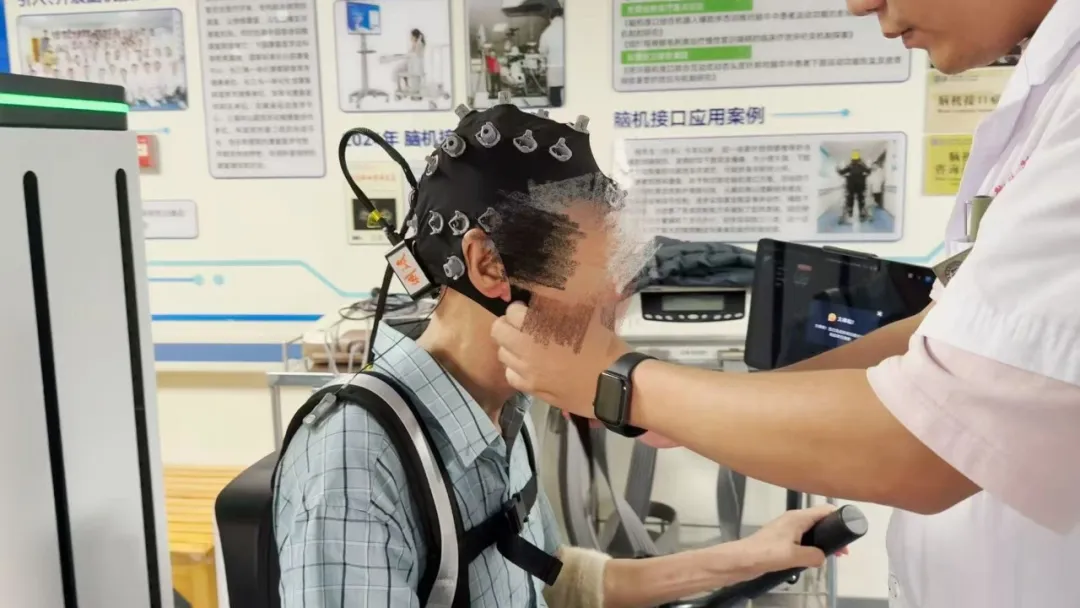
In an AI innovation scene at the Second People's Hospital in Anhui province, a stroke patient under the guidance of a rehabilitator uses a brain-interfacing rehab product.
During the interview, Suzhou showed us a video of patient training. In the video, brain electrical equipment and rehabilitation robots have appeared in real hospitals in Anhui Province II.
The Anhui Provincial Secondary School of Rehabilitation has a deep academic base. Since February of this year, the hospital has opened the doors to brain medicine and rehabilitation clinics, and has accumulated more than 250 complete clinical cases. The aforementioned Anhui Provincial AI Vision Project is based on non-invasive brain machine interfaces. The new AI Vision Project is based on non-invasive brain machine interfaces.
In Suzanne's view, the most immediate value of staying on site is getting real feedback. Subsequent changes will require a high time and compliance cost once a product version has been determined. Her experience is that a registration certificate typically takes eight to 12 months to complete, and the team wants to make sure that the problems in the hospital are as clear as possible before the version is determined.
Therefore, the real conditions offered by this hospital are precious enough. In real cases, the patient's physical condition is changing, the therapist has his own workflow, the equipment has to cope with the pressure of the hospital environment and continuous use, all of which provide important feedback on the actual application of the product. The project also provides data for the algorithm.
The scope of this project is broader than exercise rehabilitation, ranging from movement disorders to problems of concentration, mood and cognition. Non-invasive brain electricity is one of the common inputs to these tasks, but the algorithm objectives are not the same. In outer bone training, the system attempts to identify movement instructions; in the face of attention deficit hyperactivity disorder, it combines multiple modeling data, such as vision, metrics, behavior, to assist in the assessment and regulation of brain conditions.
Suzhou has repeatedly expressed her gratitude for the support provided to the AI Scenes Project in Anhui Province and the Second People's Hospital in Anhui Province. She believes that at the heart of Scenes Innovation is providing a real verification environment for new technologies, new products and new models, thus effectively promoting key technology research and development, accelerating product upgrades, and promoting the replication and promotion of business models. This is especially important for new technologies such as AI, brain machine interfaces. This is because the Anhui Province government has chosen to support high-value, high-potential application scenarios, hospitals open to clinical resources and environments, and the company's products can be continuously optimized.
The scale of a medical person
After completing her studies in public health at the University of Padang, she joined the Centre for Disease Control in Anhui Province and later joined Kodak Tensei to further develop AI. She has always positioned herself as a therapist.
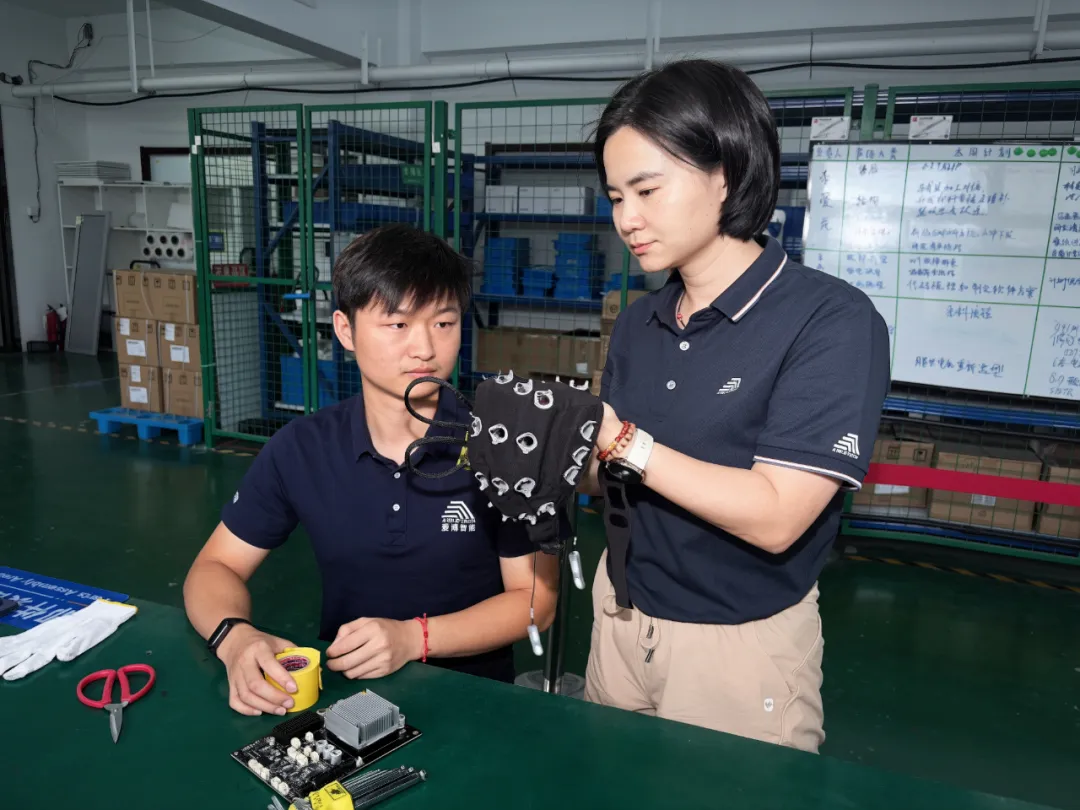
Image of Suzanne at work
Unnecessarily, don't add physical fiber, this is the idea that she has repeatedly mentioned in interviews. In the course of business development, it has been agreed that non-invasive brain interfaces will be expanded to more application scenarios, but at this stage, AI has set itself a clear goal: to focus on the recovery scene, to grind brain interfaces more quickly, more accurately, more steadily, to complete better noise reduction, better decoding of non-invasive brain interfaces, more widespread algorithms.
Suzhou believes that the startup team should put a limited amount of energy into landing products that can run through the smallest business closure. She attaches more importance to the product's verification results in real clinical scenarios than to chasing a first-generation, first-generation, first-generation, first-generation label.
The scale here also includes the attitudes of the users. When she attends the exhibition, if there are wheelchair users who come to the stand, she asks the staff to sit down and communicate and assist the experience.
This gives the name of AI a non-technical explanation. The combination of AI and Able will ultimately fall into one's life: how technology helps and preserves human dignity.
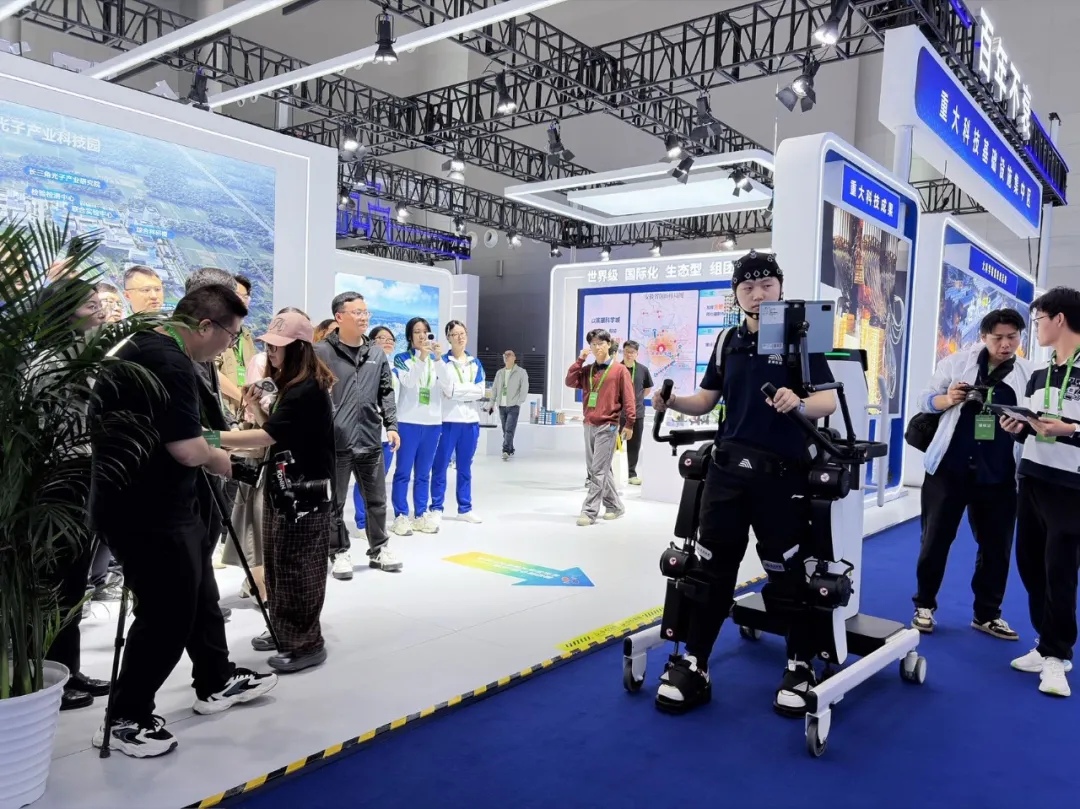
Here's a look at the first live exhibition of AIbo's Intelligent Brain Machine Interface and External Bone Robot Systems in China.
The answer ultimately comes back to humans.
He believes that every person can experience some capacity limitation throughout his life. It may be due to illness or aging, or it may be only a temporary physical state. Therefore, Able should not be understood as bringing a person back to a unified and normal state. It is aimed at helping people regain a specific ability.
The brain-machine interface provides a new tool for this. Whether this system can work steadily in real patients is still to be answered gradually in hospitals.
The future of invasive and non-invasive has not yet been characterized. Ebo intelligence chooses one of these and establishes its own starting point in recovery. The value of this choice cannot ultimately be measured by the number of technical terms.
From Disable to Able, there is no shortcut. The product must ultimately be tested on specific people: whether people can use it safely and effectively, and whether damaged functions can be restored and improved as a result.