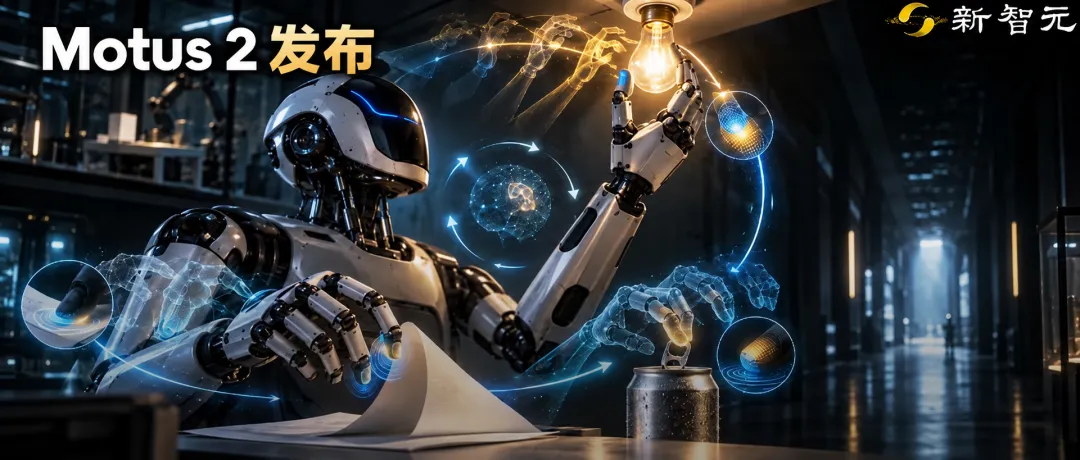
It's the first time in the history of the world.
Just now, robots have begun to evolve and take a big step forward into the world of autonomous intelligence!
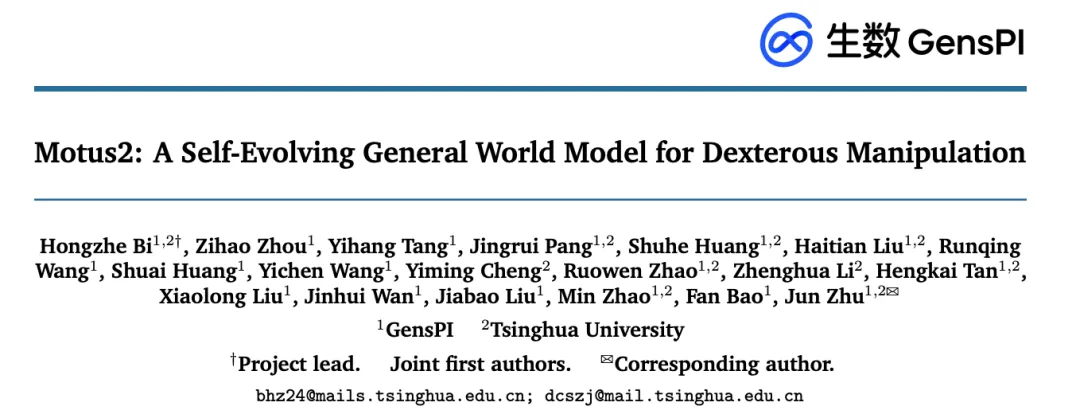
On 10 September, on the sidelines of the conference, the co-founder and CEO of Genetics, Huawei, brought the Genetics Motus 2 Series, a self-evolutionary general-world model aimed at simple operation.
It's not just about letting robots learn a move, it's about letting robots predict the consequences of a move, judge the outcome, and then use those judgments to improve strategies.
Hand-scraping, scrolling, scrolling, scrolling, scrolling, etc. were once considered to be high-difficulty fine-grained movements, and slippage was featured in Motus 2's virtual presentation.
In a unified system of perception, prediction, action, evaluation, and improvement, the five things that should be accomplished by a universal body of physical intelligence are: perception, prediction, action, evaluation, and improvement.
However, most existing world models merely give the world simulator "hanging out" an action output head, which lacks structural depth of convergence and cannot form a closed loop called "decision-making learning strategy improvement", resulting in robots not being able to use their own interaction experiences to self-evolve.
To address this bottleneck, biotechnology not only enables world models to access touch modeling, but also for the first time unifies "strategy, simulation, evaluation", and combines touch with historical information, connecting predictive outcomes, evaluations, and improvement actions to achieve an evolutionary closure!
This is a breakthrough step in the field of physical intelligence, with its core innovations being:
- Unified decision-making and learning interfaces. Use "action-priority" to connect causal information flow strategies, simulators and evaluators while supporting logical planning and training strategy optimization.
- Expand human interaction data. From single-eyed Ego videos, to double-eyed video clips, and to adapt to the robotic realm, allowing scalable human operation experiences to serve agility.
- Complete history with contact information. Through memory mechanisms and lightweight touch experts, single-lens vision is difficult to deal with in a state of complete observation.
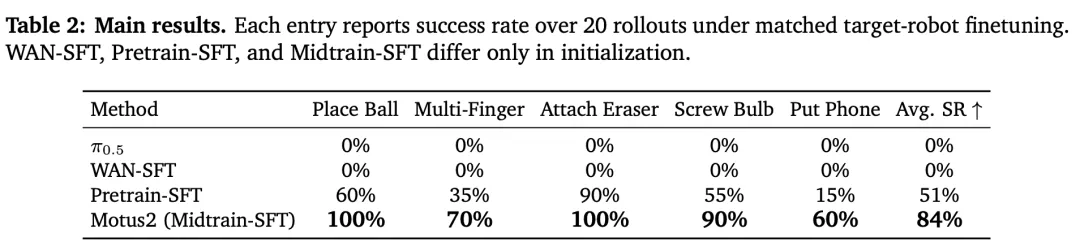
The average success rate of the Motos2 was 84% in the five major real-time missions of placing small balls, multi-finger operations, gluing to shell, light bulbs, and placing mobile phones.
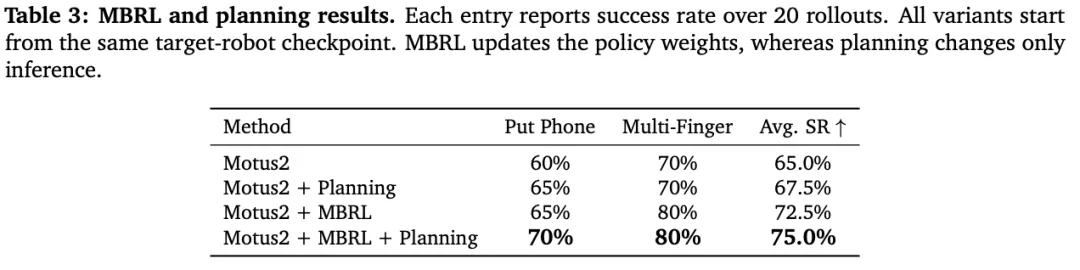
The average success rate increased from 65% to 75% in the two tasks of placement and multi-finger operation assessed separately, combined with model-based reinforcement learning and reasoning planning.
Model and data scaling, robots start to project the future in their minds, score their behaviour, and update themselves based on these feedback.
Projects:
The paper:
In the past, general robotic maneuvers were often viewed as simple "from observation to action" end-to-end mapping.
Traditional behavioral cloning or imitation learning (Imitation Learning) relies on a hardback: seeing the state of A automatically produces B actions.
It lacks physical common sense, is expensive to do, and models can neither judge movements as inferior nor improve from their own interactions when encountering unseen subtle disturbances.
This has led researchers to shift their focus.The paradigm of "self-evolution"Liu let the models themselves predict and evaluate the consequences of the candidate's actions, then use feedback to improve the strategy.
Recently, world models have begun to have two capabilities: strategic models (which propose action) and simulators (which predict the consequences of action).
The previous generation of models, such as the previously introduced Motus, has unified these two capabilities: allowing the model not only to do but also to "predict" the next picture. The key advance of Motus2 is to further integrate value assessment and strategy improvements into this link.
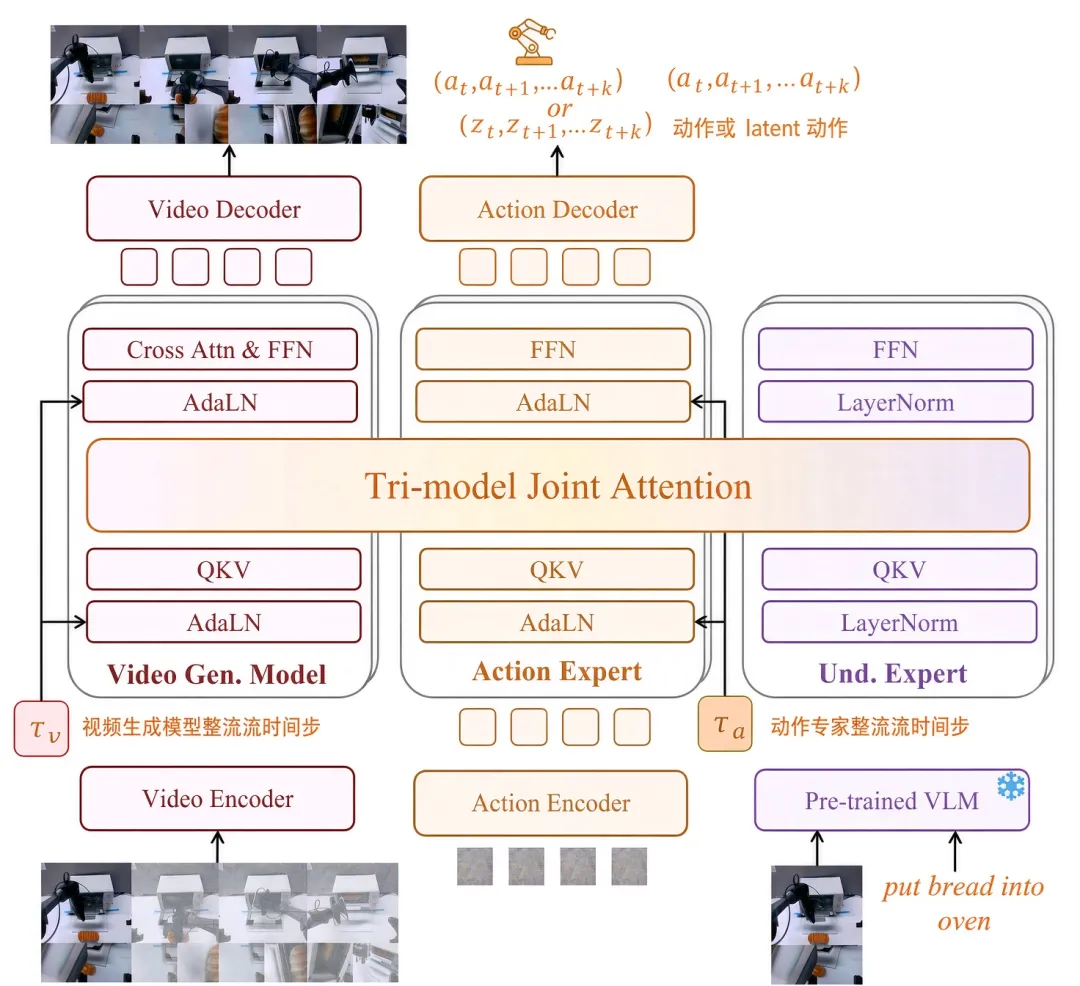
Motus architecture
However, the team realised that simply "prophesying" was not enough.
Predicted future images cannot tell you directly if this result will help you complete the task.
If you know "how" and you don't know "good or bad", robots will never make the best decisions, and they won't go far.
As a result, automation is in dire need of a third interface valuer (value model).
The strategy answers "try what action", the simulator answers "what will happen", and the evaluator answers "the result is bad".
This is the core principle of the GWM global model: action should not be an additional auxiliary output, but a causal interface of physical interaction, changing the environment, bringing new information, and entering the next round of understanding and prediction.
Motus 2, a major step forward for the universal model of the world of evolutionMotus 2 completely disrupted the previous architecture, incorporating three distinct capabilities into the same "video-animation" weight-sharing model:
- World-Action Model (WAM): Look at instructions, robot status and visual history, and generate action (workers)
- Simulator (AC-WM): gives the current state and movements and predicts future images (predictor).
- Evaluator (Value Model, VM): Watch the moves and results, judge the progress of the task (Supervisor).
The three are the three functional interfaces of the same set of parameters, rather than the independently trained architecture.
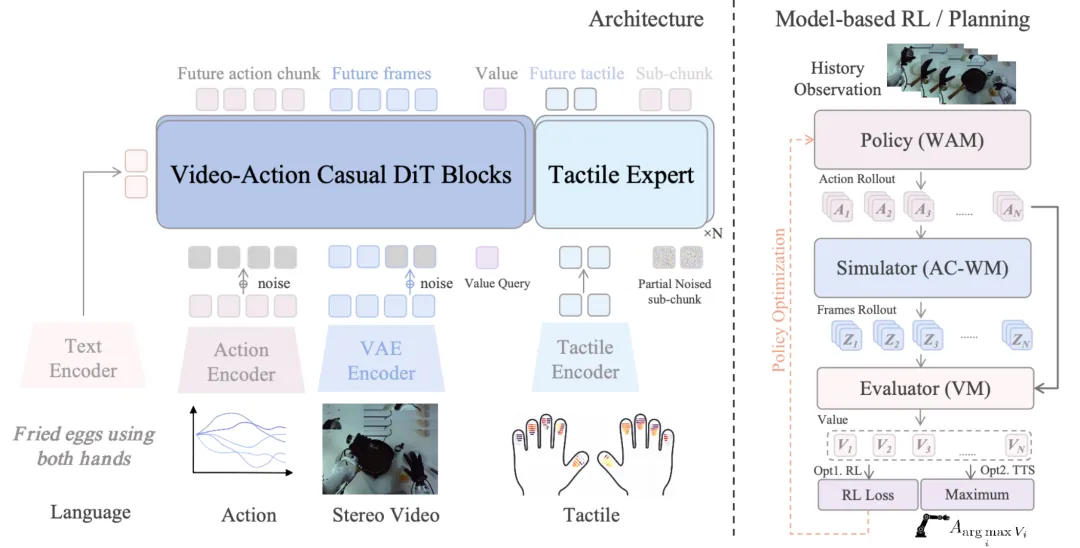
In order for the same model to be able to both predict the future and actually control the robot, a key problem is that the action cannot be preceded by "seeing" the information that will appear after execution.
In order to make these three work smoothly, Motos 2 designed an "Action-first" causal flow and masking mechanism: self-return within the block ensuring that robots could never "play through the future".
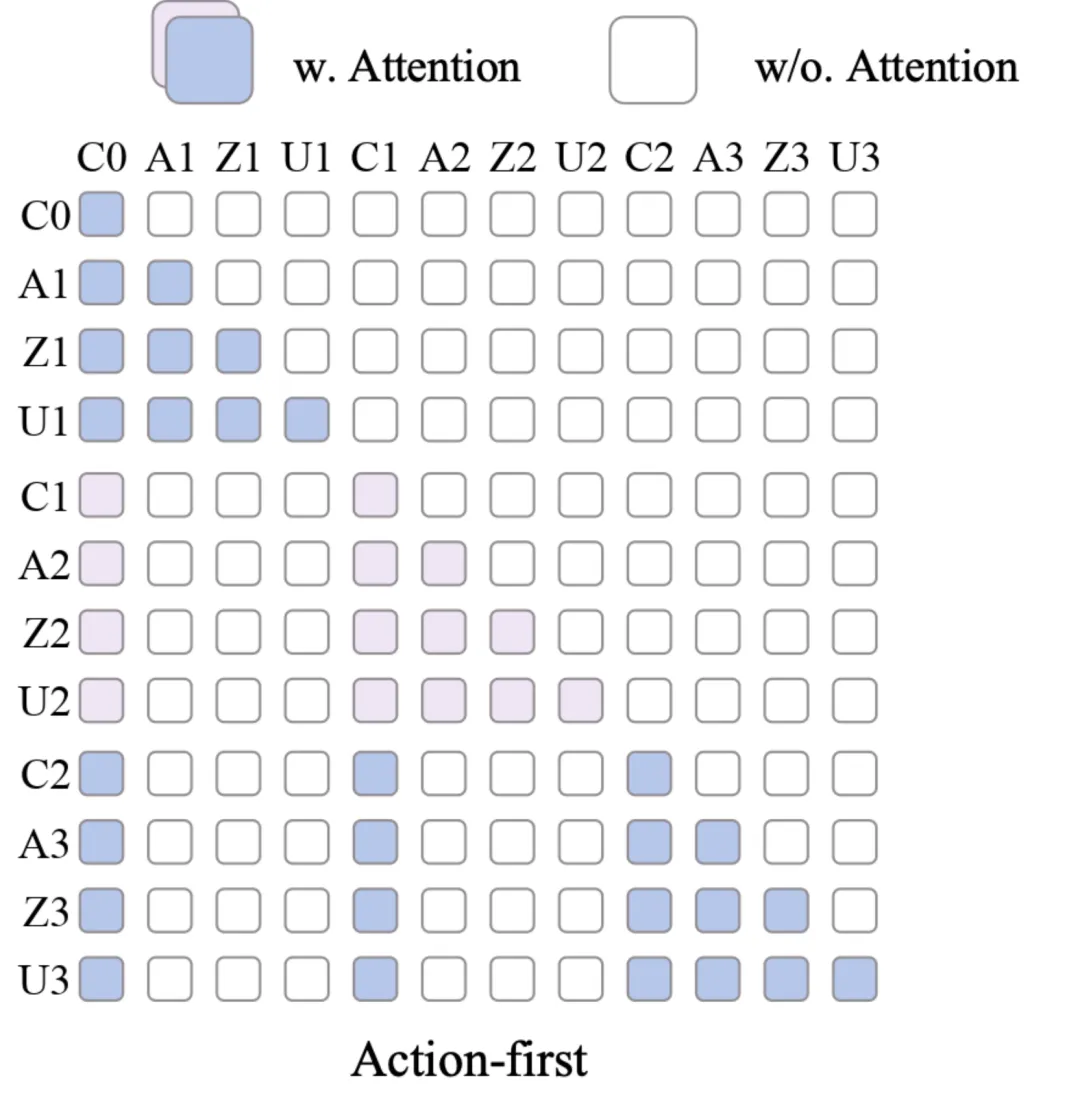
In mid/post training, the action priority mask prevents current future video information from entering the action prediction, while future video tokens can read the action and value queries can read both.
The chain of causes is firmly consolidated into:
Generate action → Project the future based on action → Assess future value.
The three characters share a set of parameters, switching by different input methods.
If the current context is marked as c, the action is marked as A, the future visual state is marked as Z, the task progress value is marked as Y, it can be expressed as:

Specifically, the action can only read information that exists before execution; future videos can read the action; value assessments can read the action and predict the outcome simultaneously.
This both retains the advantages of joint training and makes deployment more flexible: ordinary controls only generate action, and when planning or strategic optimization is required, call for prediction and evaluation capabilities.
Closed-loop evolution: world models start training themselves "with their brains"After predicting the future, the next step is to really turn predictive outcomes into decision-making and learning signals.
This is the most revolutionary evolution of Motus 2:For the first time, it allowed action, prediction and evaluation to form an evolutionary vertical craft.
Traditional reinforcement learning takes tens of millions of trials and tribulations in the physical world, but how could a real robot be so folded?
In the meantime, we've had a lot of trouble breaking down a few pumps, burning a few motors, and the R&D budget may be running low.
How was Motus 2 solved?
The answer is:Model-based reinforcement learning (MBRL) and test-time planning (Inference-time Planning).
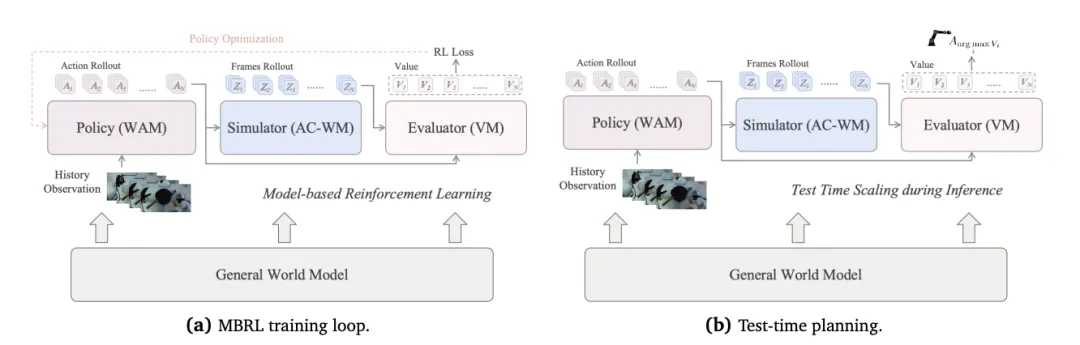
It moved the experiment into the "brain" of the world model, achieving a reduction in weight in two stages:
Step One: Think of "Best-of-N" in your mind before you make a decision.The moment it faces a light bulb or grabs a cell phone, the Motos 2 won't punch blindly. It's a candidate move for Mr. N and re-enacts all the possibilities of that N in the "simulator" in his brain.
The value appraiser will quickly assess the future of this N. Which future will not slip away and which one will achieve the goal the fastest?
The one with the highest score is executed in real life.
This mechanism allows the robot to have a time to play like AlphaGo.Planning skills。
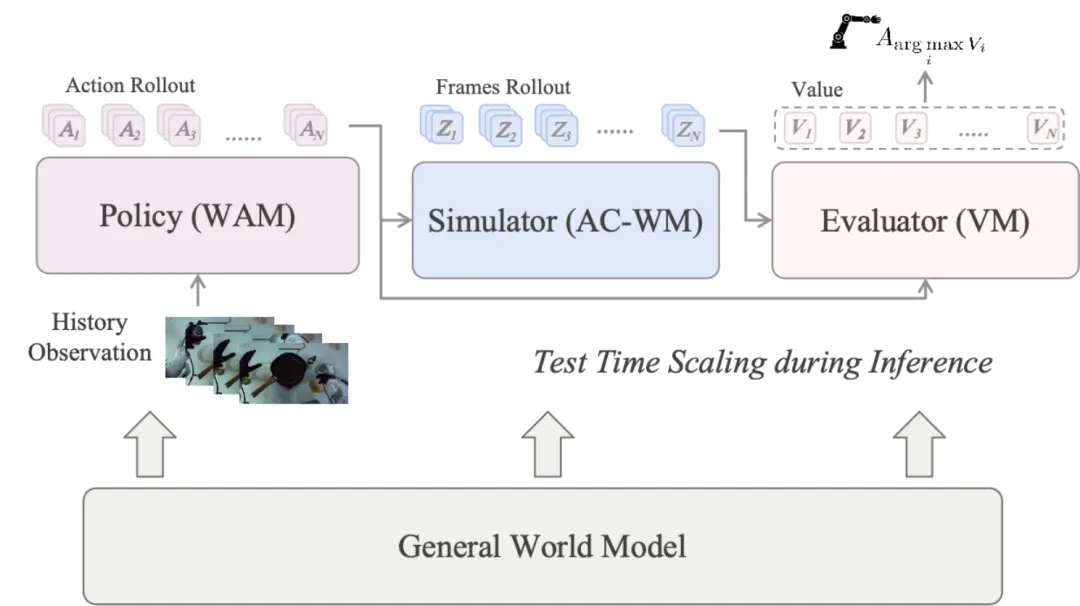
First generate the candidate's moves, then predict and evaluate; and then return to the real world for planning every move that is executed.
Stage 2: When you're training, let the "future of brainwashing" reverse the evolution of movementIn backstage training, the future and scores of the world model will be reversed as a reward signal for reinforcement learning and used directly for micro-modeling strategies.
The high-point movement is positively reinforced and the low-point movement is suppressed.
This has led to a conceptual disruption: the failure of robot data is finally no longer industrial waste!
In the past training robots, only successful tracks are useful, and failed tracks can only be discarded.
But for Motus 2, the failed trajectory is an invaluable treasure and it makes clear the church's model: "Why did you make this move and the world turned into this awful situation?"
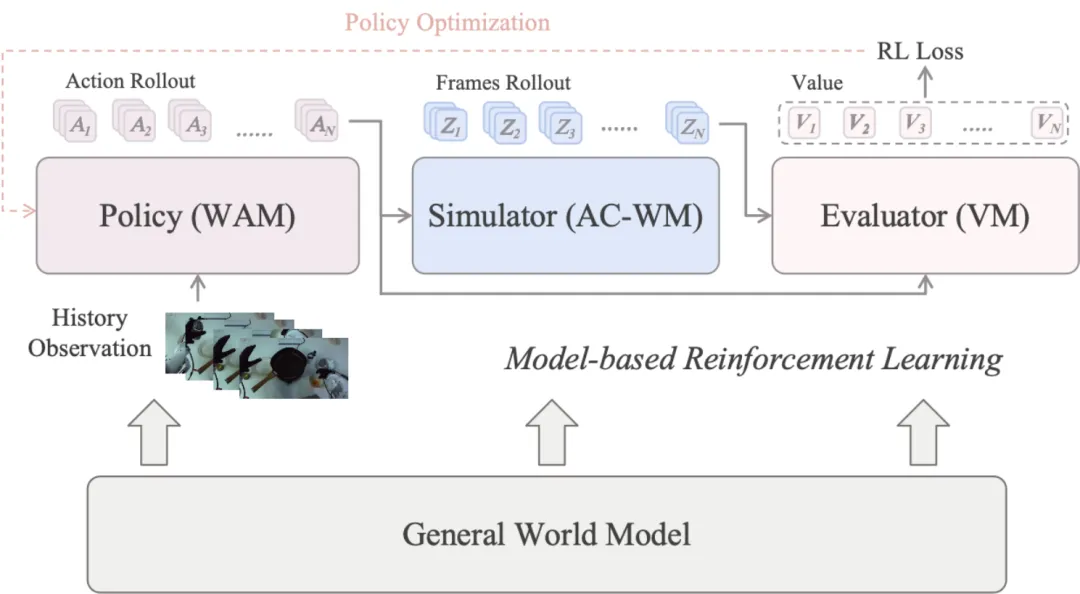
Candidate generation, consequence prediction and value evaluation together provide strategic learning signals. Planning changes this selection, MBRL changes the generation distribution of subsequent candidate actions.
Data suggests that in two high-difficulty real-time tasks in which mobile phones are placed with multiple fingers:
The average success rate is only based on basic strategies.65%, butFollowing the introduction of the MBRL for strategic optimization, the success rate jumped to72.5%When planning is superimposed on reasoning, the success rate is directly done.75%!The overall improvement was 10 percentage points.
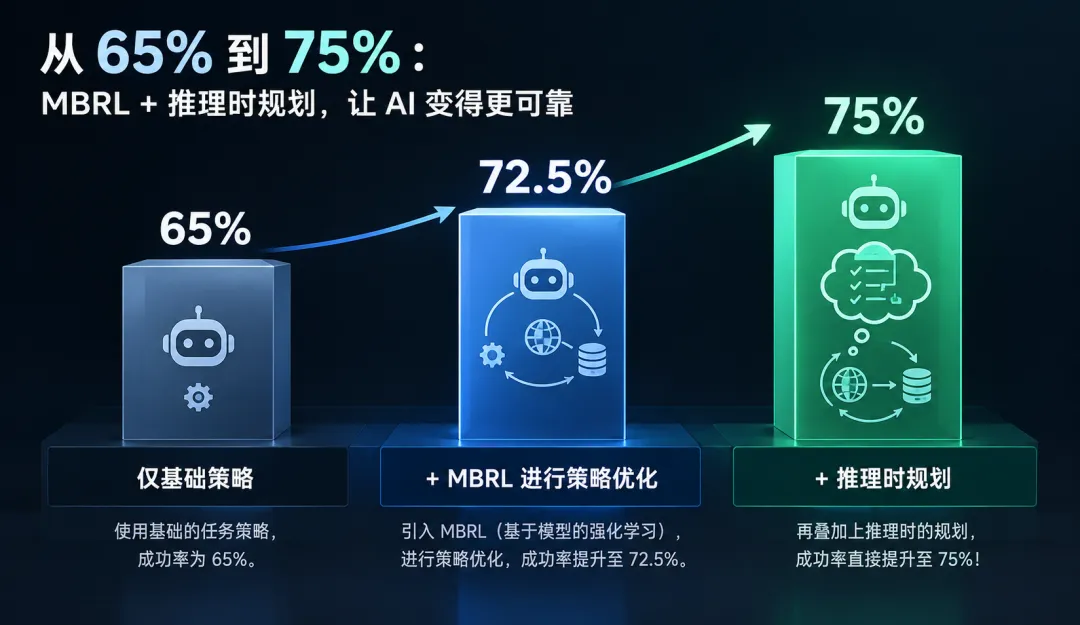
This means that robots, relying on their own inferences and assessments, have achieved a continuous evolution of strategy without human external intervention.
130,000 hours of human activity each day, climbing the ladder across the skyThe whole world is getting smart, but all the teams are hanging on top of the same Damocles sword:There is a lack of data.
Big language models have been able to raise the barrier because there are billions and trillions of text tokens on the Internet. But true high-precision robots remotely handle data are extremely rare and expensive.
Biodiversity technology has taken a disruptive path:If robots don't have enough data, why not use human experience directly?
Humans have been living in this physical world for millions of years, cooking, scrolling through books, and cleaning rooms, and the first man-to-man point of view has the most complete "operational intelligence" of the entire physical universe.
The Motus 2 builds an incredibly large set.The human data pyramid system.
The entire training is divided into three stages:
- Stage 1: Single Ego video pre-training. Learning about objects, scenarios and behavioral changes from a large number of real human-operated videos to build basic knowledge of the world.
- Stage two: Double-eyed video animation combined pre-training. Further incorporating double-eyed observations and human movements, using spatial information and three-dimensional hand gestures to learn more detailed rules of hand pets interaction.
- Phase 3: Adaptation of the robotics field. Using robot trajectory and human coordinated data, the experiences learned in the human world are transferred to the observation and control space of robots.
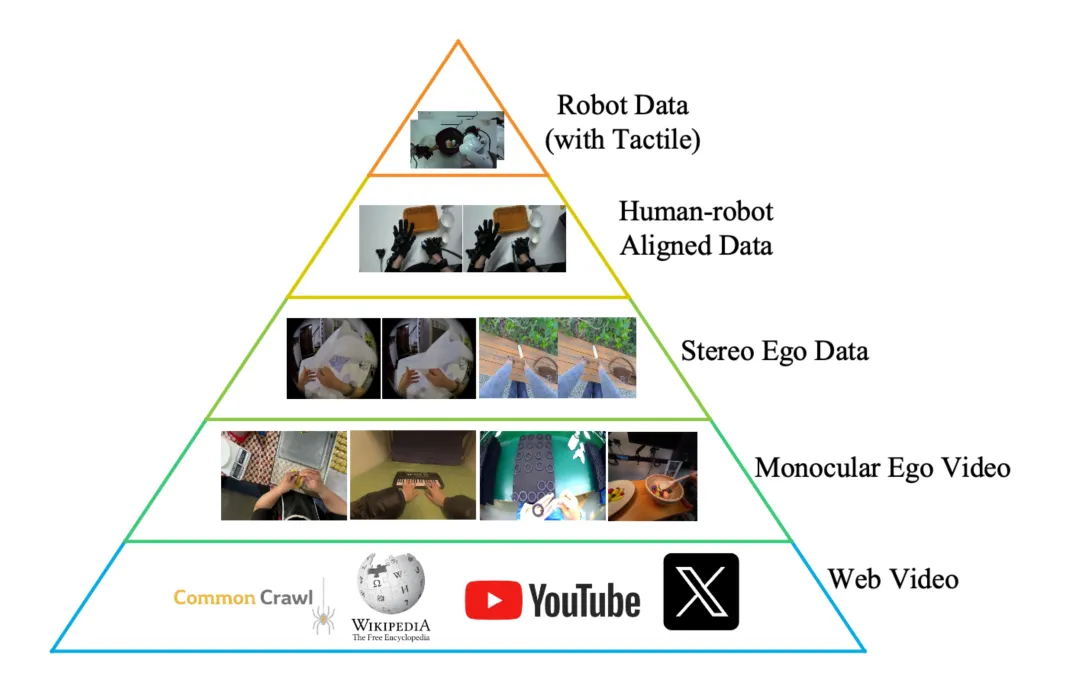
From one-to-one observation, to two-to-one interaction, to humans aligning with real robot data, different levels of learning take on different tasks.
The results of this system are surprising.
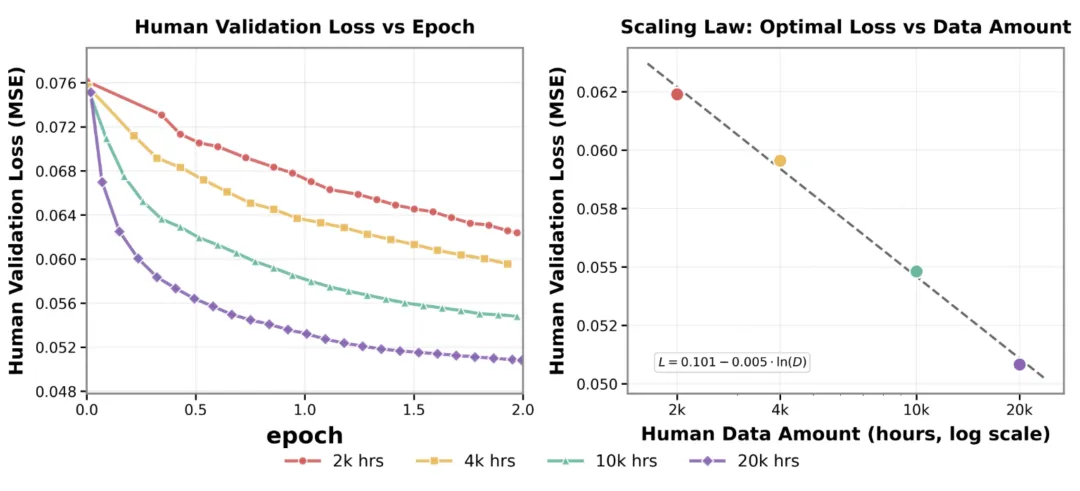
Research in biometric technology has found that in the process of increasing human data from 2,000 hours to 20,000 hours, models show a smooth continuous decline in errors in predicting human action.
The Scaling Law (the law of scale) of human body data is still valid!
Even more shockingly, controlling experiments have been conducted on the final mission migration, where the average success rate for robots operating underground is only low if pre-trained with human data.51%;But as long as this system of pyramids, combined with more than 100 hours of alignment in key areas, leads directly to success.51% rose to 84%——It's a 33 percentage point increase for the whole gang!
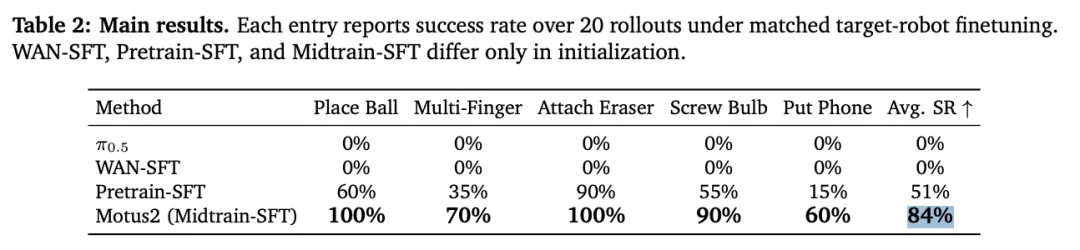
Human data provides a thorough understanding of the physical world, and robot data completes an imminent physical adaptation.
Using this combination of techniques, GMT has opened up a viable pathway for the entire industry to cross the data divide at low cost.
Memory and touch: adding the "touch neuron" to find the "time memory".If you look closely at the ingenious operations of the physical world, you'll find that a "big eye" (or vision) is destined to turn the car around.
In the real world, there are two great traps:The single-panel image has not passed, and the purely visual can not see the resistance.
In order to make robots say goodbye to "hands and feet", Modus 2 patches complement two of the most recognizable core capabilities:Long-term memory mechanisms and full-mode touch specialists。
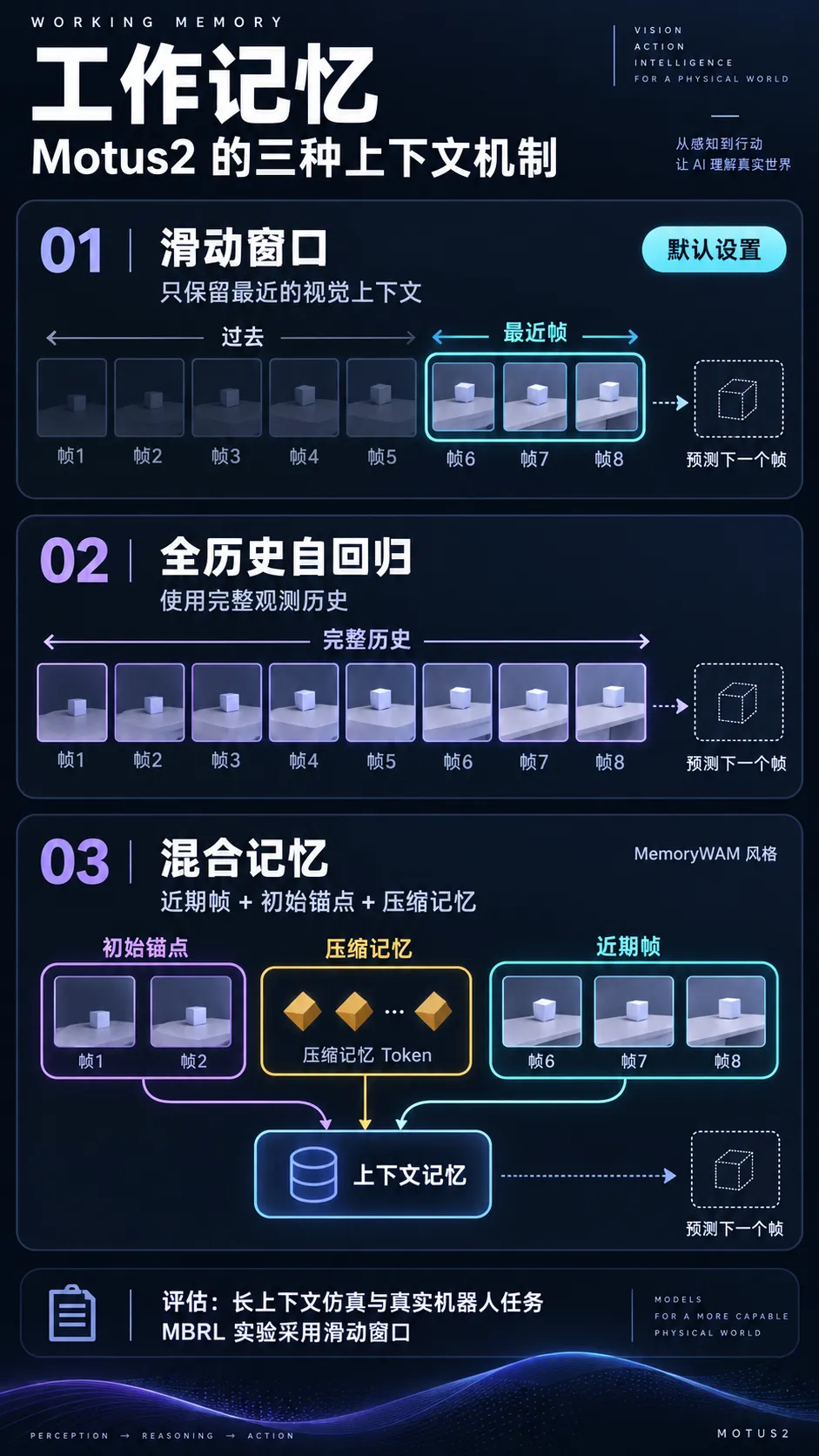
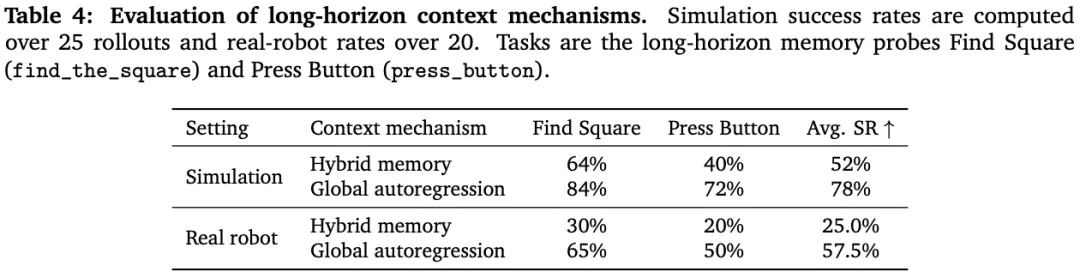
Memory mechanisms: healing the "golden fish brain" of robotsMotus2 uses the default boundary-sliding window as a context and evaluates two expansion schemes: full-history holistic self-return, and MemoryWAM-style hybrid memory (composed of recent chips, initial dot chips, and compressed memory tokens).
The three performed performance comparisons on long-context simulation and real-machine probes; the MBRL experiment used sliding window settings.
The Motus2 deeply integrates long-term information mechanisms, fully preserving early observations.
In the experiment, the success rate of models with long-term context memory was reached.57.5%This is far beyond the models that compress and obliterate historical information.
It enables robots to make decisions not only in the present, but also in a continuous stream of time.
Tactile experts: Sensitive nerves on fingertipsWhy did many mechanics in the past tear paper towels thinly when they hit them and pinch them with a paper cup? Because it is entirely possible to observe the force and slippage of the contact points with a camera, there are also irreconcilable delays and blurred vision.
Motus2 creatively introduced aLightweight touch specialist modules.
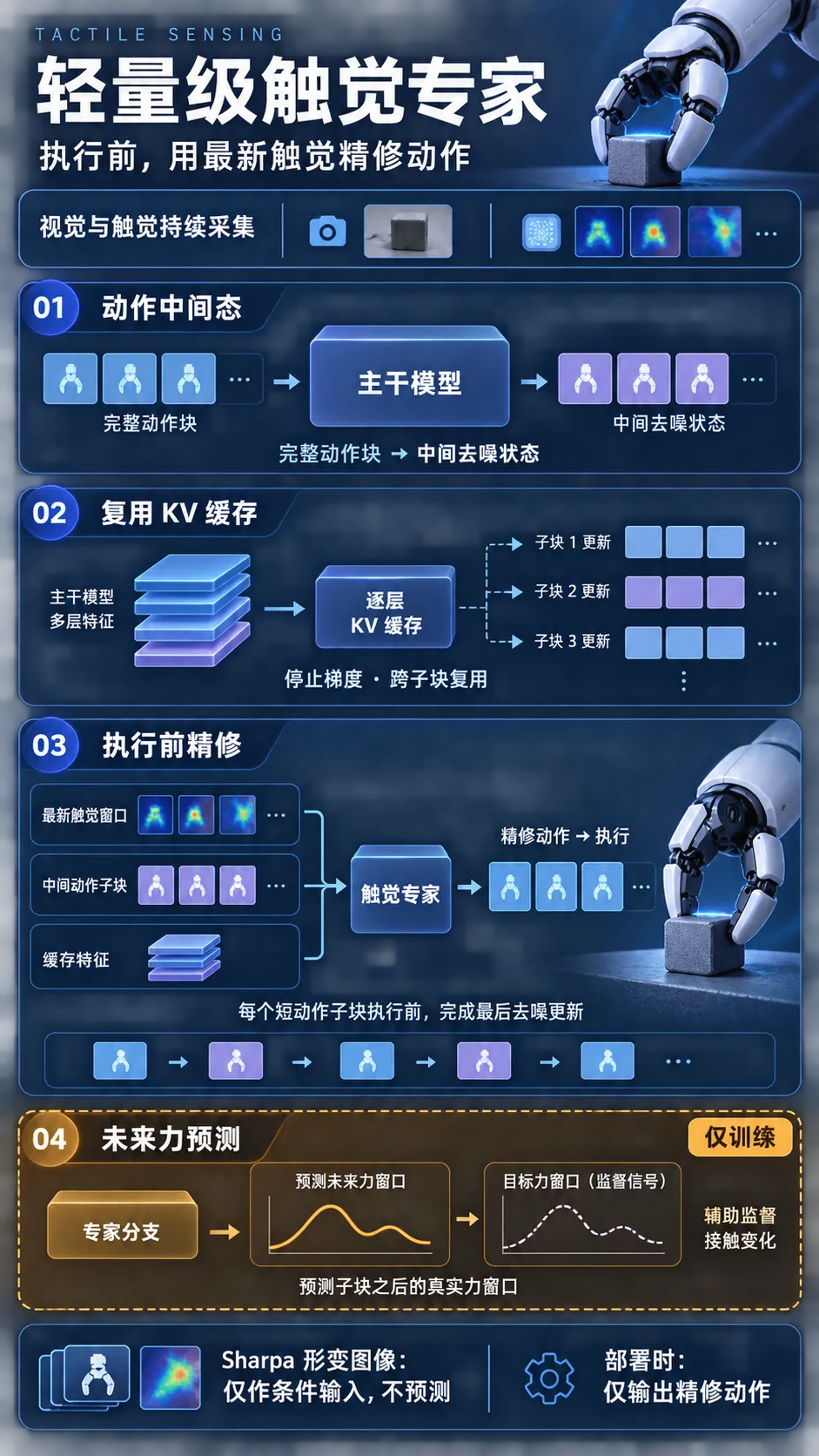
Since the touch module duplicates the existing intermediate computation results of the main model, it is not necessary to run the full video backbone every time, so it can accommodate feedback frequency and computational efficiency.
In two experiments involving the extraction of paper cups and tear sheets:
It's the only way to succeed when you don't feel feedback.60%;After the introduction of the touch specialist module, the success rate immediately surged to 72.5%, a net increase of 12.5 percentage points!

One hand, with a few minutes of throttling memory and a microsecond-degree fingerprint, is the path to agility.
From L3 to L4: A big step towards the physical world of AGIMotus2 has validated a specific path: proposing action → predicting consequences → evaluating results → improving strategies.
However, in a biometric study, its meaning has become more flexible than a single hand.
Google DeepMind uses Genie to explore interactive environments, while the World Labs of the Li Fei-Fei team uses "renderers, simulators, planners" to explore different functions and discuss how to unify these capabilities.
The answer given by the Zhu Zhu team, starting from the closed loop of "understanding, predicting, acting", proposed a five-tier development path for the general world model: generating the world, interacting with the world, acting in the world, autonomous world intelligences, world organizers. It was a research roadmap that judged the model's progress based on its ability to interact with the environment, use feedback and complete tasks autonomously.
Along this path, live video and physical layout share a common clue. Vidu, launched in 2024, learns the relationship between objects, movement and timing from video; and Vidu S1, released in July 2026, enables users to intervene in real-time in the production process, enabling them to use the video to generate information.The world is constantly changing with imports.The ability to generate world dynamics, which further explore interaction.
Motus and Motubrain push the problem into the physical world: prediction no longer serves to generate images, but also connects to actions that can be performed by robots. Motus2 also pushes forward, allowing future generations to participate in action comparisons, which in turn improves strategies for evaluating results.
If the previous generation Motus were to represent the Chinese team in a successful attack, it would be a good idea.L3 "Action in the World"It is also important to ensure that the model of the world is successfully developed and overcome the difficulties of operating in the world.
So today's Motus 2 is a very crucial stepping stone from L3 to L4, the "Smart World Autonomous Body"!
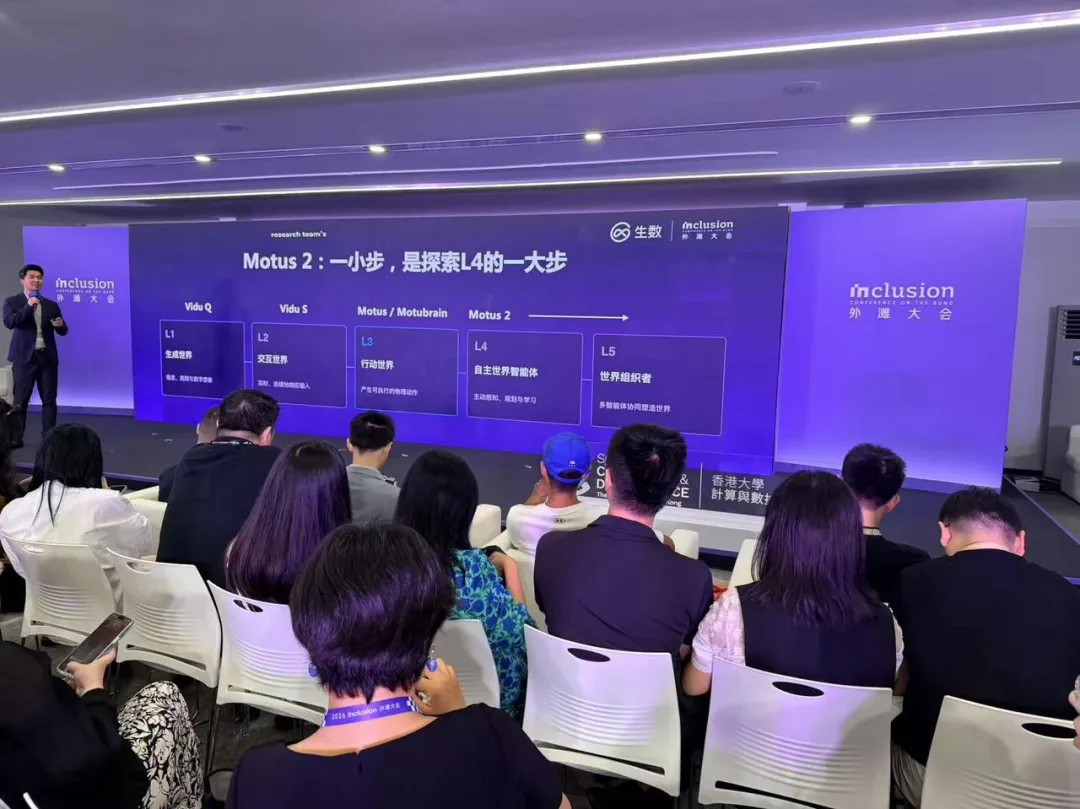
This is a complete life cycle closure for the model of the world:
Action → Prediction → Evaluation → Feedback → Re-learning
While the absolute stability of tactile transcendental migration and long-term forecasting remains a tough question for the entire industry, Motus 2 at least proves one thing:
The world model is fully capable of becoming smarter in the physical world as it relies on its own predictions and reflections, without relying on human-filled teaching.
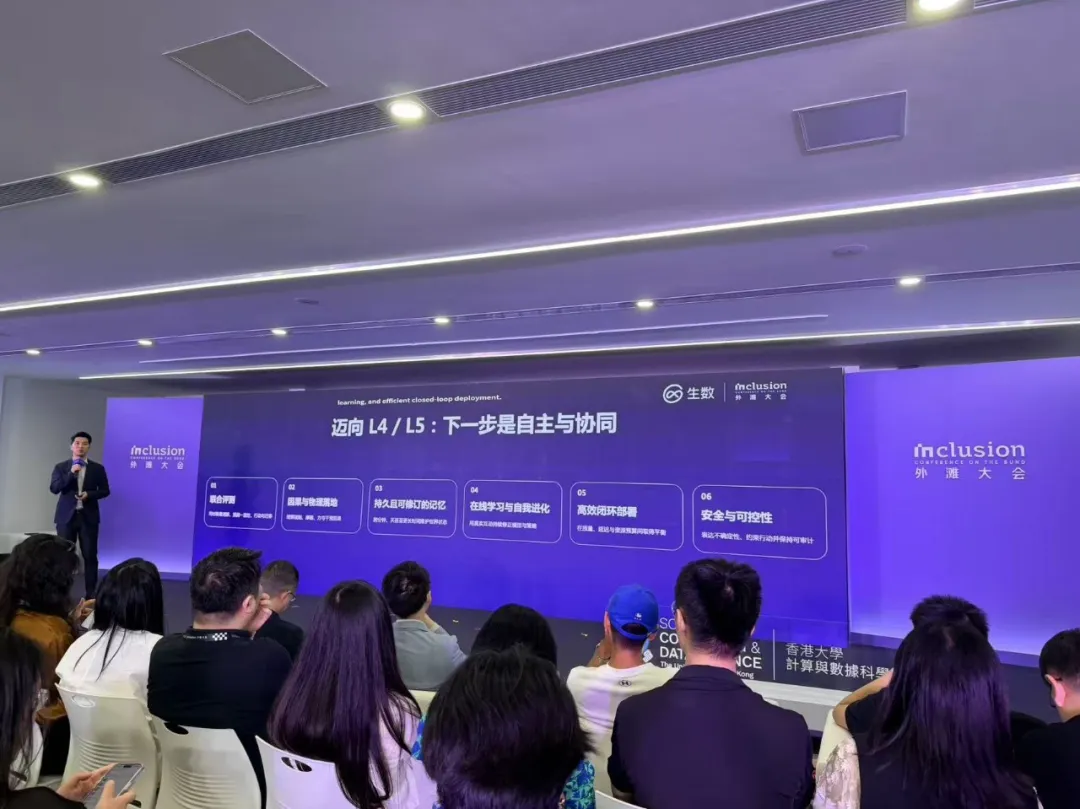
From photographic images on the screen, to screwdrivers, light bulbs, and a steel cap capable of sensing dynamic shifts; from passive execution of preset scripts to beginning to proactively weigh the costs of each future...
The underlying model of the physically intelligent world is evolving at unimaginable speeds. When machines start learning to "think and go backwards" like humans, the AGI era of the physical world is not really far away anymore.