
“ The "first" that has emerged is one that needs to be repeated.
What steps does a brain-machine interface really take to make it clinically viable?
Over the past few years, the industry has responded to a lot of things that can't be done.
Higher number of channels, more flexible electrodes, continuously pushing the ability of neural interfaces forward; a second human implant, bringing the technology from experimental verification to real human studies. Furthermore, some patients with epilepsy have been able to control external devices through brain signals.
But for a medical technology that eventually enters the hospital, there are several more realistic barriers beyond proving that a vaccine can be used, such as whether it can't become an approved product, whether it can't actually enter clinical trials, whether the next batch of products can't produce more standardised multicenter clinical evidence, and whether brain-machine interfaces can't actually participate in treatment.
In 2026, these events started happening at the same time.
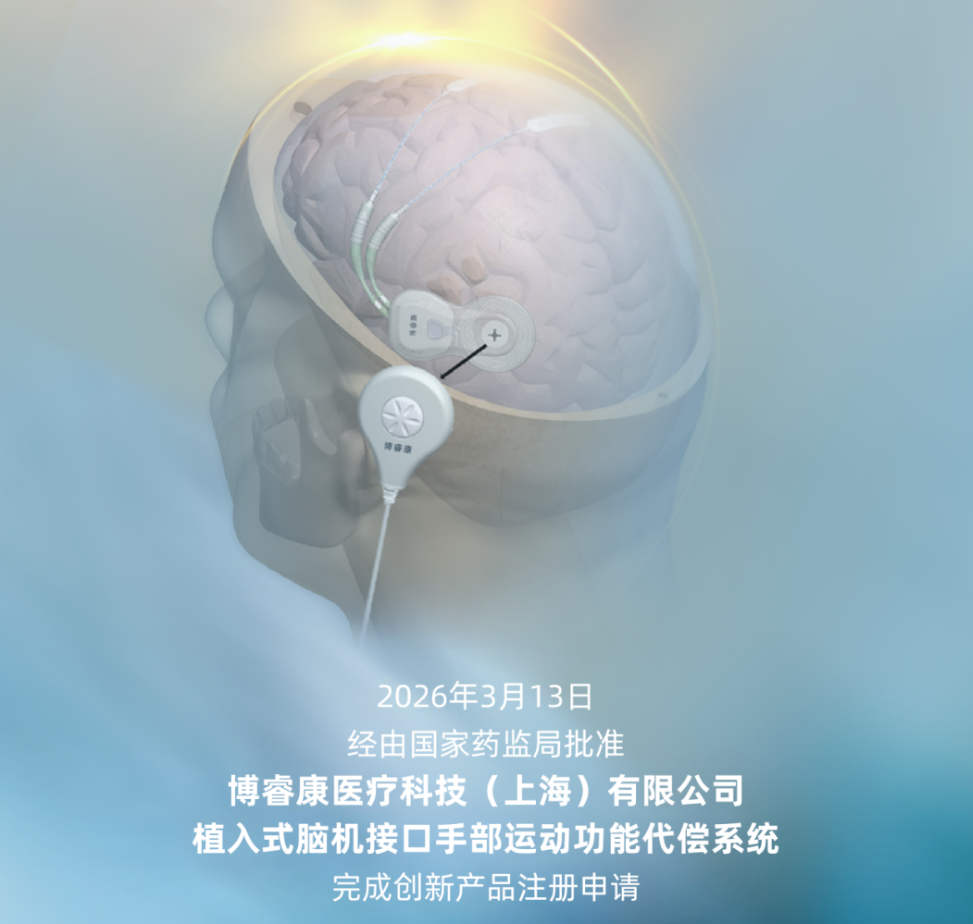
On March 13th, the Boryo-conan implanted brain machine interface hand function compensation system was approved by the National Drug Enforcement Administration (NFDA) to become the world's first approved implantable brain machine interface medical device. Four months later, Wangsan Hospital launched its first clinical prescription after the product was approved and completed its first implant.
Almost at the same time, invasive schemes for the North Korean brain number one and psychoanalytic therapy entered the multi-centric GCP clinical trials; further outward, brain-machine interfaces began to combine with spinal cord electrostimulation, neural regulation, and magnetic resonance imaging, resulting in systemic schemes.
Separately, they are all news stories of the first monkey first monkey. If you look at them together, you will find that the position of the first monkey has changed.
This exposes an ongoing phase of transformation of the brain's machine interface.
01.
The first certificate defines the product boundaries
The first medical device registration certificate issued by Boricon on March 13 this year may be the hardest roadblock in the first lineup.
Approved by the National Drug Enforcement Administration (NDA) is a complete set of injection-in-brain brain-interface arm movement compensation systems. It is composed of brain-in-brain interface implants, implanted brain electrodes, brain-signal receivers, pneumatic gloves, decoding software, etc. It is used for specific areas of spinal cord injury that lead to limb paralysis patients, to assist in achieving arm grip function compensation by identifying movement intentions.
There's a big change here.
In the past, when it came to brain-machine interfaces, the outside world was most attracted to the idea of controlling the mouse, but after really getting to the registration stage, the product had to fold and answer a series of specific questions, such as what patients can use? what functionality to solve? under what circumstances can it be implanted? what are the expected benefits? how to manage risk?
The significance of the Boricon Certificate of Registration is also here. It is the first time that an invasive brain machine interface has drawn a clear boundary for a medical product.
Four months later, on July 13, the line took another step forward.
The first prescription after the approval of the product was placed on the market, and the first implantation was completed. Patients received the treatment after a period of conventional rehabilitation improvement after being damaged by a spinal cord injury from a car accident ten years ago.
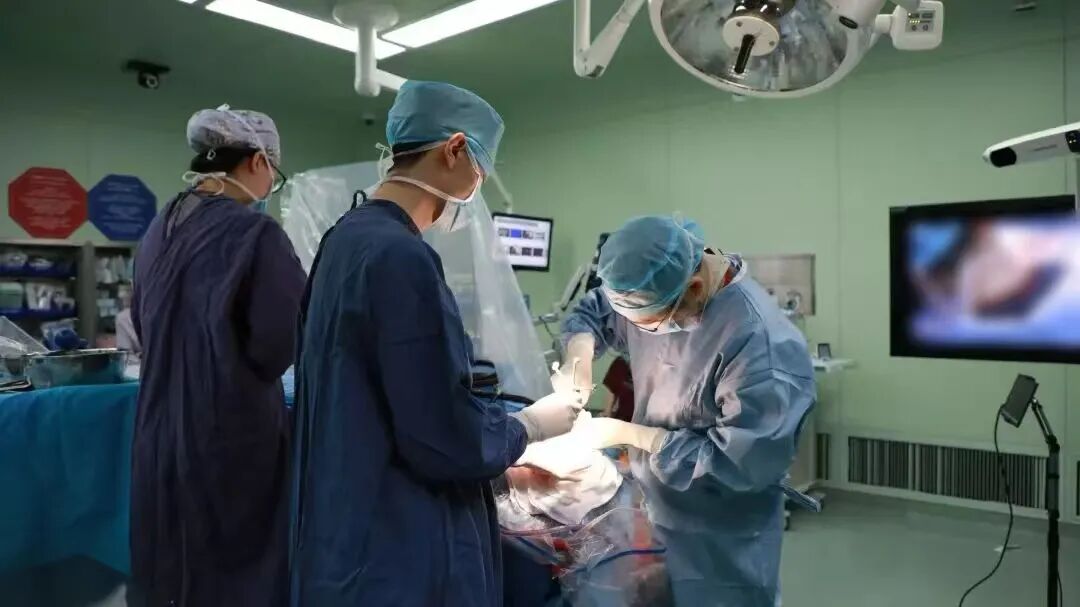
It is worth noting that from March to July, the planting period is not simply a four-month wait period.
According to Wangsan Hospital, on April 28, the hospital completed the healthcare price filing, while advancing equipment for hospitalization, patient screening and pre-surgical evaluation, ultimately allowing the products into actual clinical care.
This is exactly where the head lice are really worth seeing. Registration, hospitalization, screening, prescription, implantation, which has only existed in other mature medical devices in the past, is the first time that an implanted brain interface has been fully synthesized.
Of course, a prescription is far from commercializing on a large scale. Subsequently, there are a number of issues such as efficacy follow-up, physician training, payment, more hospital admission, and long-term safety. But at least here, invasive brain machine interfaces have for the first time a product that can get into real clinical therapy under clear adaptations.
The wall between the laboratory and the hospital was pushed through a door.
02.
After the first case, we started writing the evidence.
If Boricon's answer is that the first batch can't come out, then the other two batches this year will answer how the next batch will come out.
On March 31, Shandong Hospital completed the implantation of the first GCP (Multi-Center Clinical Testing Quality Management Specification for Medical Device Clinical Trials) of the first Intelligent Brain Machine System.
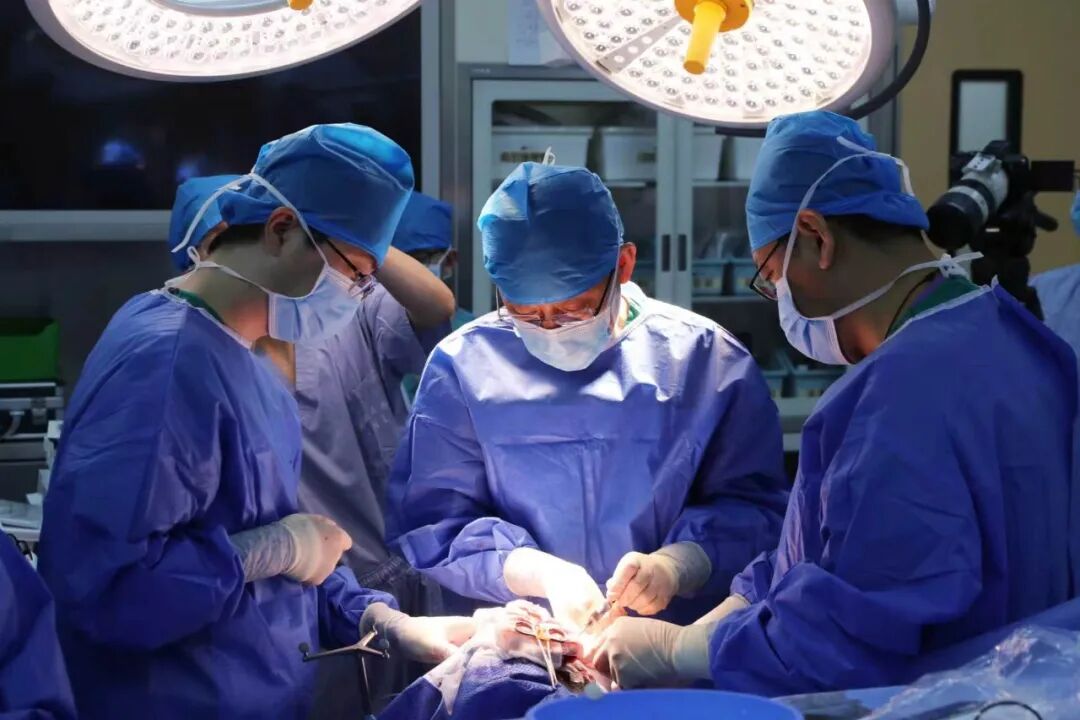
This isn't the first time that a zombie has entered the human body.
Prior to this, the system had exploratory clinical applications. The real change was that from this point onwards, it entered a multi-centered phase of research carried out in accordance with the quality management standards of clinical trials in medical devices, with the first planned grouping of 36 patients.
In less than two months, another route arrived.
On May 18, the LEAP study, initiated by Zhiyong Medical as the lead unit of the Beijing Temple Hospital, was launched. It was the first over-hundred-channel (128-channel) invasive brain machine interface system GCP multi-center clinical trial in the country, with 11 medical institutions nationwide participating. Its technical program consists of flexible electrodes implanted in the skin and highly integrated fully implanted signal collectors.
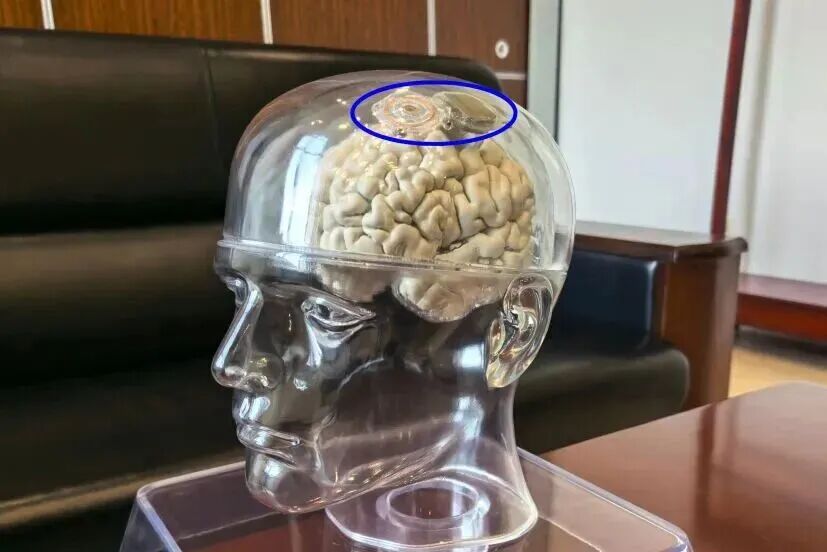
If we go back half a year, the path would be clearer.
On October 22, 2025, Jilin University Medical Center completed the nation's first clinical implantation of a brain functional area prostate tumor patient with a super-hundred-channel invasive flexible brain machine interface. That implantation proved that this high-volume flexible system can enter the human body for clinical exploration.
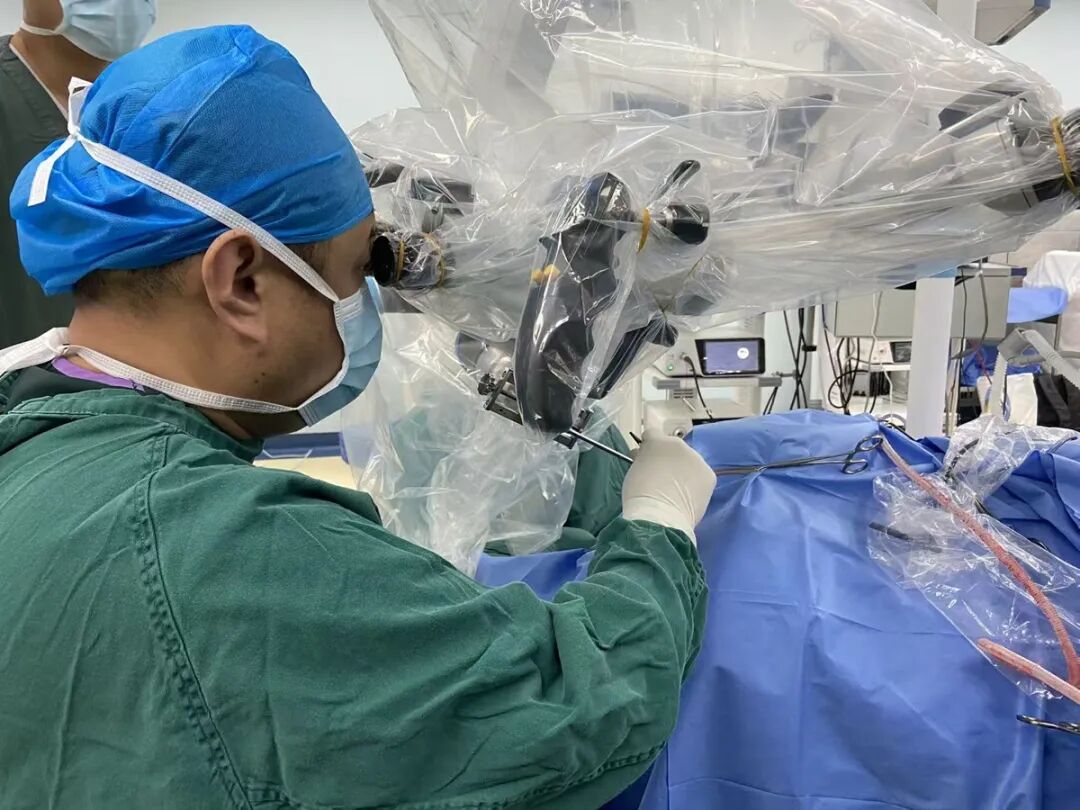
By LEAP 2026, the problem has changed.
If a different group of patients, a different hospital, follow the same program, can safety and effectiveness be replicated?
It means that the brain-machine interface is getting into one of the most exhausting, or hardest-to-jump, sections of the brain, using more standardized, larger-scale clinical evidence to turn some of the early, beautiful cases into data that can be reviewed.
This is also a very important, but easily distracting, change to the brain-machine interface this year.
The industry is entering a phase of queuing up from the first human case to the clinical trials at the Centers for Disease Control and Prevention. For medical devices, the latter is often more important than refreshing the number of channels.
03.
Changes in the interface of the brains
If the first two sections look at how brain-machine interfaces move from research to products and then into the normative clinic, another change occurs in the underlying technology itself.
In the past, the most familiar brain-machine interfaces have largely revolved around reading signals from the brain, decoding movements or language intentions, and then controlling external devices such as computers, mechanical arms, and wheelchairs. They essentially solve the same problem: how to read brain information as accurately as possible.
However, a recent wave of protests has begun to push the issue further.
I've learned how to read brains, and I'm starting to have new answers.
Let's see the ultrasound.
In the past, the most central technological pathway to brain-machine interfaces was almost entirely around the electromagnetic spectrum. Cerebral electricity, cortical electricity, electrodes within the cortex, different locations, different signal quality, but essentially reading neural electrical activity.
Ultrasound offers another possibility.
In 2024, a team from Caltech at the Nature Neuroscience Center demonstrated for the first time the feasibility of a closed-loop functional ultrasonic brain-machine interface. Researchers used functional ultrasound to observe changes in the micro blood flow in the brain of Hesperus, and then decode the movement intent in real time from these changes to distinguish a maximum of eight movement directions.
What is read here is no longer a neural-electrical signal in the traditional sense, but a change in local blood flow caused by neural activity.
By 2026, this is a relatively new technological route that is rapidly developing into an industrial form.
In March, Shanghai conglomerate conglomerate conglomerate conglomerate conglomerate conglomerate conglomerate conglomerate conglomerate conglomerate conglomerate conglomerate conglomerate conglomerate conglomerate conglomerate conglomerate conglomerate conglomerate conglomerate conglomerate conglomerate conglomerate conglomerate conglomerate conglomerate conglomerate conglomerate conglomerate conglomerate conglomerate conglomerate conglomerate conglomerate conglomerate conglomerate conglomerate conglomerate conglomerate conglomerate conglomerate conglomerate conglomerate conglomerate conglomerate conglomerate conglomerate conglomerate conglomerate conglomerate conglomerate conglomerate conglomerate conglomerate conglomerate conglomerate conglomerate conglomerate conglomerate conglomerate conglomerate conglomerate conglomerate conglomerate conglomerate conglomerate conglomerate conglomerate conglomerate conglomerate conglomerate conglomerate conglomerate conglomerate conglomerate conglomerate conglomerate conglomerate conglomerate conglomerate conglomerate conglomerate conglomerate conglomerate conglomerate conglomerate conglomerate conglomerate conglomerate conglomerate conglomerate conglomerate conglomerate conglomerate conglomerate conglomerate conglomerate conglomerate conglomerate conglomerate conglomerate conglomerate conglomerate conglomerate conglomerate conglomerate conglomerate conglomate conglomate conglomate conglomate conglomerate conglomerate conglomate conglomate conglomerate conglomerate conglomate conglomate conglomate conglomate conglomate conglomerate conglomate conglomate conglomate conglomate conglomate conglomate conglomate conglomate conglom
It focuses on post-stroke motor dysfunction, using EEGs to collect and decode the brain power of patients, and then calls for focused ultrasound stimulation based on brain state, while completing focus positioning through personalized 3D 3D oriented helmets, along the path of focused ultrasound stimulation.
It's another company that actually uses ultrasound to read brains.
In January this year, Format Tower Technologies was founded in Chengdu. As the first company in China to focus on ultrasonic brain machine interfaces, half a year later, it also built its global headquarters and a super factory for ultrasonic brain machine interfaces of more than 160,000 square meters.
A finite-brain machine technology has begun to emerge in specialized companies, factories and medical device production lines.

The company was founded by Guo Liang, a longtime researcher on invasive neural interfaces, and has shifted its focus to functional ultrasonic neural imaging (fUSI).
In August, Brain Age completed a multi-million-dollar seed round of financing and unveiled the first-generation multi-purpose multi-sport brain machine interface for the company's product plan.
It's not aimed at capturing brain activity information directly using fUSI, but rather at decoding multiple types of movement intentions, such as limb movement, verbal movement, and speech, on a non-invasive platform.
They clarify the current industrial patterns of ultrasonic brain machines. Reverse osmosis first made use of ultrasonic read-only controllers as a product; format towers began to incorporate full-brain read-only companies and capabilities; and the age of brain machines is moving towards true high-volume ultrasonic read-only brain products.
The question of how to read brain signals itself is once again becoming a competition.
A visual brain machine that tries to write messages to the brain
If ultrasound changes how the brain extracts information from the brain, then the visual brain faces almost the opposite question: how does the information from the outside re-transmit back into the nervous system?
On this line, two very representative industrial players have emerged in China.
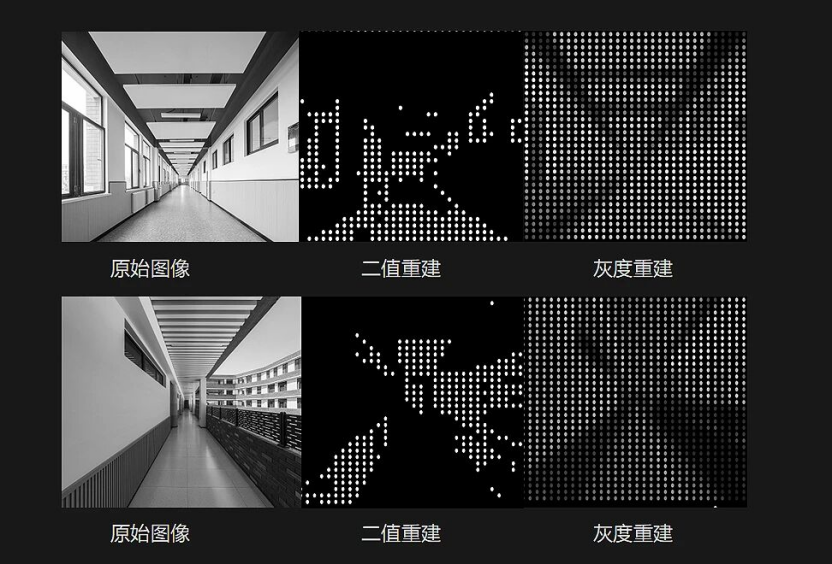
One is a visual brain machine, which works bypassing damaged eyes and visual nerves to directly stimulate the visual cortex of the brain after encoding external visual information.
In November 2025, the company completed what it called the world's first-ever functional interaction verification of complex graphics + multi-color visual reconstruction. In February 2026, the company announced the first gray information quantified coding reconstruction in the country. The shape, color, grayness, began to be slightly dismantled into visual information that could be written into the brain.
The other company took a different path.
It also has two lines of visual brain products: retinal pathway E-BCI and cortical pathway V-BCI.
In May of this year, Thich Nhat Hanh's high-resolution retinal pathway visual brain machine interface entered the GCP and completed the first clinical trial of our country's high-resolution retinal pathway visual brain machine GCP. She began to recognize complex characters the day after the implantation of the brain. More than a month later, she was able to control screen typefaces and patterns.
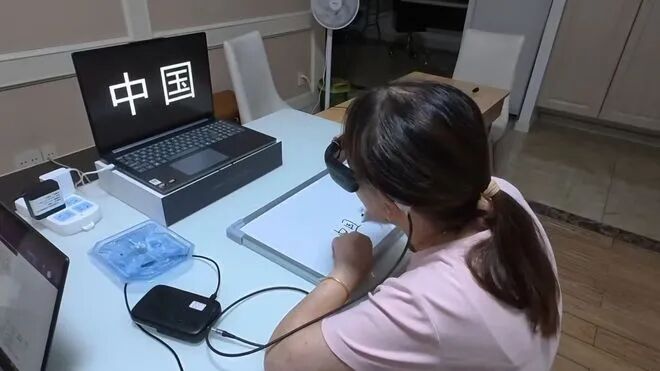
Two distinct pathways, two distinct pathways, are driving the visual brain from the point of perception of light to the point of identifying shapes, colors and grays.
The brain-machine interface also begins to read the information from the mouse and extends to trying to write the information from the mouse.
A step further, reading and regulation began to take on a closed loop.
On May 16, 2025, Shandong Hospital, Beijing Institute of Brain Sciences and Cerebral Palsy and a team of researchers from Chiang Kai-shek synchronously implanted a subcutaneous nerve and spinal cord electrostimulation system in a patient with cerebral palsy. This was the first publicly reported case in the world to synchronously implant a brain machine interface with a temporal spinal cord electrostimulation system.
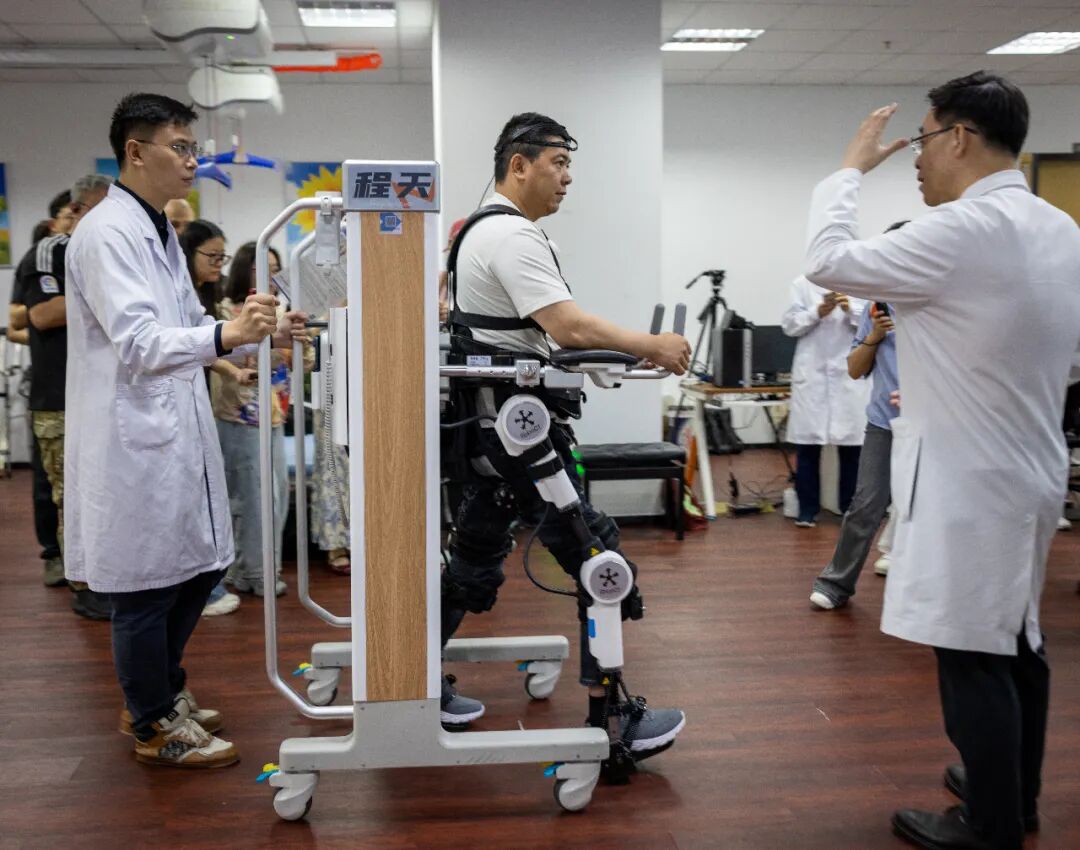
Here, the brain machine interfaces with the northern hemisphere of the brain, which is responsible for capturing and decoding the patient's motion intentions, and the spinal cord is responsible for activating the neural pathways below the injury plane, which are then combined with the outer bone for training.
This means that the brain-machine interface starts reading instructions from a simple mouse and enters the neural repair loop.
Similar changes have also occurred in neural regulation.
In January 2026, the team at Wuhan University's South Central Hospital completed the world's first open-label clinical trial for the treatment of congenital eczema with brain machine interfaces, and in March, the first treatment progress was made public.
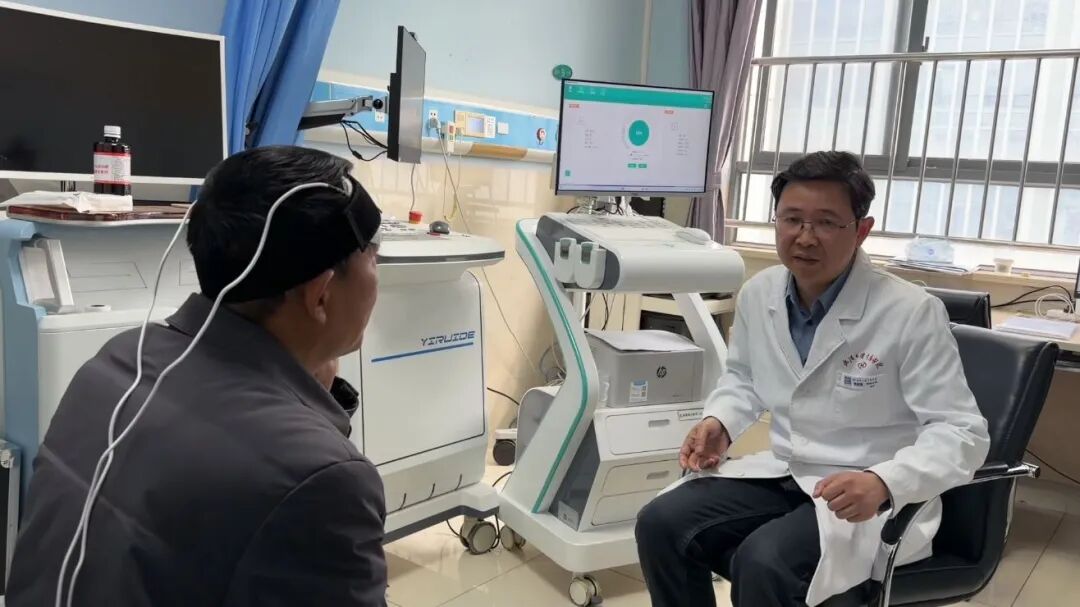
Researchers first use the scalp electrode to collect brain electricity, identify abnormal neuronal activity associated with the ear canal, and then develop individualized electrical and magnetic stimulation schemes. That is, first look at what the brain is in and then decide how to stimulate.
In August of this year, Linkedin Medical and Tianjin University took another step towards a closed system.
The two sides have released the world's first full-featured solution for MRI brain interfaces, the UMR theorem, which attempts to integrate MRI imaging, device adaptation, signal acquisition, decoding, neural control and effect evaluation into a single system.
Wang, an academician at the Chinese Academy of Engineering, summarizes this change in one sentence: from the breakthrough of single-point bridging technology to the ability to build bridging systems.
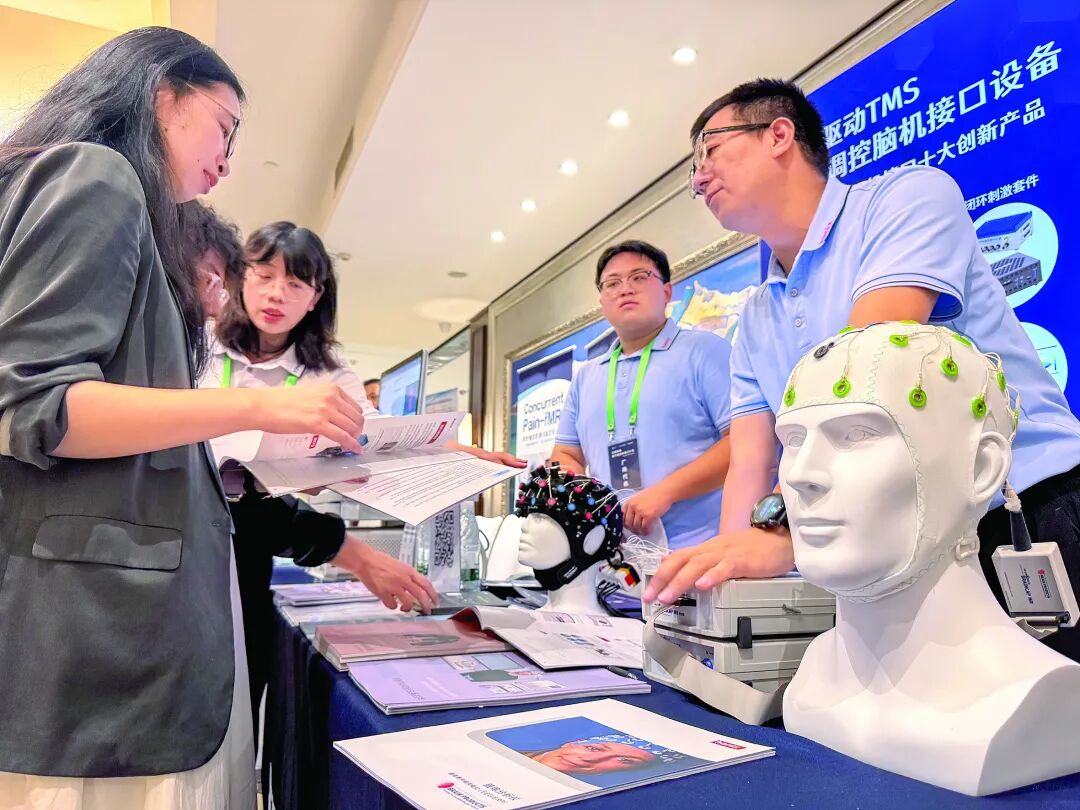
Putting the first strap of this new strap together, the line is already very clear.
Ultrasound began to provide new means of reading and controlling the brain; the visual brain attempted to tap into the brain's information; the brain's interface with spinal cord stimulation and neural controlling began to form a closed loop; and synaptic imaging further incorporated positioning, collection, decoding, controlling, and evaluation into the same system.
The brain-machine interface is moving from one-way reading of neural signals to more complex two-way interactions and closed-loop controls.
04.
From the first potato to the potato, the potato can be copied.
The disc shows that the first mouse is actually a useful measurement for observing brain machine interfaces.
It documented where a technology first went, including the first time it was certified, the first time it was prescribed, the first time it had entered a multi-centre clinic, the first time it had changed a way to read the brain, the first time it had written visual information into the nervous system, the first time it had decoded brain signals and connected neural controls to a closed loop.
These nodes are important. But there is only one thing that can be done. The only thing that really determines if a technology can't go into industrialization is that after changing a patient, a new hospital, a new set of devices, it can't stabilize.
One successful case could be a breakthrough; dozens, hundreds of others could be repeated to get closer to the product.
In the past few years, the industry has been the best at making aluminum for the first time, and starting in 2026, what really breaks the gap is likely to become aluminum for the first time.
From the first time to the first time to the last time to the last time, this is the key to the next stage of the brain interface.