
It's the first time in the history of the world.
Over the past decade, medical AI has undergone two paradigm shifts.
The first wave is the "digitalisation of knowledge".
Beginning in the mid-2010s, bulk of medical textbooks, guides, and papers have been digitized and AI has the ability to retrieve knowledge. The core value of this stage is "availability of information".
The second wave is "dialogue generation".
With the advent of LLM, AI is no longer just retrieving and presenting, but is able to organize language like humans, generate answers. The core value of this stage is "expression flow".
These two waves solved a problem: bringing knowledge closer to a person. But neither of them solved another deeper problem. Knowledge really serves the person. Users asked a health question, AI gave an answer, and there was no ongoing concern for the person's long-term health.
This is the third turning point in medical AI today: from "once answer" to "continuous service".
At the end of July 2026, Wise Diag Technology officially released a new generation of the medical supermodel WiseDiag V3 and an all-new upgraded companion AI.
The core of this upgrade is not a bigger parameter, a higher score, but a fundamental shift in the form of capability: good companion AI is upgraded from "talkable" to "continuous service".
Through the synchronous shift of the three underlying capabilities of modeling, memory, and service, well-connected AI is moving medical AI from "single-cycle Q&A tools" to a new phase of "long-term companionship, active organization, ongoing responsibility".
This is a shift in the technological direction and a turning point for the industry.
From now on, the model is no longer just a knowledge engine, but a "healthy partner" that can continue to understand the user and be responsible for the results.
Jump one: more professional,From the medical puzzle library to the expert medical brain.Earlier this year, WiseDiag Technology released WiseDiag V2.
One of the key upgrades completed by V2 was to allow medical AI to move from text-based questionnaires to a more multimodal understanding of medical imagery, reports, samples and imagery. It solved the problem of medical AI "seeing, understanding" and laid the foundation for a unified reasoning process for complex medical information.
But when models really get into family health counseling and complex case analysis, simply "understanding the information" is not enough.
A real health problem often involves multiple clinical trials, past medical history, long-term drug use, and different time points at the same time. Models must not only identify information, but also determine which clues are more important, which risks should be prioritized, and when should be investigated, and when caution should be exercised.
Thus, from V2 to V3, the focus of WiseDiag's upgrades has shifted from "multi-modal cognition" to "comprehensive medical judgment and safety alignment".
Compared to V2, WiseDiag V3's medical continuing pre-training data has expanded from 80 billion tokens to 100 billion tokens, covering the eight medical knowledge layers of research, disease, pharmacy, labelling, Q&A, clinical reality data, norms, Chinese medicine and book dictionaries.
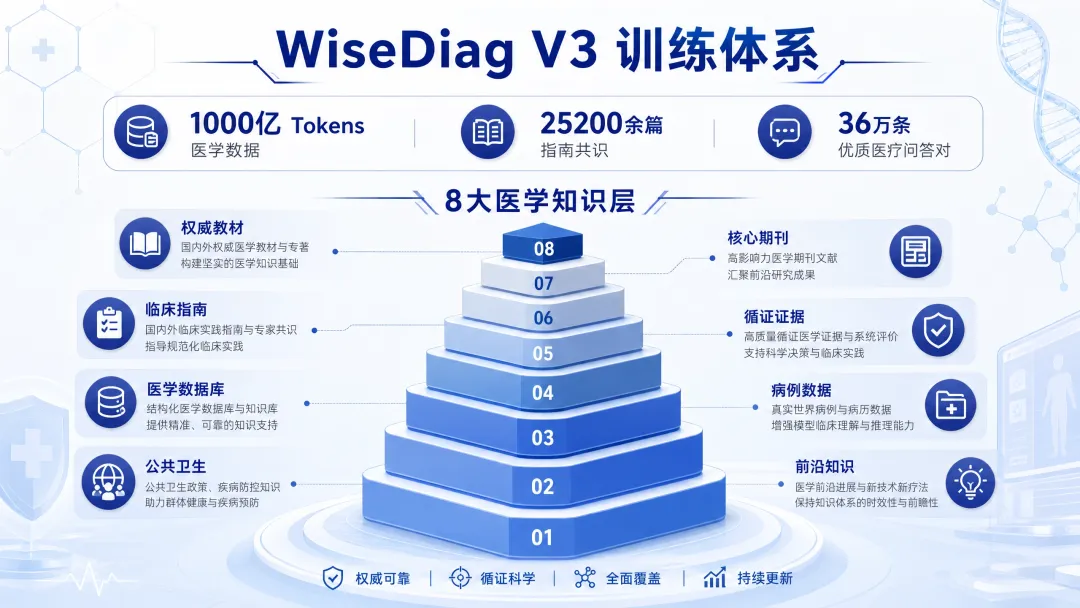
The overall data-scale conversion includes approximately 275,000 papers, 360,000 quality medical questions, 25,200 guidelines consensus, 2,360 medical books, and coordinated oversight by 50 medical experts.
More importantly, the WiseDiag V3 incorporates the integration of OPD multidisciplinary experts into the post-training system with the online distillation mechanism.
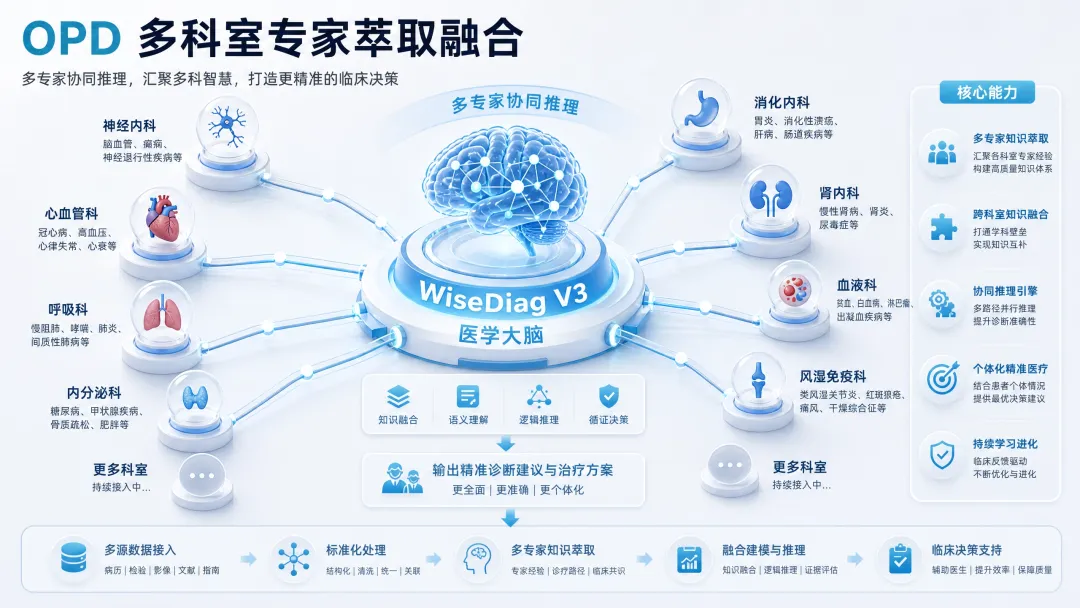
First, specialists are trained to model different disciplines, and then the judgments of different disciplines are combined into a single model.
This gives V3 the ability to perform comprehensive analysis from a multidisciplinary perspective, allowing the model to analyze multiple clues in the same set of medical logics, reducing the symptoms, reporting, and disruption of drug information. It can give a set of judgments verified from multiple angles.
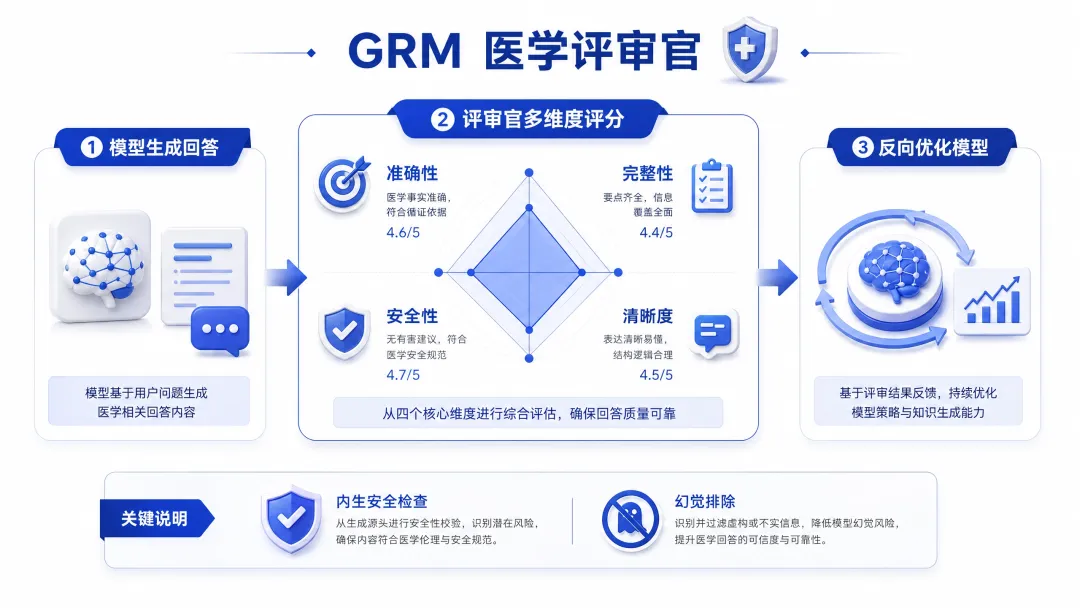
At the same time, the WiseDiag V3 deployed a self-developed generated reward model GRM.
GRM acts as a "medical reviewer" in the course of model training, and each response generated by the reviewer is scored in four dimensions from accuracy, completeness, safety, and expressive clarity, and then used this score to optimize the model itself. This reduces the possibility of AI nonsense.
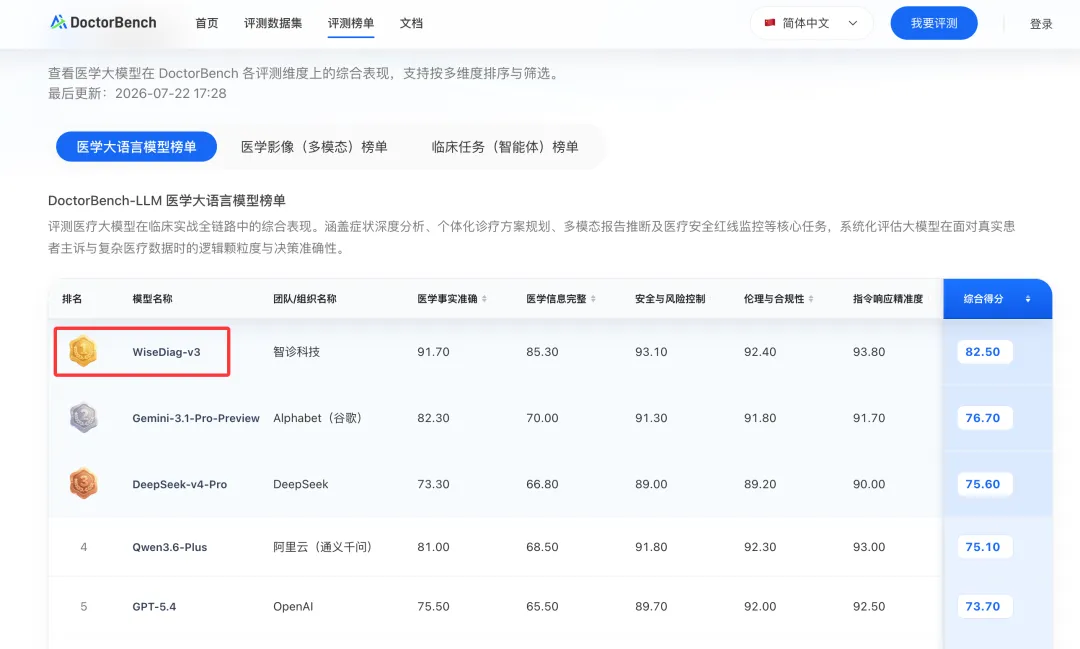
It was this upgrade of the training system that allowed the WiseDiag V3 to take the overall lead in authority ratings, achieving multiple global firsts.
MedXpertQA text reasoned:56.4, world number one
DoctorBench overall score: 82.5, world number one
MedBench: The first in the world
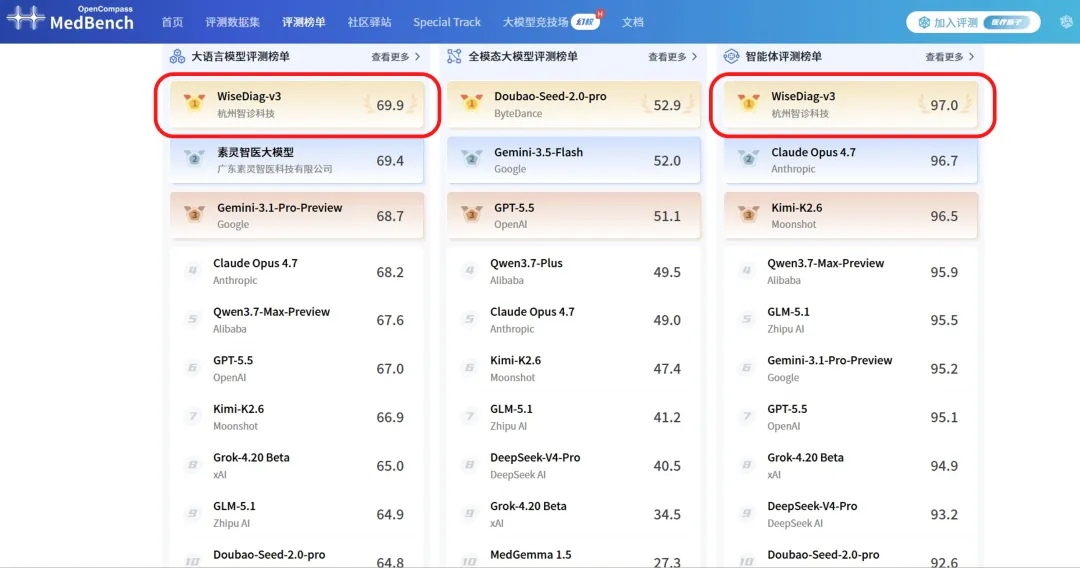
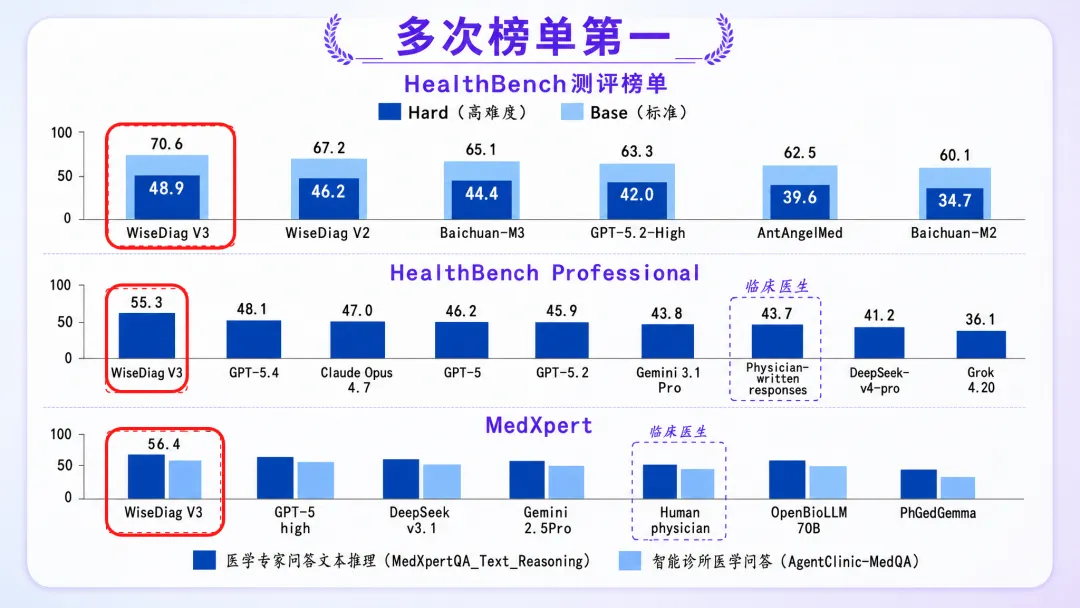
Scroll down to see more
In the real drug consultation scenario, the difference from this upgrade is very obvious, because what the WiseDiag V3 sees is the health risk structure of the whole person.
V2 answers a question, and V3 gives a set of executable actions that transition from "medical puzzle libraries" to "expert-level medical brains".
The following is a real user case.
A 28-year-old woman with a repeatedly long face, irregular menstruation, and a half-year weight gain of 15 kg.
During this time, she turned to an AI three times for help, and the system gave her three independent judgments: skin problems, recommended medication, menstrual disorders, and obese due to metabolic deceleration. For these three symptoms, AI gave three answers but never linked them together.
She was diagnosed with polycystic ovary syndrome (PCOS) only after a pre-pregnancy examination. The apparently unrelated "longevity, obesity, menopause" are synchronous projections of the same disease in the skin, metabolism, and reproductive system.
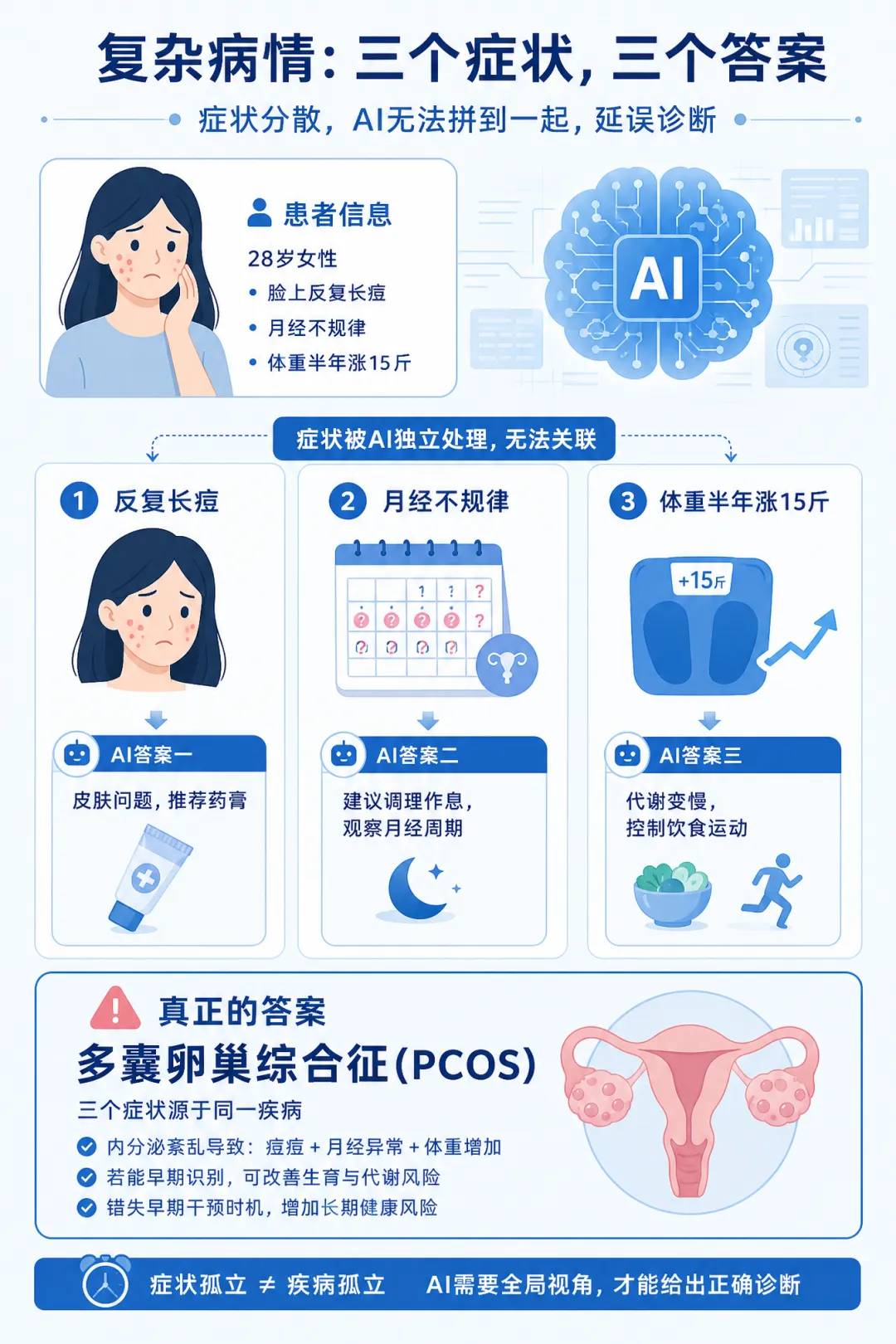
The picture can be uploaded and scroll down
Because of missing the early intervention window, the ovulation function of the patient has been significantly affected, and doctors are evaluating the potential for future use of assisted reproduction to conceive.
When faced with similar cases, WiseDiag V3 combines multidisciplinary knowledge in endocrinology, gynecology, dermatology, and other disciplines to reason, actively suggests "the likelihood of polycystic ovary syndrome needs to be investigated", and recommends that perfection hormone six and gynecology B-super instead of three responses be given in isolation.
A more professional medical AI is one that should give a comprehensive medical judgment and a safety balance.
Jump 2: Healthy family memories of AIRemember, be more clear.The conference at the beginning of the year has already discussed the underlying mechanisms of AI memory across dialogue memory, linking memory, and long-term message calls.
This memory leap, accompanied by AI, further brings these capabilities into real family health scenarios, solving the problem of "what can't be understood after being remembered".
Traditional health products, usually according to an account, a current file. But in a real family scenario, users may ask about their high blood pressure today, ask the boss about the headline tomorrow, and ask the child about coughing the next day.
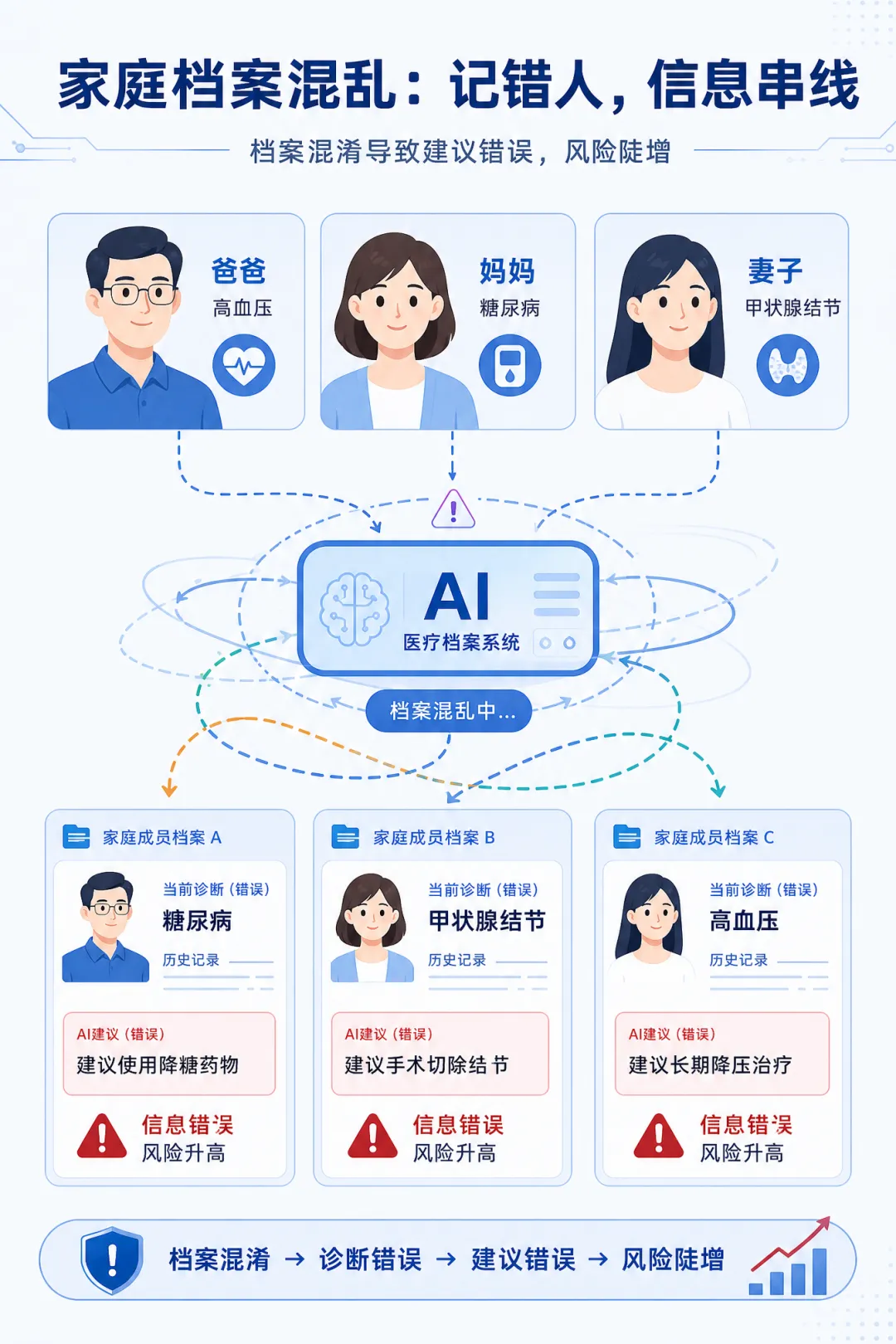
The first principle of medical memory is not to remember the more the better, but to distinguish the person first.
Upgrade one: Natural language recognition of family members
It's good that AI doesn't need to manually switch users' files anymore. You say, "I've done it again", and the system automatically recognizes the health information that's being spoken, and it takes the corresponding health information. In just one sentence, you can complete the identity attribution.
Level 2: Structured health records
After identifying the "who", what will the system do?
The good thing about AI in every conversation is that it's not just the chat logs, but the structured health facts - it's the medical history, the medication history, the allergy history, the recent medical indicators, the historical consultation conclusions.
This information is stored in a computable, up-to-date, structured manner, rather than being scattered in the dialogue text. When the user consults again, these files are automatically located in the context of this judgment.
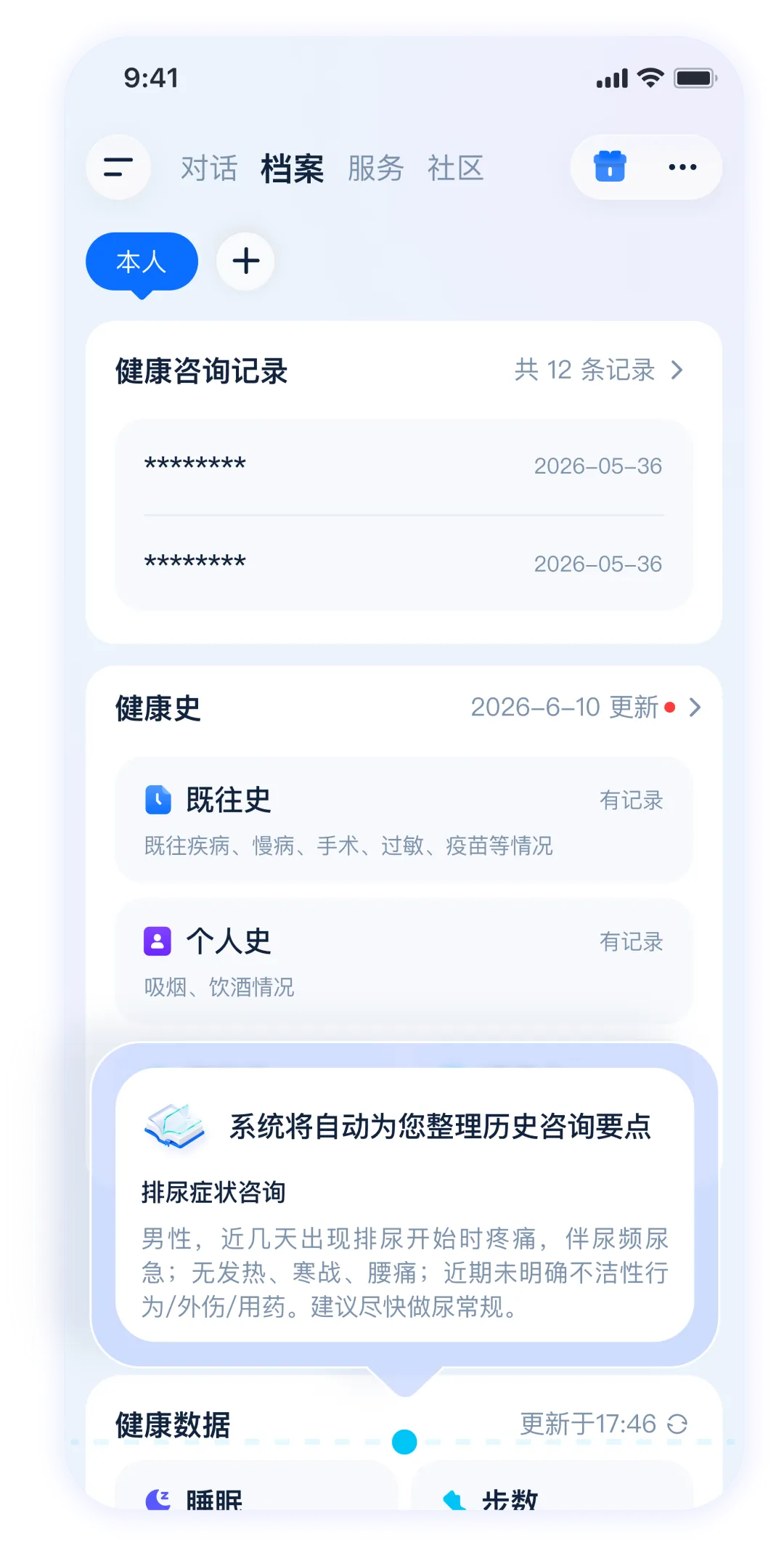
The picture can be uploaded and scroll down
Upgrading 3: Writing transparent and controllable information
The system doesn't put all of the chat content directly into a long-term file. For new health information of lasting value, good companion AI will use a "confirmation card" to prompt users to verify that you can choose to save, not save, or withdraw.
This mechanism greatly reduces the risk of misrepresentation and family members being archived.
Upgrade 4: Automatic addition of new family members
When a user refers to "my baby is a little bit yellow", good companion AI automatically identifies it as a new family member, asks for key information such as date of birth, birth age, breastfeeding, generates a file candidate card, and the user confirms that the file has been completed.
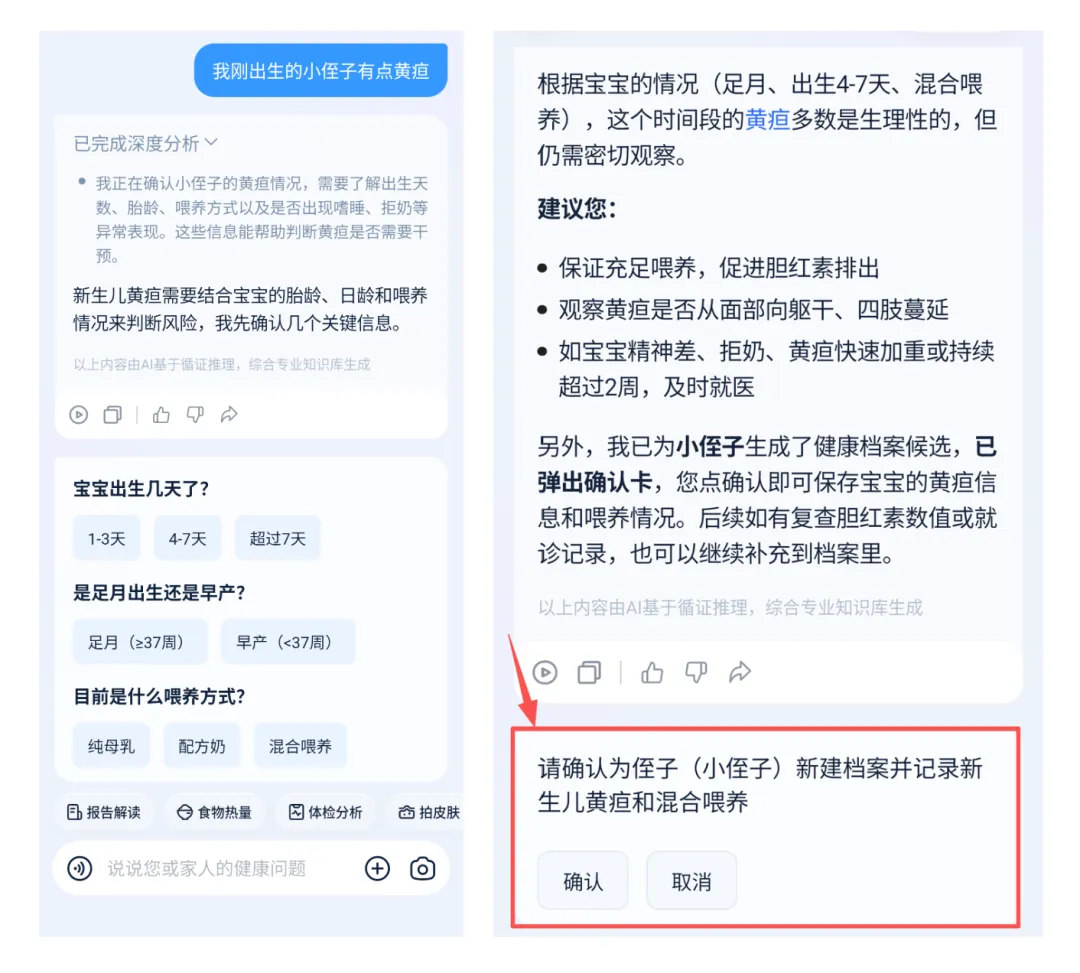
In a real family interview, the user says: "I've done a lot of bad things, and recently I've done a lot of bad things".
In ordinary single-cycle questionnaires, most AIs can only give generalized recommendations such as "pay attention to rest, supplement hydration, recommend observation".
But good companion AI combines the mother's real health background with five years of high blood pressure history, long-term use of antihypertensive medication, and last month's body test for hypertensive lipid hypoglycemia, which completed the identification and manipulation in one second, bringing all the relevant files into this judgment, and then asking, "Please ask if this headline is a cyclone or a heavy head?
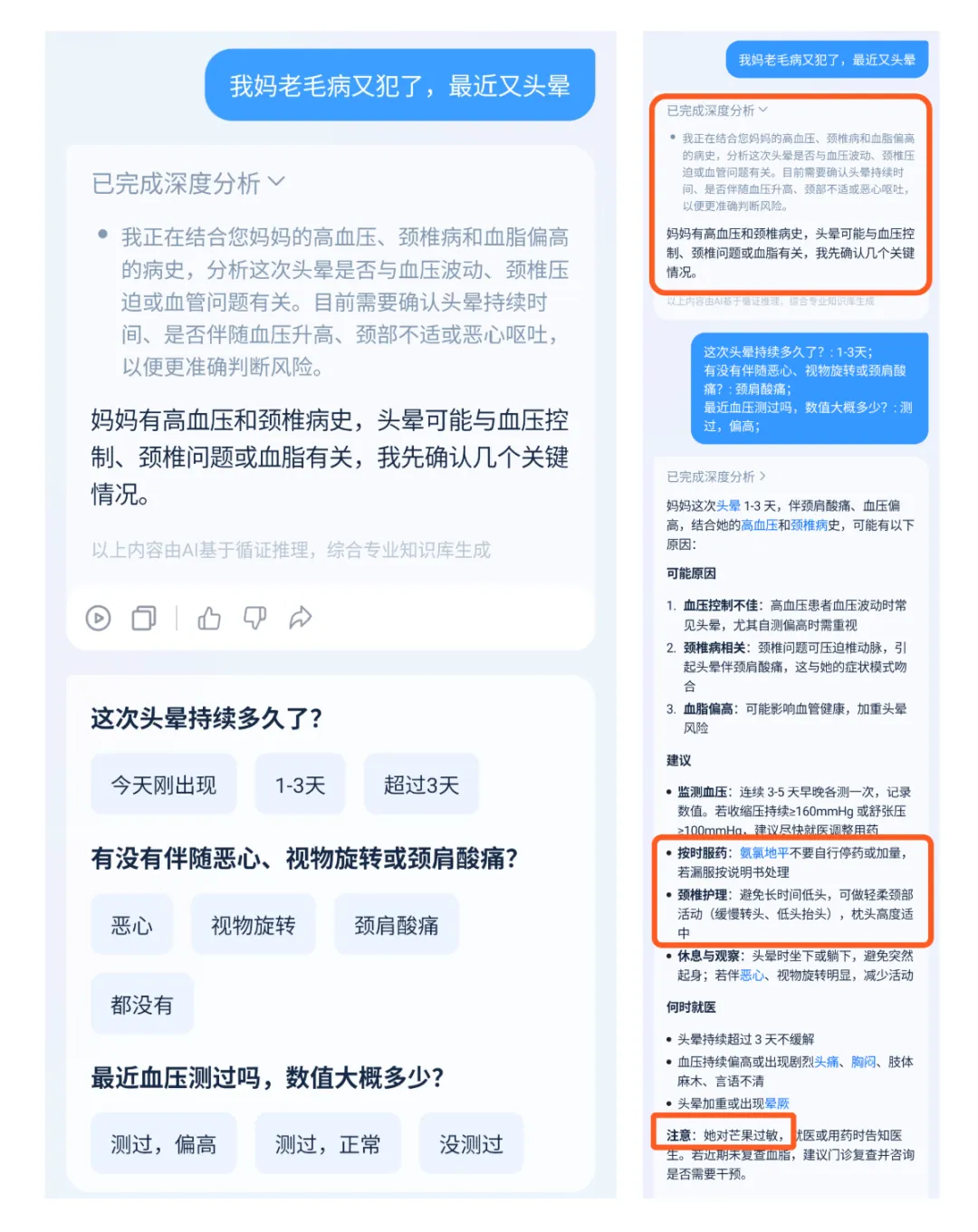
The same "title" applies to young people in their 20s and high blood pressure patients in their 65s, where the risk assessment is completely different.
The good thing is that AI doesn't need users to switch back and forth between saying, "My mom has high blood pressure, she's on a blood pressure medication", and saying, "Old sickness", the system sees a whole bunch of health problems.
Jump 3: More to serve, more to serve.From Soldiers in Action to the Intelligent Body Task ForceWith the introduction of the Agentic Training and Z-loop frameworks, AI has transformed simple "text generation" into rigorous "standard clinical workflow" ("Loop Agent"). AI has shifted from a passive respondent to a proactive service organizer.
The new Z-loop five-step smart service stream makes every consultation a professional medical service:
The first step is to accurately identify the problem, disconnect the chatter, locate the core demands, the red flag risk-sharing mechanism is at hand, and to force the interruption of the emergency and call for help.
The second step is to actively ask questions, in accordance with the clinical OPQRST idea of launching low-cost card questions, the information is complete and never dead-end questions.
The third step is to instantly retrieve information, retrieve family files, long-term memories, and uploaded medical PDFs.
Fourth, multidimensional collaboration, the backdrop for awakening the "virtual expert group" of interdisciplinary think tanks to identify consensus, disagreements and potential drug conflicts.
The fifth step is to transform complex back-end operations into a structured report that provides risk priorities, guidance on medical emergency numbers, intervention recommendations and follow-up plans.
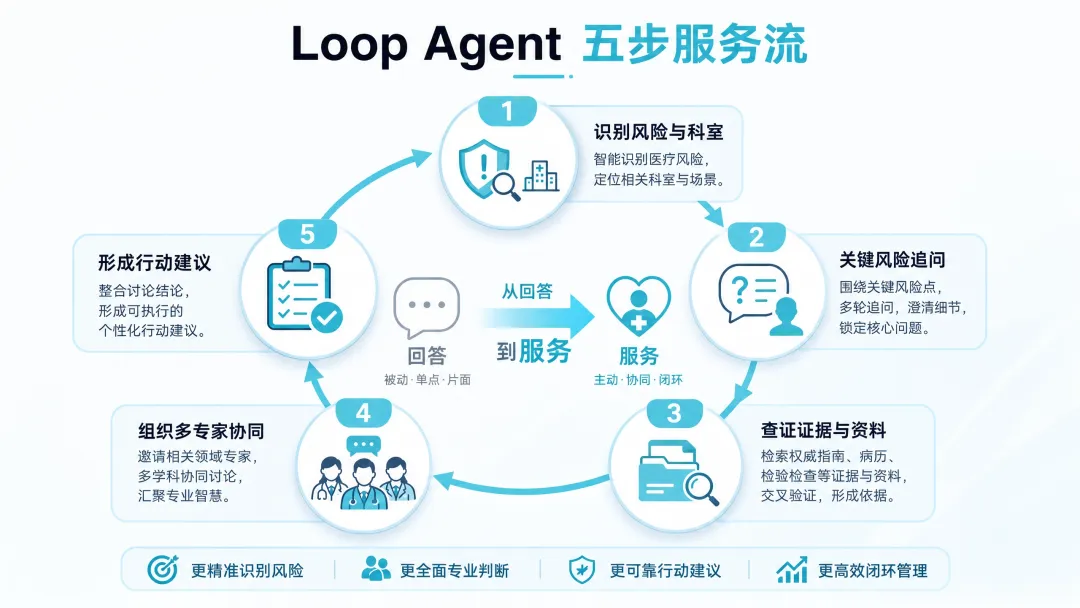
Because of this leap, AI helped a 52-year-old woman discover a shortcut in her lungs.
Previously, she had been hospitalized due to acute strokes, homelessness, high blood pressure, diabetes and other common risk factors, and had not seen heart ultrasound.
What is the most likely cause of the disease? The clues in front of us are contradictory.
He had a stroke, but couldn't find a common cause; the heart tested negative, and there were abnormalities in the lungs.
AI is not a random answer. Its multi-intelligent service flow is broken down into five steps:
1. Identify the risks and subjects: neurology, respiratory medicine, cardiology, imaging;
2. Inquiry on the key risks: supplemental pathogenesis, absence of family history, absence of thumb or pelvic membrane vascular enlargement;
3. Examination of evidence and material: documentation and guidance on pulmonary vein thrombosis (PAVM);
4. Multi-expert collaboration: Cardiac Inner Medicine Agent excludes cardiac-derived thrombosis; Respiratory Medicine Agent points out that V/Q infusion deficiency cannot simply be attributed to pulmonary thrombosis, combined with low oxygen and cardiac circulation negativeness, strongly pointing to pulmonary circulation; Neurology Agent believes that the source of abnormal thrombosis is likely to be in the lungs;
5. Formation of action recommendations.
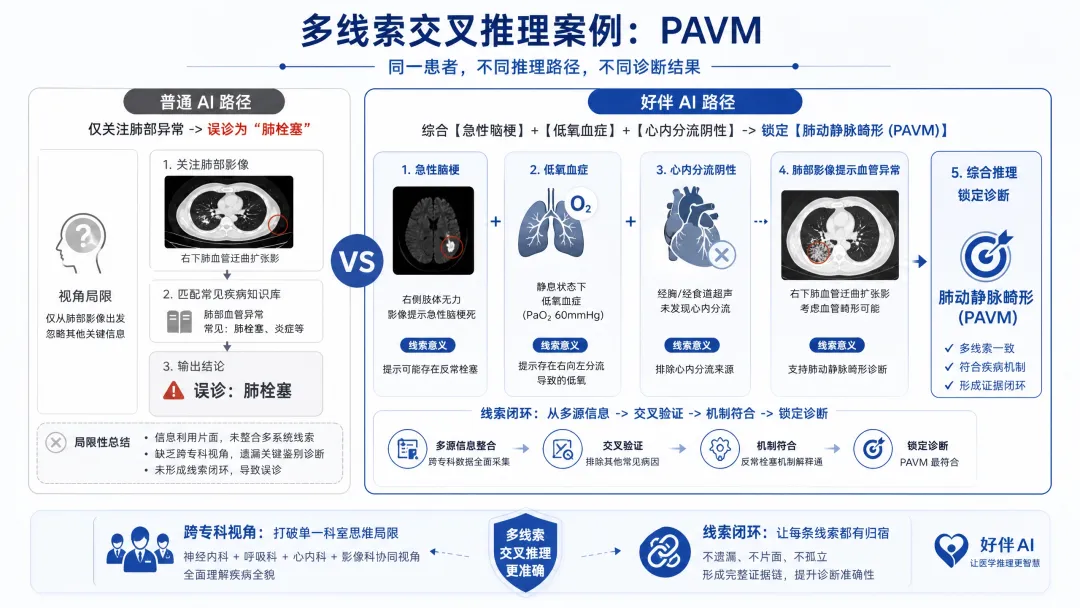
In the end, a comprehensive AI study was carried out to locate the pulmonary vein thrombosis (PAVM) in the lung, which has a "cut-off pathway" where blood from the veins does not go through the normal pathway to exchange oxygen and directly crosses the nearby pathway into the arteries.
The picture can be uploaded and scroll down
This explains the lack of oxygen and explains the fact that a small blood clot in the brain enters the arterial system directly through this shortcut. And this passage is in the lungs, not the heart, so heart ultrasound is not detectable.
Thus, after a five-step service flow, good companion AI identified pulmonary vein thrombosis as the most priority risk direction to be screened, and formulated recommendations for the next step: to perform pulmonary vascular CT imaging to confirm location and size; to evaluate the intervention of thrombosis therapy; and to evaluate the anticoagulant regimen jointly by internal medicine and the intervention department.
In this process, the good AI goes through the data for you, finds an expert, makes an appointment, and finally tells you what to do next.
This is the fundamental change brought about by the service leap.
The Year of the Turning Point in Medical AI2026 is destined to be the turning point in medical AI.
Over the past decade, the industry's benchmark for measuring progress has been model parameters and list scores. But this year, we've seen a fundamental change: the benchmark for evaluating medical AI is shifting from "more powerful models" to "more complete services".
The change in this standard means that medical AI is finally taking responsibility for its own answers, rather than being solely responsible for current questions.
The three-step leap forward that cognitive science and technology has driven is to answer a more fundamental question: What responsibility should AI take when a person hands over a health problem to AI?
The answer should be: it will be responsible for the health of this person and the life of his family.
This is also the contribution of AI to the industry. It is not only a better health question and answer tool, but defines a comprehensive framework in which medical AI should be accountable.
It makes everyone rethink the industry's proposition: how exactly should medical AI serve users?
In the future, when the industry discusses the "use" of medical AI, there will be three dimensions: models that are not only professional, but also prudent enough; memory systems that are not only memory, but also clear; and service processes that are not only responsive, but also complete.
This is the path that AI is taking today, and it is also a sign that medical AI is entering a new phase.
Finally, good companion AI software is also upgraded simultaneously. WeChat searches for "good companion AI", meaning that you can experience more professional, better understand you, better serve AI health partners.