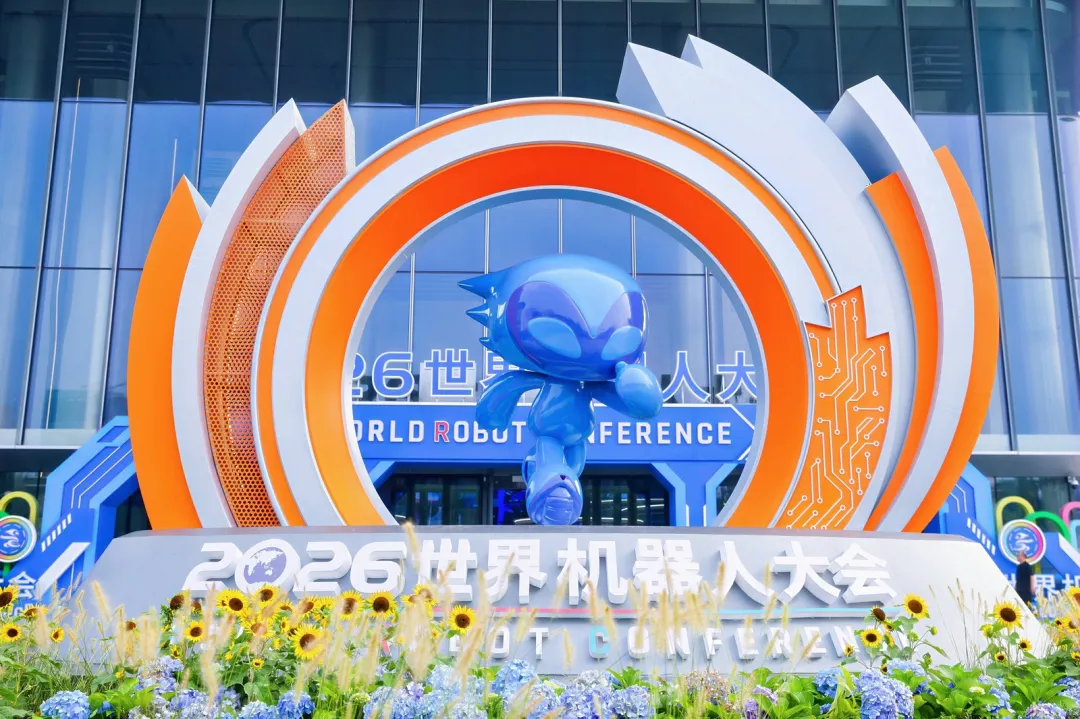
On August 23, 2026, the World Robotics Congress in Beijing was held for the first time. The five-day event featured more than 300 enterprises, more than 3,000 exhibits, and more than 300 new products. The industry's attention is also shifting: the competition in the robotics industry is shifting from technical skills to applications.
In this shift, the company also played a minor role in the industry, building an underlying system to make robots more commercially viable. At this conference, the company also built scenarios, pulled links, and built an ecosystem that allowed technology to be tested from the stands into the real world. It was this systematic move that caused the short-term flow of WRC to sink into industrial growth.
01.
Showgrounds are changing, orders are becoming hard currency
The theme of this year's conference was Human Robot Coexistence, Production Needs Co-operation. The conference for the first time set four main thematic days: Release Day, Purchasing Day, Developers Day and Open Day to the Public. Purchasing Day is listed separately, for the first time in the history of the World Robot Conference.
Landing has become a key word. Once, robots that can flip backwards, play the piano and sing were responsible for the flow of the whole place; today, robots that screed screws on the simulated production line, sorting goods instead tightly lock the eyes of the public.
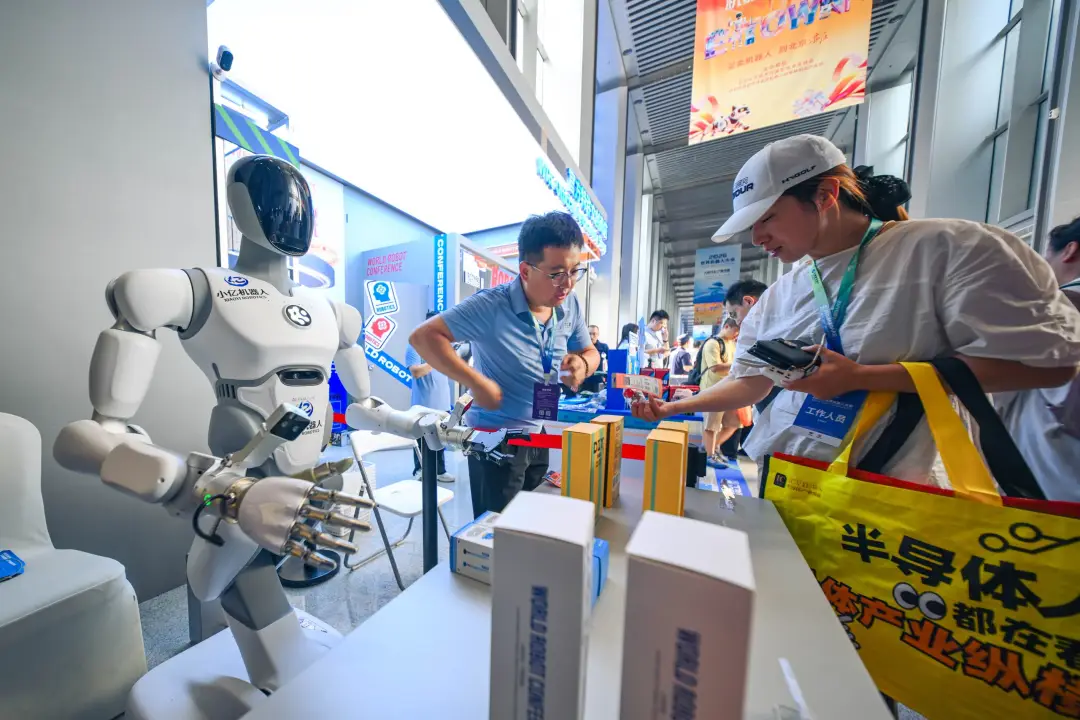
In the first half of the year China shipped more than 40,000 humanoid robots, accounting for 97 percent of global exports; Wu Wu, founder of the company, said on the main forum that humanoid robots have not really entered the phase of mass application, and the shortcut is inadequacy of universality; Wu, founder of the engine, said that the 99% success rate is still far from enough, and that people will not accept 99% of it.
That's exactly what the focus of the company is. It uses nearly 10,000 square meters of consumer robotics streets, more than 20 full-chain eco booths for industrial chain businesses, more than 10 deep-duty industrial events, and synchronized robotic 4S stores, robotic restaurants, developer communities, and supply chain platforms in the park to answer a more pragmatic question: how can robots move from demo to mass production, from stand to market?
02.
Robot Consumption Street: Commercialized pressure test site at the end of C
One of the most outstanding innovations of the conference was the creation of the first robotic consumer street.
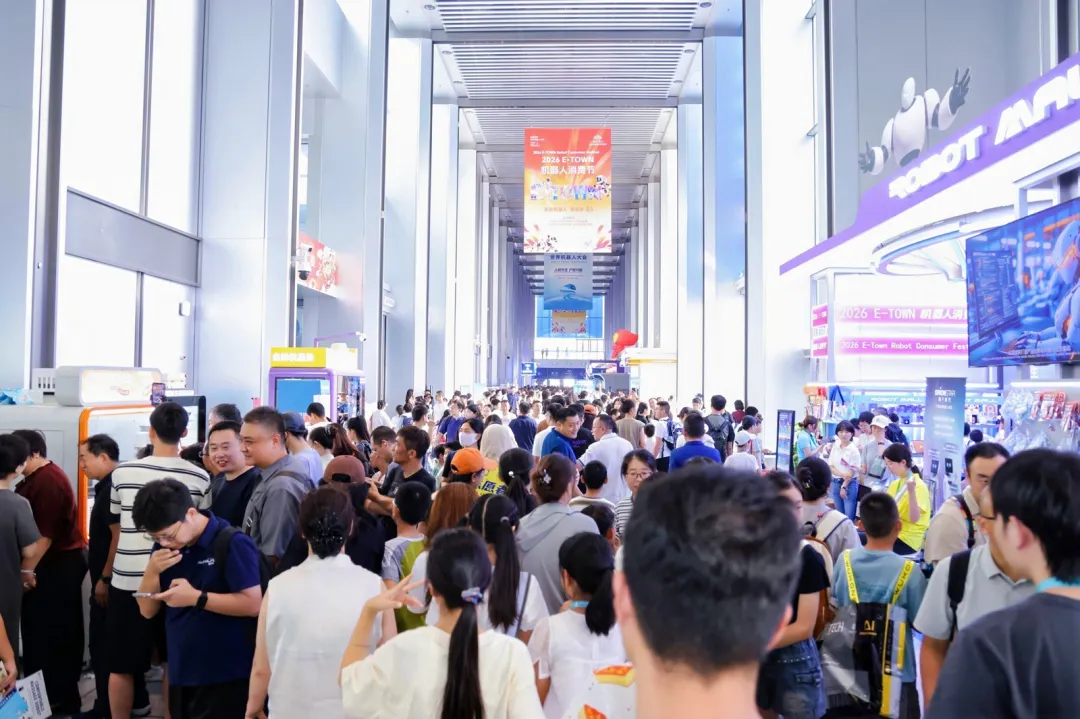
Two indoor and outdoor blocks, nearly 10,000 square meters, more than a hundred robot and non-machine human business brands, bringing together technology, interaction, play and shopping. During the convention, the consumer street accumulated nearly 300,000 receptions for consumers, with a turnover of nearly 3 million yuan.
These figures mean more than just how much money the monkeys sold.
The essence of a robotic shopping street is that it's a pressure testing ground for the commercialization of robotic C-end. Robots run well in the lab, not in real-life consumer scenarios. When ice cream robots have to line up for eight hours in a row to produce sandwiches, deliver robots to precise obstacles in crowded traffic, and accompany robots to face the bizarre questions of consumers, technology really enters the test of the business environment.
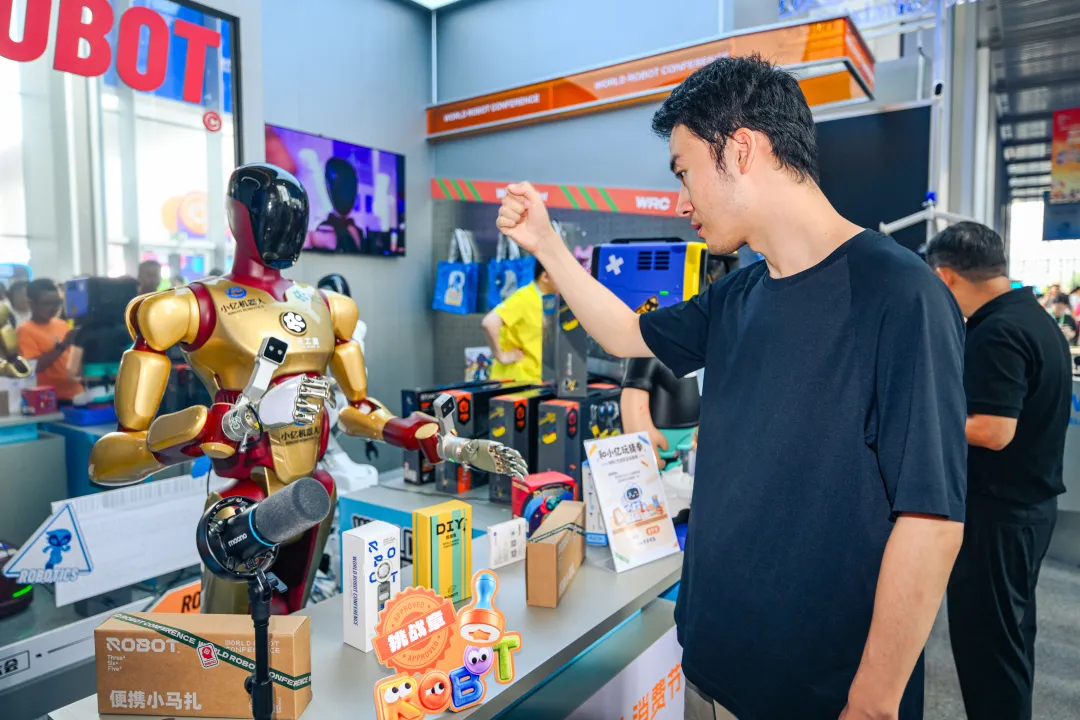
Consumer streets provide real-world application scenarios for robots, with consumer feedback issues in real-world experiences that often go beyond the preset range of laboratory testing. By confronting real-world user feedback, businesses can targeted shortcuts to promote product upgrades that are adapted to the consumer market. At the same time, the open experience of the C-end scenario is also gradually building emotional connections and consumer awareness between the public and robots, building a user base for the industry to deeply cultivate the long-term C-end market.
03.
Physical gardens: temperature of technology and the human dimension of industry
In addition to the demonstration of hardcore technology, there is also an easily overlooked but equally important fusion of dimensional silicon technology and art.
In the conference hall, there are nine scenes of robotic art, 43 sets of artistic works and exhibitions, created by artists and engineers in collaboration.
When talking about robots, most people talk about technical parameters, freedoms, algorithms, brains, durability. But what robots are trying to answer in the living room is: how do humans sympathize with machines and how do they interact when robots are finally going to interact with people, when they are going to enter the human life scene?
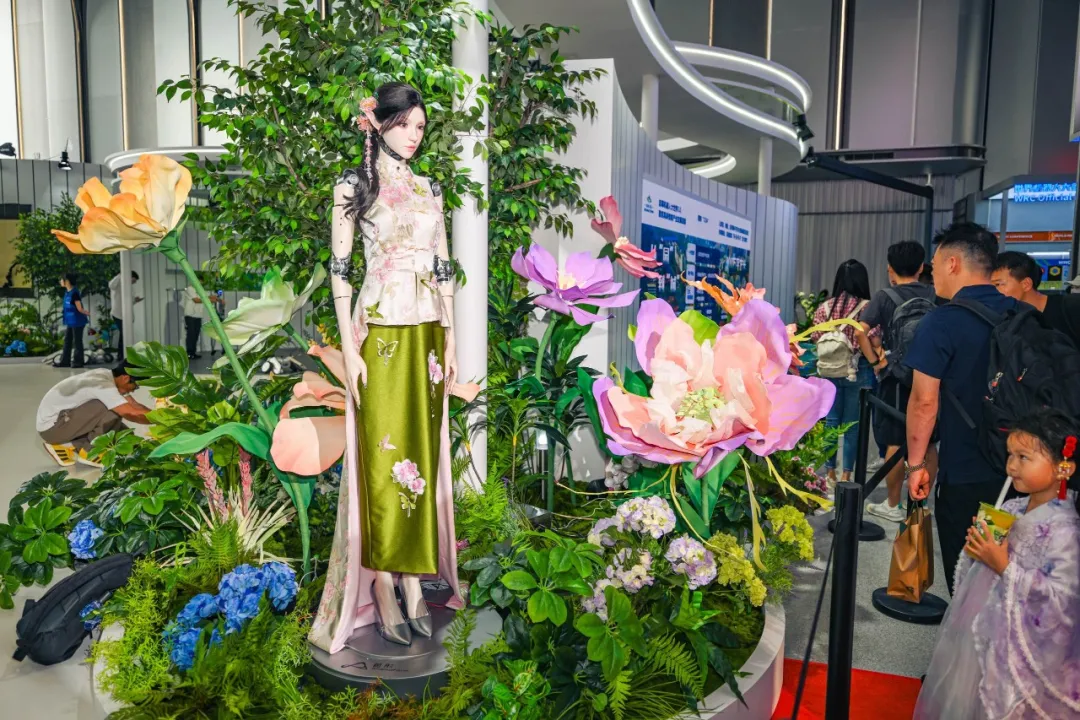
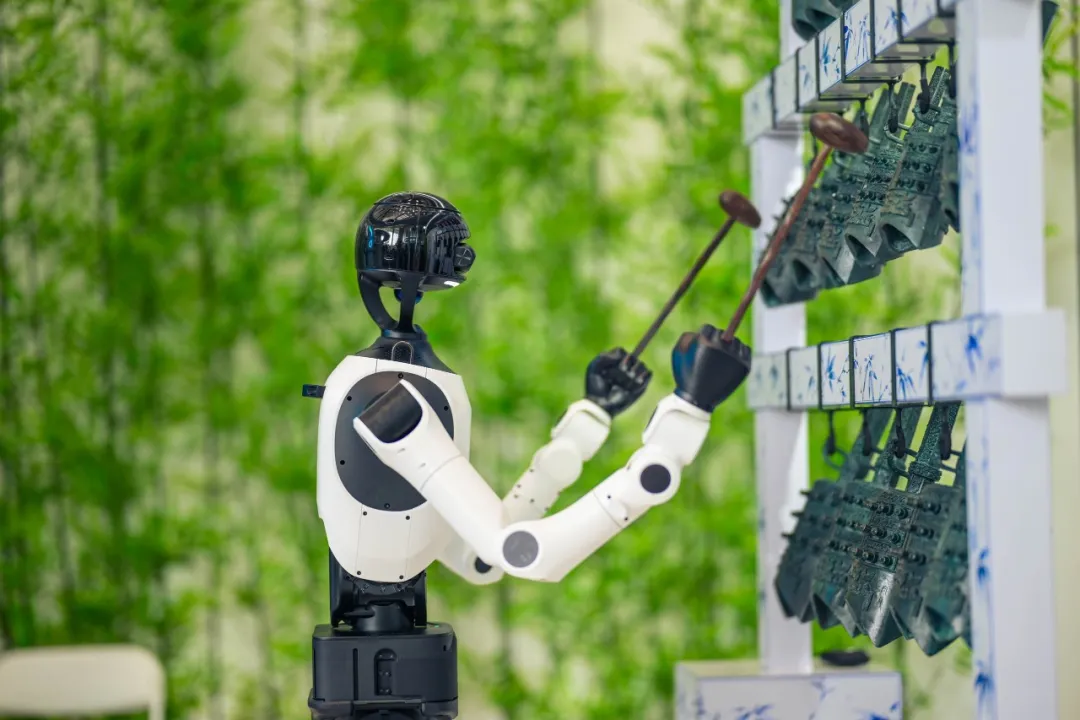
The value of the meeting room is being reflected in these dimensions that are often overlooked by engineering thinking. Through the cross-border integration of the art of science and technology, exploring the path of industrial design and the art of science and technology empowering physical and intelligent development.
At the same time as companies are doing technological offensives, robots are also exploring the integration of technology and art, cop, urban life, thinking about technology for the better. Both to promote the growth and strengthening of industry and to think about how robots can better integrate into people's lives.
04.
Full-chain collaborative industrial ecosystem
If the consumer street answers how robots reach consumers, the garden answers how robots integrate into people's lives, and the robot booths answer how the robot industry co-operates.
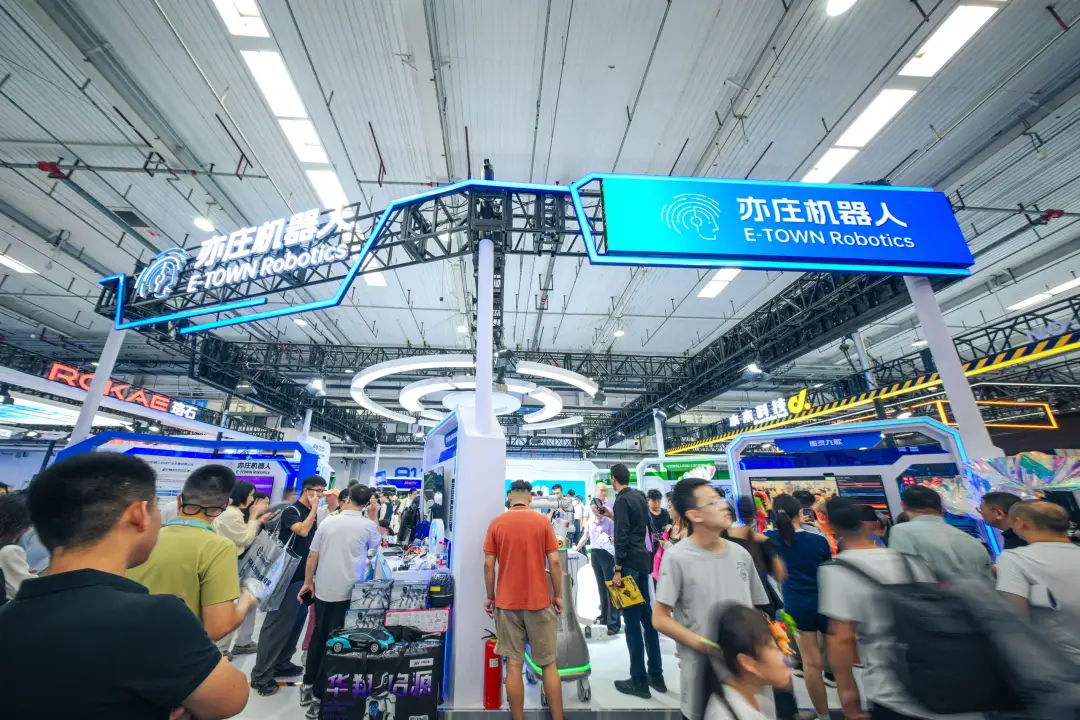
The conference, headed by China Robotics Company, organized a joint exhibition of more than 20 industrial chain enterprises, focusing on more than 50 robot integrations, core components and technical services covering smart data, humanoid robots, touch perception, machine vision, agility operation, wellness education and more.
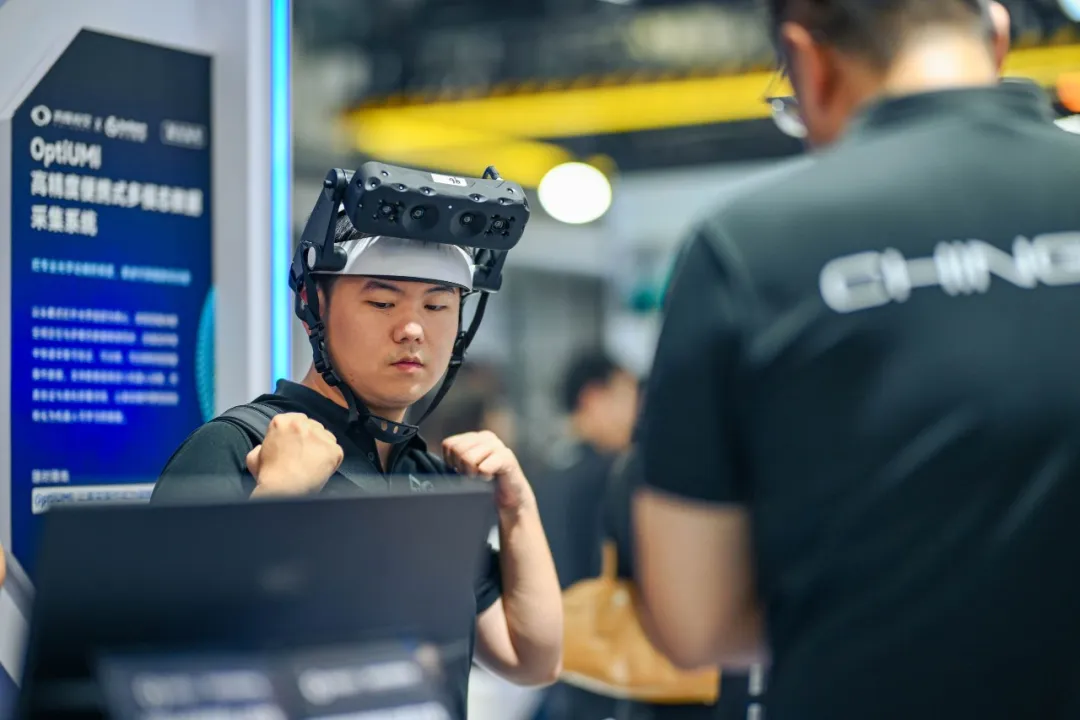
It also includes smart, physically intelligent data services, touch-sensing handles with touch-sensing abilities, multi-mode touch sensors for computer robots, star-powered human figures with quadruped robots, Turing's intelligent interaction with text messaging applications... A complete industrial chain from data base, core components, whole machine kernel to scene applications has been micro-presented.
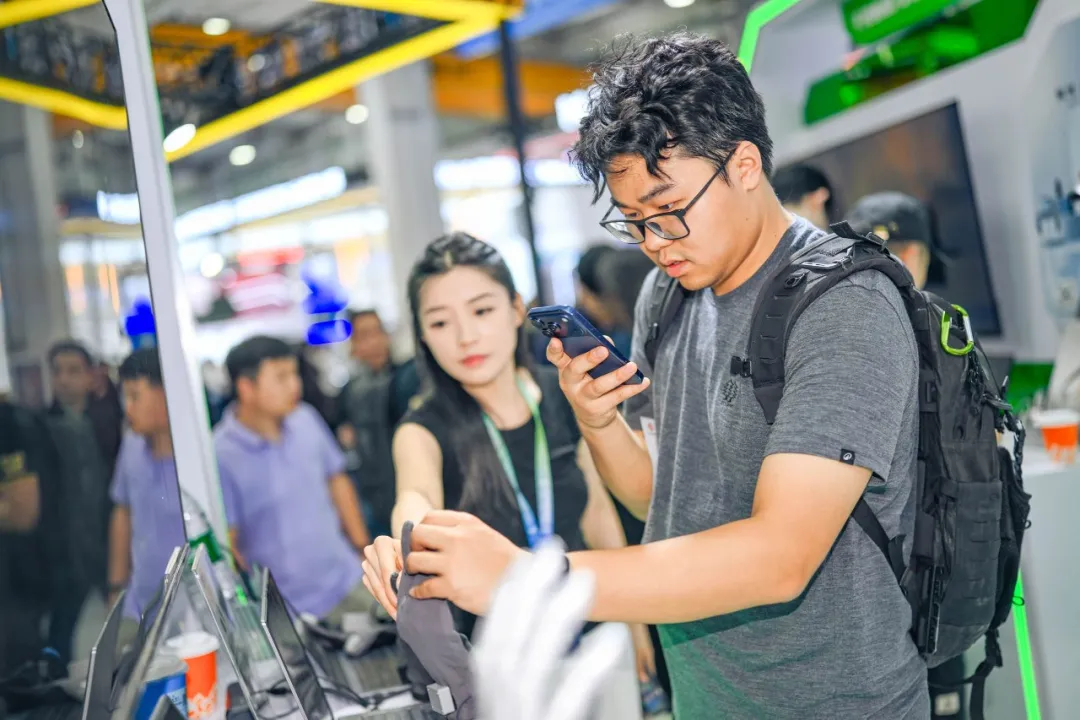
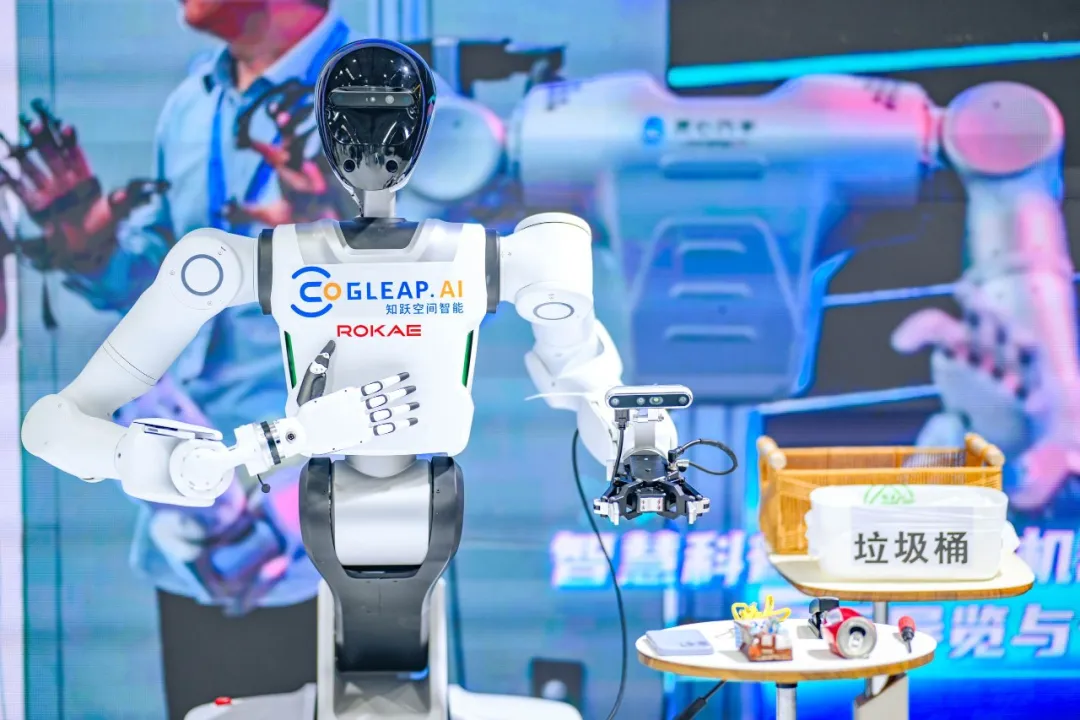
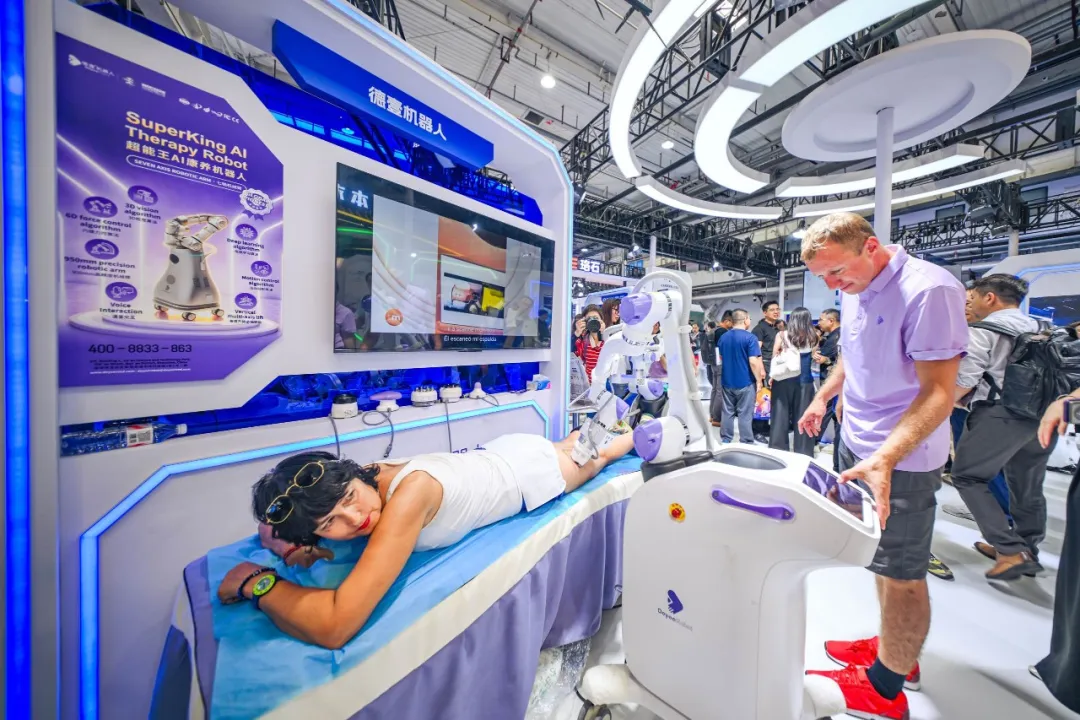
But the real value of the industrial ecosystem is not in the stacking of the number of enterprises, but in the formation of synergies.
The platform's value was directly verified during the conference. At the bidding stage, nearly 40 projects aimed at landing, covering core components, integrated applications, intelligent brains, specialized robots, medical robots, etc., almost cover every key link in the robotics industry chain.
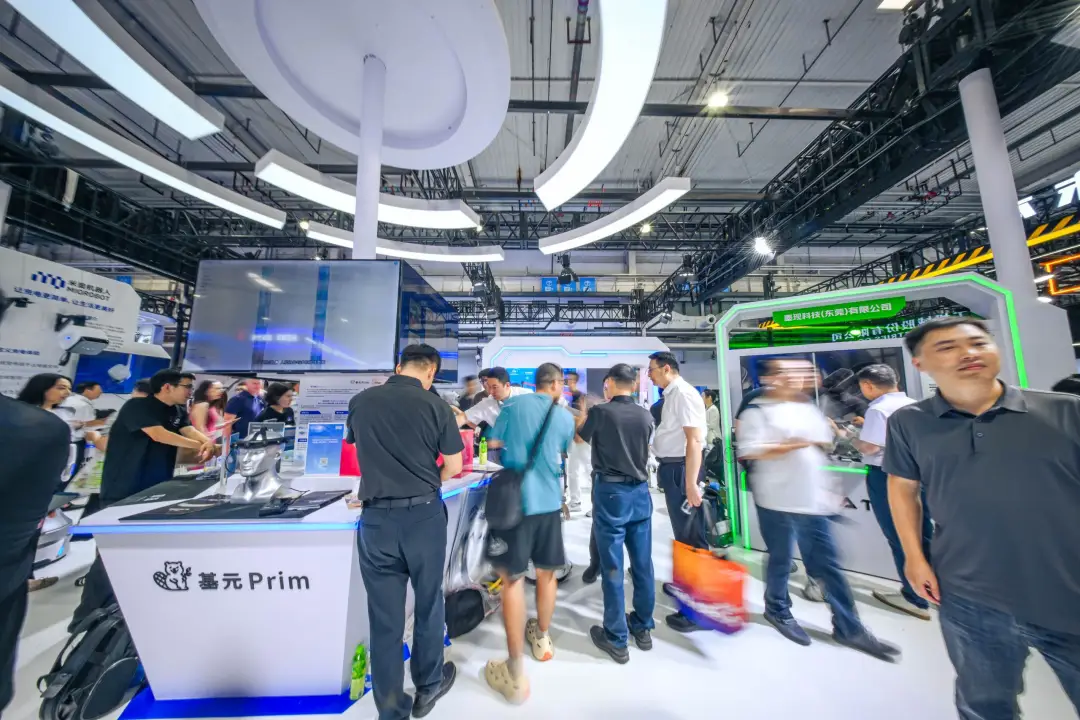
When an industry cluster forms a complete ecosystem from components to integrated systems, from technology to scenarios, it is no longer a single policy or site that is attractive to enterprises, but a place where they can find partners, complete product iterations, and achieve systemic capabilities for commercial deployment.
This capability is more fully reflected in Beijing's robotics industrial park.
During the conference, the world of robots completed a new upgrade, further highlighting the scenicisation and application of intelligent robots. The Robot Mall Robot 4S store has been operating for one year, with a cumulative turnover of over 60 million yuan, the model has been successfully exported to Jiangsu, Zhejiang and other places. The robot flame was the first in the country with a smart robot restaurant, and during the conference continued to receive over a thousand consumers from all over the world. The future machine developer community brought together more than 220,000 developers.
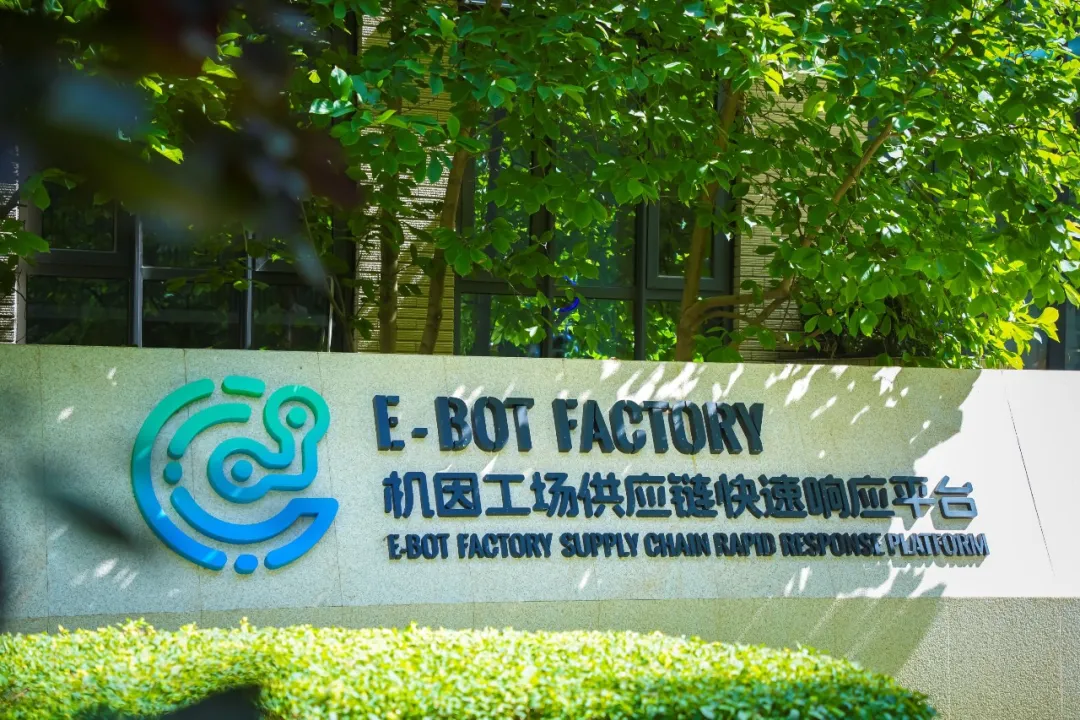
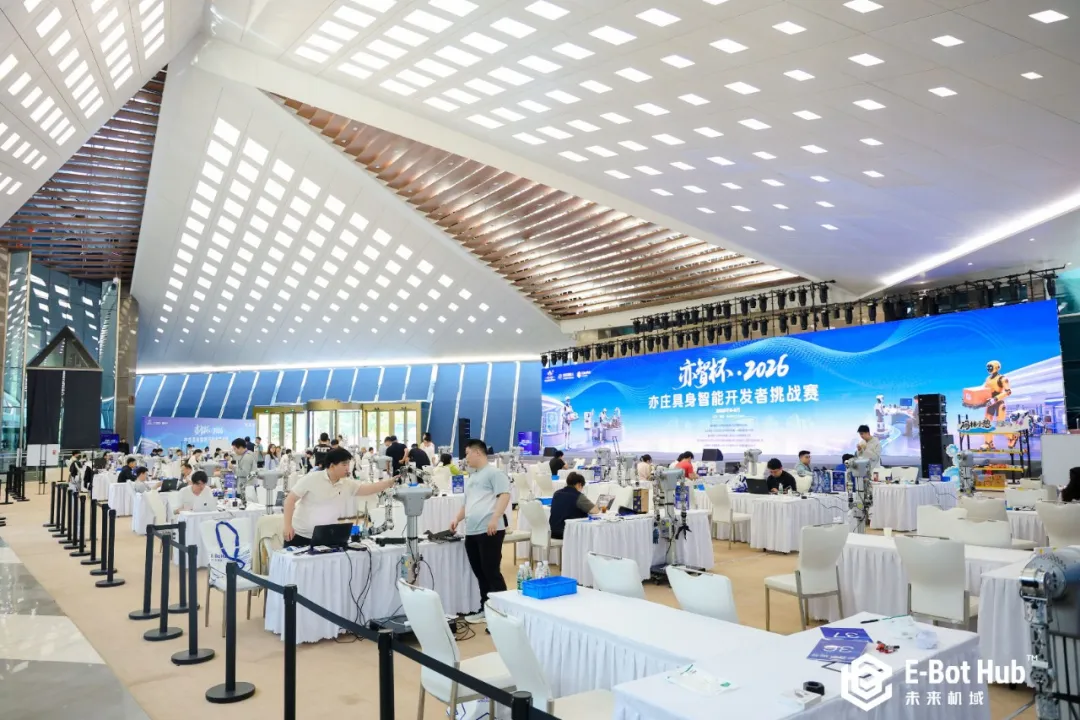
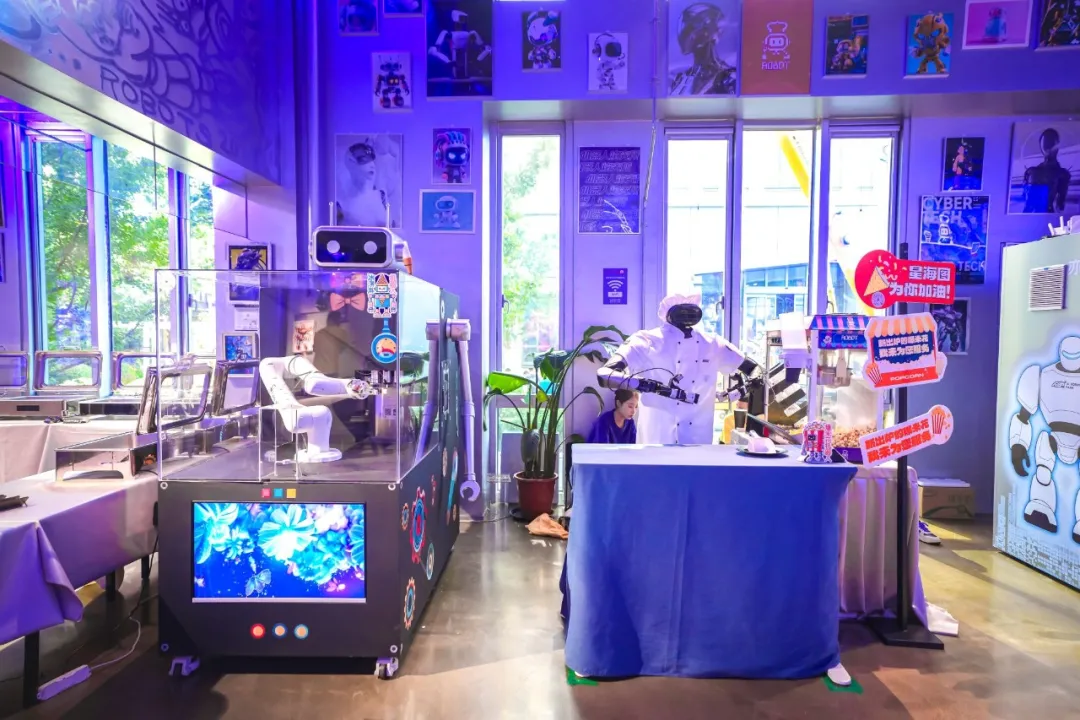
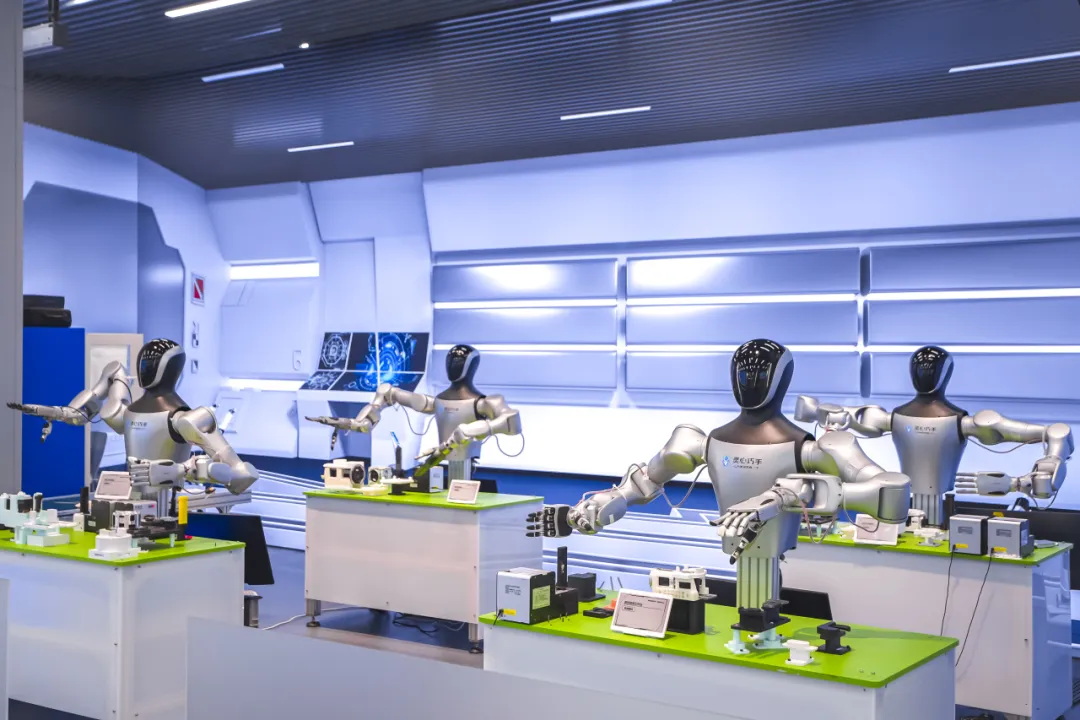
A series of carriers constitutes a complete industrial service chain: technology is here to be developed, products are here to be shown, scenarios are here to be verified, channels are here to be expanded, supply chains are here to be supported, talent is here to be gathered.
05.
Transforming traffic into growth
Traffic can't just stay in the exhibition halls. The value of the convention will ultimately fall on real industrial cooperation.
During the congress, Toshiba Robotics Co. organized more than 10 profound industrial events in Beijing's Toshiba Robotics Industrial Park, attended by nearly a thousand people.
At the level of industrial cooperation, it also hosted the China-Singapore Robotics Industry Co-operation thematic event, the China Robotics Industry Co-operation Forum with the Swiss Humanitarian Robotics Association, and a number of important events such as the Co-operation Strategy with Chongqing Weibo, promoting cross-regional industrial co-operation and resource co-operation.
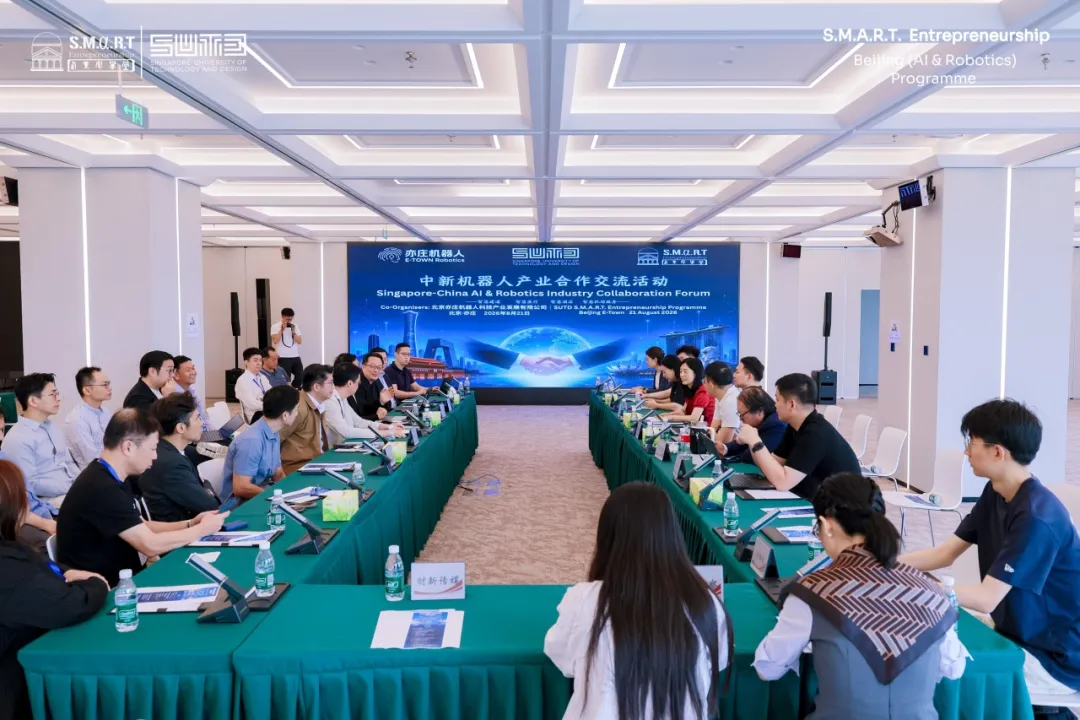
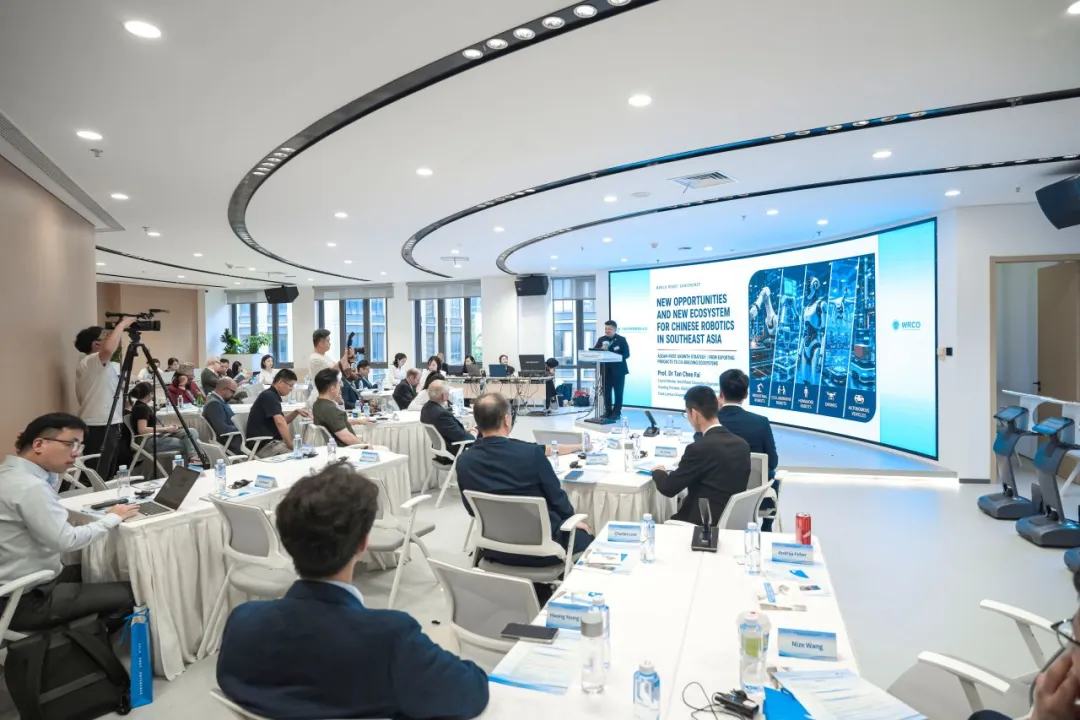
At the developer ecological level, the future space community connects Mars accelerators, Xbotics, Beijing humanoids, Xenophonic intelligence, cuckoo robots, the Golden Age, and other industry partners, and hosts high-quality industry exchanges outside the WRC's main venue, such as after-hours researchers' talks, staircase nights, cuckoo soup kitchens, and intelligent developer AFTER PARTY.
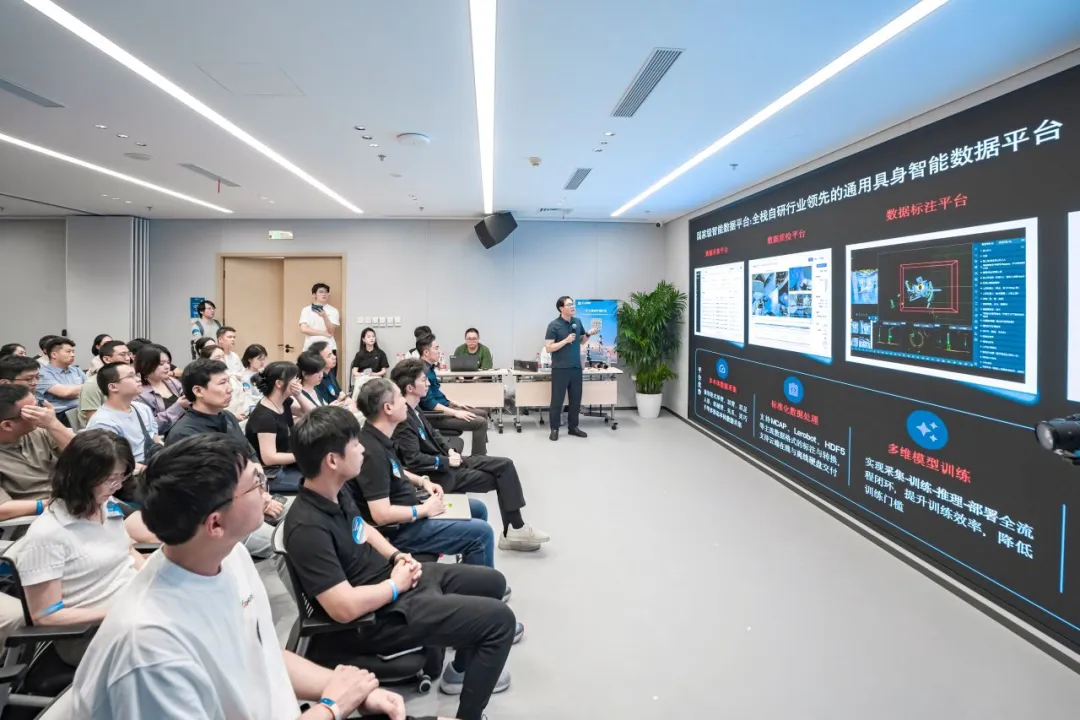
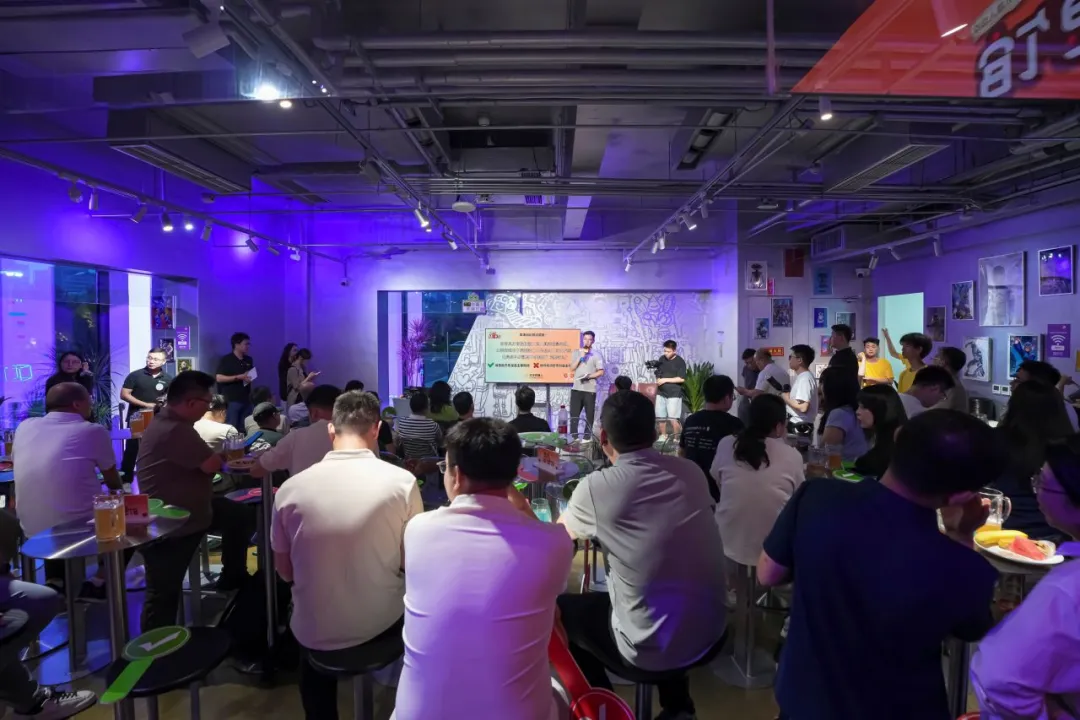
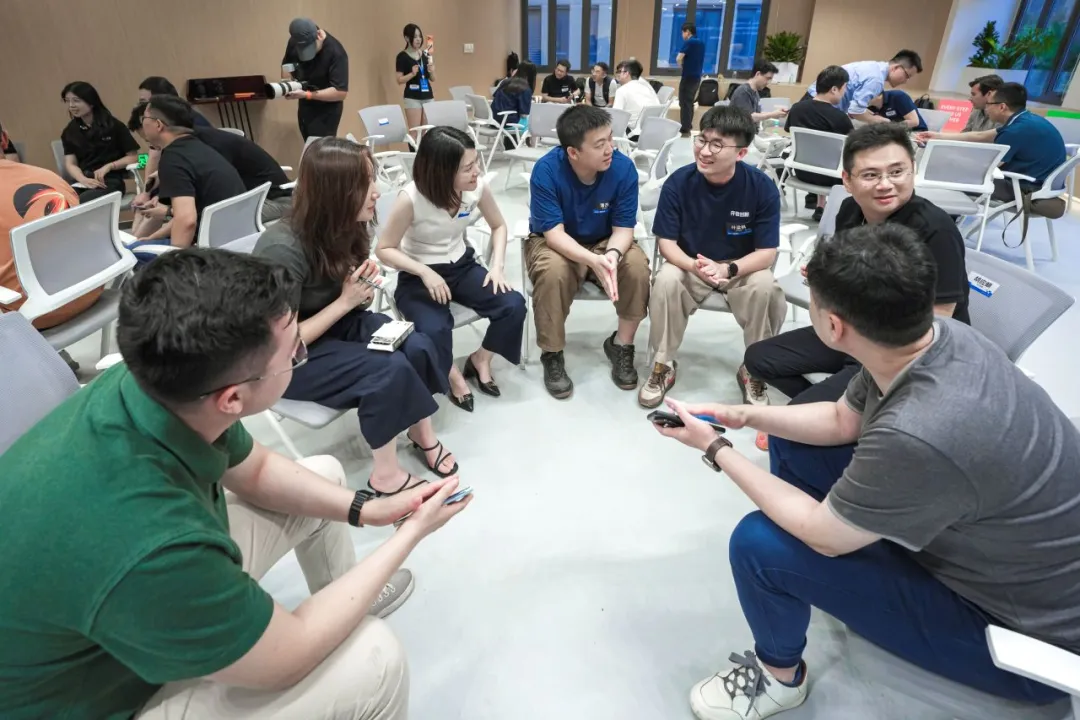
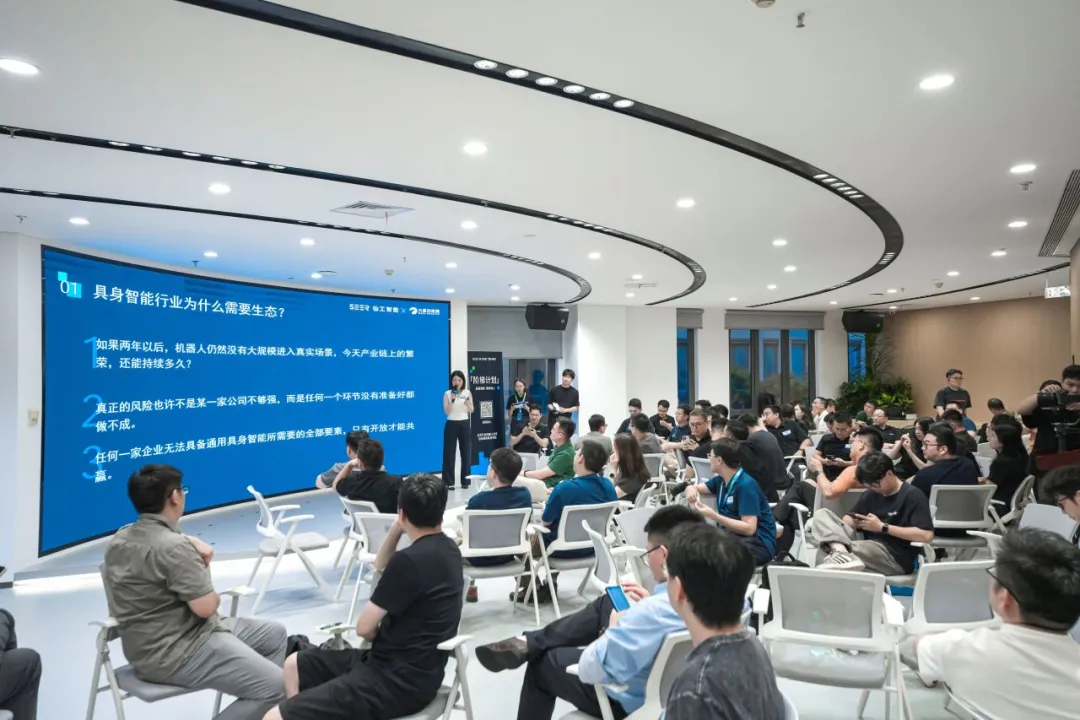
It is worth mentioning that the Future Field Community has also organized six teams to participate in the Second World Games of Human Robotics, covering universities such as Tsinghua University and enterprises such as Topical Technology and Oriental Technology, and supporting a series of competitions such as robot bodies, training sites and online and offline technical guidance for teams for free.
06.
From an endless assembly to a city
At the opening ceremony of the conference, Beijing also officially unveiled RoboPark, the world's largest 3.0-ton Beijing airport.
In 2024, the tenth year of the World Robotics Congress, which has created the never-ending World Robotics Congress, will create Robotics World 1.0, which will leave a host of new robotics technologies, new products, and new cultures for Beijing; in 2025, Robotics World 2.0 unveils, launches the world's first smartphone 4S store, launches a robotic-themed restaurant, builds new robotics scenarios, new industries, and new landmarks; and in 2026, robotics enters the industrialization phase from the bottom of capacity to the bottom of the scene, launching Robotics World 3.0.
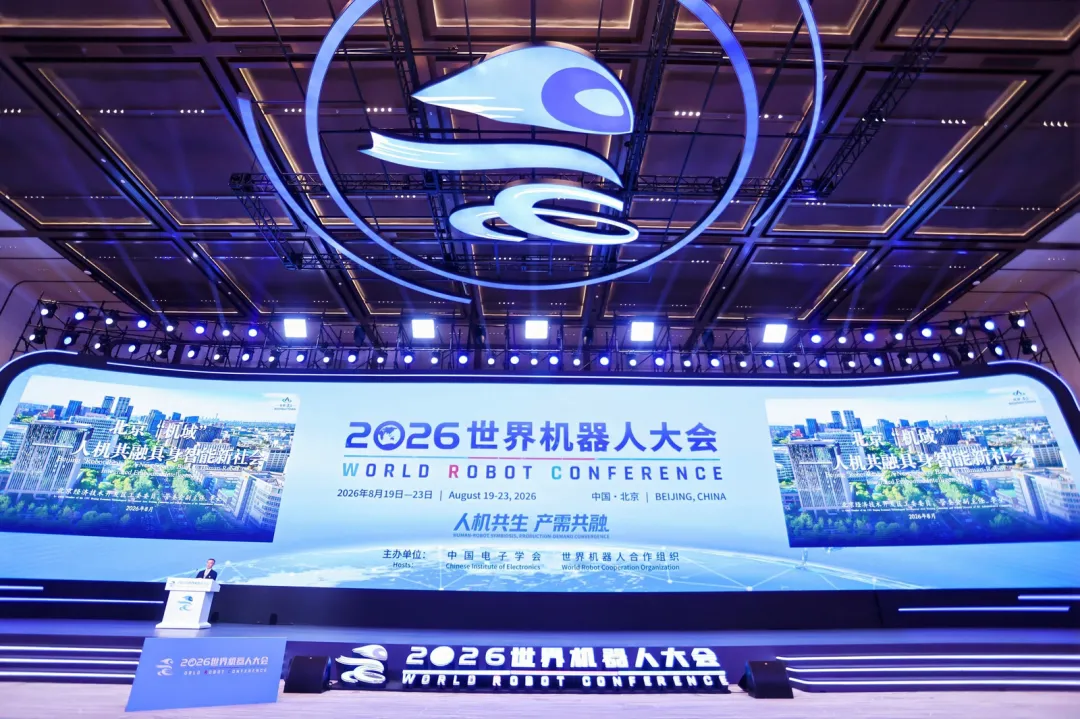
At present, physical intelligence is shifting from small batch trials to large-scale landings. Beijing Airport is an important carrier of the 12 km2 Beijing Area of Machine Learning Intelligent Manufacturing Leadership Area, expanding the space of 250,000 square meters of robot industrial park to 3 million square meters, allowing R&D, manufacturing, applications and other links to be closely coupled and synchronized in Ningbo City.
Yiwu Robotics is an important force in promoting industrial landing. Participating in the global robotics application exploration program, continuously upgrading robotics 4S stores, robotics restaurants, building developer communities and supply chain platforms, creating new games in robotics + robotics industry and technology tourism, promoting the outcomes of the conference landing...
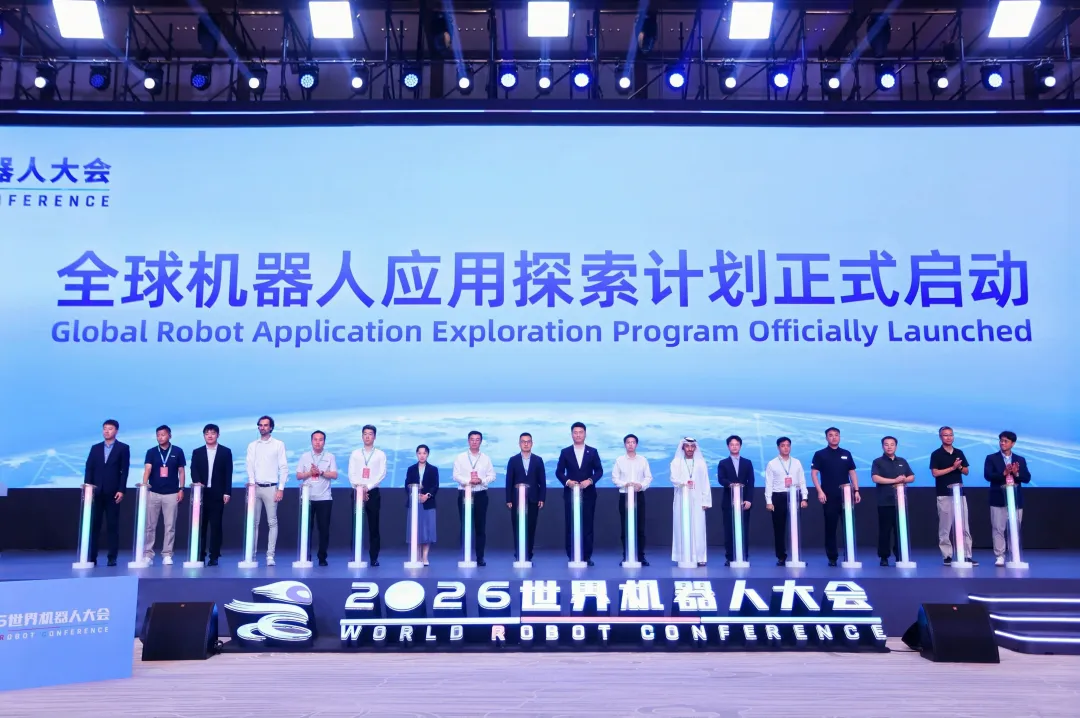
Yiwu Robotics is transforming the traffic of the permanent address of the congress into uninterrupted transaction and scenic verification throughout the year, promoting the upgrading of the industry event to industrial engines, making the never-ending congress truly a seamless industrial arena, making good technology faster into good products, moving to large markets, making the results of industrial development benefit more people, while also helping Beijing Yiwu continue to lead the global robot industry map.