On the evening of 22 August, the Beijing National Speed Skating Hall fired ice belts and fired gunshots.
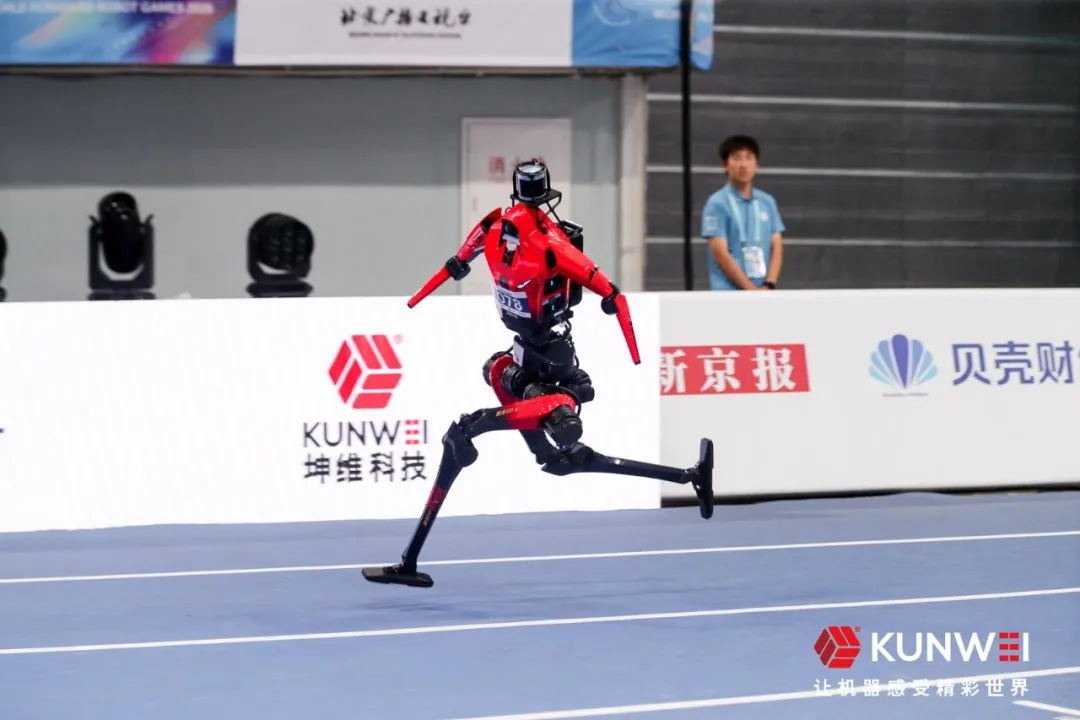
In the preliminary round, the Tianjin team and the Jiangxi Technological Union team ran 9.34 seconds; the Tianjin team and the Tianjin team ran 9.32 seconds. One night, the human 100-meter world record was repeatedly rewritten three times. 9.32 seconds, 0.26 seconds faster than Bolt's 9.58 seconds in 2009.
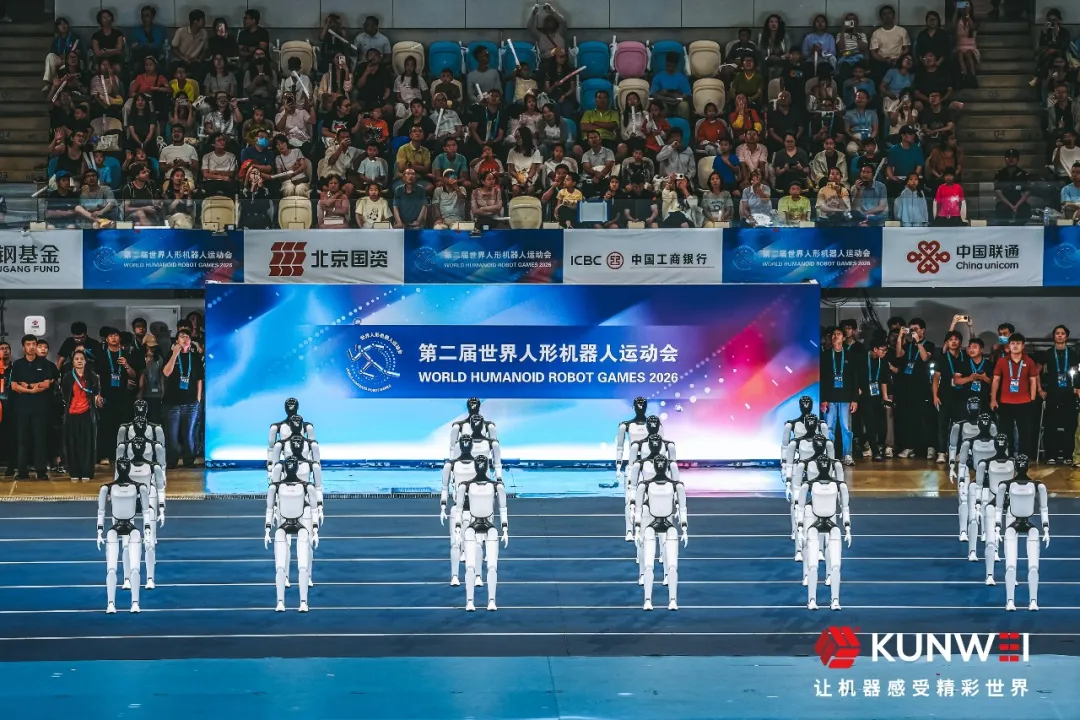
At the same opening ceremony, Teamsters Ultra jumped 2,8843 meters, surpassing the 2.45 meters man-made high jump world record set by Sotomayor in 1993. In April, in Beijing, a man-made robot half marathon, the glory robot lightning completed the race in 50 minutes and 26 seconds, breaking the human half-horse world record.
Over the course of a year, the man-made robot's 100-meter mark was squeezed from 21.50 seconds to 9.32 seconds, squeezing 56.7 percent. This index jump was reported by Reuters, the Associated Press, the British Guardian, the French Newspaper, and other outlets.
01.
Industrial coordinates behind 2056 robots
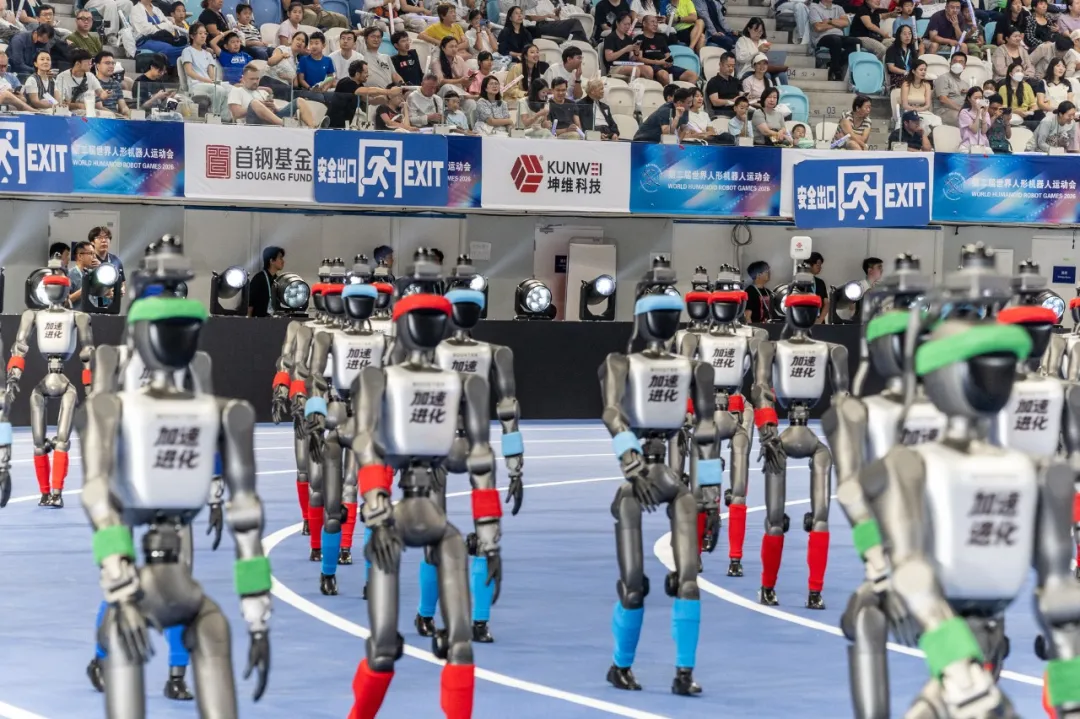
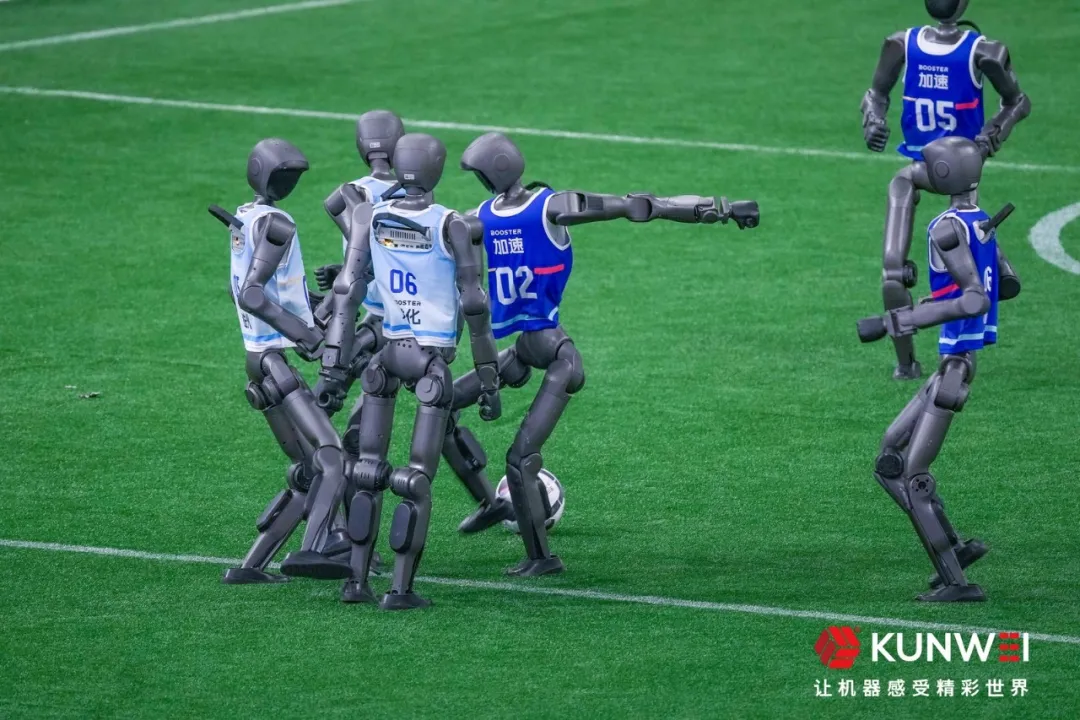
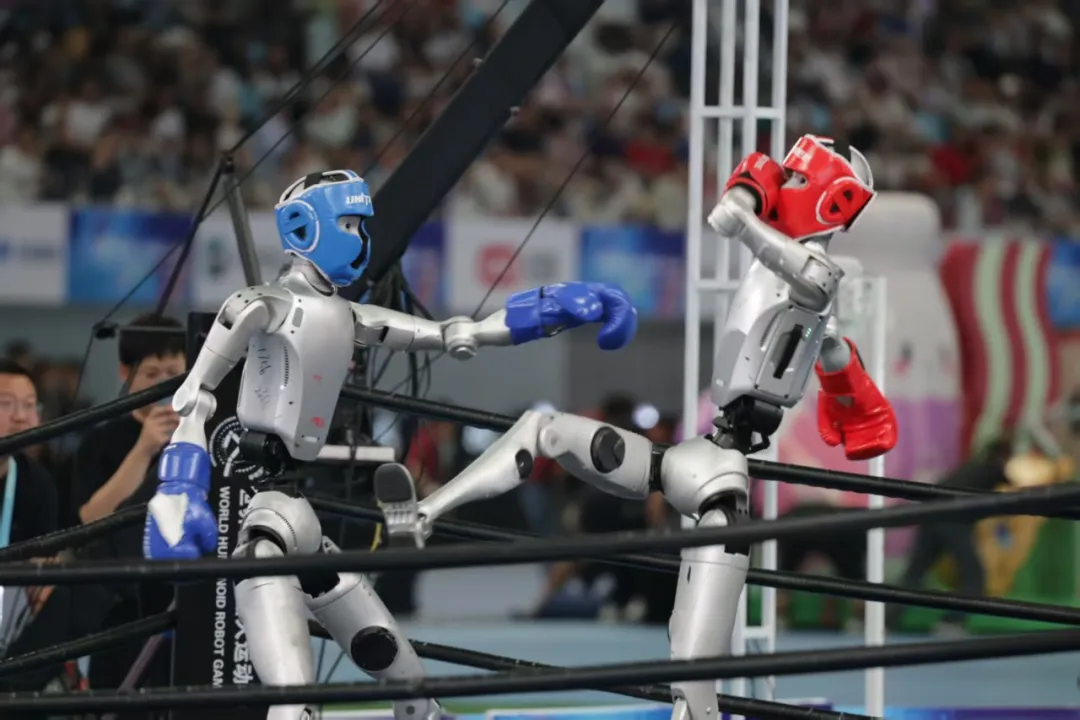
There were 51 projects, 1,301 competitions, 666 teams from 16 countries on six continents, 2,056 robots competing on the same platform. The number of teams increased by 138%, and the number of robots doubled. The competition expanded from 26 to 51, including 30 competitions, 21 stage competitions. The venue increased from 487 to 1,301.
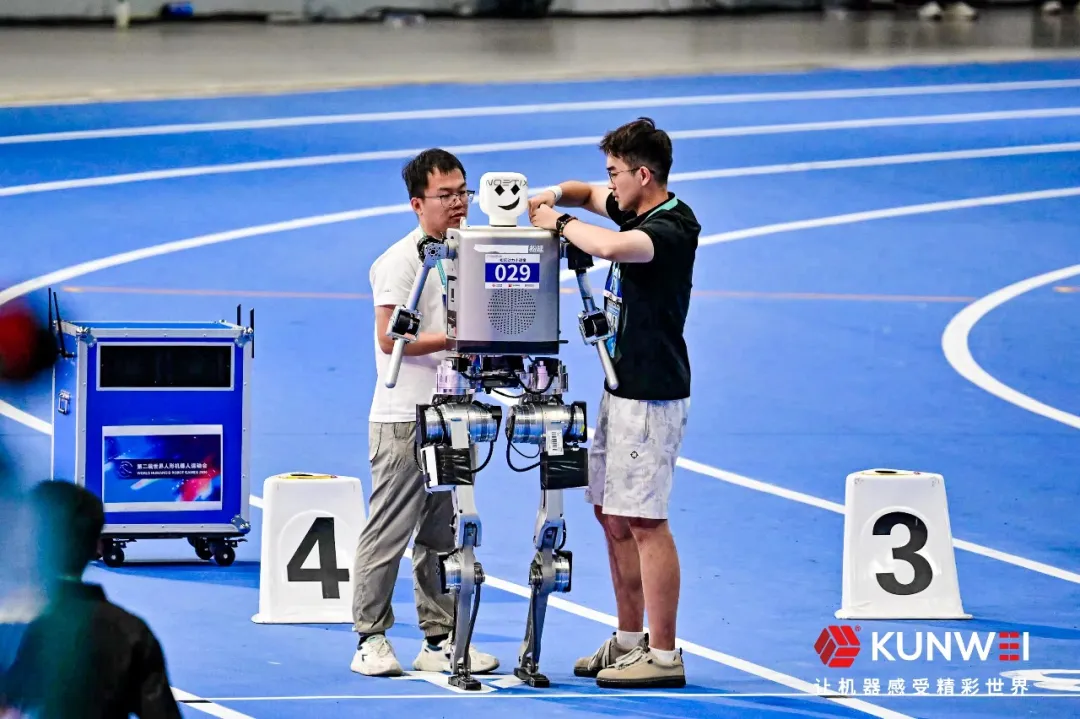
Behind the event, there are signs of the rise of China's robotics industry. Beijing City Post Office Director Liu Guangzhou said at the conference that every one who jumps 1 cm away on the racetrack, every one who lifts 1 kg, is the result of engineers' continuous optimization of the design, precision processing, and testing of the joint motor, which is based on step-by-step refinement, pushing the limits of technological capabilities of humanoid robots to constantly achieve new breakthroughs.
The organizers also proposed a more straightforward industry logic: winning medals takes orders, leaving the race and entering the field of play.
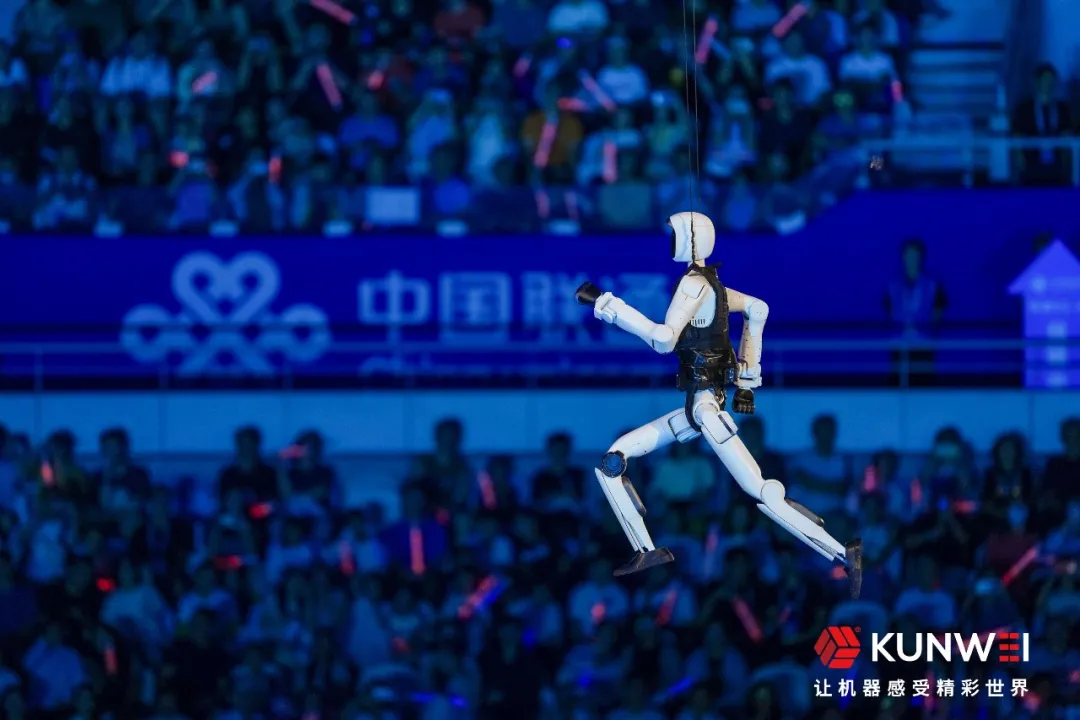
Behind these breakthrough achievements, cognitive perception is the hidden and critical underlying link. The multiple competitions of this year's Games eliminated artificial remote control, fully autonomous operation, and truly tested the integrated power of the human-robot model perception environment, independent decision-making.
As the only officially designated power control technology service platform for the Games, FujiTech provides the underlying technical support for the full power control capability of the Fuji Sport + Art + Application Fuji Full-Dimensional event to cover the six-dimensional sensing + joint torque sensing + sports biodynamic power platform at the end of the Games.
02.
Where are the robotic sensors on the racecourse?
The Robotics Workshop learned that a humanoid robot on the field needs at least three to six force sensors. Because of the lack of force feedback, the robot can't do smooth grabbing, can't maintain two-legged balance, can't achieve safe human-machine interaction.
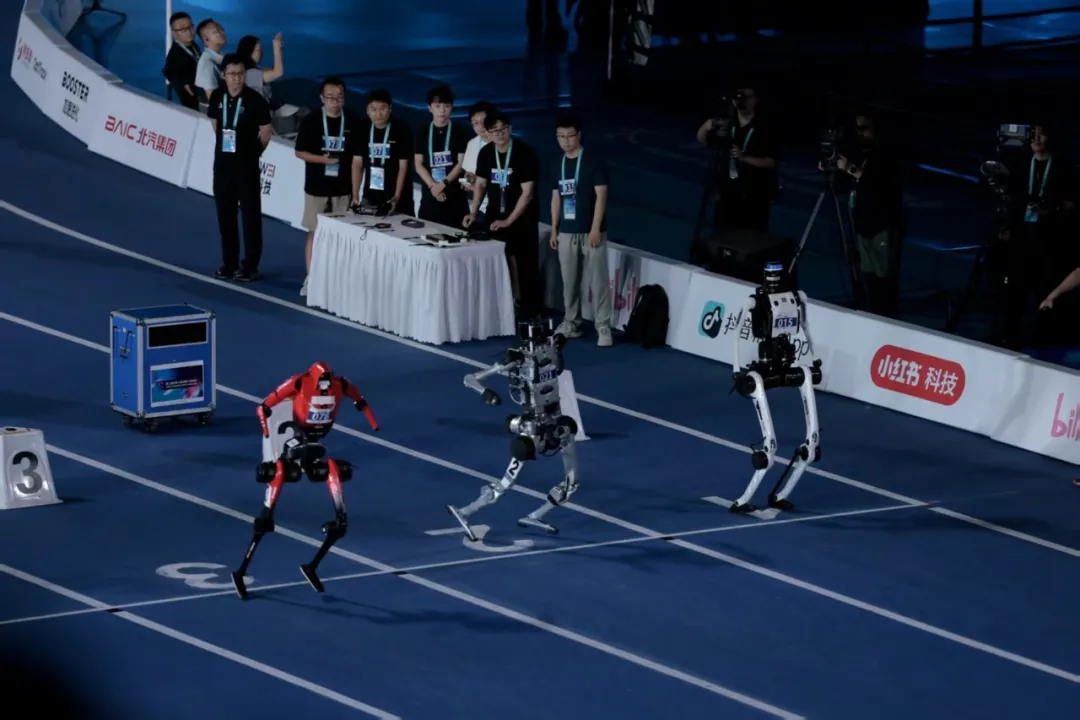
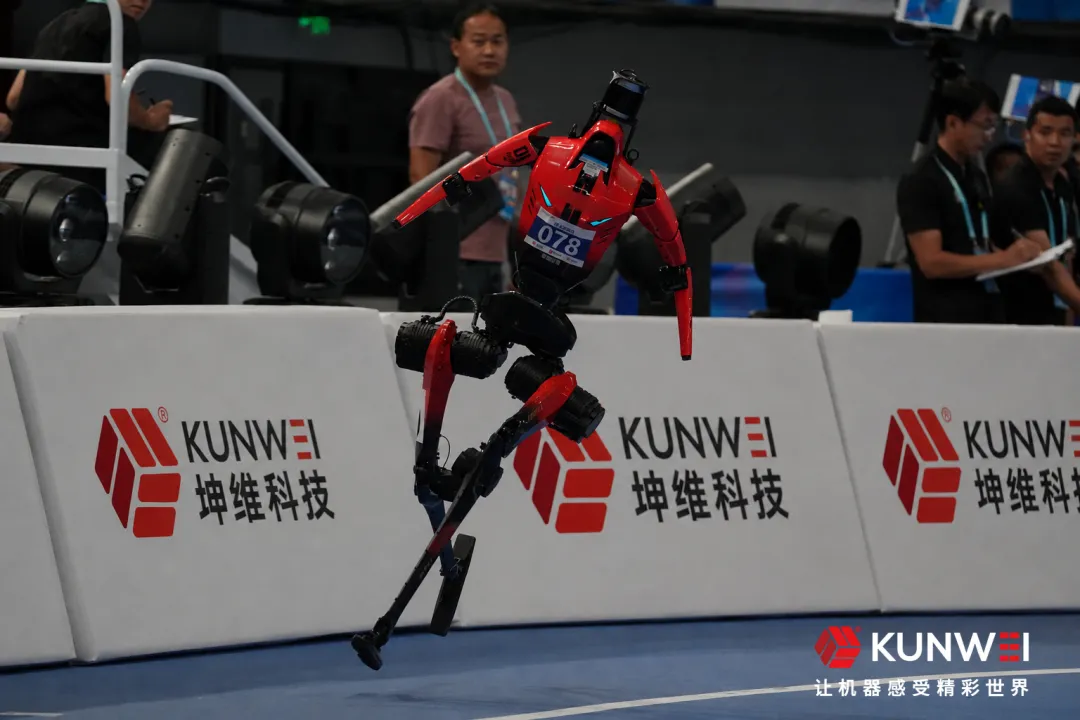
For example, in the sports arena, the value of six-dimensional sensors is constant. On the 100 meters and long jump track, the robot starts to monitor the force of explosion, adjust the vacuum posture, the landing instant detects several times the impact load of the weight, while the HRS65-ET footrest sensor thickness is only 10 mm, which effectively avoids the risk of footstepping in high-speed movement. The sensor responds at zero-level every step of the robot movement to capture the ground reaction force, the real-time data of the Fx, Fy, Fz three-axis flows back to the control system, adjusting the footrest posture every millisecond to maintain balance.
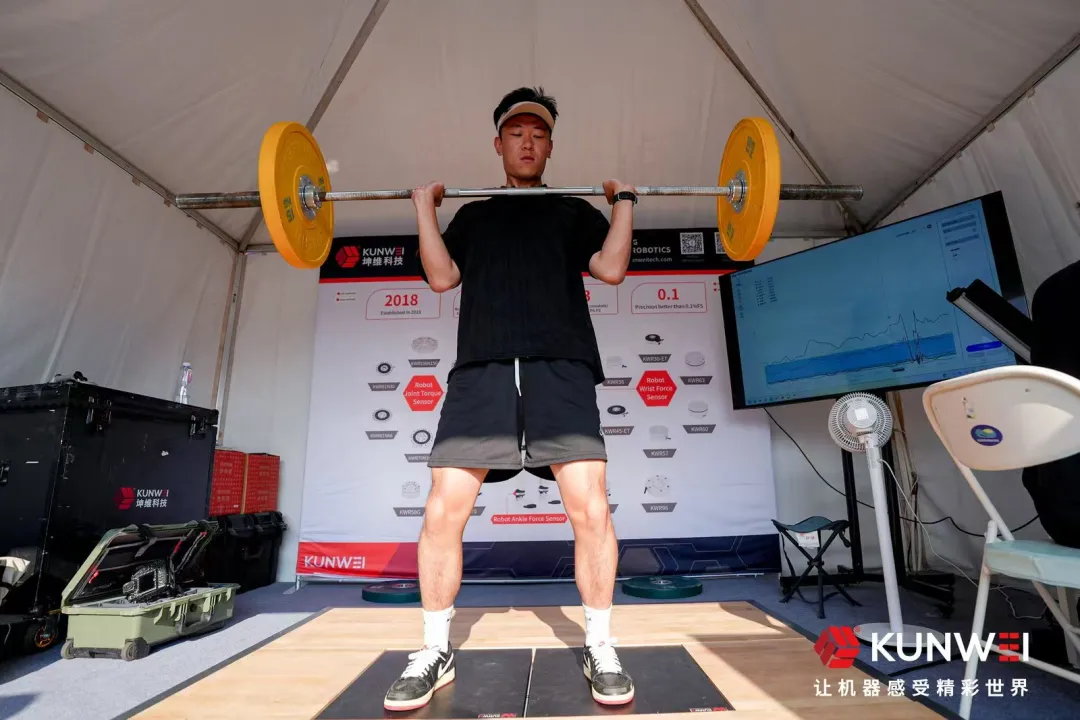
In emerging projects, such as lifting weights, robots need to make movements such as grab-and-go, sensors need to monitor the upper limb force curve in real time, determine if the movement is flat, if the force is sufficient, and help the control system make accurate judgments under maximum load. In throwing projects, this originates from the traditional Chinese practice of shooting, testing precision force control and perception levels, sensors need to provide zero-bull force control accuracy, allowing the robot's arms to have sensory handles, and accurately identify instantaneous force changes in throwing.
Multiple sensors are required to synchronize the friction between the feet and the ground to provide real-time data for tactical adjustment. In a ping-pong game, the instantaneous force feedback from the ball's impact needs to be collected and retransmitted in milliseconds, and sensors need a high sampling frequency to accurately capture the instantaneous force change of each hit, achieving precise spin and spin control.
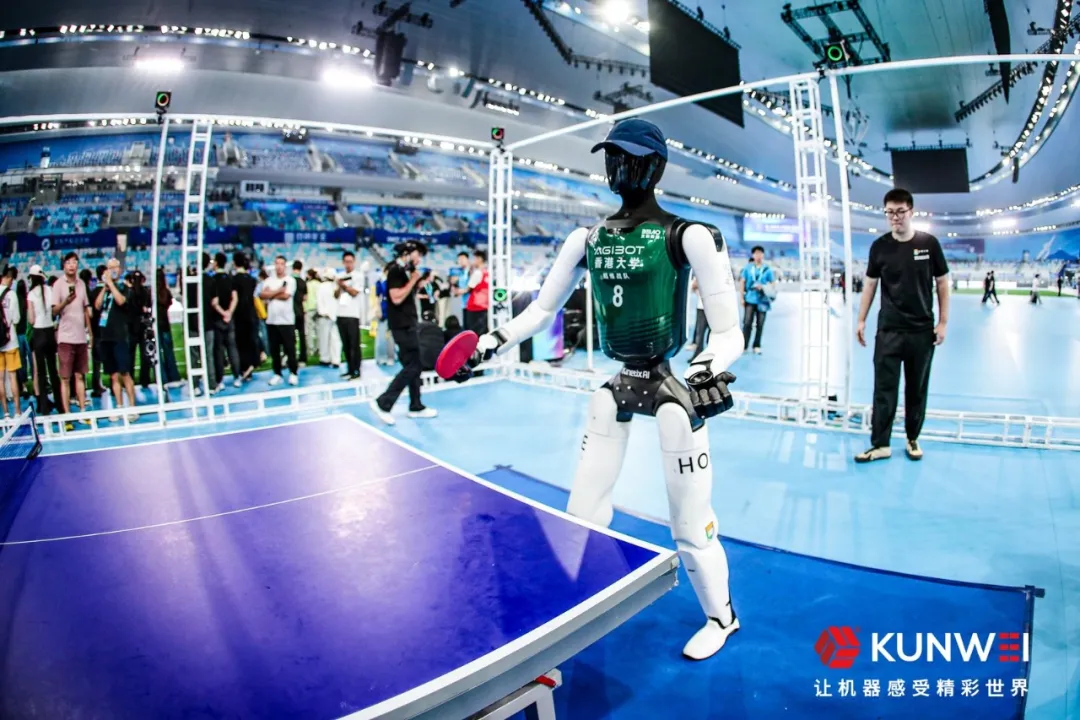
At the moment, the sensors of Zenvi have basically satisfied the above functional requirements, for example, the Zenvi HPS super-high performance series, which uses self-developed alloy elasticity, a sampling rate of up to 30 kHz, can collect 30,000 data points per second, capturing millisecond instantaneous changes of each impact. The diameter covers 36mm to 200mm, the scale covers 30N to 10KN. The minimum thickness is only 10mm, and extremely narrow installation spaces such as wrists and ankles provide integration possible.
The robotics workshop learned that the HRS humanoid special series has been supported in bulk by the leading humanoid robotics companies such as Uber, Xi'an, Galaxy General, Xiaomi, etc. A review by the head of technology of an integrated automaker manufacturer was very simple: the lightweight design of the humanoid special sensor, low interference performance, perfectly suited to the two-legged robot's narrow installation space, consistency and stability after bulk supply, has been able to replace imported high-end models.
03.
From the end of perception to the evolution of distributed force control throughout the body
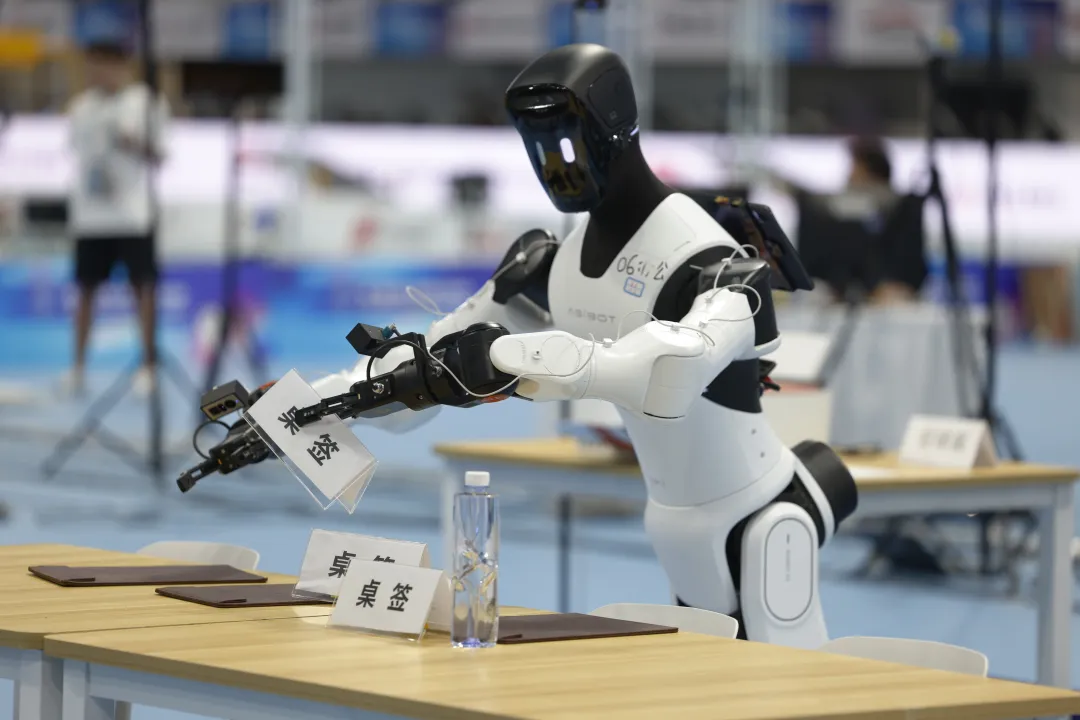
The six-dimensional sensor solves the problem of the end of the robot's sensory sensation, namely the fingernails and toenails. But a complete human-shaped robot also needs to know how much force each joint uses.
Starting in 2023, Huawei has expanded its core technology in the field of six-dimensional sensors to the field of joint torque sensors, and has been deeply involved in the development of domestic and international joint head module manufacturers and human robot body manufacturers, successfully delivering more than a hundred torque sensor products that are adapted to different joint modules.
The technical parameters of the product level are the same as the hard core. The Torque Sensor is dedicated to the development of robotically integrated joints, using a medium-space axis or French-style structure, with a diameter of 34 mm to 146 mm and a measurement range of 3N; m to 545 N; m. The representative model has a repeatability accuracy of 0.1% FS, an aggregate accuracy of 0.15% FS, zero-point drift ≤ 0.05% FS/10 °C, or within the temperature range of 10 °C, where the position drift does not exceed one-fifth of the mean zero sequence, and the system detects a small force matrix change of 0.03% FS.
The breakthrough was in the integrated design. Traditional discrete torque sensors require independent signal modulation modules that occupy a large amount of internal space in the joints. The Dimensional program integrates high-precision stress meters, temperature compensation circuits and digital transformers into the sensor's core, greatly simplifying the internal wiring of the joints. Some models support direct output of RS485 or CANFD digital signals, with signal delays reduced to milliseconds.
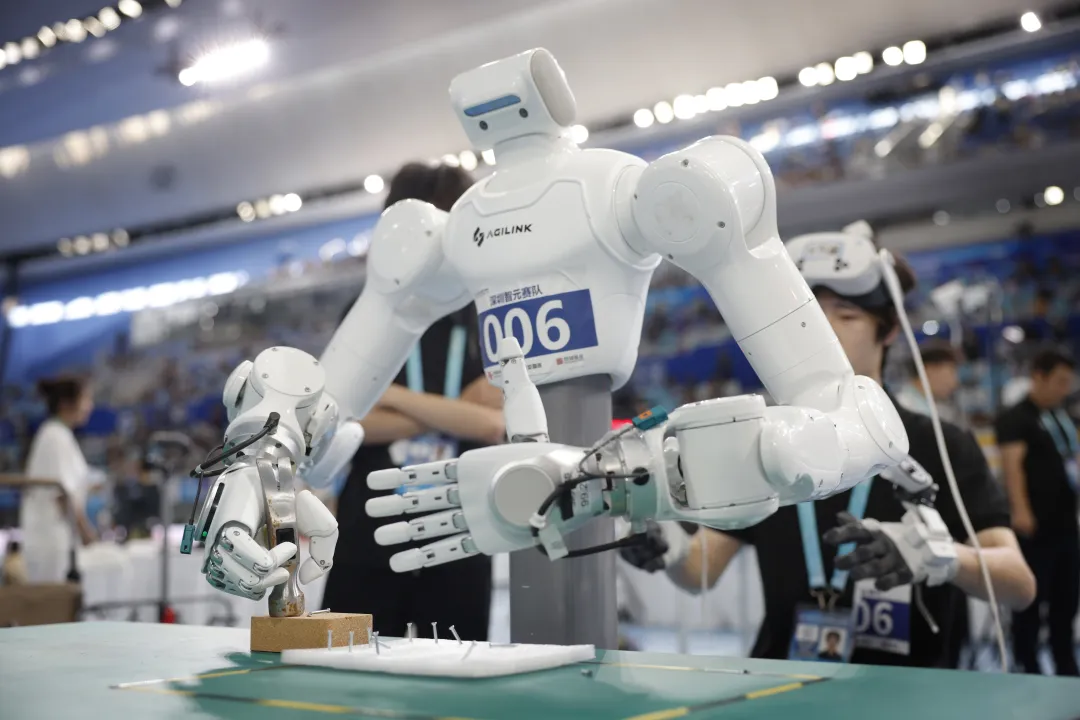
A review from industry integrators has been previously heard in the Robotics Workshop: Conventional discrete torque sensors take up a large amount of internal space in the joints, increasing the complexity of the overall design, and Converse's integrated solution effectively addresses this pain point.
The value of this combination has been fully verified in high-intensity athletic contests. With a sprint of 9.32 seconds, requiring the knee, knee, and knee joints to complete the precise output and recovery of the torque at each landing step, the joint torque sensor monitors the torque torque curve of each joint in real time, ensuring that the explosive force is maximized while avoiding the overload of the joint.
Lifting and pulling these high-intensity counter-projects, each of which is a finite test of the kinetic perception of the knuckle joints at the end of the knuckle + chain, without this sensing system, the robot will not be able to perform precise force-control output at the moment of explosion, nor will it be able to maintain physical balance in the confrontation.
04.
Can a penalty be used?
If six-dimensional sensors and joint torque sensors are neurons inside the body of a robot, then a three-dimensional measuring platform is the device that gives these nerves the ability to detect and record neurons.
The three-dimensional force measurement platform is based on an array of embedded multi-dimensional sensors that can collect in real time the three-axis ground reaction forces (Fx、Fy、Fz) and the three-axis force momentum in the process of interaction between the robot's legs and the ground, and analyze critical parameters such as landing force, momentum cycles.
For example, KWFP6050-5K has a surface area of 600 mm × 500 mm, a thickness of 50 mm, and a frequency of 0.5% FS. The KWF9060-10K model has a frequency of 900 mm × 600 mm, with each channel temperature drifting down to 50ppm/°C. The three-dimensional combined simultaneous load detection has a frequency of 0.5% FS, linearity and latency of ± 0.3% FS. Some models have a resolution of 25000N300Fz, overload capacity of 300%.
The equipment can be synchronized with the optical motion capture system, complete the kinematic-dynamic convergence test, the optical system captures the position of the rod and the position of the rod, and the power table records the tensile strength and torque torque, both of which combine to fully restore all the physical parameters of a motion process.
In the sporting scene, the value of the three-dimensional power platform is directly reflected in the penalty link. The lifting project uses three professional referees to unite lighting decisions, dividing the penalty into action effectiveness, timing violations, qualification violations, and the four main criteria. The jumping project is clearer about the requirements for the robot's action before jumping. The three-dimensional power platform can record in real time the combined peak of the jump stretch phase, the impulse and power output, and synchronize the capture of pitch height, pitch time and ground impact. These data provide the referee with objective quantization, which determines whether the robot has changed behavior before jumping.
However, the three-dimensional power station is much more than just a race track penalty. It is the core precision equipment for testing the dynamic performance of foot robots, humanoid robots. In scientific research and teaching scenes, the equipment can be applied to areas such as biomechanics, sports science research, exercise recovery, human performance. The maximum sampling frequency is 1000Hz, vertical measurements reach 10000N, accuracy is ±0.2%. The system supports 1000Hz ultra-high frequency sampling with three-dimensional analysis, covering the field of exercise performance assessment, rehabilitation medicine, physical energy training and scientific research, providing a complete solution from data collection to dynamic reporting.
05.
How do Chinese sensors go from cardboard to standard?
The sensors industry in China has been accumulating for a long time, and today it is only thanks to humanoid robots that it has gained momentum. The high-end multi-dimensional sensors market has been monopolized by overseas brands for a long time, equipment sales are high, customized cycle length, localization services are weak. In 2025, domestic power sensor manufacturers with brands such as Huawei have achieved the overall market share of overseas brands for the first time, while humanoid robots contribute to more than 30% growth.
This market position is based on real-world technical parameters. For example, six-dimensional sensors use the principle of voltage electrometric measurement and the process of spatial grading, and unique silicon structure decomposition + algorithm decomposition dual path core technology, which simultaneously suppresses interdimensional interference errors from underlying structures and data algorithms. Product repeatability accuracy is better than 0.1% FS, accuracy (containing interference) is better than 0.3% FS, which means that in 100N accuracy sequence tests, the deviation of the sensors in each measurement does not exceed 0.1N, and the interference between the six axes is controlled within 0.3%.
Liu Wei also built the country's only six-dimensional joint-marking laboratory for private enterprises, optimizing the six-dimensional joint-marking technology by simulating real-world use scenarios through thousands of network parameters to achieve a first-time quality inspection pass rate of more than 99%. The company plans to build a 120,000-scale six-dimensional sensor intelligent automation production line by the end of 2026.
At the standard level, Huawei is also the main drafting unit of the national standard GB/T 43199-2023 silicon robot multi-dimensional/torque sensor detection specification. From participating in the development of industry rules to the development of dominant standards, this is a path from silicon chasing silicon to silicon defining silicon. However, in terms of price, the price of silicon products is only one-third to one-fifth of overseas brands, which also led to more Chinese humanoid robots starting to adopt more sensors at this year's Games, and sports performance has significantly improved compared to the previous ones.
06.
Synopsis: New industrial coordinates are being born
Everything that happens on the ice rink is, on the surface, a competition between robots, and deep down, a collective road game in the supply chain.
The 100 meters range from 21.50 seconds to 9.32 seconds, compressed is not time, it's the entire industrial chain's cycle from design, simulation, manufacturing to test verification. The jump height from the lab's clutch to 2.8843 meters, the crossing is not height, it's the cognitive gap from cognition to cognition that adds to the demand for rigidity. When a technology compresses an indicator by 56.7% in one year, what the industry sees is not a single product's winning cycle, but an entire supply chain that's crawling to completion at an amazing rate.
This is not due to a particular sensor manufacturer, nor is it a breakthrough of a particular machine company, it is a systemic, structural industrial capacity overflow. The sensory perception of the role in it, like the nerve endings in the muscles. It does not determine how fast the robot runs, but it determines the balance of the robot during the process of filtration; it does not determine how high the robot jumps, but it determines how the impact moment of landing is absorbed and buffered; it does not determine what the robot grabs, but it decides whether the action is to pinch or squeeze. It is not the main angle, but the boundaries of all its actors' capabilities are defined by it.
In the first half of 2026, global human-robot shipments amounted to about 19,100 units, an increase of nearly three-fold. Goldman Sachs expects global shipments to reach 510,000 units in 2026, 76,000 units in 2027, and 50.2 million units in 2022. The global six-dimensional sensor market is expected to grow from $820 million in 2025 to $11.7 billion in 2026, an increase of 42.7%, with demand for human-robot switching modules rising at a compound annual growth rate of 21%, with demand expected to reach 18.9 million units in 2026.
At this point in time, the robotics industry is undergoing a critical transition from technical verification to bulk landing.
Looking to the future, Tesla realizes that it must be an industry that jumps from being able to lift, from being able to run to being able to do, from the lab to the underlying infrastructure of factories and homes.