On August 19, 2026, the World Robotics Congress (WRC) was officially inaugurated in Beijing. When more than 300 exhibitors and more than 2,000 exhibits flocked to the same venue in the same week, a real hard battle followed to the last millimeter of factories, production lines and workshops.
Zhejiang humanoid NAVIAI WA2, Uber selected the Walker S, Beijing humanoid robotics innovation center, Thinking robot Diana 7, source network robot, the long-running series that collectively debuted WRC's automakers in 2026, dismantling the four words "physical intelligence" into a verifiable physical indicator roughly at the same time on the ground.
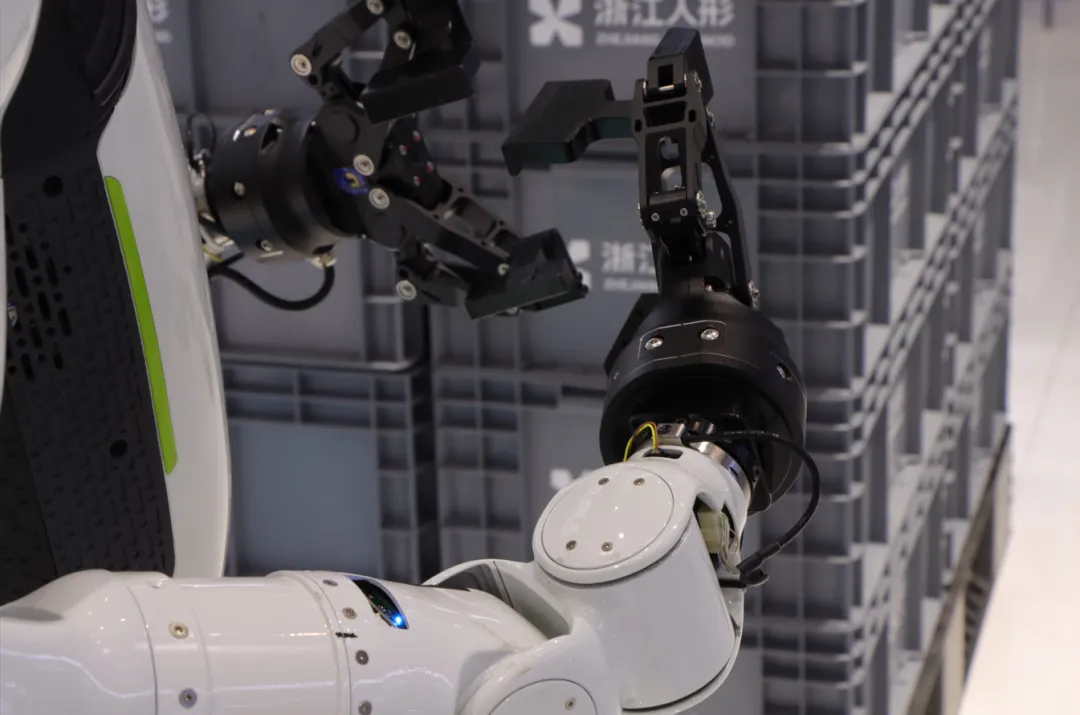
The ability to walk steadily, to look at the bottom of the foot; to grasp accurately, to look at the fingers; to collaborate with humans, to look at the wrists.

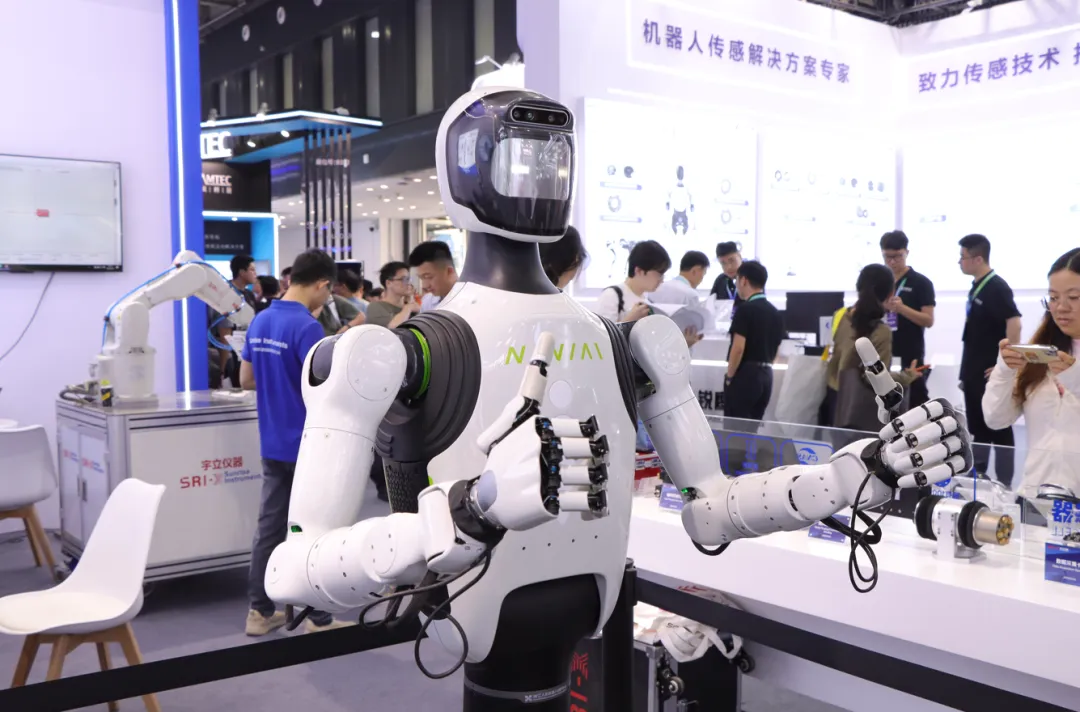
At the WRC, Yuri landed on the B315 platform with its all-new C-series six-dimensional sensor, and its joint debut with Zhejiang's humanoid NAVIAI WA2 was one of the highlights. More worthy of industry attention than a walking robot, the company has been UL-certified, has worked with ABB for more than fifteen years, and has fully autonomous intellectual property rights over all its products.
01.
Trig live is the real entry ticket to power sensors
The power control of robots has long been regarded as a soft indicator.
The robot actually landed and really entered the production line to discover that every contact of the mechanical arm with the workpiece in the welding workshop is accompanied by instantaneous overload, the vibration of the grinding workpiece can repeatedly tear the elastic body inside the sensor, and the instantaneous impact of flexible machining is hundreds of times more dense to the measurement boundary.
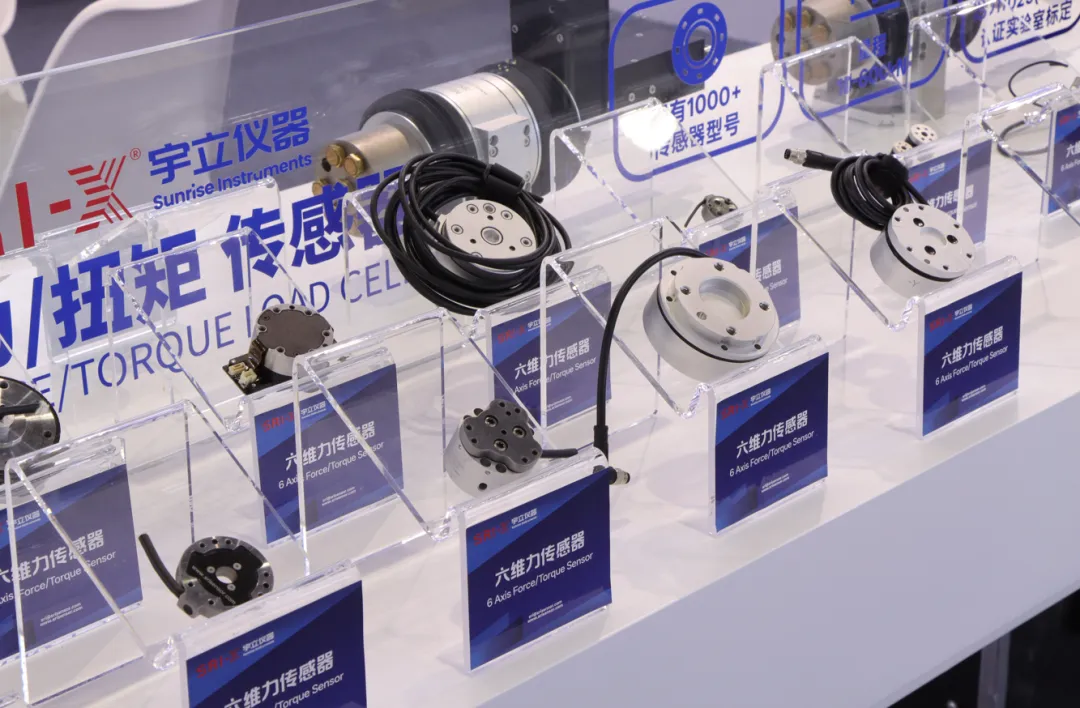
The M35XX super-thin six-dimensional sensor thickness of 9.2mm is the thinnest commercially available six-axis sensor globally, with a maximum permissible overload of three times, IP60 protection rating.
This set of specifications is supported by the International Testing Laboratory certified by ISO 17025 (CNAS) and by a production system ranging from mechanical processing, adhesives and filters to 100% self-controlled filters that have been labeled in the entire chain.
A deeper layer of security is certification. YUTI is one of the few six-dimensional sensor companies in the country to receive UL certification, and not a single model, but multiple model batches are approved. This means that from design, materials to production processes, its systems have been repeatedly verified by the most stringent international safety standards. From 2024 to 2026, the most expensive in the industry is not R&D costs, but how many production lines customers are willing to put on you.
02.
ABB, 15 years of trust voting
The robot circle is small, and even in the heat of the moment, there are many companies that cross borders, but it's not the applause of the conference that really determines the fate of a parts company, it's the head of a customer like Yu-Gi-Oh!
Uber has been on this list for more than 15 years. Public information shows that Uber and ABB have jointly developed a series of six-dimensional/torque sensors around welding, grinding, assembly, testing, etc. Their collaboration covers the core scenes of ABB robot grinding, assembly, testing etc. In the field of robotic force grinding, Uber also has a deep collaboration with KUKA, ANKA, 3M. One notable industry signal is that Uber's share in the ABB system has been increasing year by year over the past few years.
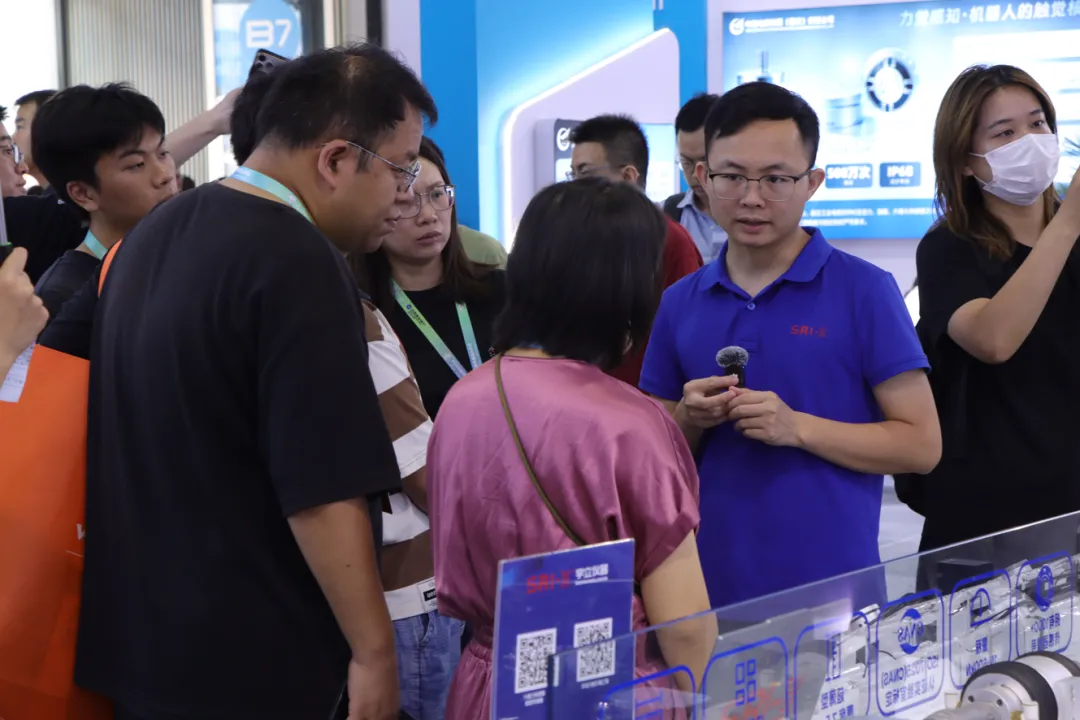
In fifteen years, the replacement of any of the sensors in the ABB system will require a re-run of process verification, production line verification, safety verification, and any small batch failure will trigger a re-evaluation of the supply chain by customers. In such a customer system with the highest KPI of lithium-ion stability, the share of lithium-ion increases year by year, more than any other word.
03.
Man-made robot, force-controlled to the last millimeter
In 2026, a new technology began to gain popularity in the industry, with the perception that the last millimeter of concrete can be used for robot landing. The industrial logic behind it is not complicated. When the humanoid robot goes from a two-step reversal of the demonstration stage to the commercial stage of a stable continuous operation of concrete in the workshop, the ratings have been changed.
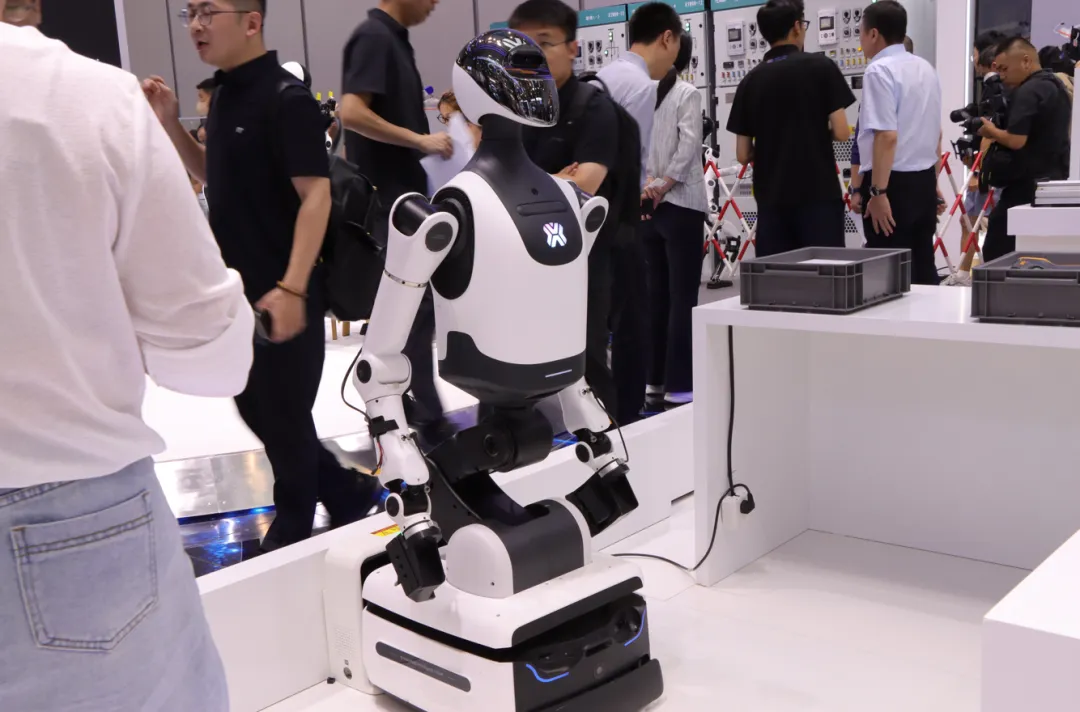
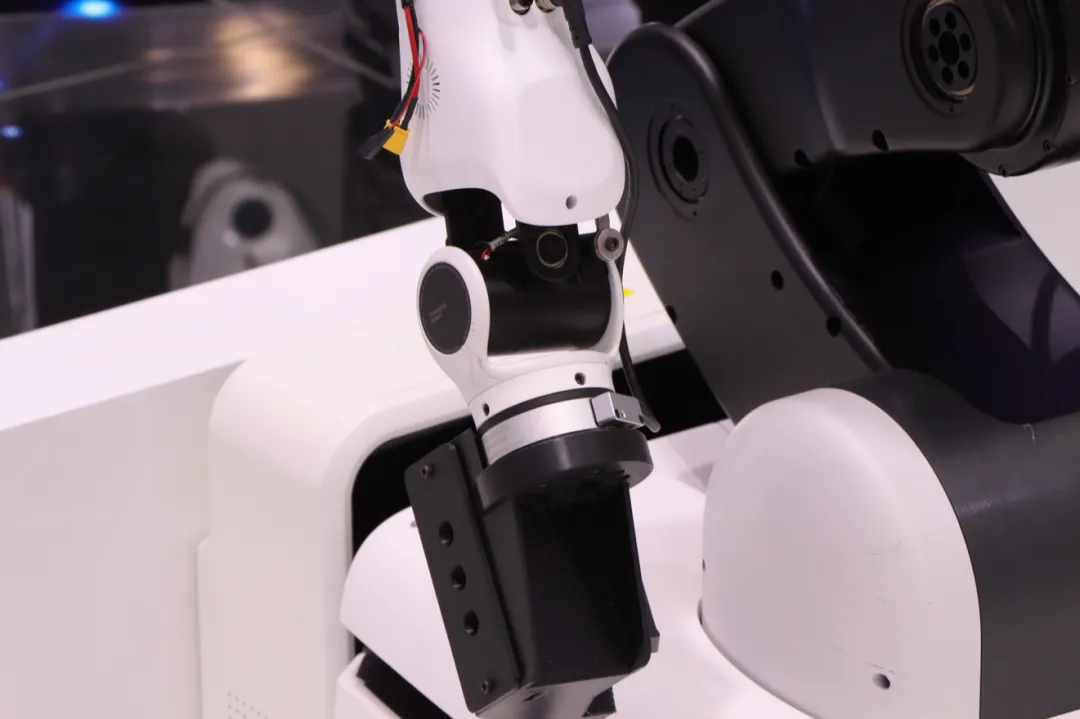
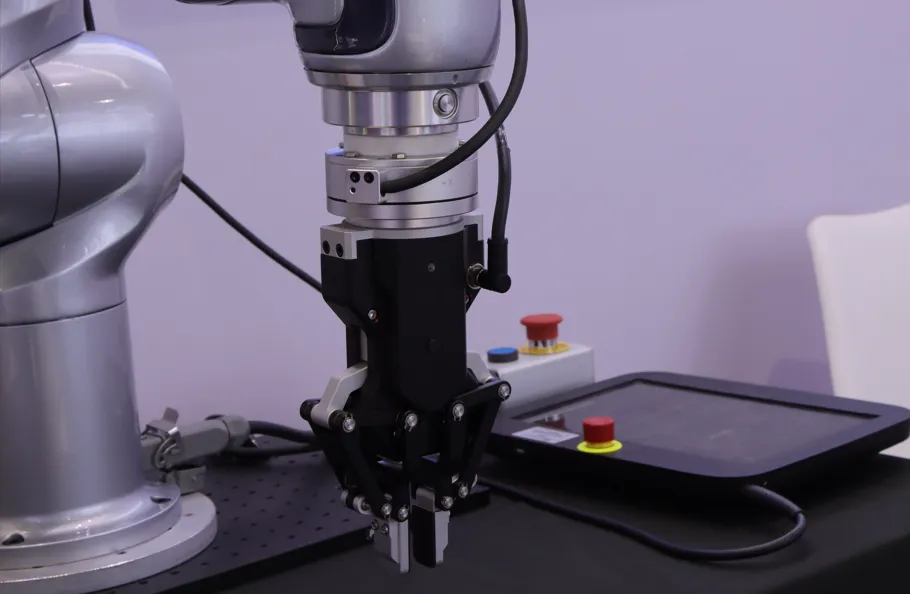
The physical sources of these capabilities were finally combined into three locations, the wrist, ankle, and foot. The WRC 2026 site officially launched the new C series six-dimensional sensor, a series of products developed specifically for the needs of humanoid robots, ranging in size from C025 to C060, with high accuracy, high overload, low temperature drift, independent power supply, excellent shock resistance performance, and six unilateral installation characteristics.
The engineering significance of the C series is that it constrains traditional six-dimensional sensors from double-sided mounting to single-sided mounting, which is a hard requirement for human-robot wrist spatial structure determination; while shifting zero-point drift to a controllable range, which means zero-point drift errors in long-running operation, no longer consuming the precision budget of the robot's power control.
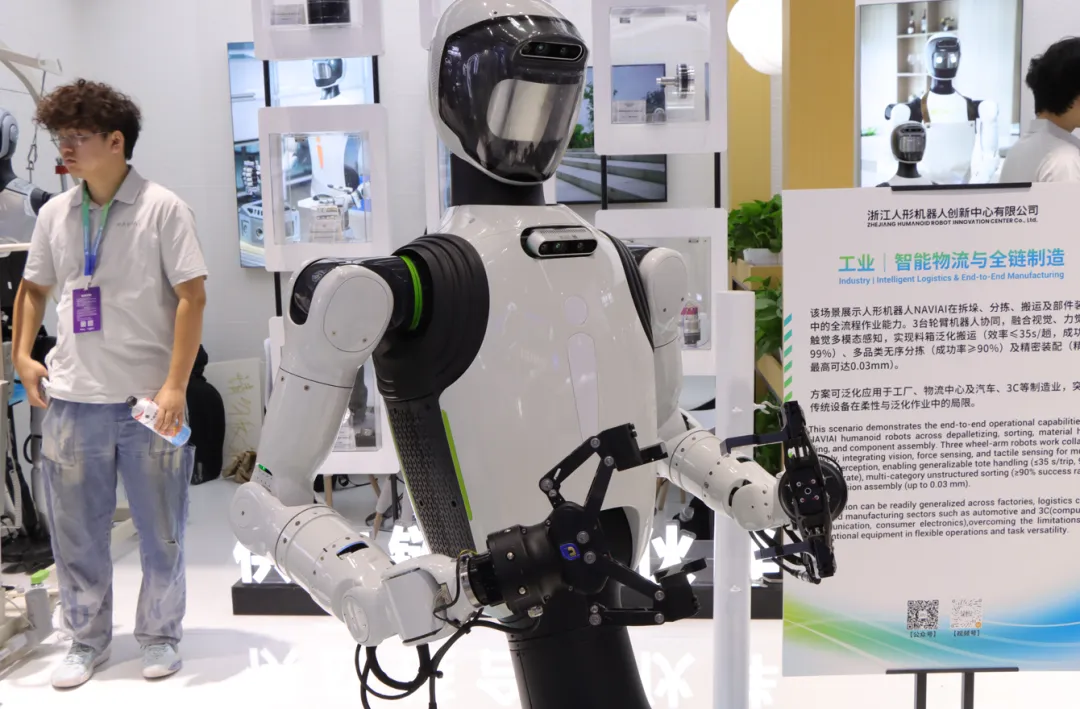
At the WRC, Yu-Gi-Oh! and Zhejiang's joint debut, the NAVIAI WA2 is equipped with the Yu-Gi-Oh! series of six-dimensional sensors, the country's first full-size, full-frequency, full-featured and precision-operating human-robot product line. From a factory perspective, the NAVIAI WA2 has adopted six-dimensional sensors to try to move the human-robot forward from its component stage to its productivity evolution.
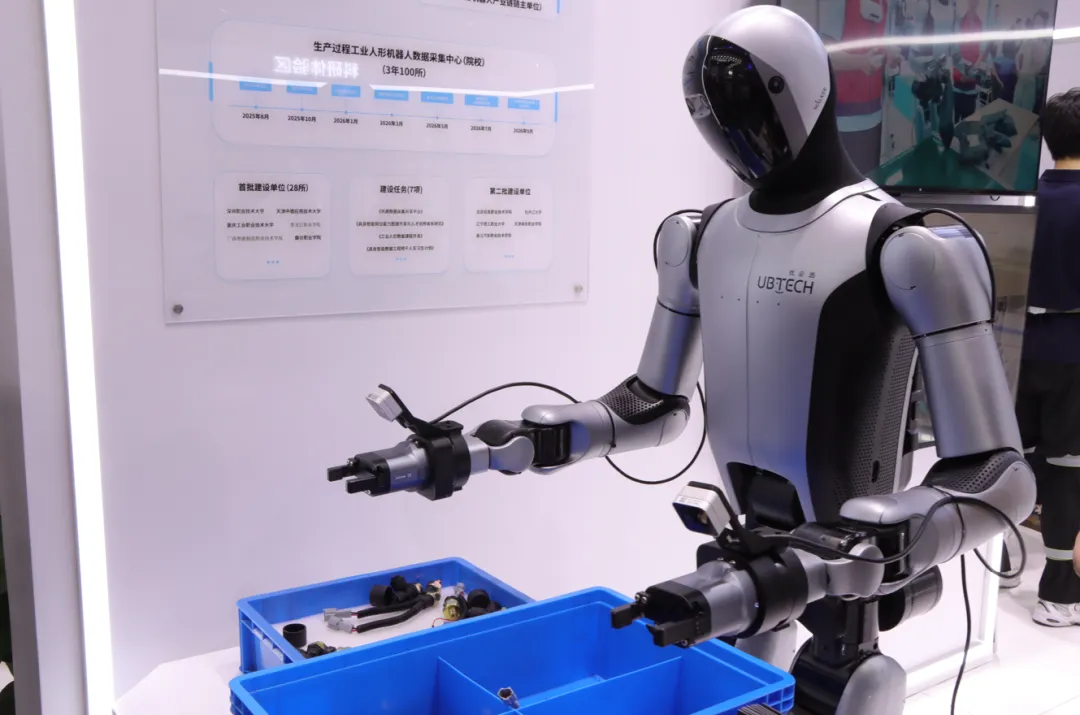
It is understood that WRC 2026's integrated products, including Shenzhen's Human Robotics Innovation Center in Beijing, Shenzhen's full-frame technology, Diana 7's thinking robot, and multiple mainstream models including the source network robot, are all equipped with URI's six-dimensional sensors. A domestic-produced sensor company, appearing in such a dense matrix of integrated products, is itself a testament to the power of industry.
04.
Industry and dolls are two focal points of the same leg, not two legs.
Many people think of the silicon industry's six-dimensional sensor array and the silicon humanoid robot's six-dimensional sensor array as two racetracks.
The core demands of industrial production lines for sensors are long-term, high-intensity, uninterrupted continuous operation, zero-point stability and measurement accuracy in conditions of vibration, temperature change, oil pollution and electromagnetic interference coexistence.
The demands of humanoid robots for sensors are unilateral space constraints, low-temperature drift, instant overloads, independent power supply interference. It appears to be a new challenge, essentially the ability to submerge the industrial landscape, dismantle, combine, and compress it into a whole new form.
This also explains why it was able to get orders for Zhejiang's man-made NAVIAI WA2 and ABB-class robot grinding jobs in 2026 at the same time. Not because it caught two windmills, but over the past two decades, it has worked on the production line enough to meet the needs of multiple product matrices in a variety of scenarios.
The latest data from Counterpoint Research shows that global shipments of humanoid robots in the first half of 2026 amount to about 22,000 units, an increase of nearly 300% compared to the first half of 2026, while the other group of industry measurements straightened the long-term picture. In 2026, the Chinese humanoid robot market is expected to surpass one billion yuan in size and grow to 100 billion yuan in size by 2030.
At present, it is one of the few domestic six-dimensional sensor enterprises with both "industrial level reliability verification" and "human level new shape adaptation" capabilities.
05.
Biomechanics, another underrated piece of industrial land
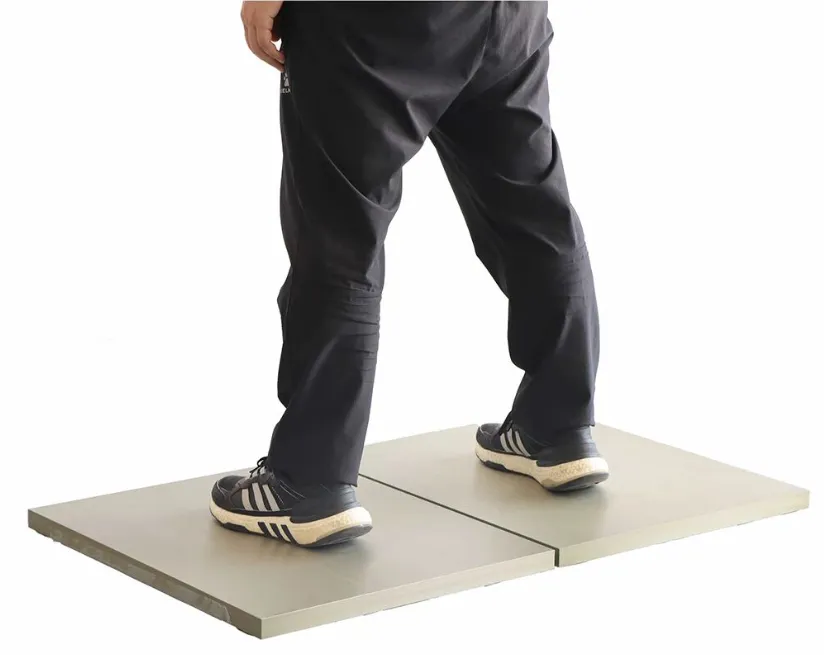
Putting a third application scenario outside of industrial and humanoid robots into biomechanics is another interesting choice for the company. At the WRC 2026 Ury stands, the Robotics Workshop noted that the six-dimensional power measurement platforms appeared in a more compact and still product form. The measurement range covers 1250-20000N, 500-3000Nm, and can be used to measure the six freedoms of force and force synchronously for different weight subjects, and for different intensity exercise projects.
The commercial value of this product line has long been underestimated. In the field of athletics, the distribution of forces at each jump, at each landing, in the past largely depends on the coach's experience judgement; in the field of exercise rehabilitation, the recovery of post-operative lower extremity load-bearing ability, in the past largely depends on the patient's self-feedback; in the field of human engineering, cumulative force damage caused by long working postures, in the past largely depends on model development.
When these experiences were replaced by a set of quantified data, the underlying logic of training science and rehabilitation medicine began to be reconstructed. Behind this is an underappreciated industrial belly: sports technology, exercise rehabilitation, human engineering, and artificial intelligence, which are accelerating growth in both the Chinese and European markets in 2026, while high-quality six-dimensional measurement equipment is the common infrastructure for all these circuits.
06.
Twenty years of deep-skeletal capability is what the Chinese robotics industry really needs.
The main forum of the World Robotics Congress in 2026 has already given an official definition of the industry, the coexistence of robots and the need for co-production. These eight words are the key turning point for the Chinese robotics industry from demonstration-driven, switching to ground-driven.
The biggest variation of this turning point is not yet another surprising overall demonstration, but the fact that the underlying components cannot be synchronized. The company chose a long but difficult path to replace. It takes six-dimensional sensors, from structural design, algorithm labeling to production, testing the entire chain, holding the intellectual property of all products in its own hands, and placing product line verification in the systems of leading robotic enterprises such as ABB.
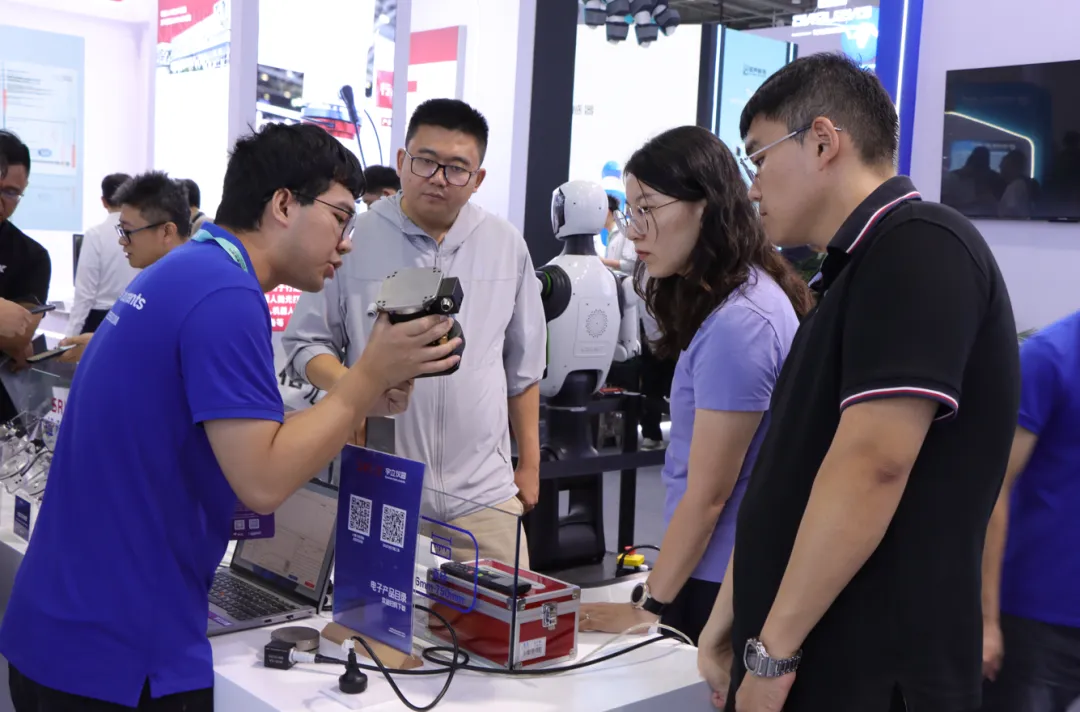
Over the course of twenty years, the company's founding team has gone from returning to the country to making Uly the nation's leading six-dimensional sensor enterprise, rooted in the international leading robot and manufacturing enterprise system such as ABB, KUKA, ANKA, 3M, with more than 1,000 product lines and more than 2,000 practical applications.
The year that the physically intelligent industry really enters the scale, those companies that can truly follow the robot products on the production line, who can accurately perceive every micronewton change in the robotic wrist, will be re-valued by the market.
Back to the real world of this WRC showcase. ABB's mechanical arm is equipped with a six-dimensional sensor to restore precision gear assembly; the Zhejiang humanoid NAVIAI WA2 is equipped with the all-new C-series; the Intelligent Diana 7, the Source Network, and the Beijing humanoid robot series are featured; Uber has selected the Walker S, which has completed its transportation mission training at BYD's factory, behind which is the same six-dimensional sensor from the same U, on robots of different shapes, repeatedly proving the same thing:
Robots can walk out of the lab, into the factory, into humans, and the last millimeter is hidden in the wrists, ankles, and soles of the feet in a sensor that will "pain".
And this sensor, Yuri, has been around for 20 years.