He graduated from Tsinghua University in 2015 and then entered the field of industrial robotics to work in research and development. By the time he started in 2021, he had accumulated six years of technical experience in the robotic circle of spraying robots.

In his opinion, foreign brands hold the market, the prices of products are expensive, and there are few manufacturers who do explosive spraying robots in the country, which is precisely the opportunity for entrepreneurs to divide, have barriers, and the giants have not blocked the road.
The trajectory is chosen and the next step is landing. Zheng Jiaxing outlines three key nodes in the development path from its foundation to the present, each corresponding to a change in identity or stage.
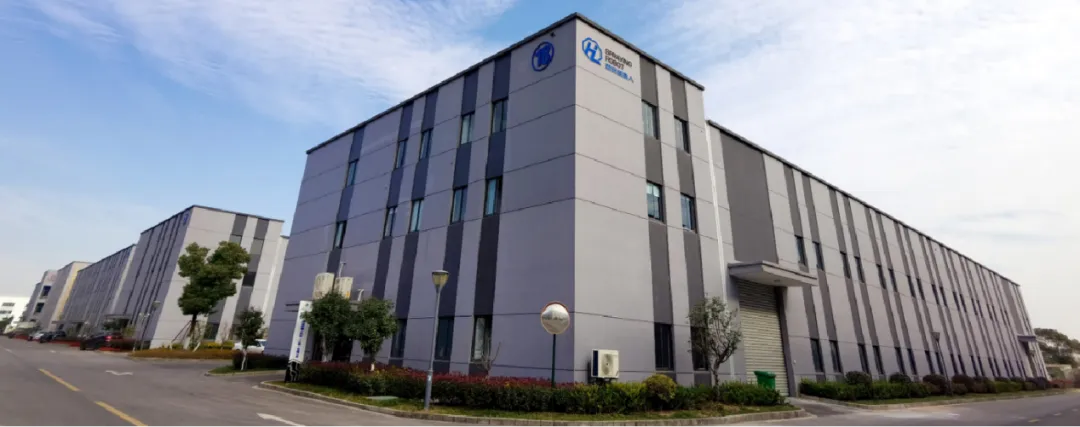
When the company was founded in 2021, his identity shifted from being an engineer to being the founder of the company. It took a lot of courage to start the company, but this courage also gave him some sense of accomplishment and became the driving force behind his persistence in this segment of the market for spraying robots.
After two years of focused research, development, modeling, and intelligent drawing robots, in 2023 they launched five anti-blast spraying robot products and achieved mass production.
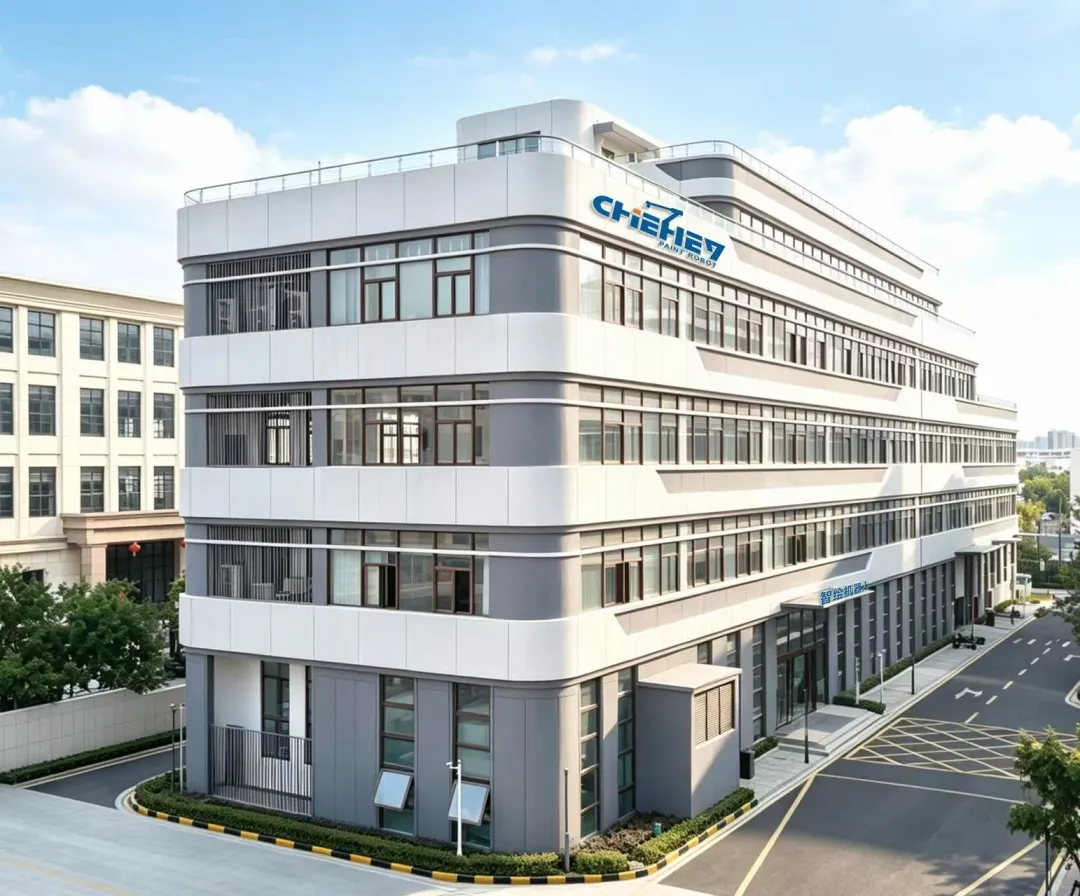
In 2026, intelligent painting robots moved to a new factory in the city of Wuxi and began to explore the European market. At the same time, it coincided with the surge in industrial and physical intelligence.
The three nodes are connected, a line from technician to businessman, from product to commodity, from living to going out. But the nodes are just the result, and what really supports this line, is one of the things that Jun Jun Jun thought about before he started: spray-painting robots can not only sell the body, but also bind the vision, the body, and the process.
This is also the technical route selected by intelligent drawing robots for the AI+ spraying robot+ spraying process pump.
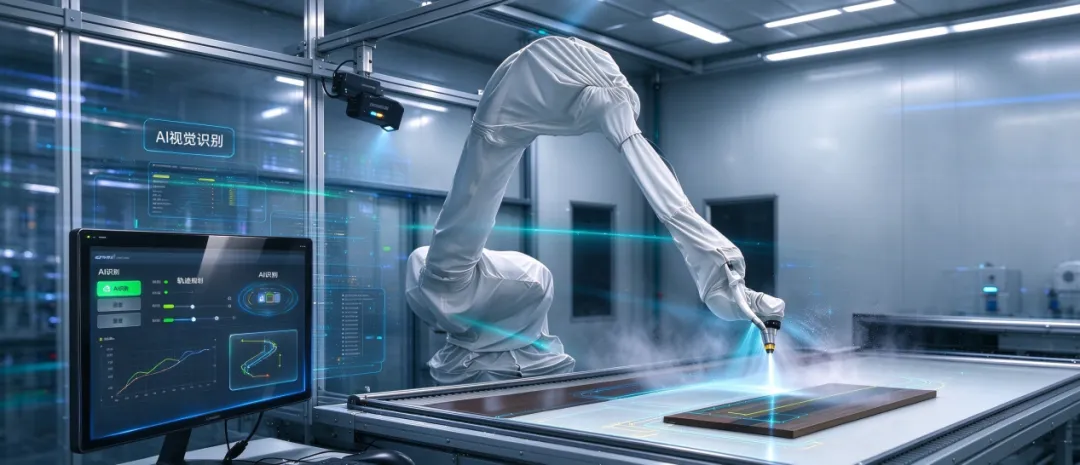
What is AI+ spraying robot+ spraying process pump, what is pump+ pump?
Figuring out what's really going on with the "H+H" is key to understanding the path of intelligent drawing robotics technology. Before answering this question, let's take a look at the position of intelligent drawing robots on this track.
He said that there are many companies that do spraying applications, but few manufacturers are able to stabilize bulk shipments, focusing on the body of the explosion-proof spraying robot.
Back to the name of the sprayer itself. The sprayer process is broken down into three steps: the eyes look at the position and shape of the workpiece, the brain judges by experience how to spray, the hands make the spraying movements. The robots must replace the sprayer, vision, body, and process.
It's all in the hands, eyes and brains: the hands are basic discs, intelligent drawing robots are self-developed bodies, reduce the cost of explosion-proof spraying robots, which is accumulated; the eyes borrow from external forces, adopting products from domestic mature 3D vision camera manufacturers, the price is high; the focus is on the brain, i.e. route planning and trajectory planning.
But the division of labor only solves the problem of who is doing what, and the three lines have to be really fused into one piece, and there is also a lack of a process of cooking that passes through everything.
R&D teams for AI robots are located in Beijing and Ningbo, China, with long-term zero-distance communication between R&D personnel and process applicants, and the team consists of several senior engineers with at least five years of experience in robot spraying applications or processes. Compared to other teams that do path planning, visual processing, point cloud processing, AI robots understand the spraying scene better and are better able to integrate process properties into software and hardware products.
The key to spraying isn't just spraying the robot, but spraying it well.
It's the bottom line, and good use is the reason why customers pay.
There is also a more realistic meaning of spraying well: customers can't spray a single workpiece, and they can't spray it quickly when they change production, and it's the water separator that the equipment can't really use. This brings the problem back from the process to the core of the product before it has enough coverage and reliability and flexibility to have a foundation.
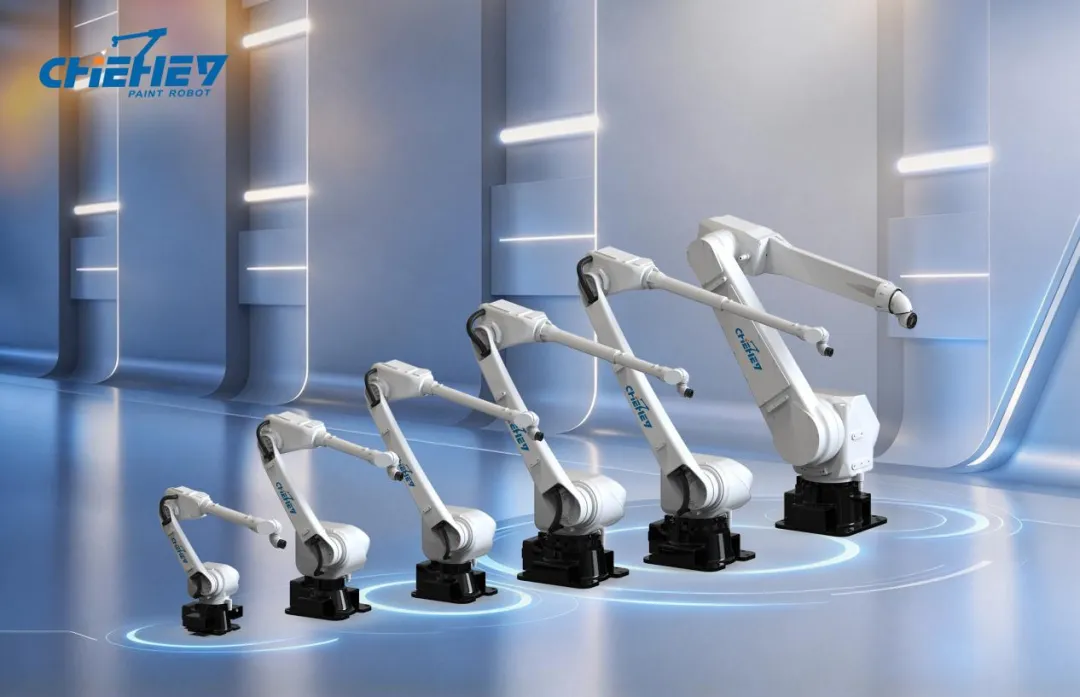
Coverage capability is first reflected in the product spectrum. Smart drawing robots have 6 mature products, from SR5-1600 to SR15-2950, arm span covers 1600mm to 3800mm, load from 5KG to 15KG. Of these, the SR10-3800 has the largest working arm span of up to 3800mm, is the largest spraying robot on the market.
Reliability is reflected in the body structure and anti-explosion capability. Five of the six products have the same BBR-structured deformed wrist, three degrees of freedom, modular design. The benefits can be divided into three points: flexibility, imitating human wrist movements, positive spraying unusual points, high front coverage rate; good change, customer site crashes, and self-relabeling can resume production; algorithm friendly, do automatic route planning without having to predict oddities and then avoid, significantly reducing the difficulty of trajectory planning.
Explosion resistance is another threshold, and six products have been certified to meet safety requirements to be widely used in this field.
But the real customer, not the person, is the frequent product change.
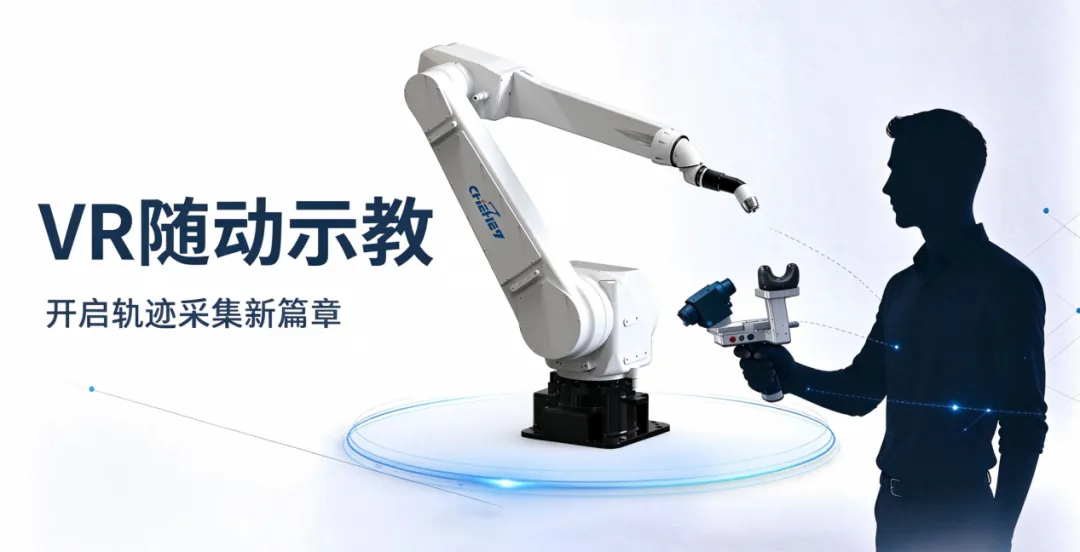
Traditional spraying robots are programmed with a cursor, and unlike transport and coding, spraying covers the entire surface of the workpiece, with more trajectory points than can be spotted. An example is a table that takes at least three days to compile a complete trajectory.
The customers bought the equipment to replace the product, but they didn't know for sure.
At the same time, it is also developing techniques such as layout vision automatic path planning, spraying, offline programming, to give corresponding programming methods for different workpieces and production line conditions.
The answer to this question is: what are the first scenarios in which these capabilities run, and how can they be replicated in more industries?
Scene landing: Running through one, copying a batch
There is a principle in the mind drawing robot selection scenario: do not rob customers with integrators. Do some integrated applications yourself, but mainly target several industry models, run and let integrators copy.
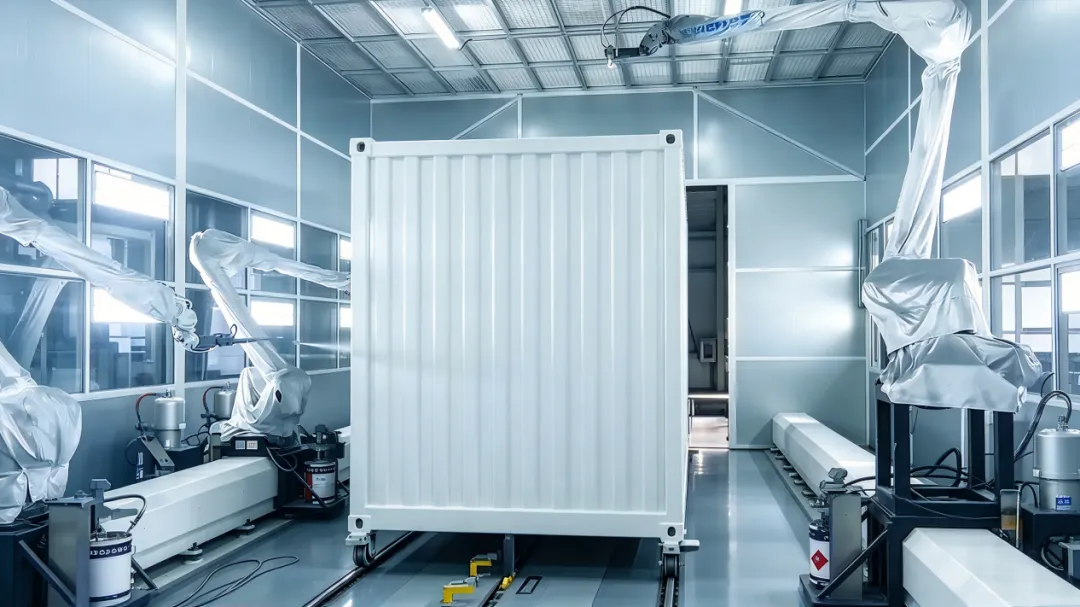
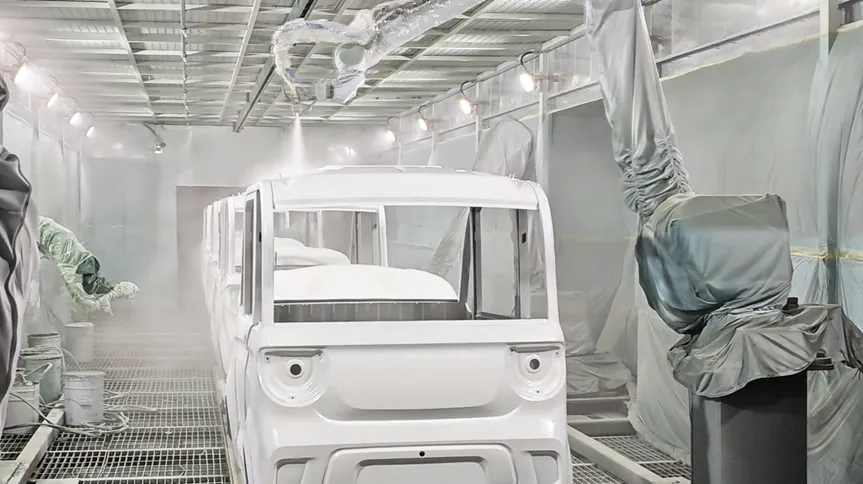
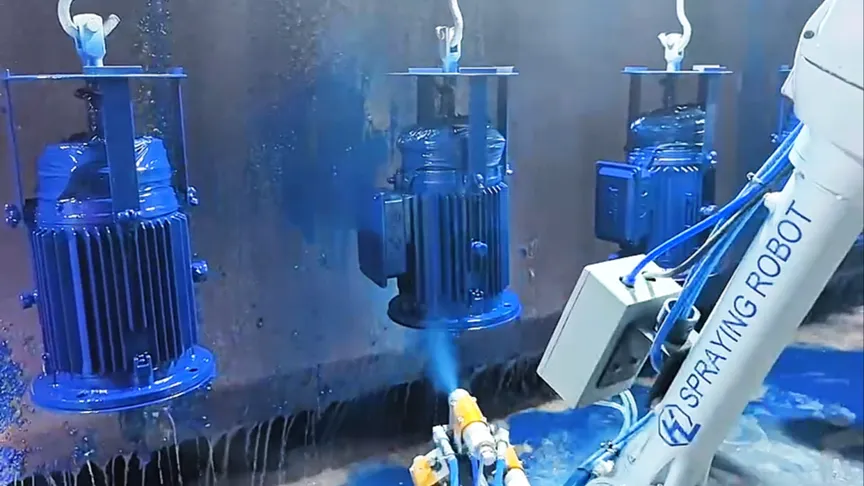
This year, it has pioneered two main directions, one is the coating of the motor casing, which has reached a partnership with a venture capital firm in Ningbo. The other is the box body class, which delivered the first domestic energy storage cabinet automatic spraying line this year, and the second and third lines have also been launched.
In addition, AI has also partnered with other well-known domestic and foreign companies such as China Heavy Industries, China Electronics, China Aerospace, China Airlines, China Metro, China Weapons Equipment Group, China Heavy Weapons Group, Vision Energy, Dongguan Motors, Huaqing New Energy, Guangzhou, Guangzhou, U.P. Lighting, Zhejiang Group, China Motors, Apple, Siemens and others.
At the same time as the domestic market is running, it is also moving abroad. In 2026, intelligent drawing robots began to be deployed in the European market and successfully received orders. In addition, its products have been sold in Russia, South America, as well as in Southeast Asia, such as Vietnam, Malaysia, Indonesia.
In 2025, the company exports more than 100 spray robots, which is expected to reach 300 by 2026.
As the scene progresses and the scale increases, we'll see what supports the company's continued growth and where it's ready to go.
People, money, roads, all three things are clear.
Think of it this way: Intelligent drawing robots position the company as a platform: there is a shortage of market talent, who can bring together experienced people, who create barriers to talent.
In April, Intelligent Painting Robot completed a multi-million-dollar round of A-finance, led by Ning Qi, and invested in three rounds in a row.
How is the road going after people and money have arrived?
In general, the industry is in demand, and foreign brands do not do particularly well in this field, and domestic brands still have a standing room; the capital market environment does not support high-end, melting a lot of money to focus on the automotive sector is unrealistic; more importantly, the ecology of the automotive sector is in the hands of foreign brands, and domestic brands are difficult to penetrate.
The need for welding and coating ships has been rising for two years, but traditional six-axis, seven-axis structures are difficult to solve for the maintenance of the entire ship, whole ship spraying, spraying of complex structures inside the hull sections.
In November of this year, Intelligent Drawing Plans released the world's first seven degrees of freedom anti-explosion spraying robot. The reason for this is that six degrees of freedom is still odd, the coverage is limited, the actions of people are often unsuccessful or unsuccessful, affecting experience and efficiency; the cost increase from six to seven is not much, but it can solve a critical complexity.
In the long run, the painting scene is the last line of industrial production, affecting the quality and sales of customers at first sight; it is also related to environmental protection, occupational health, the scene is wide. In addition to industrial front-end production, back-end repair, large ships and steel structural parts, house painting, personalized painting, etc. There is space.
This goal sounds big, but returning to what intelligent drawing robots are doing now, the logic is general: first to make the anti-blast spraying body robust, shorten the time of flexible replacement to one or two hours, run out of the engine shell, storage cabinet, white electricity these scenes, and go to the automotive and ship industry.
The landing of industrial equipment in the spraying scene, not having to talk about too many concepts, to spray every workpiece, to catch up with each change of product, is the most real landing.