The company recently announced the completion of a multi-billion-dollar round of A-finance, which will be jointly owned by the A-Group, with zero-to-investments, Weiwei Port Melting and Qingdao and Shen as shareholders, and multi-dimensional capital as a long-term exclusive financial advisor. The company will expand the production and delivery of textile electronic skins through this round of financing, promote touch and multi-modal technology research and development, and accelerate the application of robots, home and cosmetic products.
The company's unique products are appearing in seemingly distant places: data collection of frontier models overseas, robotic palms and arms, everyday mattresses and seats, and hospitals in need of ongoing care.
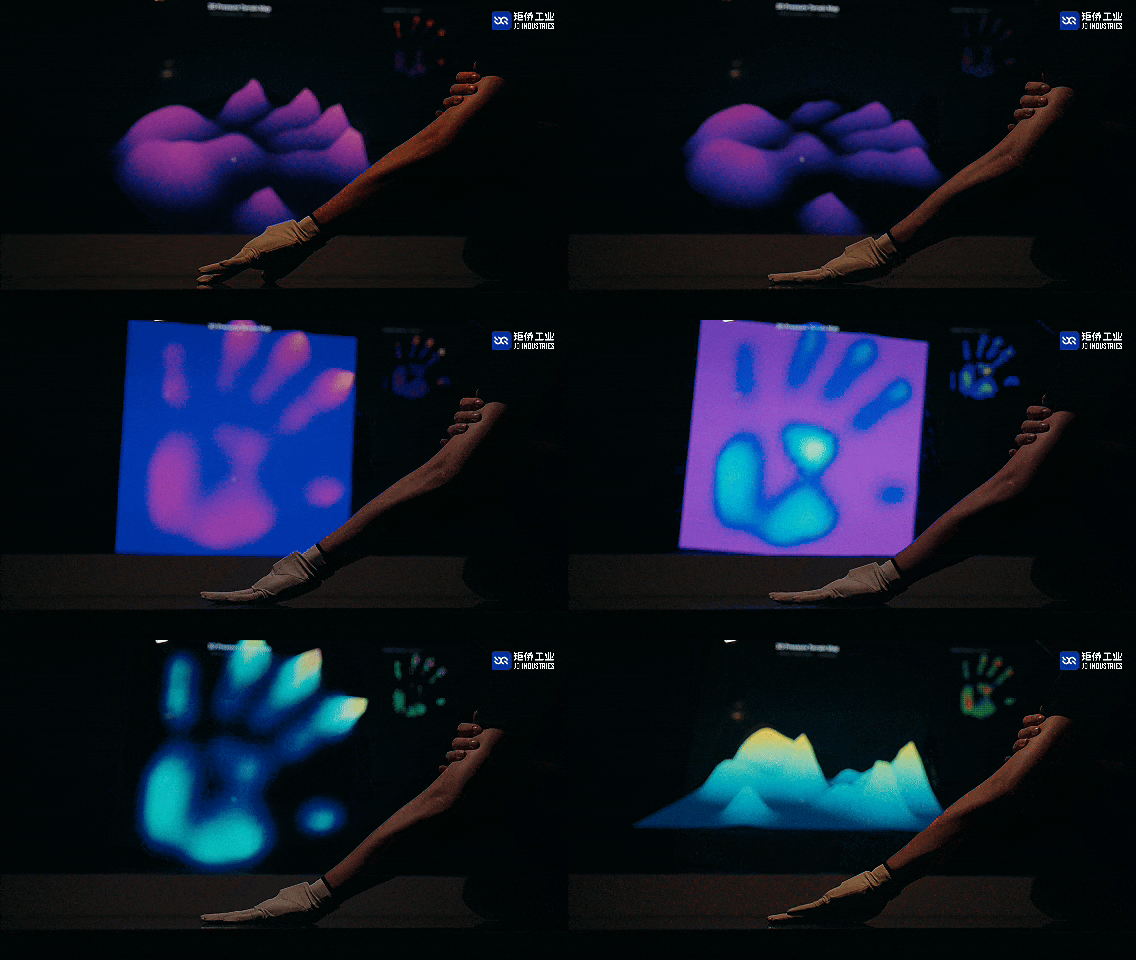
Currently, the company serves more than 400 customers, including more than 200 customers in the field of smart phones, with touch gloves cumulatively delivered to nearly 10,000. One-fibre material innovation is growing into the hardware, data and application business.
With AI accelerating towards reality today, the industrial value of touch is becoming increasingly clear: machines have to do things right, they need to know exactly what happens after touch. And the rectangle is turning this kind of information into a physical data and infrastructure platform that can be collected in bulk and used continuously.

01.
Behind the front model, it's the same glove?
When holding a paper cup, the fingers adjust the force with the shape of the cup wall; when the parts are inserted into the hole, the person corrects the direction according to the subtle resistance; after holding an object, the changes in the face remind the body to redistribute weight. These seemingly effortless movements involve a great deal of untold experience.
It is precisely these details that are important for a physical AI model that learns operations. The motion trajectory can describe where the hand has gone, the image can show how the object changes, but the stresses, friction and slippage during contact also require additional sensation to be added. Particularly in contact-intensive tasks, a small amount of force adjustment may determine whether the operation is completed smoothly or fails in the middle.
The need for training materials to more fully reflect the relationship between motion and physical feedback, giving models the opportunity to learn when to engage, how to use force, and how to respond to change. Touch is thus an important part of connecting skilled human operations to machine learning.
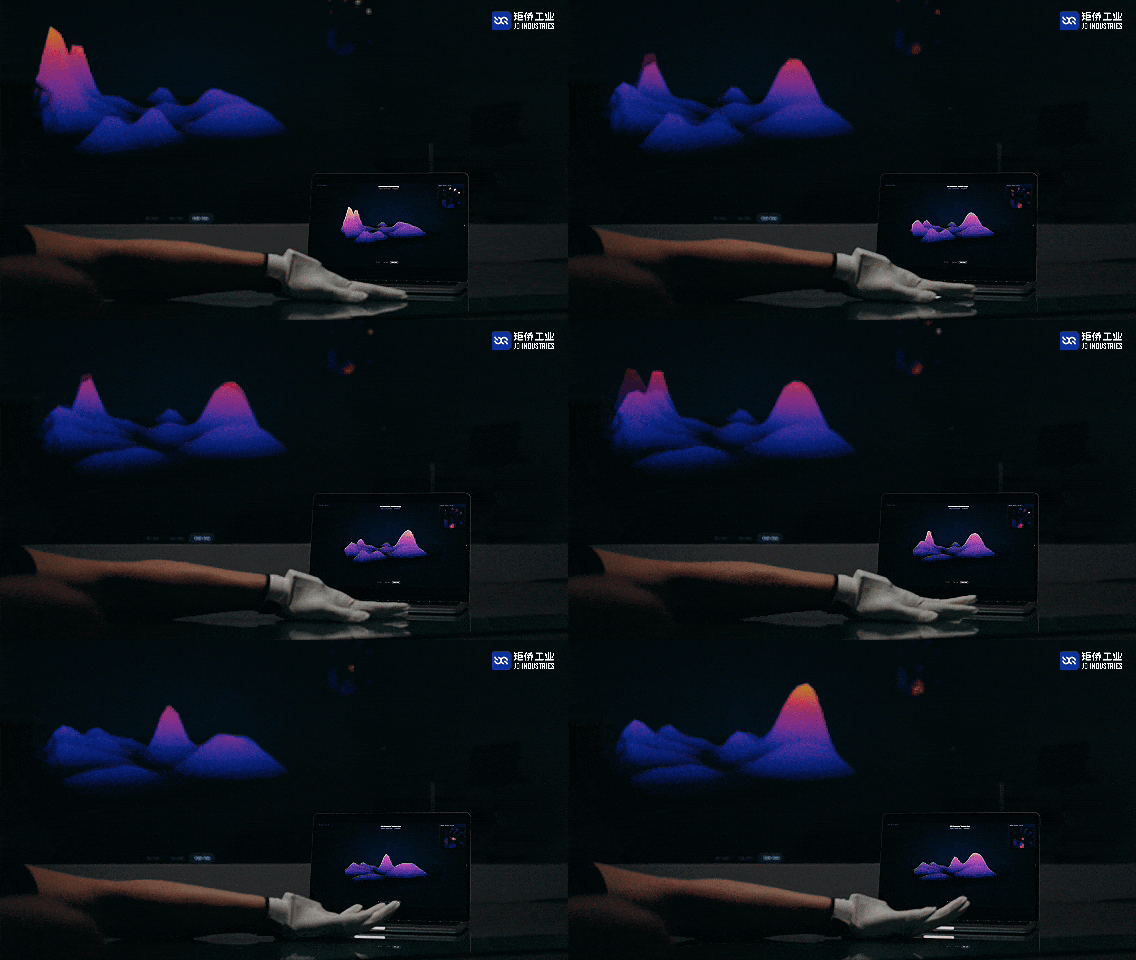
Rectangular touch gloves support the collection of multimodal data, which is being adopted by a number of pioneering model studies at home and abroad, and entering large-scale tactile and visual fusion training. In the course of the research team's ongoing exploration of physical interaction capabilities at home and abroad, the collection hardware provided by rectangular is an important channel for real contact experience into the model.
This value is reflected in the source of the data generated. When a real person wears a glove to complete a task, the contact area, force changes and action details can be combined with the first person to record the image together. Originally, the information could only be stored in the form of data, analyzed, and used for further exploration of model capabilities.
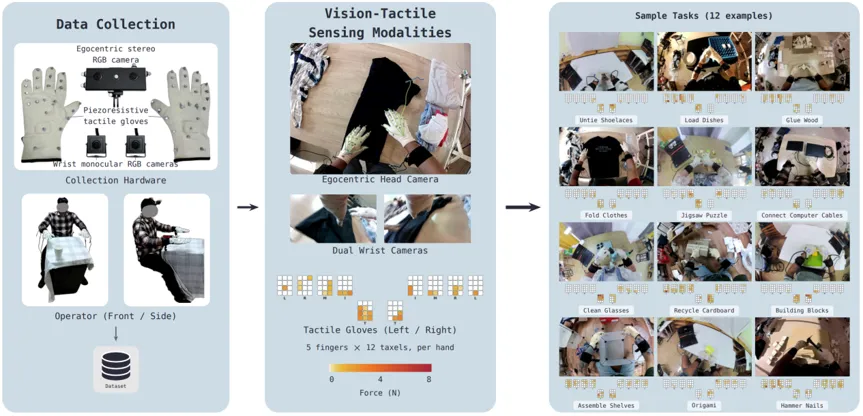
The role of materials and sensing hardware is being redefined. The physical experience that models require comes from real interaction, and every piece of useful data needs the support of reliable collection tools.
It is also reported that the company is promoting touch-integrating first-person visualization computing systems, in collaboration with industry partners to expand the scale of real-life acquisition scenarios. Continuous improvement around the needs of developers, SDKs, visualization software, and training adaptation tools to help partners link acquisition, data processing, and model verification.
02.
It's not possible to solve triangles, so data can grow out of fibers.
Touch data should be used as a large-scale training material, with the first step being the collection of tools. If a pair of gloves causes a person to take an unstable tool without moving a finger, the recorded movements will be the same; if the signal is unstable after a period of use, subsequent data analysis will be affected.
The long-term challenge faced by the industry is not to impede natural operations, but to record rich details and be able to use them repeatedly. The three objectives are mutually reinforcing: thickening or increasing hard support, easily affecting the feel of the hands; improving softness, and dealing with the interference caused by shape changes; placing more touch points means more complex lines, signal isolation and long-term design.
The rectangle selects to go back to the starting point of the material and structure, to distribute the electricity, compressive resistance and carrying functions to the fiber, and then use the fabric to form a sensing network. The contact triggers localization, the conduction path changes with it, the circuit reads the signal, and then converts it into tactile information through labeling and algorithms. The sensing ability is thus combined with the fabric itself.
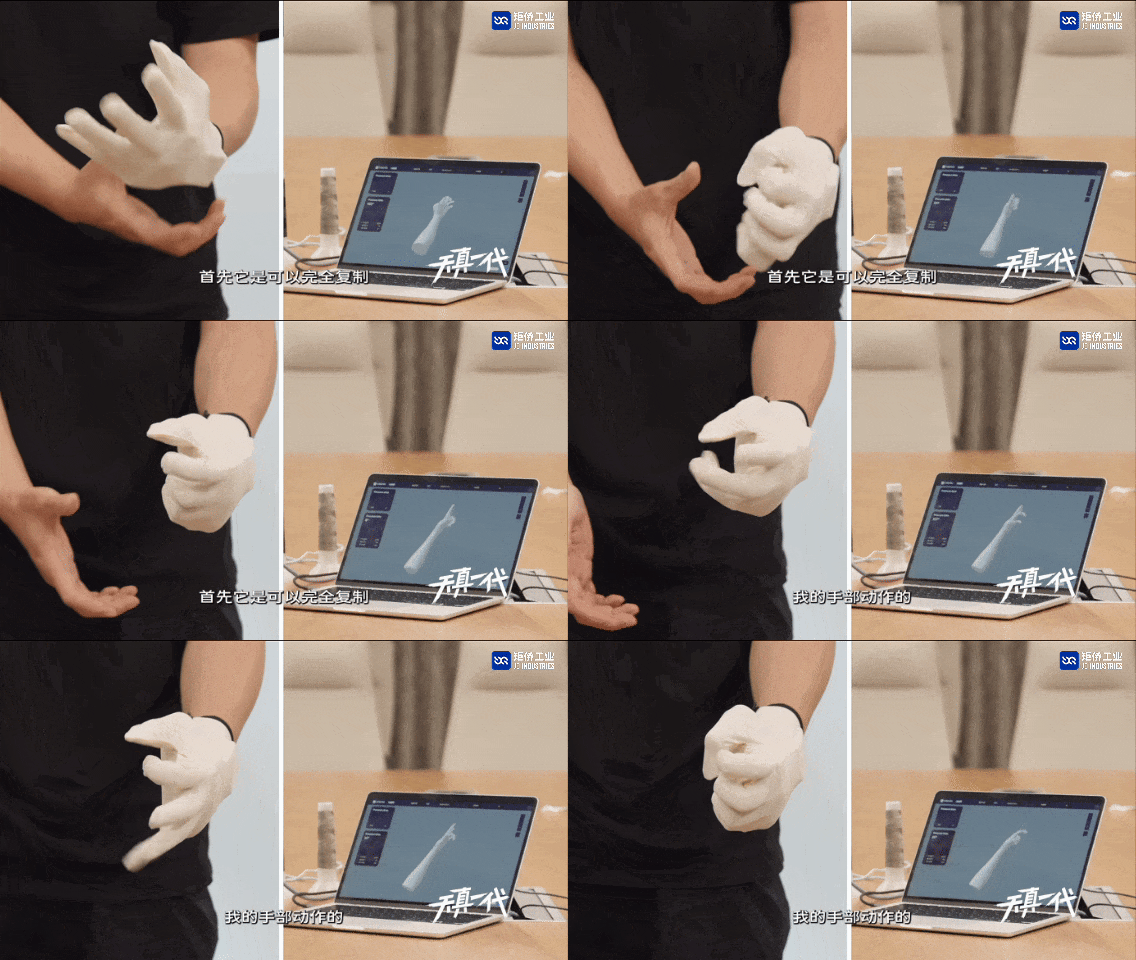
This approach gives flexible electronic skin a different design space. Fabrics can be fitted in line with armrests and joint movements, and can cover larger curves while maintaining airtightness. The rectangle is repeatedly optimized around the inner and outer core design of the fiber, formulations and weaving techniques, improving the material's ability to recover from folding, bending and repeated force, and controlling interference through the collection of circuits and compensation algorithms.
Ultimately, a set of materials, hardware and algorithms that can work together is delivered to the customer. The rectangular full-arm gloves have hundreds of sensing points on each hand, with a minimum of 2 mm of point spacing, which can respond to a trigger power of as low as 0.01N, while being compatible with motion capture and remote operation. The high density layout allows contact details to be preserved, while the flexible structure allows the collection of normal movements as close as possible to people.
Surrounding fine interaction, Skin 2.0 combines new weaving design with model training to increase perception of the direction of gravity, shifting forces and sliding trends. The product also continues to move towards thinning: multi-layer sensor design thickness is less than 0.8mm, and single-layer flexible touch products are thinner than 0.3mm, freeing up more space for wear and terminal integration.
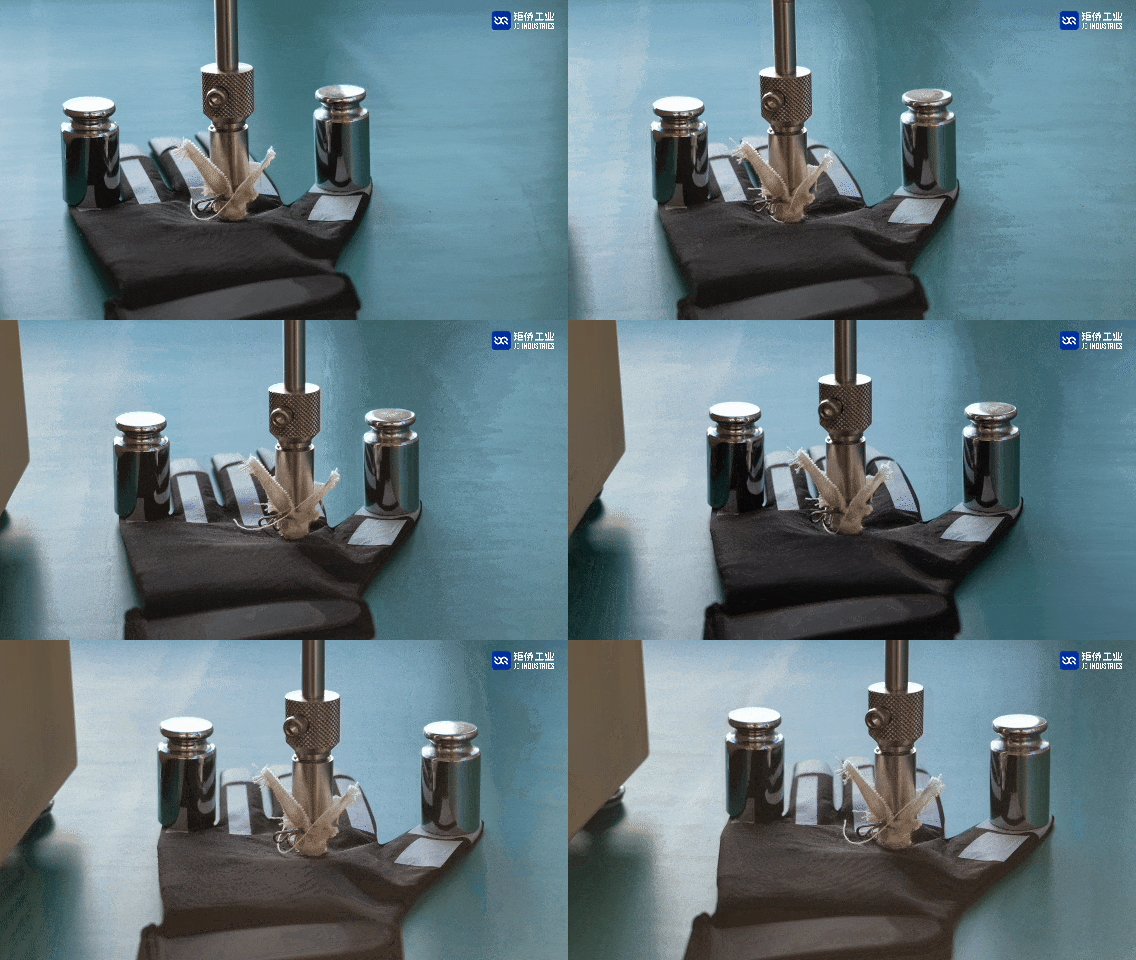
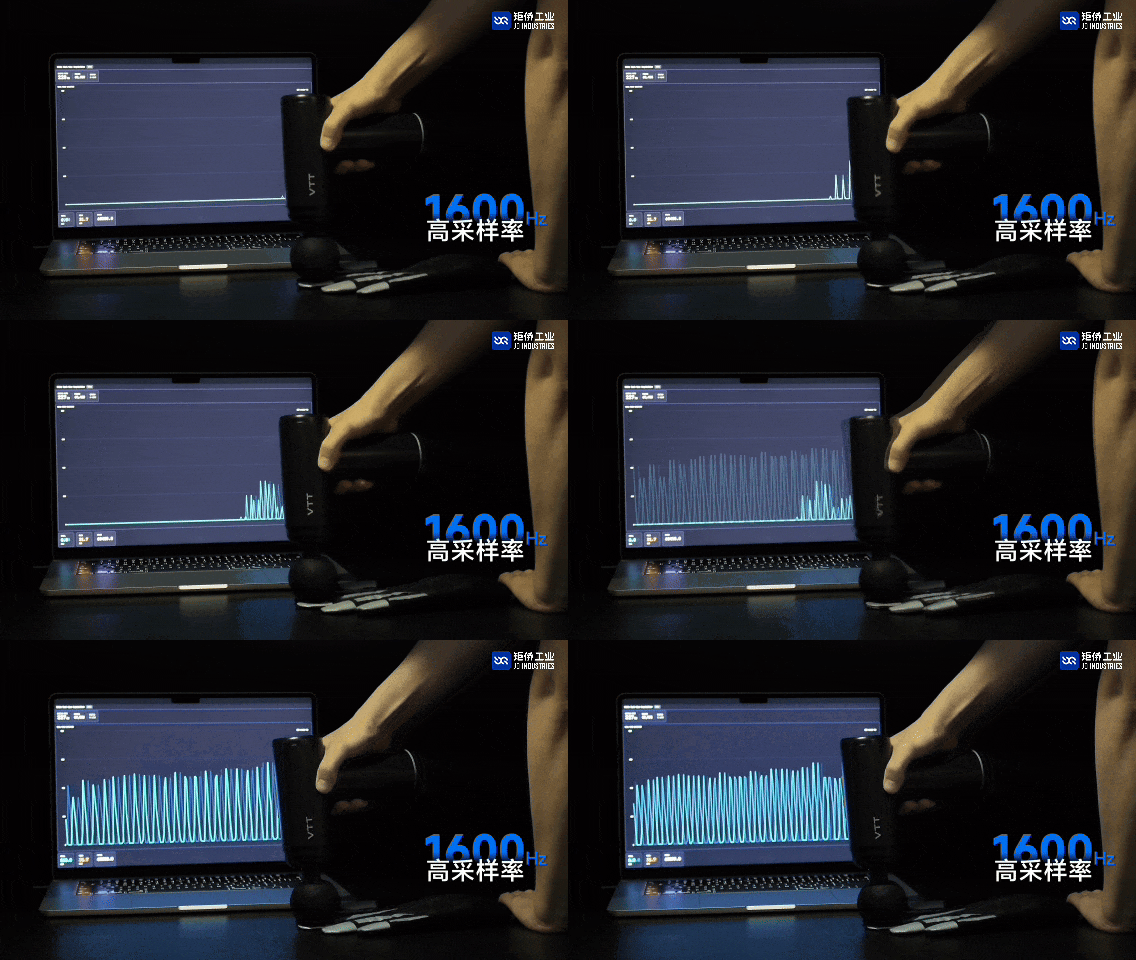
Customers' demands are also driving the direction of the touch from the signal tube to the quantum tube. The matrix is able to provide a linear conversion formula for individual measurements from the extracted value mapped to the mechanical numerical value, reaching a consistency level of ± 5%, and continuously improving the pre-pressure effect caused by wearing. The soft fabric thus has a more specific measurement use to provide a basis for contact analysis and training operation strategies.
This technological breakthrough finally has to be tested by the factory. The company built its own production line in Weihai, modified the sewing equipment, dyed and woven connections, and completed thousands of sampling with the development of materials. Currently, the production rate has exceeded 95%, and fast sampling can be completed in one day. It is able to stabilize production and adapt quickly to new demands, so that electronic skin is conditioned from demonstration to continuous delivery.
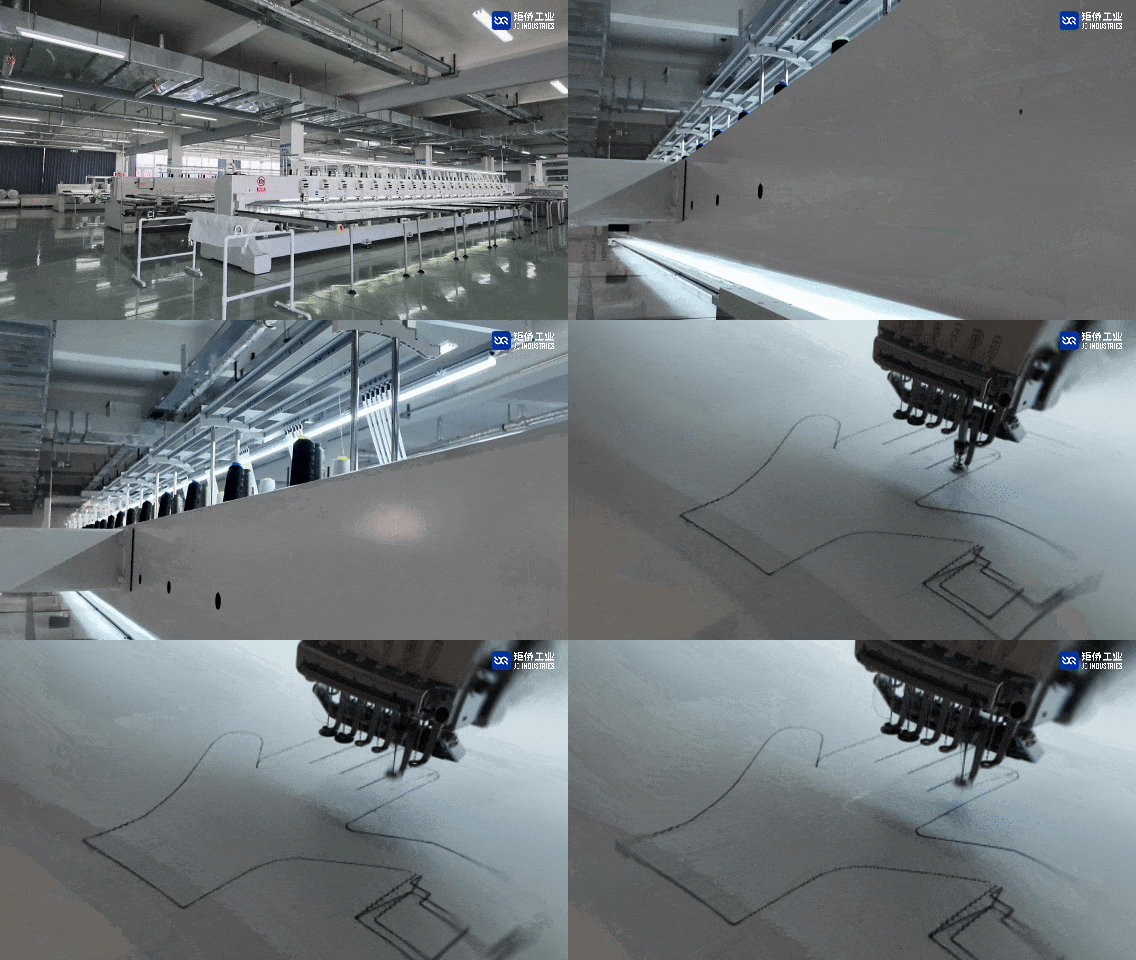
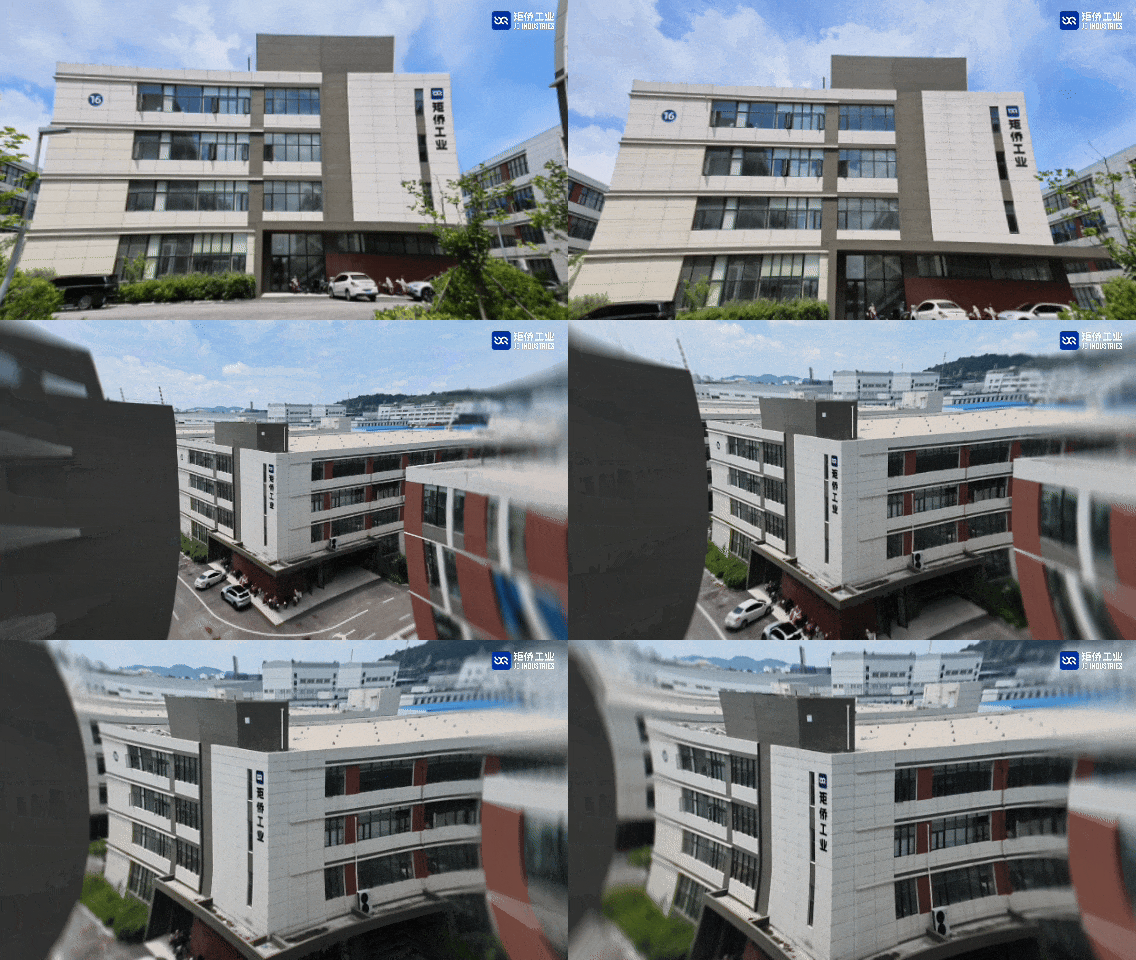
Delivery of close to a million gloves brings these capabilities into the everyday lives of different tasks and users. Wearing experience, long-term stability, batch performance and customer feedback are constantly returning to the R&D point, driving the continuous improvement of products in line with real needs.
03.
It also allows the robot to touch and feel, and allows the body to participate in operations.
Fingers are very flexible, but the robot can perform real-world tasks with far more body parts than fingers. Carrying a larger box, the forearm can be supported, and drying can assist in stability; when entering narrow space operations, the surface of the arm may also touch the environment before the end.
The rectangle has introduced mechanical arm skin and expanded the product layout to areas such as the torso and foot. The arm sensors are able to send the pressure generated by touch into the control system, providing input for response such as deceleration, avoidance, and stop.
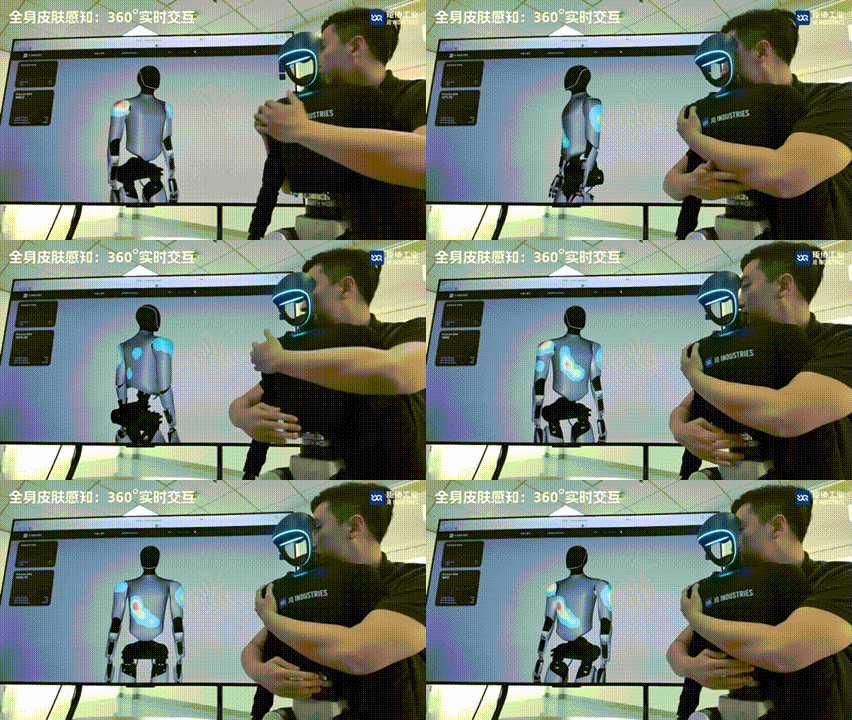
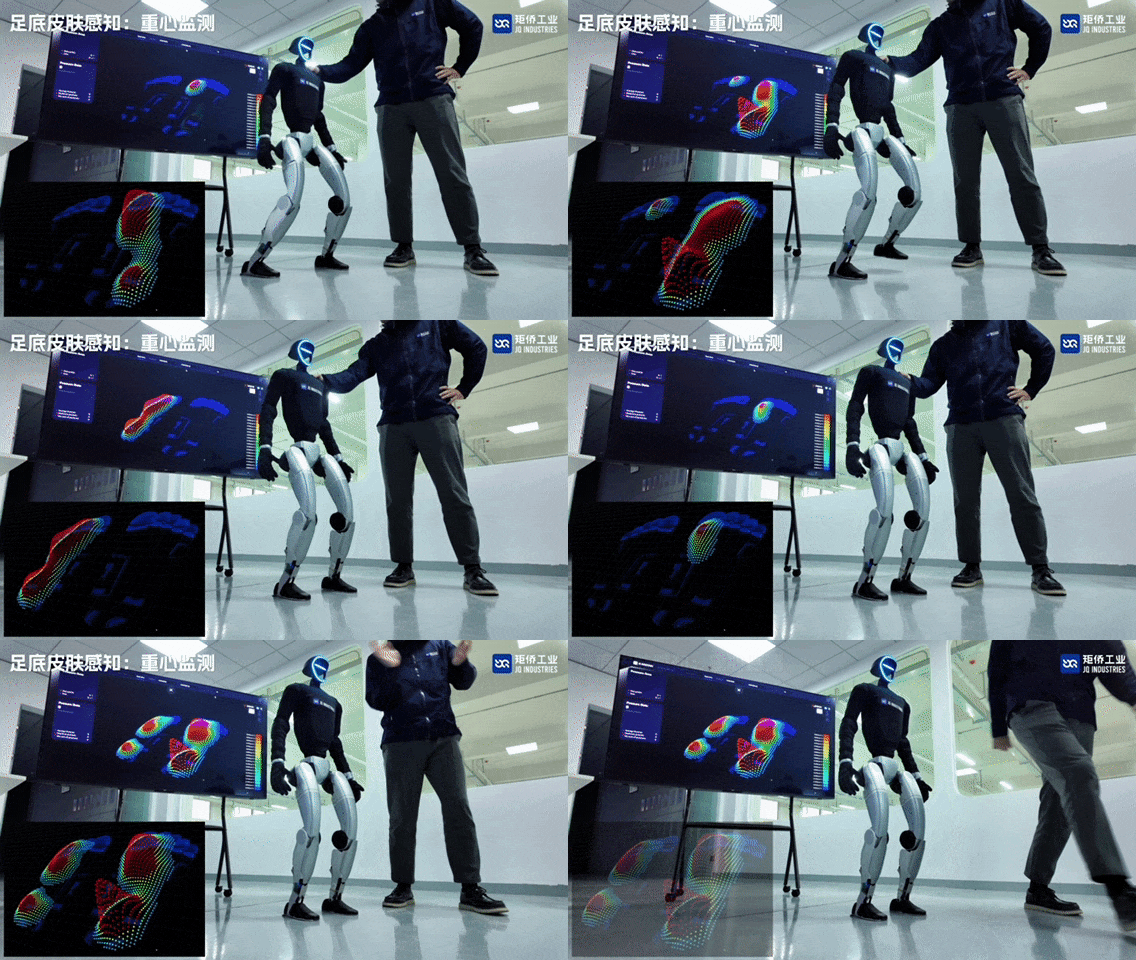
The potential of whole-body skin also lies in allowing contact to participate in the task itself. When objects rely on multiple areas of the body at the same time, robots need to determine which positions assume the load, whether the posture should be changed, whether the support is stable enough. Distributed touch is expected to increase the basis for these judgments, allowing machines to more effectively use the body to carry and transport within their assigned capabilities.
The scope of perception is expanded, which also affects the design of the body and the control program. A certain surface is suitable for supporting objects, how to determine the operating state after the eyesight is obscured, when contact should be adjusted, and new sources of information can be obtained. More areas of the robot body will have the opportunity to participate in the interaction of the task.
This led to a new data space for the model. The collaboration between the palms of the hands, the arms and the soles of the feet can present a more complex physical relationship than a single point of grasp. As real-world demonstrations and robotic perception gradually intersect, touch is also expected to support interpersonal learning, helping the model understand the interactions and operations under different body structures.
04.
The beds and chairs are starting to understand you, the human data inputs are hiding in your everyday life.
It allows robots to access touching fabrics that can be wrapped in products that people touch every day. A bed, a chair, a set of car seats would have been with the body for a long time.
The smart sleep scene is one of the important directions that mattress is expanding. The company works with domestic and international head bed companies and sleep technology companies to explore the acquisition and application of physical movements, postures, stress and breathing-related signals.
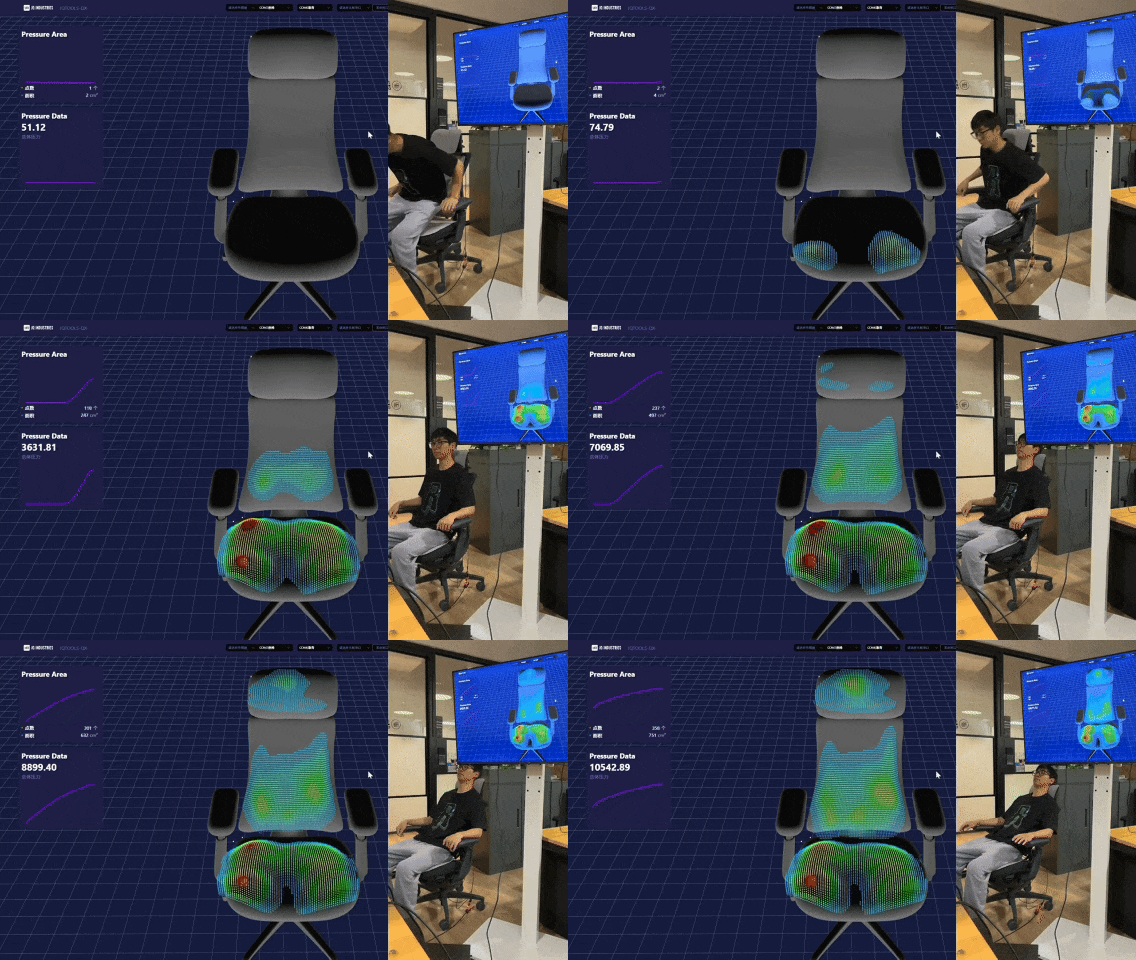
For human-engineered chairs, the perceptual value is reflected in dynamic changes. When the user tilts forward, rearward, or moves his or her weight, the pressure on the back and back of the seat changes. The rectum works with the headboard to use this information for comfort assessment and support adjustment, so that the chair responds according to the person's condition.
The automotive scene also needs to understand how the occupants sit and how the body is affected. Currently, rectangular and automotive industry chain partners are advancing systems such as passenger status verification, adjustment of seats and stress testing to provide sensory input for massage, riding experience and seat interaction.
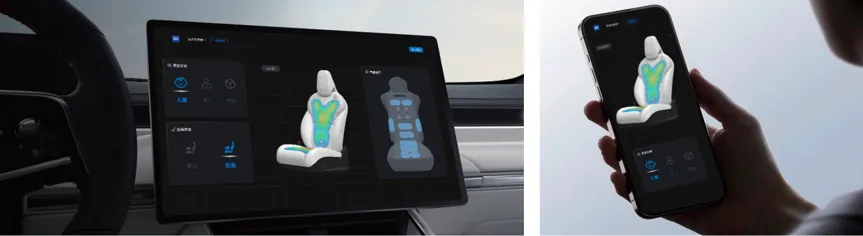
Together, these products point to a long-term need for individual AI: a more specific understanding of the user. A shift in sleep, a change in sitting position and a state after a long ride may help systems analyze individual habits and changing trends. Information from different terminals is expected to gradually form a continuous record of personal status, making services more suited to people's needs, provided they are authorized and have a corresponding data governance mechanism.
In the care scene, this understanding has a clearer use. The company has partnered with state-owned health, retirement, and family-owned agencies to build smart clinics with multiple hospitals.
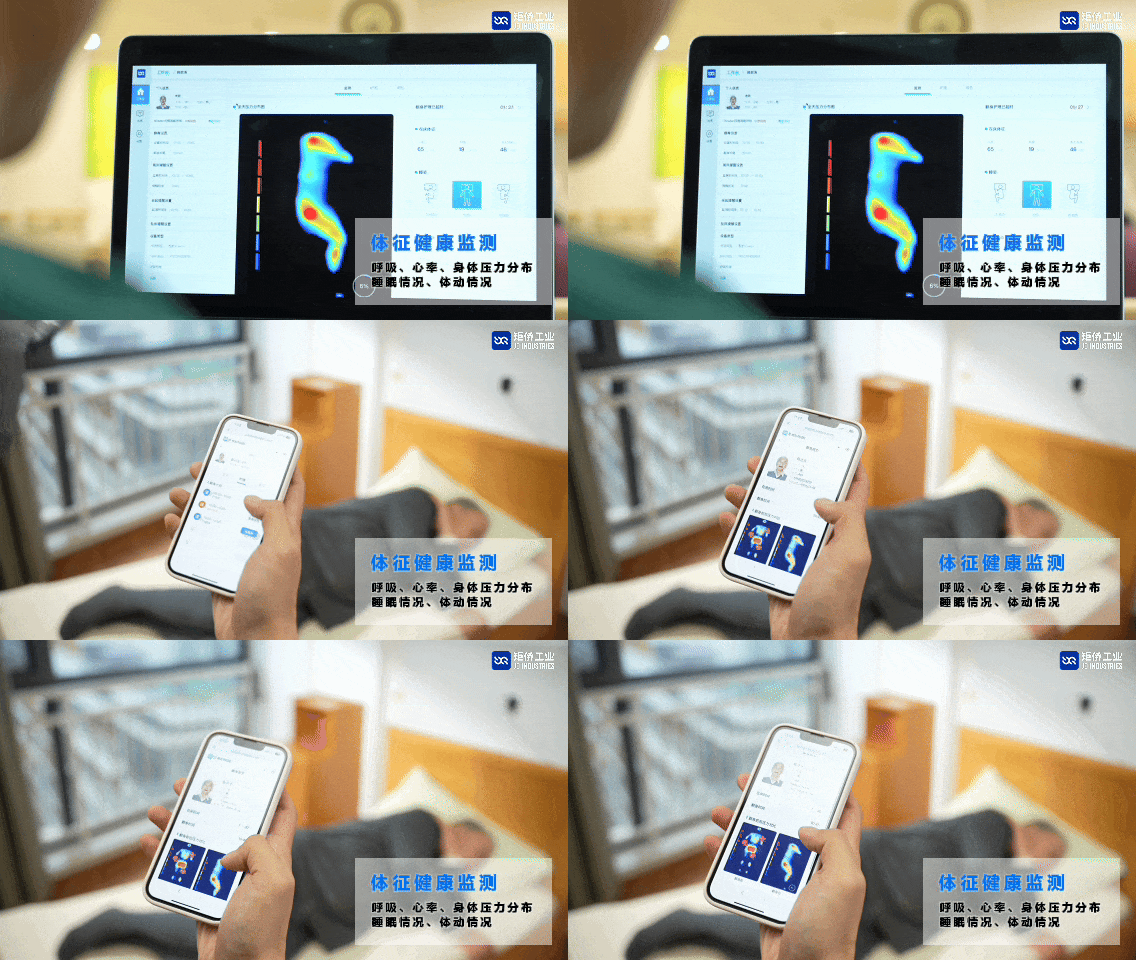
Once perceptual information enters the care process, it can help caregivers master changes, arrange patrolling and auxiliary interventions. At the same time, it will combine Beijing University of Medicine, Hong Kong University of Science and Technology with research into the prevention of acne, to further accumulate a foundation for the application of flexible perception in care.
In the field of rehabilitation, the observation extends to the walking process. Time characteristics of foot pressure, step patterns and focus trajectories can be analyzed to provide a quantitative reference for training and capacity assessment.
From comfortable experience to professional care, the value of textile sensing is gradually becoming apparent: without the need for additional changes in habits for each perception, familiar products can become a window to understanding the body.
05.
From perceived fabrics to platforms that connect everything
The next step is to expand the type of physical information that can be read by fabrics. As a starting point for resistance fibres, the company is investigating the complementary role of the electrode, the friction mechanism, and the exploration of magnetic composite materials, chemically and electrochemically sensitive fibres, and optical fiber fabrics.
These routes are geared toward potential applications such as location and movement, sweat and environmental information, and shapeshifting and vibration under specific industrial conditions. They also need to address issues such as material processing, reading methods and signal decomposition; as research and development progresses, different functions are expected to reuse existing fabrication and integration experiences to combine new perceptual products.
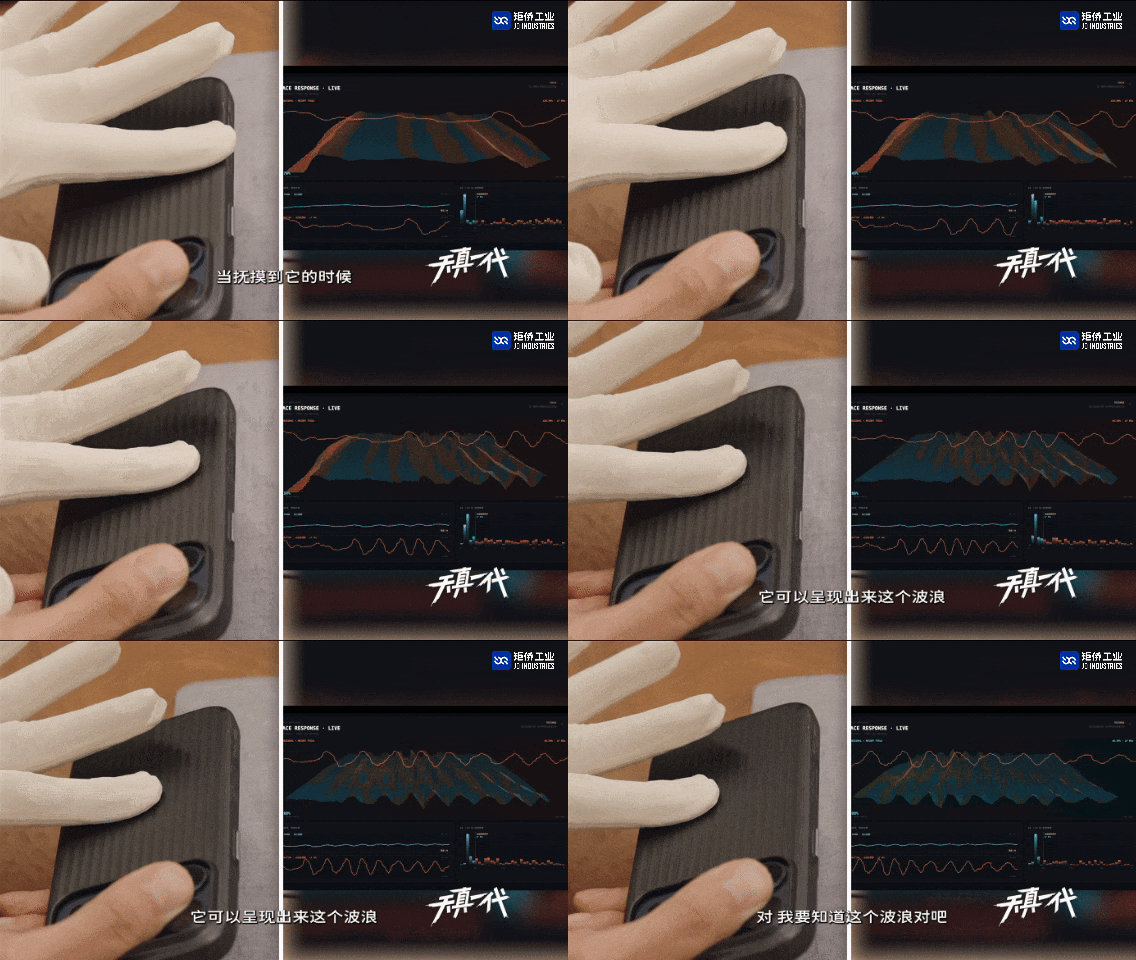
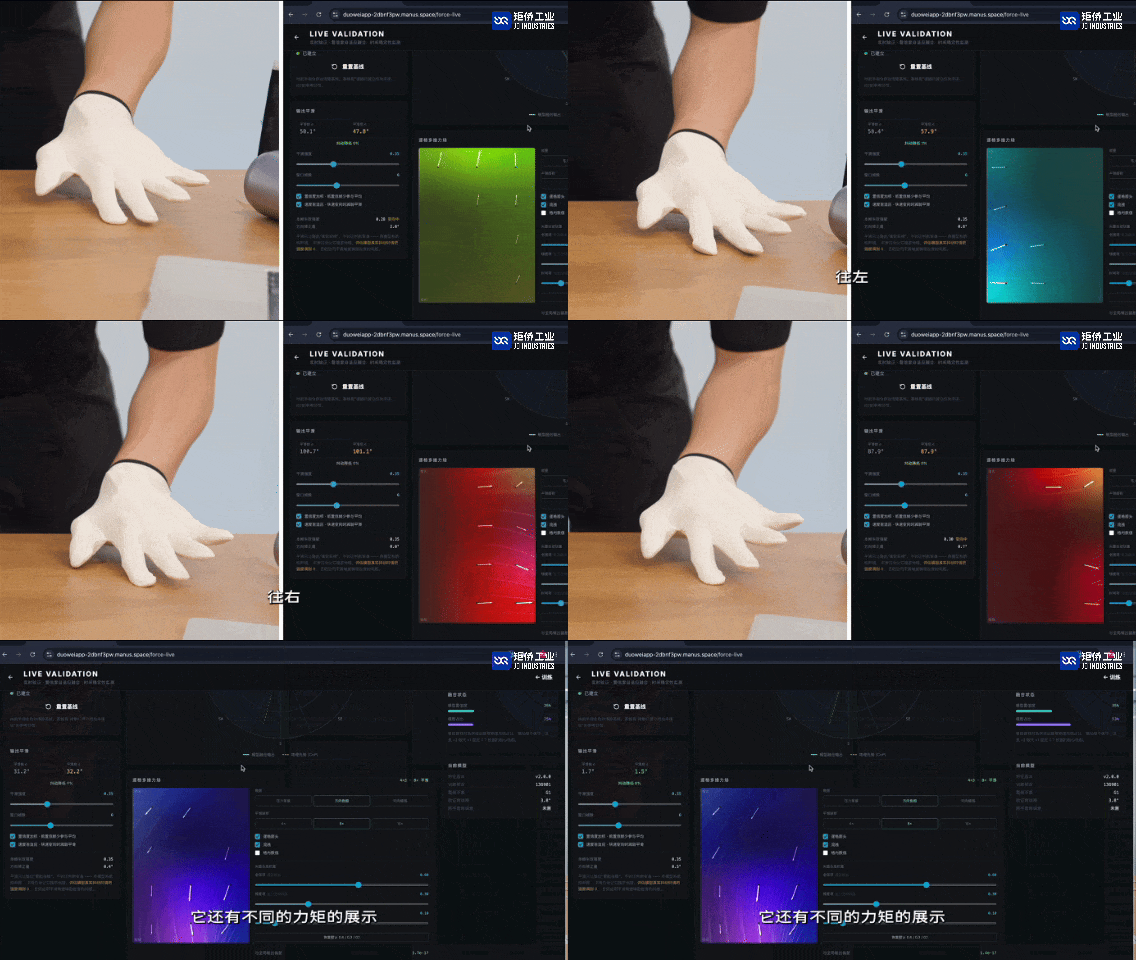
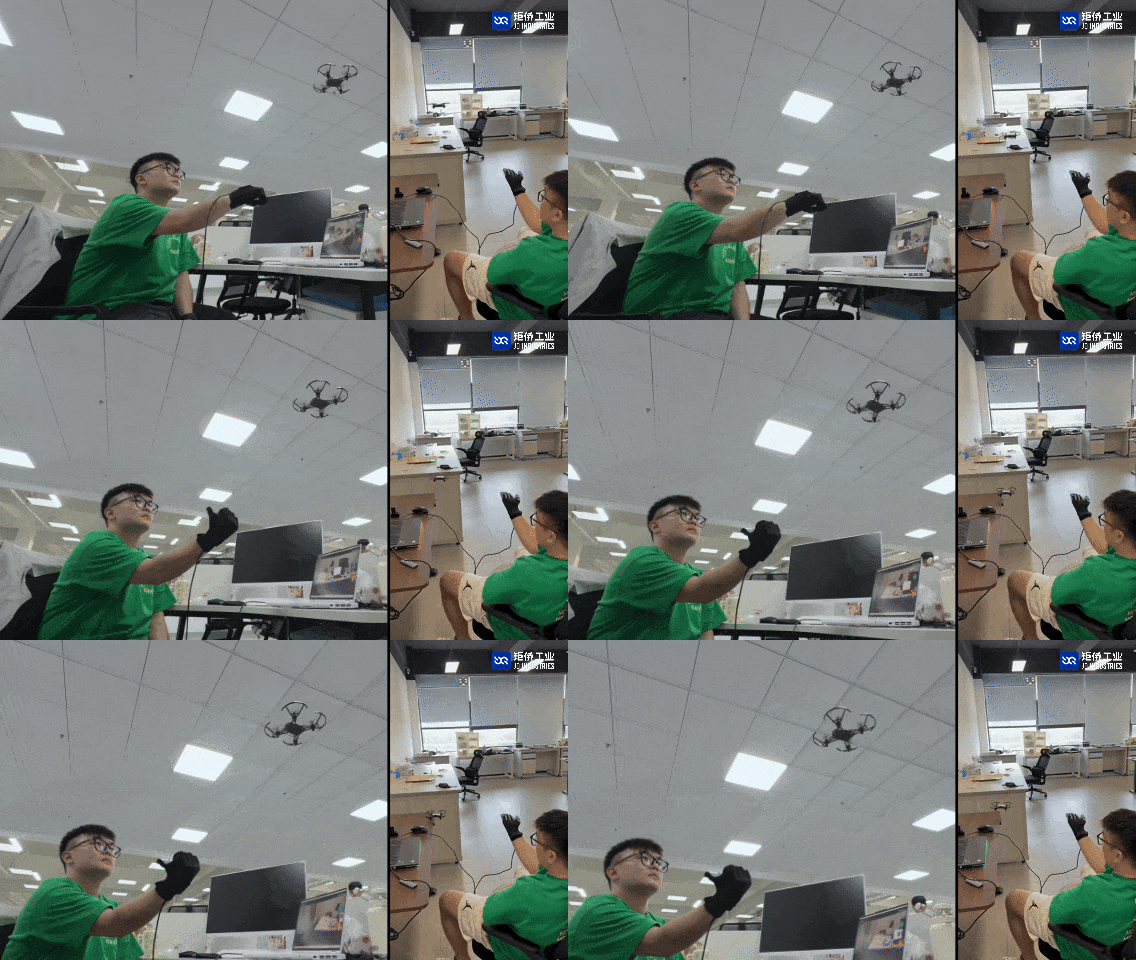
At the interactive end, rectangular gloves have been used to control unmanned aerial vehicles and quadriplegic robots through gesture control. Combined with motion recognition and control algorithms, hand and wrist movements can become device instructions. The company is also exploring the possibility of connecting specific hand gestures to text and voice output, providing assistance in communication for people with hearing and speech impairments.
This extension allows flexible wearable devices to serve remote operations, demonstrations and more intelligent terminals. Human actions are read, machines respond, and execution results return to the system, thereby establishing a more direct connection between perception and action.
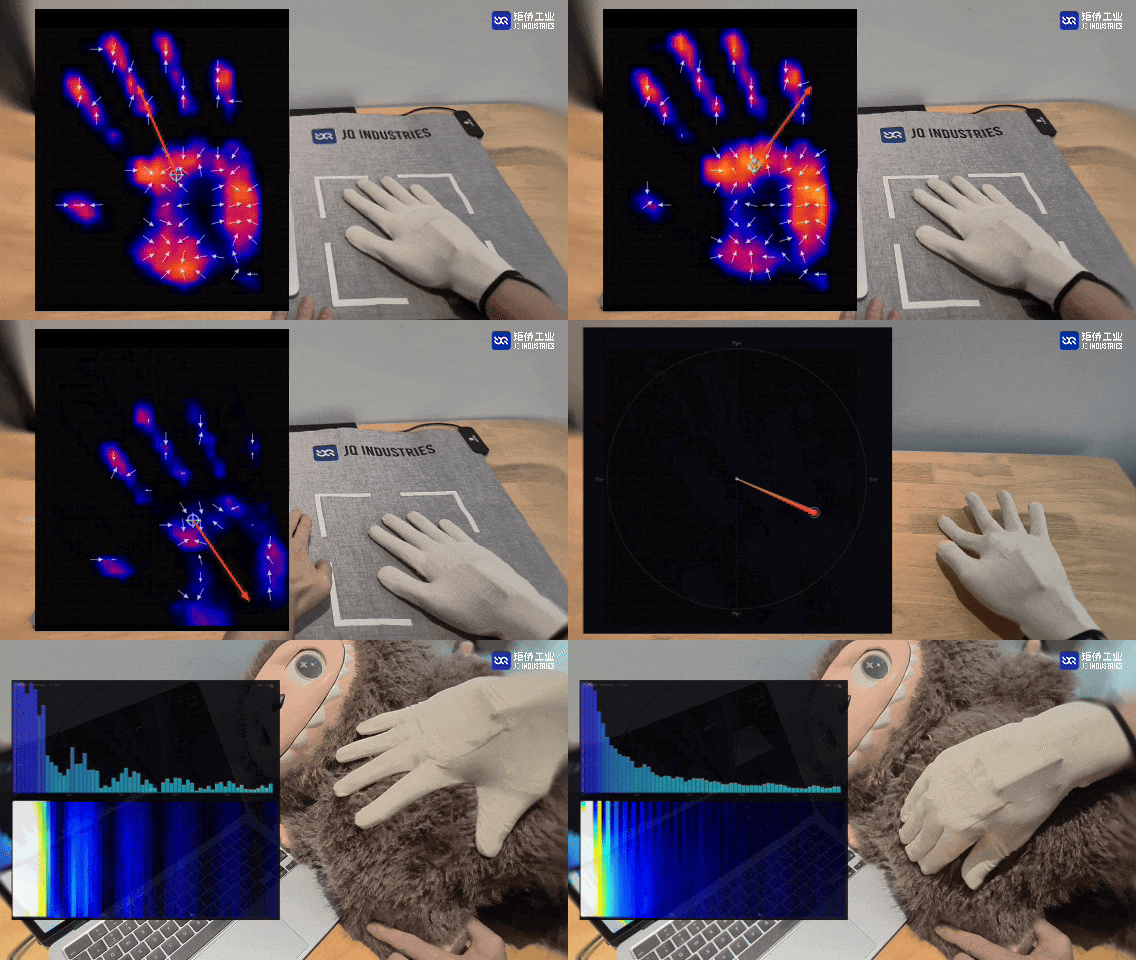
Multi-businesses are also accumulating different engineering experiences for the platforms. Robot tasks test dynamic interaction capabilities, household products promote comfort and cost optimization, and maintenance deployments present continuous operational and service adaptation requirements. These requirements continue to apply to the same set of materials, manufacturing and industrial specifications, expanding the duplicate space of underlying technologies.
When touch can be widely deployed as a fabric, the AI's knowledge of reality will also expand with each inch of touch, which could be a new starting point for the growth of artificial intelligence.