
It's the first time in the history of the world.
Late tonight, Meta is proud to announce the release of its own King-Break Models, Muse Wonder and Muse Wonder Full!

Muse Wonder is used for high-speed front-end performance, while Muse Wonder Full is the full version of the model.
After more than a year of founding the Meta Super-Intelligence Laboratory, he claimed that the Muse Spark was MSL's first model series, while the Muse Wonder was a larger, more advanced model that reached the cutting edge.

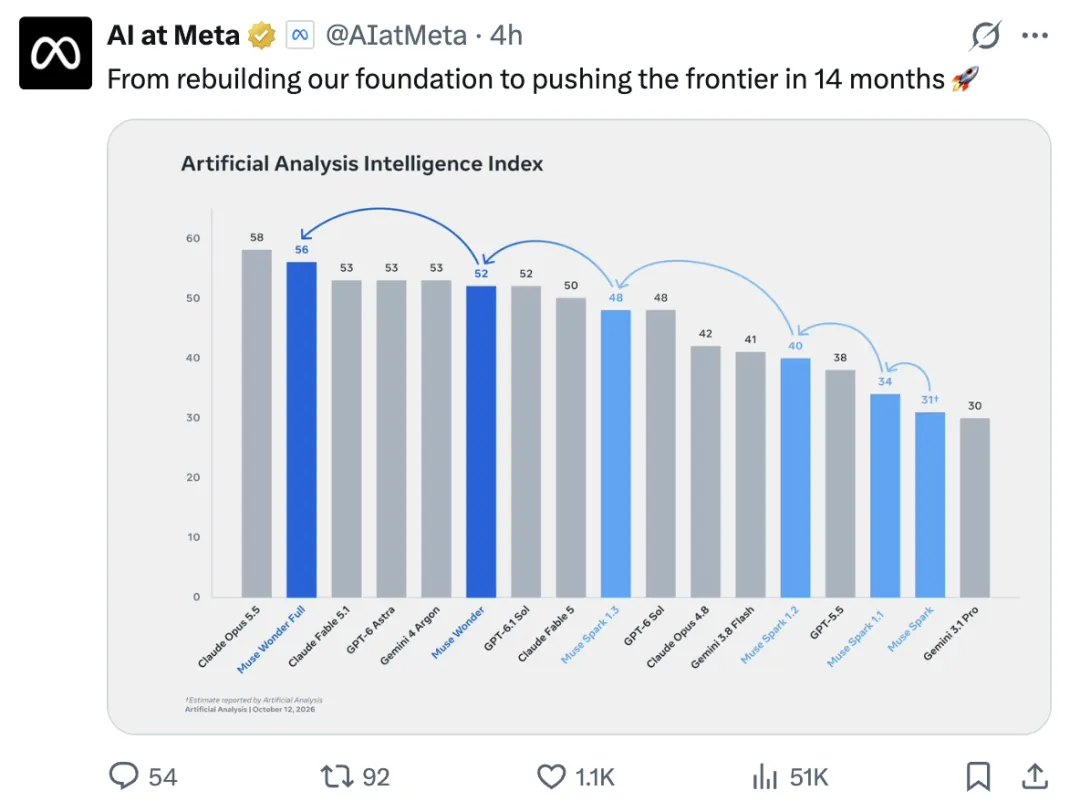
This benchmark is tempting, but rather surprising. In several lists, Muse Wonder's score is directly above Astra and Fable 5.1, even ahead of Opus 5.5!
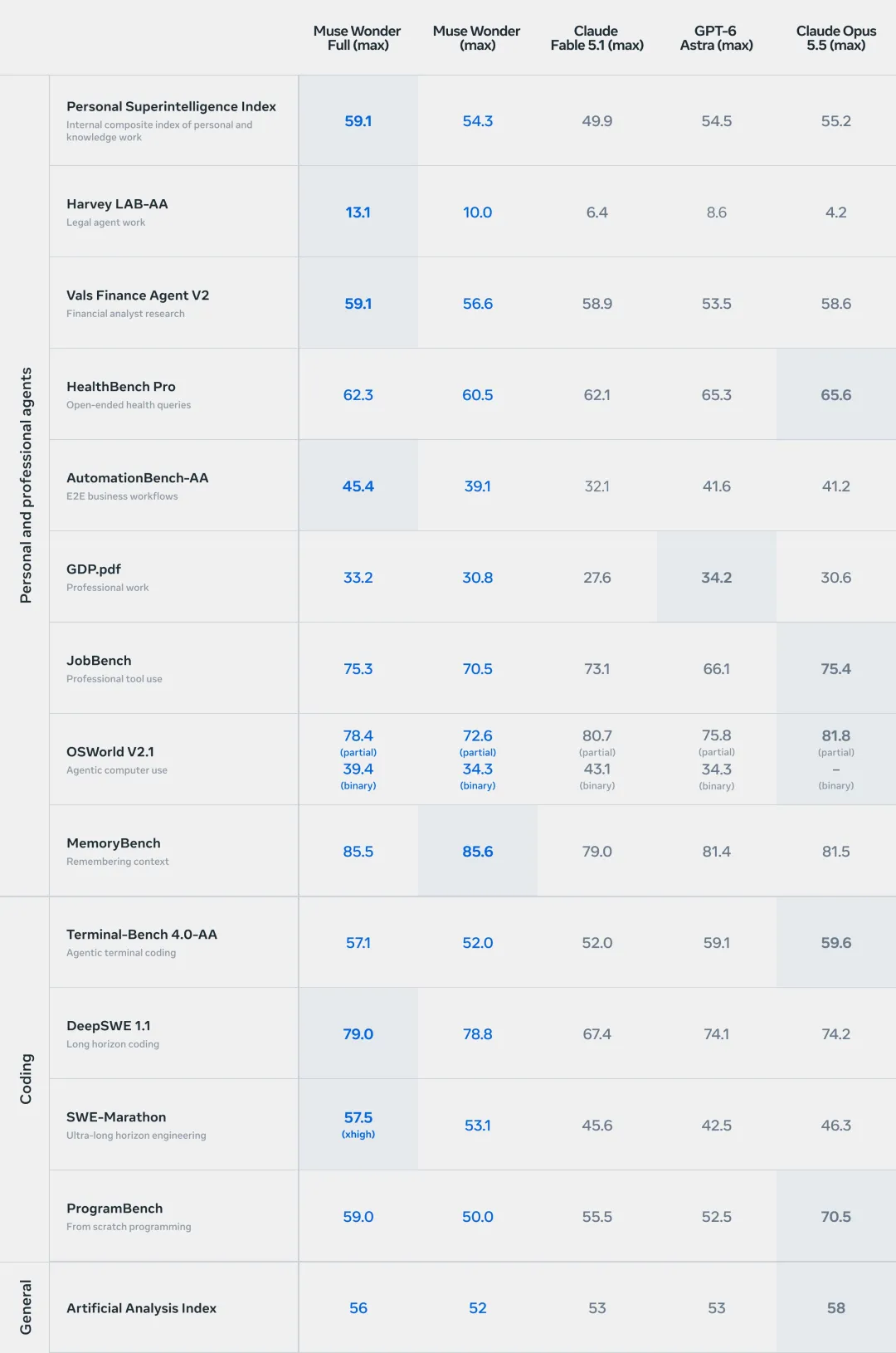
After seeing the score, the whole network shouted: "Meta has released a Fable/Astra-class model!
According to the ratings, Meta has officially surpassed OpenAI in long-cycle software engineering, and the Citadel River has completely evaporated.

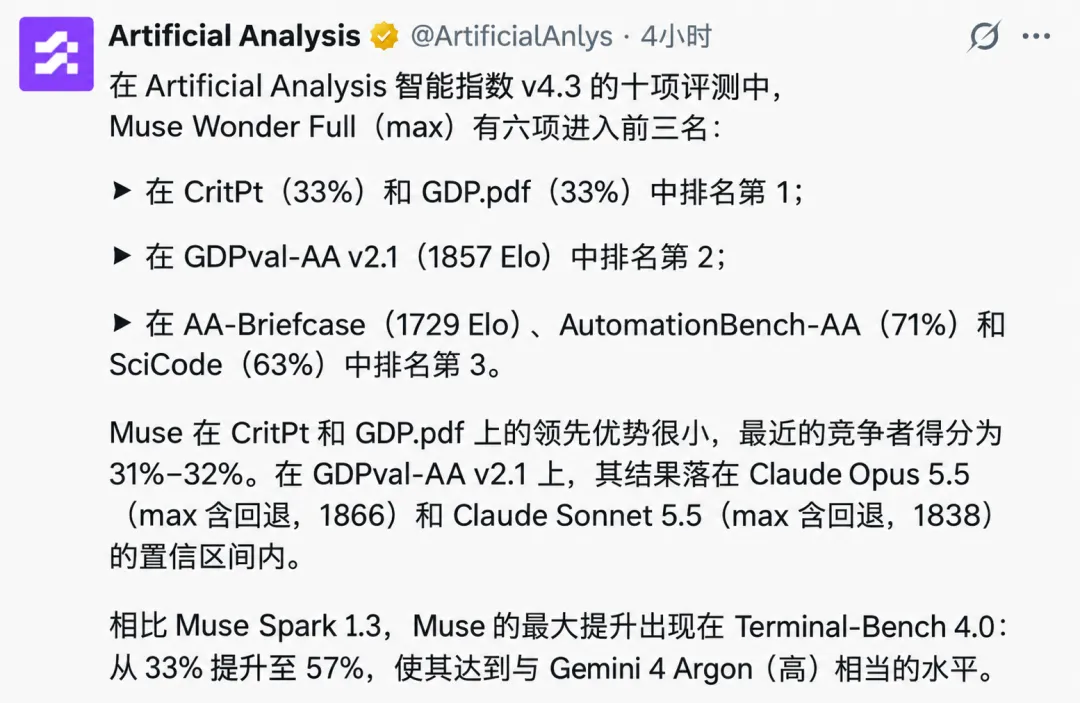
Artificial Analysis test results show that Muse Wonder Full (Max) has been squeezed into the top 3 in multiple tests.
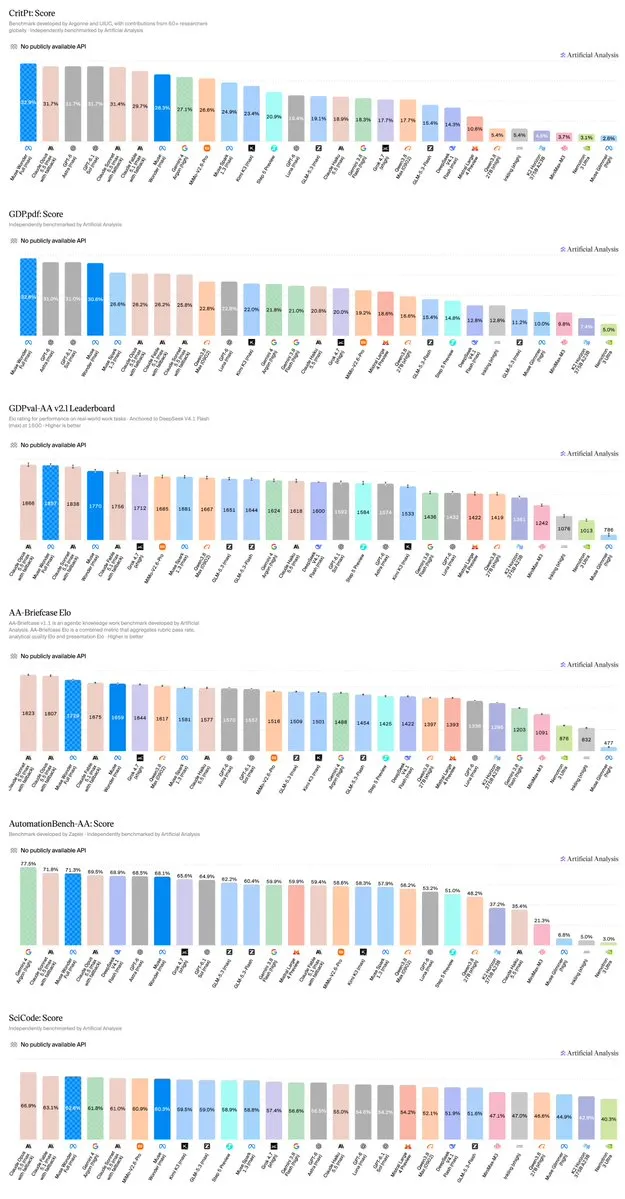
What is even more exaggerated is that Alexander Wang, the chief AI officer for Zhao and Meta, revealed in a podcast that Meta has destroyed more than $100 billion worth of infrastructure for this model!

However, the test developers quickly discovered that this was not the case.
A lot of people have put out a demo of the experiment, saying that Muse Wonder is a joke.
And it was said, "This is a great trick that even the Gemini have seen".
Is the $50 billion Muse Wonder just a product that's on the charts?
Even 3D games can't do thatIt's a model that goes beyond Astra and Fable, and it's made by Meta.
Muse Wonder has just opened up an API call, and a huge group of developers are coming in immediately.
As a result, the Museum of Wonder overturned the car.
It has been said that this model is one of a kind, a product of extreme brushing.

Under the same pronoun, it differs greatly from other models at the highest level of reasoning.
Obviously, this model is higher in scores than astra and fable 5.1, but performs much worse in tests than both.

In a test by RocketLeagueBench, its test results were unbearable.
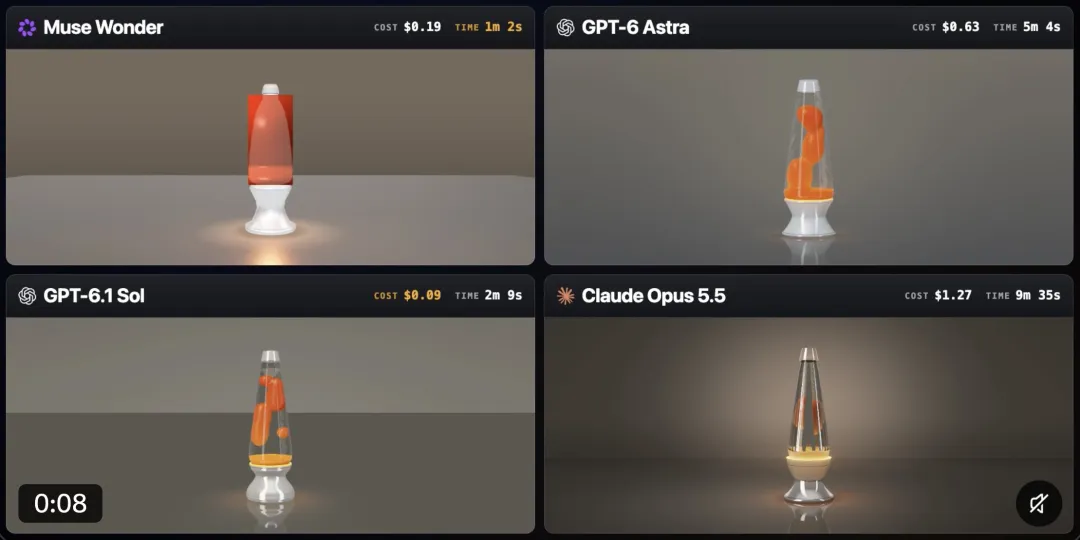
According to the developer, Muse Wonder gave him a very poor impression. Since Opus 4.8, almost all the major models on this list have performed better than it.

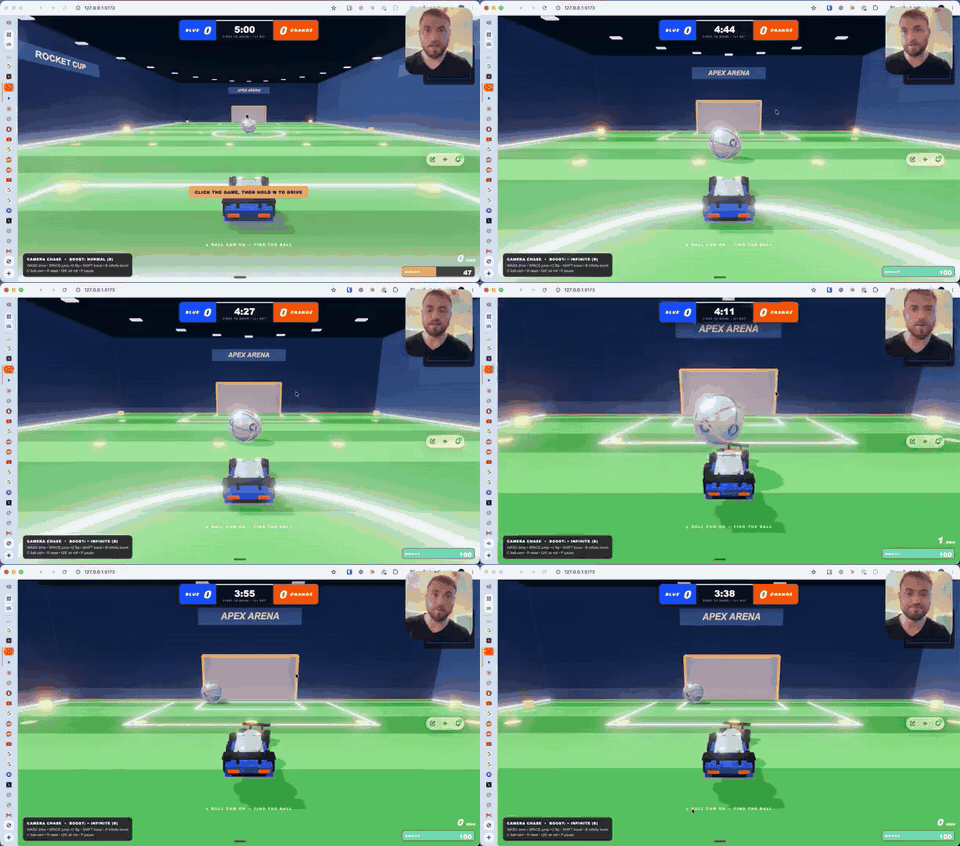
When questioned, Alexander Wang, Meta's chief AI officer, responded: "The whole team now thinks they're stupid, but it's a fact, we really didn't explicitly train our models in 3D demonstration games... but don't regret it, please try it on the actual coding work!"

But is it really that simple as "not playing 3D games"?
Meta advocates have said: "Three-dimensional game presentations are cool, but they don't represent real code work at all! Wonder is an incredible code model, don't overlook it".
But it has also been pointed out that, first, this means that the model's generalization capabilities are absolutely bad. Second, video game presentations are also made using code.
 Astra and Opus 5.5 are hard-wired!
No, this time, the little one is ready.
In an official blog post, Meta explicitly targets two of the big mountains in the current model world: OpenAI's GPT-6 Astra and Anthropic's Claude Opus 5.5.
Meta is proud to announce the birth of Muse Wonder, after 14 months of complete rebuilding from the basics, marking Meta's official entry into the "frontline" ladder.
In many core areas, it not only aligns with, but even surpasses, Astra and Opus 5.5!
In the official blog, Meta details a list of some of Muse Wonder's top "pressure-grade" killers:
The ability of "intelligent agents" to work on behalf of humans: to overcome twin kings
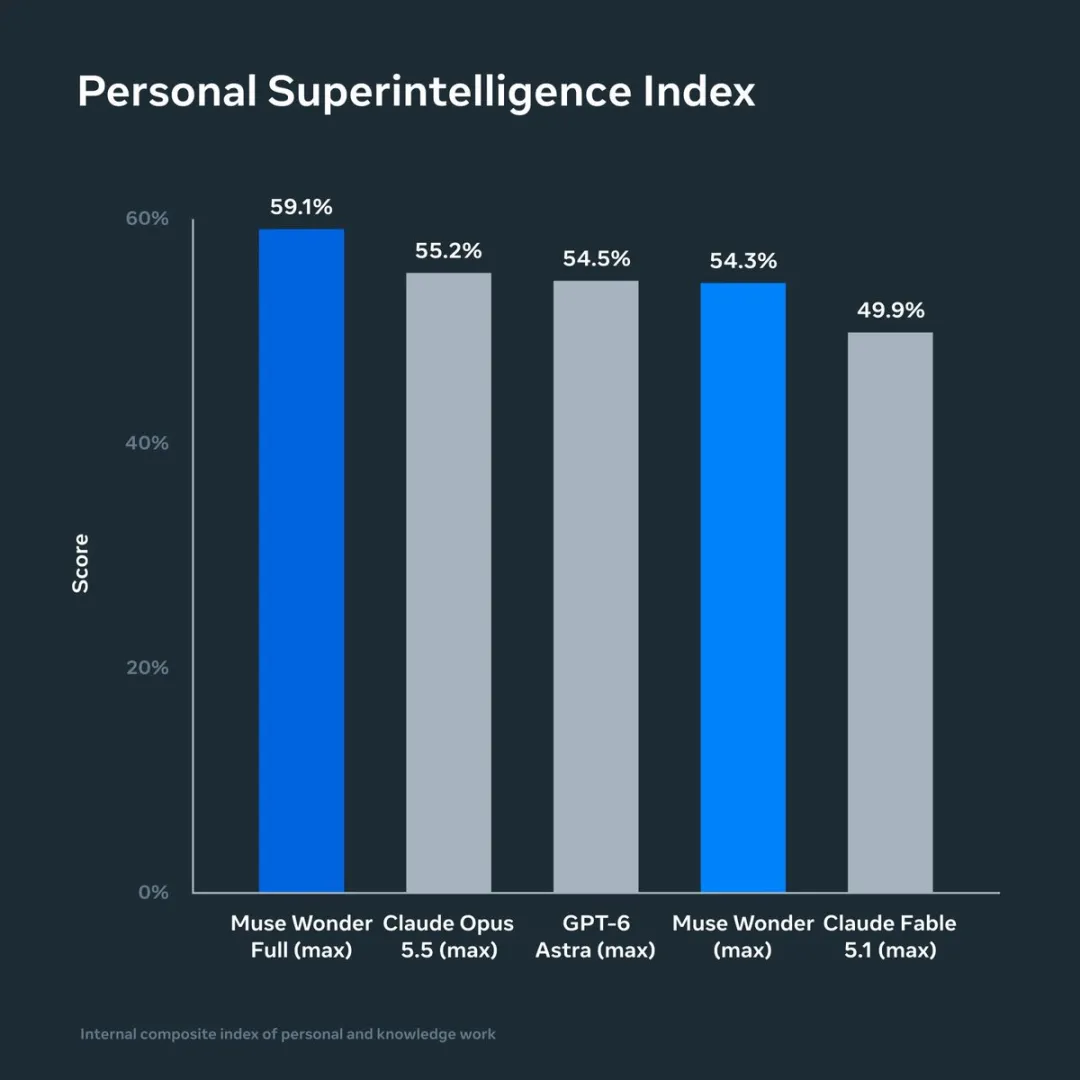
The ultimate goal of Meta is "personal superintelligence". In the self-constructed **Personal Superintelligence Index**, Muse Wonder Full took over.59.1 pointsThe high points directly put Claude Opus 5.5 (55.2 points) and GPT-6 Astra (54.5 points) on the horse.
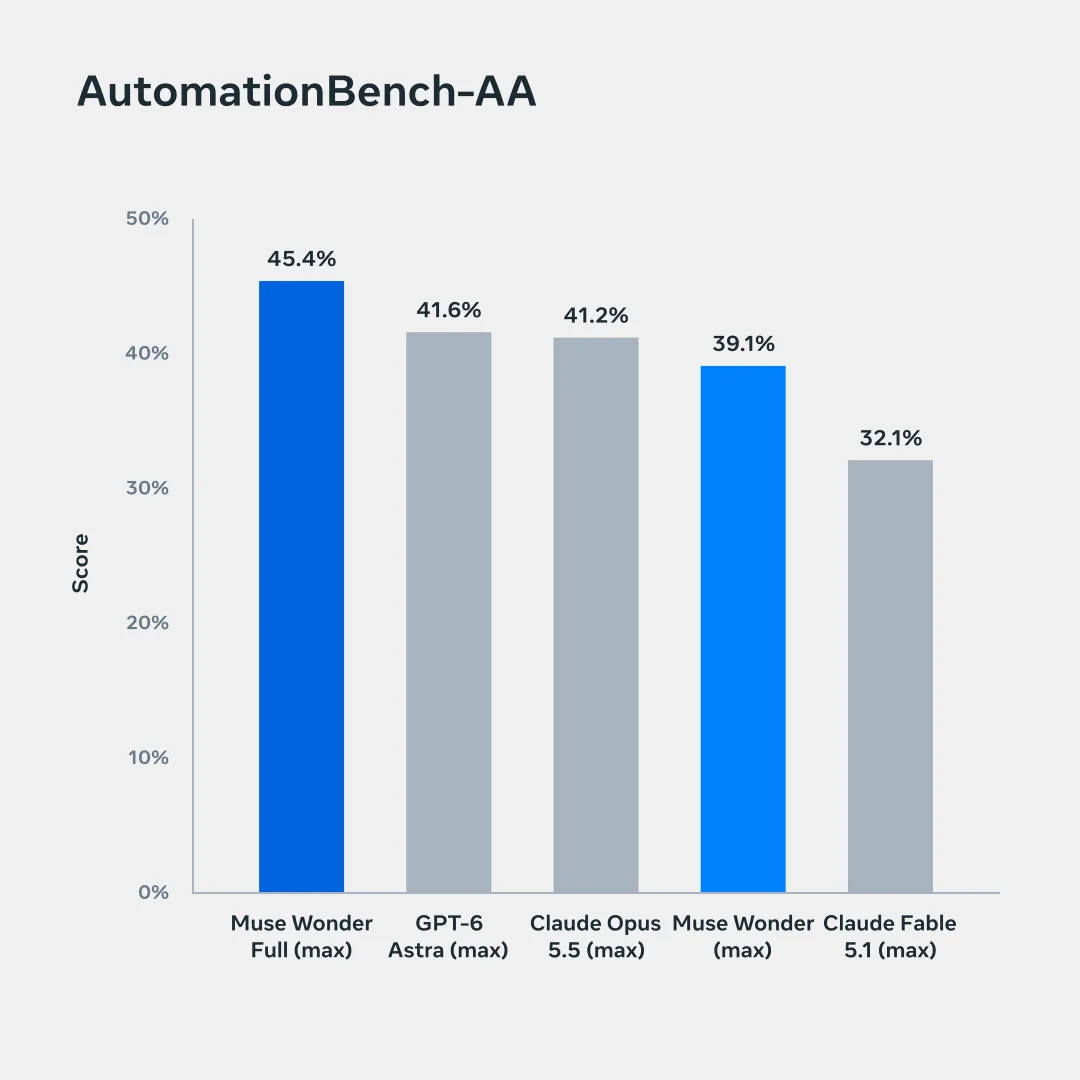
It's about running the entire business process.AutomationBenchIn the test, the Muse Wonder Full was used to test the results of the experiment.45.4 pointsSimilarly, the maximum score of all competitors is only 41.6. This means that when you throw an entire complex real-world task at AI, Muse Wonder is the most reliable executive in the world right now.
Active Memory (active memory) and Active Focus (active focus)
This is the absolute core selling point of this release, and the core of what Muse Wonder is capable of overcoming.
It's easy to "get out of my mind" if you talk about the existing model for a long time.Active memory"Muse Wonder can remember your preferences in a wide-ranging conversation.
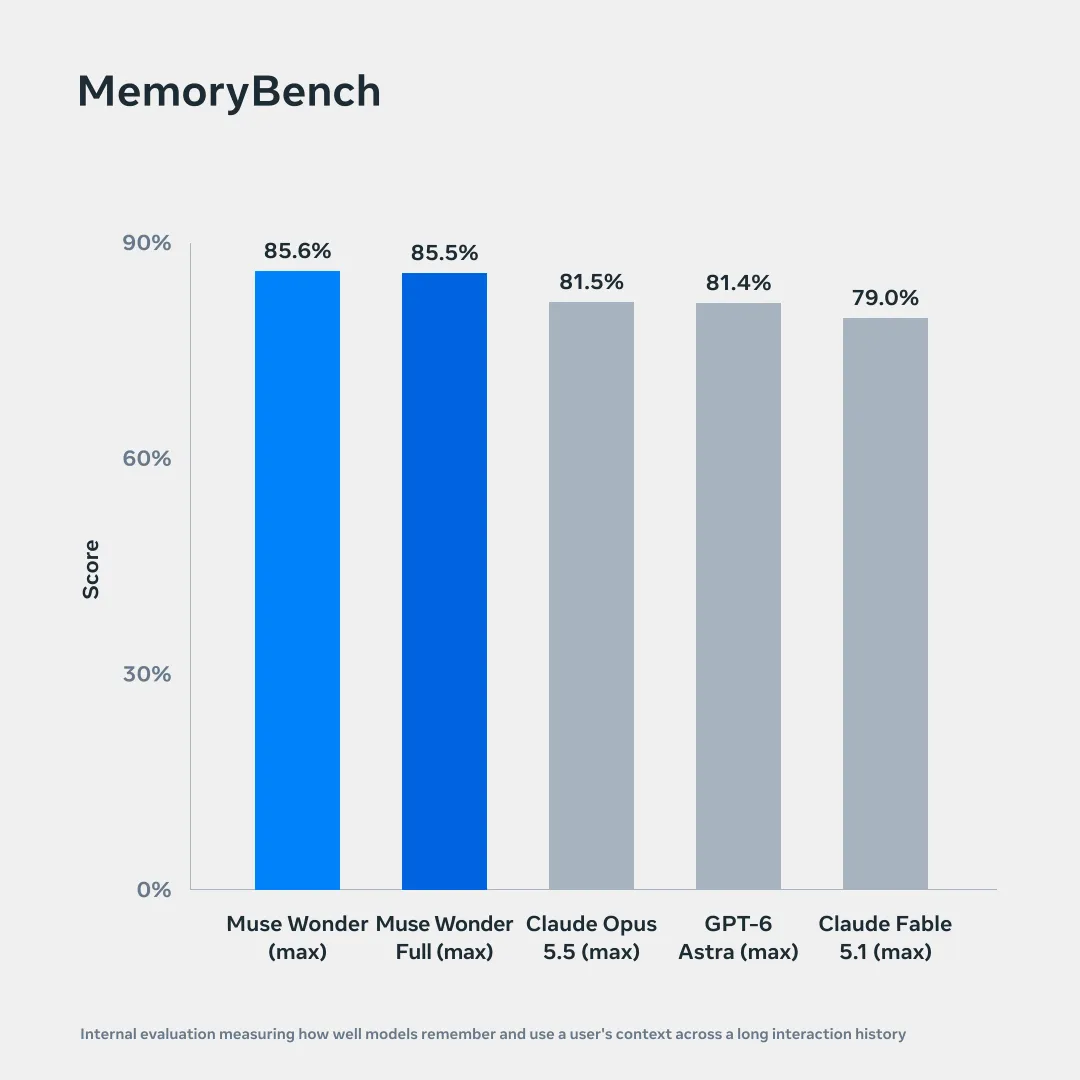
In the midst of a huge amount of interference and contradictory information.MemoryBenchIn the test, the Muse Wonder Full got it.85.5 pointsThis is the first time I've been able to get a copy of Claude Opus 5.5.81.5 pointsIt can even judge for itself what old information is useful for current new tasks and actively adapt it.
Actively focusedIt'sIt refers to AI's "dead end" capability.
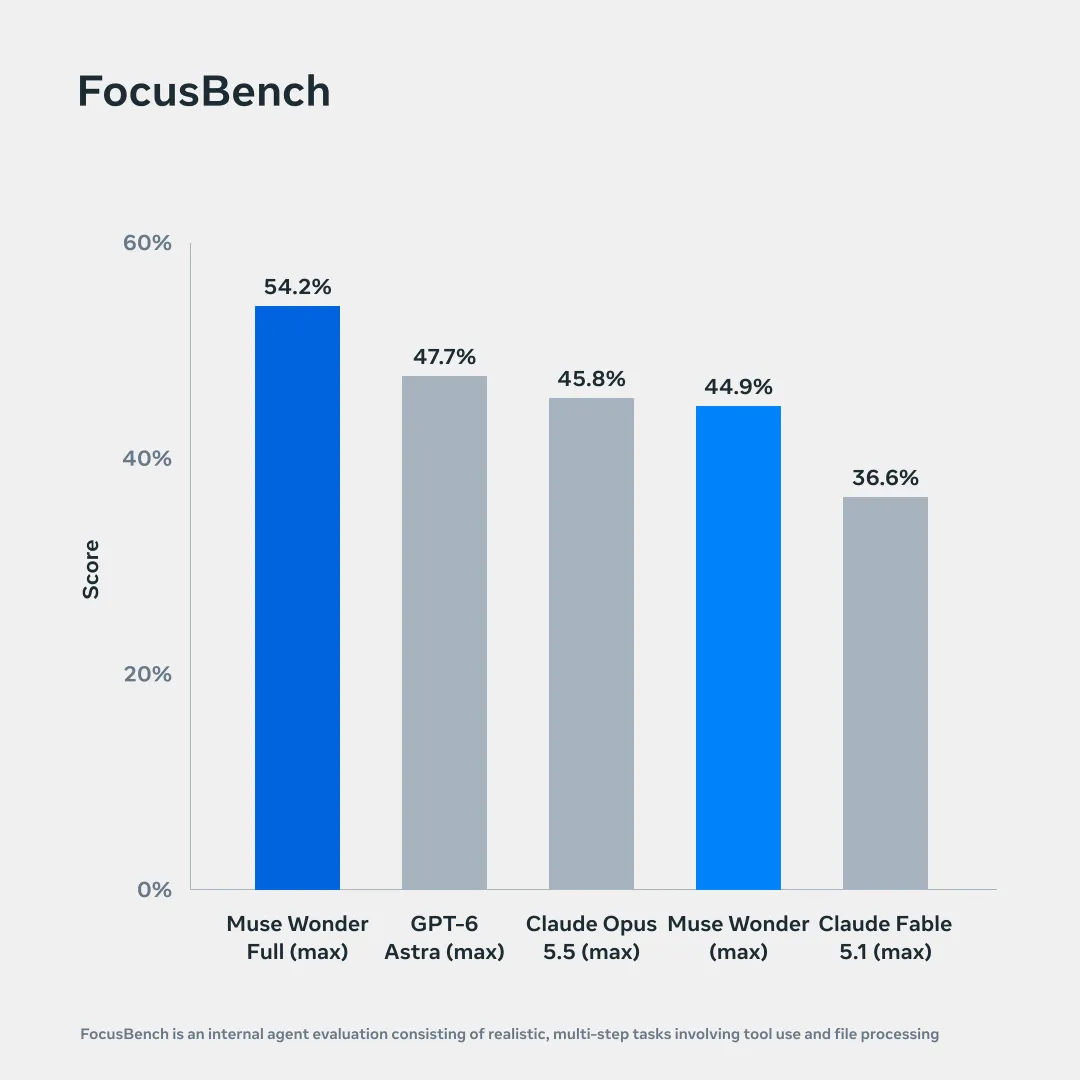
In this way, it is possible to overcome the obstacles to the multi-cycle interaction of the test model.FocusBenchIn the movie, Muse Wonder shows a very strong resilience.
In the official presentation, it can even operate itself directly between browsers and multiple apps, combining the user's reality with a perfect weekend running plan.

King of the Long Cycle Code: OpenAI's Fortress is Dry
When it comes to writing code, you may think that GPT and Claude are strong, but Meta points out that writing several scripts and "building large software" are two-digit things.
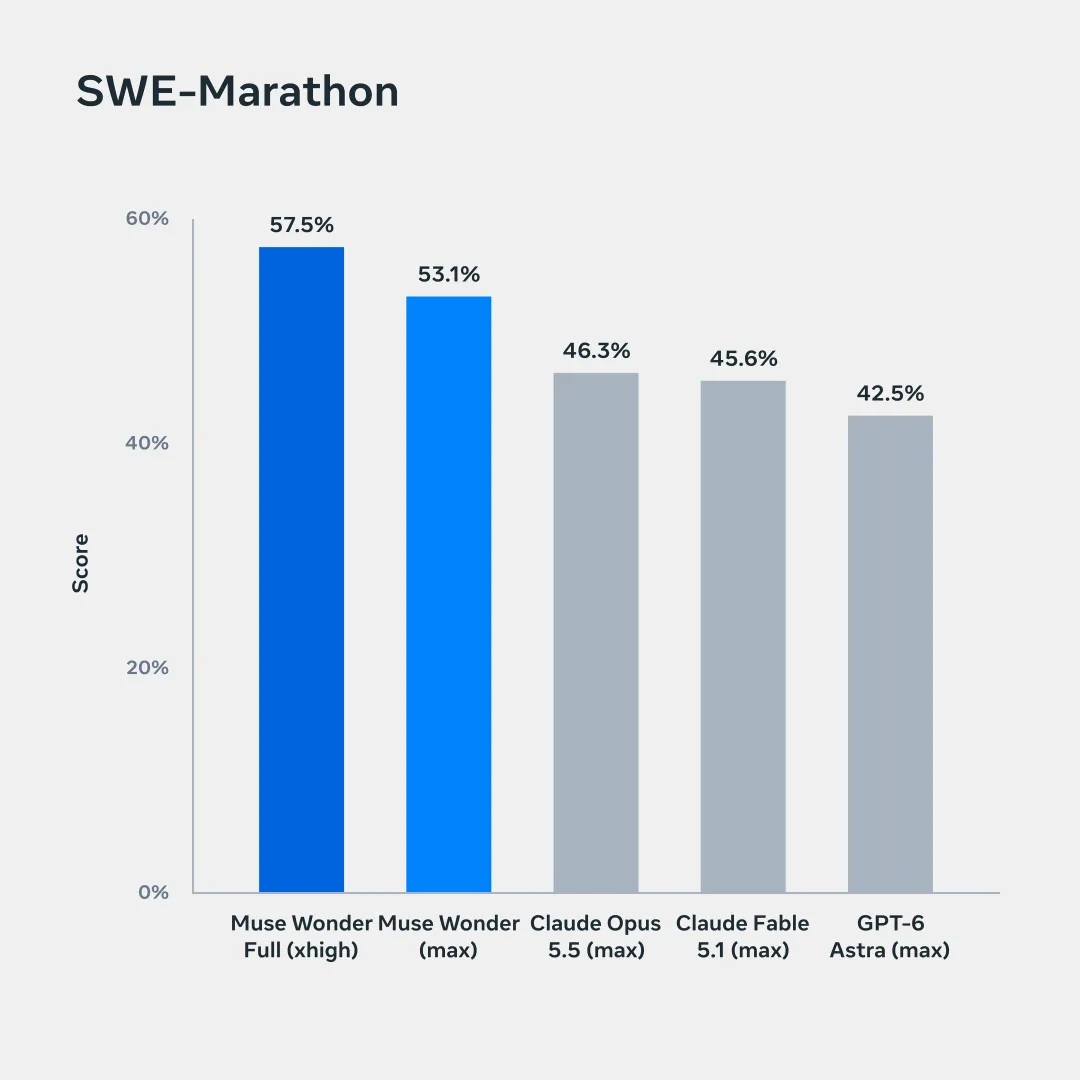
In testing AI for long-term, long-cycle software projects,SWE-MarathonIn the middle, Muse Wonder Full captured the amazing.57.5 pointsIt's also the biggest rival, Opus/Astra.46.3 points!
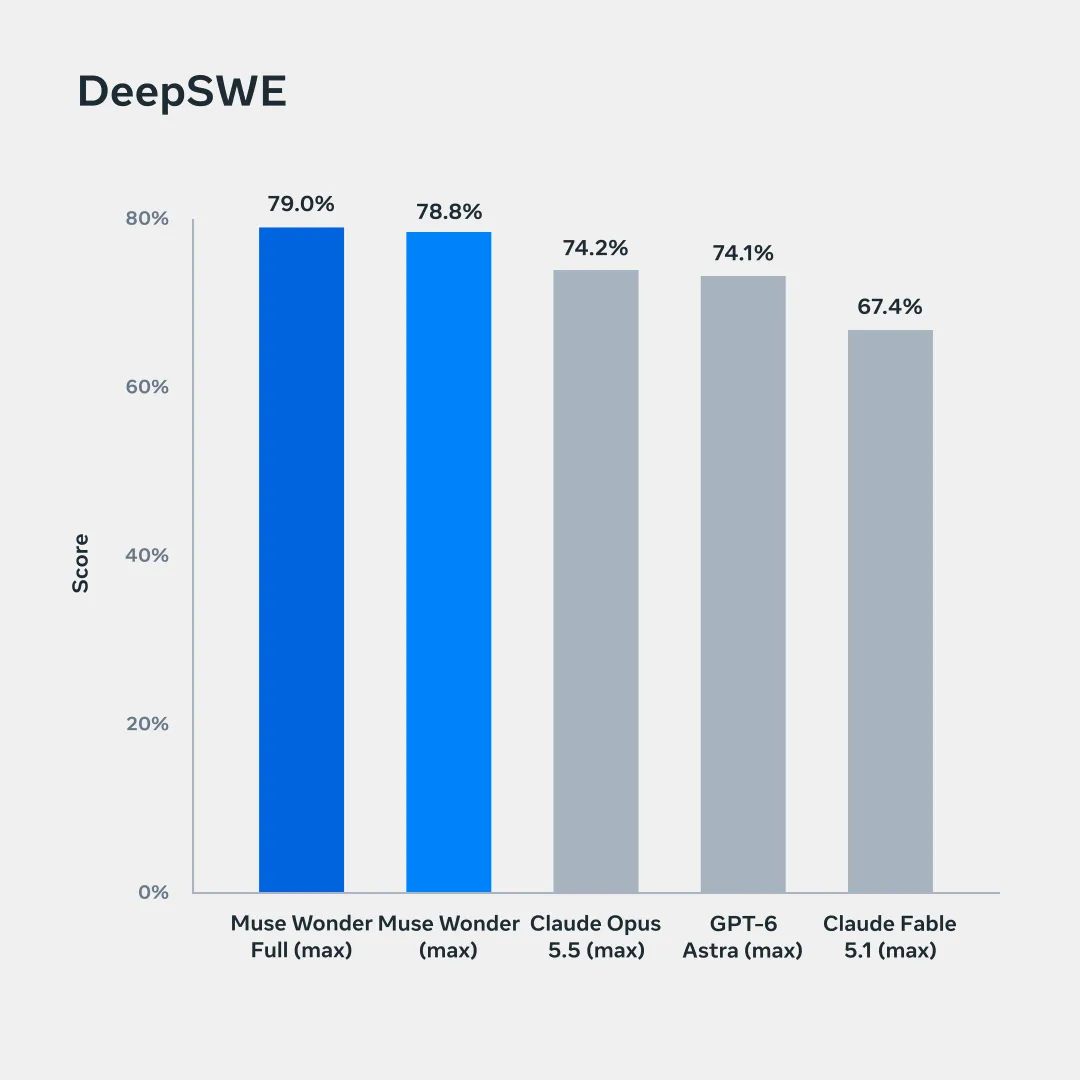
It's not.DeepSWEIt's the same thing.79.0 pointsThat's right.74.2 pointsTake the lead.
If you're going to let AI take a few days to maintain an enormous, exhausting, complex enterprise-grade code repository, Muse Wonder is the current king without a crown.
Experts in vertical fields such as law
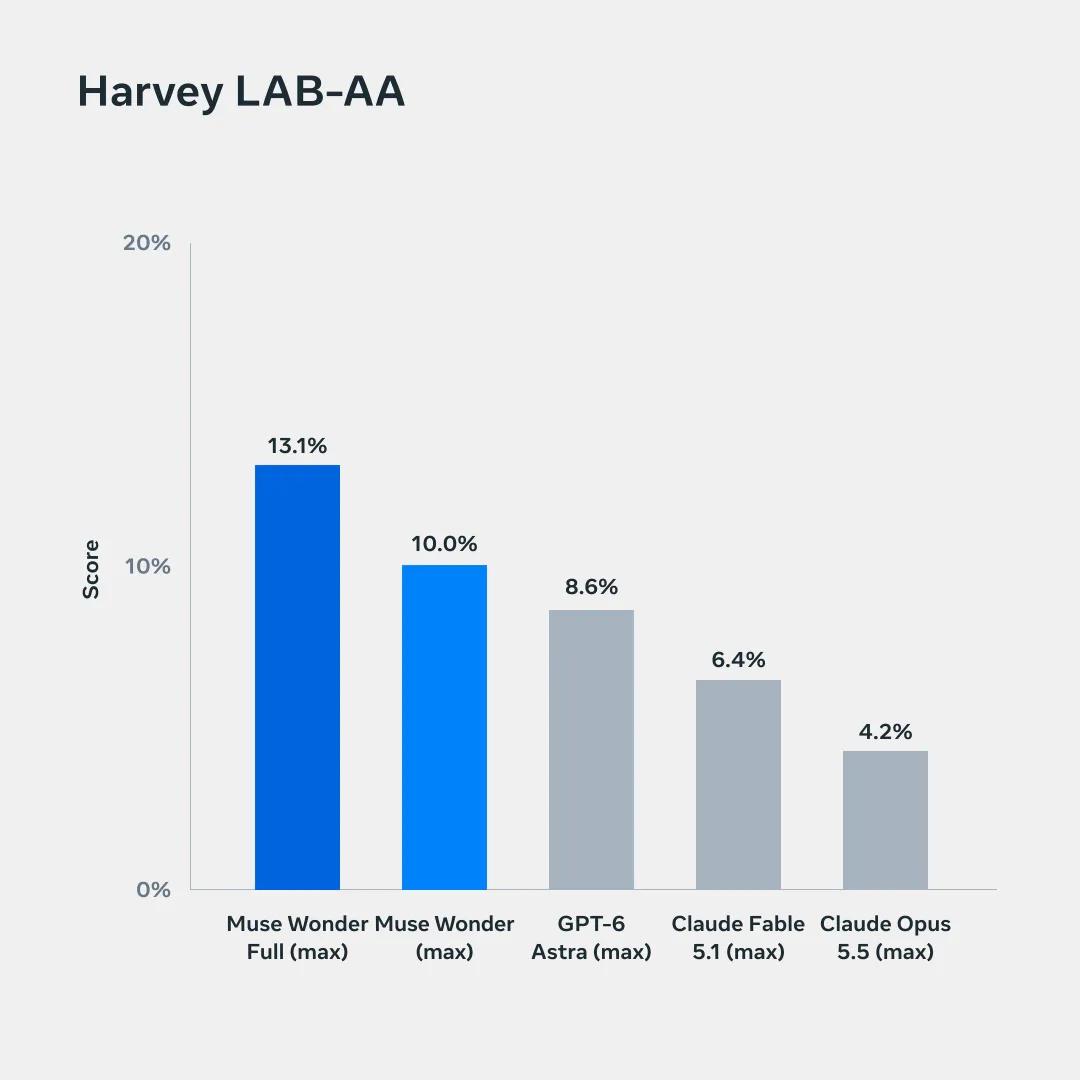
In the ultra-strict Harvey Legal Intelligence Test (LAB), which required the delivery of every item, all models were screaming, but Muse Wonder was still using it.13.1 pointsIt's one of the biggest upsets in the world.8.6 points。
The official response to the "brush list" question: We have "Big Model Smell".
In response to netizens' speculation about "Benchmaxxing" (for runtime optimization/brushing lists only), the official blog directly produced a chart of "Test-time compute scaling" (Test-time compute scaling).
The data shows that with the increase in the number of calculations during testing, compared to the previous generation of the Muse Spark, the Muse Wonder was used in those tests."Out-of-distribution of untrained foreign missions without specifically targeted training".It was a remarkable jump to the top.
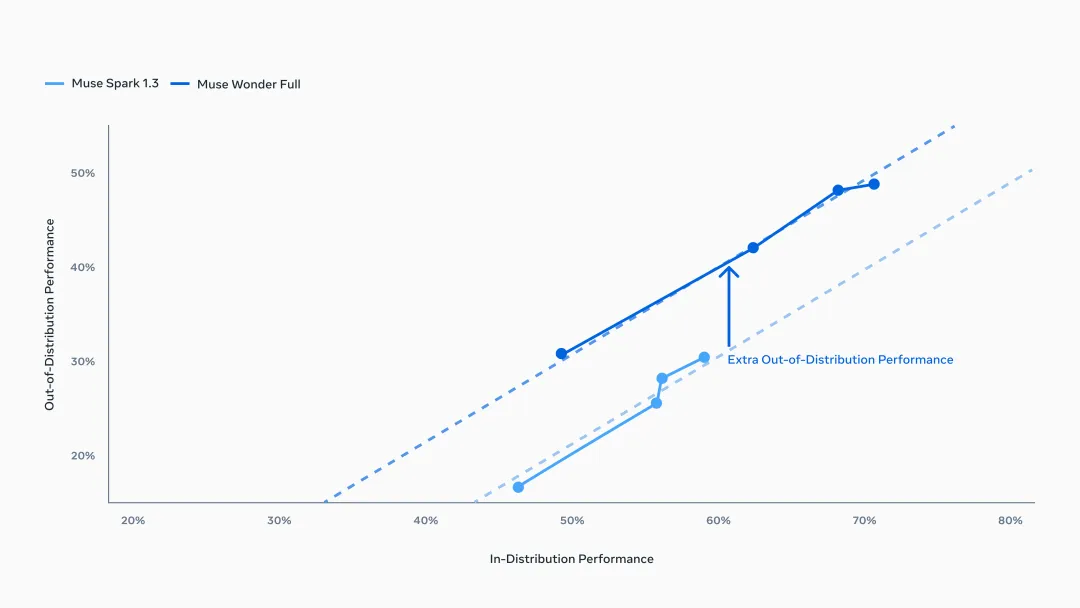
Officials say this is due to its extremely powerful base model base (Base Model), which gives it a very powerful generalization capability.
The shadow behind the bright light, is it really perfect?Of course, despite the poor performance of the official blog, Meta has also honestly put its own "losing" project in the comparison table.
First, in some extremist missions and knowledge reserves, Claude and GPT are still repressed.
In Terminal-Bench programming, it lost 59.1 to Claude Opus 5.5 at 57.1; in ProgramBench writing a complete program from scratch, 59.0 to Opus's 70.5; operating computer operating system operating system (OSWorld) 78.4 at 81.8; in the professional documentation task GDP.pdf, it also lost 34.2 to GPT-6 Astra at 33.2.
This suggests that even in the context of comprehensive knowledge and certain specific coding scenarios, kings can still play.
The second, the strongest version, "Tibet behind the paid wall", is suspected of "cutting dishes".
Notice that the one who punched Astra, Opus, and all the indicators on the official blog, wasThe full version of Muse Wonder FullBut the full version is now available.Payment subscriptions open to Muse Code users only!
Today, developers are able to make calls through APIs, but only at the speed of the game.Based on Muse Wonder。
A third-party review by Artificial Analysis shows that the basic version has a combined score of only 52, which is actually slightly lower than the GPT-6 Astra and Gemini 4 Argon.
Third, APIs are painful.
While it has up to 1 million tokens in the context window, the basic API pricing is up to $4 per million of input and $20 per million of output!
The third party estimates that it costs up to $4.52 to complete a test mission, which is much more than the GPT-6 Astra ($3.26) and Gemini.
The most disturbing thing about the average user is that the average person has to wait and not open source anymore!
The AI assistant for ordinary users, Muse, will also have to wait for the official "step by step" access.
Formerly known as the Llama model for the benefit of all humanity, this time the model car clearly states "take a safety plan to protect the model weight" without mentioning open source only.
Andrew Curran said: "Now that the pace controls are gone, all the big factories are speeding up. Meta has amazing calculations and never stopped building infrastructure".
Popcorn pops up in the hundreds of billions of dollars, and the kids are ambitious.It's clear how much he hoped for Muse Wonder.
In the popular podcast series Cheeky Pint, Za and Alexander Wang discussed how Meta has been building a super-intelligent laboratory for over a year.
In this conversation, Chaza made a number of very subversive points.
US$100 Billion: Unsuccessful and Generous
Do you think big models are "smart start-ups" and small steps are fast-paced?
It's easy to say that the front-end AI model is completely counterintuitive."You have to save $100 billion to $200 billion before you know if you can use the model!"
This almost insane gambler mentality created the Java-class Prometheus data center behind Muse Wonder.
2. The death of interfaces: "Models are products".
In the past, software was attracted by a magnificent UI. But Wang noted that future software interfaces will be infinitely thinned. What really distinguishes a product is the behavior, personality, reliability, memory, and ability to use tools of an AI model.The model itself is the product.
3. Ultimate Form: The B2B Age of AI Agents
He depicts a terrifying and fascinating scenario: After you buy something, you no longer have to browse Amazon. Your personal AI agent will negotiate directly with the vendor's AI agent.
He used to buy food software twice a year and now twice a week because AI agents made it easy to buy.
This means that AI is not only improving conversion rates, it is even creating new e-commerce needs in the open!
With such a magnificent "Agent" vision, Muse Wonder was born.
It's amazing to be outperforming Astra and Fable 5.1.
But next, we'll have to wait for more users to test the power of Muse Wonder.