Fixing bugs, operating computers, planning laboratory operations, optimizing chemical reactions, and even studying complex immune systems.
These seemingly impossible tasks have recently appeared in the same AI self-evolution research framework.
More interesting is the results of the experiments.
In the code repair task, the researchers did not replace the models responsible for writing the code, nor did they increase the budget for online testing, but simply let the world model participate in predicting and selecting code modification programs, and used real feedback to further adapt the predictors.
As a result, the code repair success rate increased from 26.3% to 31.2%.
And when AI moves from writing code to actually operating computers, facing ever-changing screen interfaces that require continuous clicking, input, and window operations, this approach works the same way.
In computer graphical interface interaction tasks, RSI-Anything achieved a relative improvement of about 18.4% on the OSWorld benchmark in the success rate of tasks compared to the original method.
Further to the lab, a strategic model with only 4B parameters, after five successive generations of improvements, increased the planning score from 21.80% to 46.01%, eventually slightly exceeding the reference system using a larger model combination.
In the world of chemistry, 40 similar experiments were conducted, with predictions and feedback-driven searches pushing the average optimum observation yield to 96.15%, while Bayes optimised the control method to 82.16%.
From bugs in a repair program, to real software interfaces for operating, to planning experimental processes, to selecting chemical reaction conditions.
The state-form, operating space and feedback mechanisms of these tasks are quite different, but they can be organized into the same set of improvement frameworks driven by prediction and feedback.
This raises a question worth thinking about:
If AI is a recurring self-evolution, why should it be confined to code, mathematics, or some specific task?
Recursive Self-Improvement (RSI) is becoming an important area of AI research. However, it is not enough to rely solely on clear test results and reward signals to make AI truly move from digital tasks such as code, mathematics, to computer environments that require continuous interaction, to the complex worlds of physics and science.
Changes in state and the consequences of actions in different environments are often more complex, while real-world feedback can be more expensive, scarce, or even difficult to obtain directly.
What if AI could build predictive models for different worlds, predict possible consequences before real action, and then use real feedback to continually improve itself?
On October 12, PhAI Labs released the RSI-Anything: Unlocking Recursive Self-Improvement with World Models technology report, which explores a path to cross-domain recursive self-improvement through world models.
The research continues the technical route of JEPA-Anything.
JEPA-Anything explores how to model the laws of change in different worlds, such as vision, molecules, physics, and life, through general predictive learning principles.
RSI-Anything further asks:
When different worlds become predictable, can we make them an environment for AI self-evolution?
From World Modeling Anything to Recursive Self-Improvement through Anything.
This time around, the world model is no longer just used to predict the future, but becomes a key component of connecting different environments with intelligent self-evolution.
RSI-Anything technical report:
The RSI-Anything project code is:https://github.com/Gen-Verse/RSI-Anything
The JEPA-Anything paper:
JEPA-Anything GitHub:
PhAI Labs official website:
01 From modeling everything, to letting everything drive AI evolution
In order for AI to continue improving itself in different environments, one question must first be addressed: How do we understand the possible consequences of action?
In the world of code, running tests can yield relatively clear feedback. However, in chemical experiments, changing a reaction condition may require real experimentation; in biological systems, a single intervention may even cause complex multi-dimensional changes.
If every learning had to rely on true trial and error, the space for AI to explore would be markedly limited.
The world model offers another possibility: allowing AI to first learn the laws of change in the environment and then use predictive auxiliary action options.
Previously, JEPA-Anything, developed by PhAI Labs, has explored a unified predictive learning mechanism in the fields of vision, biology, clinical, control, molecular dynamics, physics, and weather.
Its core method, OPF, studies the laws of variation in different systems by breaking down complex states into complementary predictive factors.
Related studies have even shown cross-disciplinary applications from tumor intervention analysis to planetary orbital laws.
But predicting the world is just the first step.
Even if a world model can predict the outcome of an action, it doesn't represent Agent knowing how to choose, how to learn, nor does it mean it can continue to improve.
RSI-Anything is trying to move beyond this: connecting the predictive capabilities of the world model with Agent's action choices, real feedback and system updates.
While different worlds do not need to share exactly the same data or model parameters, they can share a set of underlying improvement mechanisms.
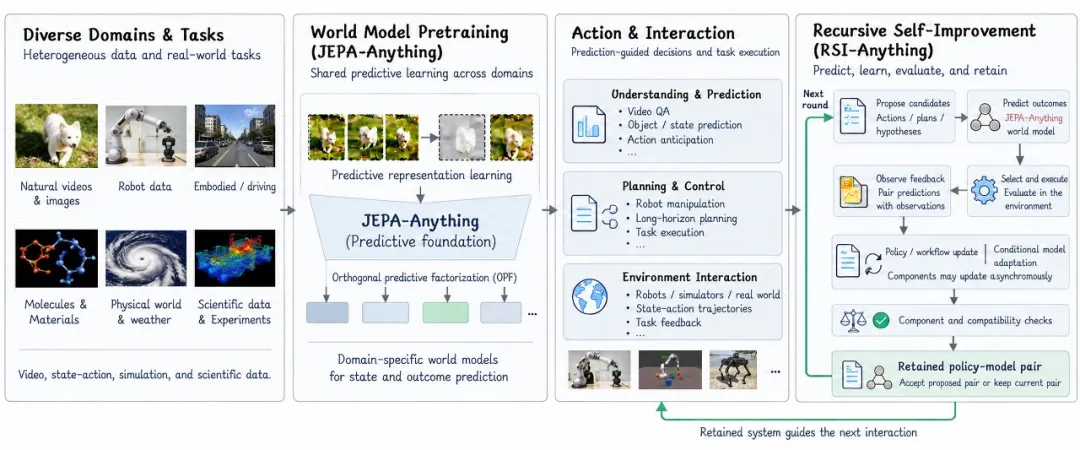
Figure 1: From cross-disciplinary predictive learning in JEPA-Anything to the recursive improvement framework in RSI-Anything
02 RSI-Anything: How did the World Model and Agent form recursive improvements?
Using world models to aid decision-making is not a new concept.
From Model-Based RL to Dreamer, MuZero, AI has been able to plan and learn using environmental prediction.
RSI-Anything further focuses on how to make predictions, actions, real feedback, and updates to strategies and world models themselves, a recurring process that can be replicated across domains.
Its core processes can be summarized as:
State → Action → Prediction → Feedback → Improvement
First, Agent generates a candidate action, a world model that predicts the possible consequences of different choices, helping the system determine which programs are more worthy of execution.
After actual execution, feedback is not only used to solve current tasks, but can also continue to support strategy learning, workflow revision, or world model adaptation.
And there is a problem that is easily overlooked.
When the Agent's strategy is updated, it may explore states that have never been touched in the past; an accurate model of the world may not yet be able to reliably predict new actions.
In turn, updates to the World Model may also change Agent's judgment on candidate actions.
Agents change the way the world is explored, and the world model needs to adapt to these changes.
To this end, RSI-Anything allows Policy to be updated asynchronously with the World Model, and introduces component evaluation and compatibility checks.
Not every update is accepted directly. It is only through a combination of strategies and world models tested accordingly that it will be retained as the starting point for the next round of improvements.
In this way, the system not only uses feedback to modify the current answer, but also attempts to transform the experience into the ability to continuously influence follow-up and learning.
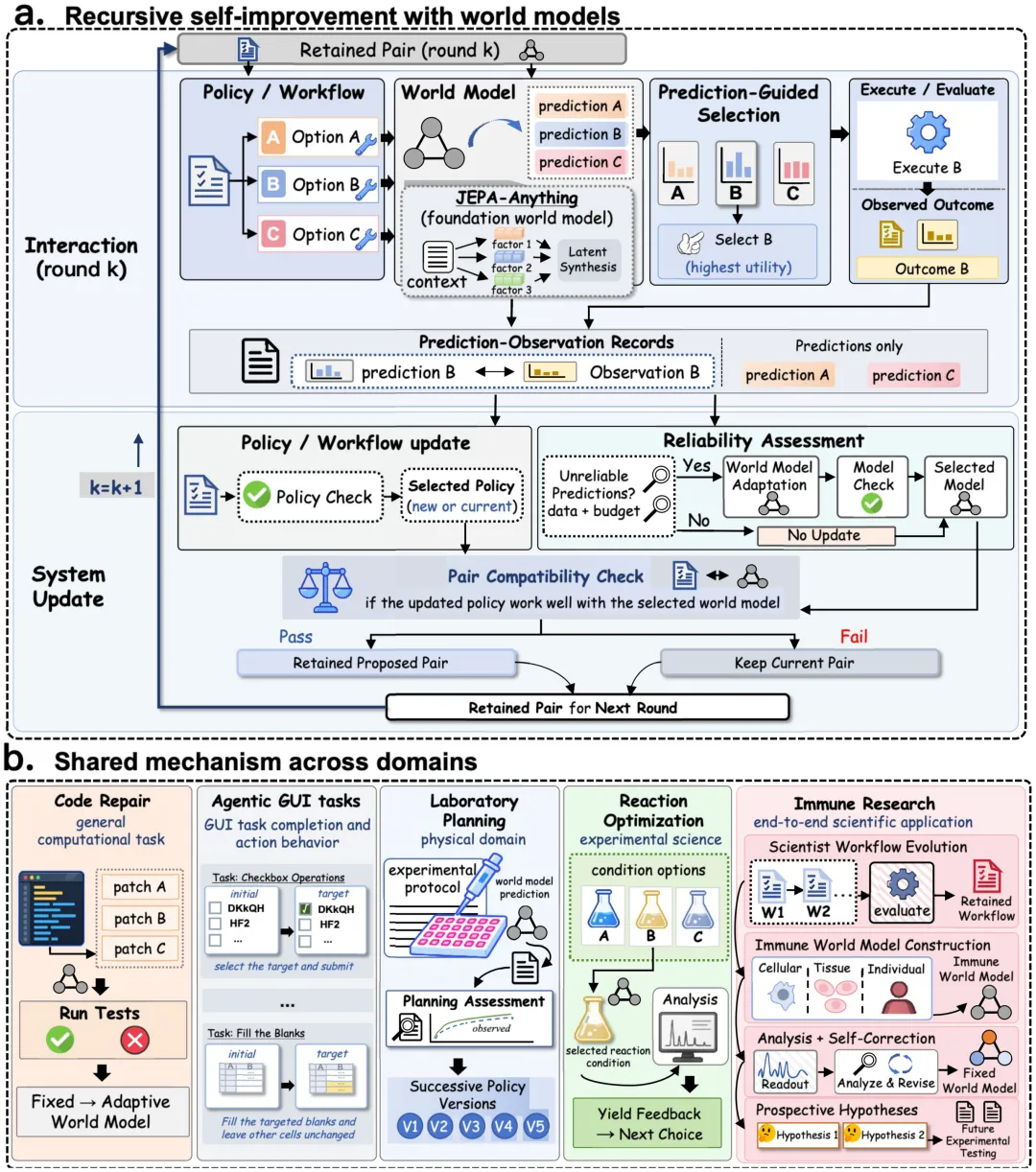
Figure 2 provides an overview of the RSI-Anything framework, highlighting predictive selection, feedback updates, and compliance checks and recursion cycles.
03 From Coding Agent to GUI Agent to Science: RSI experiments in different worlds
If the method can be called Anything, the key is whether it can span different tasks and forms of feedback.
The team verified the different mechanisms of RSI-Anything in code repair, graphical interface interaction, laboratory planning and chemical reaction optimization, respectively.
(1) Code: Not upgrading Coder, but fixing more bugs
In the CodeContests code repair experiment, the researchers fixed ReasonFlux-Coder-7B, generating four candidate patches per round, and then selected one to execute.
Different methods use the same code generator and candidate budget.
As a result, static Verifier's repair success rate was 26.3 percent; it rose to 29.2 percent after the introduction of the Fixed World Model; and further to 31.2 percent after the implementation of the Feedback Adapted World Model.
At the same time, the average number of online test calls is basically around 3.7 times per mission.
This shows that enhancing the ability of the Agent does not necessarily depend on a stronger generating model or more real test errors.
It is also possible to improve the performance of the system by making the world model more accurate in determining which actions should be carried out.
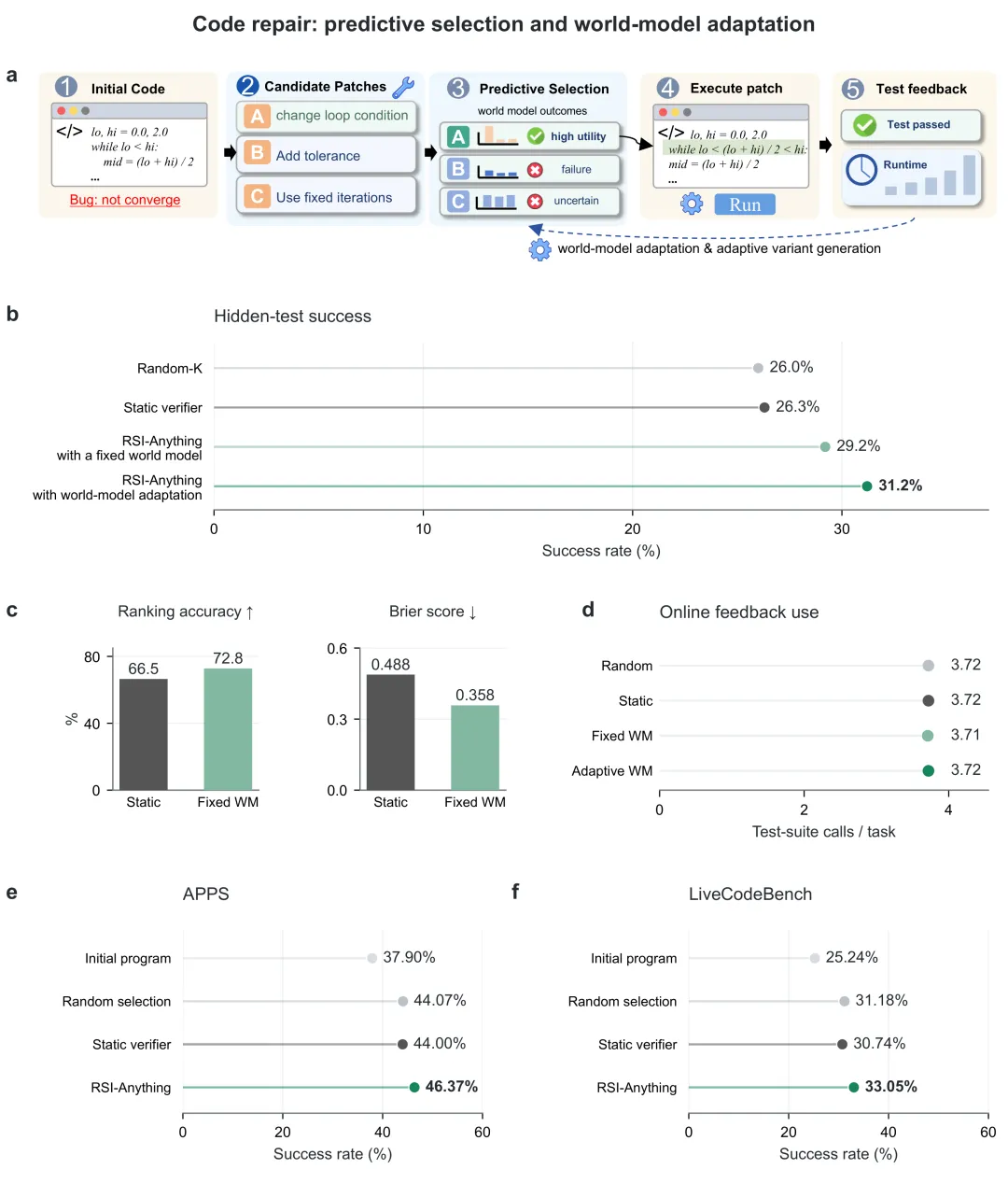
Figure 3 compares the performance of code repair tasks
(2) GUI Agent: From code generation to computer interaction
In addition to code repair, RSI-Anything also explores further improvements in the capabilities of GUI graphical user interfaces.
Unlike code tasks, GUI Agents need to understand the visual information on the screen and interact with the environment through operations such as mouse, keyboard, etc. Each step may change the state of the interface, which raises higher demands on the understanding of the environment and continuous decision-making ability of the intelligent body.
On the representative computer operating benchmark OSWorld, RSI-Anything achieved a relative improvement in mission success rates of about 18.4%, demonstrating the potential for application in complex graphical interface interaction tasks.
This result further demonstrates that the application of RSI-Anything is not only limited to code generation, but can be extended to intelligent body tasks that require continuous observation, action and interaction with the environment.
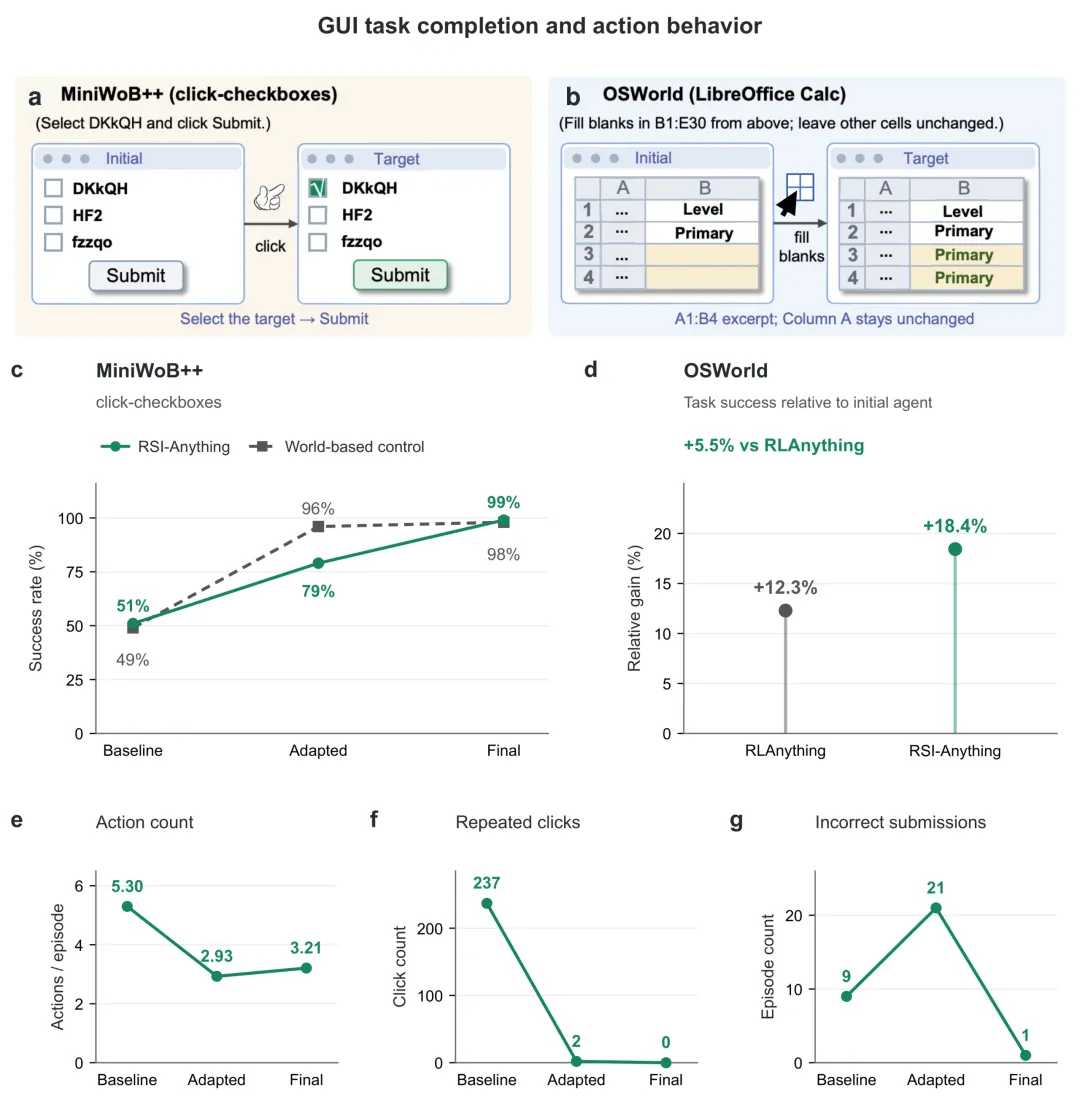
Figure 4 Completion of GUI tasks and actions
(3) Laboratory:4B model has been continuously improved for five generations, doubling planning scores
In a LabHorizon lab planning mission, the research team examined the performance of five consecutive versions of a 4B strategy model.
Its planning scores are as follows:
21.80% → 38.03% → 41.99% → 44.56% → 46.01%
The final version reached about 2.1 times the initial score, and was slightly higher than the 45.32% of the Actor Simulator Selector reference system.
This result demonstrates the potential for the system to continuously maintain policy updates and gradually improve complex experimental planning.
It should be noted that the test protocol planning quality is measured here, not the success rate of real wet experiments.
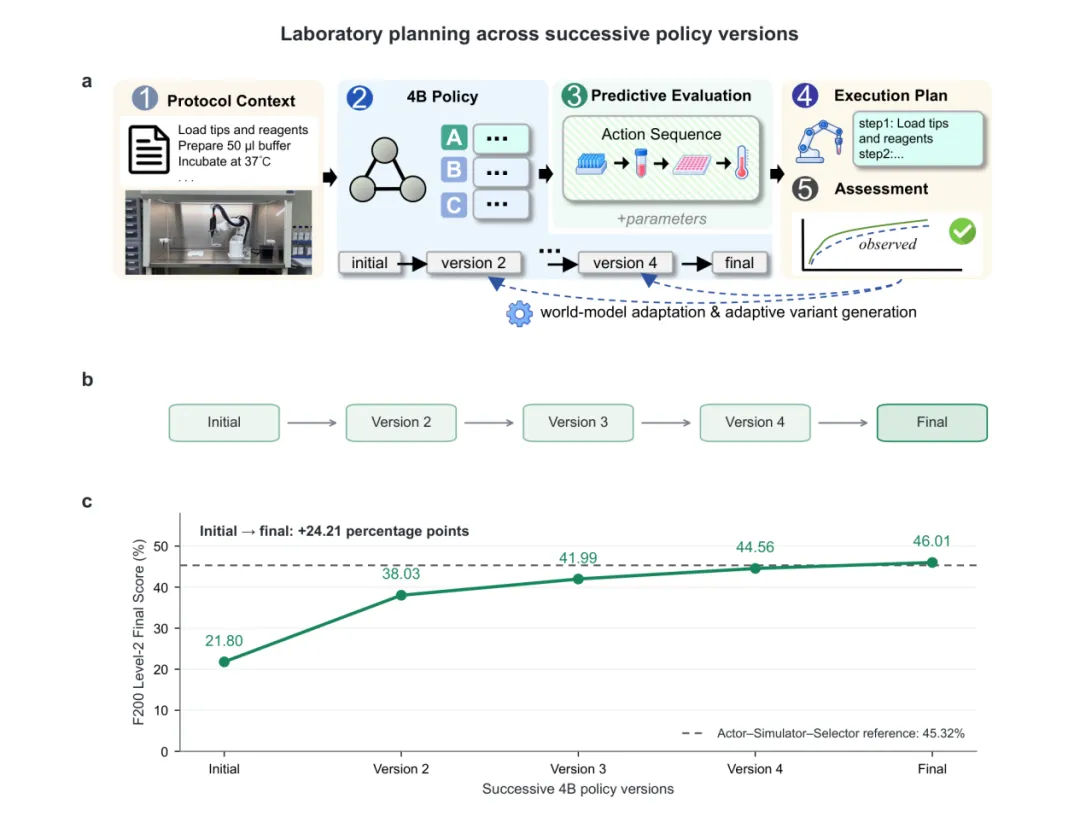
Figure 5: Strategic mutations in the results of the lab's task planning
(4) Chemistry: 40 experiments to find the reaction conditions for higher yields
In chemical reaction optimization, RSI-Anything uses world models to predict the possible outcomes of a combination of conditions such as catalysts, couplers, solvents, and combines real measurement feedback to select the next round of experiments.
In two sets of Suzuki Miyaura response screening missions:
After 20 experiments, the optimum observation yield was 93.0%, up from 87.5% in Bayes optimization.
After 40 experiments, the average optimum observation yield was 96.15%, up from 82.16% in Bayes optimization.
For scientific research with a limited experimental budget, this means the same number of experiments and the opportunity to get better results.
From code testing, graphical interface interaction, to experimental planning and chemical yield measurement, the four types of tasks vary in status, action and feedback mechanisms.
But together they showed a direction:
Predictions and feedback from different worlds can be used through similar underlying mechanisms for decision-making and learning to improve intelligent systems.
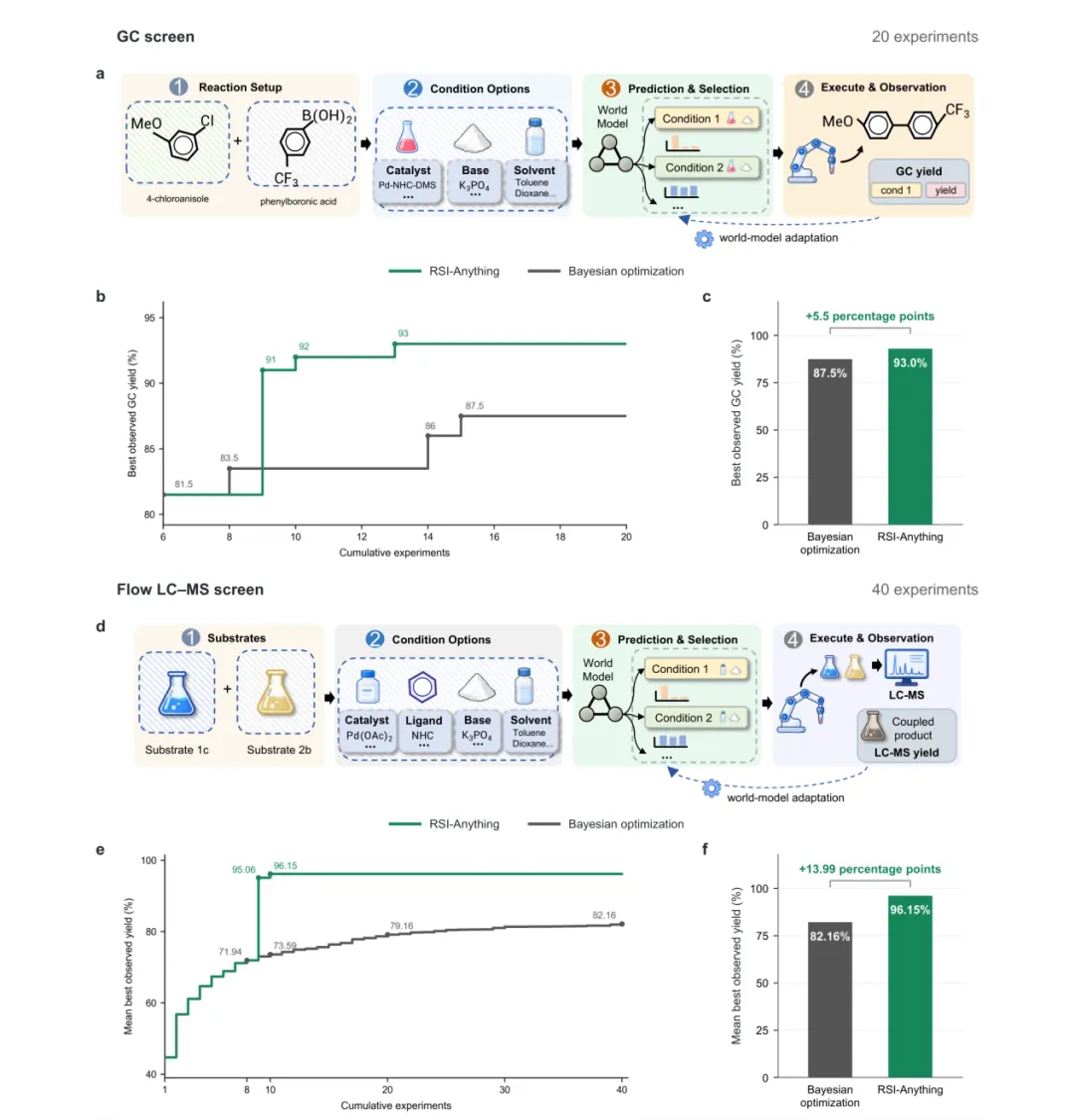
Figure 6 Comparison of experimental results of the chemical reaction optimization task
04 From problem solving to exploring the unknown: When RSI Meets Immunology
If coding and chemical experiments focus primarily on how to improve the performance of a given task, then immunology brings RSI-Anything into a more open research process.
The immune system involves different scales of cells, tissues, and individuals. The same interventions can also produce very different outcomes in different immune contexts.
Earlier, research at PhAI Labs presented the EvoIWM (Evolutionary Immune World Model) as an attempt to build a world model that could predict multi-dimensional changes in immune status and the consequences of intervention.
In the end-to-end applications demonstrated by RSI-Anything, the research team used the workflow of Agent Genesis Evolutionary Science to construct a model of the immune world, and then, through model-driven analysis, evidence testing and self-correction, screened for potential interventions.
The study ultimately proposed a candidate joint intervention hypothesis involving SIRPα inhibition and regulation of the IL-36γ axis, which remains to be verified in subsequent experiments.
Here, the world model is no longer just predicting the outcome of a single action.
It began as a scientific agent for analyzing complex systems, comparing interventions, and correcting research judgments.
This also leads to a more imaginative direction:
When AI is able to learn the laws of change in different worlds, can it not only improve its ability to solve problems, but also become more involved in new problems worth exploring?
Figure 7 Workflow evolution and application of world models in immunological research
05 Anything: Making the whole world a training ground for intelligent evolution
Looking back at JEPA-Anything and RSI-Anything, the two studies are actually moving along a technological path.
JEPA-Anything attempts to build interdisciplinary predictive learning mechanisms that allow AI to learn how different worlds change.
RSI-Anything further links prediction with real action, external feedback and system updates, and explores recurring self-improvement frameworks that can be replicated across domains.
Anything here does not mean that a world model can understand everything, or that an Agent can evolve autonomously in any given environment.
The real attempt to unify is the underlying mechanism of the different worlds, from prediction, interaction to self-improvement.
Of course, current research has verified various links, such as predictive selection, model adaptation, strategy mutation and feedback-driven search, respectively. To allow strategies to evolve in long-term, steady sync with world models in the same complex environment is still a goal that needs verification.
However, the space directed by this route is not limited to a single benchmark or scientific field.
Future intelligent systems will constantly face new tasks, new environments and new patterns of failure. Whether these changes continue to generate learning signals may be an important question for further improving intelligence capabilities.
The world model provides a potential foundation: to make complex environments predictable, to allow real feedback to be used to correct judgments, and to allow verified improvements to impact subsequent learning and action.
From coding to graphical interfaces, from digital environments to the physical world, to complex scientific exploration.
Science is not just a vertical application of RSI. Because it contains complex environments, expensive feedback, and a large number of unknown problems, it could be an important training ground for testing the limits of the self-evolution of intelligent systems.
From World Modeling Anything to Recursive Self-Improvement through Anything.
JEPA-Anything explores how to make AI predict different worlds and RSI-Anything further explores how to make predictions and feedback in these worlds a resource for continuous improvement of intelligent systems.
From modeling everything, to letting everything drive intelligent evolution.