“ Is it possible to replicate 10 billion hard-to-build industrial scenarios and addiction samples?
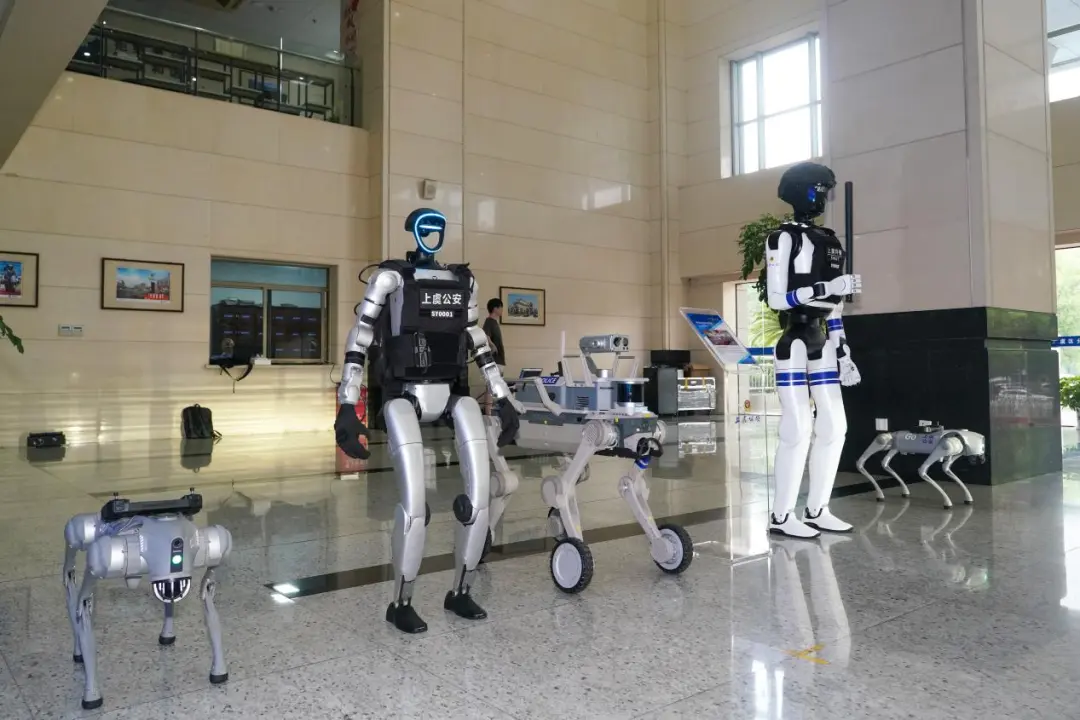
On October 3, the People's Daily of Xi'an published a single headline article in Xi'an's upper Zhejiang Shaoxing city's upper Zhejiang district on the implementation of the Zhejiang artificial intelligence + Zhejiang operation due to the development of the state-of-the-art equipment industry. A district-level subject headline, which relies on this group of figures: Zhejiang has introduced 20 smart equipment industry projects, total investment of over 150 billion yuan; at the end of 2025, the survey survey surveyed more than 110 chemical enterprises and analyzed 6 types of scenarios such as security patrol, hazardous operation supervision, selected 5 business pilot; 40 data collection machines, such as high temperature, high electromagnetic processing, and more than 150,000 high-precision operational data under high-temperature conditions.
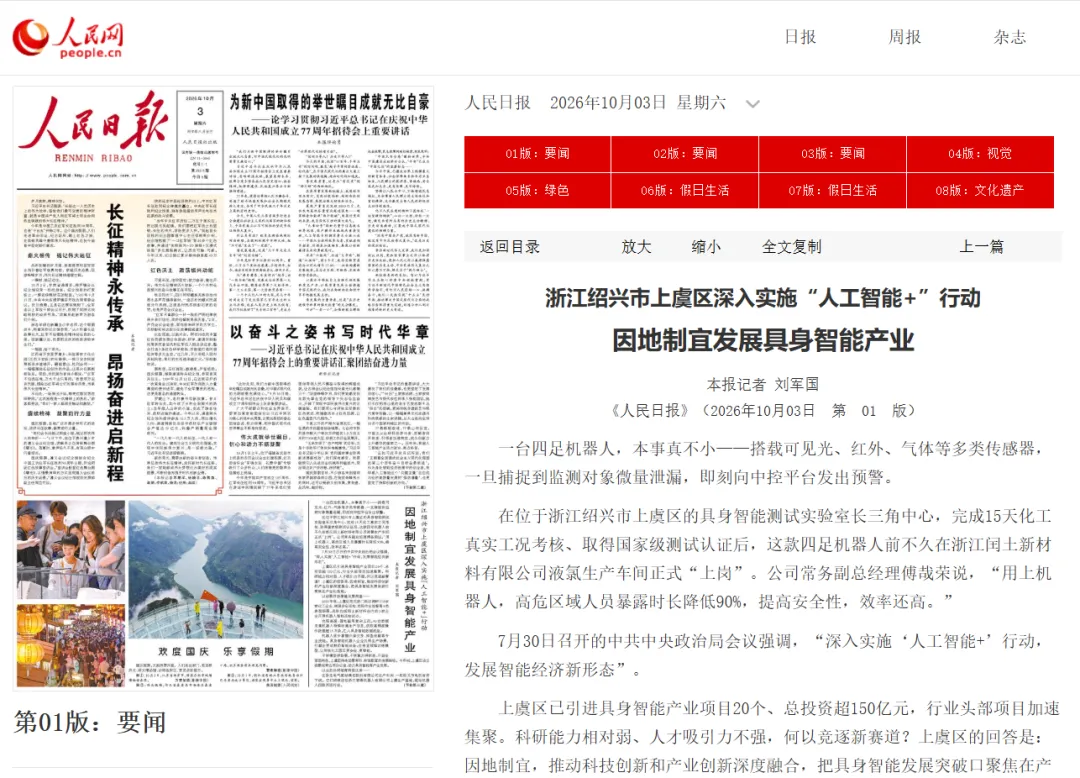
A four-legged robot completed 15 days of verification of real working conditions, obtained a national-level test certification, entered a liquid mill of new materials in the ground, reduced the exposure time of people in high-risk areas by 90%. Locally, the route is summarized as: not to match the model, not to match the scene, not to match the manufacture, not to follow the full tracking characteristics.
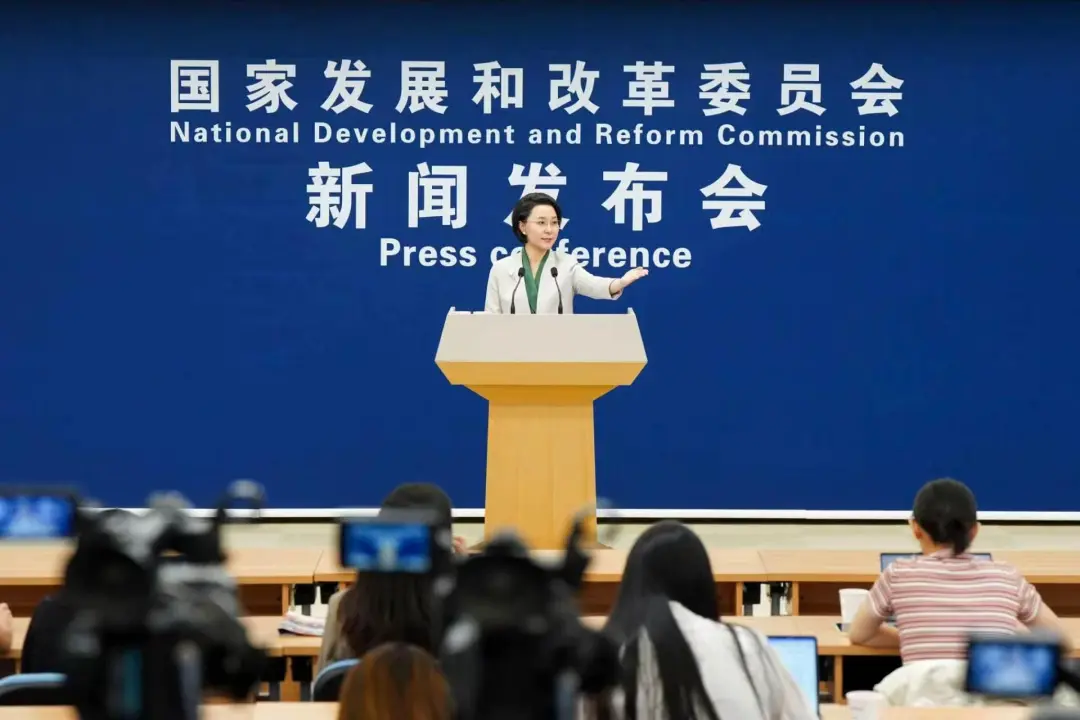
Five weeks ago, on 28 August, National Development and Reform Commission press spokesman Li Yu, in a regular conference, reminded that the robotics industry should prevent blindness and wind, one step at a time, to build a high-quality real machine data collection system, support multi-technical route exploration, and promote the construction of a unified technical standard system.
Warning before, demonstration after, and five weeks in the middle. People's Daily's statement in the same report was: "Research capacity is relatively weak, talent is not attractive. It pushes the scene. This path must be established provided that the scene can continue to produce real-time data".
01.
40 robots a year, almost 10 million hours away?
The Joint Human Robotics Laboratory of the Chinese Institute of Artificial Intelligence (Shanghai) Ltd., published on 18 August 2026 by the Intelligent Body Testing Laboratory, has calculated a notebook: a body-based model needs at least 10 million hours of real data to emerge; a single robot works 2 hours a day, 300 days a year, and requires more than 20,000 robots to work continuously throughout the year. Currently, only hundreds of thousands to millions of hours of high-quality real data are available globally.
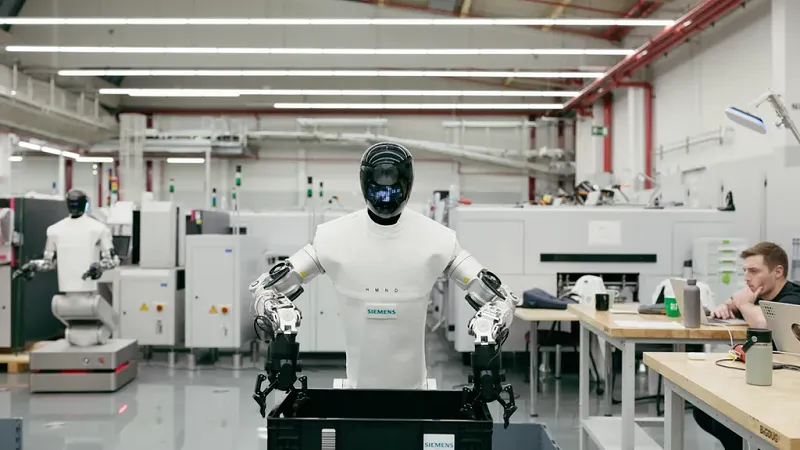
According to this calculation, the 40 data-gathering robots in Shanghai run 24,000 full-load hours a year, about two-thousandths of the threshold of 10 million hours.
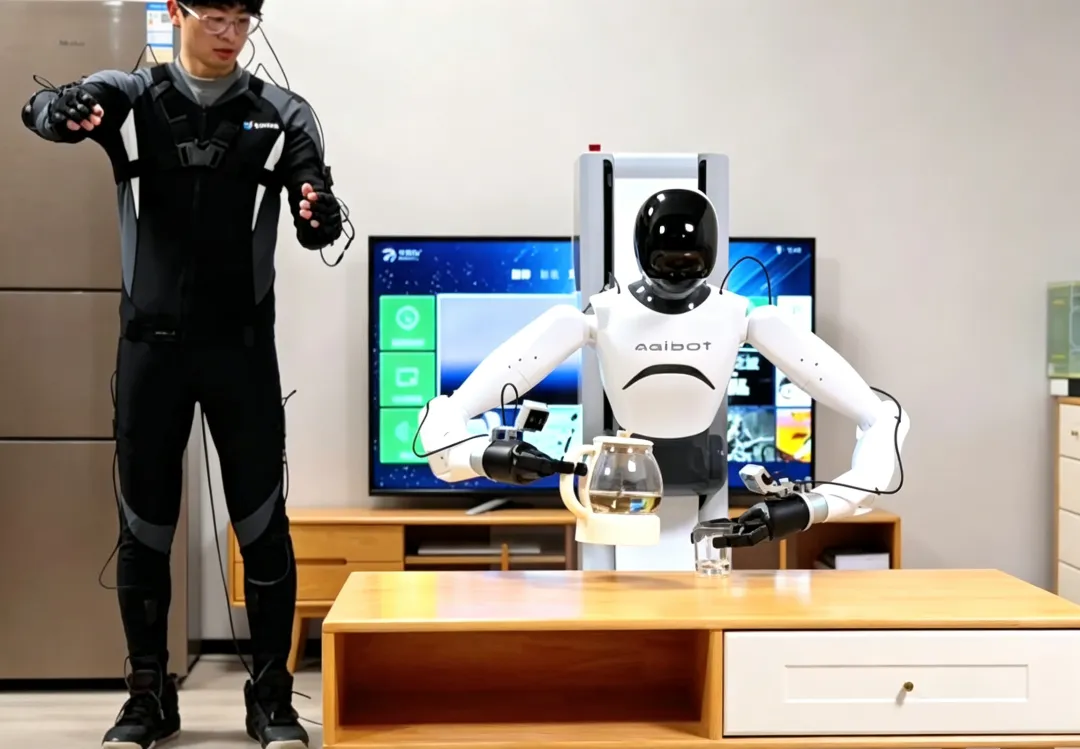
Another statistic reported is that the training ground is breaking through past patterns focused on provincial assemblies, municipalities and first-tier cities, extending to third-, fourth- and even fifth-tier cities.
In the specific county area, the scale gap is not small. In Jinan City, Pyongyang County, this March, the Human Personality Robot Data Training Center, 4,000 square meters, 11 types of high-simulation training scenarios, and the provision of 45 human personality robots, is currently the largest training site in Shandong Province.
The 150,000 articles published above are high-precision operational data sets, calculated by the number of operations; model training consumes continuous interaction data on the hourly scale.
02.
More than 70 training camps have been built, how do you get the money back?
Statistics: As of the end of June 2026, more than 70 equipped and intelligent training sites were in operation nationwide, 46 of which are under construction or planned, distributed in 18 provincial administrative districts. According to the covered industry scenario, training sites containing industrial manufacturing scenes accounted for 86%, household services 62%, commercial retail 60%, health care 30%, special emergencies 25%. One training site can cover multiple scenarios, the proportion is overlapping.
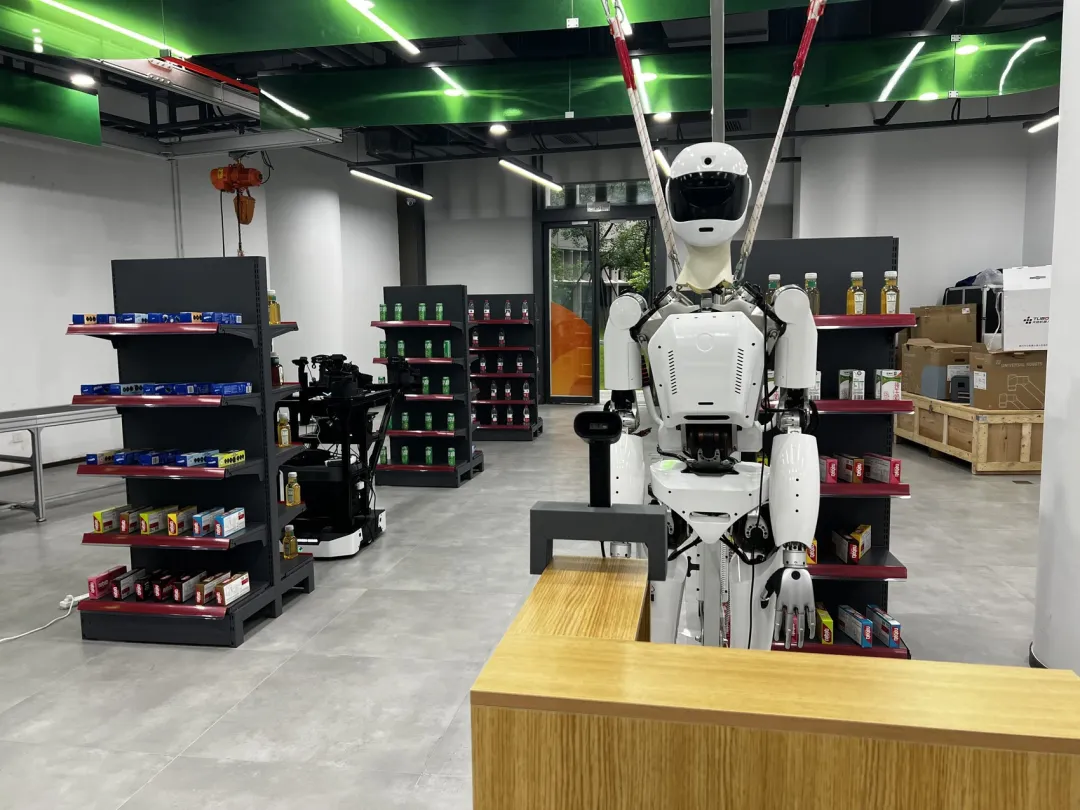
A training ground of more than thousands of square meters, costing tens of millions of yuan to hundreds of millions of yuan, physical procurement is the largest single expenditure: deployment of 100 humanoid robots, costing tens of millions of yuan; multi-million yuan equipment; scenario construction of millions of yuan to tens of millions of yuan; computing support of millions of yuan.
The most direct end of revenue is sales of data: simple non-customized non-material data is collected by about 100 yuan per hour, real machine data by hundreds of yuan to thousands of yuan per hour.
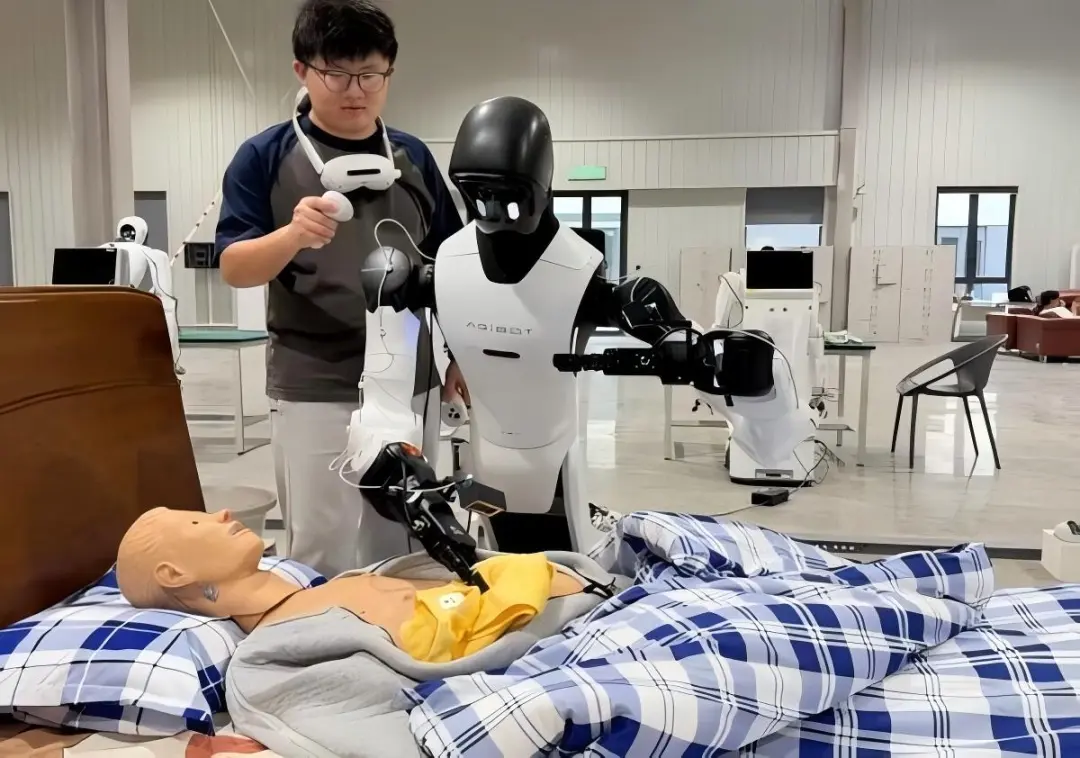
The three-year figure is based on the premise that the data produced will be sold. The report specifically distinguishes between raw data that can be collected at a data-sized scale and data that can be trained at a data-sized scale.
03.
Why does a district have to set up a special screening scene?
This year, Shanghai has set up a scenario cultivation application office and launched special implementations, highlighting a list of 12 categories of high-value application scenarios worth 3 billion yuan, and the chemical scenario is set to be the first breakthrough.
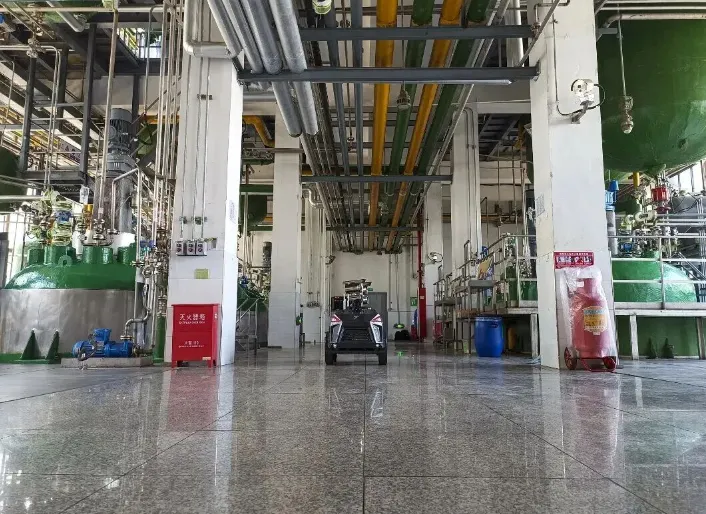
In the bidding process, the locals used a counter-clockwise approach: not talking about subsidies when recruiting a robotic enterprise in Shanghai, directly locking in special scenarios with the need for the chemical park's intrinsic safety and green low-carbon conversion, which is exactly what the other party wanted.
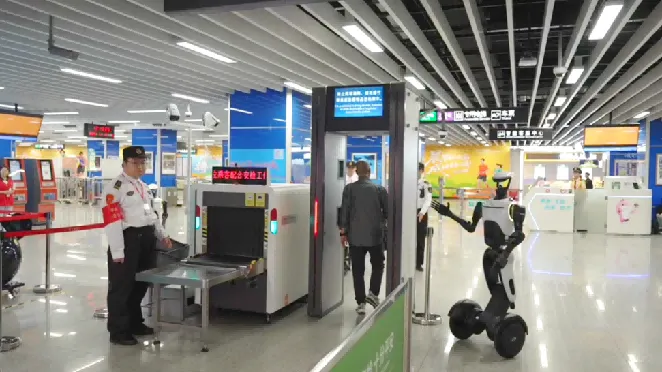
The list of scenarios released by the Guangzhou City Investment Development Council Office of the United Guangzhou Financial Holdings Group is now in its 11th edition, with 20 scenarios focusing on smart equipment and robots, proprietary intelligence and artificial intelligence in the three directions: 13 robot scenarios groups open, 2 proprietary smart scenarios open the entire operating environment of industrial parks and high-end hotels, the vehicle cleanliness of bus operations, the maintenance of bus stations, building security, logistics logistics unloading chain, and joint channels of cooperation include procurement, R&D, test-testing, lease construction, investment cooperation.
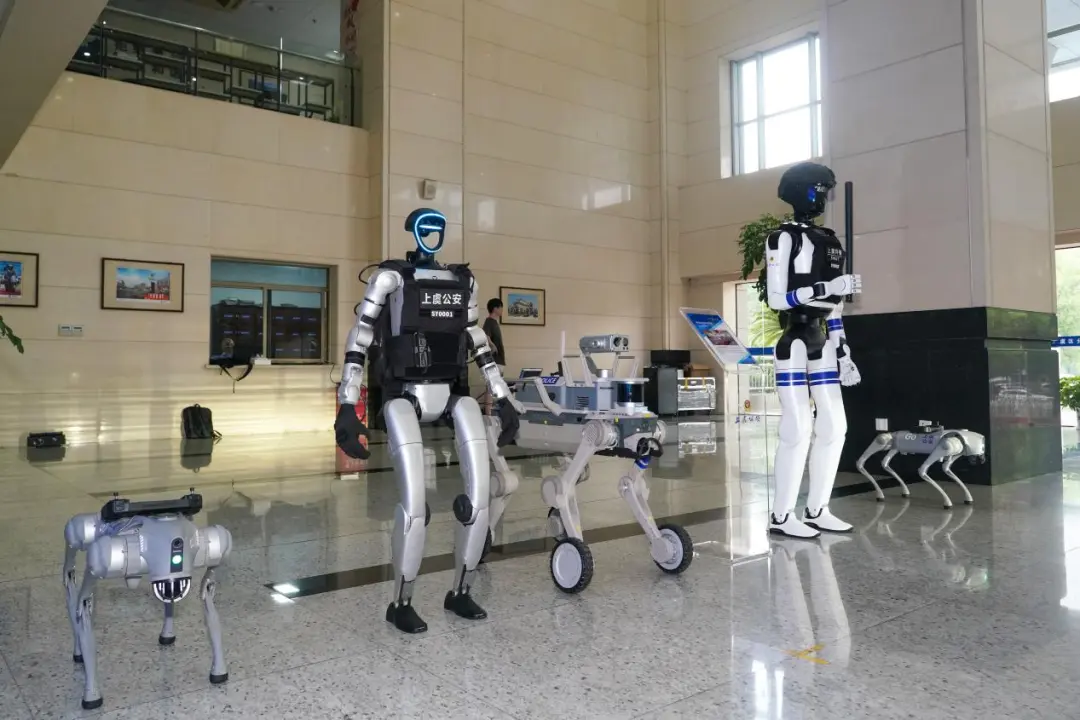
Action at the central level fell in June of the same year. The Ministry of Industry and Information Technology and the State Finance Committee of the State Council jointly launched the 2026 Special Operations for Human Robotics and Intelligent Landscape Training, requiring provincial regions to select no less than 20 key scenario units, at least two categories covering industry, services, and specialties, and central enterprises to combine no less than 10 in all industries; by the end of 2026, the consolidation has created more than 100 high-value application scenarios, leading to the formation of multi-level landing capabilities.
Local agencies, cities on wholesale lists, downsized numbers at the centre, scene opening is no longer a voluntary move at the time of bidding. The way of measuring output has also changed: not how many enterprises have been introduced, but how many revealable, acceptable and affordable scene packages have been opened.
04.
What are the hard indicators of 20 scenarios?
Special action requests to select real-life scenario units, examples given in documents are production jobs, service sites, emergency stations, and require clear target needs, high standardisation, economic feasibility. Real, high-risk, affordable working conditions are not evenly distributed within a province.
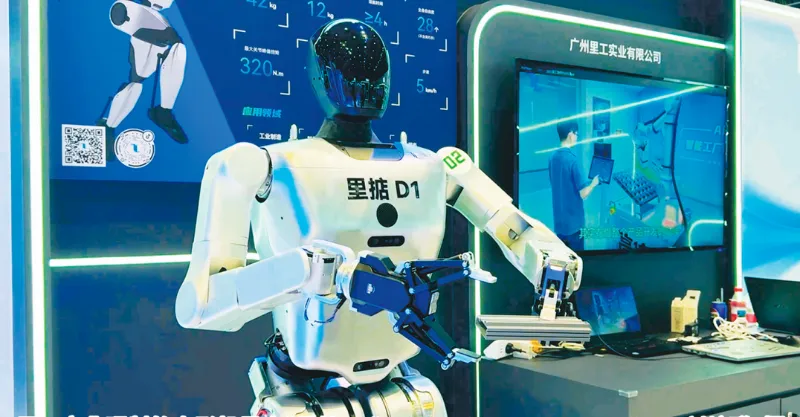
Such scenarios consume more than just the numbers in the list. They take up the time of the R&D manpower of the assembly plant, the co-operation of the first-line workers, while the task definition is unclear, the quality of the movements is unstable, the labeling of inconsistent data if the underlying, cleaning, alignment, labeling, quality control link is not followed, the amount recovered will not be converted into energy training.
The main source of money for robots is not in the production line. The China Electronic Association's 2026 Human Robot Industry Development Report shows that in the first half of 2026, China's human robot shipments exceeded 40,000 units, accounting for 97% of the world; the application structure of Counterpoint statistics is that, with more than 60% of entertainment and science classes combined, export guides are about 19%, smart manufacturing 13% and warehousing logistics 5%.
If a scene only shows value, no repurchases, it enters the list and occupies only one name.
05.
Who's paying for the vertical data?
On August 27, 2026, the country's first industrial robotic data asset representation project was released in Guangdong. On the same day, Guangdong City Urban Investment Development Group Limited acquired data element compliance certification issued by the Guangdong Big Data Exchange.
The project, which was developed by the Guizhou Institute of Mining and Construction, a joint venture of Big Data Ltd. in Port City, has gone from data collection, cleaning processing, compliance registration, transaction circulation to asset authorization tables, financial empowerment processes: Port City is responsible for multi-modal raw data collection, Guyang is responsible for cleaning labels and standardized processing, and transactions are held at the Guyang Big Data Exchange.
The Hangzhou Data Exchange was the first to launch the Xinjiang Certificate Collaboration, which integrated data rights, data intellectual property and data assets into the same registration system, and reopened the registration credentials with transaction listings, asset assessment, and financing services, forming a complete chain of Xinjiang Assessment Assessment Assessment Assessment Assessment Assessment Assessment Assessment Assessment Assessments.
The buyer structure provided by the report is relatively concentrated: the data collected from the training ground currently flows mainly to the country's leading body-smart models and individual companies, followed by universities and research institutions.
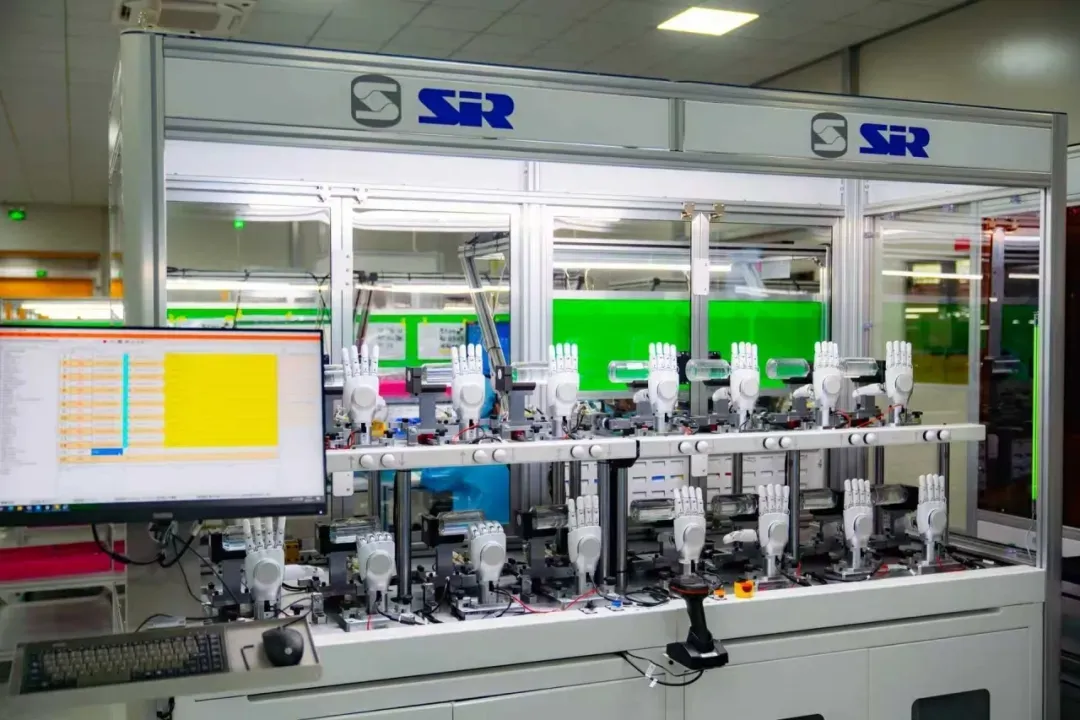
As far as addiction is concerned, the manufacturing end has been calculated: Uglong's joint motors and modules have increased orders in 2025, and lightweight special materials of zinc material are already available for use in key components of robots. If this data can be validated, priced, and secured, the high-risk conditions accumulated in a chemical park could change.
The four datasets completed the registration, a long way from a market with liquidity and fair prices. The common challenges listed in the report include the homogenization of scenarios, limited actual data capacity, data diversity and lack of circulation.
The first edition sampled the oak tree. This method can't be replicated, to see how many chemical parks are willing to let a robot into their liquids refinery, willing to let the data it collects flow out.