It's the first time in the history of the world.
It was so shocking that Gemini called Opus, and the era of super-intelligence really came.
Yesterday, Musk announced that Groc Bot will outsource Opus 5.5 on a mission basis.
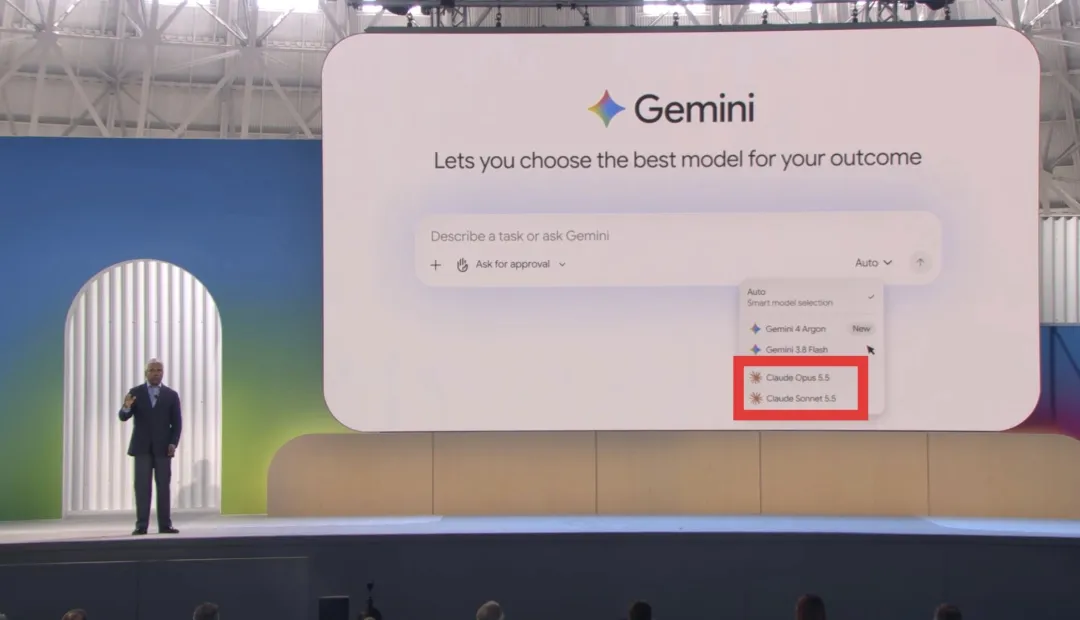
Just a day later, at the launch of Google Cloud, Google directly integrated the Claude Opus 5 and Sonnet 5.5 into the Gemini Business enterprise smartphone!
Antigravity CLI directly became Claude's brainchild framework, while Gemini became a supporting role.
The significance of this message may be greater than the release of ten Gemini 4s. Opus 5.5 has essentially become the configuration standard for super-smart body models.
From now on, we won't have to look for a central hub, and we won't have to worry about seals every day. As long as you have access to any of the mainstream super-intelligences, you can call super-intelligence directly!
This means that the tech giants of the previous generation, who were the big models at the bottom of the crazy curve, have now become "super lobsters".
The next step is to see how the domestic giants are following suit.
All the routes in the future are actually a fine set of knobs and then go to Opus 5.5... the so-called "All in ASI" shout is actually "All in Opus 5.5".
Next, let's see who's smart, who's workflow, who's ability to get as close as possible to this most powerful model!
The Great Model Cold War has become a barrier to entry today.
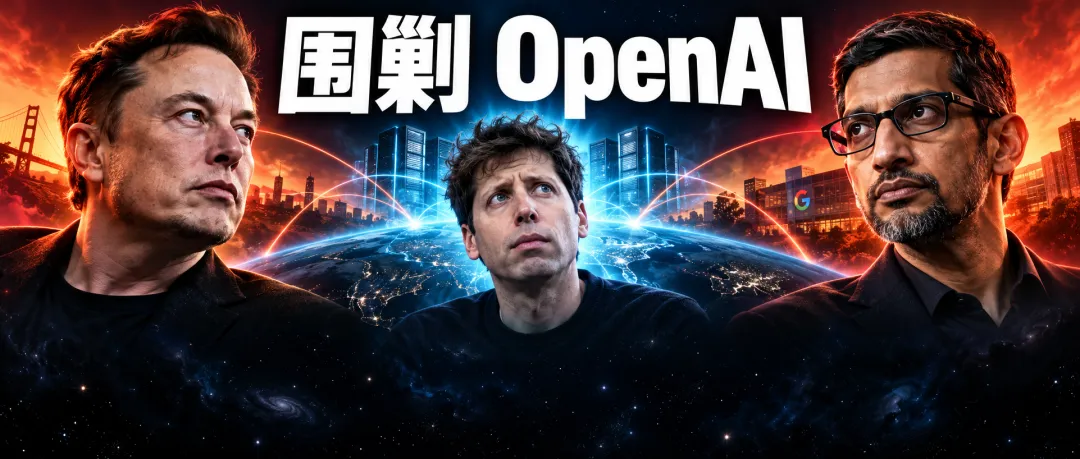
The Silicon Valley Riot: the joint killing of OpenAI?No one imagined that the real trade war would be like this.
The Opus 5 and Sonnet 5.5 are integrated into the Gemini Business enterprise smartphone, and for the first time ever, the Claude model will appear on the Gemini selector alongside Google's nephew.
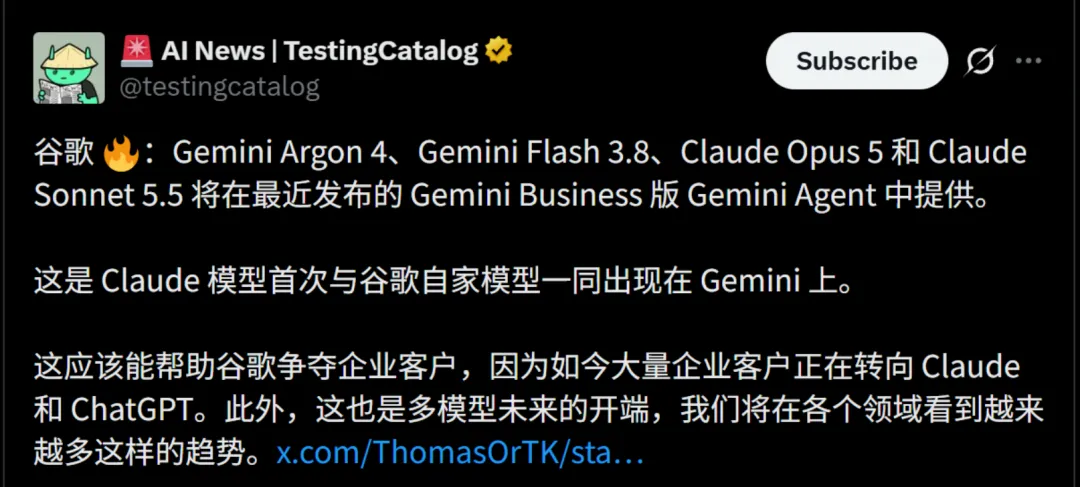
Musk and Google, the two giants on the big model racetrack, made the default move in 48 hours: not recognizing Musk's base, not recognizing OpenAI's GPT, only recognizing Anthropic!
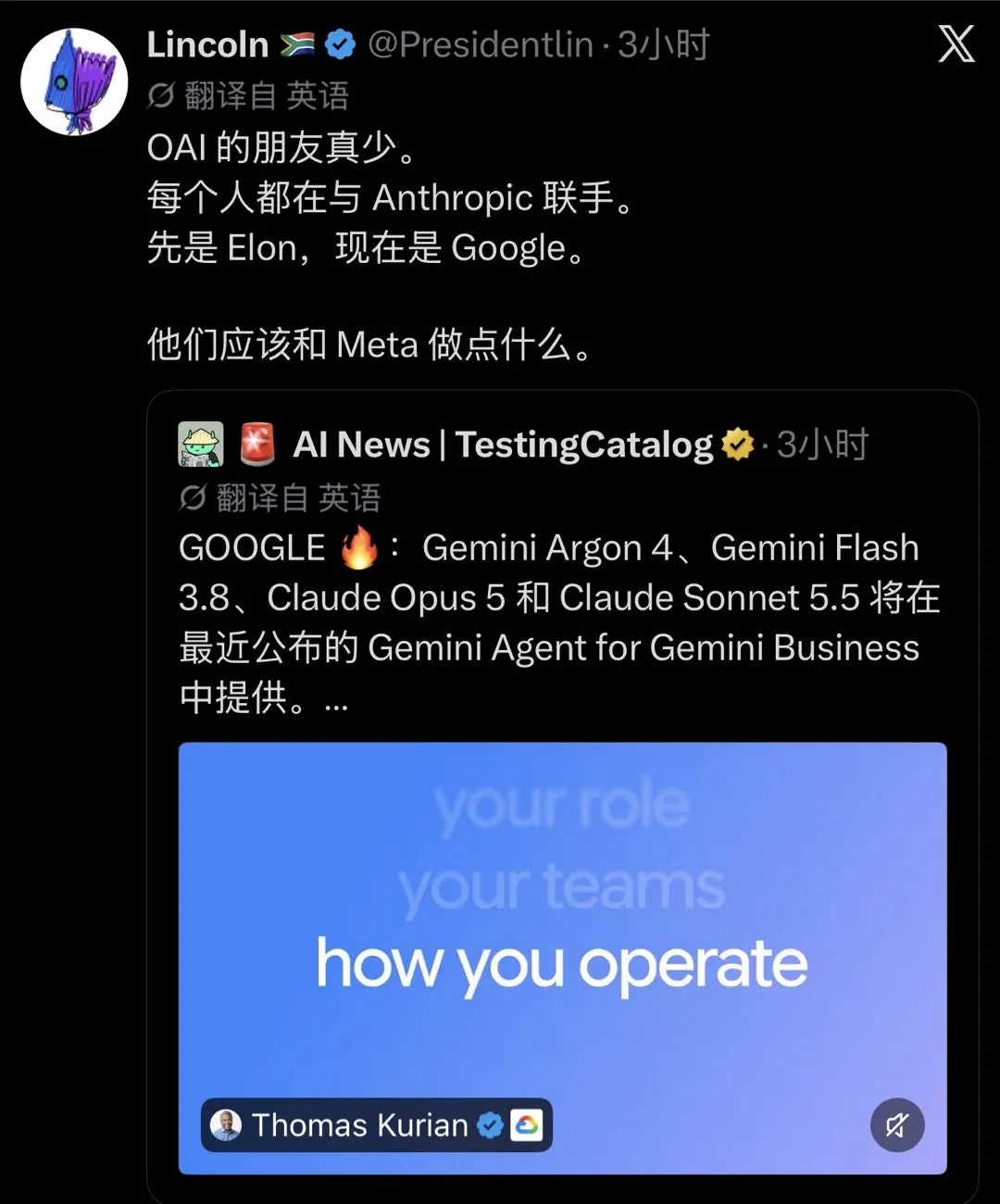
This has sparked the madness of Big V: There are really too few friends in OpenAI, and everyone is working with Anthropic.
Why would they prefer to spend so much money on each other's models and stick to their own high-end product lines?
The answer is simple: enterprise-level access dominance has overwhelmed the model itself.
In this game of power, the underlying model can be outsourced, who forces who. But the core workflow inputs, user accounts, enterprise data permissions must be tightly controlled within their own systems!
The giants' calculations are excellent: they prefer to pay the reasoning fee to Anthropic and never allow customers to stream to ChatGPT!
This is a joint killing against OpenAI.

Let's focus on that dramatic Gemini at Work 2026 conference.
Google has launched the Gemini smartphone. Its concept is very much ahead of its time: all work, starting with the present prompter window. It's built into the Workspace, runs in the Gmail, Docs, code environment, and has the context of your entire business.
Google has come up with six grand core architectural principles: unified intelligence, end-to-end access, cloud memory, multi-intelligence arrangement, depth of context, and the flexibility of choosing a niche model.
It was this "model choice of flexibility" that became the biggest game in the game.
In the drop-down menu of the enterprise version of the smartphone, the options are listed at the same time:
Gemini 4 Argon
Gemini 3.8 Flash
Claude Opus 5
Claude Sonnet 5.5
It's too bright.
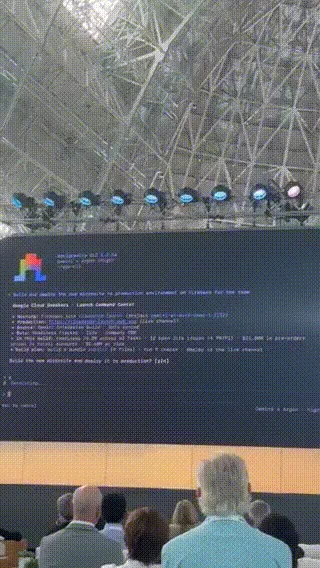
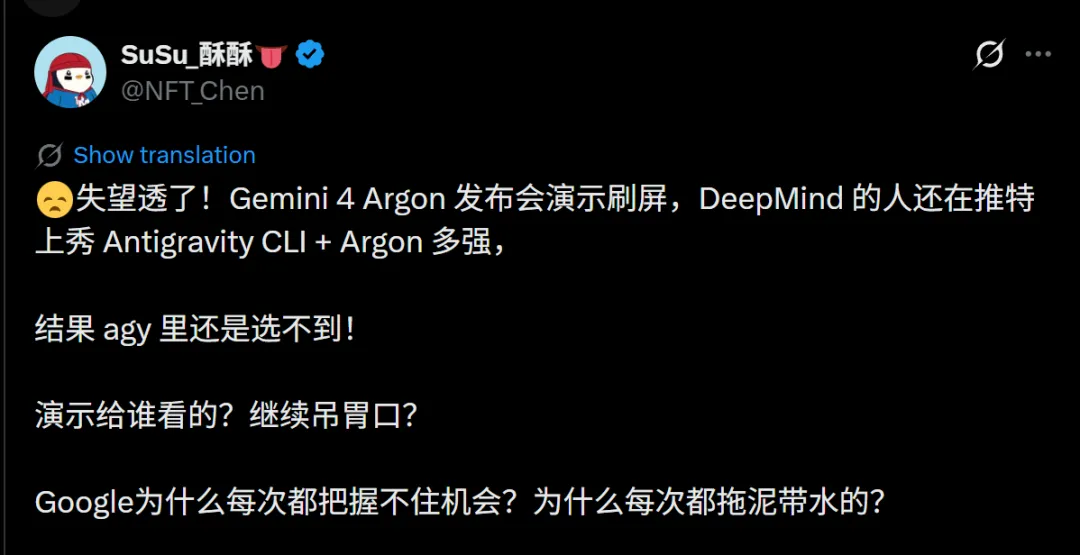
At the launch, DeepMind executives showed off their own new tool, Antigravity CLI, in conjunction with Gemini 4 Argon. As a result, the developers excitedly rushed into the system, and Argon was labeled "New", but you couldn't choose!
Argon was used by Fairwind's network defences before it passed safely before being unlocked.
Some have concluded: Antigravity CLI was completely destroyed for Claude's proxy framework, Sonnet 5.5 being the strongest Gemini yet!
The developers can't help but shout: disappointed.
Disappointed! Show the brush screen, and the result is no Argon in the agy.
Why does Google not always seize the opportunity? Why does Google always drag mud with water?
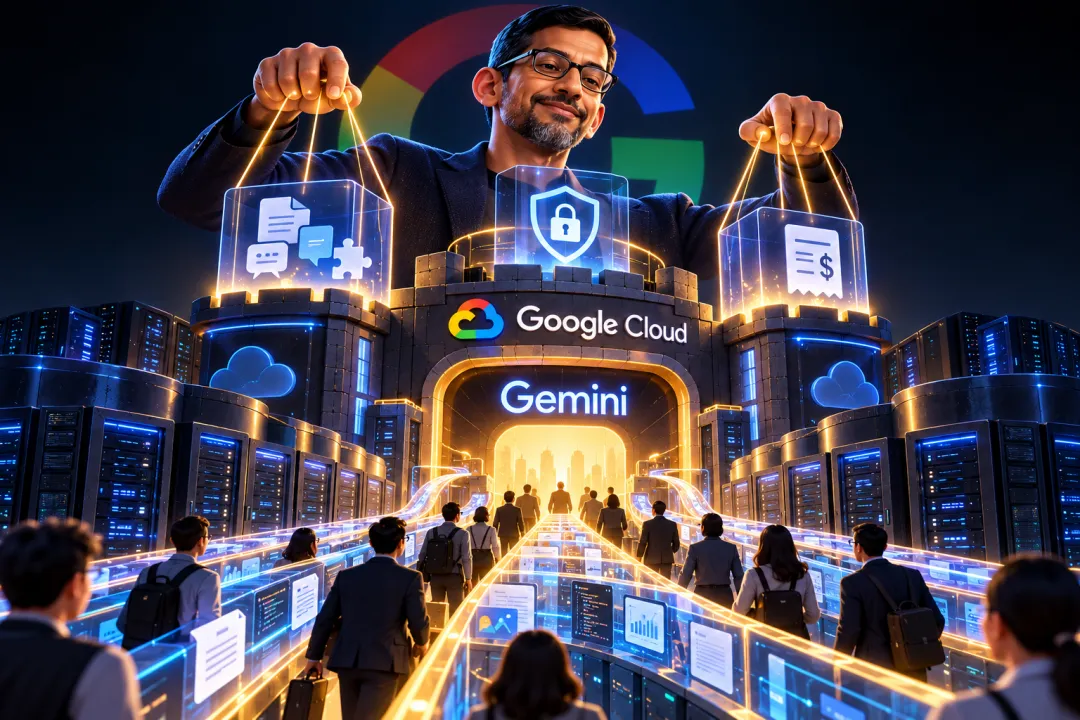
In fact, while Google seems to have lost its face, it has maintained its legitimacy: it's all about keeping customers.
Over the past year, nearly 500 Google Cloud customers have processed over a trillion tokens, and 90% of the Fortune 100 are using Gemini Enterprise. If they are not given the best model, they will buy the enterprise version of OpenAI tomorrow.
It doesn't matter who's brain, the money and the entrance must be mine.
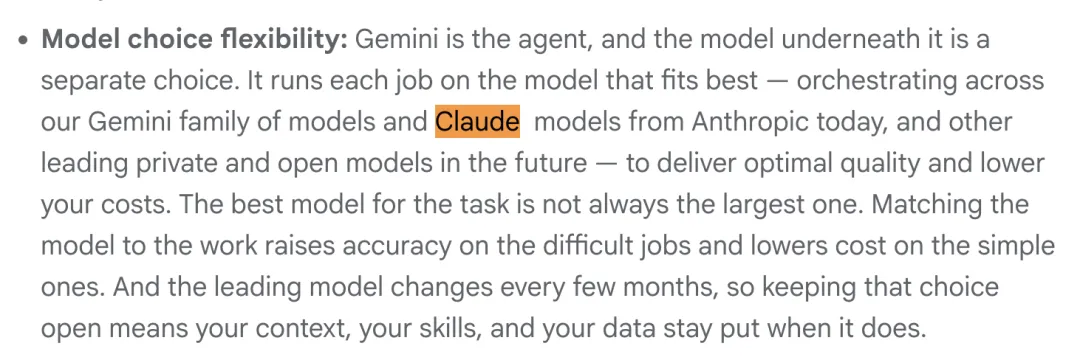
Google is quite frank:
Gemini is an intelligent body, and which model it uses at its bottom is another independent choice.。
If Google's arithmetic is the enterprise gateway, then Musk's "recognition of Claude" is a conspiracy between capital and arithmetic.
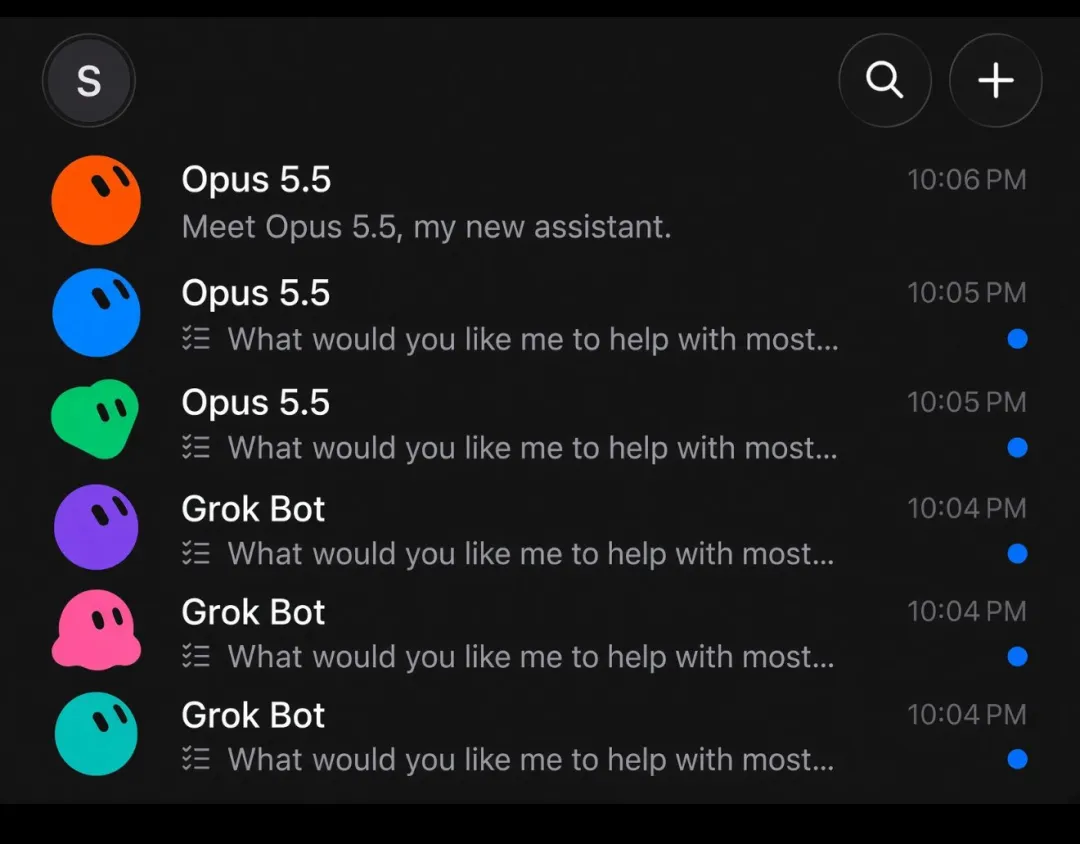
On October 7, Musk announced that the Grok Bot would be added to Claude Opus 5.5, along with the multi-mode Midjourney and Suno.
Many people mocked Musk, saying "Grok finally beat Claude and the giant invested in a furry place", but the truth was not to be shaken.
According to recently disclosed SpaceX funding documents, Anthropic is in talks with SpaceX to purchase up to about $84.5 billion worth of computational resources.
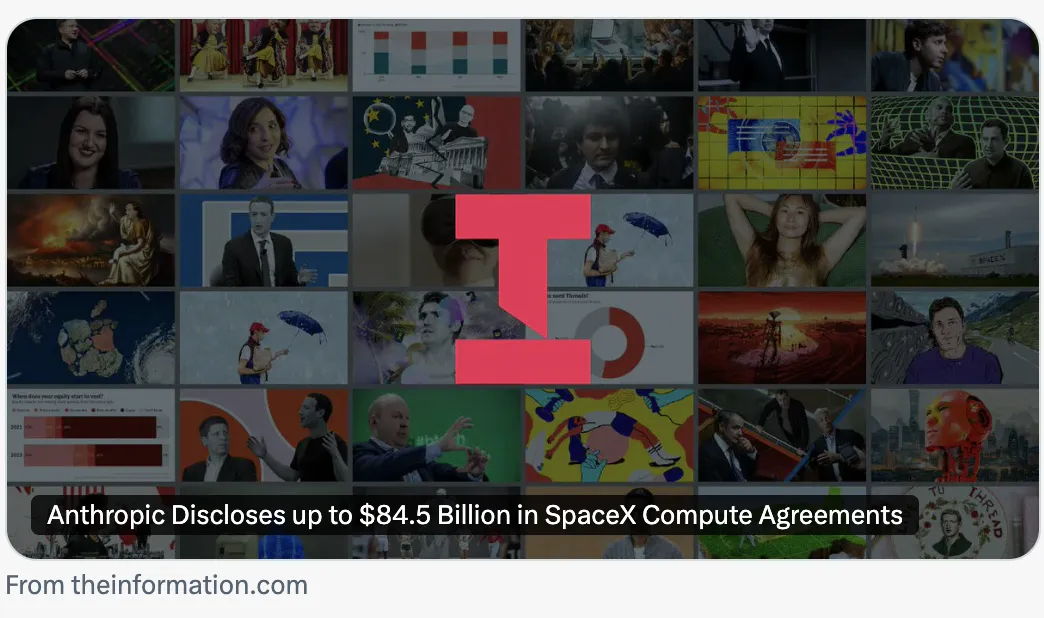
At the model level, the fake name is not worth mentioning in front of the real gold and silver business.
In front of the stage, Musk praised Claude of Anthropic; behind the stage, it was a huge return for the supercomputer cluster.
At the same time, Grock users have gained the strongest ground-based reasoning capabilities and dead-end platform-locking stiffness.
Both Google and Musk have seen through this underlying logic: Big Models are infrastructureing, and the intellectual lead time for single models has been shortened to months or even weeks.
In order to preserve the model's false reputation at the expense of eco-entry and the commercialization of computing, it is not the best option.
But in all this prosperity, there is no OpenAI.
The silence of the giant: Why do you prefer to create OpenAI?Who was the hardest hit when Musk and Google implanted Claude in their respective intelligence centers?
There is no doubt that it is OpenAI.
The former "Butcher Boy" is now not only the public enemy of Silicon Valley, but is also in a dilemma of being isolated by the giants.
Looking at the big game, OpenAI is tasting the evil that it has sown.
First of all, it is the lack of trust brought about by the "total dictatorship".
From GPT-4 to GPT-4o, to the O1 series of experiments with his own Operator smartphone, Ottman's ambition was never to be a "behind-the-scenes model supplier", but to connect the entire consumer and enterprise ecosystem.
OpenAI is both a basic model, a C-end super app, an enterprise intelligent operating system, and even a hardware and search engine.
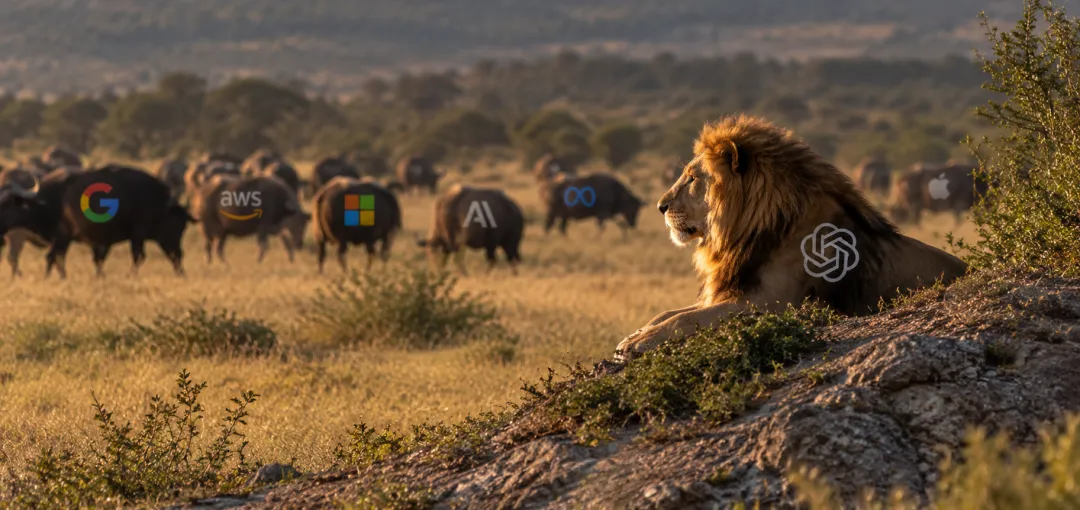
This posture of viewing all eco-partners as "potential prey" ultimately forced all giants to defend themselves.
By contrast, Anthropic, with its relatively restrained positioning as a "weapons supplier", has naturally become OpenAI's preferred white glove.
The second is the post-war crisis in the corporate market.
In the enterprise marketplace, customers don't need a freakish, frequent adjustment of pricing, and always want to see core business data as their own "super tech empire".
According to Reuters, Anthropic has pledged at least $518 billion to six partners for infrastructure over the next decade, about 80 percent of which will be irrevocable or unrelated to usage: at least $11.1 billion from Google, $11 billion from Amazon, $31.4 billion from Microsoft, about $16.12 billion from botnet-related equipment leased and largely irrevocable, and more than $20 billion from AMD.
Anthropic's human-powered AI security, coupled with its compliance with cloud vendor inputs, makes it virtually unresistant on the B-side.
The giants would rather help kill the enemy and never give OpenAI a knife.
A silent fence is forcing OpenAI into being a "widowed orphan".
OpenAI is now facing the challenge of reducing pollution
As for the model, Opus 5.5 and Sonnet 5.5 are already on par with GPT-6. As for the input, Google has Workspace, the world's largest office scene, and Musk has X, the world's largest real-time information flow.
OpenAI isn't both. Its enterprise version is strong, but it's still an out-of-the-box tool, lacking the natural workflow underpinnings of Google's entire family.
Lincoln, an overseas analyst, pointed out that now was the time for Ottman to call Zuckerberg. The only hope for OpenAI's failure was to put down the bandwidth and fire Meta.
Meta has just launched its own enterprise platform with Business Agent, with huge traffic from WhatsApp, Instagram, Facebook and business owners in its hands, and is not yet on top of the closed-source model.
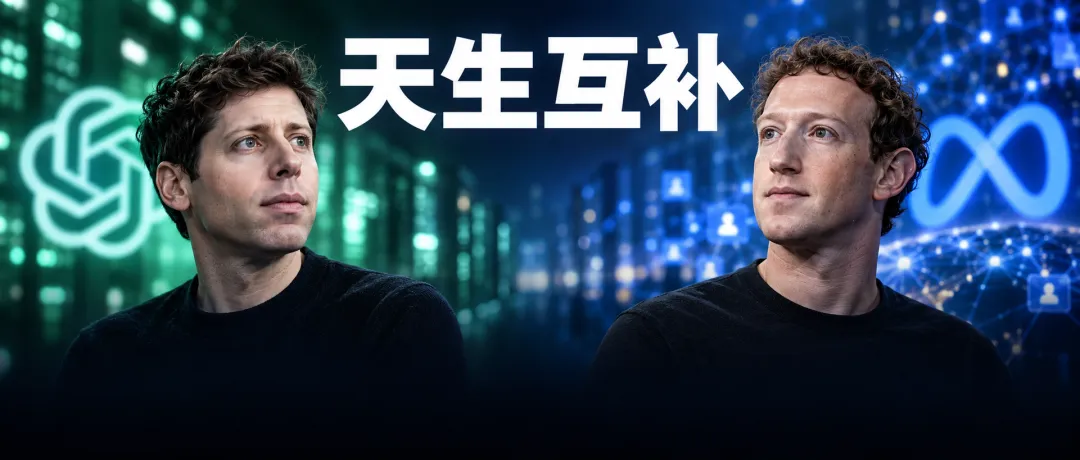
If OpenAI is unable to partner with Meta and root GPT's capabilities deeply in Meta's social and business ecosystem, then it is really possible that in this "super-intelligent age" it will be completely dismantled and transformed into an "API provider".
This October, we witnessed history.
Large model companies are losing direct control over end users and are being replaced by "super-smart body platforms".
The main melody is now unmistakable: All in the smart entrance! Opus 5.5 takes everything!
Is OpenAI being strangled to death by the entire industry, or can it fight back with Meta?
Who can become the Chinese version of Super Dragon?
It's a good play, it's just begun.