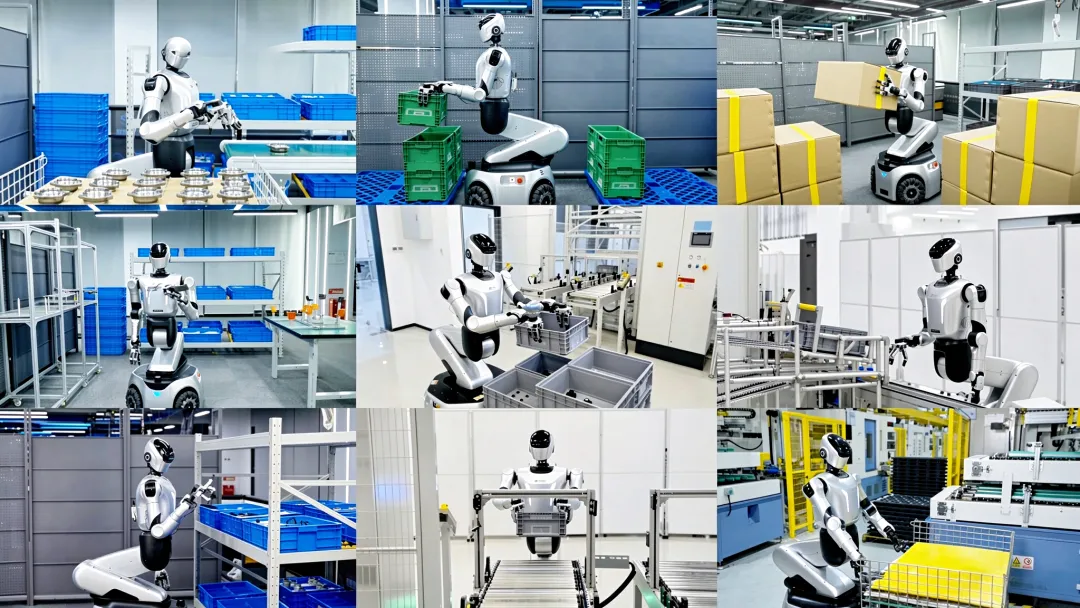
“ In the global competition for four-wheel-drive conversion, mission-driven switching, and in-hand variable-drive operating systems, the Chinese team has quietly delivered a pragmatic engineering response.
Recently, Boston Dynamics (Boston Dynamics) unveiled a new four-fingered hand designed specifically for a new generation of electrically powered Atlas humanoid robots, pushing the line of end-user executors to the forefront again. Compared to the common five-fingered model in the industry, the hand's viewpoint is not only that it lacks a fingerprint, but that it reflects a clear trend: as the body's intelligence moves from the front of the lab to the real world, should end-user executives pursue complex human-powered high-fives, or return to the ultra-short-sized, high-load configuration?
It's worth noting that while the focus of the spotlight is on the newcomers to the Atlas, the global technology route is in fact steadily closing in on a four-fingered hand from a Chinese team that has given its own engineering answer:
On September 4, 2026, the domestic humanoid robot end-of-life startup Blackman Technologies, jointly released the industry-leading variable brilliantly-constructed SG100; and Boston Power announced its four-fingered release date of October 1, 2026.
The timing of the release is just an objective fact, observing the two quadruplets on both sides of the ocean, and it is even more interesting to note that both of them are highly aligned with engineering design choices in the industrial landscape.
01.
The four main types of projects: from project-oriented projects to mission-oriented projects
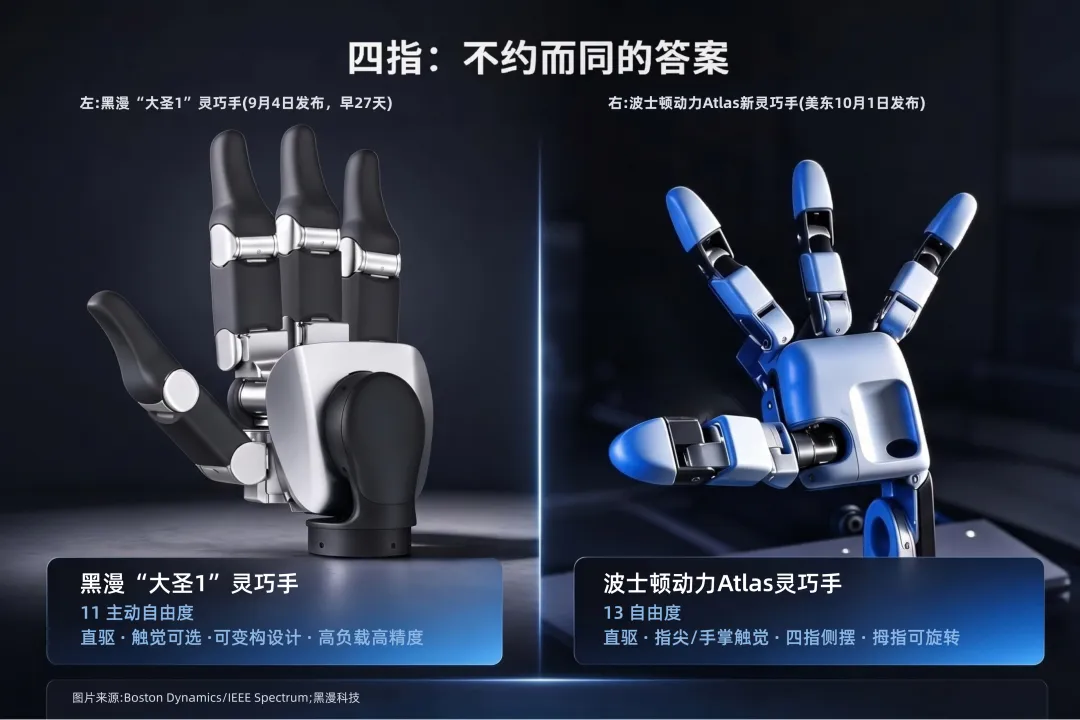
Figure 1 Formal contrast. The left-hand side is a product of the Great Sacred One. The right-hand side is an official live footage of the Boston Dynamics. The two images are different from the display proportions and are not used to compare the actual size.
In the field of agile hand development, the more the thumbs the better, and in the long run it proved to be an engineering trap. Traditional five-finger agile hands often require the stacking of 15 to 20 dynamic freedoms and dense linear transmission systems, which not only overload the end-to-end weight and body positively, but also have a surprisingly high structural fragility and maintenance cost under harsh working conditions.
In industrial manufacturing, the core demands are always highly focused: whether the end can quickly form a stable force-closure contact (force closure) in the face of multiple varieties of workpieces, provide sufficient grip rigidity, and have the necessary positioning and displacement differences when assembled or removed. With each addition of a finger, the marginal costs of motor drives, speed reducers, sensors and control calculators increase.
The key to the question is never how many moves a pump can do, but what freedoms are really necessary, what mechanical redundancies can be abandoned, and whether the limited freedoms can be converted into higher task coverage through more rational structural design.
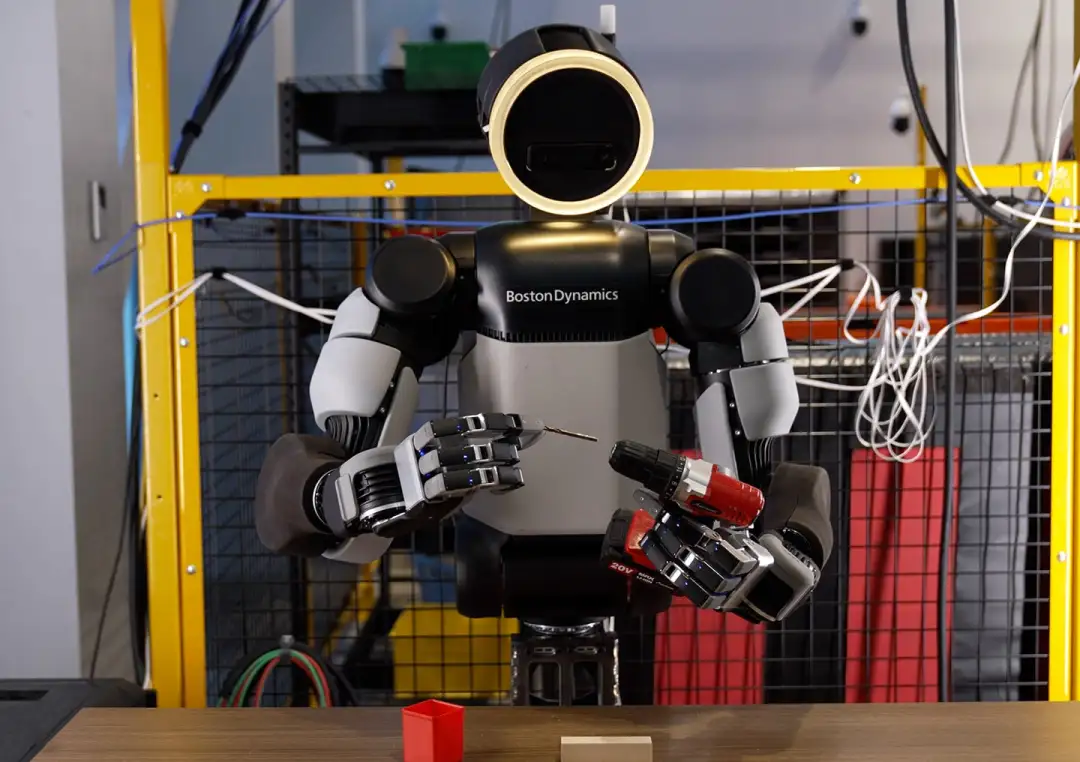
Figure 2 of the Atlas tool operation, officially displayed by Boston Power.
This is the first time I've ever heard of this kind of thing.
From this point of view, the two end performers break the traditional five-toed claw full-biometric thinking position, using three main fingers combined with a four-toed layout at a large angle to the thumb, and it is not difficult to understand the similarity of this toothbrush to the geometrical layout, and intuitively confirms the shared judgment of the two sides on the mechanics of grasping at the end: abandoning the redundancy of grasping an unnamed finger or thumb, relying on three or four points of contact with the thumb to build stability with the main index, and closely combining the determination of the mechanical hardware with the flexibility of the upper layer algorithms.
Rather than simply pursuing high-level simulation, this model emphasizes stability of contact, structural rigidity, drive efficiency and controllability of actual tasks. However, similar shapes do not mean the same technical answers.
In terms of technology implementation, the two companies are focused on the path: Newcomers in Boston Power have 13 degrees of freedom, focusing on high-bandwidth linkage direct drive, strong backdrivability, high-security touch perception and the closed loop migration of Sim-to-Real; while BlackBerry and Sony have 11 degrees of proactivity, focusing not only on finishing with fewer fingers, but also on introducing more proactivity around industrial tasks: changing the relationship between the fingerprint, the fingerprint and the package shape, allowing the same hand to switch between precision pinching, high-speed pinching, ring grip and flexibility, and then proactively manipulating and manipulating fingerprinting, and allowing multiple sensing modules to expand further.
This is the most remarkable difference between the Grand Saint 1 and the common four-fingered hand. The four-fingered hand is its shape and appearance, while the Reconfigurable Kinematics is the underlying color of its engineering philosophy.
02.
Path to solving the big holy 1 puzzle: the boundaries of industrial work with silicon-activated variable composite silicon reconstruction
The biggest bottleneck faced by traditional robotics operations is that, with variations in the workpiece, fixed-structure endings are often the only choice between a lightweight but powerless brush or a strong but brushless brush. The breaking point of BlackBerry's choice is not to let the workpiece adapt to the hand, but to let the end redefine the relationship between the end executor and the task according to the dynamic geometry of the task and the contact topology: not to prepare a different hand for each workpiece, but to let the same hand actively adapt to different workpieces.
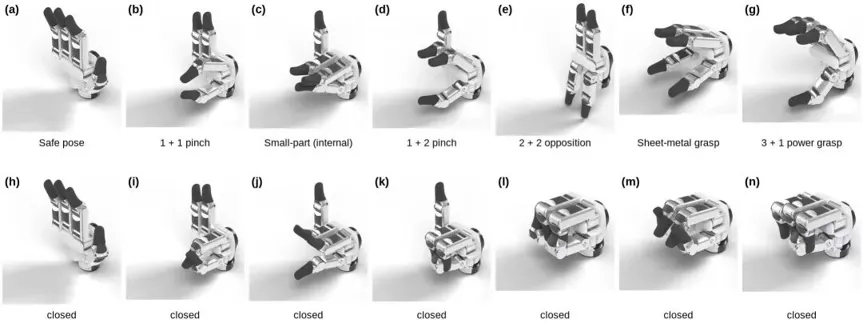
Figure 3 Multiple gestures and transformations of the Holy One
For a complex workflow for the production line, Big San 1 achieved four typical active switching configurations:
Flexible mode of operation: Fingers unfolding to form a flexible operating pattern that satisfies the fine touch of multiple fingers in collaboration with small parts;
Finger-to-finger plane pattern: the thumb and forefinger form high stiffness to pinch, designed for precision pulling and high repetitive positioning accuracy tasks;
Industrial high-speed mode: expanding the effective range of two sets of fingers, smooth transportation of large-sized materials such as boxes and diameter cylinders;
Ring clutch pattern: four fingers form a large clutch clutch, providing ample load clutch strength and shock stability.
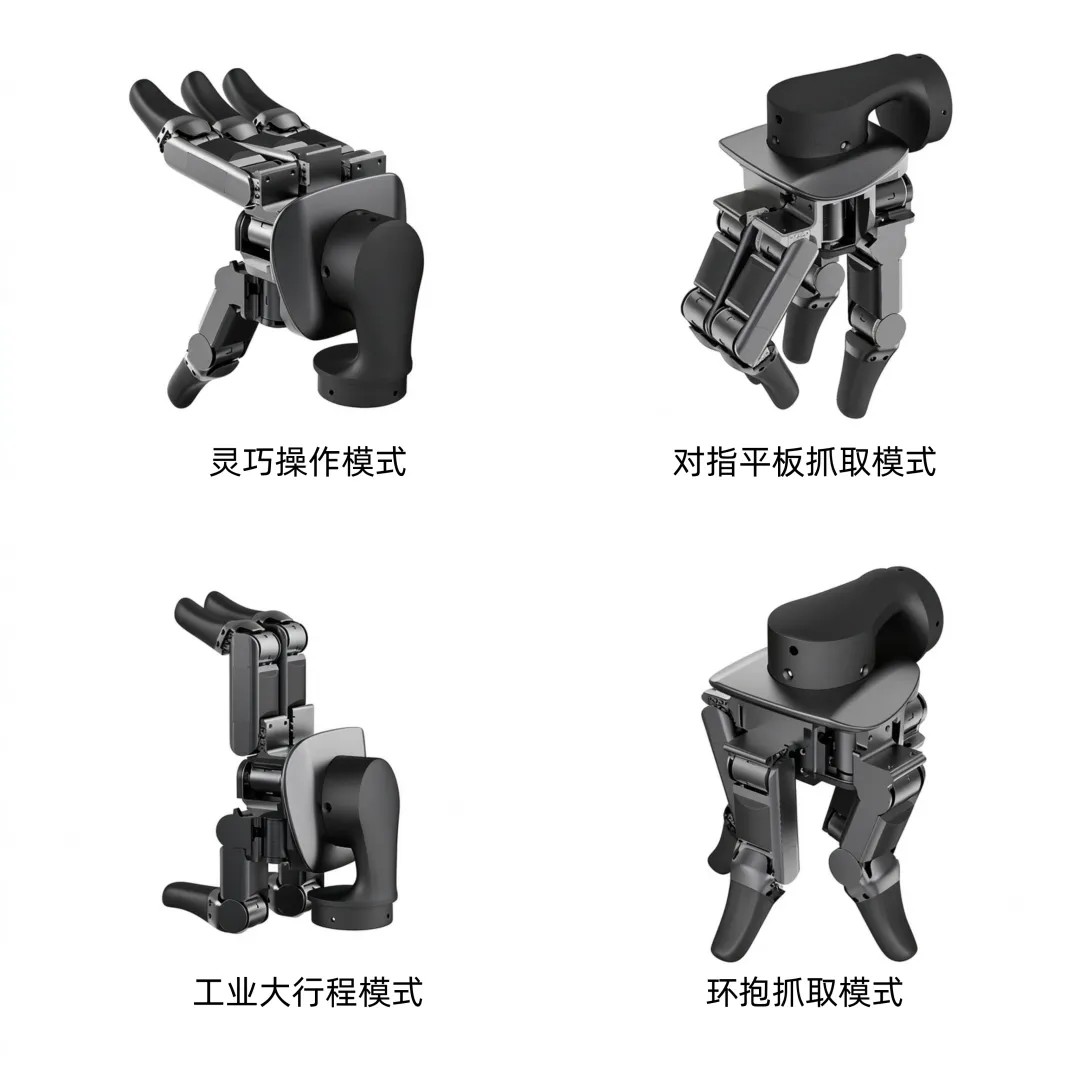
Figure 4 The four configurations shown in Figure 1 show the product data. Different layouts correspond to different contact and holding needs and are shown in static configurations.
Sources: Black and white technology product information.
The value of this capability for industrial scenarios that need to cope with the demand for multiple varieties, small batches and flexible manufacturing is not only an increase in clutch movements, but also an opportunity to extend the process coverage of single-piece robots, avoiding the cyclical losses and systemic complexity of frequent end-to-end gear changes in traditional schemes.
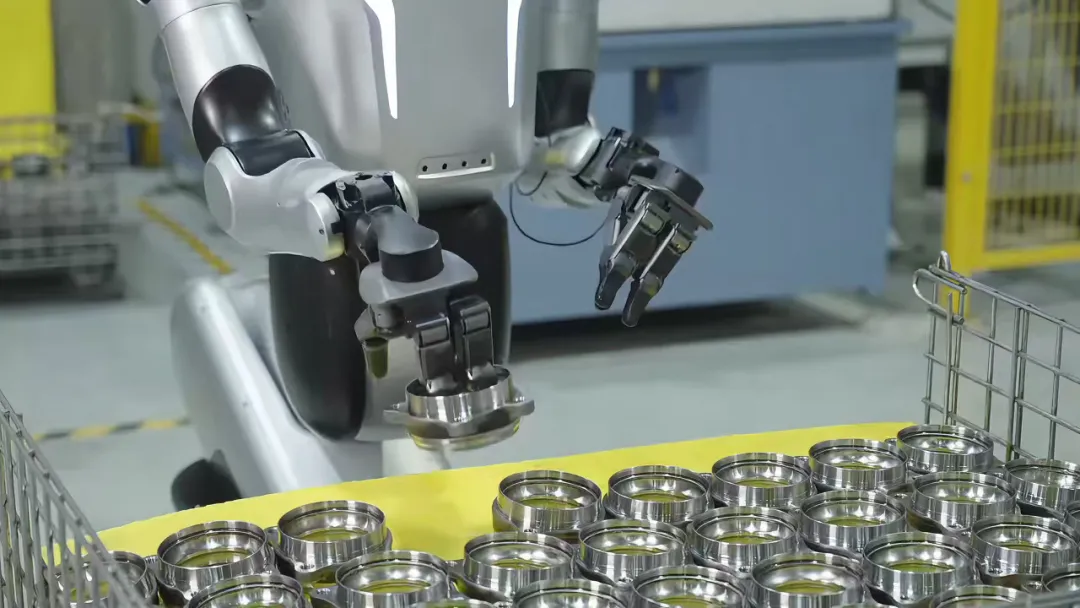
FIGURE 5 The robot is capturing real-time footage. The image shows the scene of the Big Bang 1's contact with the workpiece.
Sources: Black and white technology product information.
As a core component of the end of the robot, the end of the robot is not detached from the integrated platform of independent design. The integration of the core components of the end of the chip and the integrated circuit of the chip, the movement and dynamic distribution of the fingers, communication response delays, dynamic delays and structural strength, can be directly applied to the integrated operation of the machine and production line processes.
03.
Jump-in Hand Operations: Redirecting from fixed grip hold to full hand dynamics
The first step in a sequence of operations involving physical intelligence is to grasp a claw, and the claw in the hand to move the claw is the first step towards high-level clever operation of the claw.
Traditional claws are firmly positioned after grabbing; but in tasks such as precise assembly, tool handling, object weight orientation, robots must have the ability to adjust their posture continuously in the palm of the hand without loosening the object. This is called In-Hand Manipulation.
It requires robots to not only be able to hold objects steadily, but also to continuously adjust contact relationships between the fingers and objects, allowing the object to rotate, reposition and even continuous posture changes in the palm of the hand. This means that the boundaries of the end-user's ability to grasp objects begin to change: from a mouse to a mouse to manipulate objects in the mouse's hand.
Around this direction, Big San 1 built a database of reinforcement learning strategies for typical hands-on operating scenarios and completed multi-dimensional verification in high fidelity physical simulation.
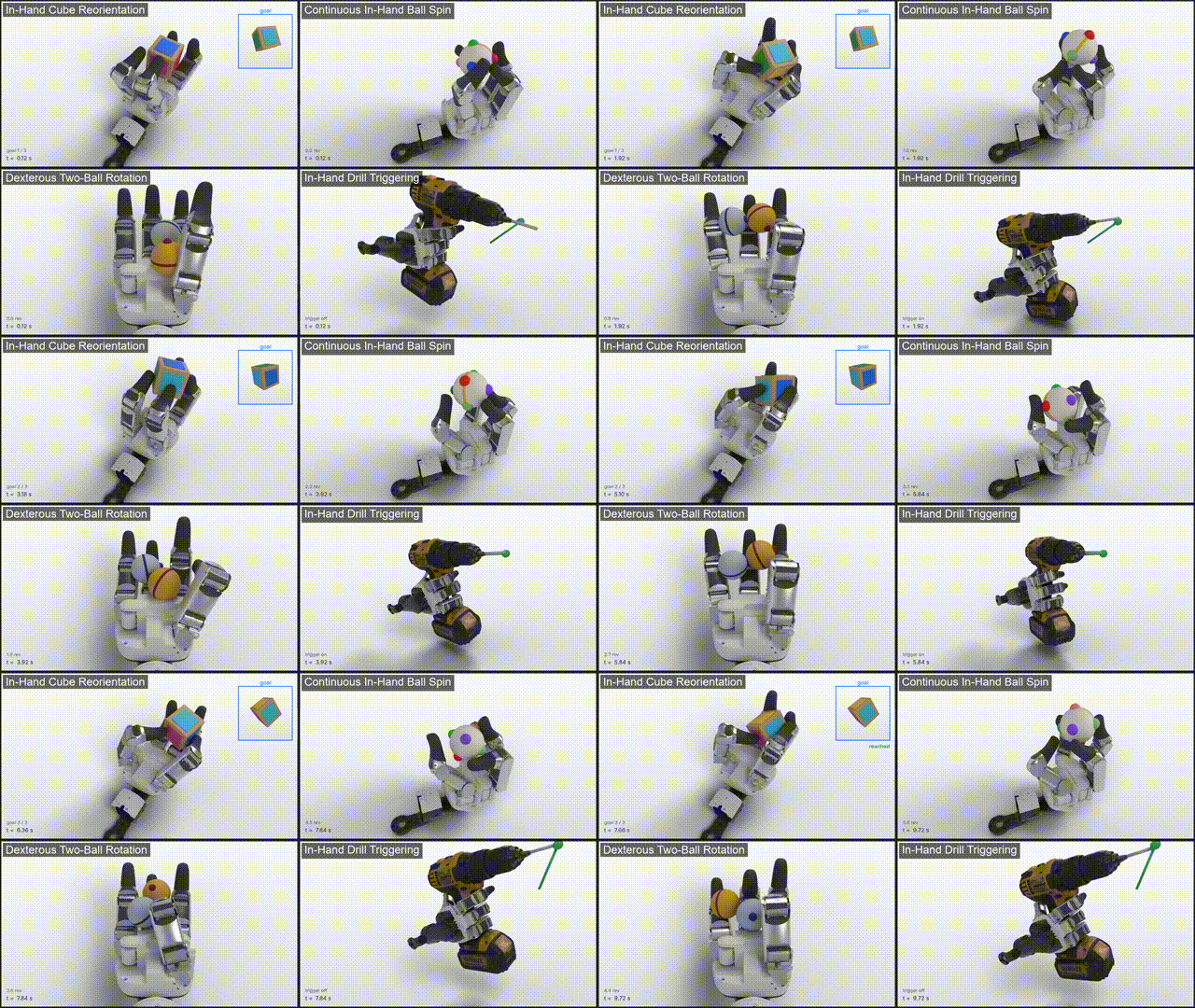
Figure 6 In-Hand Simulation of Strengthening Learning Strategies
(Left: re-direction of the square target posture; right: single-ball multi-axis continuous rotation; left: double-ball rotation rotation; right: hand-held electric drill stabilizer control)
Based on quadratic reorientation, single-ball multi-axis rotation, and classic double-ball rotation tasks, the Big Bang 1 focuses on verifying that the continuous operating terminals of the handheld industrial drill drill triggering do not only require the use of a stable static support winding network with the thumb and forefinger, but also require the application of high dynamics and precise trajectory triggered by the independent fingers. This verification not only responds positively to the core pain points of industrial man-made machine-to-machine sharing tools, but also directly echoes the tooling scene demonstrated by Boston Dynamics: the four-finger architecture not only does not completely lose the ability to use the tools after abandoning a redundant model of the hand, but also improves the connectivity of the hand with a more compact chain linking mechanism.
They demonstrate another layer of capability: when mechanical structures are able to provide a sufficiently rich contact relationship, whether robots can further exploit these freedoms to carry out continuous operations on objects in their hands. This is particularly important for physically intelligent models and reinforcement learning that can give robots more powerful task planning and motion control capabilities, but ultimately still have to interact with real-world biology via end-user executors.
04.
From simulation to production line: high reliability remote operations and real-world data locks
The generalization of hand-held operating strategies is independent of the precise mapping of the underlying hardware to real physical contact. Large models and embedded algorithms can plan the path of action, but the determination of data quality and landing success is the accuracy of contact feedback and execution under real working conditions.
In order to open end-to-end data collection and integrated verification locks, Daihatsu 1 built a low-latency, high-safety remote-operating adaptation system. Under the conditions of industrial sorting and upstream production lines, the Daihatsu 1 assembly platform carried out continuous high-dynamic material transportation and sorting tests.

Figure 7 Remote-operated bi-arm dynamic flow waterline material grabbing test
(covering food packaging bags, cardboard boxes, plastic water cups, fresh eggs, medicine bottles, etc.)
In dense flow lines, the operator drives a continuous processing of objects that differ greatly in shape and material: from slippery plastic cups, rigid cardboard boxes, to easily deformed soft food packaging, and even highly fragile live eggs.
This marks the passing of Big Bang 1 to the single-point hardware prototype stage. High-quality demonstration data channels built through low-latency remote operations not only provide intensive contact dynamics data for off-line training of subsequent end-to-end strategy models, but also validate their engineering reliability in rigorous working conditions, such as being directly embedded in industrial logistics and installing flow lines.
If the model decides what the robot mouse wants to do, then the end-executor decides whether the robot mouse can do it. Thus, the competition for clever hands will ultimately not be limited to the number of degrees of freedom, single-finger power, or the degree of appearance of biology, but will gradually move into a more practical dimension: how many real-world tasks a hand can accomplish under limited mechanical complexity.
From the exploration of the active variable composition of the hammer to the operation of the hammer inside the hammer, it is a technological path along the same logical path that allows the hand to be actively adapted to different tasks and then allows it to continue to complete complex operations in the hand.
05.
China's four-fingered engineering response 27 days ahead
The release 27 days ago doesn't mean that the technological battle has been divided, but it can clearly demonstrate: in a time when smart hardware is moving into deep-water scenarios, China's robotics industry chain not only has a keen industrial touch, but also has the ability to resonate frequently with the world's top players at key technological intersections and even take the lead in engineering practice.
As Atlas raises a technological storm of four fingers, looking back on the 27 days of China's Grand Duchy 1, he says, "What we see is not just a similar four-fingered outline, but an independent solution and a pragmatic exploration of the real pain points of industry".