“ The company is betting on a home-based physical AI.
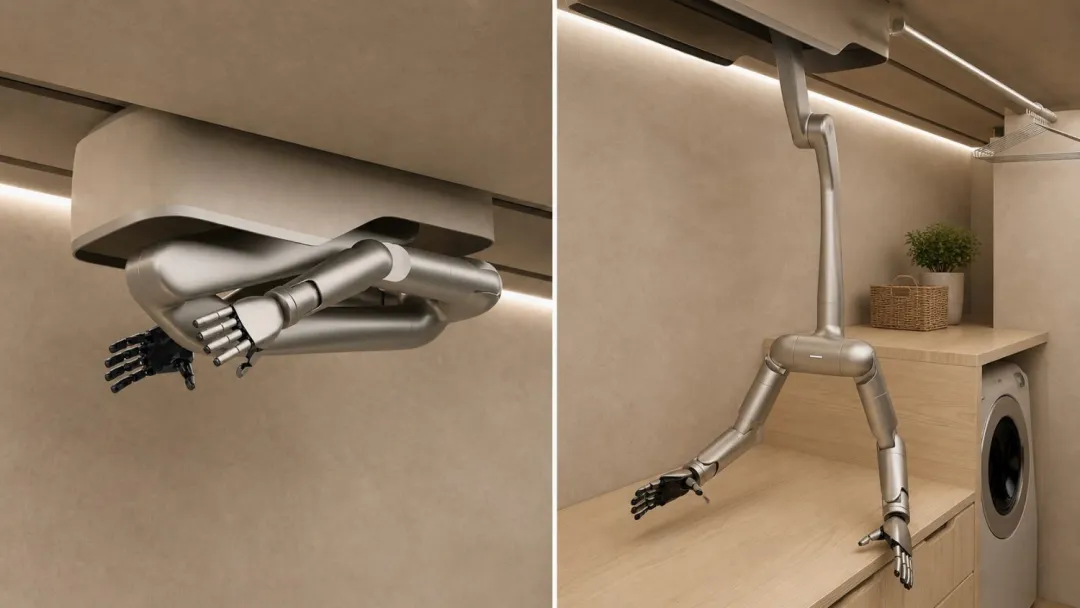
While the global tech giant is busy bringing two-legged humanoid robots into the home, the Tokyo startup MW has taken a different path: hanging a mechanical arm on the ceiling and packing the house together to sell it.
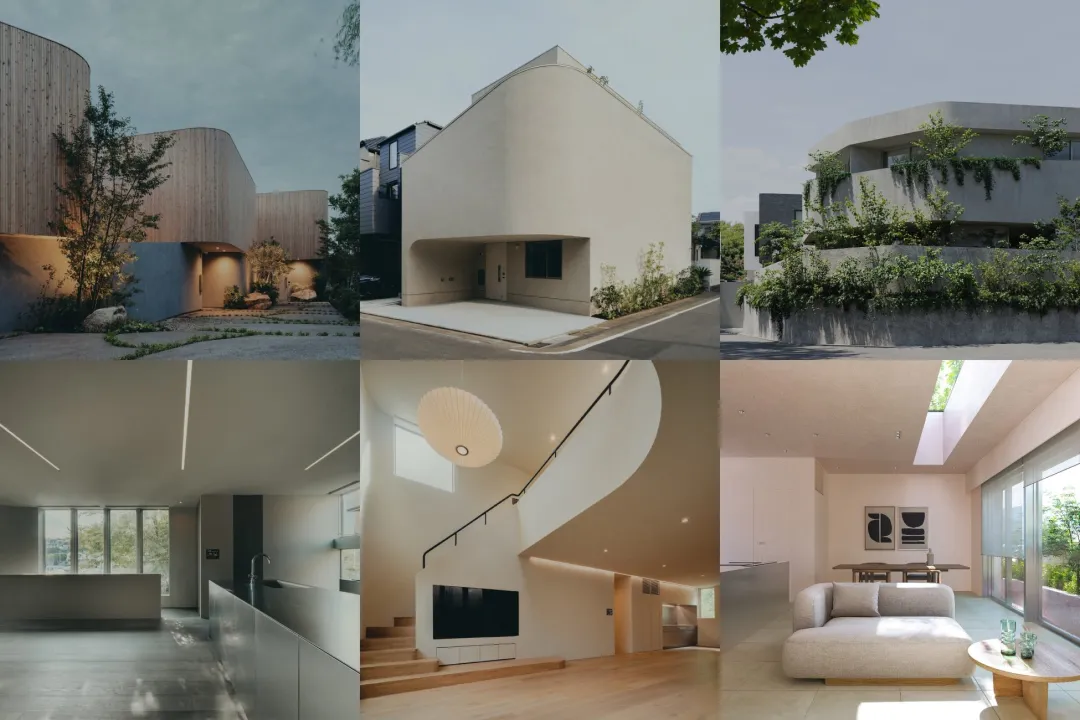
The company, which has been in existence for just over two years, is promoting residential projects in Tokyo, Yokohama, Fukuoka. A three-storey building has been sold in Tokyo, a three-storey building in Yokohama, and a two-storey building in Fukuoka.
The first product was launched in May 2026, and on the first day of its launch, more than 1,000 homes were requested.
In two years, MW has listed several of Japan's mainstream financial sector capitals as shareholders, as well as selected Japan's national-level generated AI development support project GENIAC.
Its timeline comes almost a decade later: the launch of the robot version in 2028, its launch in 2029, and the production of 10,000 units in 2035.
01.
Two bricks, hanging from the ceiling
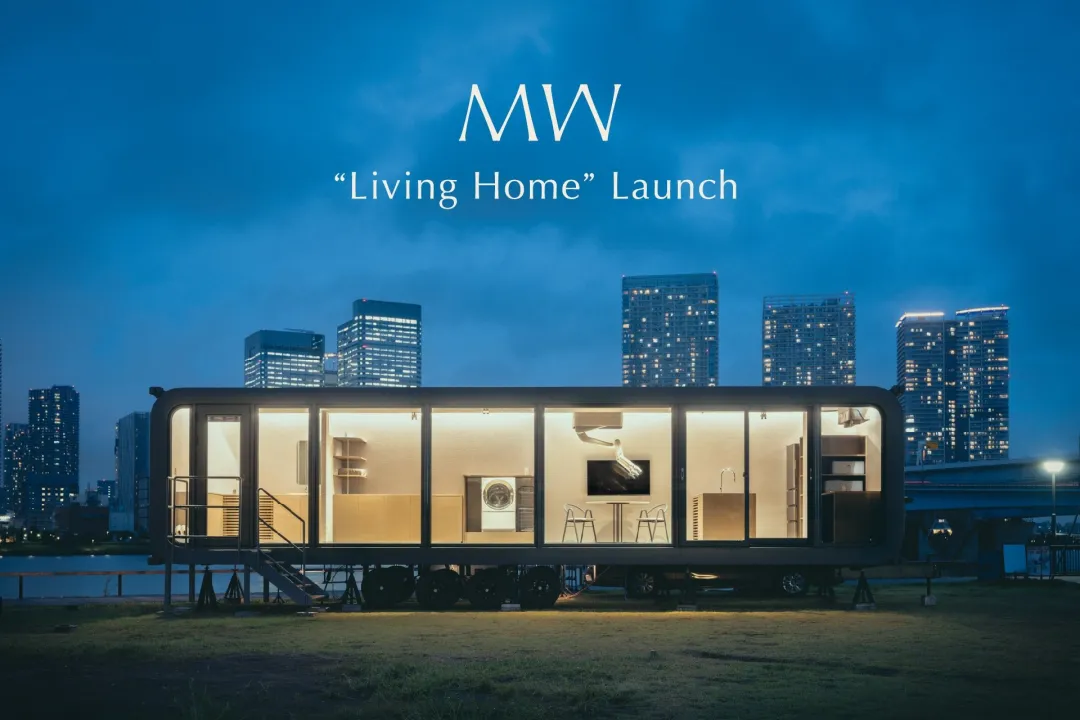
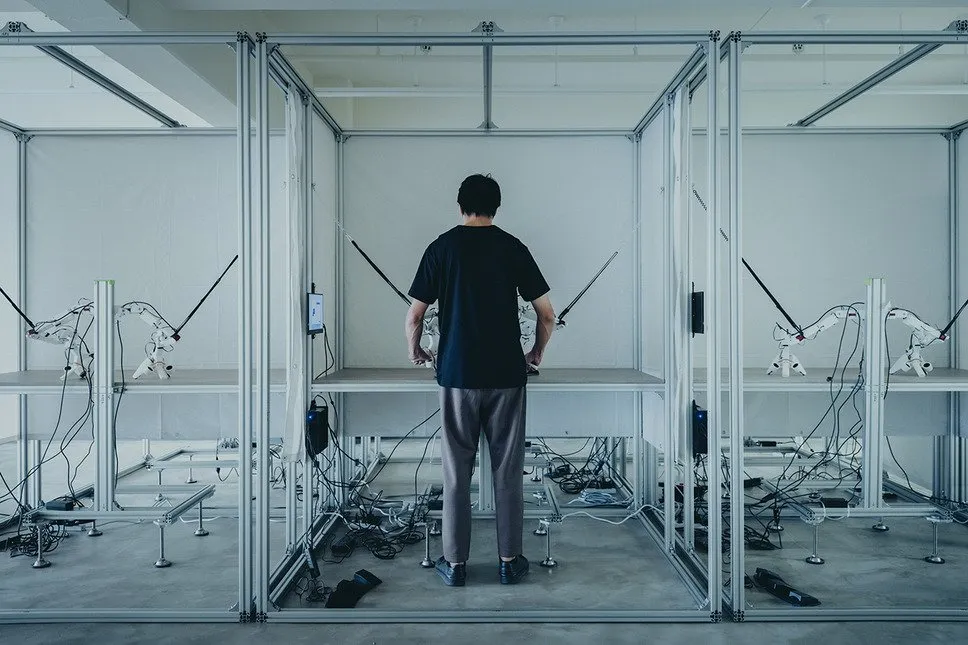
On September 10, 2026, MW held the "MW Living Home" brand event at the CITABRIA BAYPARK in Tokyo, Tokyo, to allow the first generation of MW bot to operate in a locally built trailer room environment.
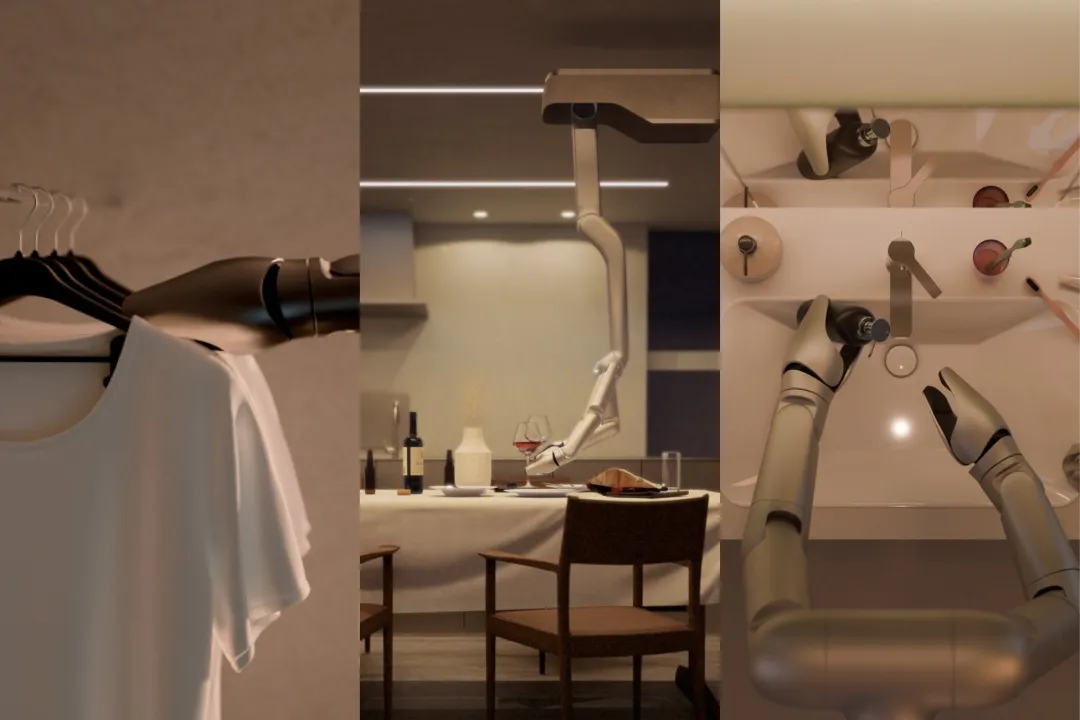
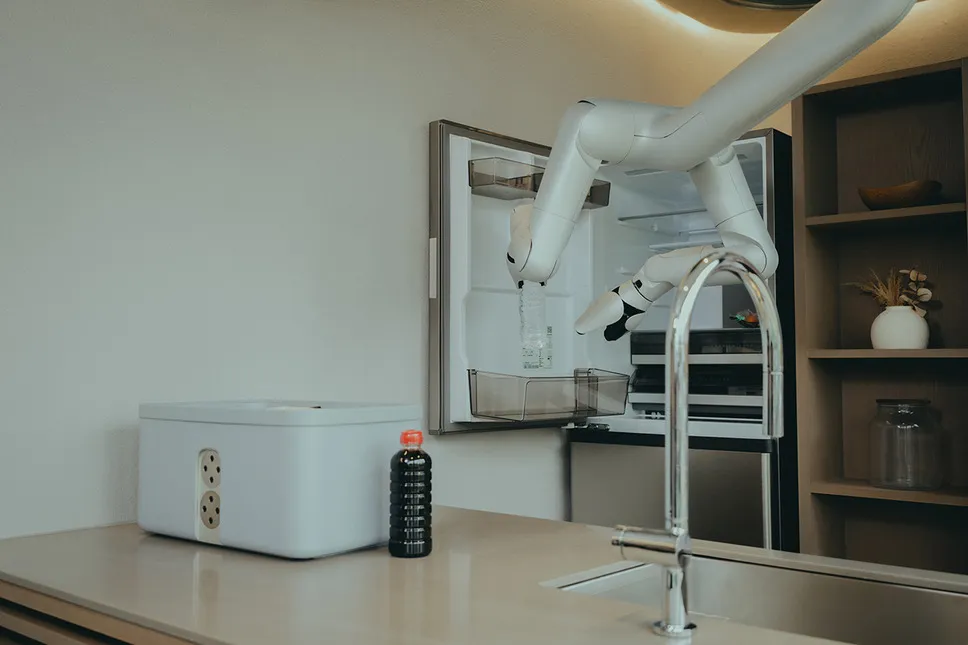
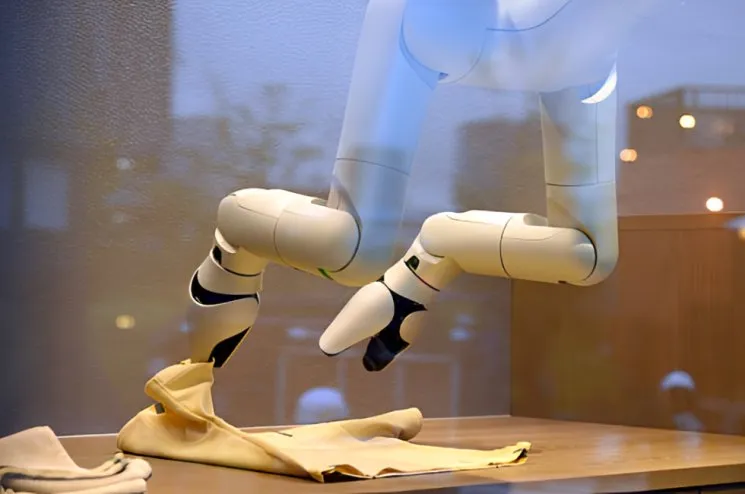
Contrary to popular expectations, the MW bot is not a humanoid robot, but a gantry-like system that slides along the ceiling track: two mechanical arms with a claw-like handle at the end, rather than five fingers.
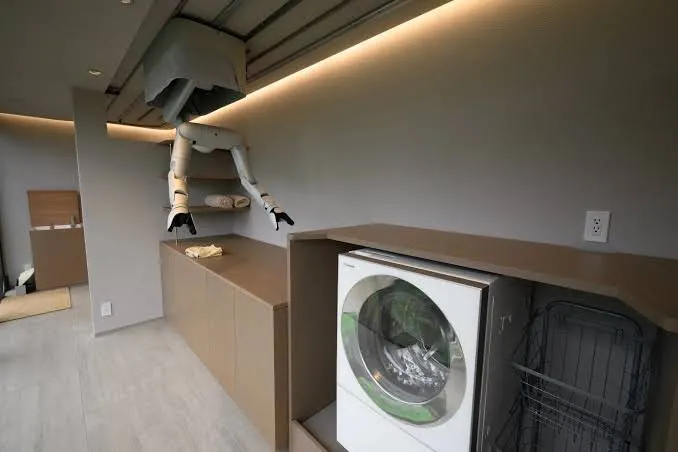
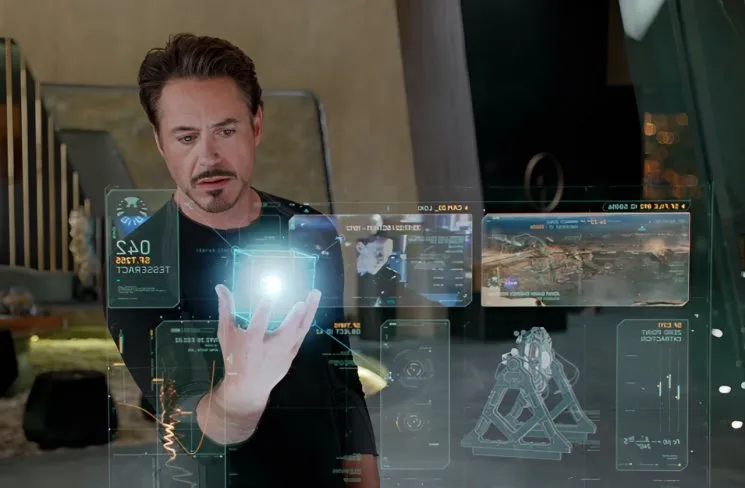
It's not about the ground, it's about the top of your head. The inspiration is Javis, the AI manager for Iron Man.
The demonstration task was lively: sorting food out of the shopping bags, pouring oil into the cabinet, putting cold storage in the refrigerator, and pairing; taking a handkerchief out of the dryer and folding it neatly.
The mechanical arm moves along the level of the ceiling track, suspended at the kitchen operating table, dryer, wardrobe is just above the work, after completing the recovery of the original place, the worker walked from below, barely feeling its existence.
In a blog post, CEO Teneda said: "The first homes and software have been completed, the MW bot Gen1, which was developed alongside the building software, has been completed and integrated into a trailer room".
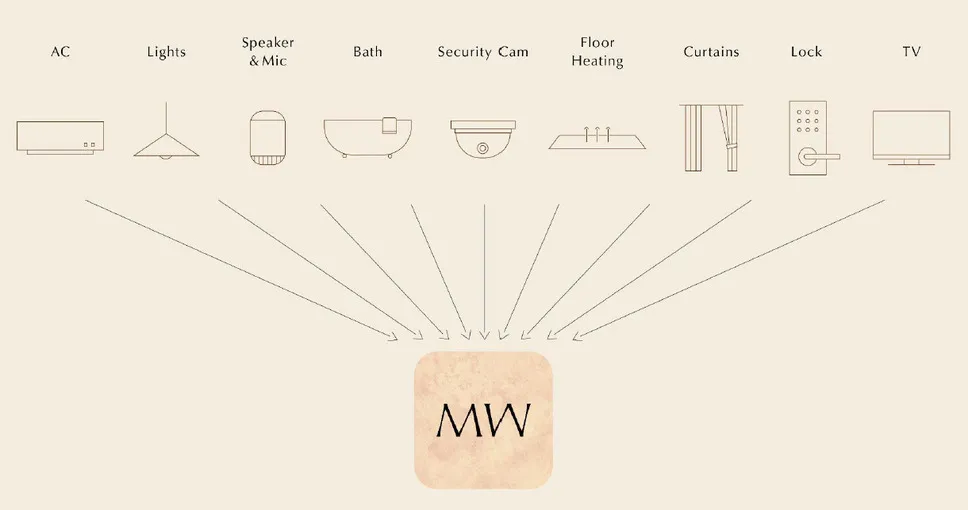
The word "integrated" is key: the MW bot is not a moving household electricity, it's a part of the house.
02.
Why don't you do a two-legged doll?
Why not make a robot? MW's reasoning is very "Japanese": to make home AI robots work steadily in small living spaces, it is necessary to develop a residential, software, and robotic trilogy.
It's a three-story building.
One is safety. Japanese housing is tight, with little room for two-legged robots to bypass furniture, pets, and children, and corridors and staircases are risk points for both legs. The core benefit of a ceiling route is physical isolation: people walk on the ground, robots walk on the ceiling, occupy ground space and reduce the risk of falling from the source.
The second is computing. The clean floor of the laboratory and the real home are two things. Two-legged robots spend a lot of computing power on maintaining balance and tackling sudden obstacles. These expenses do not contribute to "putting clothes together".
The third is the psychological sensation, which is often overlooked. In Japan, a robot with two legs as tall as a human being can be placed in a home that is already inhabited, the feeling of oppression may be stronger than imagined.
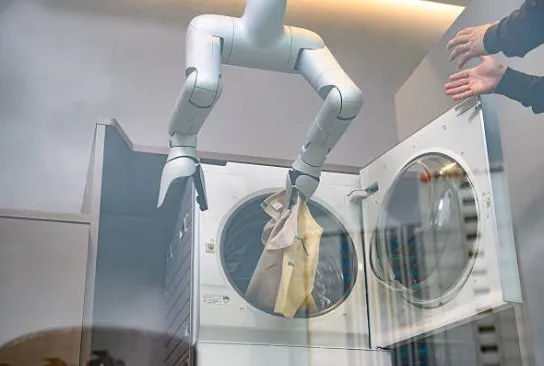
So the design idea of the MW bot is simply to "do as much as possible not to be noticed": it works mainly when the owner is not at home, or when attention is not paid to it, such as cleaning the mattress when going out, cleaning the dining table when bathing.
In a nutshell, MW's motto is: Instead of letting robots learn how to adapt to a house, it's better to start building a house for robots.
Of course, built-in architecture can't beat mobile robots, only time can answer.
03.
The house was designed as a machine.
MW has its own understanding of the term "smart home". In its narrative, the past smart home is nothing more than a "set of devices that replace switches and remote controls with cell phones after the home electrical network".
MW wants to do Residential Physical AI, which includes three things: perception, a collection of sensors throughout the home; intelligence, understanding the state of affairs; MW Intelligence, which makes judgments and continues to learn; physical embodiment; and MW bot that performs equipment operations and household chores.
The three were shaped from the beginning with the building, rather than later additions.
Technically, it is a VLA (Vision-Language-Action) type robotic base model with a set of uniformly tuned home-wide distributed devices called "residential space OS".
According to Teneda, the first housing, software and MW bot Gen1 have been completed, but the final step is to move the bot from the trailer room to the real home.
The four main uses of this round of financing include exploring self-built dedicated data centers and using data collected from real homes to train AI models. In other words, houses sold first could become the data source for subsequent models.
The building is led by its co-founder and chief architect, Matsuda Rinke, who has worked in OMA's New York office and Japan Construction Design, founded the private practice YMA in 2020 and participated in the design of the Osaka Expo Italian Pavilion.
The MW also imitated Corbusier's Five New Buildings, citing its five principles: Timeless, Eternal, Updatable, Renewable, Fluid, Moving, Biophilic and Integrative.
Among them, Updatable is a hub of houses that are seen as a sustainable upgraded hardware platform rather than a delivery-type product.
04.
Starting with 200 million yen, what did you buy?
One real-world reference is that MW's first home (without a robot) will be priced at 200 million yen, while a version with a robot will not be available until 2028. That is, what is being purchased at this stage is essentially a home that is not yet equipped with a robot, and the actual hardware and software subscription costs have not been disclosed.
The question arises as to whether the Updatable principle will work, depending on whether MW can build a continuous upgrade and maintenance system, and the company has not yet given a clear solution.
In contrast, existing household robots on the market (such as sweepstakes machines, window wipers, etc.) are independently purchased and replaced at any time. MW's route puts "housekeeping capabilities" into the house itself, the benefits are deep integration, and the risk is that the initiative to renew the replacement is not entirely in the hands of the owner.
In the end, it depends on one thing: whether the tenants are willing or unwilling to pay the premium in advance for the promise of "the house will make itself smart".
MW's differentiation is a complete vertical integration: from land, building design, structural computing, construction management, to software, AI models, robot bodies, all done internally. This is an entirely different path compared to tech companies that only write software, or hardware startups that buy third-party homes to upgrade.
The company was co-founded by CrowdWorks co-founder and co-founder and CEO of the company. In addition to GENIAC, the company was also selected for AWS Japan's "Physical AI Development Support Program".
Their ambition is to be a platform: to license the building specifications, software and robotic integration tools of Living Home to other homebuilders and developers, from selling houses to selling standards.
All of this is backed by capital - three billion yen seed rounds (including equity and debt) have been completed, investors across the three major financial, securities and banking sectors, including Samsung's UFJ Capital, SMBC Edge, GMO AI & Robot Business, FFG Venture Business Partners, as well as private investors from Shenzhen, Samsung, UBS securities and others who have not been disclosed.
MW's product line is divided into three series of geographic suburban, coastal, and natural mountain ranges, with more than 10 projects being launched simultaneously, with the next batch playing a larger role, with destinations including the coastal cities of Fujian and Yangon.
As for the 10,000-square-foot target of 2035, MW's algorithm is: 10,000-square-foot annual output is equal to 5% of Japan's existing new housing market, and by then "homes with robots" will have gone from being rare to a standard option.
The business is focused on two of Japan's most realistic issues: the household burden of dual-working families, and the stress of caring for the elderly in solitary confinement.
After the announcement, Renata wrote in a blog post: "What we want to do is not even 1% achieved, but the initial vision is starting to take shape".
The development cycle of the housing is ten years, and robots are months. MW's goal is to bring the two curves together in 2028.
Do you want to make the promise that you will be smart enough to buy your own house and earn the money in advance?