If you eat an egg and you feel good about it, why would you know the mother of the egg?
I don't think there was an AI version at this year's edition:
When you read a good article, solve questions, and learn something, does it matter whether it's written by humans or AI?
The question was raised by Beijing University Ph.D. student Gigayang Min, who won the best paper on ACL, and the winner of last year's prestigious InTech Award. He also made a more radical prediction: the Academic Conference will disappear.
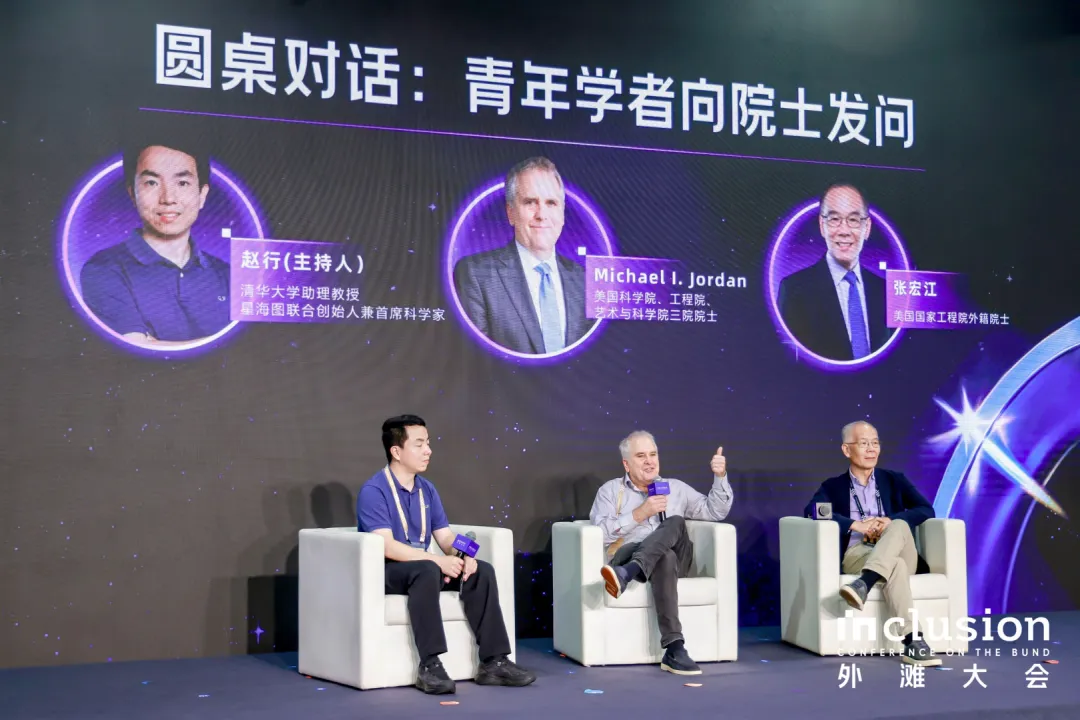
Just a few decades ago, on the same stage, Michael I. Jordan, a fellow of the American Academy of Sciences, the College of Engineering, the College of Arts and Sciences, also spoke at an academic conference.
However, his point of view is a little different.
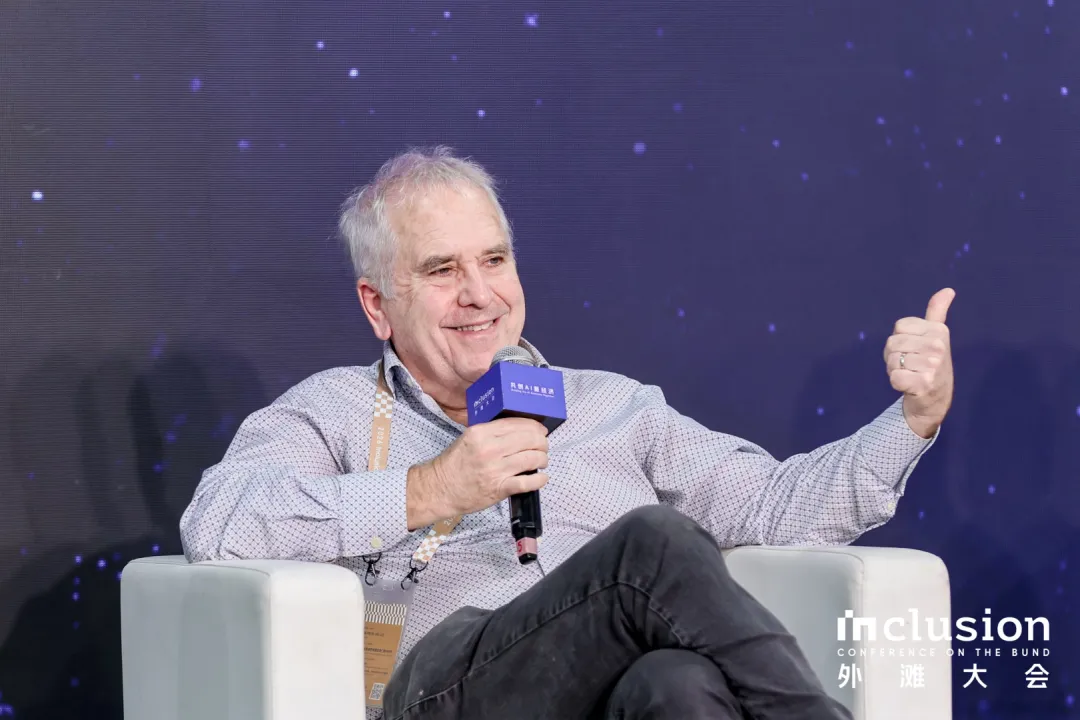
Jordan said that today's conferences and papers are increasing, but there is no need to ask for topics. Like a high school orchestra, playing is not perfect enough and does not prevent the practice itself from being valuable.
As for AI, for example, he's got a little cold water: it's a long way to go to really understand the world like humans do, and one of the important questions is how to deal with uncertainty.
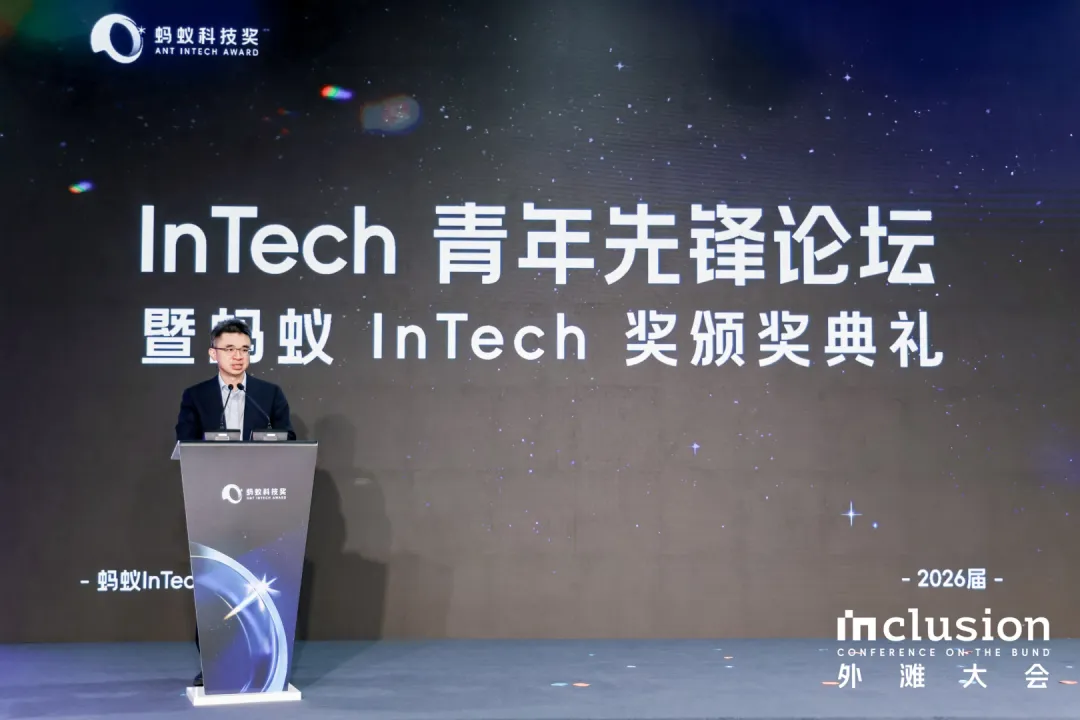
These are just a few excerpts from the 2026 InTech Youth Pioneering Forum awards ceremony: "Science Forward, Talent to the New InTech Youth Pioneering Forum".
This year's InTech Awards, which marked the third edition of the Outdoor Scholarship Conference, received entries from young scholars from more than 50 universities in 10 countries and regions around the world, nearly four times more than the first.
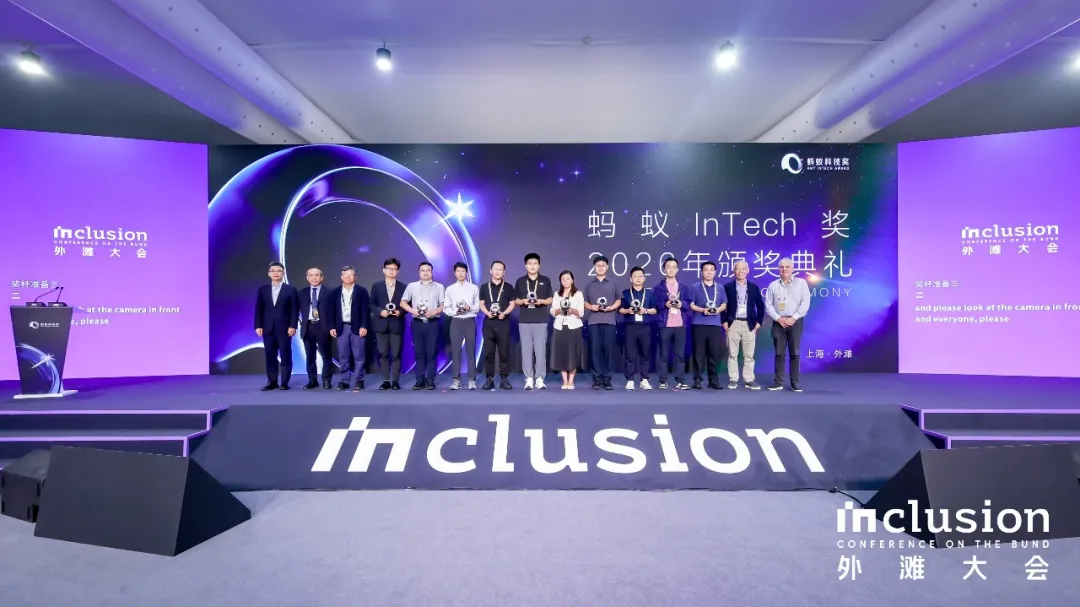
More important than the prize, the winners have also made the word "young scientist" a metaphor.
Some of them started their own businesses before they got a job; others became the first independent authors of Nature papers after '90; and some open-source projects have been running on hundreds of thousands of GPUs.
Some of the past winners of the prestigious InTech Award for Best Paper, as well as high school students who have just received their papers from ICML 2026, also attended the event.
In this extremely tense intergenerational clash, Professor Taiwu and academic newcomers face a series of deep-seated questions about the fate of AI-era science and youth choices.
Scientists are leaving the lab.
Compared to the previous wave of AI, generative AI has blurred the boundaries between industry and academia.
Hong Kong University's assistant professor Lee Yang is the founder of Source Strategy for the future, hoping to give humanoid robots a brain with a body: connecting environmental understanding, mission planning and full-body movement control, ultimately leading to Physical AGI.
Roepedia was founded by Nanjing, an associate professor at the Southern Ocean University of Technology, with a focus on physical data and infrastructure. AI has to come into the physical world, where data comes from, how it is collected, and how it is organized.
Chang Star, an associate professor at Tsinghua University, is involved in the transformation of transboundary technology, focusing on another piece of infrastructure: training and cost reasoning.
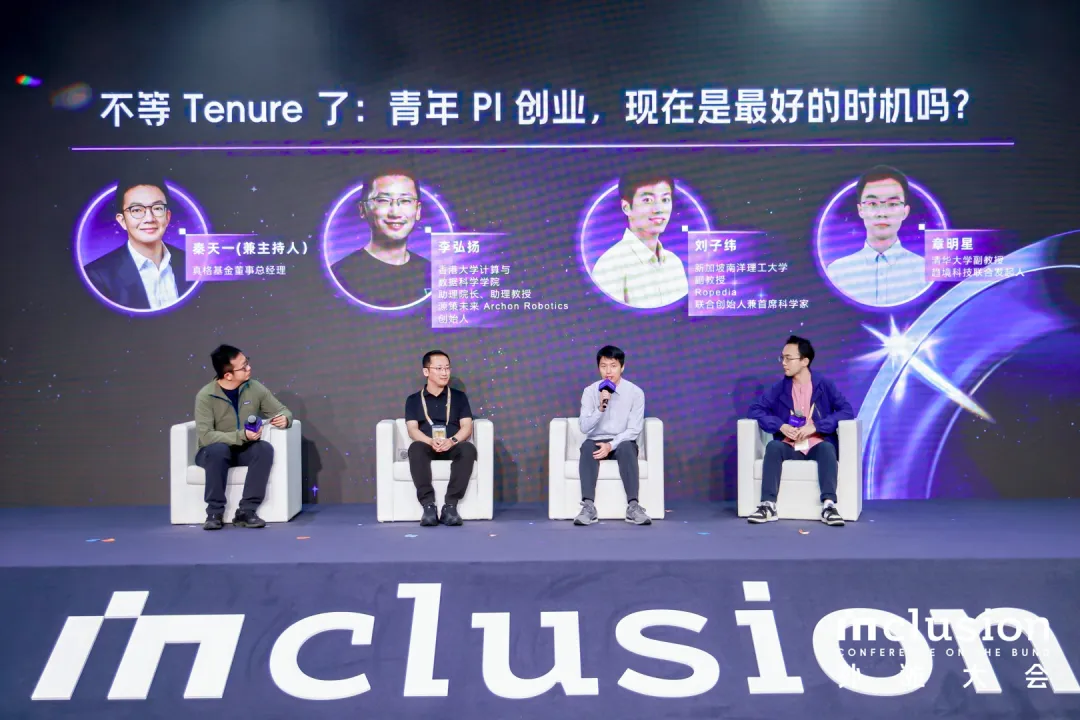
The three startups are in different directions, but they have one thing in common: they do everything they can to address the underlying issues of the next stage of AI.
And more and more problems are difficult to solve in the laboratory alone.
Li Xiang mentioned that today's demand for pre-training, data, computing and engineering resources may be tens or even hundreds of times greater than in the past. Companies can quickly organize these resources, along with people from different backgrounds.
While working as a consultant on the dark side of the moon, Chae discovered that traditional research projects, from applications, reviews to billing, had difficulty keeping pace with large models.
When it comes to physical intelligence, the situation is more straightforward. According to Liu, the data of the physical world cannot be downloaded in a laboratory. Cleanup, sorting, industrial assembly, these real-life scenarios require researchers to enter the industry, organize people, equipment and processes and continue to collect data.
Research itself is becoming a major project. Some of the open research done by universities in the past began to migrate naturally to companies.
However, this does not mean that the school has lost its value.
Li Yang and Nan Yue's judgments are closer: small-scale, limited resource demands, and long-term exploration of technological routes that have not yet been crossed, are still suitable for staying in universities.
Once the company enters the phase of large-scale data, computing and engineering verification, it has more advantages.
Research can divide jobs, but people's choices are not so easy.
The cost of being a professor and an entrepreneur at the same time is very specific. Zhang Hongjiang, an associate professor at the US National Academy of Engineering, said that if a researcher told him he wanted to start a business, he would first ask:
Are you ready to leave your current academic position and devote yourself to it?
One of the most common causes of entrepreneurial failure is that researchers tend to underestimate market challenges, overestimate the advantages of technology itself.
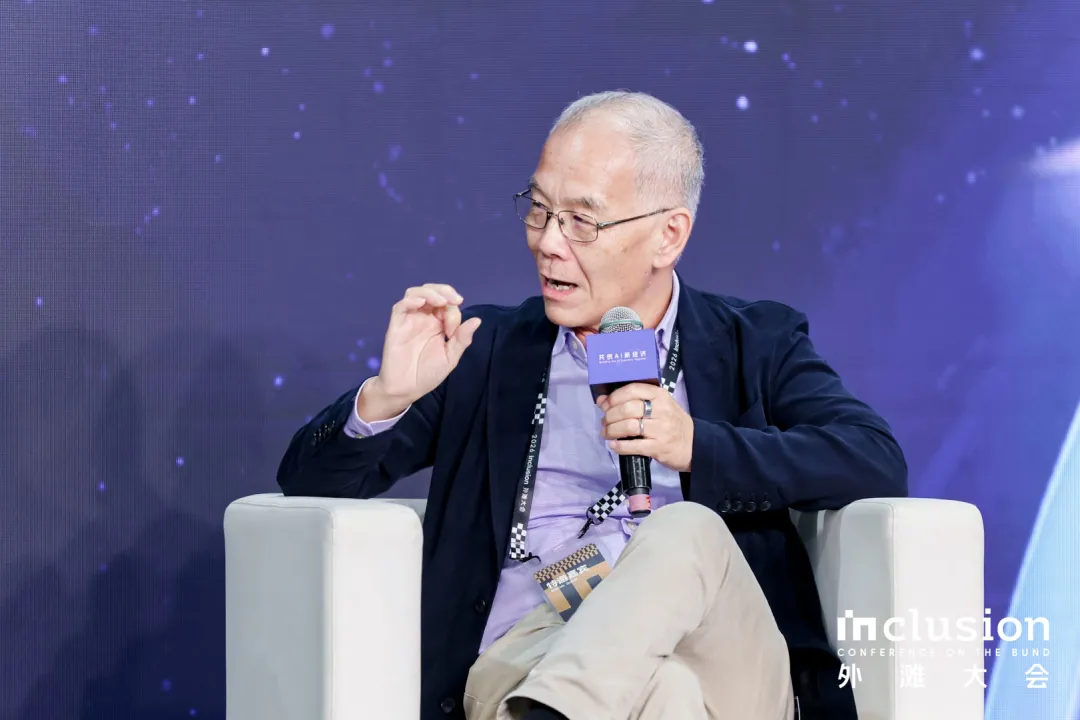
At the same time as teaching, research and entrepreneurship, it is a huge challenge for him. The outside world sees the progress of finance and companies, but rarely sees what he has given up in school for entrepreneurship.
So his advice is rather restrained. Young teachers who are just entering high school, do not have to rush to start a business.
It's a reminder that today's heat wave should not be the norm.
He went through the last round of computer vision startups, where the market has been cooling since the hottest of times. When it comes to financing and talent, the easiest question to ignore is exactly what happened in the second half.
Michael I. Jordan adds another dimension to "success" in his academic conversation: How much have you learned in the process?
Even if the company is ultimately unsuccessful in understanding the market, learning how to run the business, this experience is still valuable. After the first attempt, the researcher may become more aware of what they are suitable for and what they lack, and these experiences will be the basis for the next start.
When the authority of knowledge is destroyed by AI
Science is changing, so is education.
In Michael I. Jordan's view, the basic pattern of doctoral education may not change much, but undergraduate education may change dramatically. Teachers need to rethink what to teach and how to teach.
The young InTech winners have already incorporated AI into their daily work.
A Ph.D. student at Purdue University, Marjorie, who edited "No less than 100 times" before becoming the first woman to write a paper in Nature, is also the recipient of this year's InTech Fellowship.
He said AI saved him writing time, but those exaggerations, such as marketing, still needed to be self-identified and adjusted.
GigaMing has been working with AI to find research directions that have not yet been fully considered but may be effective.
Zhang Lin, a PhD student in the Department of Automation at Tsinghua University, describes himself as a heavy user.
He has used AI to read papers, discuss ideas, and write code. He can constantly ask AI questions while reading papers, as if he were interacting with the original authors.
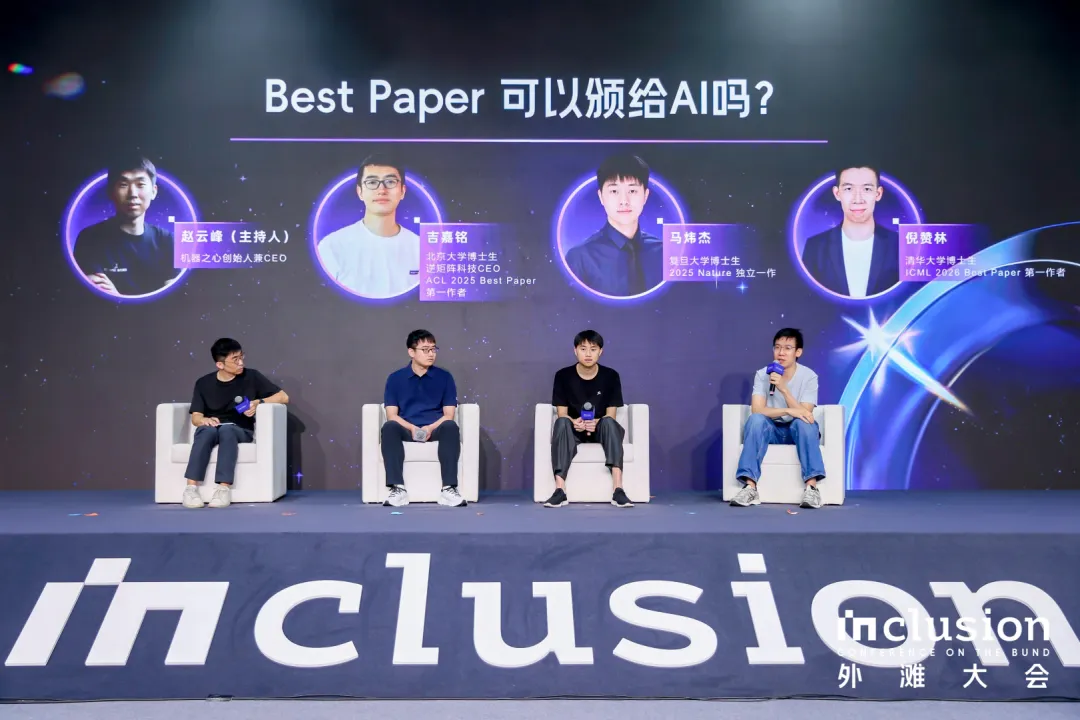
There is also a more vivid example of "AI parity".
At the Lightning Talk event, Suzanne, a senior student at the Hong Kong Derry International School, shared her experience as a researcher.Before entering university, he had already received a paper admission notice for ICML 2026 while in high school.
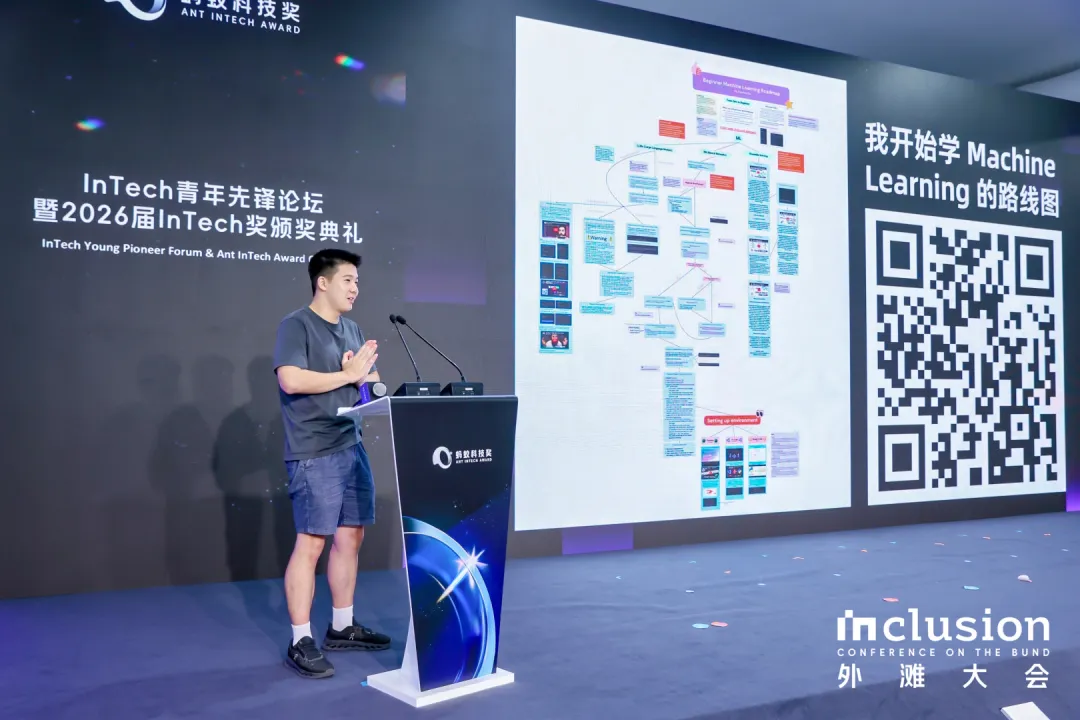
His learning path is characteristic of this generation: taking open-ended lessons, reading papers, using open-source tools, not knowing how to ask AI. From neural networks, reinforcement learning to Transformer, AI is like an all-weather, one-to-one teacher who can interpret the same question in different ways until he understands it.
According to Suzuki's own estimates, about 80% of knowledge comes from self-study, and 20% comes from school classes.
In addition to on-demand rental computing and family support, a high school student also has the opportunity to gain access to cutting-edge research and actually start experimenting.
In the past, the threshold for this was much higher.
Renowned scholar and book critic Xu Xuan summarized the change as: AI is changing "the scarcity of academic capital".
In the past, long-term accumulation was valuable because of the high cost of copying.
Now, literature review, conceptual reasoning, knowledge retrieval, framework applications are rapidly being transformed by AI into a low-cost "cognitive infrastructure".
Gujarat also shared an interesting detail.
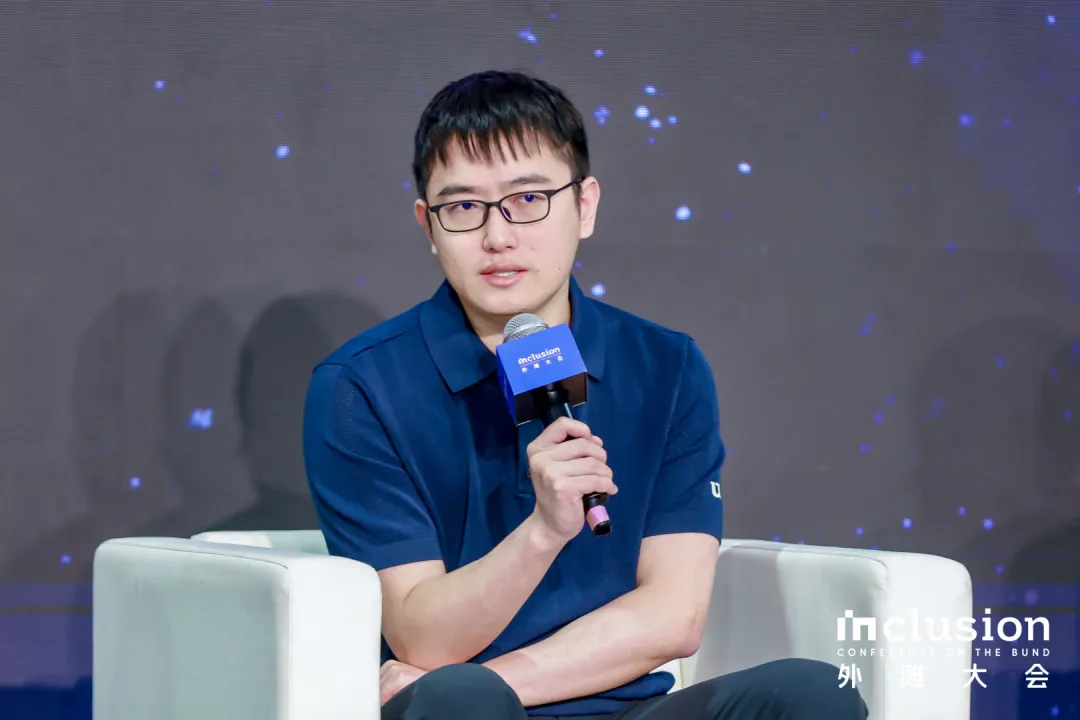
Recently, in an internal exchange at Northeastern University, people discussed how to quickly enter a new field.
In the past, this often depended on a mentor, a senior researcher or an excellent review.
Knowledge is becoming easier to summon, and the advantages of relying on knowledge reserves and poor information in the past will naturally be re-evaluated.
Some of the "skills trained to write papers" may not be worth the money afterwards.
So the question arises: will papers always be the most important carrier of scientific results if people learn mainly through interaction with AI in the future?
The focus of the competition is shifting, and Xuan pointed out that as knowledge becomes easier to use, it becomes even more important to establish effective connections between different fields.
This is also in line with the advice of Michael I. Jordan.
Mathematics cannot be lost, students who are good at mathematics must also go to study economics and social sciences.Becoming a more inclusive person。
Other winners have locked their value for human researchers in Taste, Judgment, Agency, Storytelling.
In the end, it's all about moving from "doing it yourself" to "doing it yourself".Defining problems, judging outcomes, organizing resources.
The Taste that AI learns is likely to come from consensus that has already been formed in existing papers and academic communities, says Marjorie, while new issues that are really important often occur before consensus is formed.
What is worth investing in and what breakthroughs need to be made to break existing consensus? These judgments are still an important value for human researchers.
What is China's lack of smart people?
Talking to several of this year's top InTech winners, they agreed that in the field of AI, China's young scientists are getting closer and closer to the forefront of the world.
Some of the top laboratories in the country, whether it's the density of talent, engineering skills, or judging new directions, have not lost their front-line teams overseas.
As the number of good scientists increases, what's really scarce is what's really scarce.It's about letting smart people do things that can't be proven right for a while.
The Monkey Monkey tells a story from more than a decade ago.
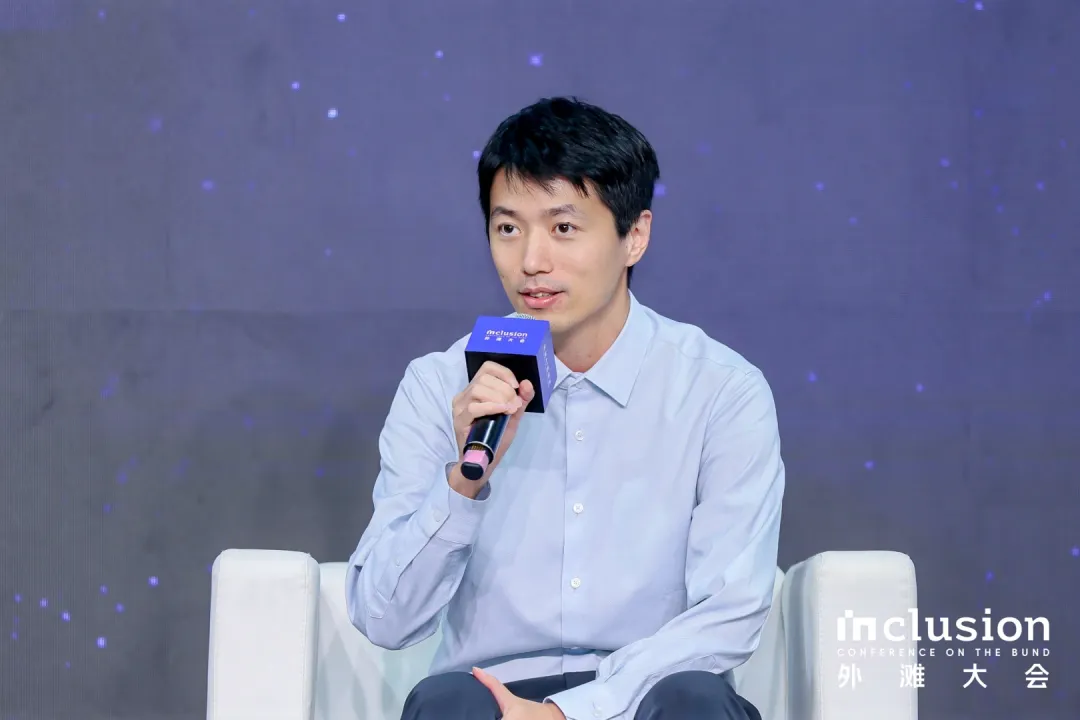
Around 2013 and 2014, computer vision was shifting from manual features to deep learning. By the time instructor Liu Xiaobo recognized the change, the entire team was moving to deep learning and providing resources such as GPUs.
The team started by collecting data, artificially labeling, and then on to model training and cross-task verification. One of the results was a big impact on CelebA.
It contains more than 200,000 facial images and a large number of attribute tags, and has since been widely used for tasks such as understanding, editing, and generating faces.
However, the true value of CelebA is not something that can be judged on the day the paper is published.
As more and more researchers train, validate and develop new tasks on this set of data, its impact across the field continues to grow, and until 2024, the CelebA team was awarded the PAMI Mark Everingham Prize.
The value of original research often takes years to become apparent.
Marjorie is experiencing another "unpredictable outcome".
He studied computer vision and 3D vision. While studying at the Shanghai AI Laboratory, a quantum physics teacher asked him a question:
Now that computers have been able to re-create a 3D world, can they make it more realistic?
It's not just about creating a two-dimensional image; it's about making people really see it and even interact with it.
This idea attracted him and combined his previously accumulated algorithmic abilities and engineering experience to become the starting point for the cross-sectional study of computer vision and display optics.
A problem that is new enough often means that there is no established path to follow.
Specifically, cross-sectional cross-sectional algorithms, optics, and hardware systems are intertwined, and an experiment fails because the cause may come from a model, or it may come from equipment, labeling, light paths, or even engineering implementations that can only be touched on their own.
What is even more troubling is that for a long time, no papers were produced.
Watching his peers constantly circling his friends to post their papers, Madge became anxious, even jokingly saying that he couldn't go back to his parents' AI programming class.
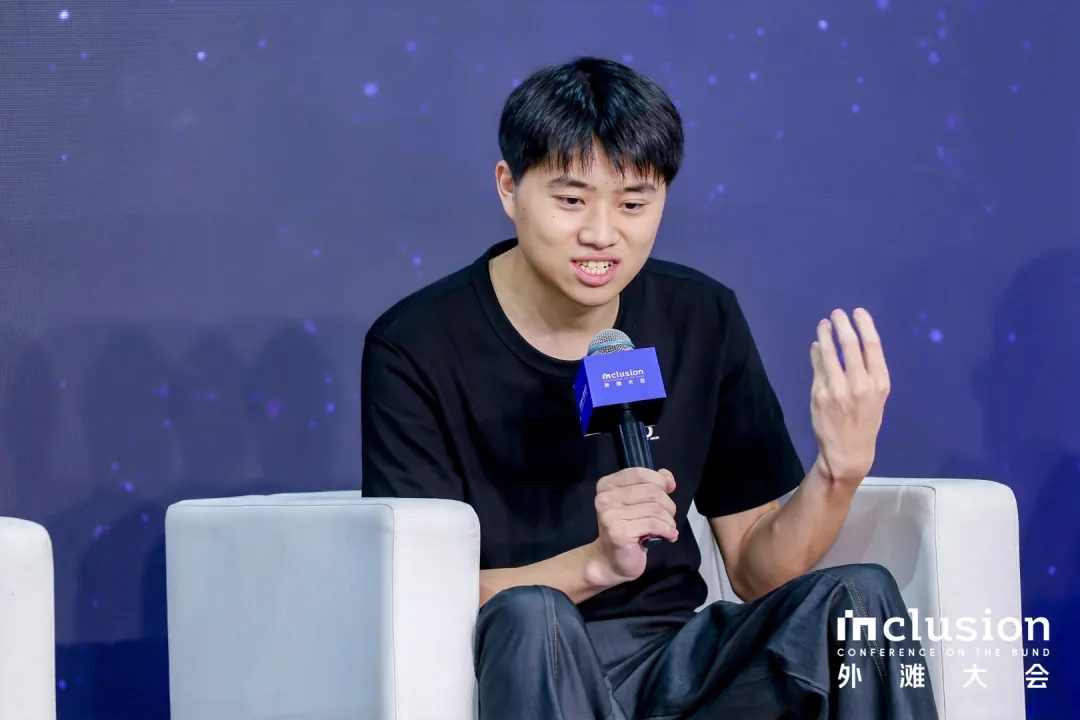
His continued work was supported by his interest in the problem itself and by the continued judgement and encouragement of his mentors.
Marjorie recalled that mentors often used "interesting" terms to evaluate a study, repeatedly discussing with him whether the problem was of intrinsic value and whether it was worth spending precious doctoral time.
As for how to dismantle the problem, how to design the experiment, how to implement the system, the instructor left him plenty of room to explore.
The two stories ultimately point to:True original research needs to be allowed to err before the results appear.Researchers need to have the opportunity to try it first, without having to prove that it will work before it starts.
At the InTech Youth Pioneers Forum, we've taken this discussion a big step forward, and if today AI can read papers, code, and find ideas, then a natural question is:
How far away is AI from real scientific discovery?
What is "good scientific research"? According to Zhang Lin, it is difficult to write it into a clear objective function.
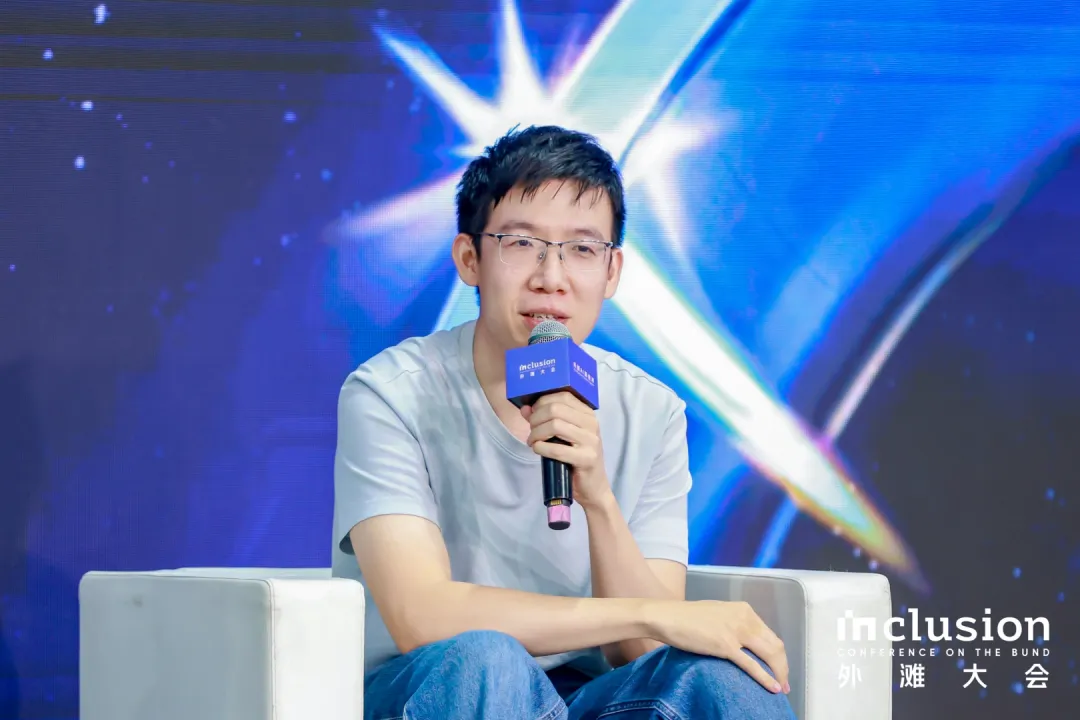
Of course, AI can do a lot of optimization if you set a number of citations, the number of papers, the benchmark score as a goal. The problem is that getting these metrics to the extreme is not necessarily the science that humans really want.
It is difficult to fully describe the kind of research that humanity expects.
In the end, this is still a problem of coordination, and it is likely to be a long-term problem, which means that, at least for a long time, humans will not withdraw from scientific research.
Big Model Indigenous after 00
If you use a word to describe yourself in the present, Suzanne will select: change.
"I feel like I've been changing fast".
The word is also well-suited to describe the speed at which AI is entering "after 00".
A few years ago, perhaps only 10 to 20 percent of his classmates were using AI. By this year, his mood had grown to 70 to 80 percent.
Some people use AI to do PPT, to do research; some people take AI simulation exams; some people directly let AI teach themselves lessons, and even think they can speak better than teachers.
Interestingly, many of my classmates don't even know what model they're using, they only know Perplexity, Manus, the name of the product.
Suzuki will study model versions, capability rankings, and specifically test new models. But for more peers, AI is becoming an infrastructure that doesn't need to know its name.
As with the opening of the pipes, few people will ask which plants are supplying the water today.
Teachers need to slow down a bit. However, at least starting this year, Suzanne has clearly felt that teachers in schools are using AI more actively.
While we were talking to him, GPT-6 Astra just went online. He was testing and preparing his second paper.
He did not feel that he belonged to the traditional sense of "scholarship".
At the time of writing his first paper, he felt that he had "destroyed learning": the classroom was unheard of, less homework was done, and the days before the exams were attacked.
The results, however, can still be maintained at a very good level.
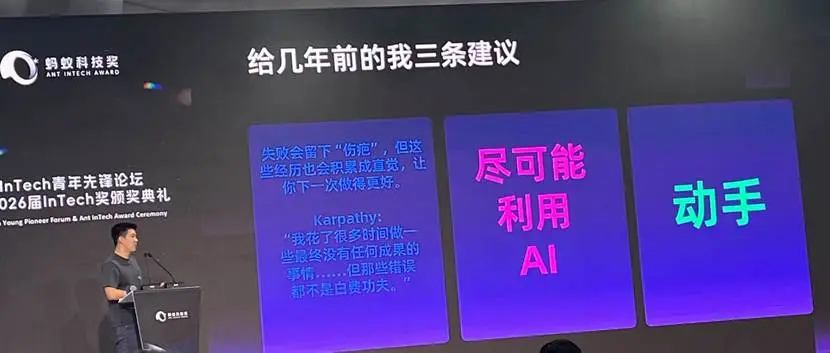
Some of the tasks he felt were ineffective were also handed over directly to AI.
AI has helped this generation to eliminate a lot of inefficient time, but Suzanne has a philosophical saying: "Drying is a very good tool because it makes you creative".
In the age of AI, teenagers have begun to worry seriously: Is there a future for humanity?
When he meets an AI practitioner with whom he has spoken, he asks the other person directly, do you think AI will lead to the extinction of the human race?
But AI can give children knowledge, but it doesn't automatically give them the right to explore.
In Sutan's eyes, his parents used to be "the tiger daddy tiger". But as he gradually proved himself able to manage his learning and maintain good grades, they also began to give him more freedom.
In the month in which he wrote his first paper, Liu initially thought he was playing the game. He later found out that he was really doing something seriously and eventually chose to let him continue.
The worst days of study, the real consolation of management, still comes from parents.
This reminds me of a few words that author Deng Xiaoping said to his parents at the main forum of the Shanghai Conference: AI is not a flood monster in your imagination.
It's bound to change the way education and thinking is done, and when the "first decade" and the "common sense" no longer have the same advantages as in the past, and children are free from these demands, can they take a step further in creativity?
It's time to give a little more time to people who haven't been proven right.
China's Nature Index cited an ongoing change:
Chinese companies and entrepreneurs are playing a more important role in the scientific research system. However, the proportion of corporate R&D investments that actually go to basic research remains limited.
In this context, the three-year-old InTech Award, as a purely public benefit award, is more than just a bonus.
Rather, it explores a new way for enterprises to engage in basic science.
In three years, the core mechanism of InTech has remained largely unchanged: it is aimed at young researchers within a decade of completing a PhD, retaining an individual prize of 200,000 yuan, and adhering to peer recommendations and expert reviews.
But the scope of InTech is constantly expanding.
From domestic universities and research institutes, it has expanded to global research institutions; research directions have also gradually focused on cutting-edge areas such as AGI, physical intelligence, digital medicine, data processing and security privacy.
It's not an isolated project either.
In a longer chain of scientific talent cultivation, Liu has co-founded more than 20 joint laboratories with universities such as Tsinghua University, Shanghai Transportation University, and has launched research funds with academic organizations such as CCF, CAAI, and established research internship programs and postdoctoral work stations for students.
It is reported that the Yang Group has also announced that it will invest 100 million yuan over the next three years to finance InTech award-winning teachers, classmates and other start-up projects.
Instead of traditional manufacturing R&D collaboration, which often seeks industrial value after the technology has matured, InTech takes the support a step further:
When the outcome is uncertain, give the researchers some time and space.
In an interview, the winner of the prize, Li Yiyang, said that the most important resource for researchers is time and energy. He plans to put the bulk of the prize money into the team to support students in early attempts at "high risk, high value".
This is perhaps the most needed support for basic research, and it's hard to know which young people are supporting it today, which seem not practical enough, and which will become the backbone of the new technology in a few years' time.
So InTech is trying to get more answers in higher places.
For young scientists, it's a space for free exploration; for an AI company, it's pre-sowing for a future technological ecosystem.