
Where are the joints module cards in the mold industry?
Currently, there are a number of common issues in the field of joint modulation.
The first is consistency.
The initial demand for joint modules was too small to have the conditions for automated production, and consequently consistency was discounted.
The most direct way is to get manufacturing companies with mature industrial experience into the modeling circuit. Some decelerators have already built-in production lines, supply chain resources, and a market-tested product control system, which is equivalent to using an outdated production system to adapt to new needs, reduce trial and error costs, and seize enough time window.
Another solution is that, with the gradual mass production of humanoid robots, public data shows that high-tech, high-quality joints, Quanzhibo, Tiger robots, and Bluetooth technologies are saying goodbye to manual assembly and are gradually shifting to automated production lines.
The second is the question of stability.
From robotic marathons to robotic sports, to table tennis, badminton, tennis, and other sporting events, humanoid robots are undergoing extreme testing in all kinds of open events, with extreme demands on show muscles and show algorithms on the one hand and physical stability on the other.
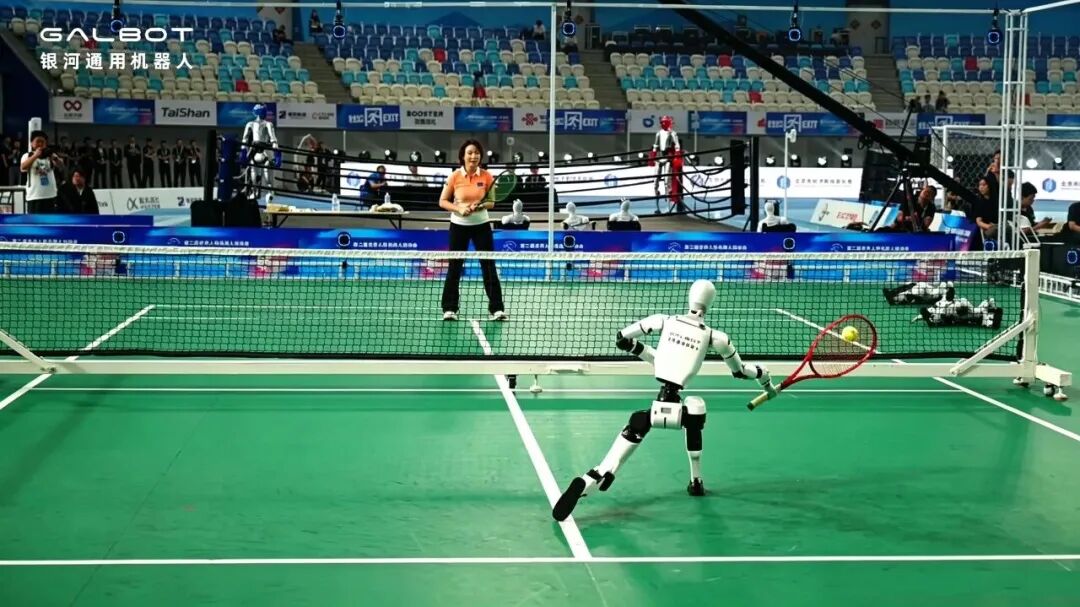
All of these displays require the joint module to maintain precise output under continuous high-intensity working conditions, and any slight deviation may be amplified by intense motion and become out of control of the whole machine.
When it comes to stability issues, the industry is primarily looking for solutions in dimensions such as structural design, temperature control, precision stability, impact resistance and seal protection.
In terms of temperature control design, companies such as INXS, INXS, and Goodwill have introduced liquid-cooled solutions that address the problem of traditional joint heating bottles.
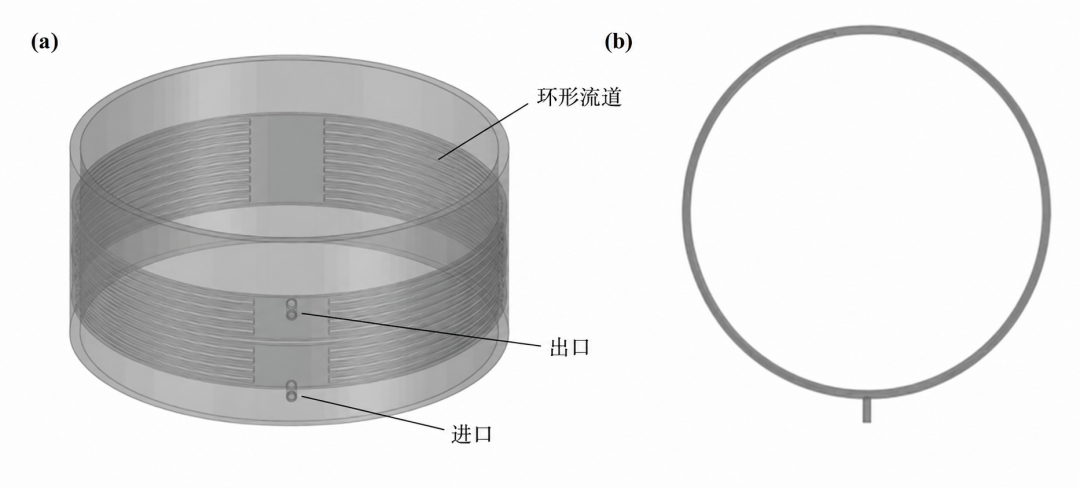
Ring-shaped liquid cold ring structure
In the design of planetary joint accuracy, benign joints have introduced high-precision planetary joint modulation solutions using their 1-arc planetary accelerator precision technology to solve the current problem of planetary joint modulation accuracy bottlenecks in the industry.
In structural design, the Lite lightweight series of Giant Intelligences redistributed the motors, drive boards, encoders, and shock absorbers, reducing excess structural parts and connectors.
Tiger robots are optimized for flexible turbines, material innovation, and thermal dissipation structures, while the entire series uses a through-hole line scheme, which is more than 11% in the middle of nowhere, to meet the requirements for operational stability and man-made robot wiring convenience.
In the field of sealing protection and impact capability design, some joint modules companies have begun to introduce targeted, high-risk joint modules, such as the LZPro series of joint modules introduced for good quality joints using the IP67/68 high-level protection design; the Intelligent Technology and Intelligent Design have both reached IP67 in their recently released planetary joint modules, while the latter have achieved Ex db IIC T6 Gb anti-blast certification.
And finally, the problem of weightlessness.
As the freedom of humanoid robots increases, deployment of more modules in compact body structures becomes a demand for rigidity; at the same time, miniaturized body design is becoming a mainstream trend in the industry, further amplifying the weight of lightweight.
Especially at WRC 2026, many companies have brought the latest generation of small humanoid robots, with many of the original manufacturers growing up with full-size humanoid robots, such as Omni at Beijing's Human Robot Innovation Center, Galbot ET1 for Galaxy, Kengo on the StarSite map, Deer Mining Robot on the Deer Mining, and Mobo on the Marvel Robot on a regular basis.
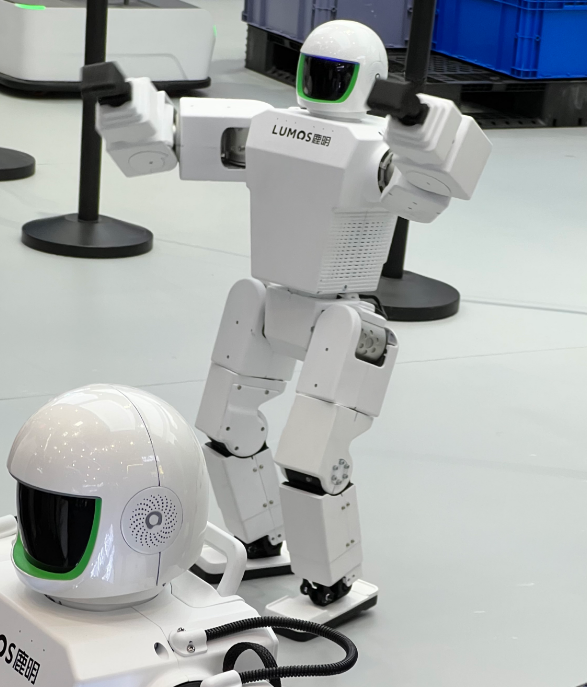
Currently, the solutions of joint modules manufacturers are mainly focused on the import of modular smoothing transformation and innovative materials.
Second, flattening and lossless performance is the main and most common way to reduce core occupancy by flattening routes, such as the axis-oriented magnetic flux module of Zhejiang Star Dynamics and the RHU series of high-tech fusion joints.

Second, attempts at material innovation have never ceased. For example, the tyres of the Tesla Optimus Gen3, the knee joints use Ti-6Al-4V alloy turbines; and the aluminum joint modules of the WRC that were demonstrated during the WRC can significantly reduce the weight of the robot.
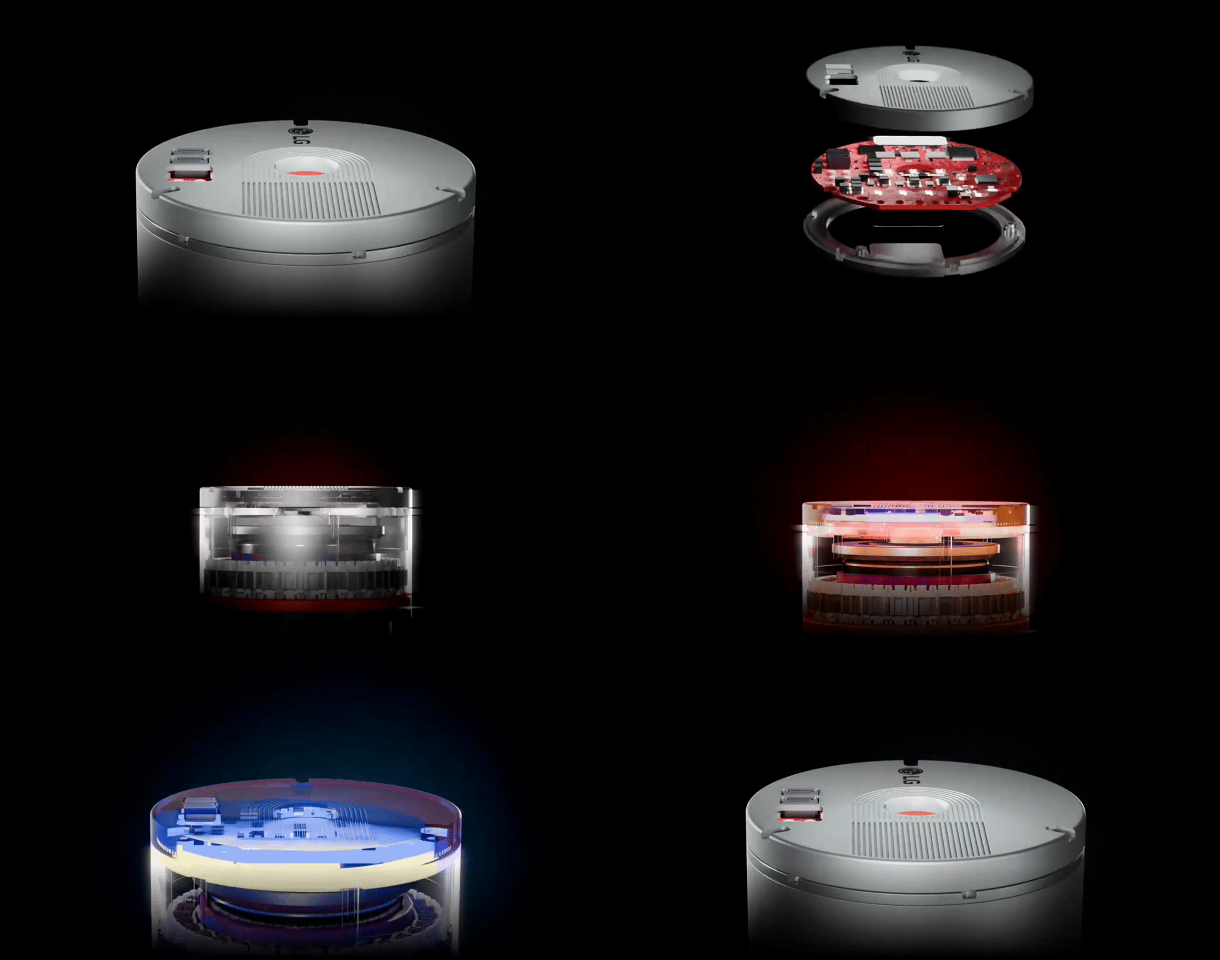
In addition, LG's robot-executor product LG Actuator AXIUMTM uses a 3D thermal scattering design to evenly disperse heat through multi-layered aluminum coatings, controlling the working temperature of core components below 95°C.
I'm not going to lie.
Of course, the above three key issues are not all of the challenges facing the joint module linkage. Whether it is material fatigue, electromagnetic interference, or production consistency and cost control, there are still a lot of engineering topics to be addressed in the industry. But this is why lightweighting, stability and lightweighting are cutting-edge in this article, precisely because they are the most obvious and pressing dimensions.
These three are not only the most focused direction for terminal customers to complain about, but also the core shortcut that constrains link modules to truly meet the needs of a commercialized scenario.
Joint Module representing enterprises
After discussing the key points of the joint module, it is best to focus on the end of the product and briefly consider what new products the joint module has brought to the company in recent years.
It's all about technology.
Established in 2018 and located in the Sichuan mountains, Yiwu Technologies offers a three-part series of joints, such as pumps, planets and straight lines, with more than 1.5 million joints ordered this year.
At the beginning of the year, the company introduced three new PHU-enhanced fusion joints, the RHU humanoid fusion joints, and the RP humanoid planetary fusion joints.
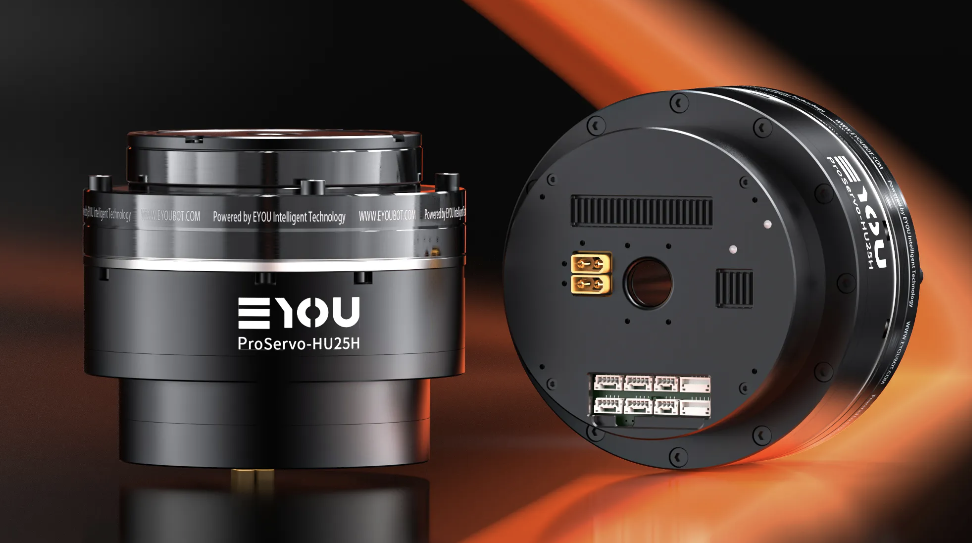
It is understood that the RHU series is tailored for humanoid robots and high-end mobile robots, reducing its volume weight by almost 30% below the torque level, and integrates dual communication protocols, STO functions, and high-precision power control.
Additionally, the RP humanoid planetary integrated joints use reinforced designs such as cross-roller bearings, bumpers, or double-edged fasteners to significantly improve the joint's impact resistance; the introduction of electrosensitive encoders for the first time avoids the risk of traditional encoders losing data in extreme collisions.
It can be seen that after mass production, Yu-tech has not stopped looking for cost reduction, but has also introduced corresponding solutions in dimensions such as volume optimization and improvement of impact resistance.
Good joints
Founded in 2025, with its headquarters in Yunzhou International Center, West Lake District, Hangzhou, and R&D base in West Lake District, the company has production facilities in Zhejiang, Jiangxi, Guangdong, and Guangdong, and is equipped with more than 80 high-precision machines such as rolling mills, car crushers, five-axis processing centers, and ultra-precision grinding machines, achieving an annual capacity of 300,000 joint modules. Its products include planetary joint modules, pulse joint modules and precision accelerators.
The company's core team, with more than 20 years of experience in the decelerator industry in Japan, has used its research and development of 1 arc deceleration machine precision technology to create a high-precision 3-5 arc deceleration module program to solve the current industry problem of planetary deceleration module precision bottlenecks.
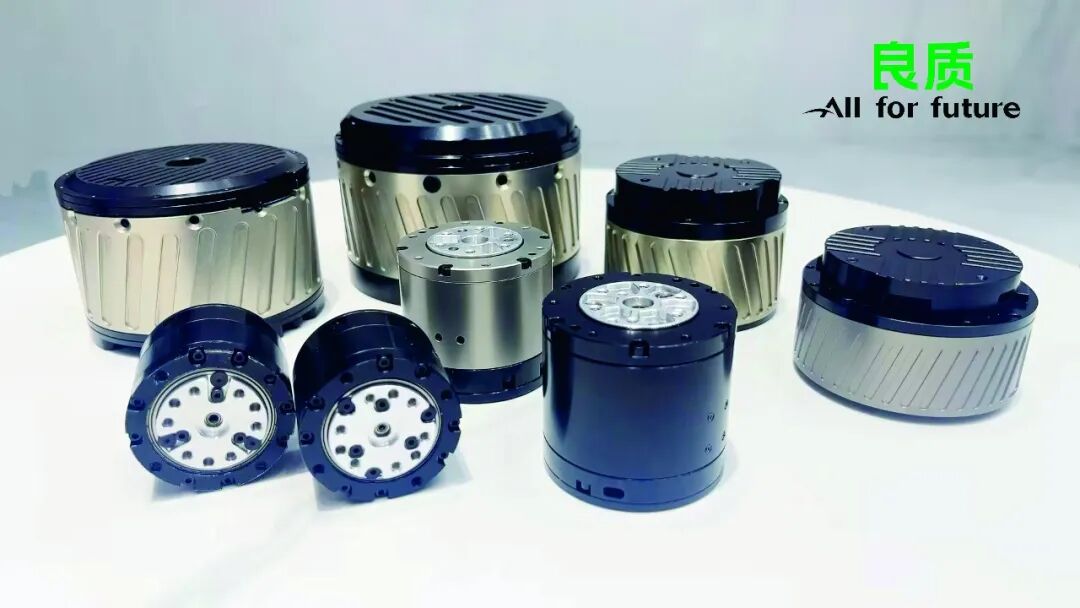
The company holds more than 20 national patents and 2 software patents, uses rolling stock-frame composite processing technology, has a product life of more than 20,000 hours, has a critical process CPC value of ≥ 1.67 and has passed environmental tests of 40°C to 85°C. Its filter joint modules use a driven integrated design, accuracy of 20 second angles, planetary joint modules accuracy of 5 arc points, and peak torque of 600 Nm.
According to sources, the company has established partnerships with dozens of leading human-made enterprises such as Interface Power, U-tree Technology, Savings Cards, Gambling, and Multimotor Robots. In August 2026, the company demonstrated at the WRC in Beijing products such as aluminum alloy ultra-lightweighted joint modules and IP67-grade high-security joint modules, which attracted the attention of numerous human-made customers.
The Tiger Robot
Founded in August 2020, Tiger Robot is headquartered in Shanghai, China, and provides high-end robotics hardware and robotics solutions.
Based on this, the company further launched the modular platform, offering more than 50 specification models of joint modules that allow flexible construction of different performance and cost robot products. This significantly reduced the development threshold for human robots.
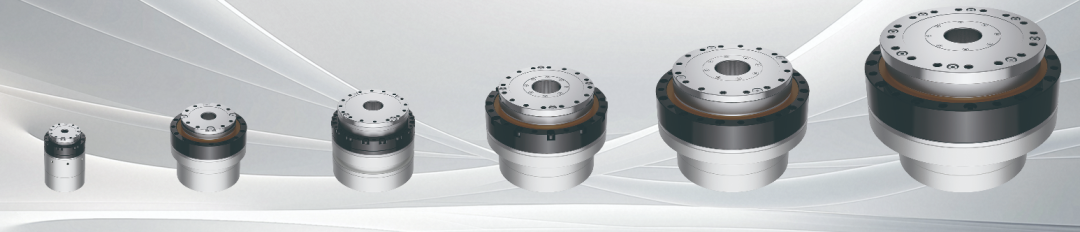
At the same time, the product version of the Tiger Robot has been extended to the mechanical arm and overall machine level, with the latest WRC showcasing a whole new generation of power-controlled arm crankshaft-A6 and landing solutions for the Tiger Robot T170C equipped with the LingBot-VLA 2.0.
By applying self-developed connective modules to autonomous mechanical arm and man-made integrated products, Hyundai has achieved complete chain-verification closures from core components to end products, providing both real-world test scenarios for modular conversion and a solution for customers to buy-to-buy-to-buy plugins.
What is it?
Established in 2023 and based in Wuxi, Suzhou, based at the University of Jilin's Complex Mechanical Power Laboratory, Suzhou delivered 140,000 joint modules in the first half of 2026.
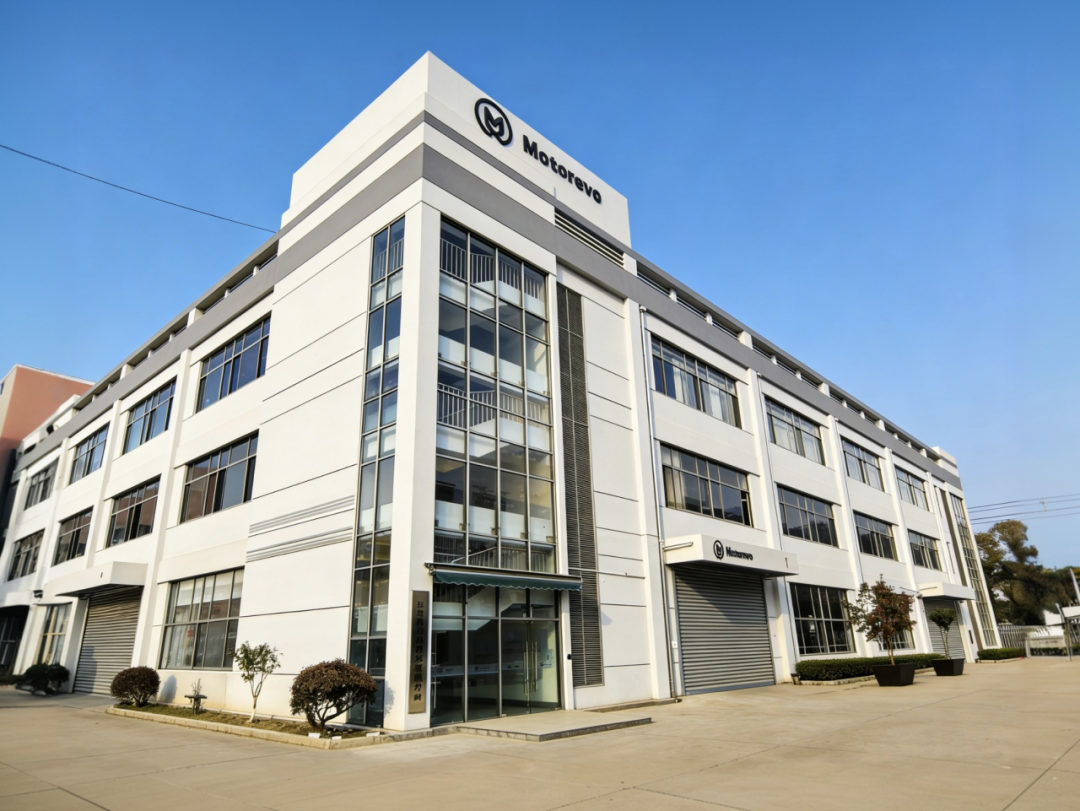
During the WRC, the company released a decompression control binomial junction module.
The data shows that due to the set-up of the two sides of the motor internally and externally, using a cup-shaped rotor in the middle, the two sets of set-ups are driven independently by two sets of inverters, which can work separately or output together. The system has four operating modes.
The indicators published by Quanzhibo show that the binomial structure increases torque output by more than 28%, torque volume density by more than 28%, torque mass density by more than 12%, and maximum torque speed by more than 60%.
From this, it can be seen that, starting with the structural design, Quanzhibo also improved the system's fault tolerance while increasing the torque density of the joint module.
Notes
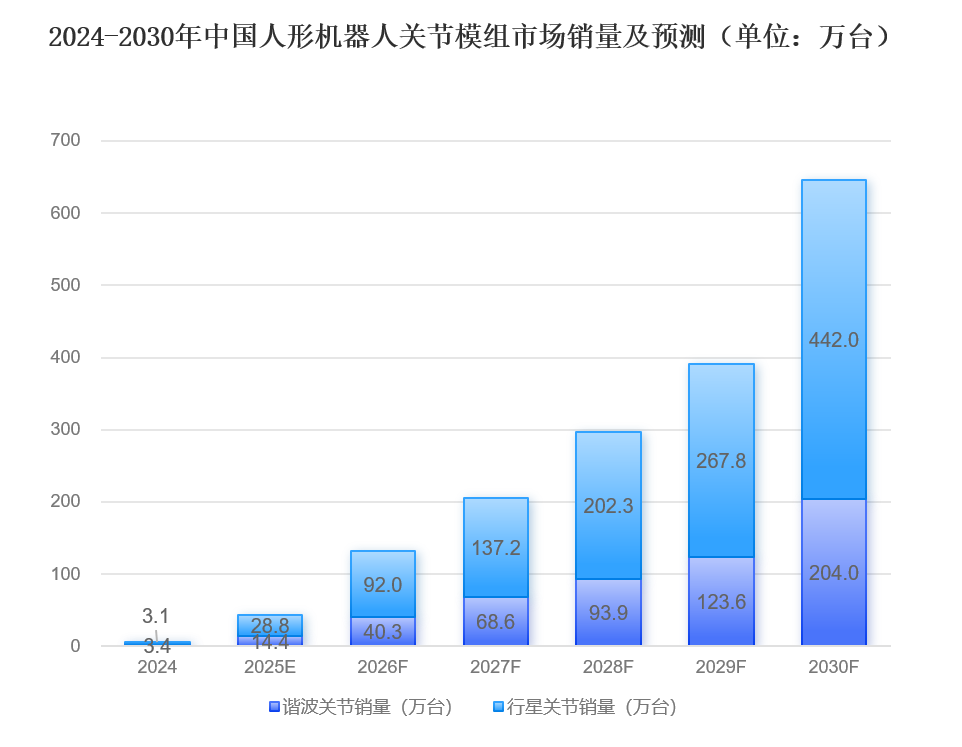
The increase in shipments is also evidenced by macroeconomic data.
According to statistics from the Institute of Advanced Robotics Industry (GGII), the domestic market for humanoid robot joint modules will exceed 1.1 billion yuan by 2025, and is expected to exceed 10 billion yuan by 2030, with market sales expected to exceed 8 million units.
Capital's focus on joint modules has also been steadily increasing.
According to the incomplete statistics of high-profile robotics, as of August 26, 2026, there have been a total of 31 financing incidents in the field of joint modules in the humanoid industry, totaling over 3133 million yuan.
As a reference, in 2025, the joint module related companies also completed 25 financing events, accumulating just over 2 billion yuan.
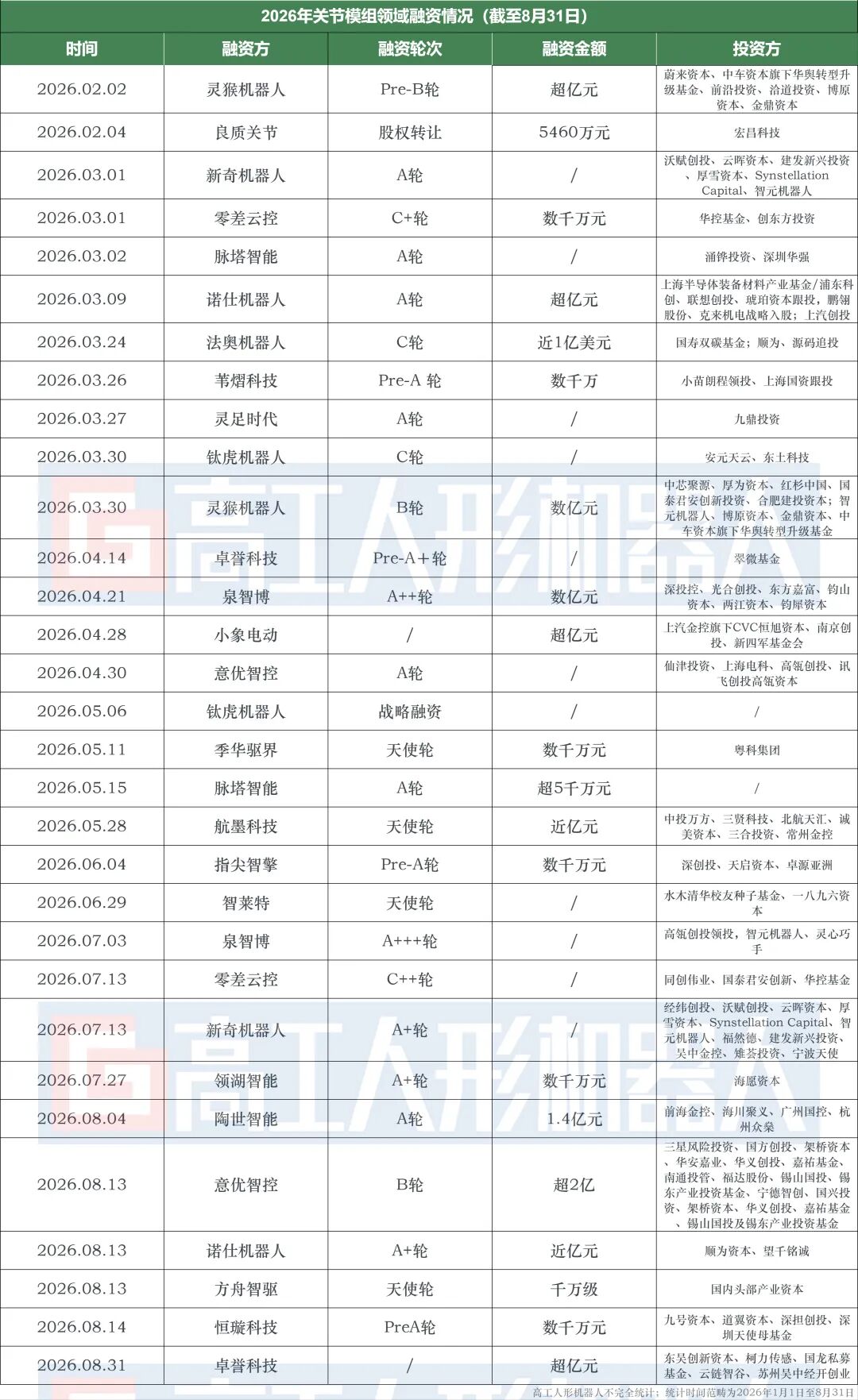
In other words, in just eight months of 2026, the total amount of financing in the first-tier market has exceeded that of the previous year.
From product mutations to demand bursts to capital focuses, the role of joint modules in the robotics industry has long been clear: it never waits for a defined role, but determines key variables within the overall performance boundaries.
Whether it's microscopic innovations in structural design or systemic breakthroughs in materials and temperature control, the evolution of each joint module is paving the way for the humanoid robot to move into a more complex real-world scenario. In this sense, the identity of the joint module's angle of repose may have been a misunderstanding from the start.