It's the first time in the history of the world.
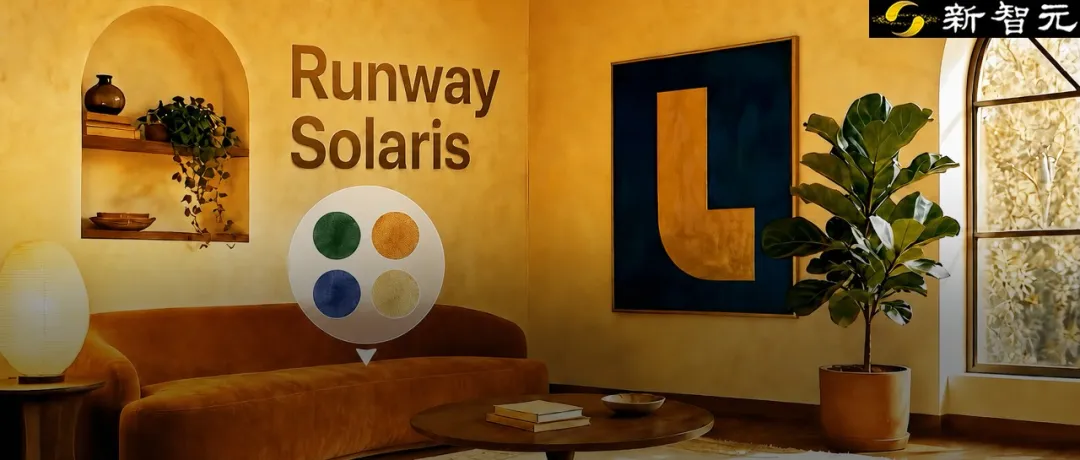
Just now, Runway has officially released the first "interface world model" for Solaris!
Solaris is a "new operating system" that generates interactive interfaces in real-time without a single line of code.
Just click, drag, and it generates the next image based on the current image and operation.

In addition, it is also very capable of striking, in blind testing, the resulting UI effect directly suppresses Claude Opus 5.
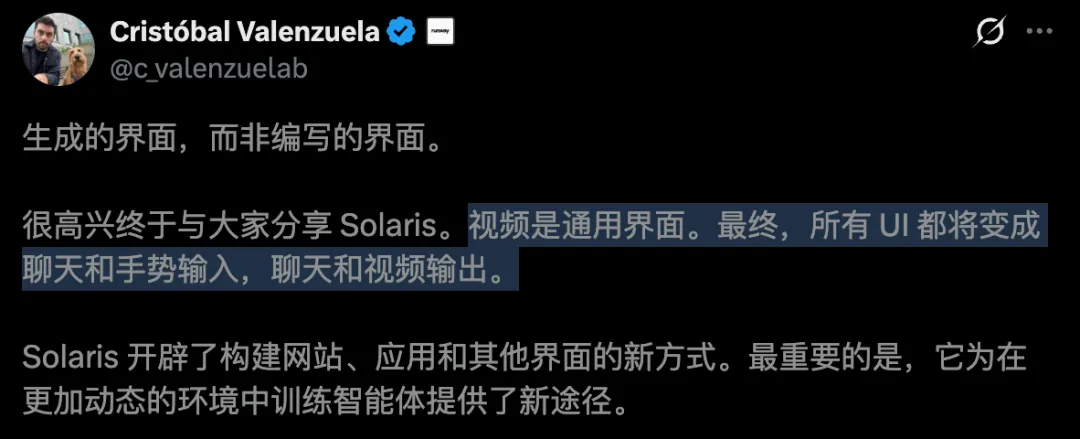
For the first time, Runway was founded by Cristóbal Valenzuela, who defined the interface as a model of the world.
In the future, video will be a universal interface.
Eventually, all UI will be converted into chat and gesture input, chat and video output.
Solaris is just the first step towards this vision.
Most importantly, it also provides an entirely new way to train Agents to create dynamic environments with ease.
As of today, the software interface is undergoing an underlying rewrite.
Get rid of the codeLet the UI be its own "long".Over the past few decades, every operating system, from early terminals to Linux to macOS, has followed the same underlying logic:
Design an interface, translate it into HTML/CSS/JavaScript code, and then run it.
However, this "code translation" is damagingly compressed. In this translation, the abundance of interaction is forced to compromise:
This is the first time I've seen the video.In order for the interface to respond quickly, complex shadows and physical dynamics are often simplified.
The interaction space is locked down:Before the release of the software, its interaction behavior (click where, trigger what) has been hard-coded.
That is, once the design is simplified into code, the interface, although responsive, loses the rich details of the original design.
Each interaction, each feedback on the button, is encoded in advance.
The moment the software is delivered to the user, its possibilities are frozen.
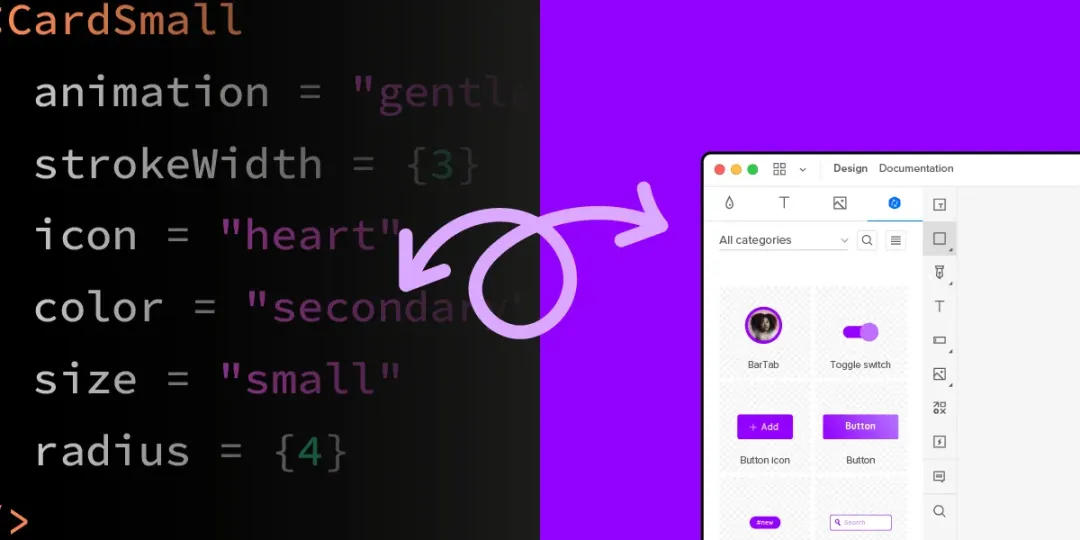
For this reason, Runway proposed a bold idea: to insert a video model directly into the operating system.
The Interface World Model, originally called Solaris, removed the middle layer of code and combined the rendering image with the response operation.
The three core capabilitiesWith Solaris, software interaction is no longer a dead-board menu and button, directly bringing about three unprecedented revolutionary experiences.
Entirely Visual: the ultimate form of what is seen.
Conventional interfaces hide complex code logic, but Solaris's interface is a layer of pure image.
Imagine that you're working in a virtual clothing store, and the dressing room itself is an "interface":
Uploading a photo as a reference, taking a shirt off the shelf and dragging it directly to yourself to try it on. Everything is natural, as in the real world.

It is Alive: Following personal intentions in real time
The interface is continuously rendered in real time, and it is constantly "evolving".
Its optical and reflective shadows respond to a person's actions according to the laws of physics as the environment changes naturally.
"Move the table and let me see the effect" or "change the color of the sofa" is a simple phrase.



Even with the same starting image: an X-ray of one hand, Solaris can respond in two completely different ways to the same tractor operation.
Open without borders