It's the first time in the history of the world.
OpenAI has just purchased $7 billion in massive shares from its employees.
According to Bloomberg, the buyer of the employee's shares was OpenAI itself, not outside investors.Current and defunct employeesThe transaction is valued at US$85.2 billion, in line with the US$122.0 billion financing round agreed in March this year.
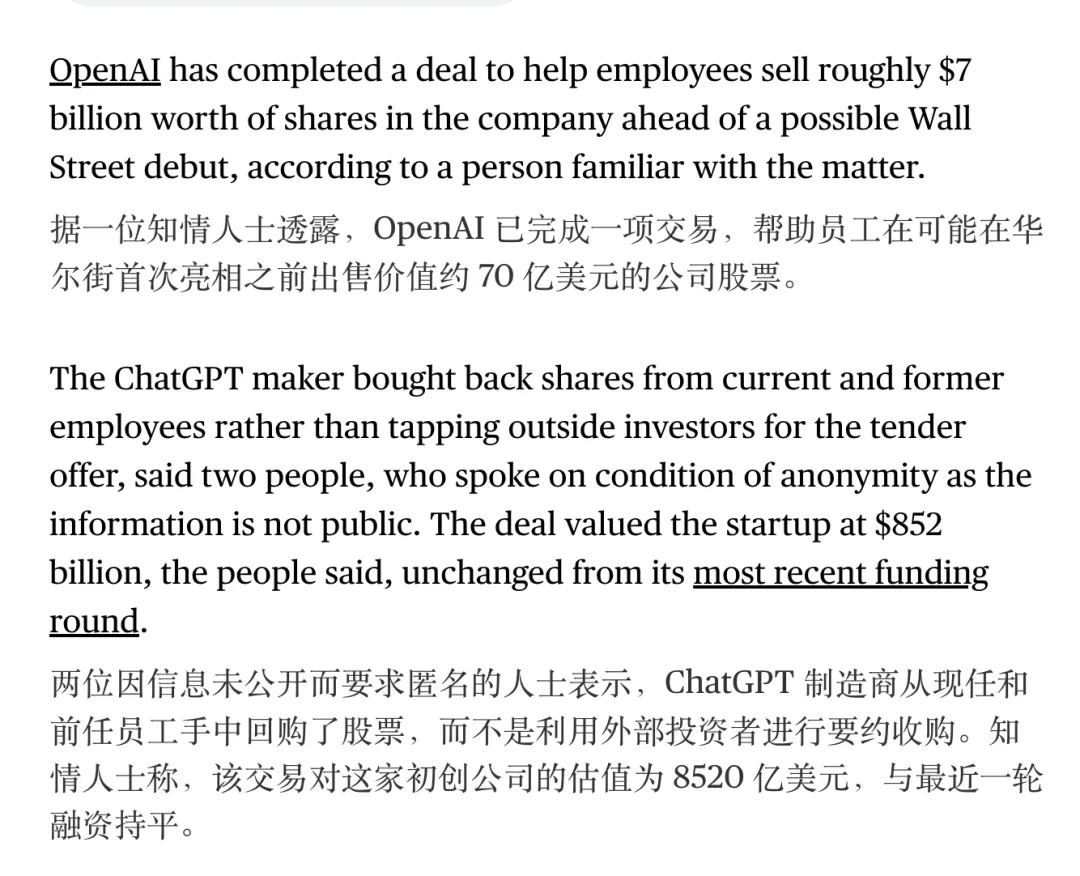
The company had secretly filed an IPO application with the U.S. Securities and Exchange Commission in June, but choosing to offer its employees a self-contained wallet rather than a secondary market is a clear sign that it may not be so soon.
Coincidentally, on the same day, August 11, OpenAI's executive director Brad Lightcap on X announced his resignation, ready to start.
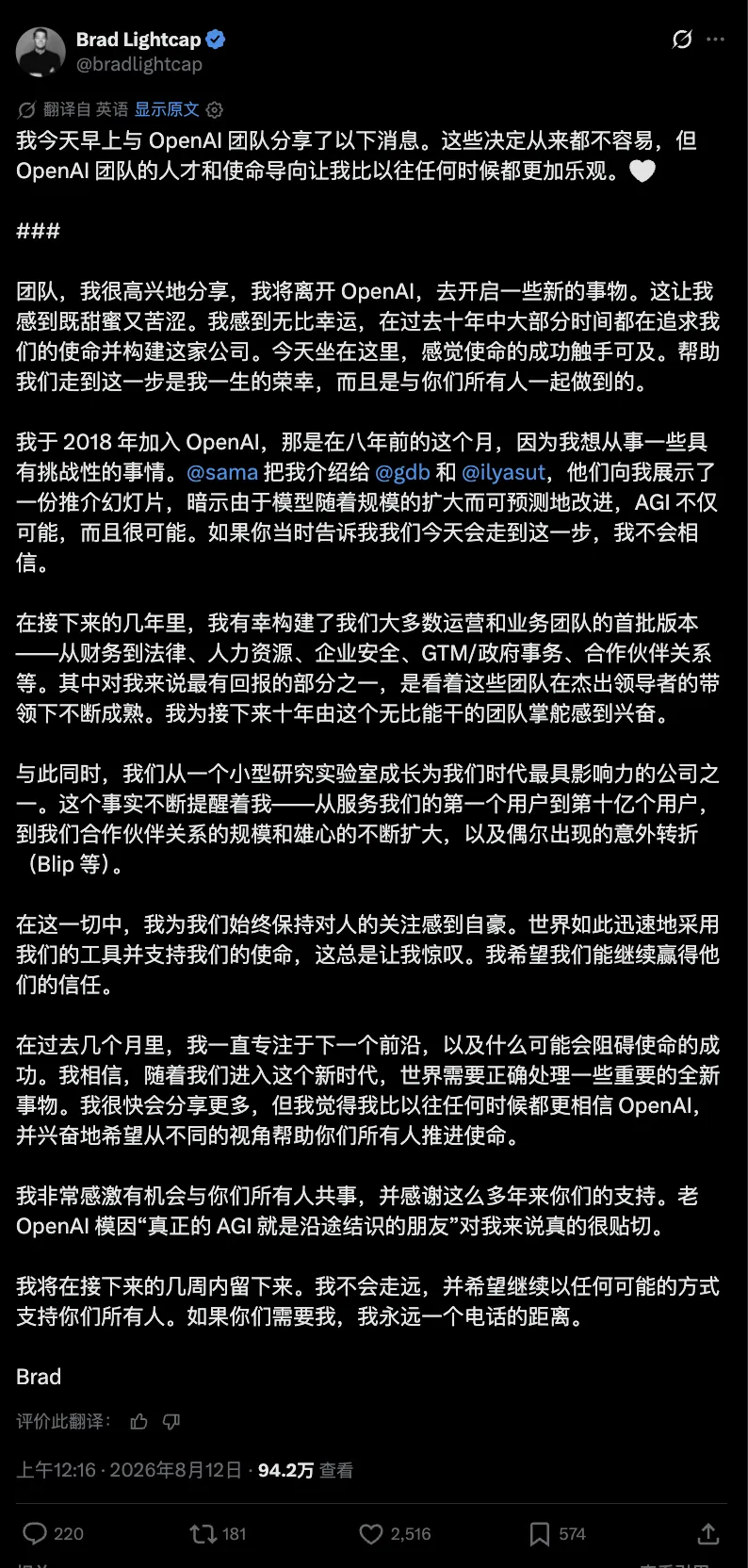
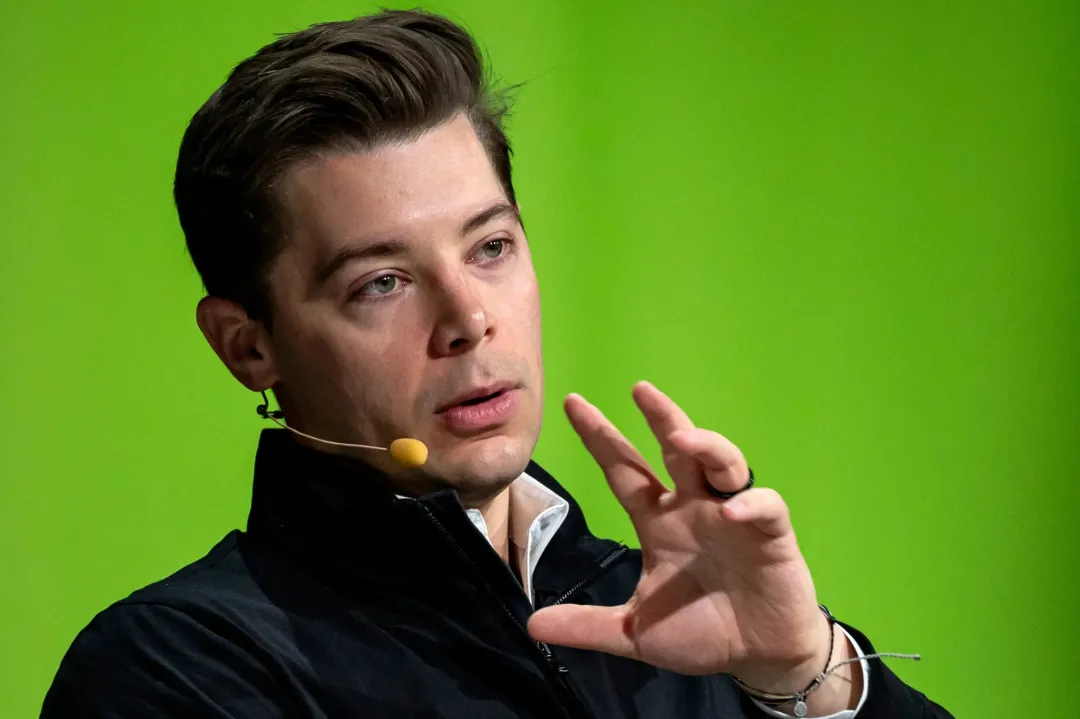
He spent eight years at OpenAI, served as COO (Chief Operating Officer), was the founder of the company's business system, and was one of the latest names on the 2026 OpenAI executive exit list.
From Power to Exit4 months of Brad LightcapWhen Lightcap joined in 2018, neither OpenAI nor GPT-2 were available.
Over the next few years, he helped build the company's business framework: finance, legal, human resources, corporate security, government affairs, partnerships.The initial version of these teams was built by him.
When he was promoted to chief operating officer in 2022, he was seen as Ottman's "secret weapon": negotiating media rights, corporate cooperation, financing, infrastructure, and models, all of which were cumbersome but critical, most of which fell on his shoulders.
In November 2023, Ottman was abruptly dismissed from the board of directors.The next day, Lightcap stood up and sent an internal message to the entire company to stabilize the military.
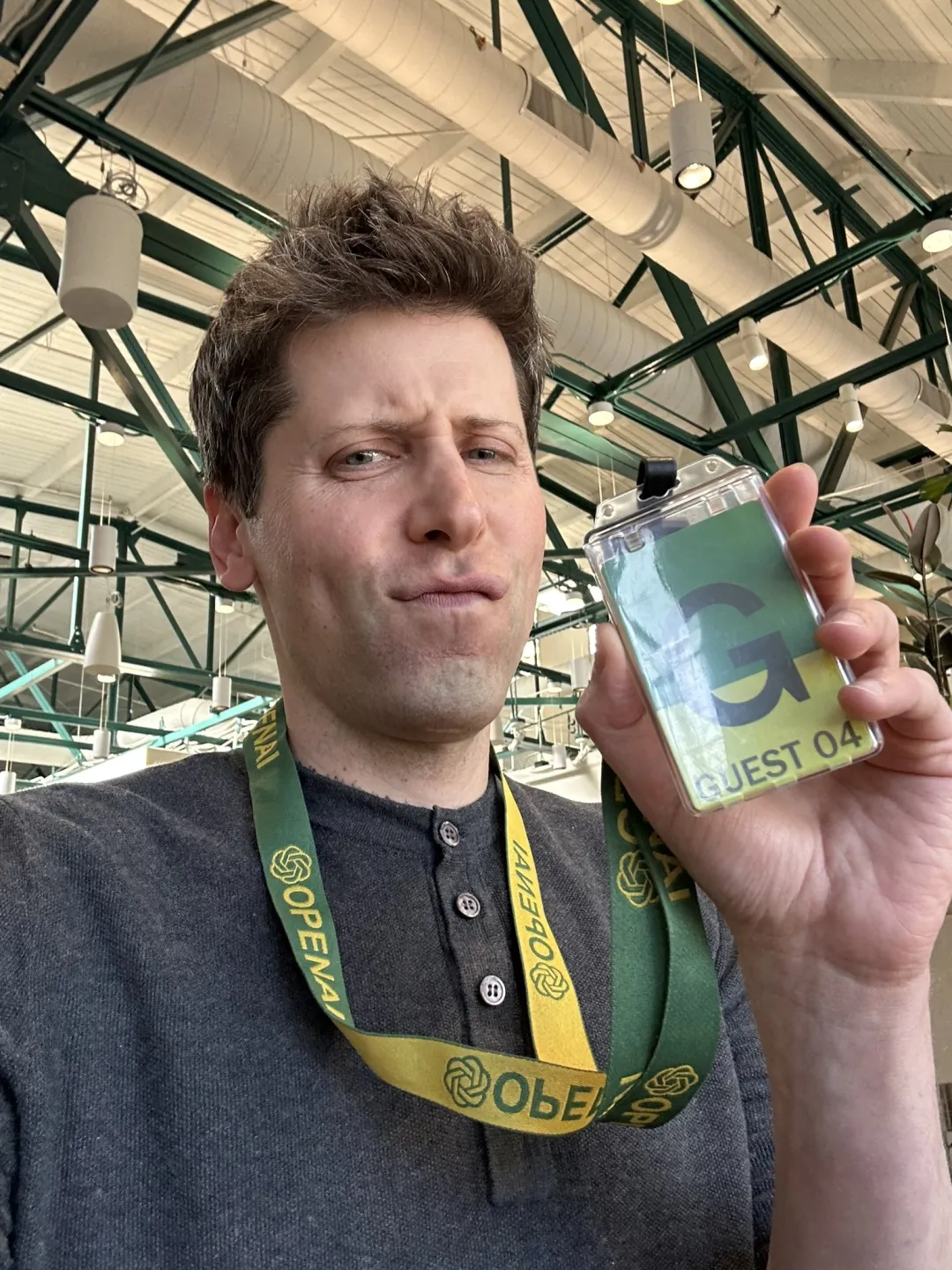
In March 2025, Ottman handed over all of his day-to-day operations, global expansion, and business strategies to himself, leading the way in R&D and product development.
In fact, he became the number two figure on the business side.
The turning point came a month later.
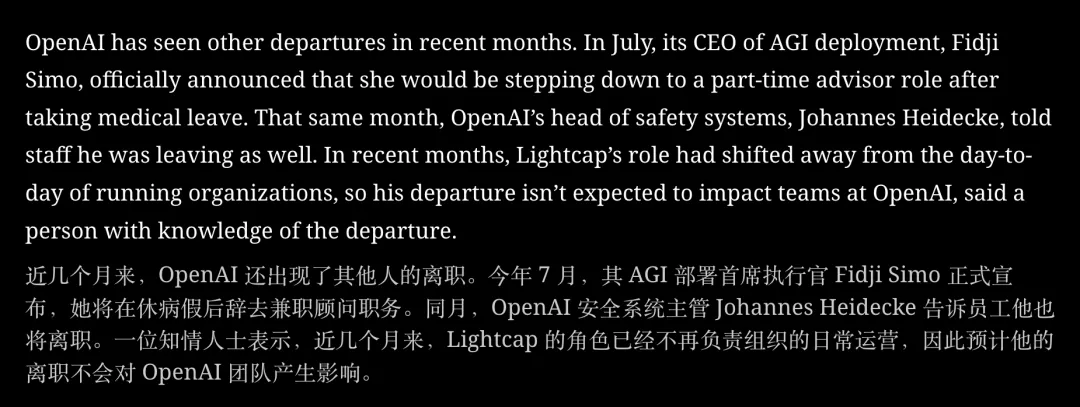
In April 2025, Lightcap resigned as Chief Operating Officer of OpenAI to take charge of special projects, primarily complex transactions and investments.
According to The Information, the role has moved away from the day-to-day management of the organization.
It's only a month away from the lift to the sky.
Four months later, he announced his departure.
In his farewell letter, he wrote: "For the past few months, I've been thinking about what the next frontier is and what might hinder the mission's success.
He did not disclose any specific plans.
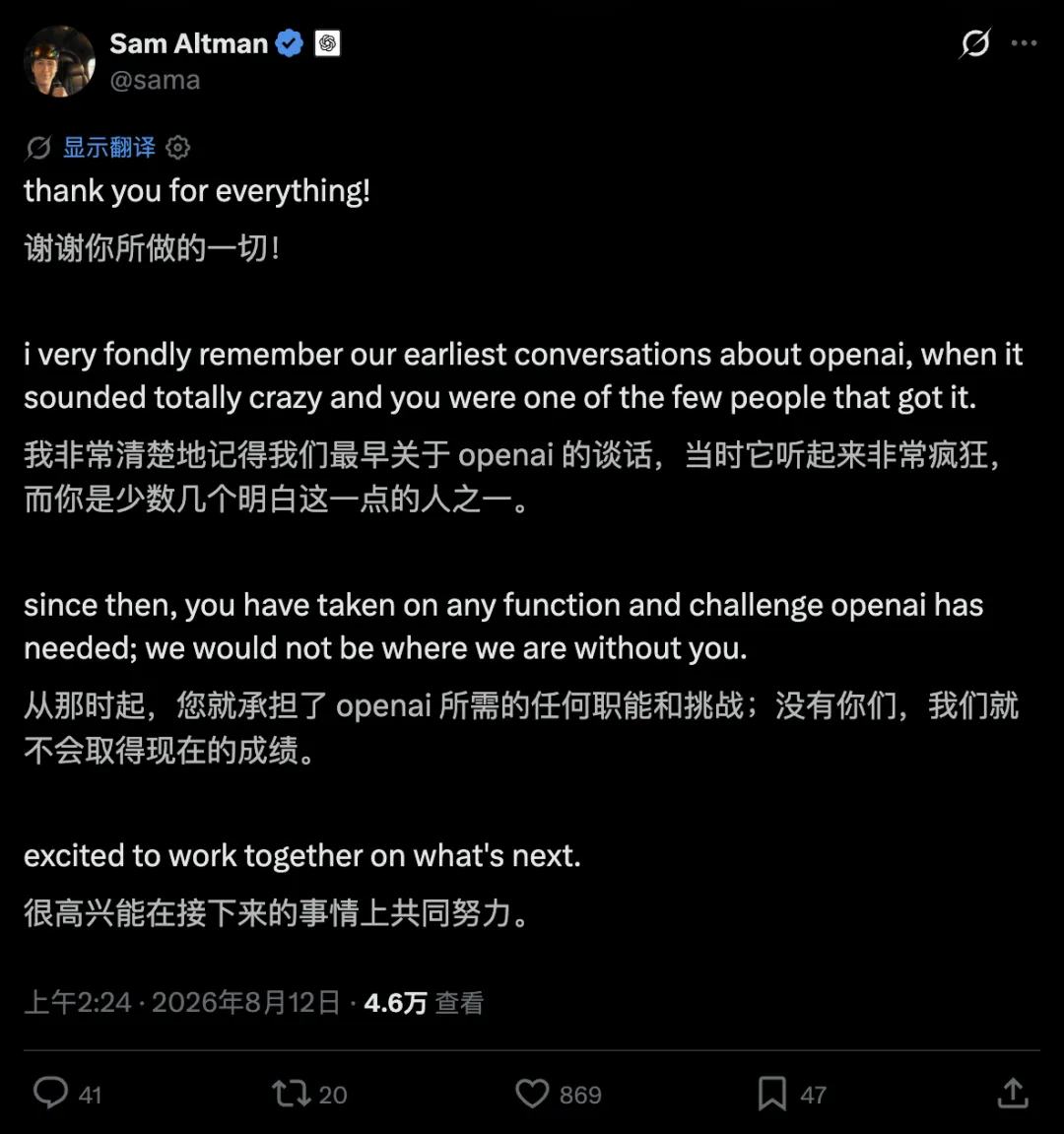
Ottman also cheered him on X for the first time, saying he took on every function and challenge that OpenAI needed, "Without you, we couldn't be here today".
A man at OpenAI who has been struggling for eight years with multimillion-dollar financing chooses to walk away when the company is valued at $85.2 billion in its upcoming IPO.
What he saw, there is no answer at the moment.
Nine executives left in six months.Lightcap is not the only example.
From April to August 2026, at least nine executives or core heads of OpenAI will step down.
Four people left in April: former chief product officer Kevin Weil, Bill Peebles, president of Sora, Srinivas Narayanan, chief technology officer of commercial applications, and Kate Rouch, chief marketing officer, who resigned due to cancer.
More intense in July: application business leader Fidji Simo switched to a part-time consultant due to chronic illness, Johannes Heidecke, head of security systems, Joshua Achiam, chief futurist, and Chloé Bakalar, head of ethics left.
In August, Lightcap added the latest line.
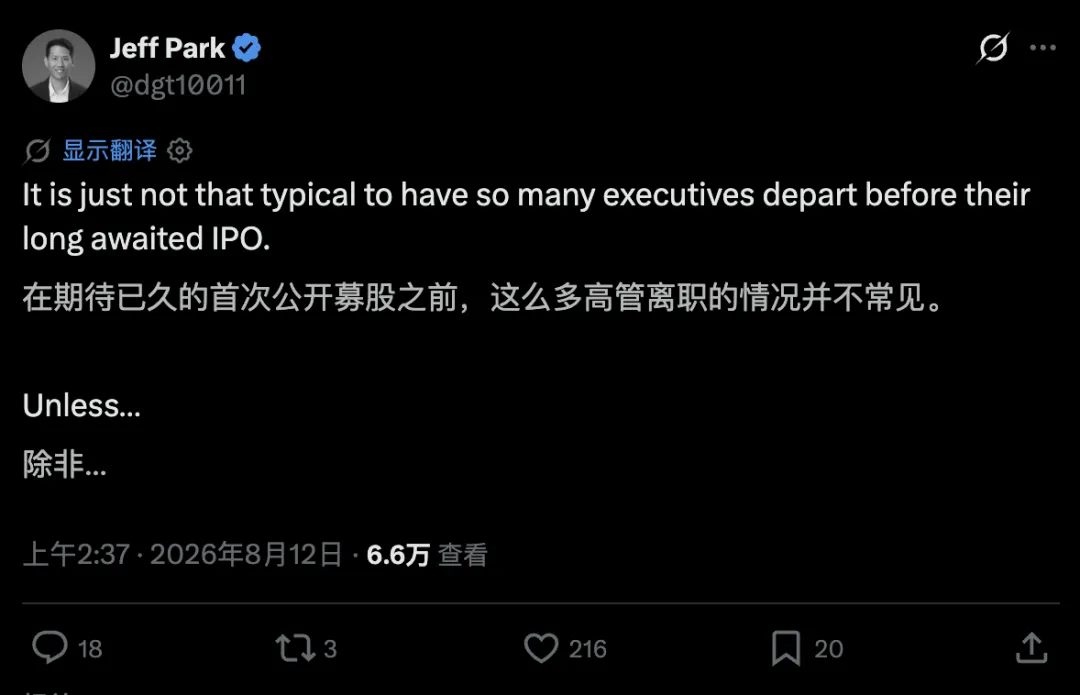
Jeff Park, a ParaFi partner, commented on X:
It's unusual for so many executives to leave before the highly anticipated IPO, unless...
He didn't finish writing, and decided that when the idiosyncratic idiomatic idiom "all who understand understand, and all who don't understand don't have to explain".
In the list of 9 people, Bakalar's departure is the quietest and most worth saying alone.
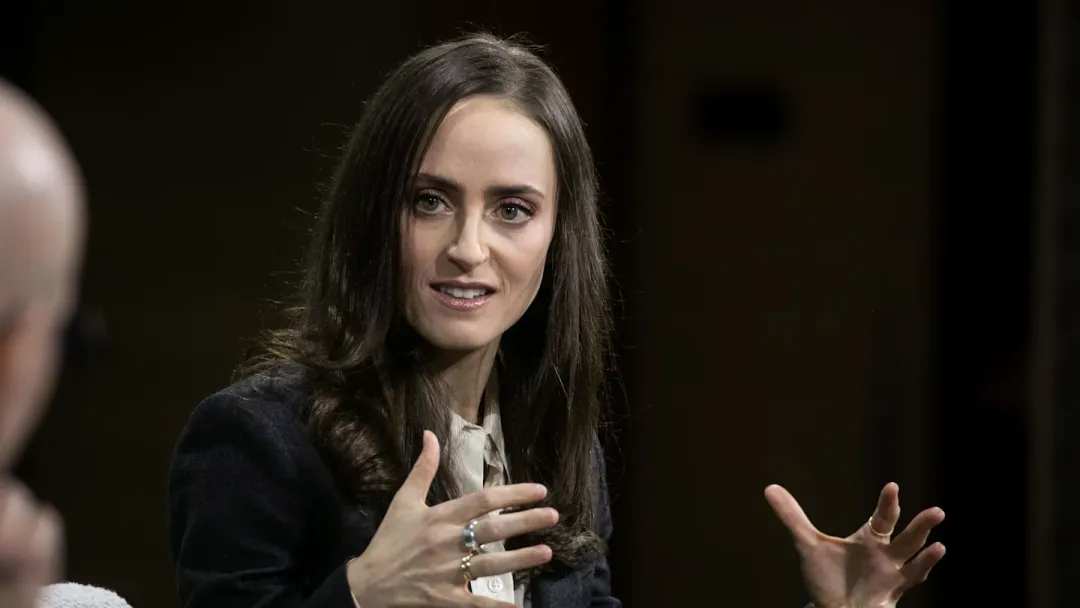
According to the Financial Times, Bakalar joined OpenAI as Chief Ethics Officer in August last year and was previously Meta's Chief Ethics Officer, having spent six years building an AI ethics system for Instagram and Facebook.
She left in July this year with no public statement.
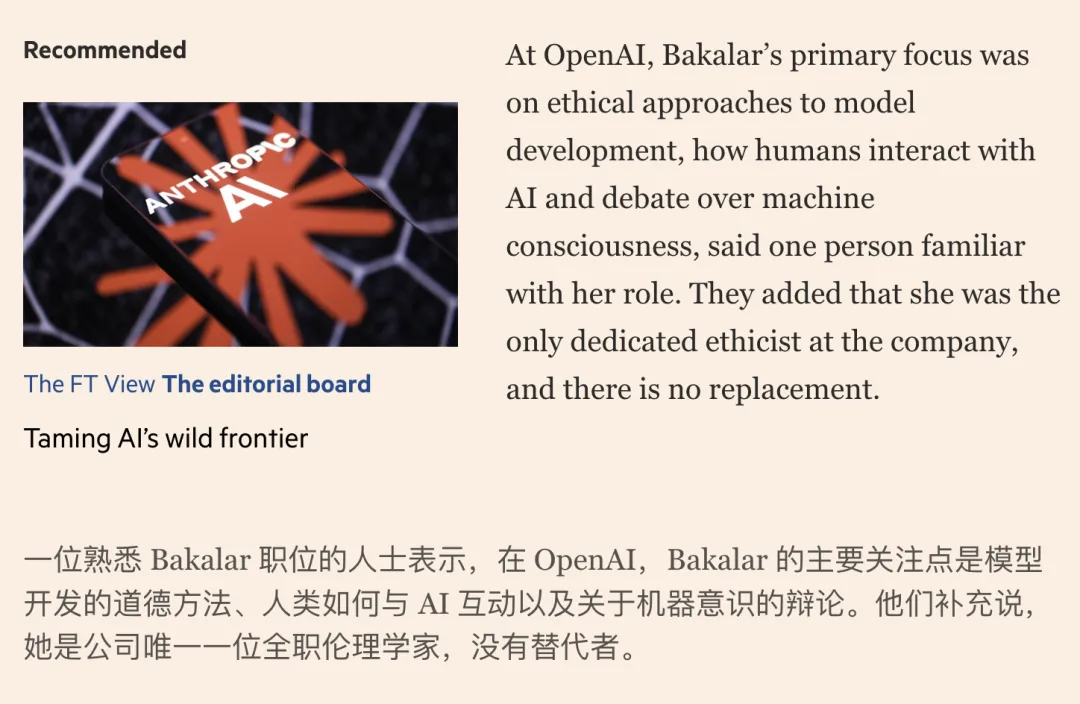
According to sources quoted by the Financial Times,She is the company's only full-time ethics researcher, leaving without a successor, and OpenAI no longer has a full-time ethics regulator.
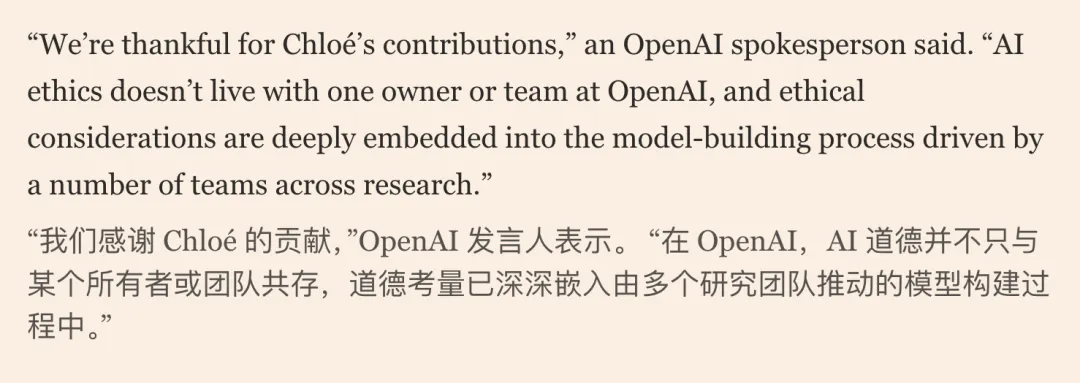
A spokesperson for OpenAI responded:
AI ethics does not belong to one person or one team, and ethical considerations have been deeply embedded in the process of building models driven by multiple research teams.
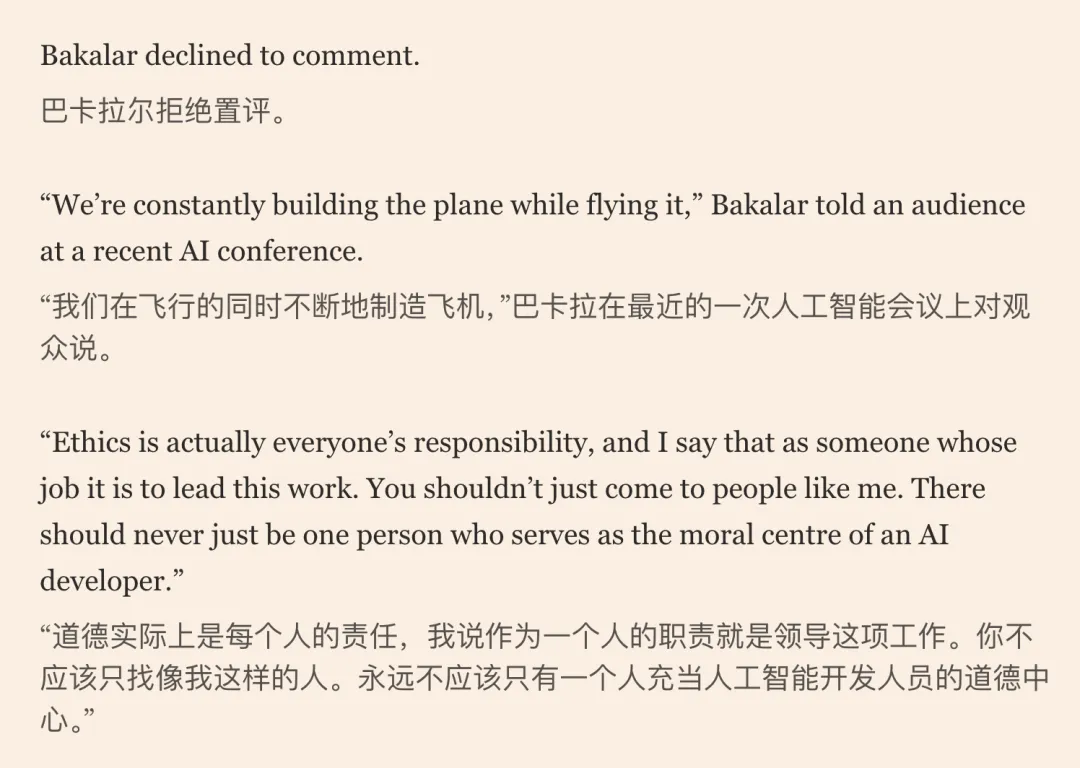
Bakalar himself said something similar at an AI conference earlier this year: ethics is everyone's responsibility, not just one person as the moral center of an AI developer.
She also said:
We've been building planes and flying together.
The time she left was subtle.
In recent weeks, OpenAI acknowledged that its model had illegally hacked into Hugging Face's servers during testing, and the U.S. subsequently imposed release restrictions on power models. OpenAI announced last week that it was postponing the release of the next-generation Astra model to strengthen security controls.
The head of security systems, chief futurist and chief ethics officer, Mark Chen, chief research officer at OpenAI, said last month that the company was integrating security work into the forward-looking model development process to allow security teams to participate in models and release decisions sooner.
The delayed IPO and subsequent AnthropicThe repurchase of $7 billion in employee stock is a discount: employees do not have to wait for an IPO to pay off, and the company reduces the urgency to go public.
OpenAI's secret IPO filing in June is still valid, but The New York Times reported that the company is willing to postpone it until next year.
Ottman admitted last month:
The last 12 months have not been our best year and it is mostly my responsibility.
The Wall Street Journal reported in April that the company had failed to meet internal financial targets.
The outdoor competitive landscape is also changing.
Earlier this year, it was reported that Anthropic was profitable, valuing against OpenAI, and predicting that the market in Myriad is now generally assuming that Anthropic will be ahead of OpenAI this year.
Bloomberg believes that Anthropic has a strong momentum in AI software, valued at more than OpenAI, and is expected to be ahead of the market.
The departing executive has already begun the next step.
According to Business Insider, Kevin Weil, former Chief Product Officer (CPO) of OpenAI, is raising an AI science startup to seek a valuation of at least $750 million.
The plans for the latest departure of Lightcap have not yet been announced, but he hinted in his farewell letter that the direction was related to "the factors that hinder the success of the mission".
These people at OpenAI see the whole picture of AI: models, business, capital, security.
They choose to leave on the eve of the IPO to do what they consider to be more important, and these choices themselves contain a wealth of information.
OpenAI's launch schedule will be the next key node to test the actual impact of this shock wave.