I never thought I’d reach the point of feeling that Google was releasing too many models.
QbitAI reports that developers have spotted a new model identifier, gemini-4-neon, in the Gemini web app’s code.
Neon is the tenth element on the periodic table.
That discovery prompted an immediate question: why jump from Hydrogen straight to Neon? What happened to the familiar sequence—hydrogen, helium, lithium, beryllium, boron, carbon, nitrogen, oxygen, fluorine, neon?
One user even proposed a new interface for Google Gemini, joking: “I’ve come up with a brilliant solution for Google. They can use it for free.”
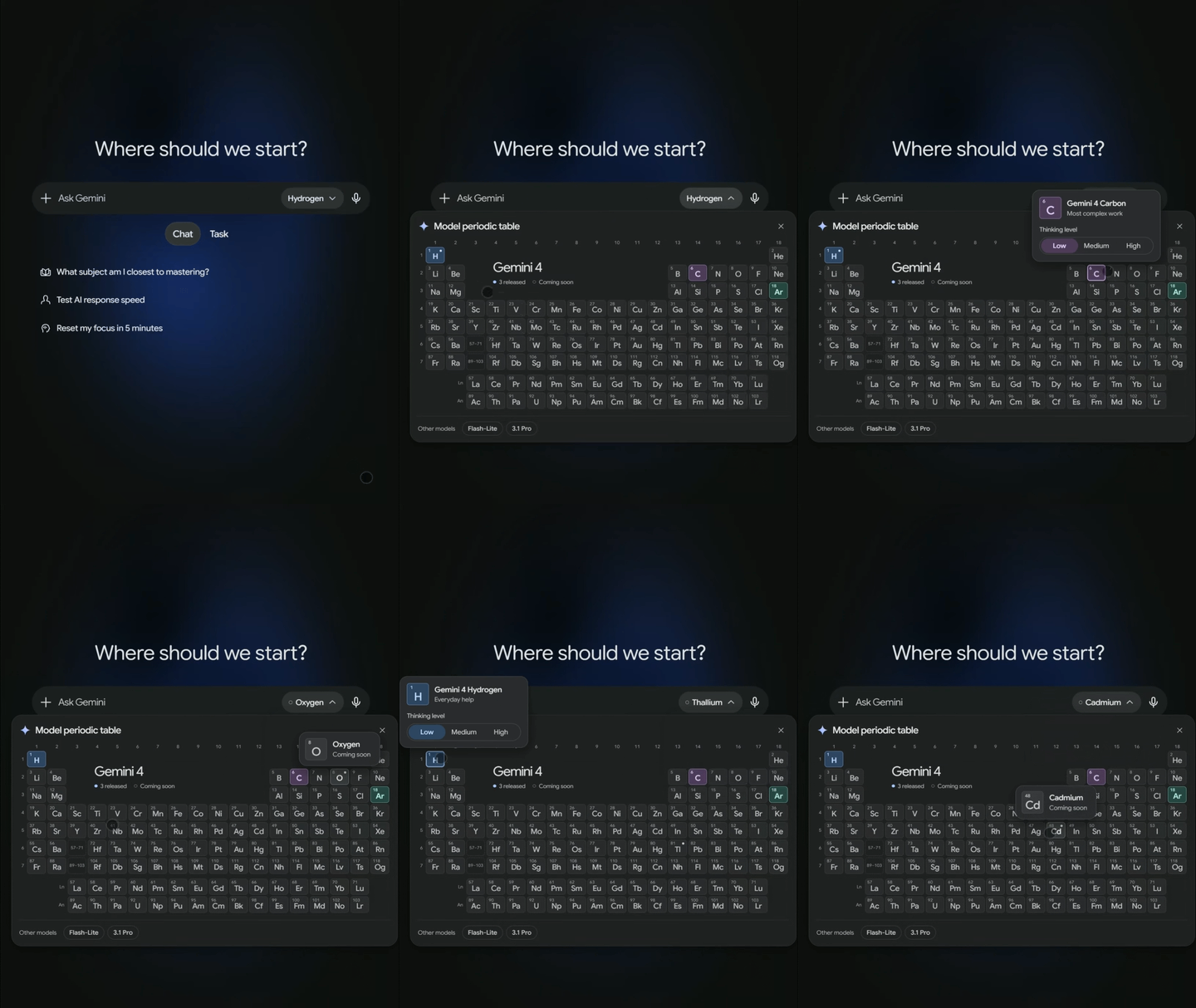
Who would have expected a Gemini leak to bring back middle-school chemistry? One commenter joked that Google should stop at calcium—after that, they would not remember the elements anyway.
What kind of model is Gemini 4 Neon?
AI Tracker Bot, an account that tracks model releases, reported that gemini-4-neon appeared in the Gemini web app code alongside identifiers such as gemini-4-argon and gemini-4-carbon.
The code also contained a subscription tier with the same name: NEON.
The tier is labeled TIER_NEON internally. The usage page displays “Gemini Ultra,” while the code appears to distinguish it from the regular Ultra tier.
Users also found a reference to upsell_MODE_CATEGORY_PRO. In software, an upsell usually refers to prompting users to upgrade to a paid plan.
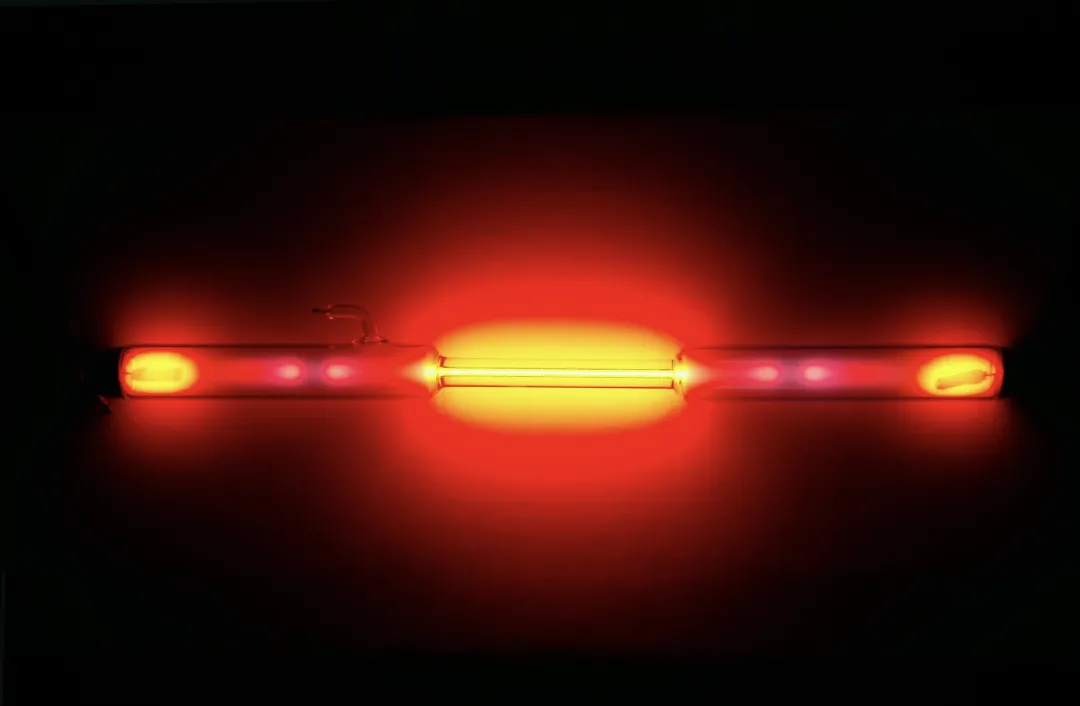
That has made Neon’s positioning harder to pin down. Some had speculated that it might be a new lightweight Flash-Lite model.
If Neon is part of the Gemini 4 family, it would be the fourth element-themed model name to surface so far.
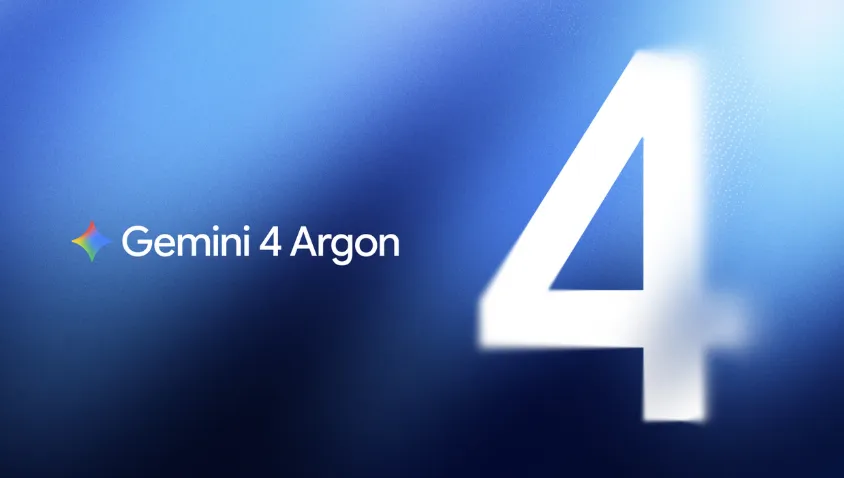
Google first announced Gemini 4 Argon on September 30, positioning it for demanding tasks such as complex software engineering, deep reasoning, enterprise knowledge work and cybersecurity.
Gemini 4 Carbon followed on October 28. The more capable frontier model was described as focusing on long-horizon agent tasks, coding and cybersecurity.
On November 12, Google introduced Gemini 4 Hydrogen, emphasizing speed and efficiency for everyday coding and agent workflows.
While people are still waiting for Neon, some are already asking for Oganesson, element 118.
“Google is moving too slowly. When will Gemini 4 Oganesson launch?” one user joked.
Another quipped: “At this rate, Google will have to discover new elements.”
Jokes aside, Krypton had also been circulating online. On November 14, one tipster claimed Google was testing a model called Krypton on Arena, sharing code and animation it had generated and saying its performance was close to Claude Opus 5.5.
The tipster later corrected the claim: the model tested was actually Gemini 4 Hydrogen running at a higher reasoning level. The Krypton rumor had been overblown.
Taking a leave to decode Gemini’s model names
People have been trying to find a pattern in Google’s element-based naming scheme. A user named Jawns tried sorting the Gemini 4 models in several ways.
By model complexity and cost, the order might be Hydrogen → Argon → Carbon. By atomic mass, it would be Hydrogen (1) → Carbon (6) → Argon (18).
Alphabetically, Argon → Barium → Carbon would work, since Google had previously tested Barium internally. But Hydrogen breaks that pattern.
And if the order were based on how common the elements are in the universe, it would be Hydrogen → Carbon → Argon.
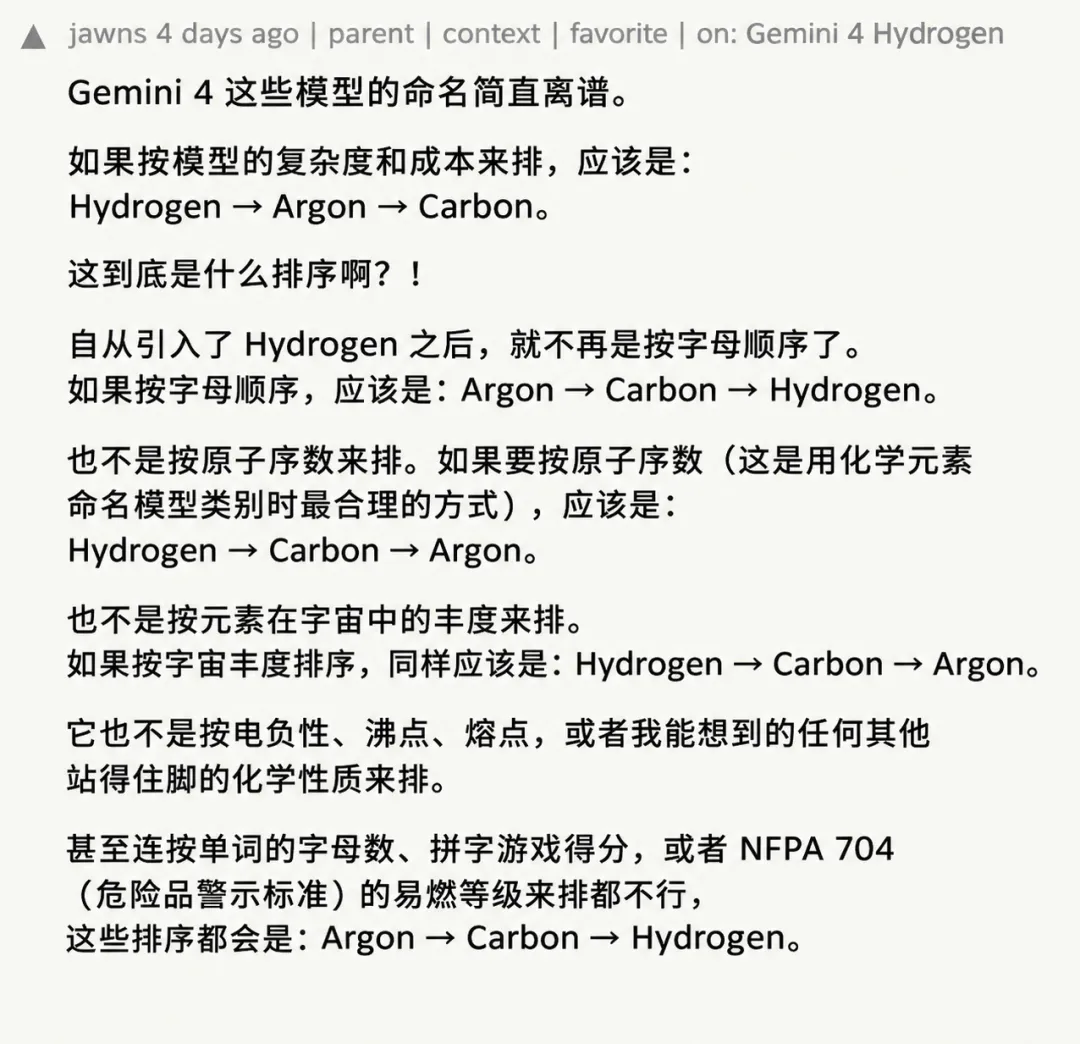
No one has found a convincing rule yet.
“Bro, I think Google just tosses element names into a hat and picks one at random,” one commenter wrote. Another said naming models after Starbucks cup sizes would be clearer.
Perhaps the names are meant to keep people guessing. If everyone could decode the pattern, there would be less reason to speculate and wait for the next model.
There may be another explanation: Google could be drawing on the properties or associations of each element.
Argon’s name comes from a Greek word meaning “lazy” or “inactive,” and the gas is chemically inert. The report sees a possible connection with a model positioned for cybersecurity and complex software engineering.
Carbon is the building block of life and can form complex structures—an association that may fit the problems a frontier model is meant to tackle.
Hydrogen is the lightest element, an apt reference for a model focused on speed and efficiency.
Neon derives from the Greek neos, meaning “new”; the word “neon” also comes from that root. Perhaps that hints at how Google intends to position the model.
One comment captured the mood: “When tech companies finally give their products normal names, we’ll know they’ve achieved superintelligence.”
Model names should first help users understand what a product does. Whatever capabilities a name suggests still have to be demonstrated to users.
One more thing: Gemini’s subscription tiers
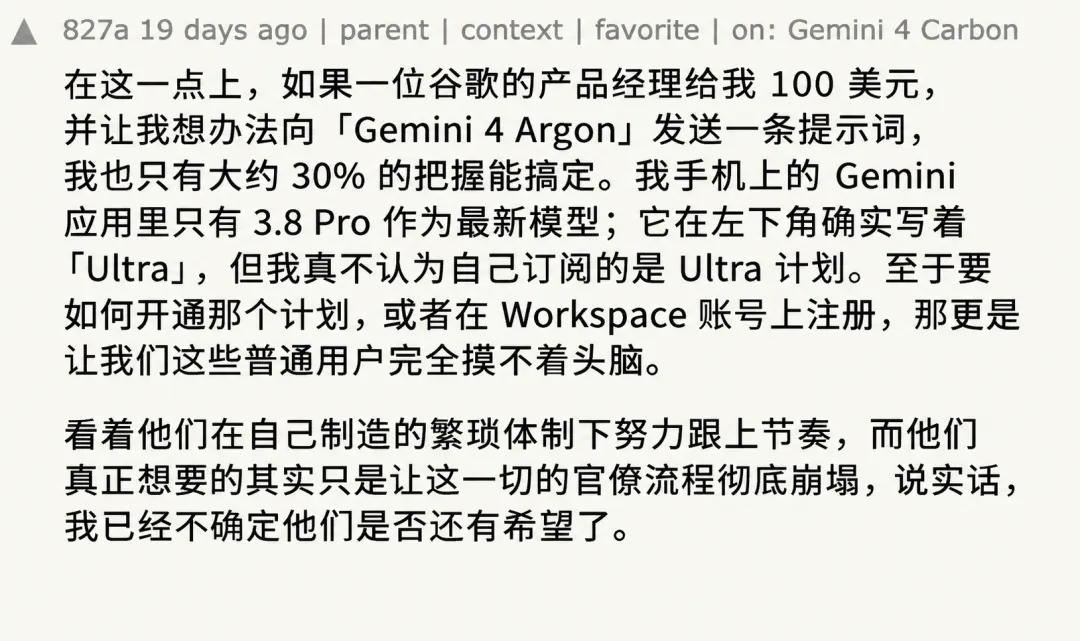
Google’s subscription system is also causing confusion. When Gemini 4 Carbon became more widely available, some Pro subscribers said they still could not access any of the new models.
Others reported that Carbon was available through their Google Workspace account but not their AI Pro account—or vice versa, with one account still showing Argon.
Gemini is available through six entry points: AI Studio, Gemini API, Gemini for Business, the Gemini app, Google Search and Antigravity.
Now a Neon subscription tier appears to have surfaced alongside the Neon model identifier, adding another layer to an already complicated lineup.