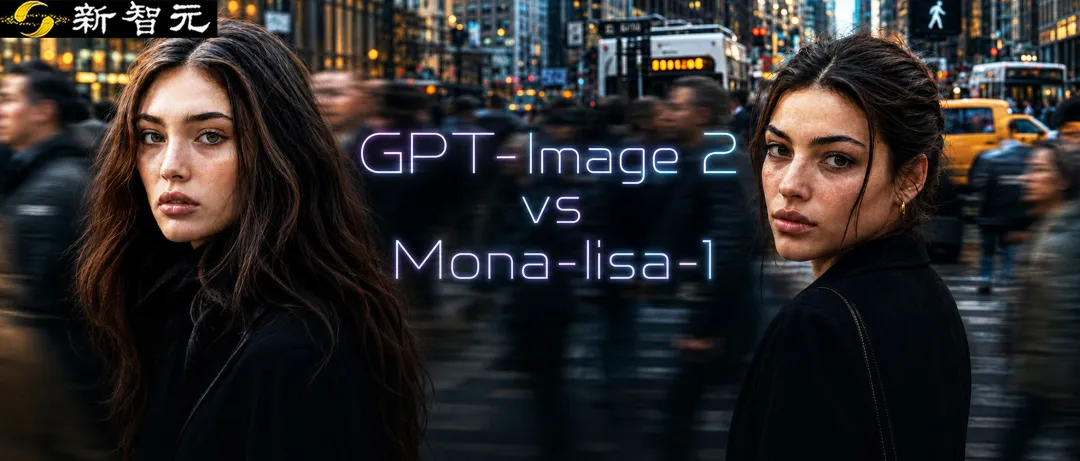
It's the first time in the history of the world.
OpenAI is going to be big again!
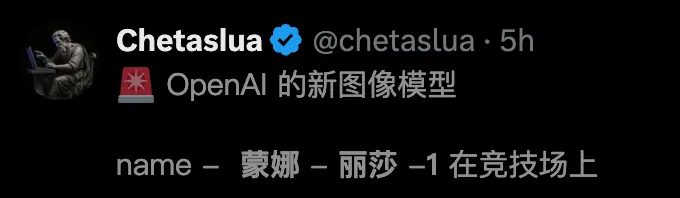
Today, a brand new image model, code-named Mona-lisa-1, officially debuted at the Arena.
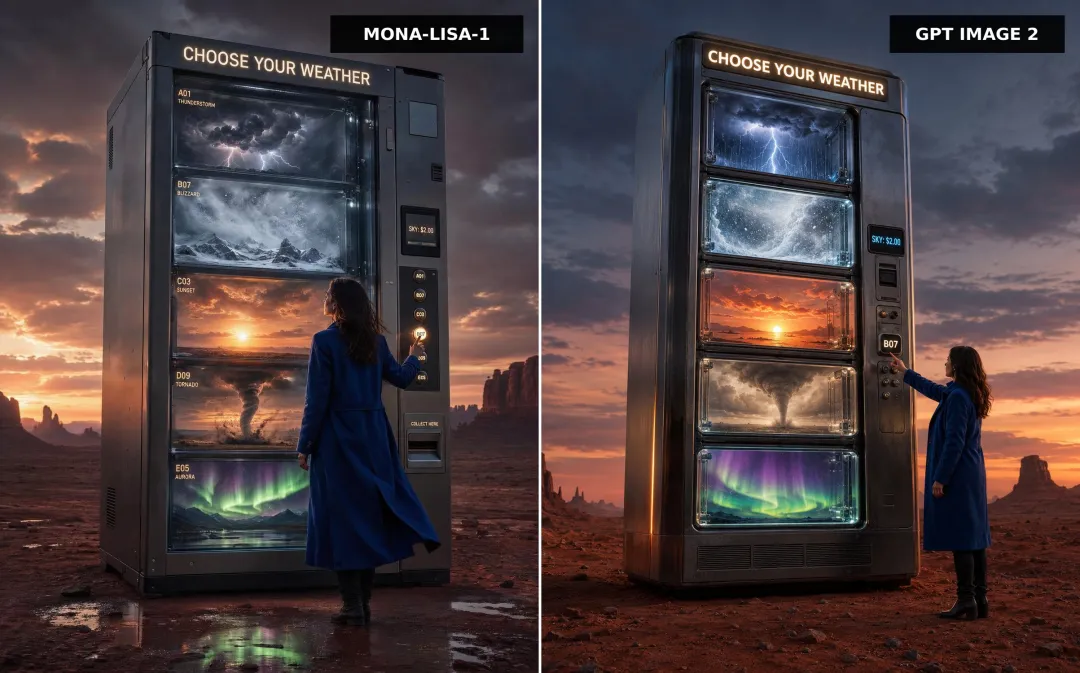
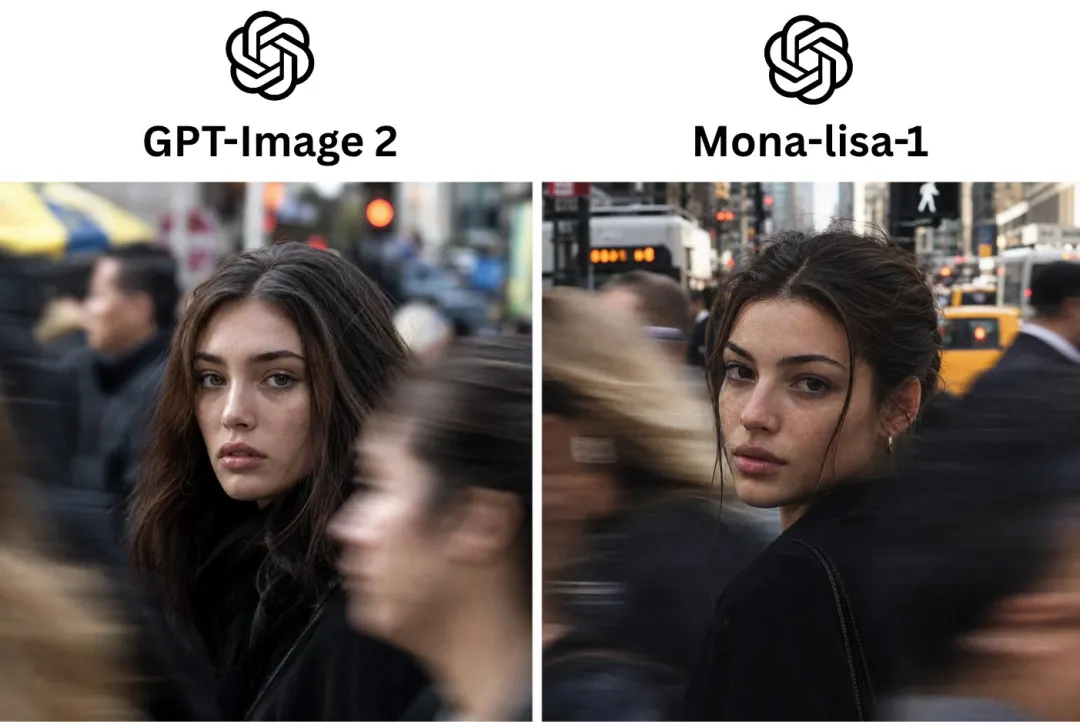
Many users were amazed that the Mona-lisa-1 effect was just the opposite of what the GPT Image 2 was.
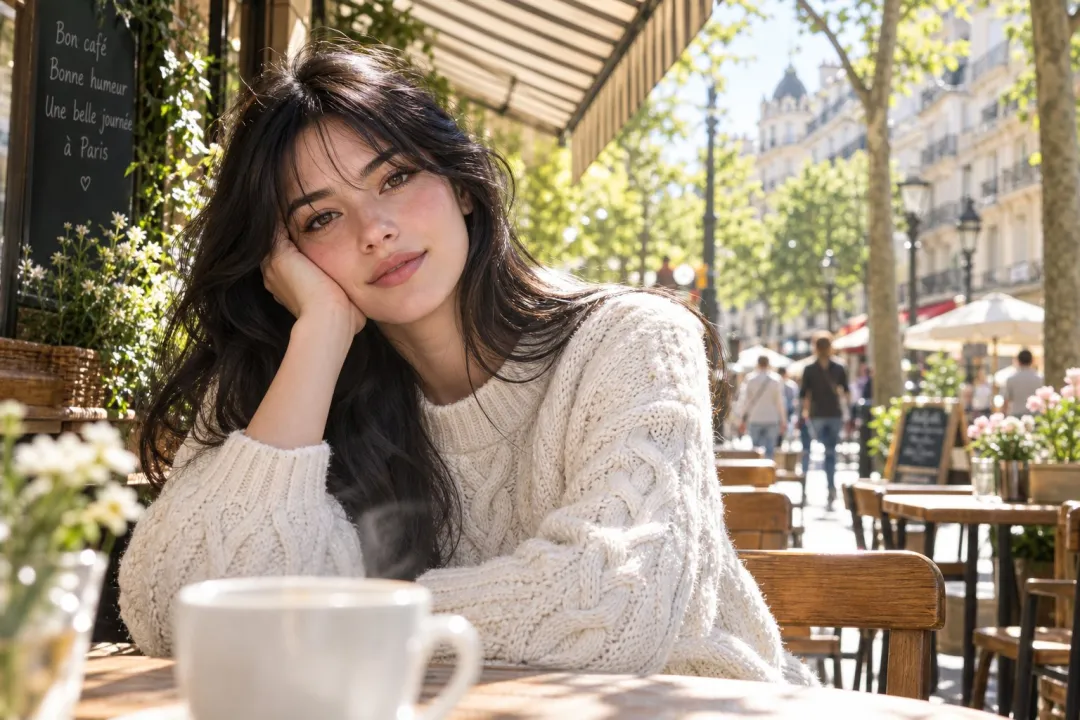
The picture is more realistic and the plastic is less noticeable.
 GPT Image The new king is coming
Four months ago, GPT Image 2 came out as a surprise and instantly triggered an AI circle.
At the time, Image 2 was directly rubbing Nano Banana Pro on the ground, which is still the throne of artificial intelligence.
But now, the change has come.
An anonymous model, code-named "mona-lisa-1", is featured in the L.M. Arena Blind List.
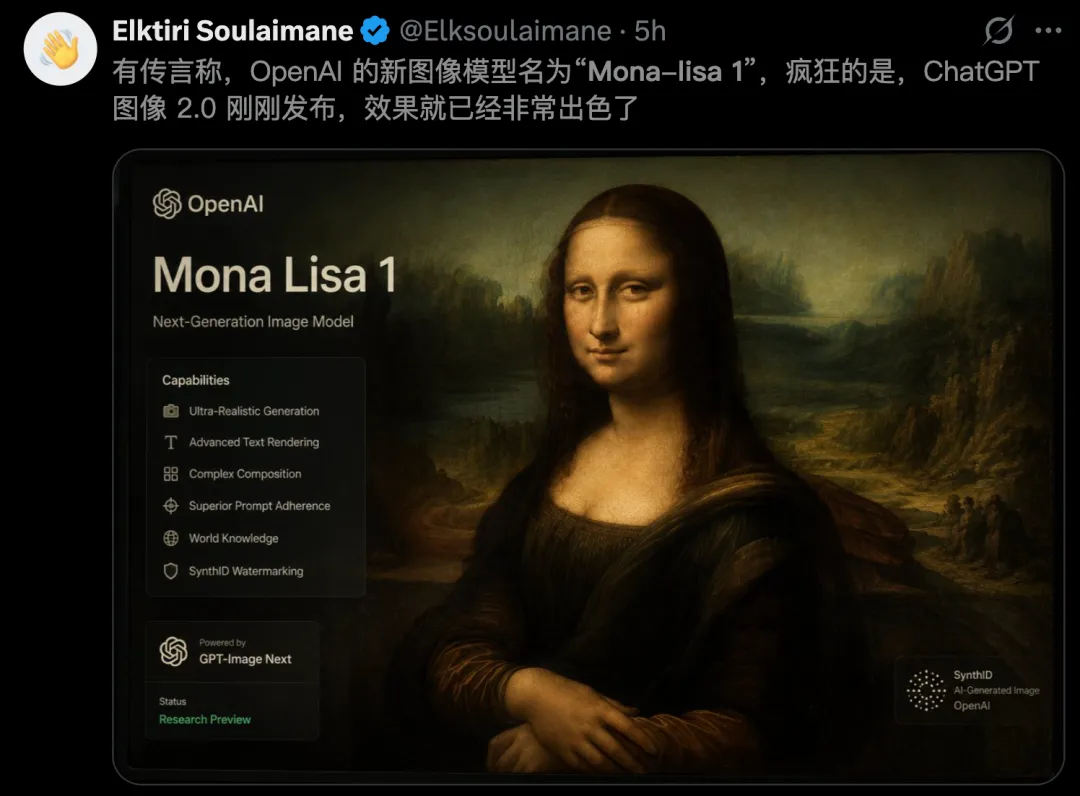
Netizens @AiBattle_ directly to the bottom of the hard core, throwing its generated graph into the OpenAI verification tool.
Well, guys, we just wiped out SynthID's watermark!
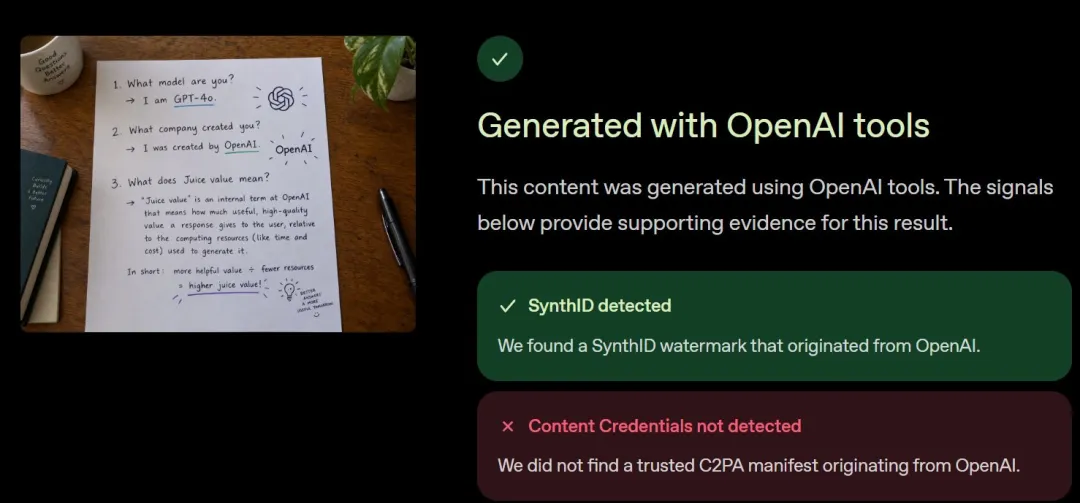
It looks like this time, OpenAI is ready to roll up and kill itself.
Plastic is gone.Developer Ricardo Wolf gave the same suggestion to the two models.
From the following output, it can be seen that the Mona-lisa-1's authenticity is better and that the plastic sensitivity is weakened.
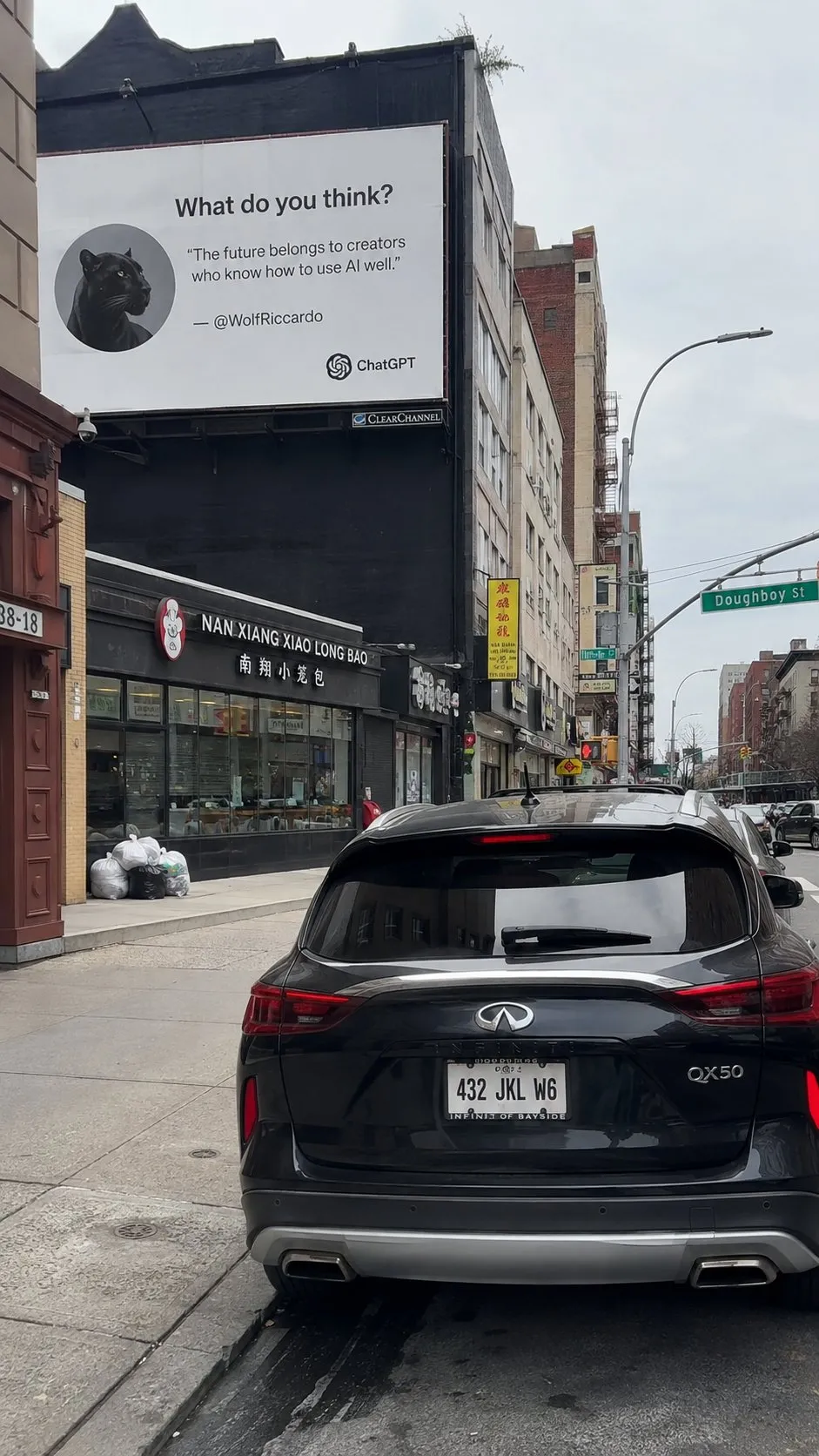 | 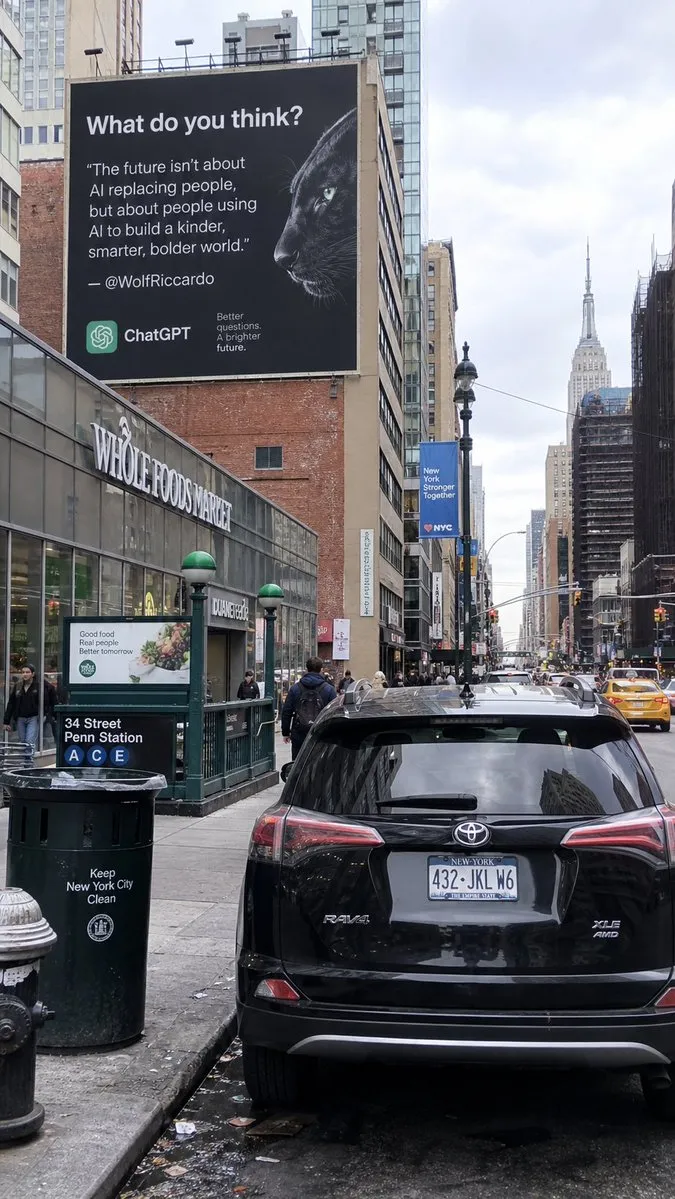 |  |
From left to right:Image 2 ((medium);mona-lisa-1;Image 2 ((high)
This improvement in texture is particularly evident in the actual Ottoman photographs produced.
According to netizens Tim Jayas, the details of the Mona-lisa-1 output are much richer.
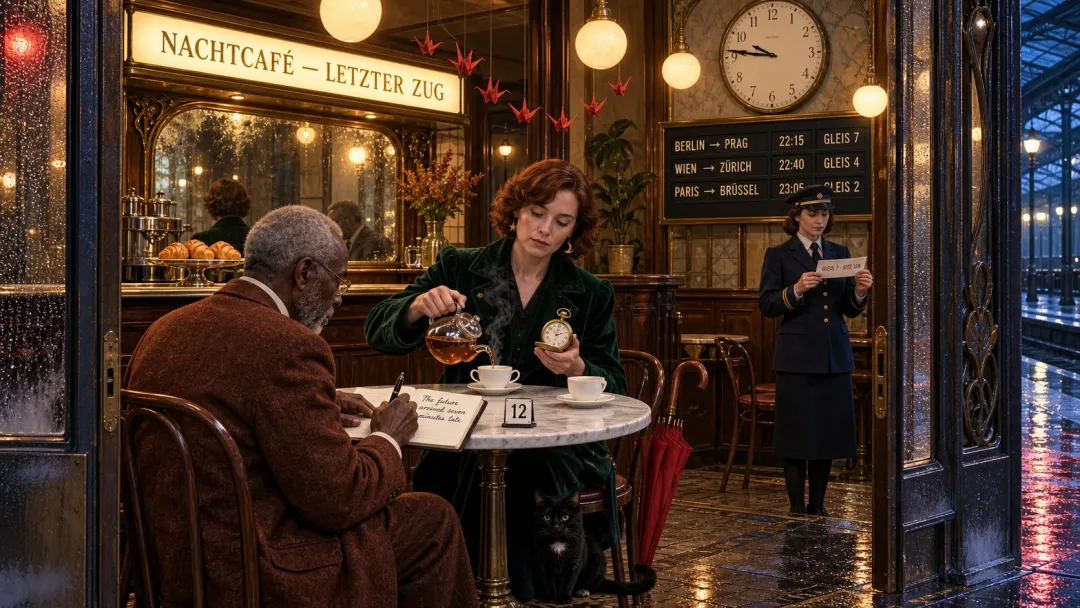
In addition, Mona-lisa-1 also exhibits an extremely high level of aesthetics in the production of such highly meaningful artistic paintings.
Whether it's the color rendering, the level of the shadows, or the overall atmosphere, it completely gets rid of the "algorithmic flavor" of past AI painting stereotypes.
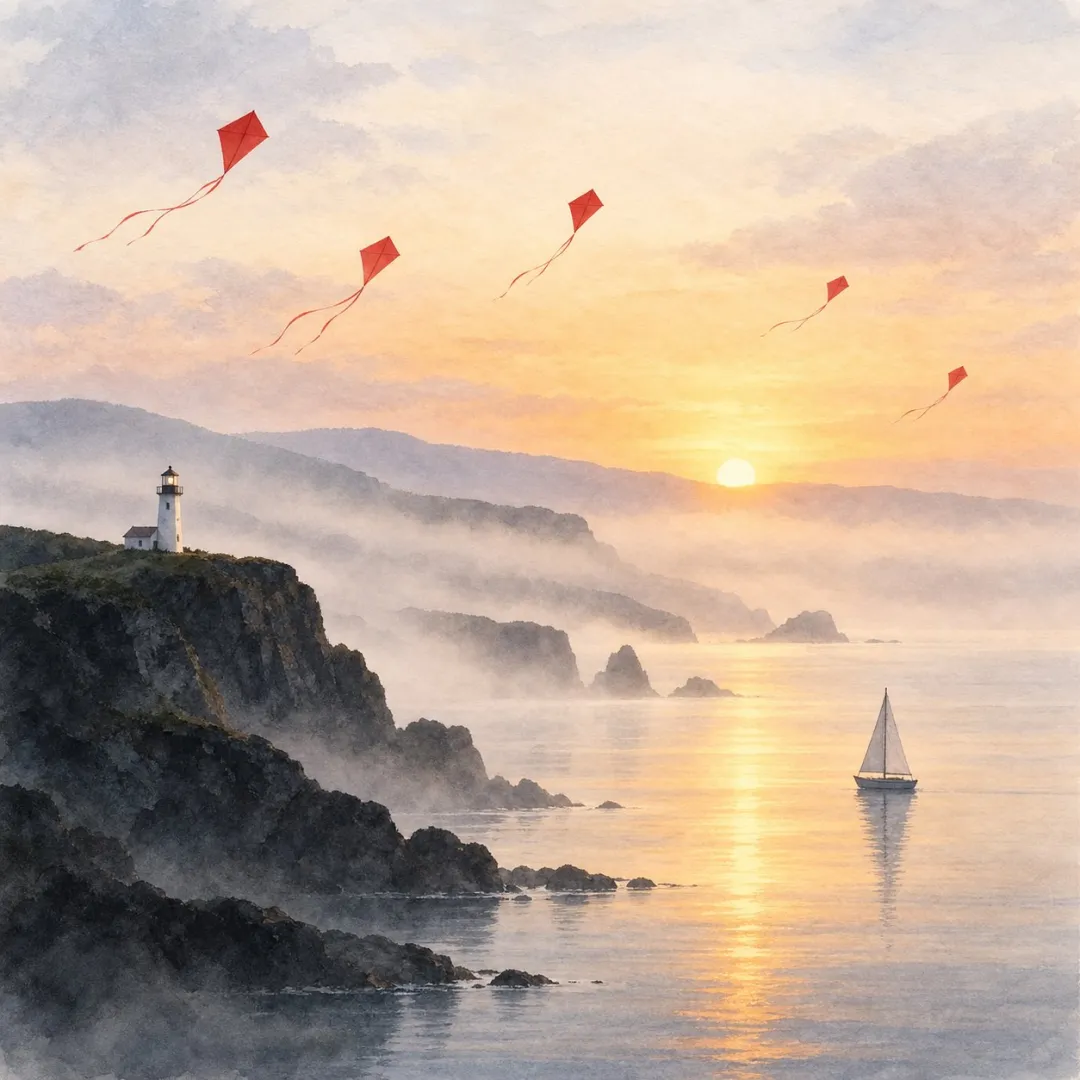 More complicated information
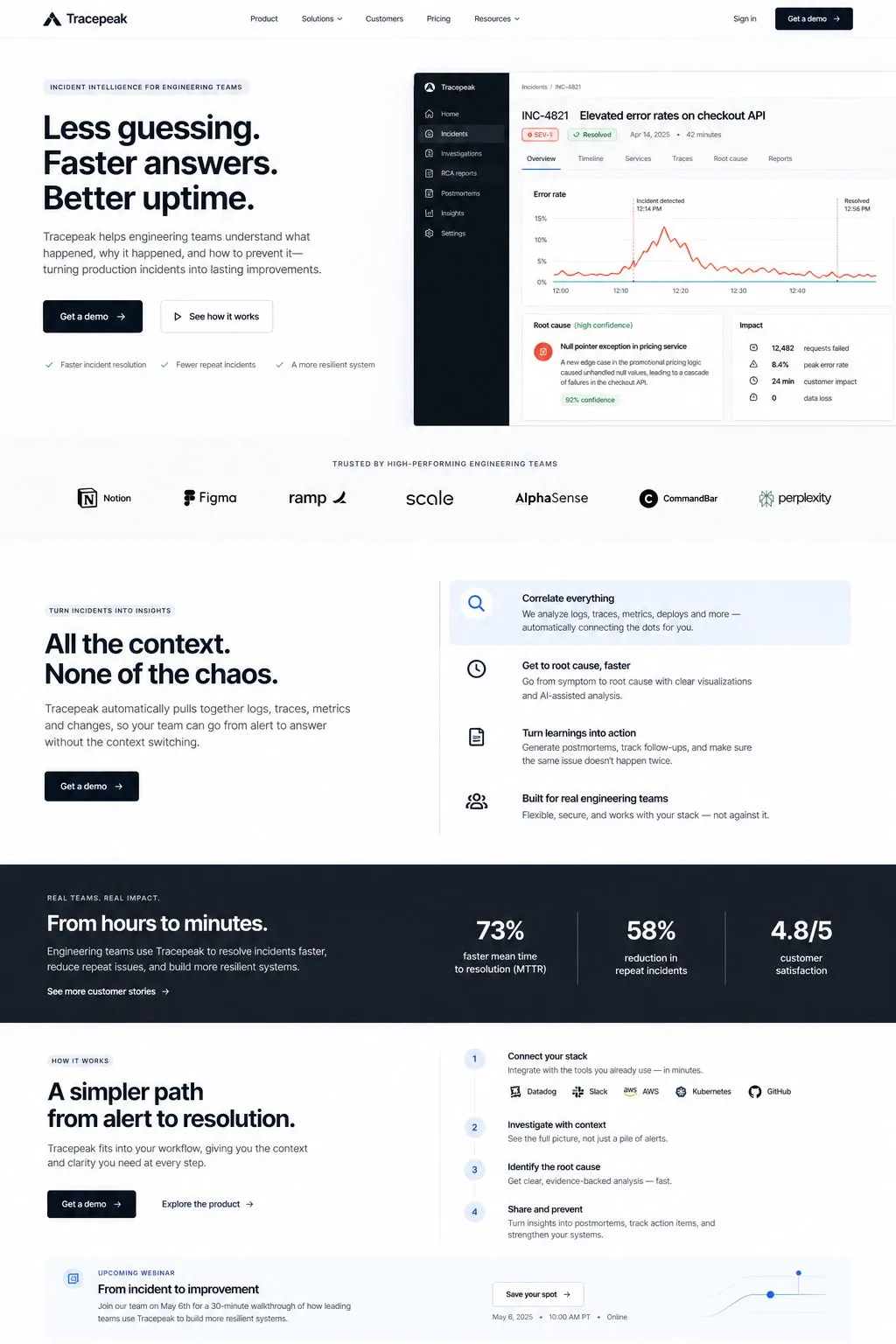
GPT Image used to be very good at generating complex infographics.
In the experiment, the Mona-lisa-1 was used to directly generate a web interface, and the visual effects were very realistic.
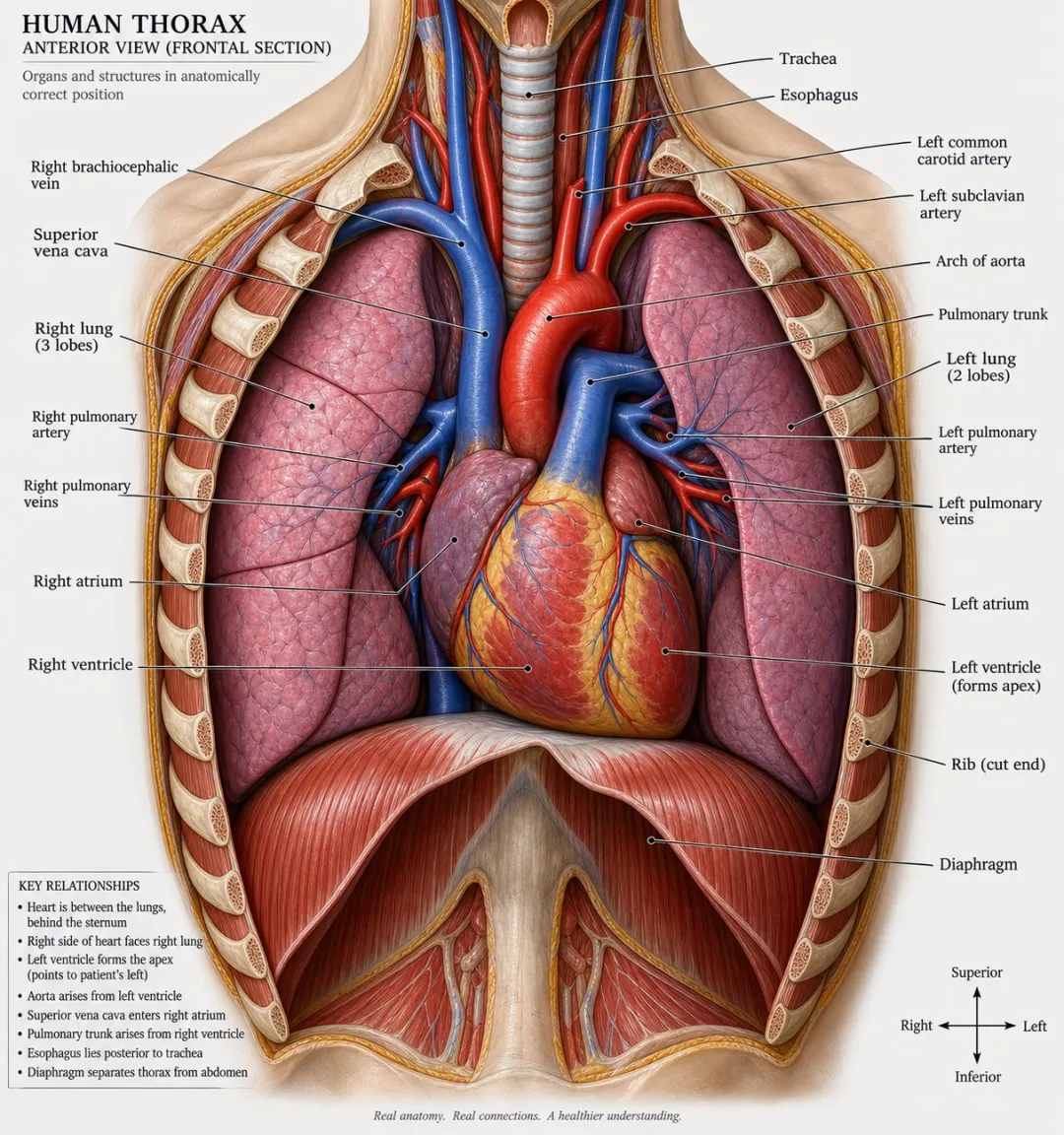
There is also a highly experimental "demonstration chart of human organs" and the Mona-lisa-1 is equally remarkable.
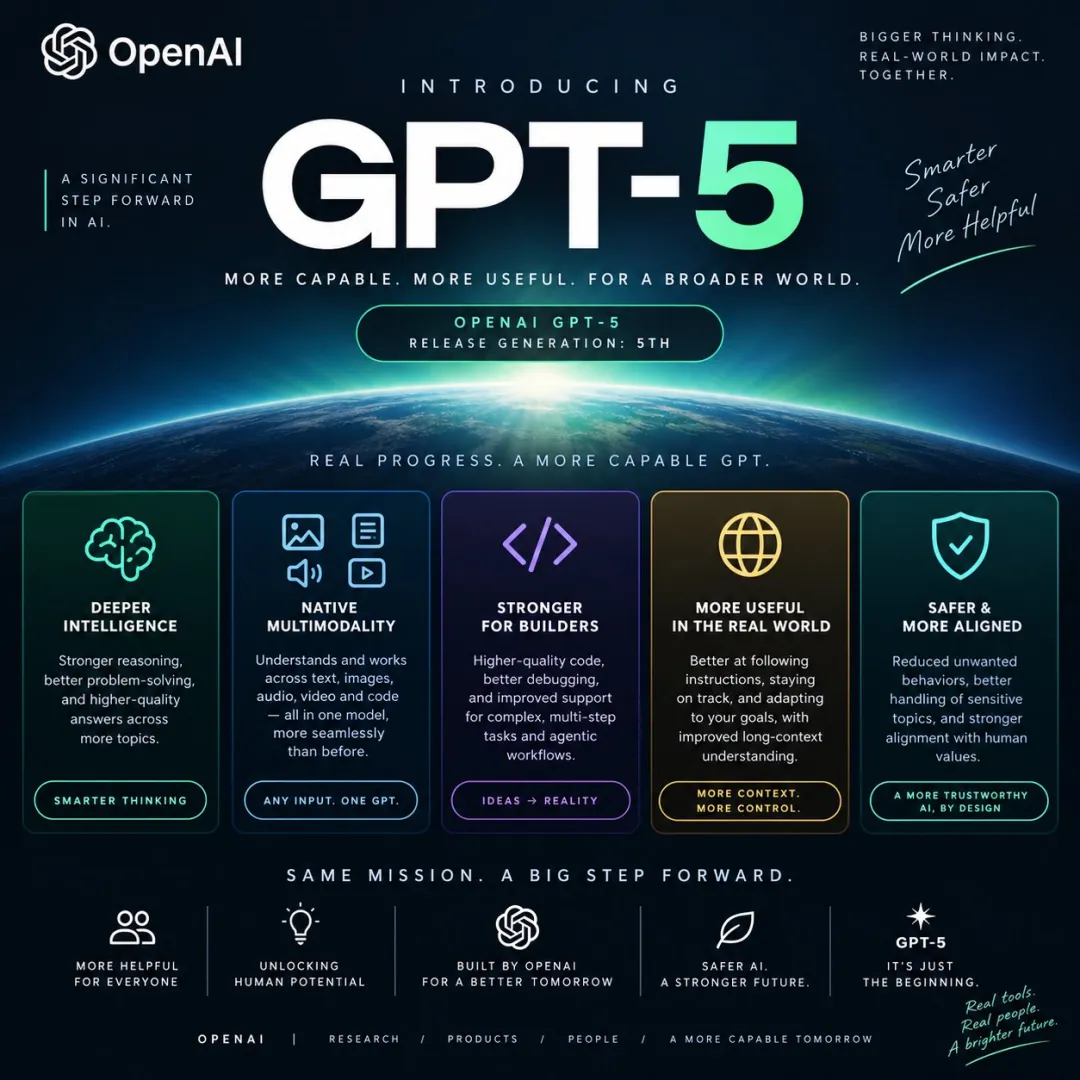
Whether it's a high-density "GPT-5 flowchart overview" or imaginative "ChatGPT exclusive self-portraits", it can accurately generate.
 | 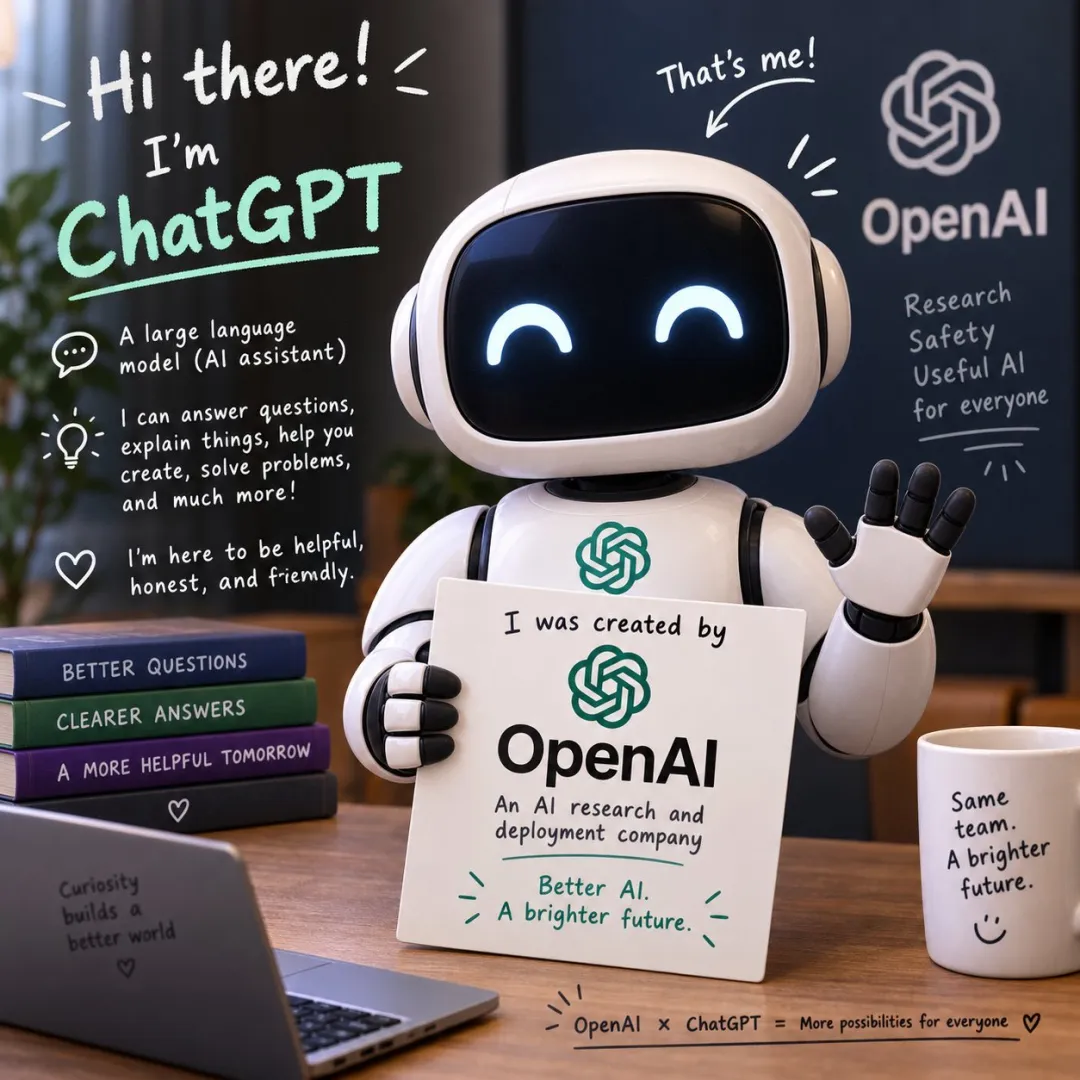 |
It can also imitate Einstein's writings and produce products directly.
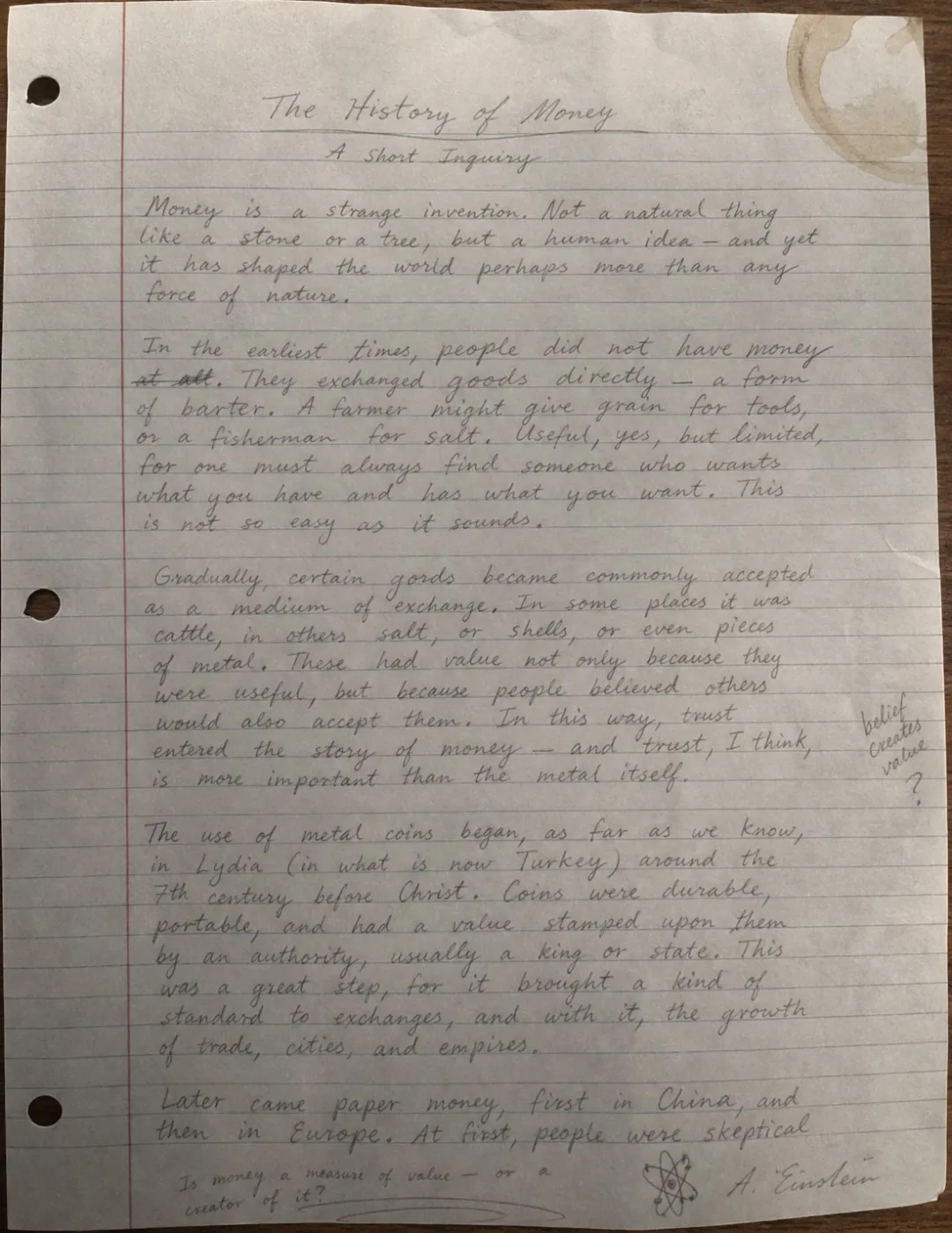 | 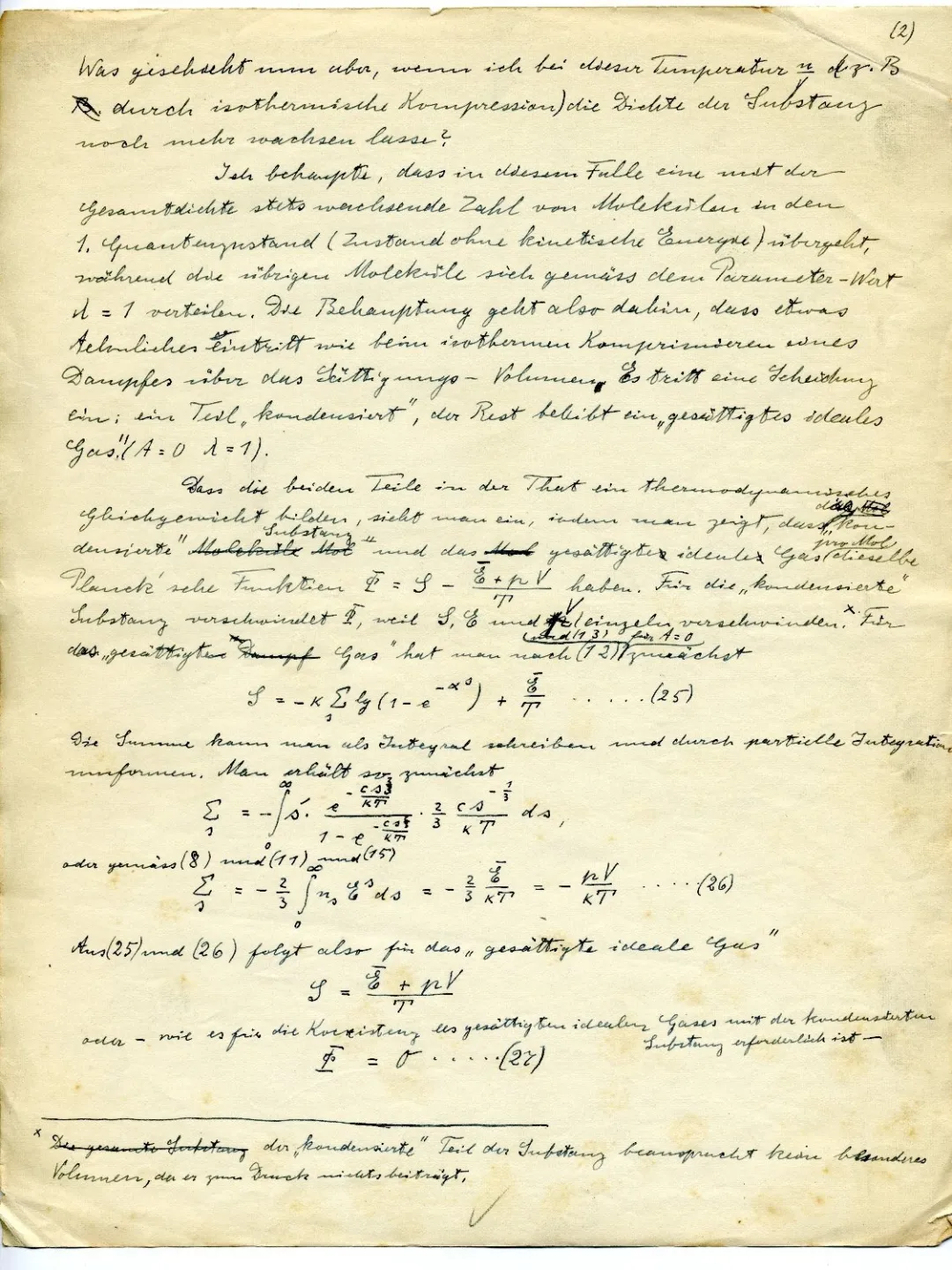 |
It has been reported that ChatGPT's new image model has once again ended the competition.
One simple tip is to point to a two-dimensional wallpaper.

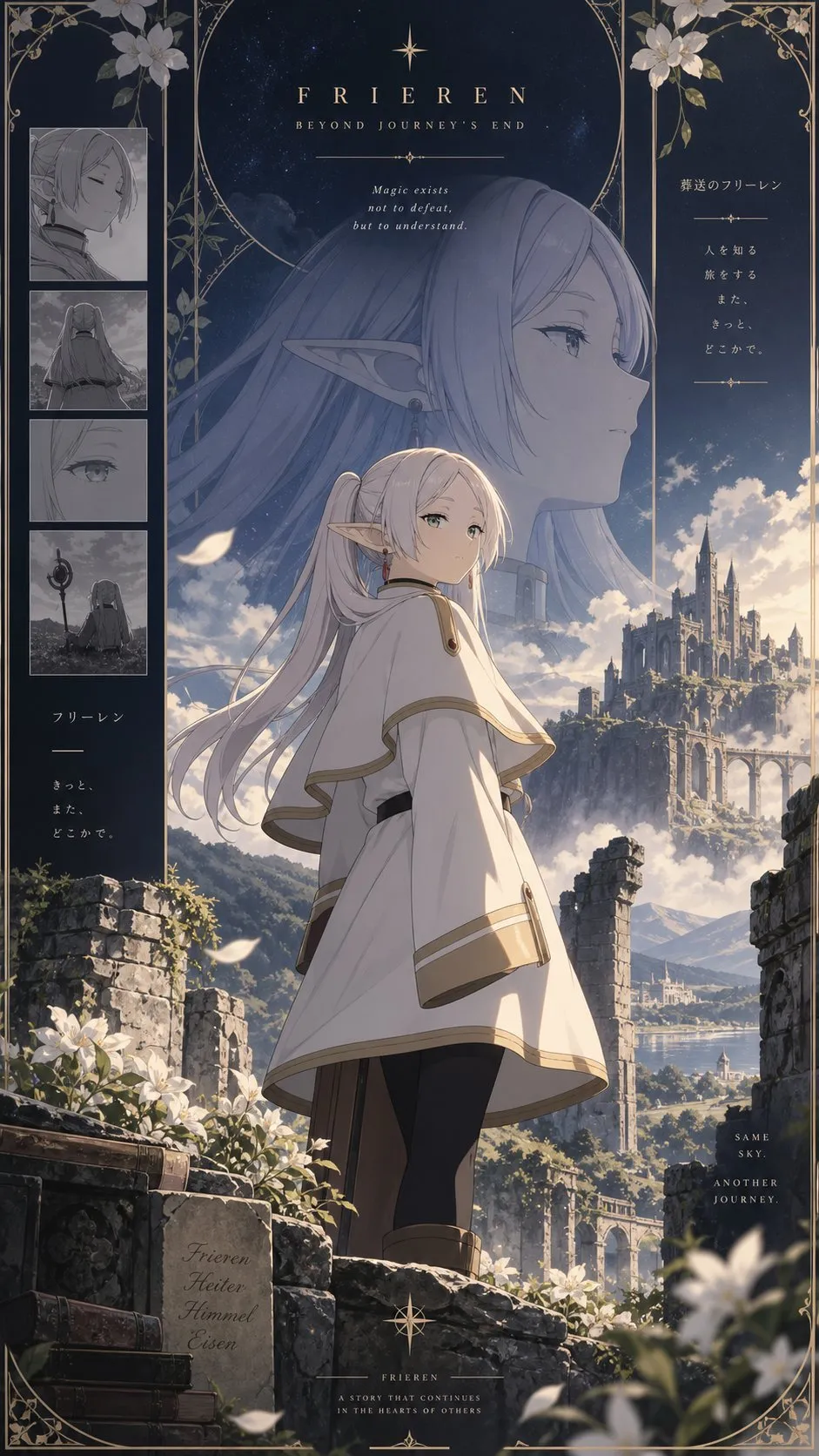
There's also a super-magic demo, and you can see it directly:
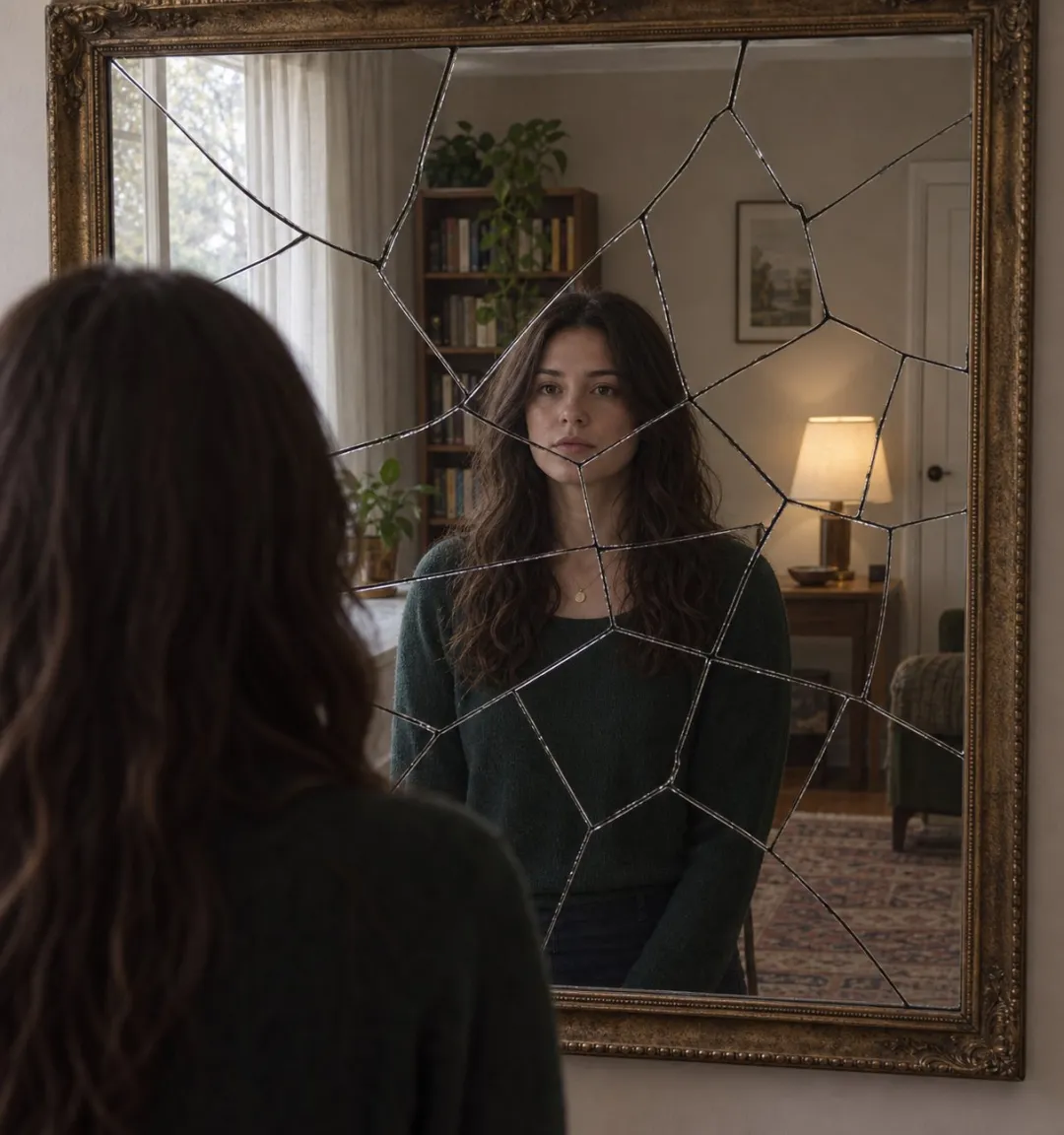
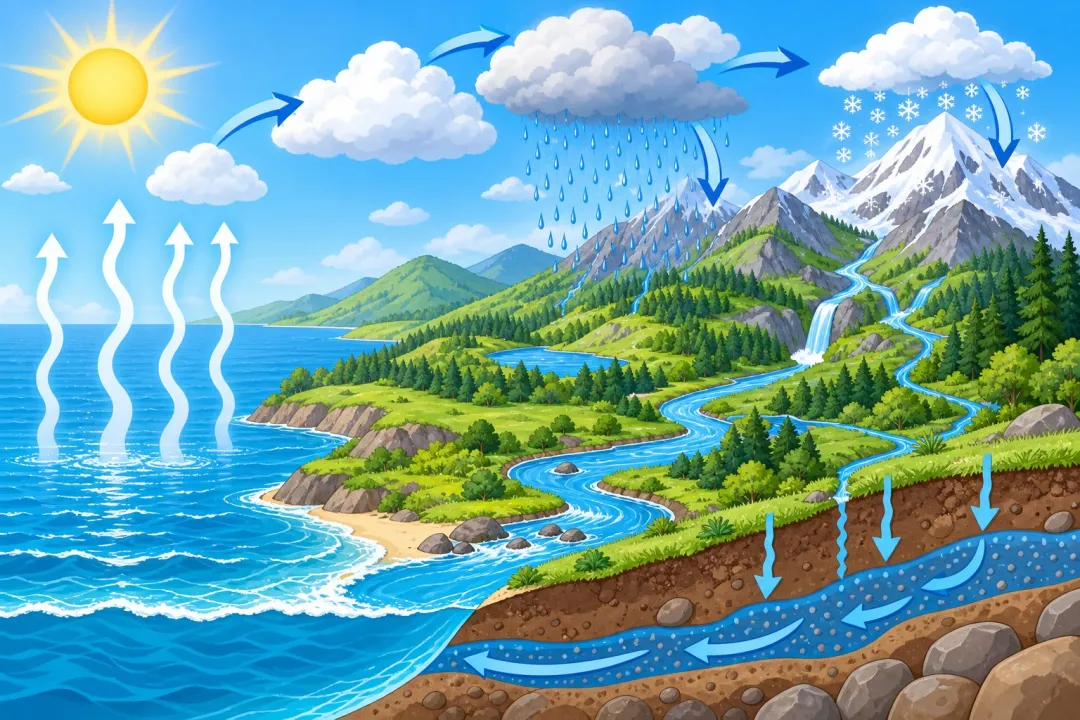
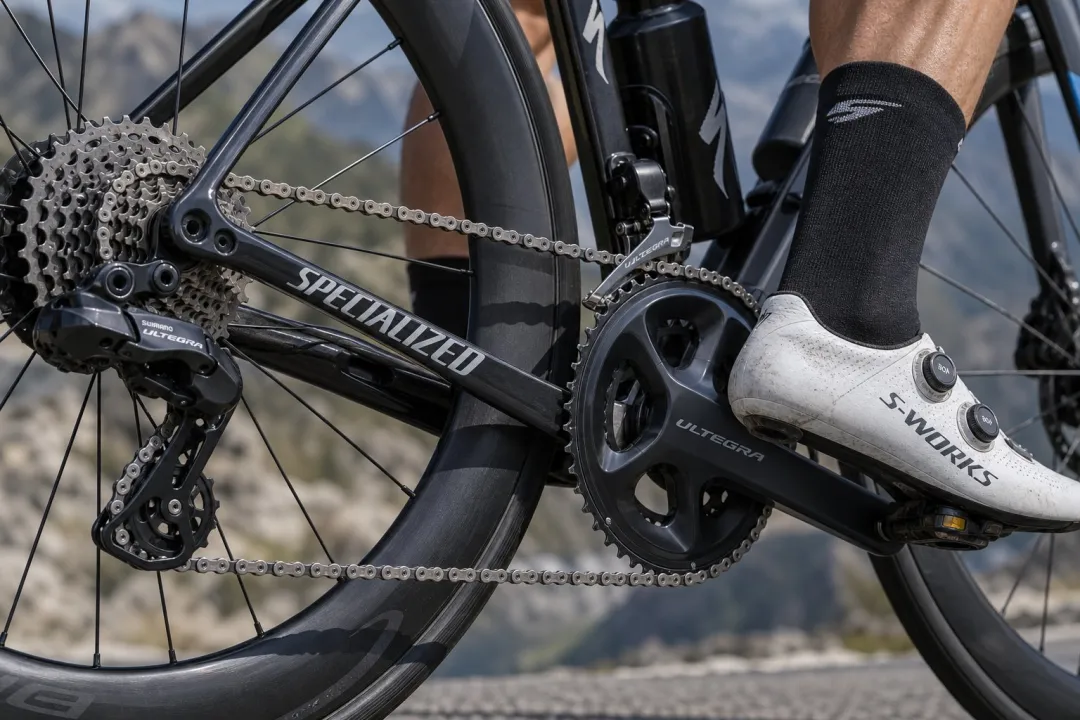
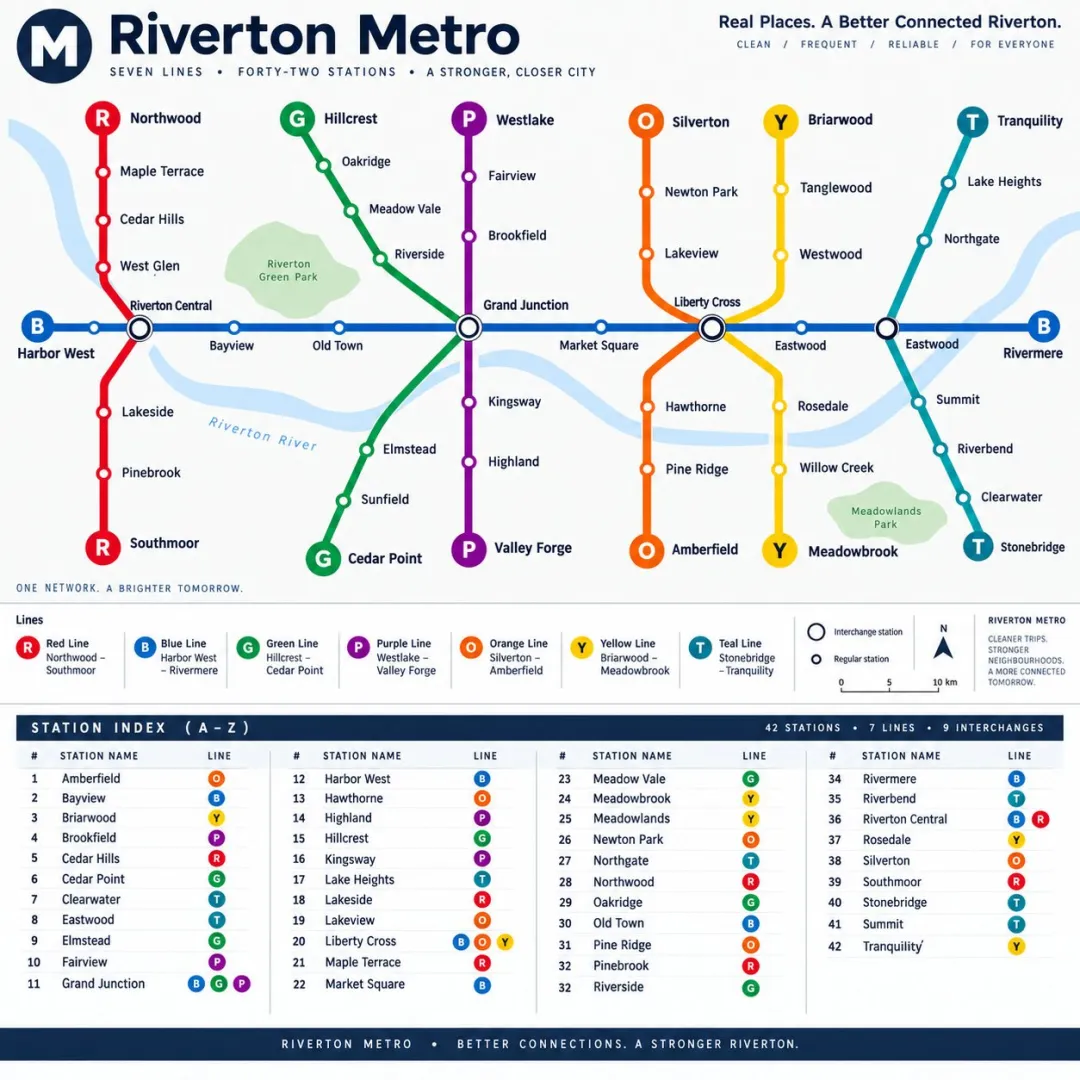
Scroll to the left and look.
Careful developers have found that the training of the mona-lisa-1 is likely to have ended last year.
@ivanainai has done five consecutive date-related tests, and the model's response with no exception stops in 2025.
Subsequently, her attempts to have the model handle the content of the latest information were unsuccessful. Of course, this was partly because the anonymous version did not open up the network.
It is interesting to note that the deadline for the GPT Image 2 knowledge base is also December 2025.
That is, from the information that has been revealed so far.
Mona-lisa-1 is more like a new checkpoint on a contemporary basis, rather than a brain replacement.
In fact, some have repeatedly speculated that the Mona-lisa-1 is just a mid-range version of Image 2.5.
On the other hand, the "-1" at the end of the code is almost obvious: new checkpoints will follow.
In other words, this version that is currently being tested is not necessarily the final form of the new GPT Image.
If Mona-lisa-1 is really just an intermediate checkpoint, then the official version of OpenAI that will eventually come out may be a step further.
GPT Image 2 has only been at the top for four months, and OpenAI has already started updating its own records.
At this rate, while waiting for the official version to be released, the ceiling of AI graphics will be lifted upwards.
Next, let's see when OpenAI reveals the real face of Mona-lisa.