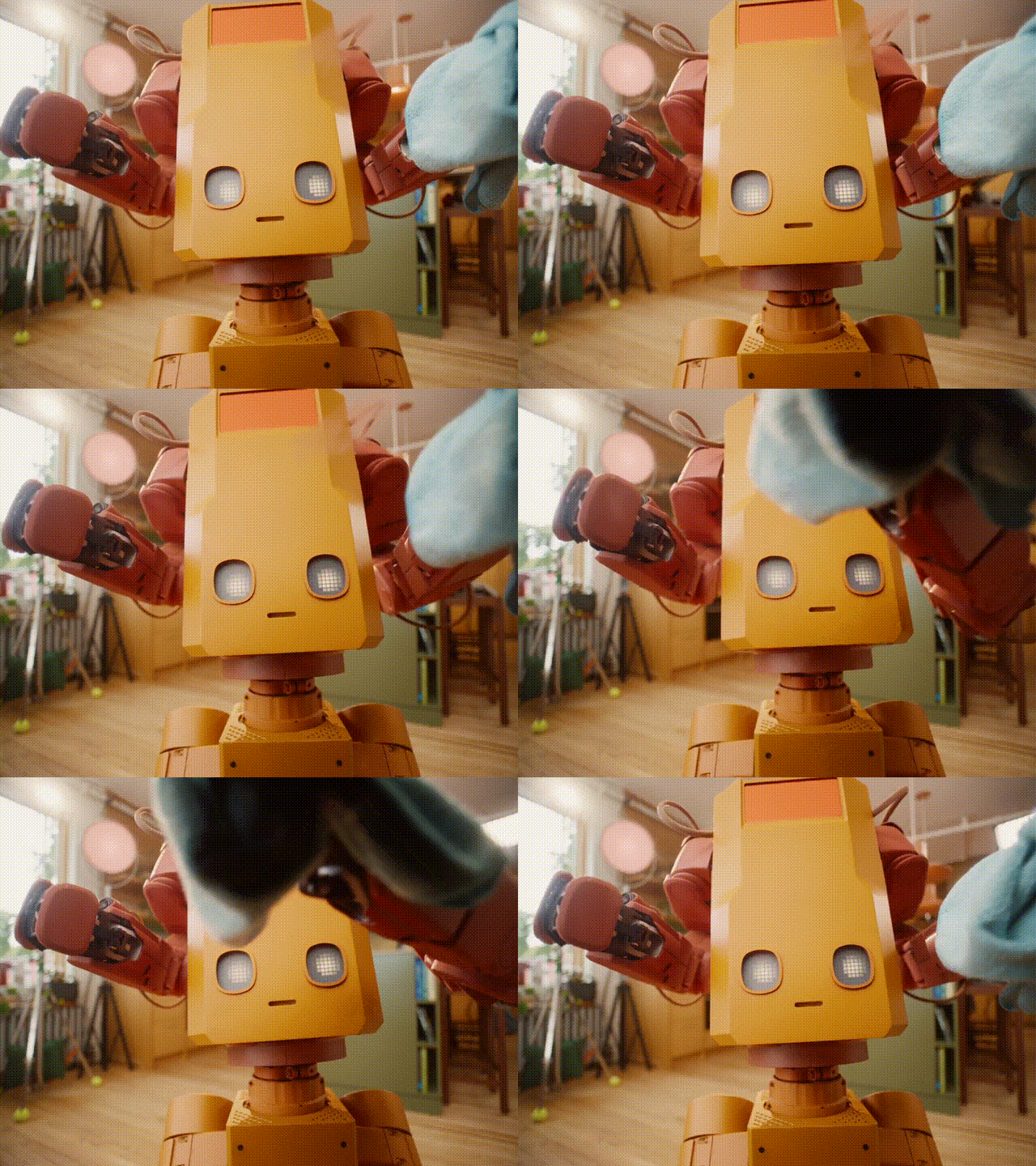
“ The cartoonist designs the moves first, and AI follows the lessons. The robot wants to keep it at home with a steady temperament.
A robot with no separate head, eyes growing near its waist, knees pointing backwards, recently caught fire in Silicon Valley.
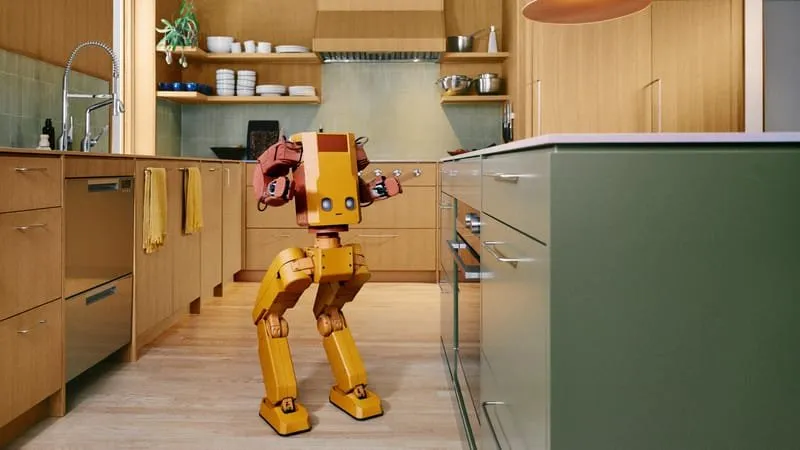
It's called Voxel, a startup from New York City of about seven people, Tuesday Labs. On October 20, the company opened the first Voxel Series-1 reservations.
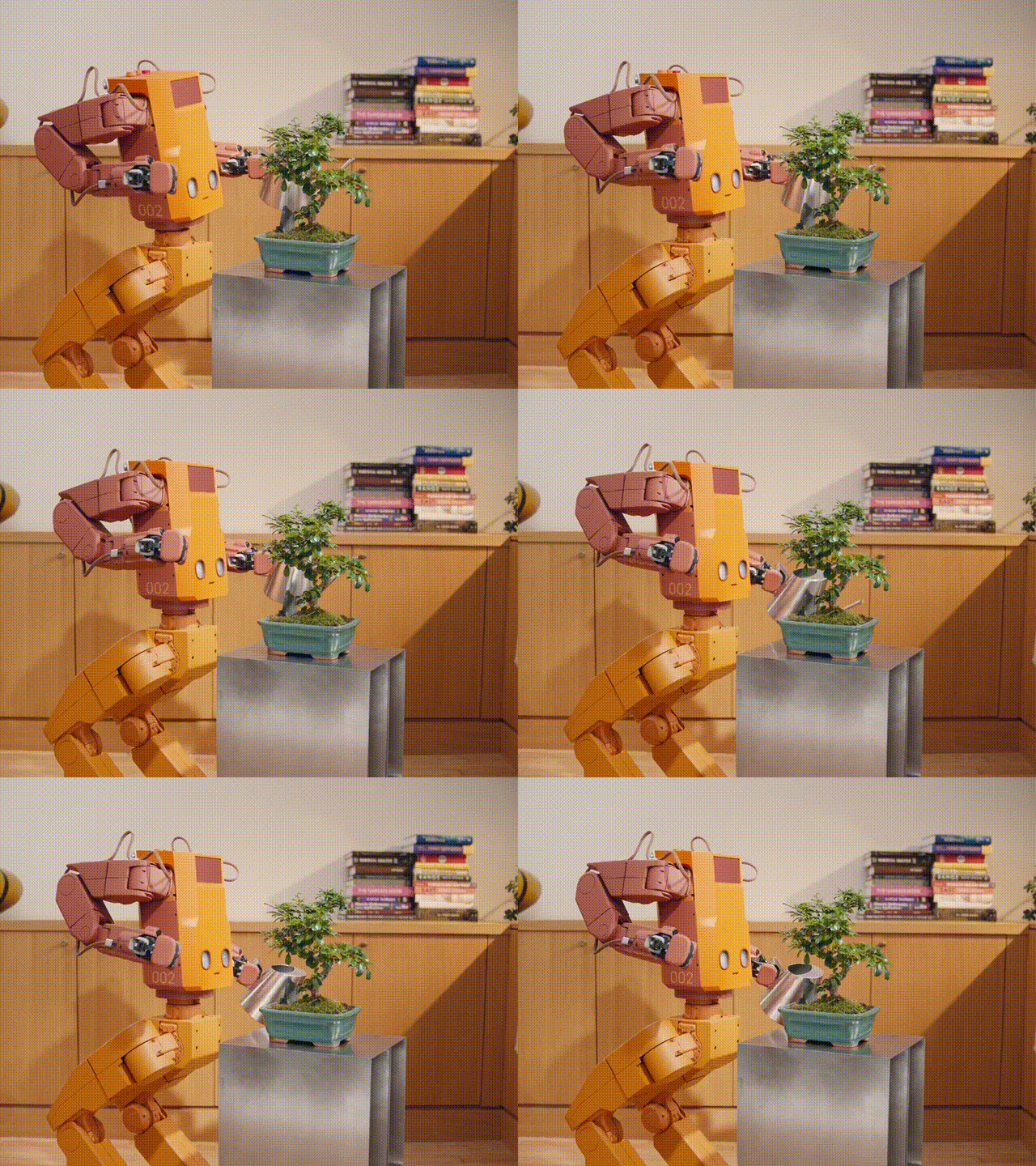
Voxel neither cooks nor washes the dishes. According to the official plan, it plans to have four capabilities: Home Reset is responsible for locating and returning things to their original location; Find is responsible for finding things, and when you don't find something, it will tell you where you last saw them in your home; Fetch is responsible for picking up books, drinks, or keys when ordered to another room; and Tend is responsible for taking care of them and timely giving the house green planting water.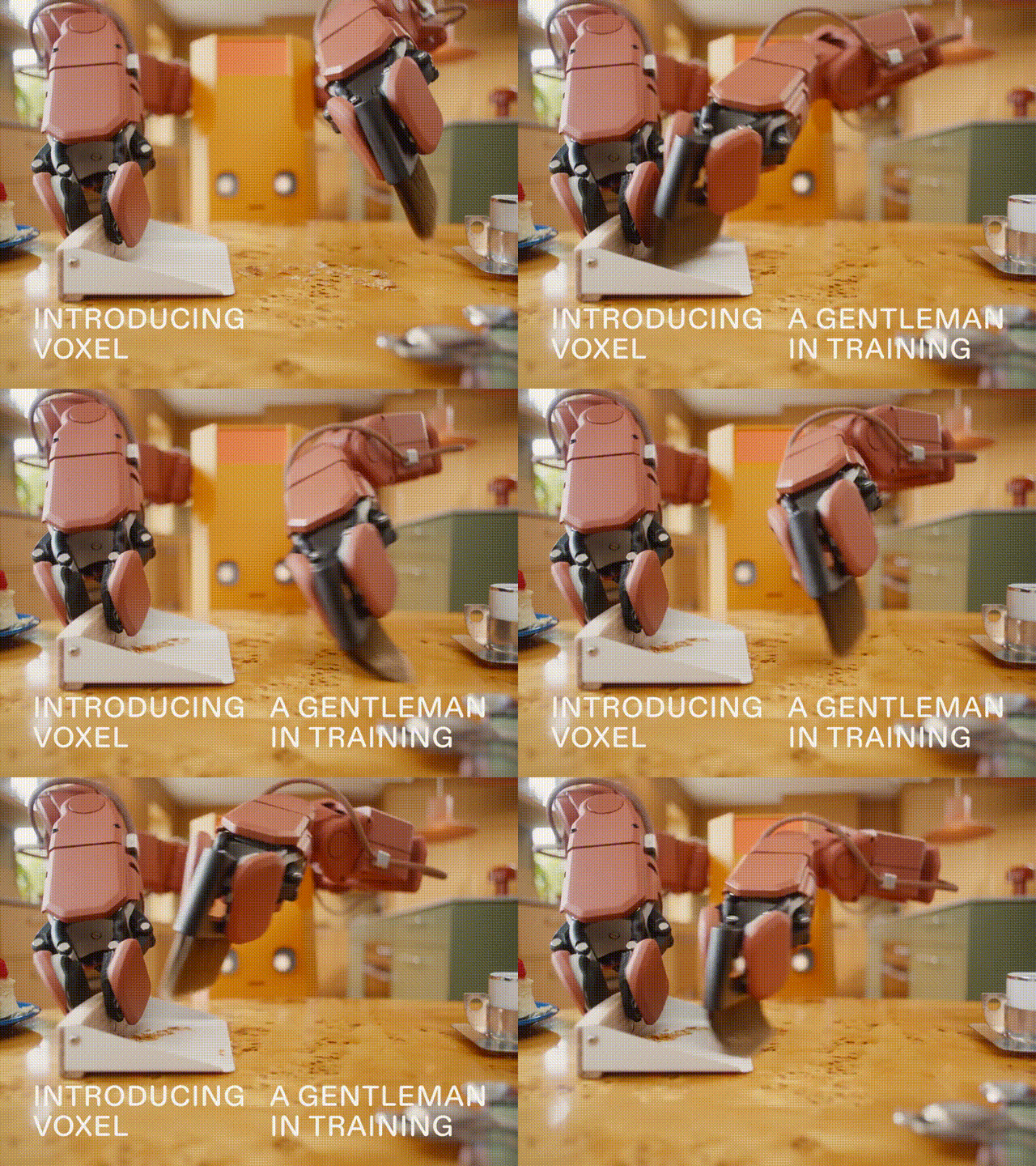
It is estimated that around $20,000 ($130,000 at the current exchange rate) will be delivered in the U.S. by 2028.
Famous American venture capitalist and entrepreneur Jared Friedman also took the stage in the early hours of the morning, proudly announcing his claim to the world's #003 slot machine.
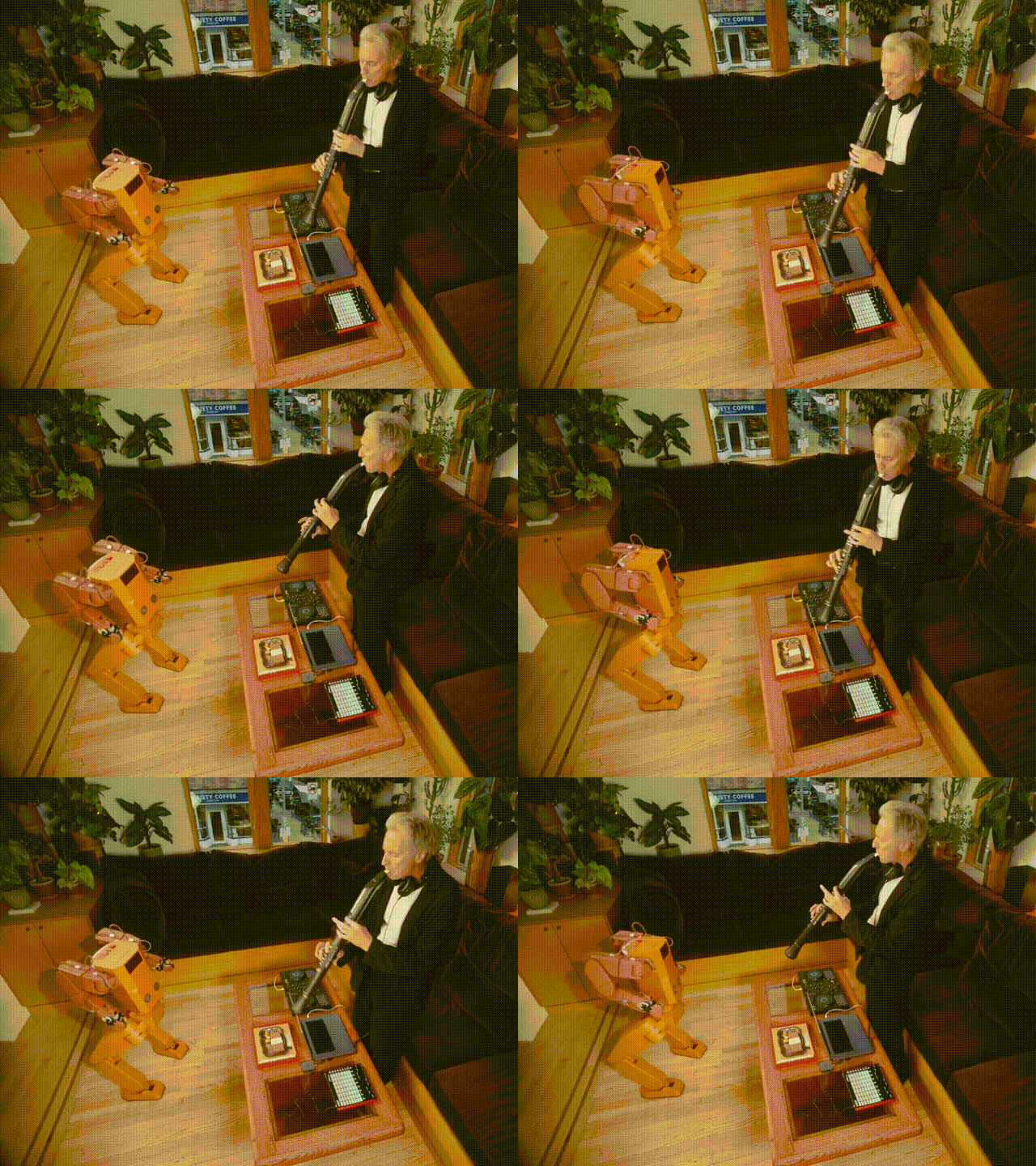
The Voxel also has a special feature: the team has spent a lot of time working on some seemingly superfluous movements in its operating space. For example, when it has finished drinking water, it will explore itself like a human child in a flowerpot, with both arms following slightly:
01.
Major Peaks teaches robots how to move
I'll start with the founder, Ros Shinkle.
According to YC, she was a core robotics engineer at Boston Dynamics, responsible for machine-arm detection and grabbing algorithms. In 2023, she founded the company in New York, initially called Adagy Robotics, which participated in the winter batch of YC 2024, with investors including Funders Club and Ludlow Ventures.
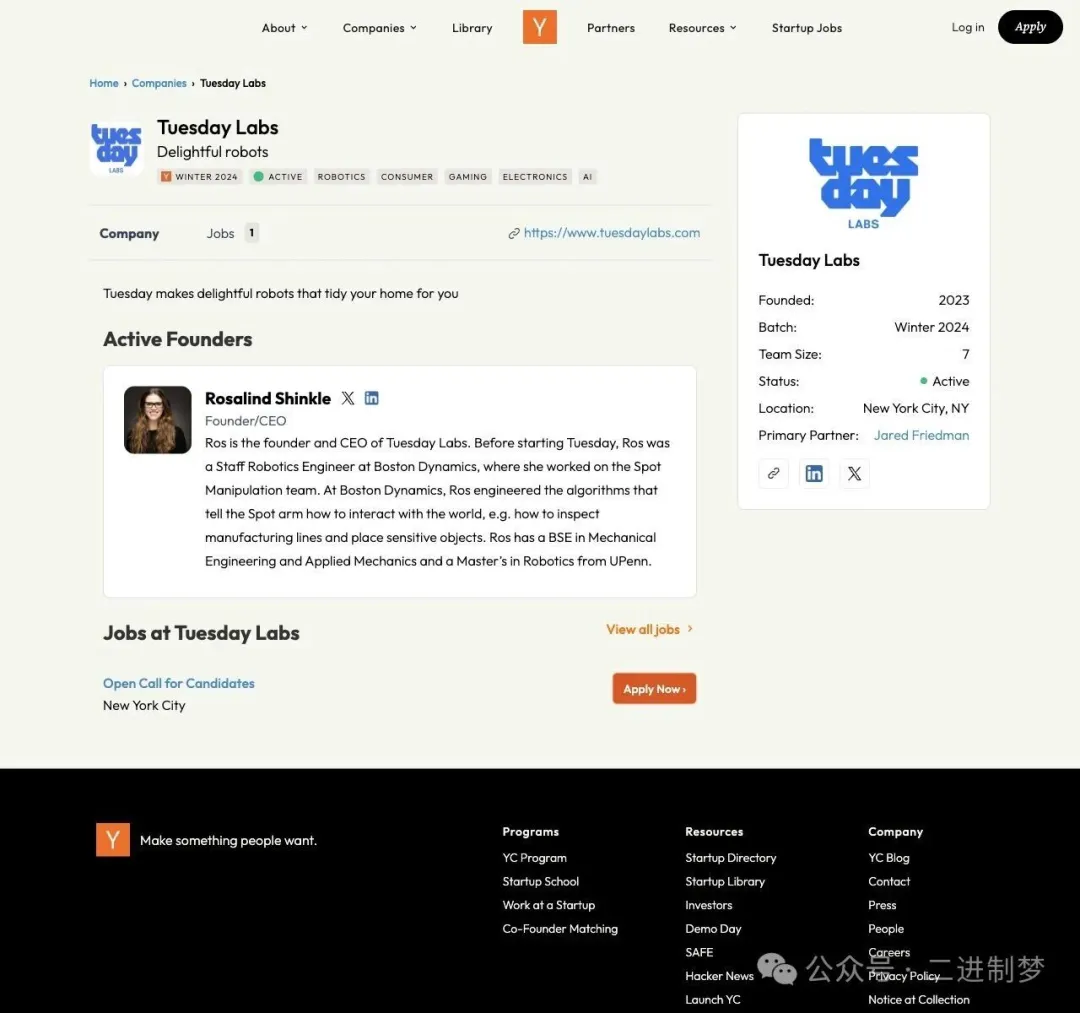
Adagy's initial business was interesting: when autonomous robots were stuck, they were provided with remote artificial assistance. That is, what the team began to do was to provide the foundation for robots that were stuck in the real world.
Shinkle told Fast Company that Voxel had been in development for three years. The special thing was that the team asked veteran Pixar animation veteran Alonso Martinez to come. According to The Rundown, he was a consultant on the team.
Martinez's personal website explains that he spent more than a decade at Pixar, working on Academy Award-winning films such as The Flying House Traveler's Nest, The Muppets' Nest, Searching for the Dreamcatcher's Nest, role-modeling, bonding, art, animation, and research. He is also the co-author of a paper in Google Research that examines how enhanced learning drives a character to make its performance credible.
The animator first designs actions that match the character character's character in 3D animation software, and the team then uses these animation training models to allow the robot to encounter gravity, tilt the ground, and try to maintain the original style of action when people accidentally push such a real situation.
Tech Times further analyzed the idea in its report that it is similar to DeepMimic published in SIGGRAPH 2018. According to it, animators produce reference animations directly based on Voxel's own physical structure, taking into account its physical limitations from the very beginning; when algorithms are trained, the rewards are divided into two parts.
As for why not allow real people to wear moving capsules to teach, some in the industry have explained that the cross-form migration puzzle is complex. Voxel has an anti-joint Z-shaped leg, different arm proportions, and no separate head, physical characteristics of the body and human tolerance.
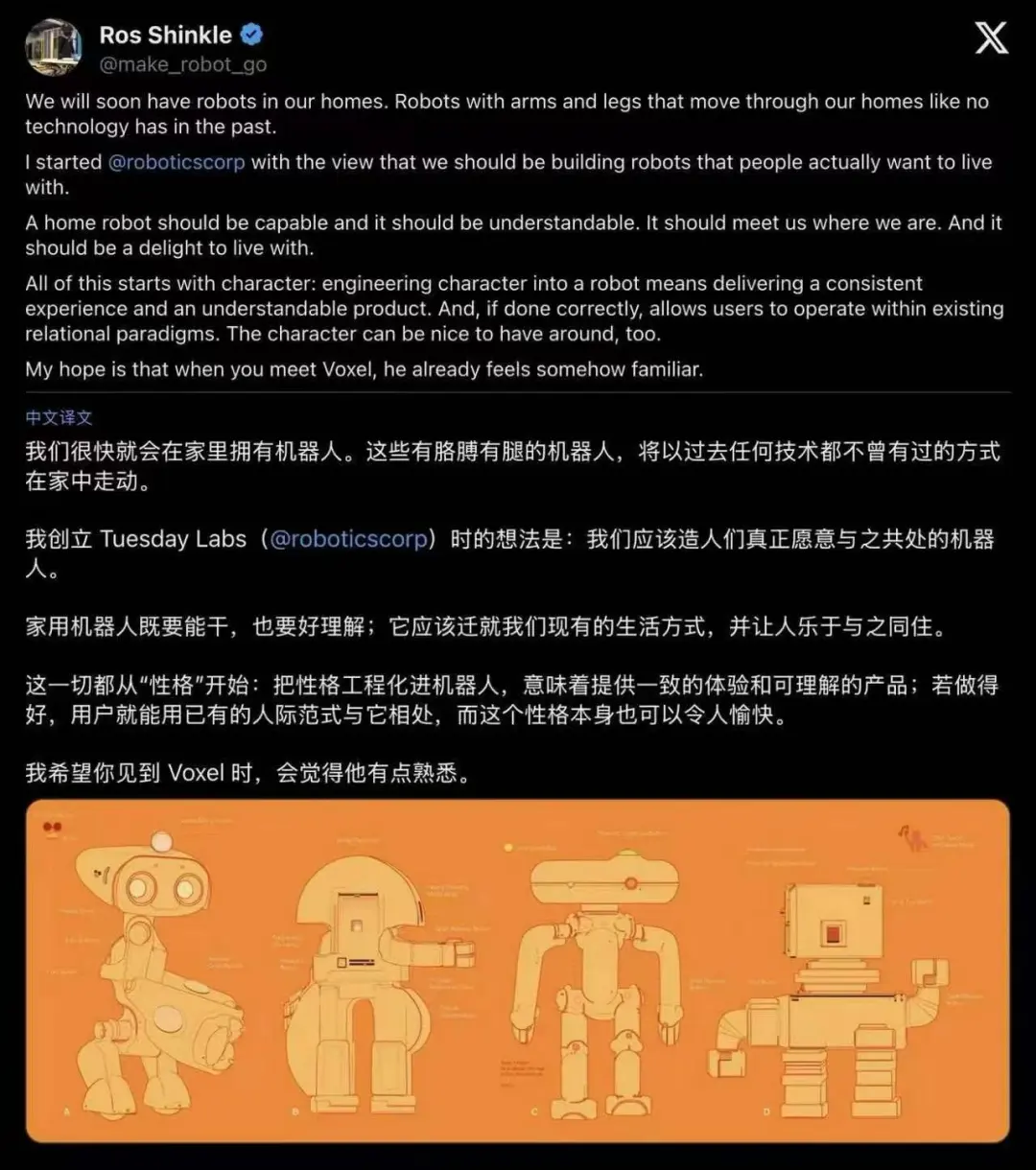
From a human perspective, the team has set it up as polite, slightly anxious, and somewhat compulsive to do household chores. Shinkle told Fast Company that it sometimes gets stuck in a task because it wants to be active and do the right thing, and is afraid of water, outdoors, and sharp things.
Shinkle believes that to really use a robot, you have to believe that you can predict how it reacts when it encounters an unfamiliar situation, so its character must be consistent, clear and clear. She also mentions that in those years of Boston Dynamics, she discovered that robots make people feel magical, often at transitional moments between actions, such as getting up again after a fall, or hesitating before making a decision.
Production observer Akash Gupta also mentioned earlier that a short film by Pixar in 1986 called Jump the Lamp: a lamp is only performed by its body, hesitates before jumping, sets the scene after landing, and the audience sees its character.

02.
Legs are long, eyes are long on the waist, and they're all deliberately designed.
Voxel grew up like this, and that's what the team was meant for.
In an interview with Dezeen, Shinkle said that they did not intentionally make a humanoid robot to stay away from the Silicon Valley of Horror. In her imagination, Voxel was a machine controller, not intended to play a human controller.
She also gave a fairly pictorial scale: one was almost like a man's cat, the other was a cat like a baking machine, both teams didn't want.
Shinkle believes that the appearance of a person's expectations and actual capabilities can prevent the continued disappointment of a humanoid robot when it does not work as well as a human.
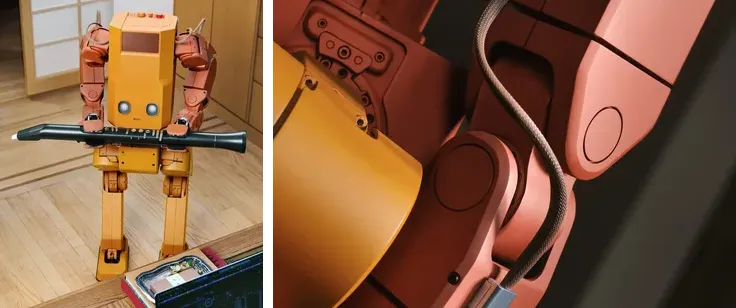
On the hardware, the two arms have seven degrees of freedom, with the wrist actively controlling, and the end is a single-degree claw that is responsible for grasping, pulling and loosening. The vision relies on a pair of triangular RGB cameras, plus a rectangular camera that can observe the entire room. The machine also has a small mouth, and a pixel eye that is responsible for communicating with people.
The use of the Z-shaped anti-joint leg was to keep it close to the table, cabinet, table and rack, lowering the height of the body's adjustment to work. The team reportedly also hoped that it would be able to walk lightly on wooden floors, almost as easily as adults in luxury shoes.
The company has made it clear that pre-delivery hardware will also be significantly redesigned.
03.
$200 for a lineup qualifier.
With a $200 refund, reservations can be made only at the U.S. shipping address. Each machine will print a limited number in order of reservation.
However, a few details are worth noting. According to the booking agreement cited by the Chinese media, the booking is not a purchase, the agreement is not a sales contract, and the number on board does not determine the order of delivery.
Several media reports have indicated that the Voxel in the demonstration is still developing prototypes, appearance, features and specifications may change. $20,000 is just an estimated price, and the delivery date for 2022 may be delayed.
According to The Rundown, 1X opened reservations for Neo in October 2025, the same $200 purchase price, about $20,000 sale price, planned for delivery this year, with robots taking over uncertain tasks by remote operators.
Looking further away, as more and more parts of a robot can be purchased directly, it will not be able to function properly, and the gaps that can be drawn can become smaller and smaller. How the robot moves around people, how to let people in the family see what it wants to do, and the sharpened sense of dimension and taste of engineering and animation craftsmanship may be a new point of contention.
In 2028, these machines will not be able to be delivered to American homes in time, and no one says so now. Voxel throws at least one worthy question: wait for each robot to put things back in place, and people will eventually leave which one at home, and maybe see how many little moves it does after it's done.