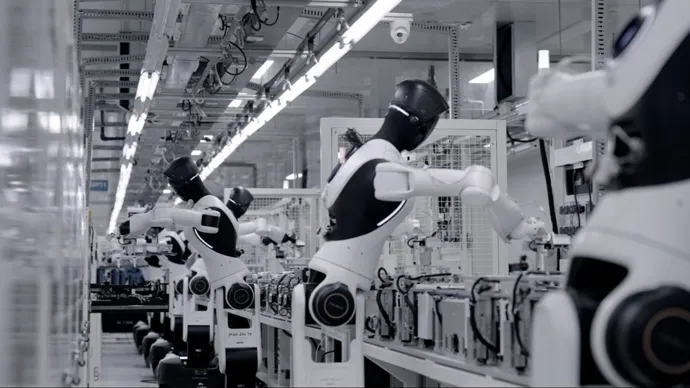
“ A list of national scenarios has been released for robotics companies to open a window of opportunity for verification.
On October 20, the National Development and Reform Commission, together with the Ministry of Technology, the Ministry of Industry and Information, the Ministry of Human Resources and Social Security, the Ministry of Emergency Management, the National Finance Commission and other departments, released the first list of 136 landmark major application scenario projects abroad.
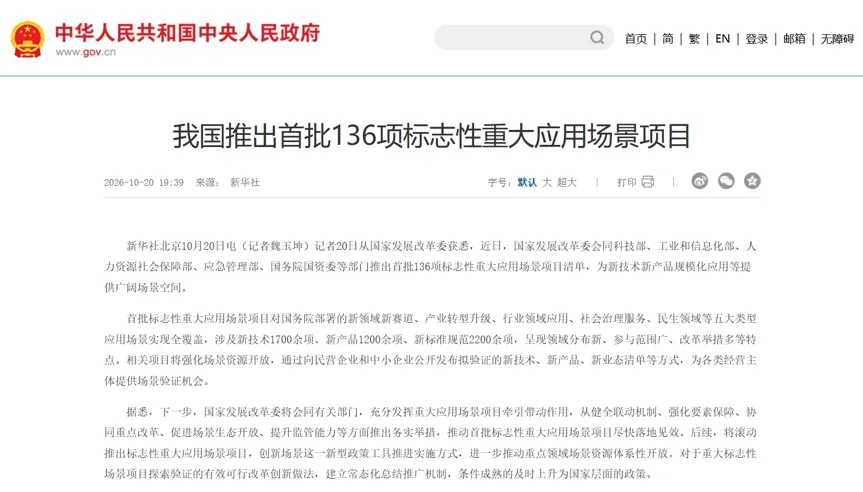
There are two signs in the hands of industrial policy, giving money, giving land, nursing an entire manufacturing supply chain for decades. This time, the list of 136 projects, with more than 1,700 new technologies, more than 1,200 new products, waiting in line to run in real working conditions.
The scene is a ticket.
01.
What's on this list of 136 items?
Look at the specifications. The first batch of 136 new areas to be deployed by the State Department, including new pathways, industrial transformation upgrades, industrial applications, social governance services, the five major types of implementation in the private sector, covering more than 1,700 new technologies, more than 1,200 new products, and more than 2,200 new standard specifications, covers the entire chain of technological industrialization.
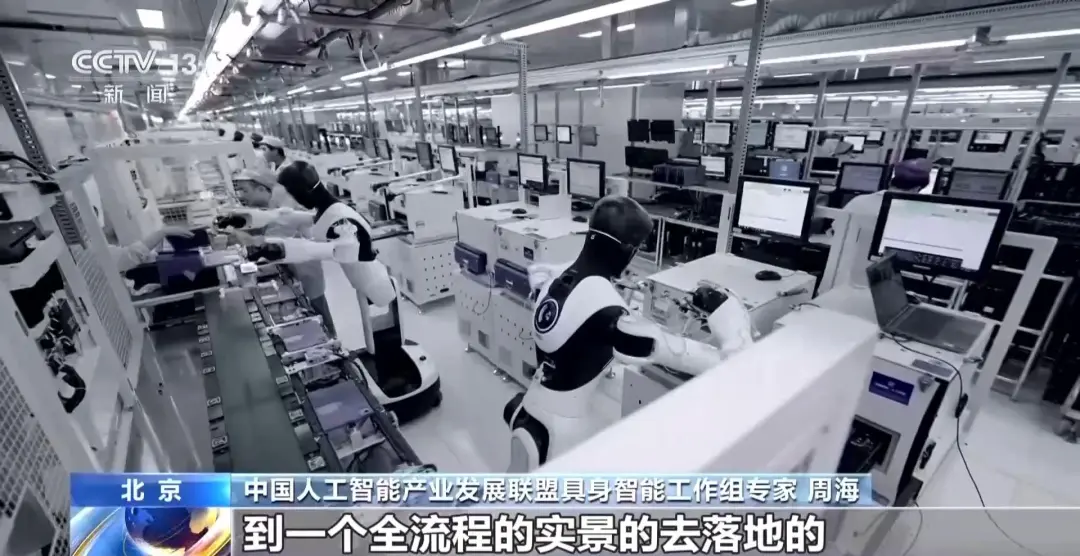
In an October press conference, the deputy director of the Policy Research Institute of the National Development and Reform Commission, Li Chuo, a press spokesman, said: "Promoting the cultivation and opening of scenarios represents the evolution and innovation of our industrial policy towards new situations, extending from 'parking zones' to 'elements' to 'defined scenarios' to 'opportunities' to the environment' to 'rules'".
Subsidy awards give results, and scenarios give input. A company gets a subsidy, the product is still trying to find its own place; entering the list of scenarios, verified sites, working conditions and cycles are already in place, and the data that comes out is recycled to its own products. For the robotics industry, which is in a period of mass production, the content of the latter support is completely different.
In November 2025, the State Department's Office published its Implementation Commentary on Accelerating the Cultivation and Opening of Scenarios to Promote the Mass Application of New Scenarios, defining Scenarios as "specific scenarios for the systematic verification of new technologies, new products, new industry trends, and the industrialization of applications and supporting infrastructure, business models, and institutional policies", connecting technologies and industries, and providing bridges for R&D and markets".
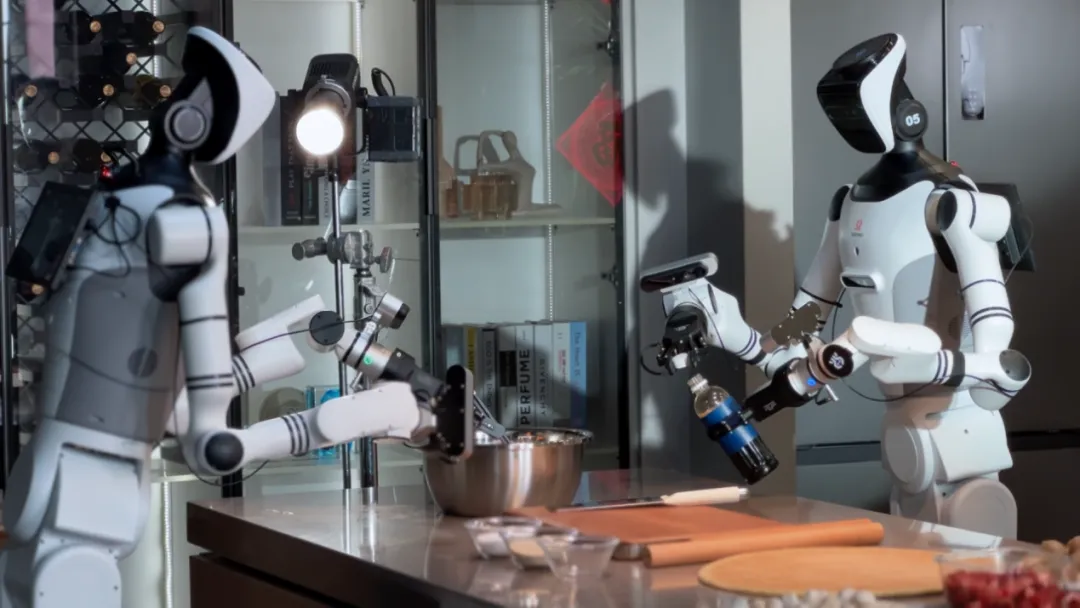
Translate into factory language: A new technology can only prove the principle in the laboratory, and in the scene to answer another set of problems is that the pump and storage equipment are not compatible, regardless of the cost, which part of the process is involved. Environmental parameters in the laboratory are set, temperature fluctuations in the field, electromagnetic interference, material differences, all of which change the actual performance of the equipment.
For the purchaser, the scenario also has a layer of value: the acceptance standard grows naturally in real working conditions. A device runs for a full quarter in a buffer zone, and this runtime record can be directly transformed into the acceptance terms in the next purchase contract, and technical indicators can be transformed from paper parameters into proven test data.
In the supporting arrangements for the list, the Open Mode is written as: "Related projects will enhance the open nature of scenic resources, providing scenic verification opportunities for all types of business actors by publicly disseminating new technologies, new products, new business trends and lists for verification to private enterprises and small and medium-sized enterprises". Li said that the next step will be to work with various departments and relevant enterprises to advance the implementation of the first batches of projects and to track the implementation evaluation.
The scene is an admission ticket, a list of how to get the ticket inscribed in the accompanying arrangement with the phrase "give an opportunity" to distinguish this list from any previous supporting document.
02.
After giving money to land, why do policies start giving "opportunities"?
The first set of insurance compensation and procurement allowance mechanisms to solve the problem of whether anyone dares to buy and take the risks of the first users; the third is the duration of operation under the real working conditions of "where to practice", which can't be done in the laboratory, can't be talked about in the conference room, and can only accumulate on a day to day basis.
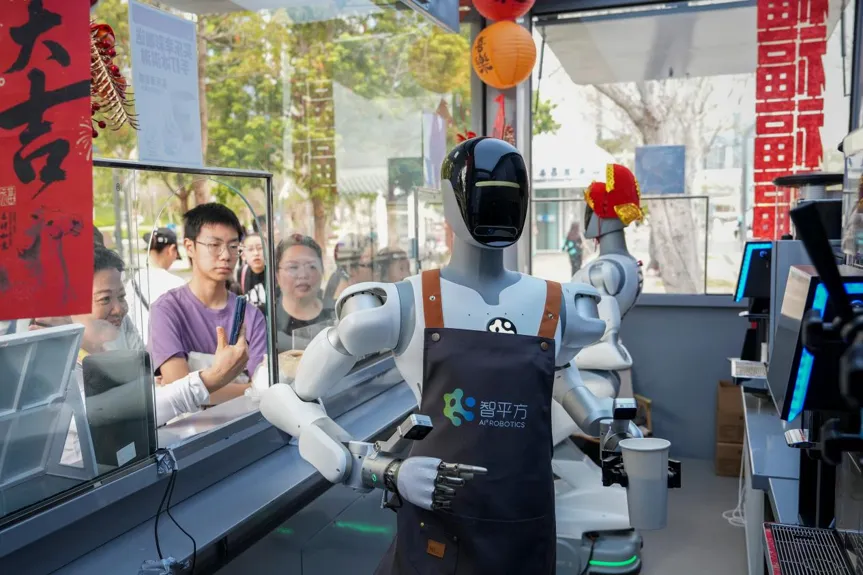
The practice is to spend money. In the past, a small and medium-sized innovation enterprise wanted to get high-end scenario resources, to bear the costs of matching alone, one industry to one industry to talk about, the next cycle and the costs are pressed on their own account. The scenario is not talked about, the initial investment is sunk; the scenario talks about, every failure in the verification period is real gold and silver.
The first set of insurance compensation mechanisms has been in operation for many years, taking a part of the risk that the first users "don't dare" to use; allowing the error mechanism to be written into the "155" industrial infrastructure capacity improvement plan to reduce the responsibility of user enterprises purchasing innovative products. The common premise of these two tools is that someone is willing to deliver the product.
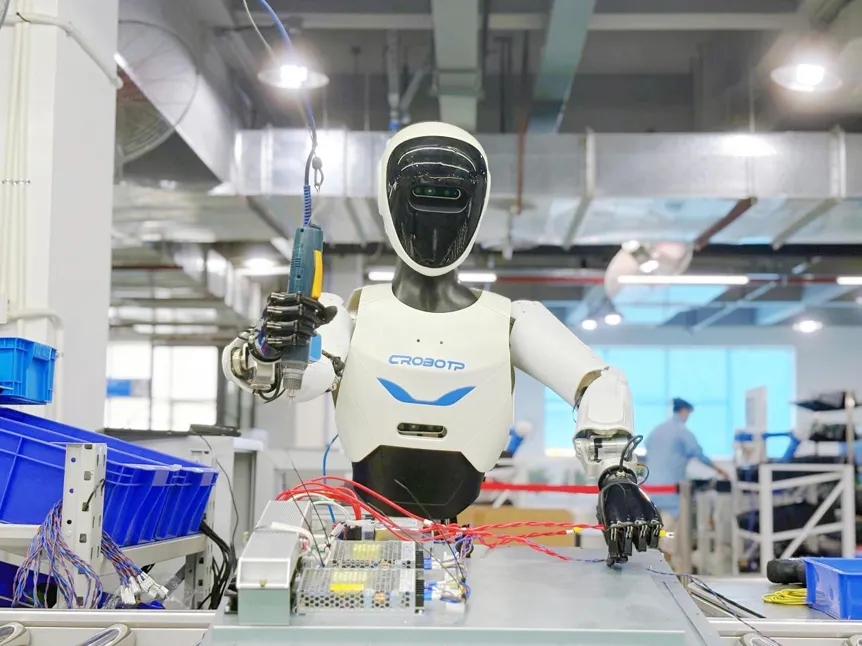
The Vice-Secretary of the Union of Internet of Things Industry in Guangdong is of the opinion that many compatibility problems, cost pain points and process blocks that cannot be exposed in a laboratory environment can be gradually revealed and addressed in the actual operation of the scene, which is a key bridge from "useable" to "useable" and then to scale-up.
The region has already laid out support. Anhui launched financial products such as "scenario guarantee" and "scenario loan" around the innovation of scenarios, incorporating the risks of the verification link into the coverage of guarantees and credit; Beijing published on September 11 three lists of application scenarios needs, capabilities and demonstration projects for 2026, a total of 240, based on the dynamic updates of industry maps.
03.
Why are robots high-frequency objects on the list?
The Director of the Department of Technology and Industry of the Ministry of Information and Communication revealed at a press conference on October 19, that in the first half of this year, China's humanoid robot integrated products broke 400, the production exceeds 40,000 units, and is expected to exceed 100,000 units throughout the year.
There are physical constraints on human robots and special robots: a chemical park needs to be exploded, a device needs to prove that it can't ignite a spark before it enters the zone; a high-voltage power grid needs to be insulated; a safe distance must be maintained; urban parks need to cope with traffic, lighting and emergencies. None of these conditions can be reproduced in a proportionate way in the laboratory.
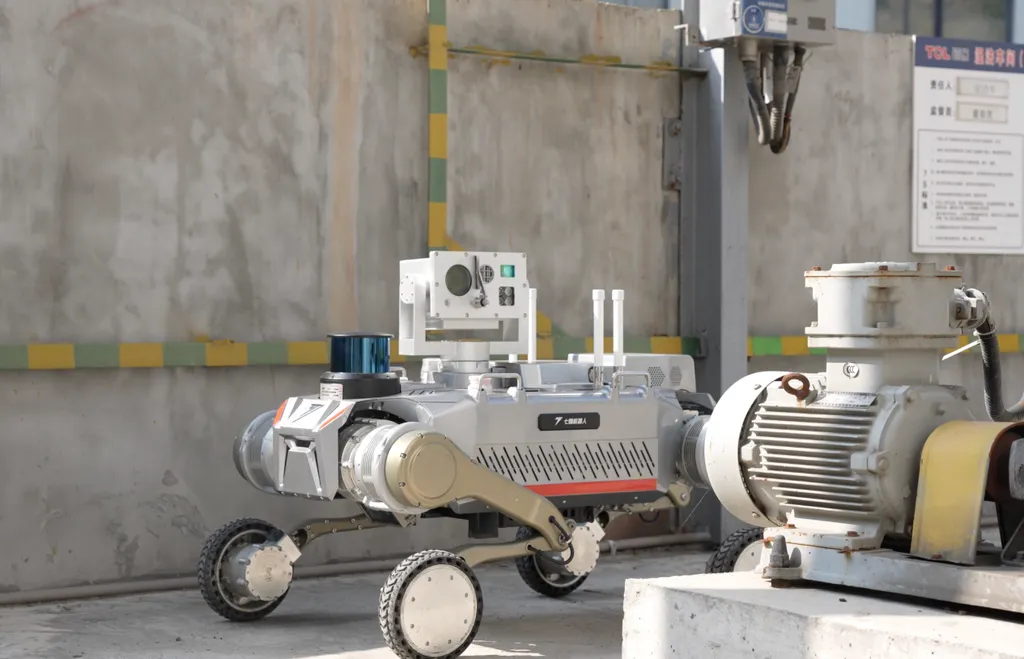
The robots and communication infrastructure on the list are tied together. The mobile 6G scene in China directly incorporates the robotics training ground into the construction content, the reason for which comes from the communication side: robots have tough requirements for network latency, reliability and time synchronization, and 6G needs to provide network certainty for robot-like businesses.
The demand for workplace data is also expanding. The scope of industry research is that the demand for physical and intelligent data is evolving from millions of hours to tens of millions of hours, machine-to-machine collection, no-body mass collection, simulation to generate multiple routes in parallel, multiple stages of data together to feed the "brain".
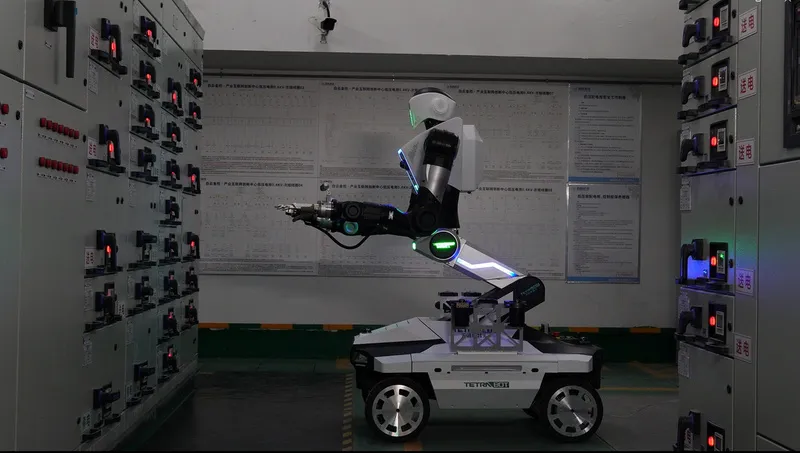
Unmanned intelligent firefighting projects in reservoir zones on the list are a sample of special robots: robots, drones, unmanned firefighting equipment collaborate with digital coordinating platforms, gradually handing over high-risk operations such as hazardous chemical storage zones to equipment. These projects can enter the national list, explaining the policy on the issue of "where to practice" has been given a specific job list.
04.
We have a list of candidates, who came first?
Before the release of the list, robots were in real life, and a long line of companies had been working on this.
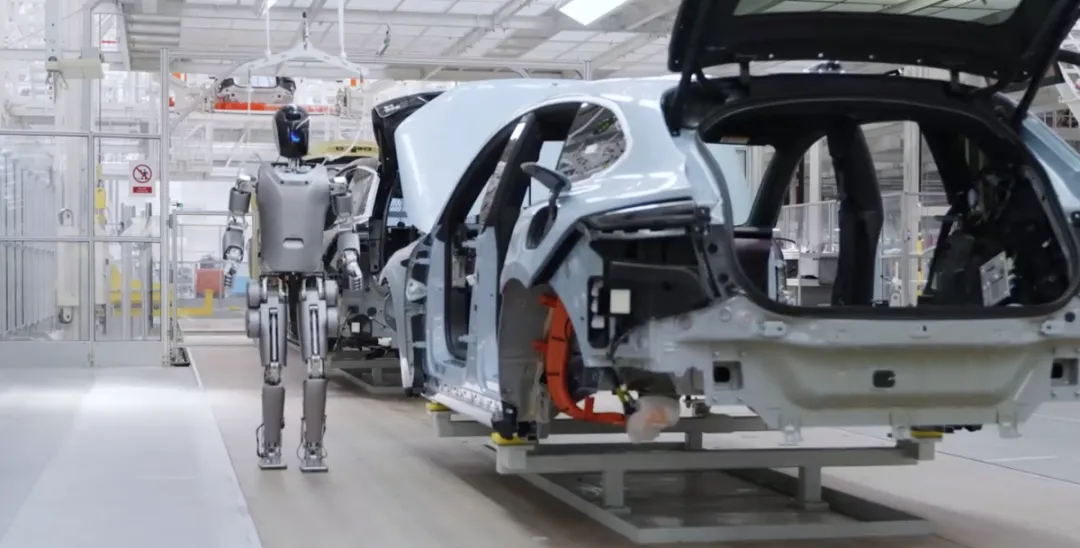
Automotive is the largest manufacturing industry by volume, with factories and upstream and downstream industrial chains, constituting the largest testing ground for physical intelligence from demonstration to real productivity. Public reports show that as early as 2024, Uber's Walker S series has been in the process of being selected by the co-op plant through a three-month on-site verification, carrying out door lock detection and seat belt installation tasks.
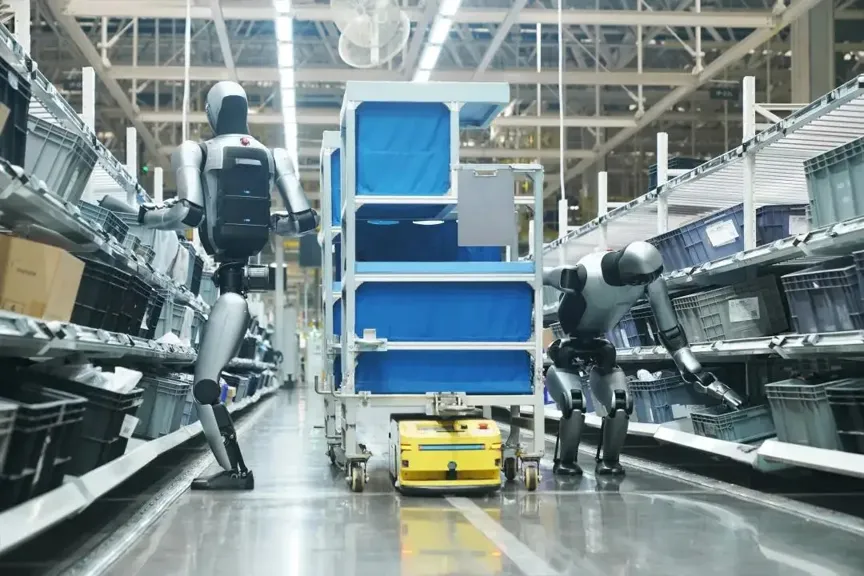
In two years, Uber has accelerated the deployment of humanoid robot scenarios, and in January this year, Uber opted for the Walker S2 in a three-phase wind-powered smart factory to autonomously charge and load; in February, Uber opted for the Walker S2 in collaboration with Uber's Unmanned Aerial Vehicle and Powerlifting Mobile Robots to complete the unmanned SPS at the New Energy Vehicle Research Center in Foxconn.
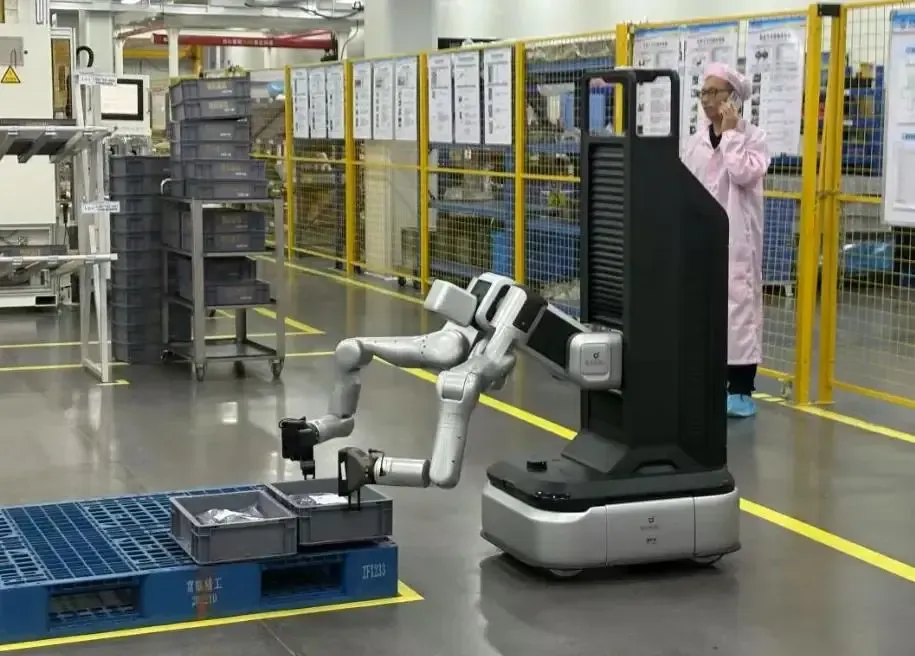
At the end of the production line, large-scale signatures were also landed. The A2-W mission of Chiyo came to the refinery factory with almost a hundred units, to achieve a large-scale landing of robots in the industrial field, in the face of unregulated containers can adjust the grip posture autonomously, and during the production line testing phase achieve almost a thousand operating failures.
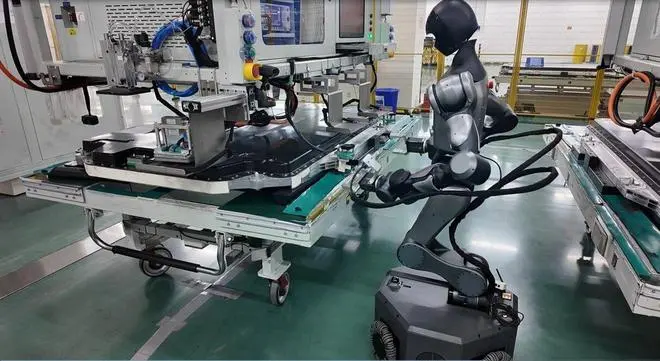
In April 2026, Galaxy General signed a strategic cooperation framework agreement with Tianjin International, which plans to integrate large-scale models into the manufacturing system to explore the parts production line from lithium automation to autonomous decision-making and flexible operation paths. In March of this year, Thousand Intelligent robots simultaneously landed a coffee service pilot at a retail store on the MALL line in Tokyo.
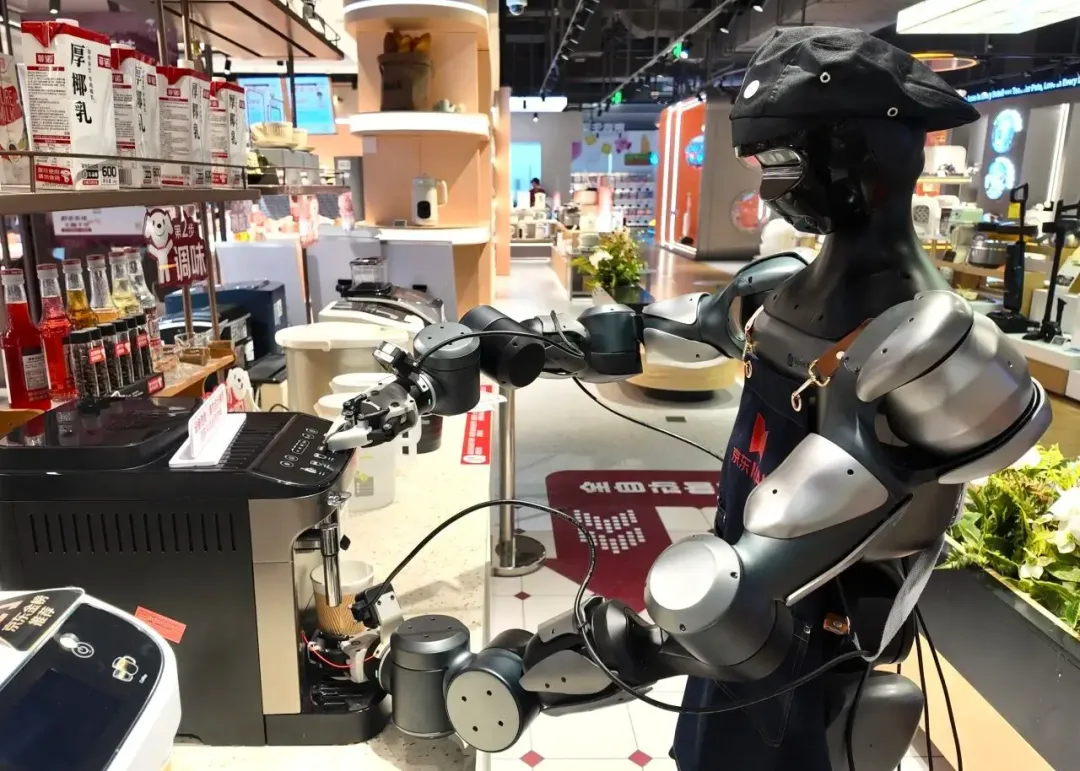
Public reports show that the national grid plans to procure about 8,500 special robots in a year, amounting to about 6.8 billion yuan, and turn high-risk, high-frequency operations such as patrol inspections directly into bulk orders.
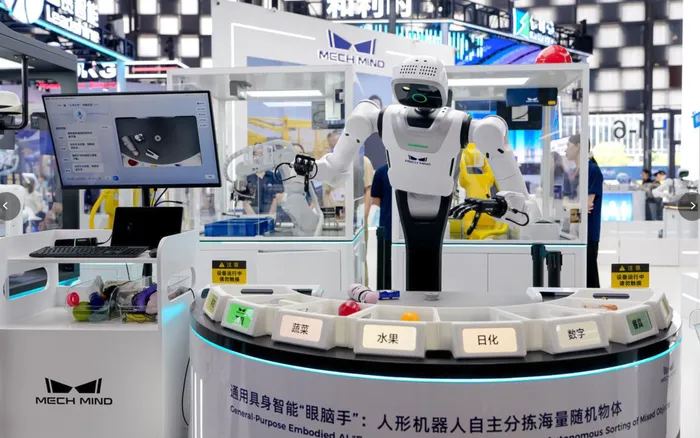
3D vision for robots as "eyes" is another line that has already been laid out in bulk. Companies such as McCamand and Obi-Wan Kenobi have made 3D cameras and visual algorithms standard modules, installed in logistics sorting, industrial landfills, robots recognise filters, accurately position pores, and front-end sensing capabilities.
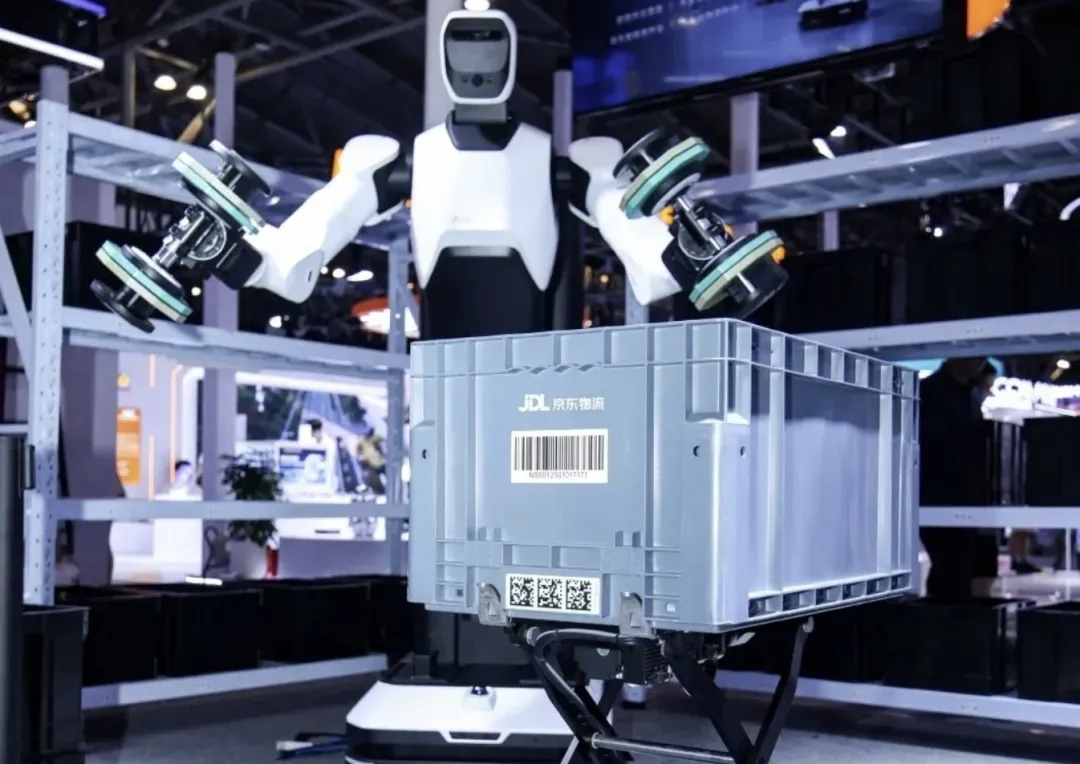
Logistics warehousing is another scenario that has already been piloted. Public reports show that Jindong has begun to deploy high-frequency, repeated transportation and sorting robots in warehouse sorting and end-to-end delivery connections.
The landing sites have one thing in common: each of them runs for a day in a virtual machine, and the resulting data is fed back to the model, and the model returns to the scene.
The scene is a ticket. The policy opens the door, the companies are already working in the door and the difference is that in the past, these verifications were a family to talk about, now there are national lists of single entries, the latter no longer need to knock on the door from scratch.
05.
How do small and medium-sized enterprises get this ticket?
The use of the list has already been written in various actions. Five projects have been selected in Sichuan, where it is clear that these national projects should be based on systematic verification of new technologies, pathways for the industrialization of new products, promoting cross-sectoral, cross-regional, full industrial chain collaboration, and the establishment of a strong chain of service-focused industrial chains.
The first selection of 57 provincial priority scenarios, covering 12 frontier areas such as integrated circuits, artificial intelligence, quantum information, clean energy, forming a rolling pattern of "reserving a batch, cultivating a batch, landing a batch", focusing on the use, energy consumption, environmental evaluation and other aspects of the project.
Anhui also pledged responsibility for "management of the situation in the management industry", organizing the entire province's expert resources to conduct joint research and development, implement and jointly approve major scenarios, and allowing them to be accepted; implementing government procurement and innovation policies, encouraging the "co-operative research and development, first-order procurement" model, and transforming the landing corridor.
The action in Beijing is similar. Local organizing enterprises and universities participated in the construction of eight of the first ten scenarios of the "Scenario World" of central enterprises, strengthening the leadership role of government and state-owned enterprises in the opening of the scenarios, before publishing a special work program in May, integrating the cooperation of the central scene and the deployment of the supply and demand matching platform.
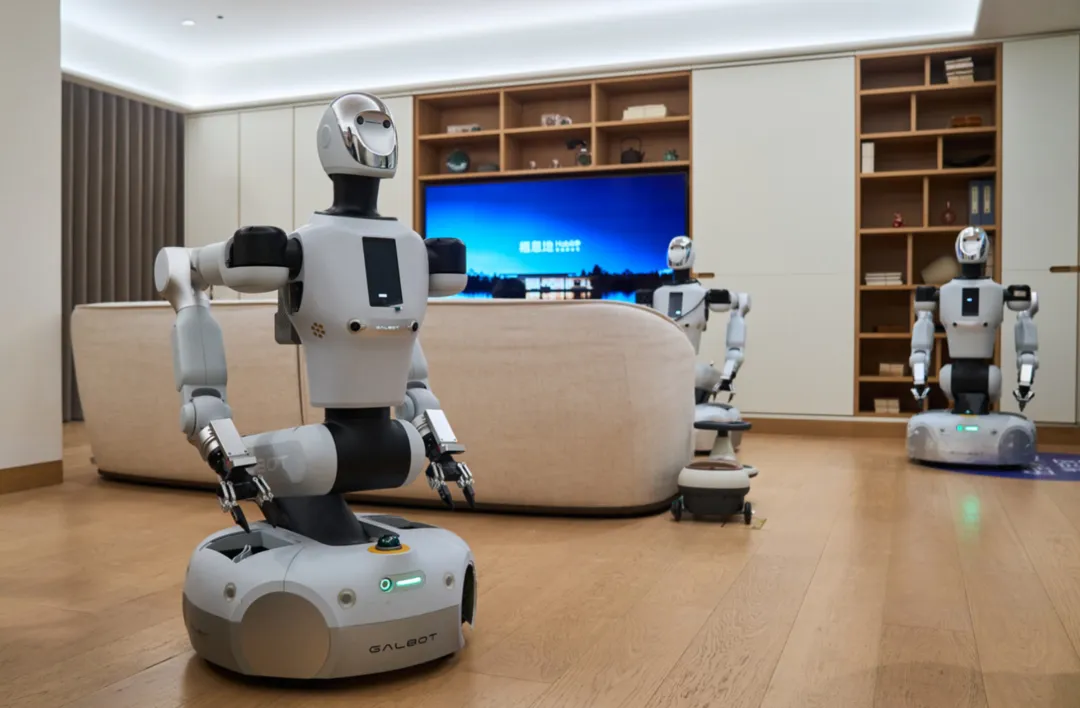
For enterprises in the robotics industry, the use of the list is already established: to cling to project-based verification projects that are in opposition to the factory's working conditions, to align product testing plans with the verification cycle of the scenario, to open channels for guarantees, credit and first-time ordering. The platform in Beijing marks dynamic updates, the safe nursery is rolling, and the entrance will remain open. Verification from one-on-one business negotiations to a public gateway, the products of SMEs are now on the same table as the national list.
At the conference, Li said clearly that the next step would be to work closely with the various departments and local and relevant companies to advance the implementation of the first projects and monitor the impact of the implementation evaluations.
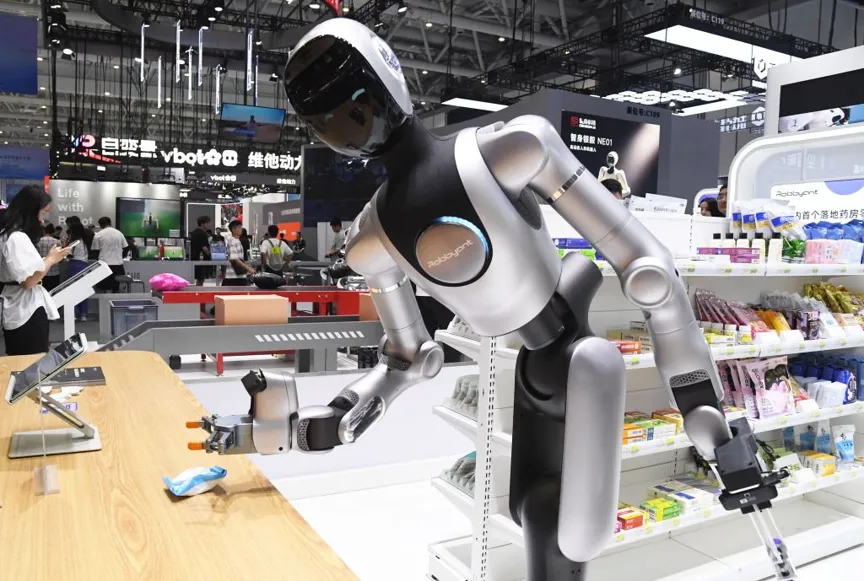
In the past two years, the robot industry has responded to the question of whether or not it can be made, next to those who have been able to run long enough in real working conditions, whereas those who have been able to run long enough have been moved from their meeting rooms to the national lists for public development.
The implementation of the first 136 projects has been evaluated by the Development and Reform Commission, 57 training libraries in Anhui, 240 lists in Beijing are being rolled up, the production of man-made robots under the Ministry of Industry and Communications is expected to reach 100,000 units a year, and the accounts will be booked by the end of the year.