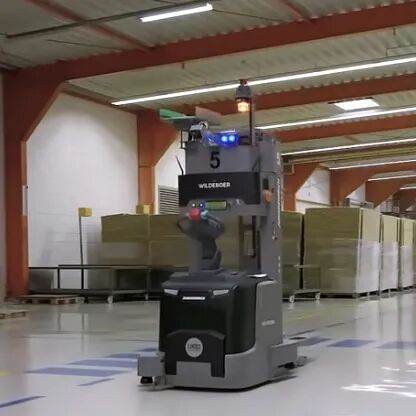
 Storage logistics
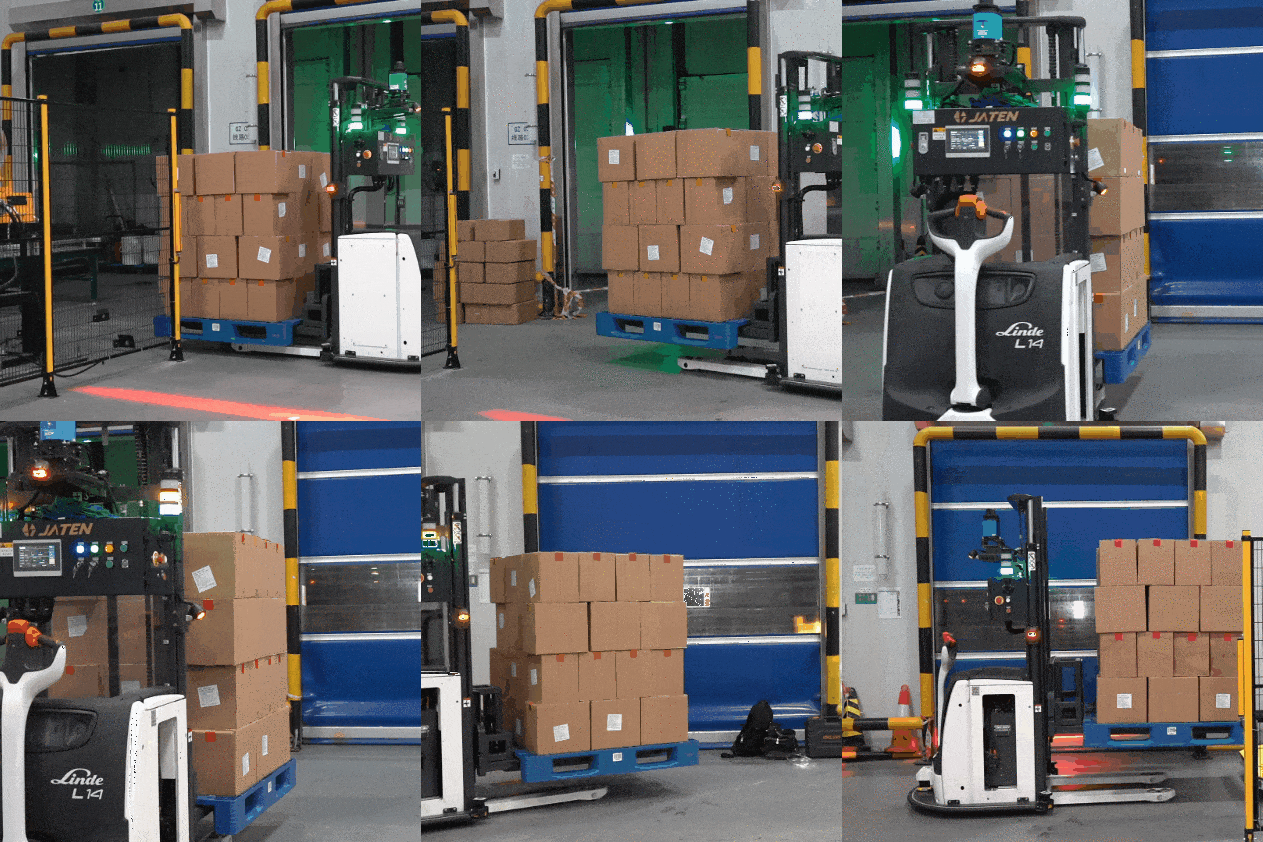 Cold storage applications
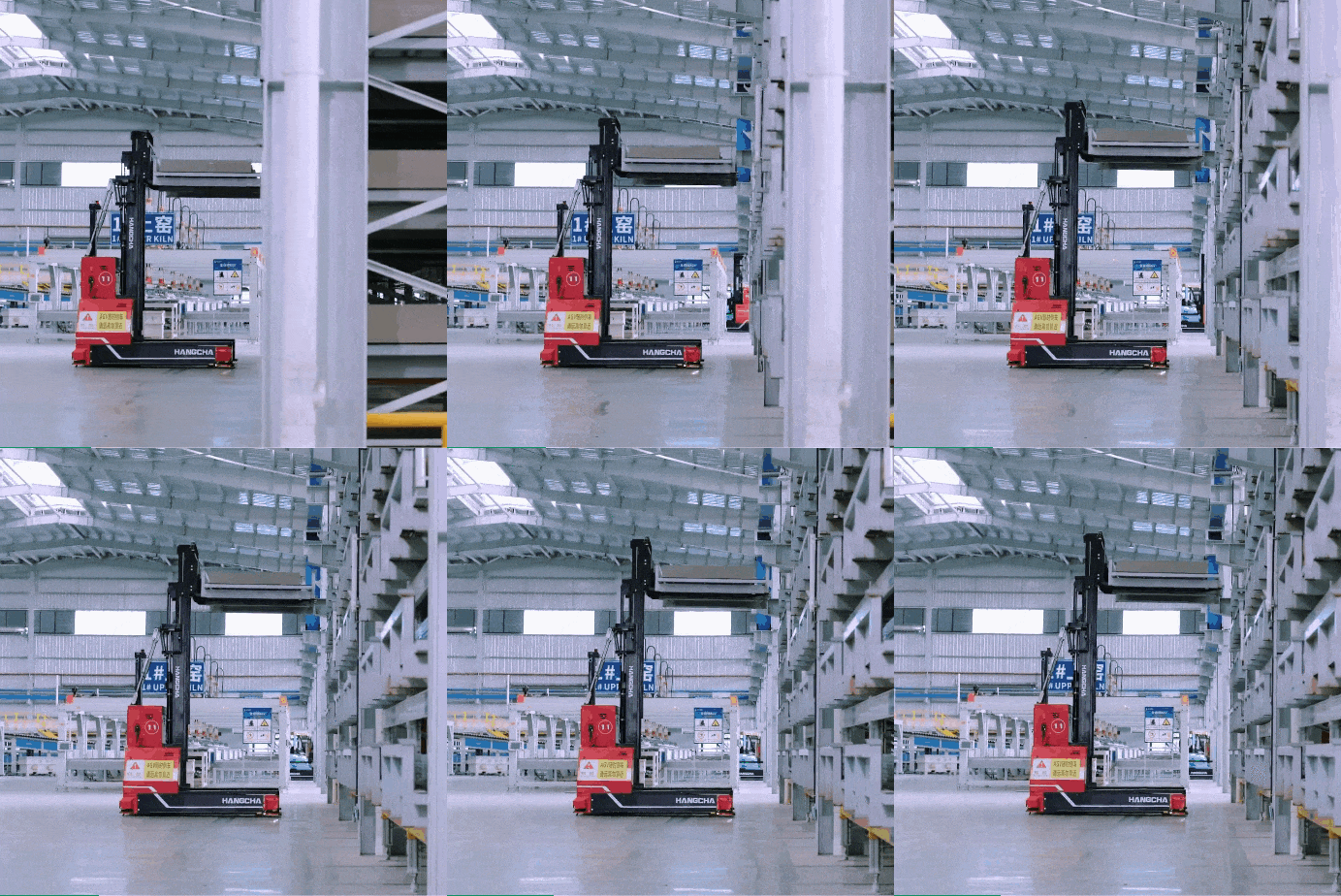 Ceramic industry
Many businesses face one problem when planning for automation:Whether it's a step-by-stepYou're not wearing any makeup?In fact, for many warehouse logistics scenarios, the answer is no.
In the Wildeboer project, companies chose a more pragmatic path. Automated vehicles were responsible for repetitiveness, standardized transportation tasks, while artificial forklifts handled temporary and complex tasks. The two operated together under a unified system schedule to complete logistical tasks together.
Such a model preserves both the flexibility of man-made operations and the advantages of continuous stable operation of automated equipment. For businesses, increasing revenues is not simply a reduction in manpower, but more flexible operational capabilities in the course of business continuous development.
At 25°C below zero, the test is not just equipment.
For ordinary logistics equipment, a low temperature means an increase in failure rates. For the cold chain industry, a low temperature is a daily working environment. In cold chain storage projects, AGVs need to work for long periods of time in environments below 25°C. Laser equipment gel, decreased battery performance, soil moisture, etc. can affect the operation of the equipment.
To address these specific needs, NDC and partners are working together to createCold chain solutionsFrom navigation equipment, battery management to anti-glare design, targeted optimization. Eventually achieving stable operation of vehicles in extreme cold environments. After the operation of the project, transportation efficiency significantly improved and labor costs decreased.
The secret to running AGVs smoothly in cold storage at 25°C is...
For customers, the key change is that logistics capacity is no longer limited by the environment. Temperatures can drop, but efficiency cannot drop.
Looking for new solutions in high temperatures and dust
Automated transformation in the ceramic industry has long been considered a challenge. High temperatures, dust, overloaded transportation and limited storage space have plagued many companies. Traditional man-made transportation is not only labor intensive, but can also cause product damage and management difficulties.
In this project, AGV traverses several key links such as semi-finished product caching, wireless delivery to the finished product in the warehouse, to achieve automatic welding of logistics processes. The system remains stable in the face of high temperature environments close to 50 °C and dust conditions.
Breaking the core pain point - Cormoran AGV's ceramic industry benchmark caseAfter the project was implemented, not only improved the overall efficiency of the plant, but also improved the utilization rate of the warehouse and reduced the loss of cargo. The logistics process, which in the past relied on experience management, gradually transformed into a standardized operating system. For companies, the change was not only the way of transportation, but the way of organizing logistics as a whole.
From the factory to more unknown scenes
In this series, we have seen:
From the introduction of technology into China, to partnering to pioneer the market; from helping factories achieve intelligent manufacturing, to the continuous expansion of new industry scenarios, mobile robots have long been more than just simple transportation devices.
For thirty years, NDC has always insisted on one thing.
To enable mobile robots to operate steadily in more industries, in more complex environments, and to truly create value for customers.
So what will the next 30 years look like?
When AI, open platforms and autonomous mobile technology are integrated, how will mobile robots change?
In the final installment of NDC's China 30th Anniversary series, we will look to the future and look together at the innovation blueprint for NDC's next thirty years.
* Translated from Col Morgan