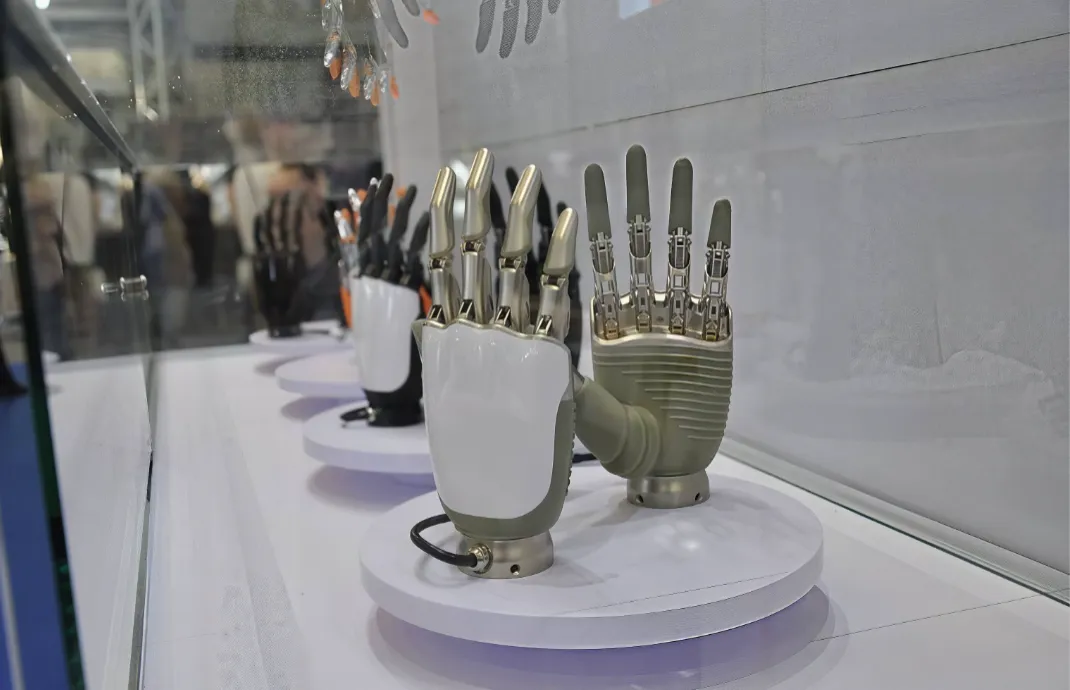
“ Three books with clever hands.
Recent reports pointed out that in 2025, China slickly financed about 168.77 billion yuan, with a market size of 50.1 billion yuan, an increase of 300%. However, in the same year, the national sales of 192,000 units, an increase of 236%, the market expectations were significantly enlarged.
Because of the combination of these two figures, the logical chain of the financial model does clearly show a break point: 501 billion divided by 192,000,000, implying a median price of 2.6 million yuan, a high-end five-fingered hand with a manufactured price of 50,000 yuan, and the corresponding single market valuation price actually rises to 2.6 million yuan.
While 501 billion is not 192,000 smart hands sold, it's upstream vacuum cup motors, micro silks, flexible touch sensors, midstream smart hands integration with algorithms, downstream 3C manufacturing, automotive assembly, flexible sorting, medical repair these scenes, the entire industrial chain combined to calculate the total, 192,000 is just a fraction of it, but this question of the size of the current market for smart hands is exactly the normal copy of what has emerged in the market for smart hands.
01.
Is the smart hand industry worth $50.1 billion?
Take a look at the structure of Flexible Hands, which is crossed with several markets, with a size of 50.1 billion installed in several major markets. For example, the Flexible Hands Upstream Smart Sensors market in 2025 is about 18.5 billion yuan, growing at a rate of 13.9%, which is 52 times the size of the Flexible Hands 357 million yuan.
Structural imbalances of 0.7% and 99.3% point to a more substantial problem. That is, the market size of the 50.1 billion smart hands is essentially determined by sales of 192,000, which is too light.
While the single unit will be diluted when sales rise from 192,000 units in 2025 to 702,000 units in the first half of 2026, and up to 200,000 units even further, the direction and value of the diluted units will be downward rather than upward.
This is because there is a dark line between 0.7% and 99.3% on the same axis, and the price decreases 80% of the narrative. In essence, the price decrease today is not a slippery slope but the price of the entire supply chain.
Robotics Workshop research found that in the first half of 2026, upstream vacuum cup motors dropped 4,500 yuan to 1,500 yuan, a decrease of 67%; engineered plastic accelerators dropped from several hundred yuan to several tens of yuan, a decrease of more than 90%; flexible touch sensors dropped by 30% and sales increased by 10 times.
The driving force behind the collective downturn was not a price war, but a structural uptick in the domestic production rate. In order to seize core customer supply, the domestic production rate of vacuum cup engines increased from 16% in 2023 to 38% in 2025, and the domestic production rate of single-component integrated components has reached 70%.
Progress in nationalisation has been uneven, determining that 80% of the decline is not synchronous. Domesticalisation of motors and accelerators has gone up to 38% and 70%, but the domesticalisation of touch sensors is still low. The capacity of flexible touch sensors is just full, and array consistency and labeling processes are still dependent on long-term accumulation. This means that a significant part of the decline of 80% is due to the contribution of motors and accelerators.
If the rate of domesticalisation of touch sensors continues to rise over the next 12 months, 80% of the decline will still have room to explore. This has also led more and more people to realize that the overall industrial chain decline of 80% is not the end, but a snapshot of the mid-stage of domesticalisation.
02.
80% discount for the entire spectrum, split to two.
The downside of this industrial chain, which ultimately shows that the cost of a single smart hand in 2026, has fallen to less than 10,000 yuan, especially the six-freedom model to 6,000 to 8,000 yuan, and the thousand-dollar program of some enterprises has emerged.
But the entire spectrum is not the same size. Divided into two levels, the dividing line is at 11 degrees of freedom. Under 11 degrees of freedom, non-driving, low precision, low freedom, single price from 3999 to 8000 yuan, mainly aimed at the teaching, services, research and education market. For example, the price of some enterprises has reached 3999 yuan, is the floor of this price band.
These two classes of customers are not the same people. Low-level customers buy educational equipment, terminal users are university laboratories and enterprise demonstrations, procurement decision-making cycles are short, price-sensitive. High-level customers buy end-executors for man-made integrated circuits, terminal users are 3C plants and automotive production lines, and procurement decisions are based on the design process of integrated circuits, small in size but high in single value.
The same figure of 80%, the lower class is the sale price, the higher class is the cost of BOM. 80% of the sale price decline is the price war, and 80% of the BOM decline is the supply chain maturity.
The gap between the two layers hides a fact that is 80% hidden.
That is, in fact, the low-grade 3999 yuan has actually hit the cost line, and the decrease is a loss of sales. The high-grade 50,000 to 100,000 yuan gross profit rate depends on the depth of self-development and cooperation of touch sensors and micro silk, the higher the self-development ratio, the more stable the gross profit.
03.
This is 22 times the five-year gap, which is only 2.7 times now.
Some agencies predict that China's sales of smart hands will increase from 192,000 in 2025 to 430,000 in 2030, 22 times over five years, at a CAGR of 87 percent. Look at this curve. In 2026, it is expected to grow by 702,000, up 265% from 2025, 192,000; 200,000 in 2028, 430,000 in 2030, and 200,000 to 430,000 in 2028, up 2.15 times over two years.
The curve is not accelerated, it shows a tendency for the first phase to slow down and the second phase to slow down. 2026 to 2028 is the main volume window, and 2028 to 2030 is the marginal deceleration period. 2.7 times the main volume window, corresponding to 192,000 to 720,000. However, where the increase of 140,000 falls, determines the completion of 200,000 in 2028.
Because it has been judged that the initial build-up is mainly of 7 to 11 degrees of freedom, and that sorting and assembling in fixed workplaces is currently the only scaling scenario that does not rely on the ability to generalize, the growth of 2.7 times can only depend on the batch deployment of fixed scenarios before the generalization is realized. But in 2028, the 200,000 is based on the assumption that 90% of customers run a proof of concept. There are research institutions, judging that 3C manufacturing car assembly, flexible sorting are the first to land the scene, because the commonness of these three scenarios is to shoot clearly, operate repeatedly, and quality inspection standards mature, coincidentally fall within the range of current applicable capabilities, which also makes its real release up to 3-5 years.
In other words, a significant proportion of the 430,000 in 2030 will not be fulfilled until 2031 or even 2033. The 2030 figure is expected to be in 2026, with a verification cycle of more than two years in between.
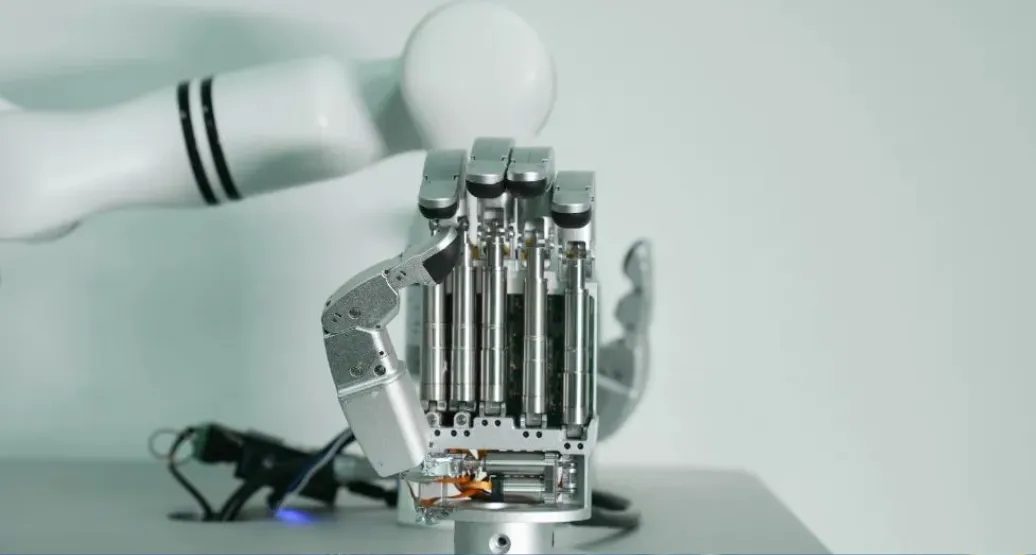
The variable may be the global price of the smart car. For example, worldwide sales of 760,000 units, at a scale of $1706 billion, are about $220,000 per unit, which is about 6 times the implicit average price of the Chinese smart car. If the Chinese industrial chain hopes to penetrate the pricing rights system, like the current new energy cars, this will allow domestic manufacturers to get the home factory location at an average price of $186,000, while overseas manufacturers at a price of $220,000 remain advantageous for scientific research and high-add-on scenarios.
04.
Twenty-five billion is capacity and 90 percent is time.
In the first half of 2026, the financing of agile racetracks exceeded 25 billion yuan, which is 1.5 times the total of 168.7 billion yuan in 2025, growing at a rate of 1500% over the same period and 500 million yuan in the same period of 2025, as opposed to 8 billion yuan in the same period of 2026.
There are companies in the capital market. For example, the decline in the division of Xi'an, the creation of a billion-dollar unicorn in five months. For example, a smart hand valued at 20,5 billion yuan, the next round of the target is 40 billion. For example, Pasini sensing technology is the core barrier to smart hands with multi-dimensional touch sensors, the valuation has also broken 10 billion.
The density of capital flows shows one thing in itself: 25 billion is not evenly distributed, new directions are still available, but gradually concentrated towards the head. The valuation of the head enterprises combined is about 50 billion yuan, corresponding to 25 billion half-yearly financing. Capital is in recruitment, concentrated towards the head. But the capacity of the head six capacity digestion is still limited to 90% of conceptual verification customers.
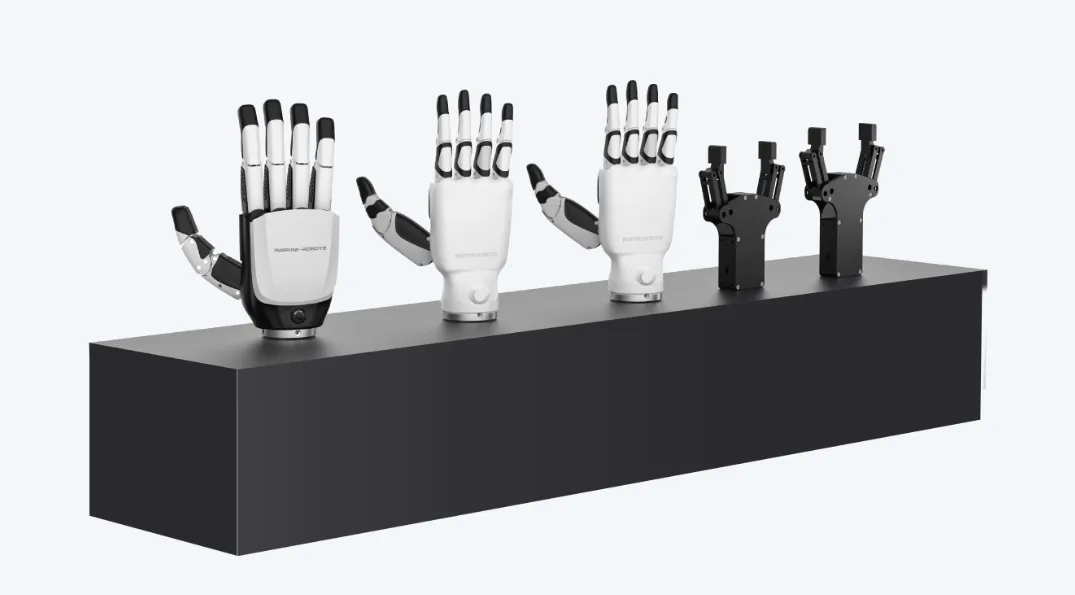
25 billion is the total capacity, from mid-2026 to mid-2027, about 12 months. 90% are on the demand side, from 2026 onwards, the first three years and the latest five years.
This is not a simple time mismatch, it is more like a time mismatch overlapping price mismatch. Because of a simple calculation, after 12 months of capacity, if the demand is only 36 months, the middle 24 months can only rely on penetrating pricing movements.
The customer structure of the concept verification phase determines the flow of $25 billion over 24 to 48 months. 90% of customers are in the verification phase, which means that the procurement decision-making process has not been completed and orders have not been locked. Customers in the verification period repeatedly press prices, repeatedly modify demand, repeatedly delay delivery nodes.
05.
Three books, three buyers
Some agencies have broken down the clever middle market into three blocks, considering that each block has a completely different buyer and risk structure.
The first is independent integrators. For example, the head of time robots, smart hands, big machine robots, Pasini perception and other enterprises, focusing on smart hands research and development, without a complete machine bottom, the pace of delivery depends on the factory ordering pace. Since then, the delivery of nearly 10,000 units in 2025, only about 50,000 yuan.

The second is the development of automakers themselves - for example, Chiu, Uber, Uber, Galaxy General, Tesla. Intelligent hands to them are cost items not revenue items, self-use. Chiu dismantled the business of Intelligent hands to create a critical point, five months as a unicorn, the result of this account was stripped from the inside. The stripping itself explains one thing, that the business size of Intelligent hands has grown to be valued by an independent company.
The third category is medical rehabilitation derivatives. For example, strong brain technology, brainwashed technology. Starting with rehabilitation prostheses and brain machine interfaces, it has accumulated on micro-pressure perception and lightweighted biochemical structures. It is the most stable, but the smallest, market of at least 50.1 billion. Its role is as a technical verification ground, which will move to the industrial scene once the tactile algorithms and lightweighted structural verification have matured.
The three accounts combined are 50.1 billion, but the buyers are not the same. Independent integrators sell to integrated factories to generate revenue, integrated factories sell to 3C and automotive production lines to increase added value, medical and rehabilitation to hospitals and rehabilitation centers. 50.1 billion is the sum of three money, not actually the same pool.
But the risk structure of the three accounts has one thing in common, which is that cash flows are relatively dependent on other people's delivery rates. Independent integrators rely on assembly plants, assembly plants rely on the progress of deployment of 3C and automotive production lines, and the procurement cycle of healthcare and rehabilitation centers rely on healthcare and rehabilitation centers.
There is also an implicit link between the three accounts, namely the disproportionate direction of price transmission. The lowering pressure of independent integrators comes from the fixed pressure price of the assembly plant, the lowering pressure of the assembly plant comes from the cost constraints of deployment of the 3C and automotive production lines, the rigidity of the price of medical repair comes from the medical insurance payment standards. The price transmission of the three accounts is unilateral, going upstream and downstream.
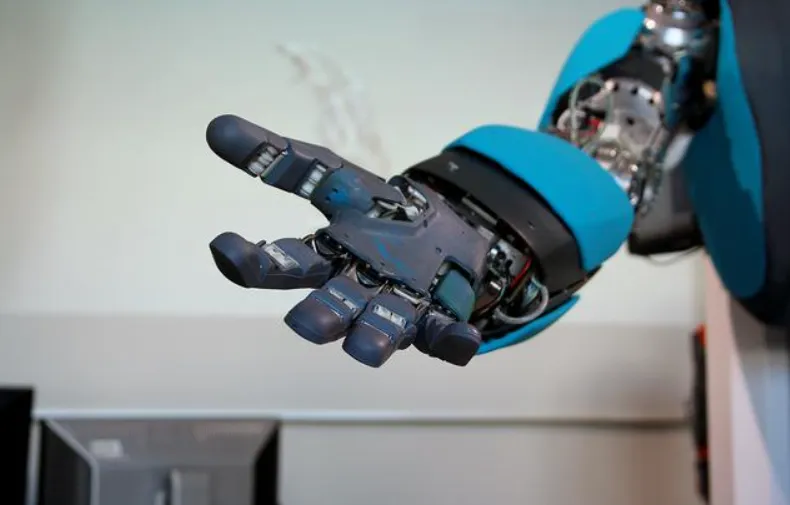
06.
87% CAGR and 90% Concept Verification
Draw two curves on the same graph. One upward, CAGR 87%, from 720,000 in 2026 to 430,000 in 2030. One downward, 90% of customers are still testing the concept, and the volume will take 3 to 5 years.
The space between the two curves is the area where 25 billion funds are consumed - 702,000 corresponding to the 2026 volume forecast, 430,000 corresponding only to the 2030 long-term forecast. The middle 35.98 million growth is distributed between 2027 and 2030, 120,000 per year. But 90% of Concept Verification customers mean that of these 120,000 there is no stable order support, and each has to wait for the customer verification cycle to be completed.
Where is the intersection of the two lines? At the end of 2026, how many non-concept verification customers came from 720,000 sales? We found that if 90% were down to 70% by the end of 2026, and the volume pace was good, only 200,000 would have support in 2028. If 90% were still in place, the 200,000 would be 2.8 times the 720,000 in 2028, and the customer verification cycle would need to be compressed within a year, this prediction would be unlikely to succeed.
The other line is price. $50.1 billion will not reach $95 billion in 2026, provided that the average price of $192 million does not decline. If the average price continues from $186,000 to $129.5 billion, it will depend on sales growth rather than price maintenance.
Another dimension that has been neglected is overseas controversy. Overseas product profitability has largely become a consensus, but 760,000 sales globally correspond to a scale of US$17.06 billion, averaging US$220,000. China's US$186 million average is six times lower than overseas, but China's sales of US$192 million are only 2.5% of global sales. China's market share is 2.5% based on price differences.
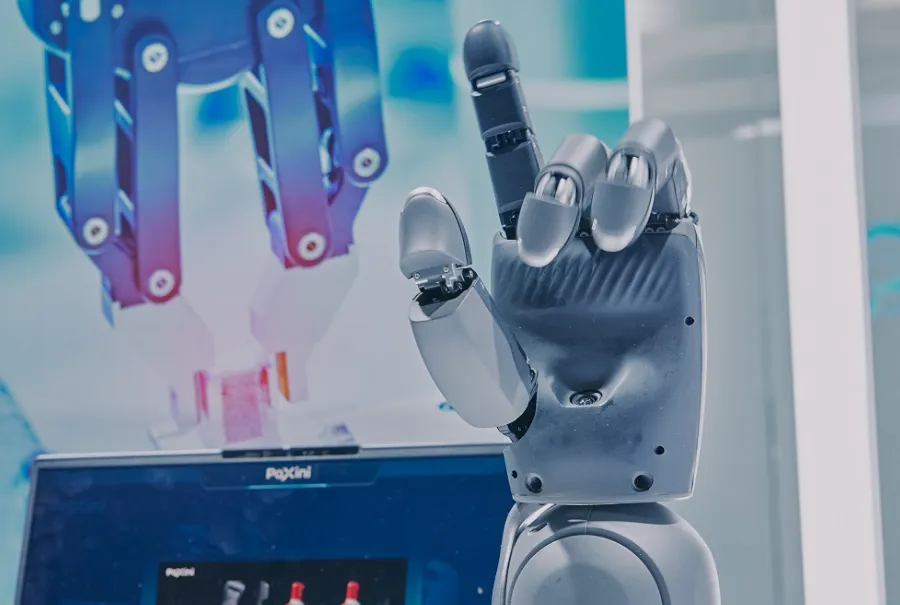
Two observation indicators, one on the customer side and one on the price side. The customer side looks at the concept verification ratio at the end of 2026, and the price side looks at the average price curve in the second half of 2026. Both lines have gone right, 22 times as far as the forecast has gone.
If 90% of customers fall below 50% in 2028. If the 18- to 24-month window period is just used up. If 90% still stays above 80% in 2028, the window period will run out by the end of 2027, and smart phone manufacturers will enter the secondary financing or loss reduction stage.