It's the first time in the history of the world.
Today, humanity is officially entering the AGI era!
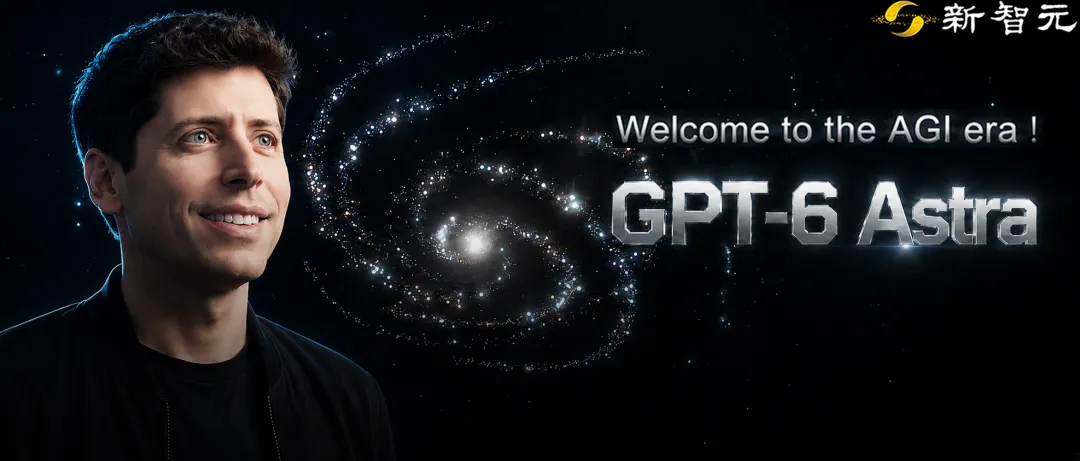
OpenAI has just announced the next generation of its flagship model, the GPT-6 Astra.

Officials define it as "the world's smartest, most coordinated model".
It refreshes SOTA in the areas of computer use, browsing, software engineering, cybersecurity, science and professional work.
At the opening ceremony, President Greg Brockman even more unabashedly announced his candidacy.
OpenAI has implemented AGI!Welcome to the AGI era!
He was even more frank: "I think the world is officially entering the AGI era, where AI's integrated intelligence has completely crushed humanity".
The long AGI moment of human suffering is finally coming to a close today!
From 5 to 6, the GPT-6 Astra is not only a version number crossing, but also the most significant jump in OpenAI history.
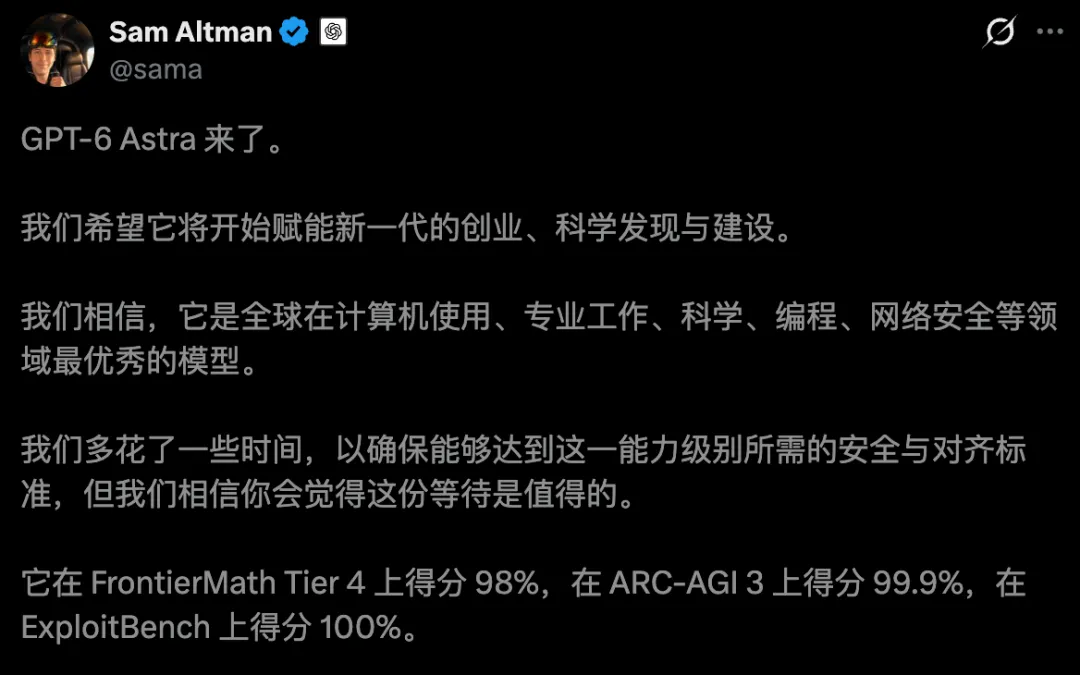
Direct focus, the GPT-6 Astra Ultimate Killer is here.
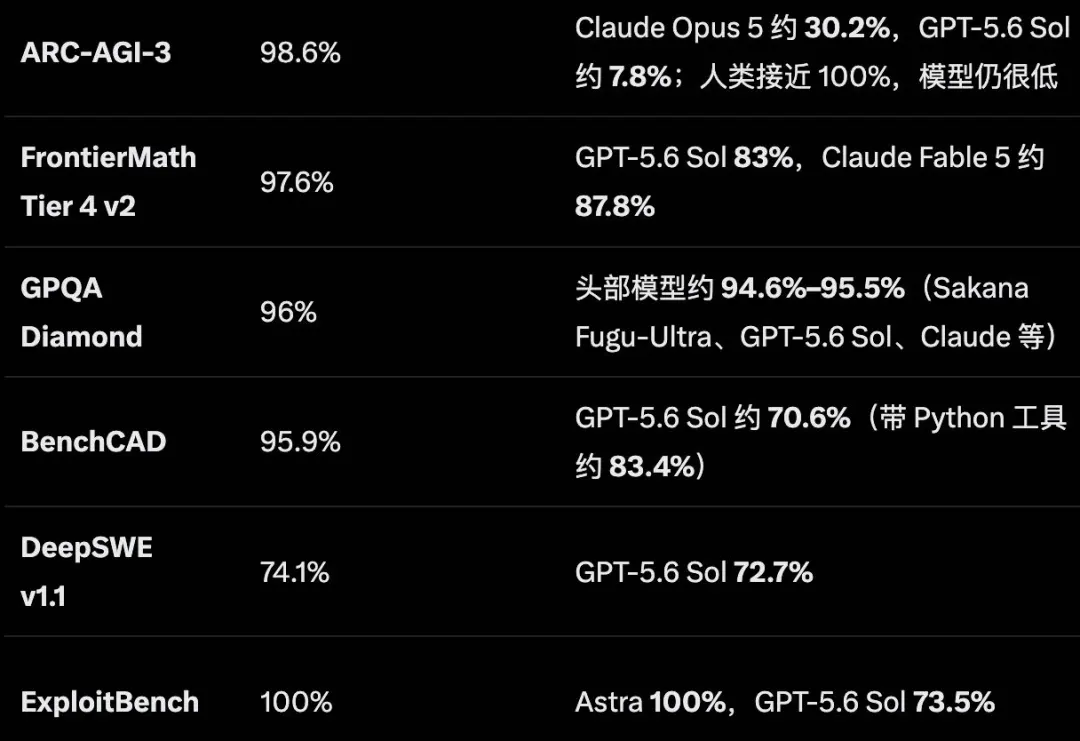
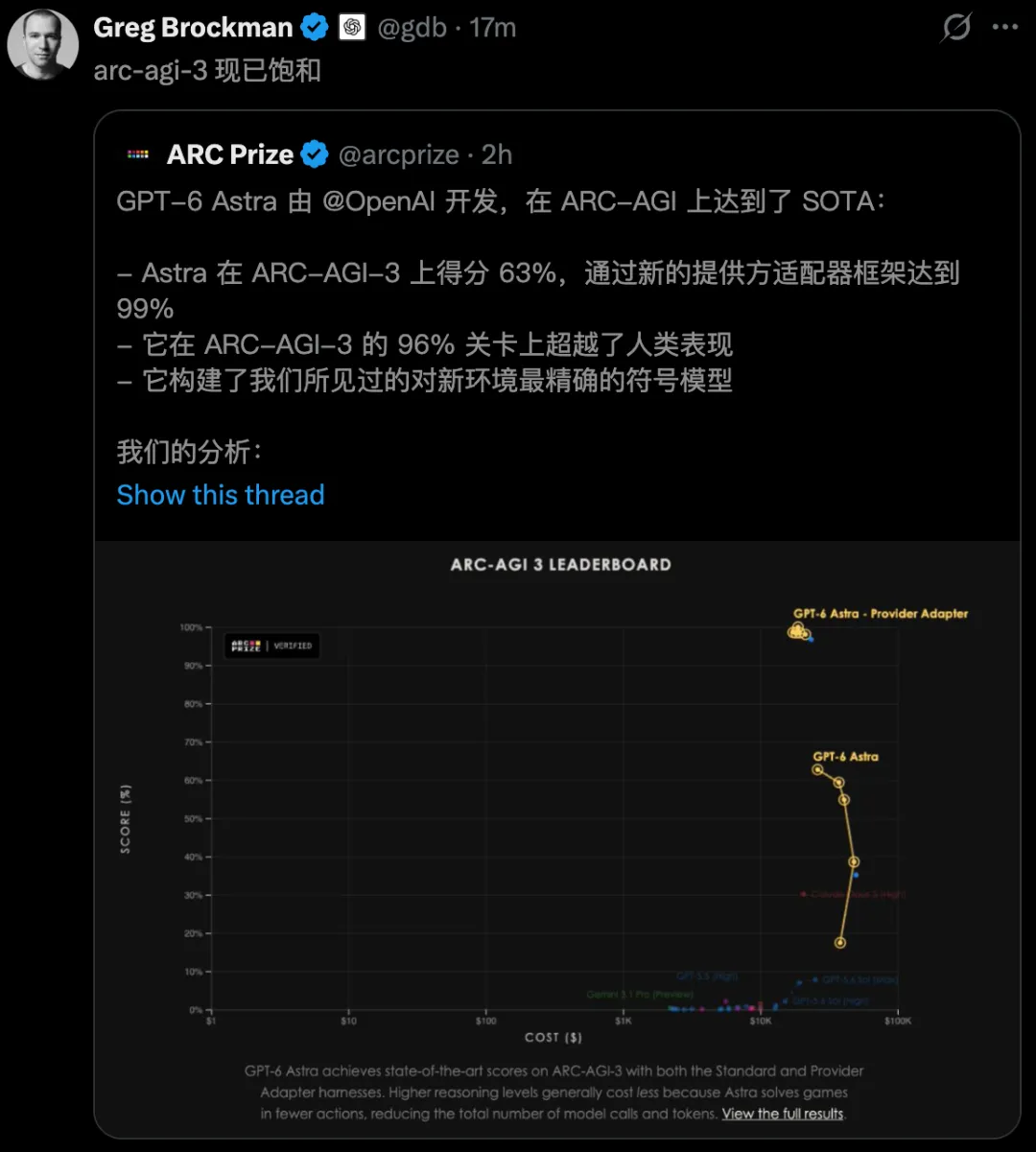
At the end of the day, it's just a matter of time before the ceiling levels are completely "bombed".FrontierMath Tier 4 scores 97.6% (nearly 98%) and ARC-AGI-3 scores a staggering 99.9% and exploits the exploitBench vulnerability to get 100% of the total points.
"Computer use" is a generational leap forwardAstra can do anything you can do on a computer, faster and faster.
The greatest mathematician in the history of trainingGPT-6 Astra exploded with OpenAI's largest computing capability to date, over 100,000 GPUs.
AISelf-training AIThis is the first OpenAI model in which previous AI models have played an important role in "training supervision".
The priceInput of $10 per million tokens and output of $50 per million tokens.
Sources: @rickawsb organized
It is a pity that the GPT-6 Astra will have to wait a little longer.

GPT-6 Astra shocks on the groundThe AGI era is here.
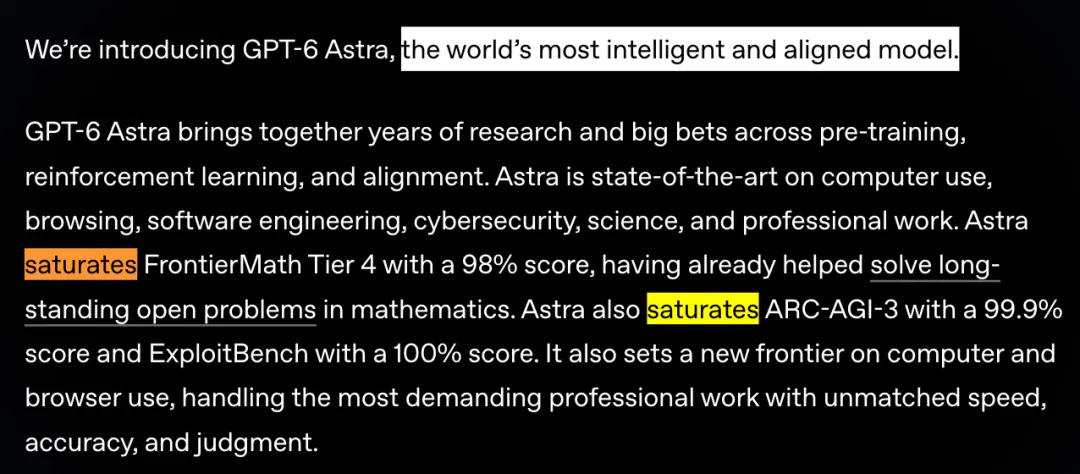
In various benchmark tests, the OpenAI official blog has repeatedly used the word "saturate" and "saturate".
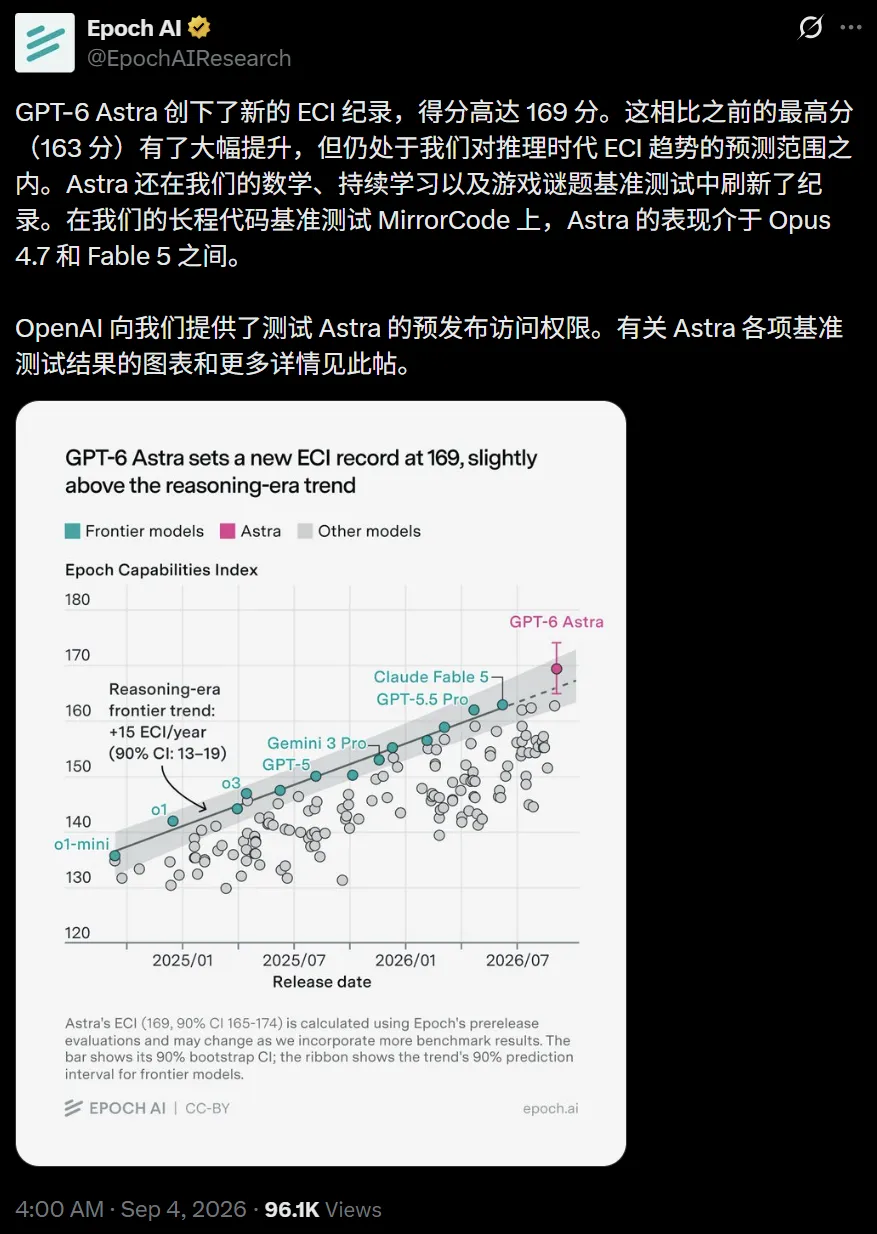
This is enough to prove that the GPT-6 Astra is "absolutely dominant" in many areas, and the list has not exceeded its limits.
On the overall list, Claude Fable 5.1, which just went online, has no advantages whatsoever.
GPT-6 Astra directly crushed Claude 5.1 to death under his feet, all the way, no dead end.
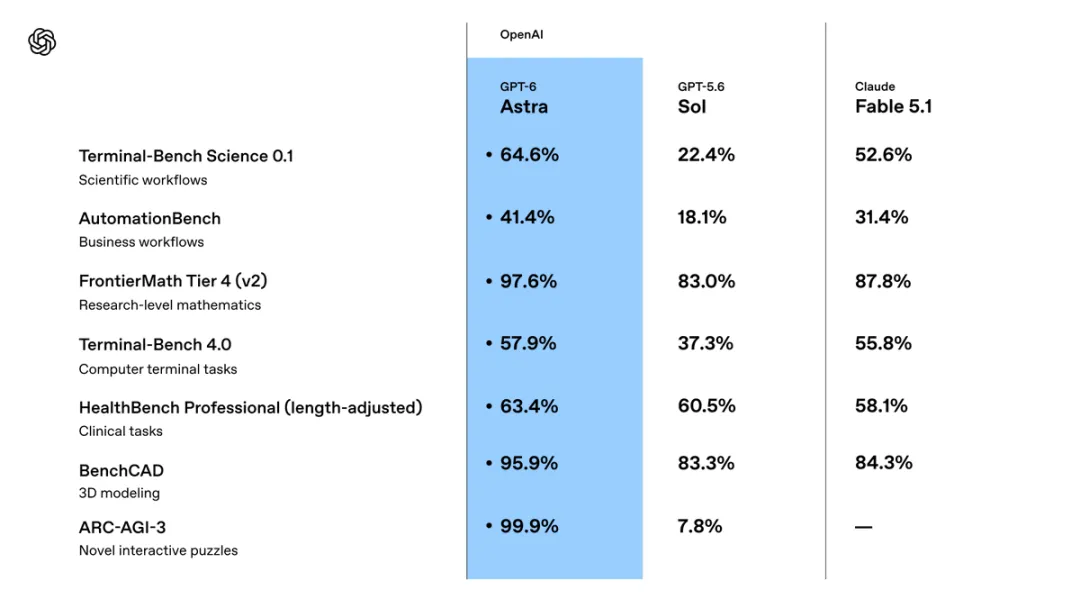
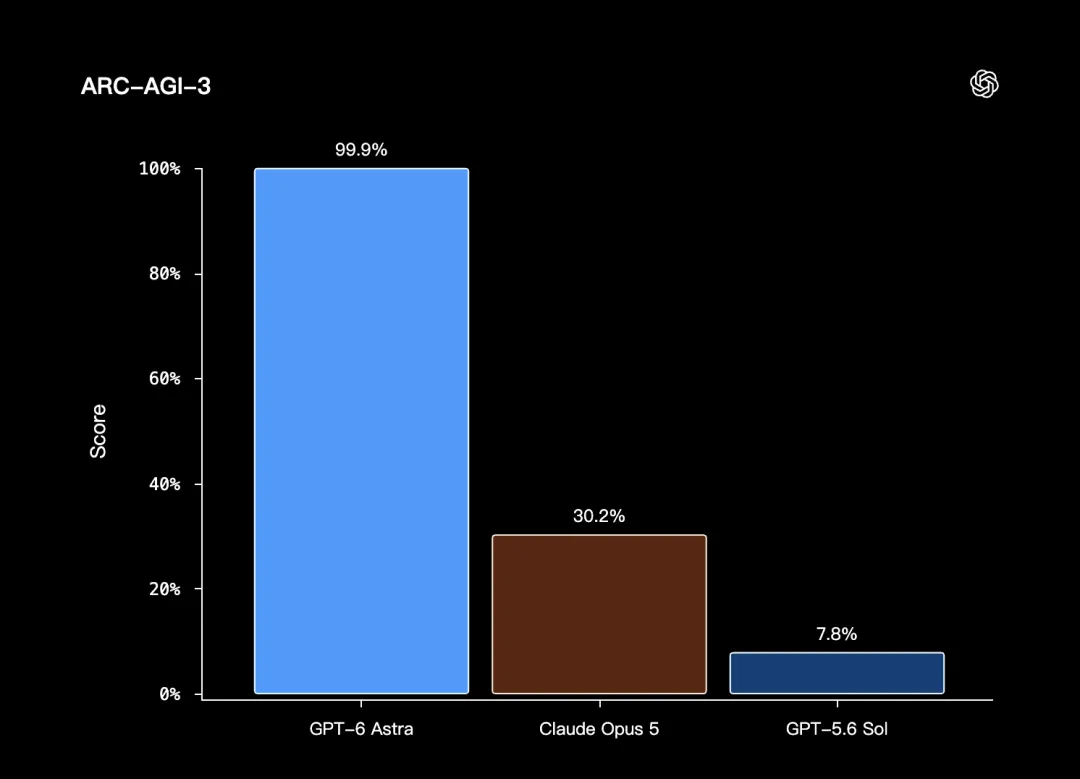
Astra took 99.9% of the ARC-AGI-3, while Claude Opus 5 gained 30.2%.
The test examines Agent's marginal learning ability in unfamiliar interactive tasks, with an average of only 48% of human testers.
OpenAI estimates that, under the same responses API rating framework, Sol is only about 30% and the Astra straights are bursting.
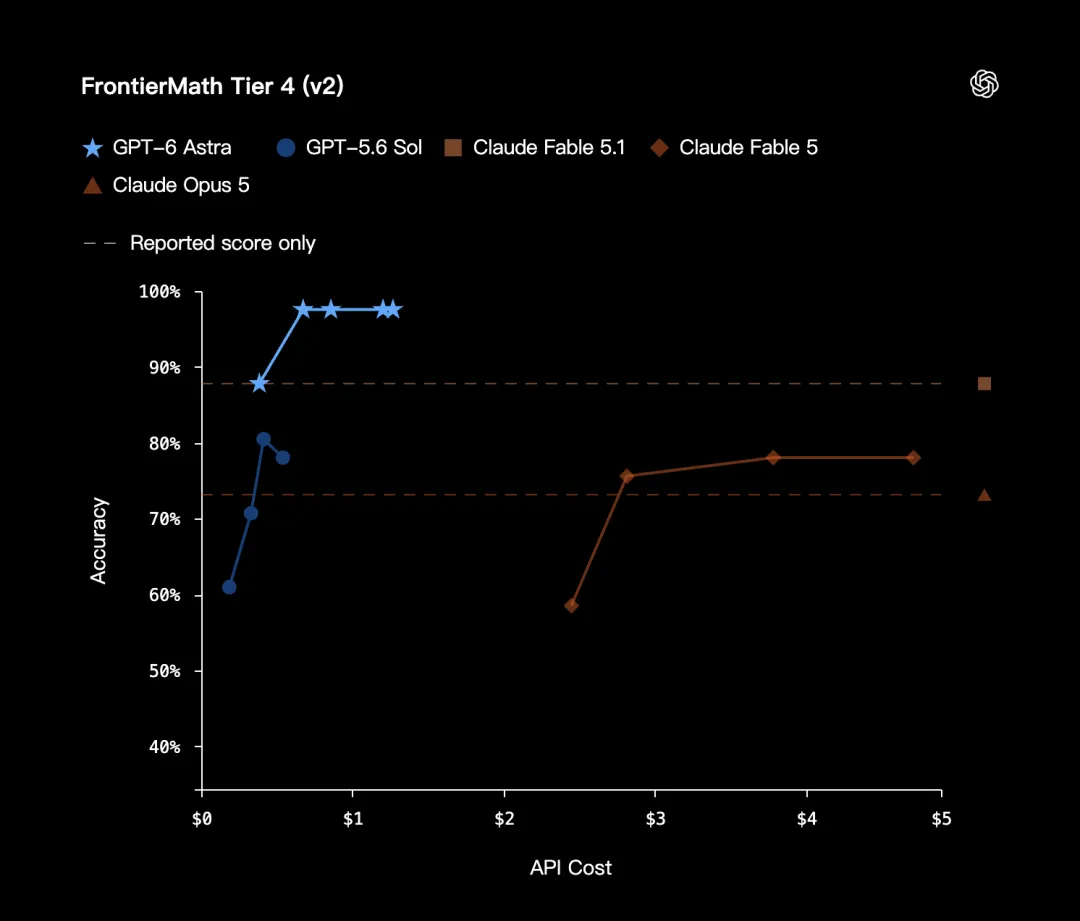
In mathematics, Astra reaches 97.6% in FrontierMath Tier 4 v2 (nearly 98% of the time).
It is currently the most difficult set of mathematical tests and is recognized as one of the top mathematicians in the world.
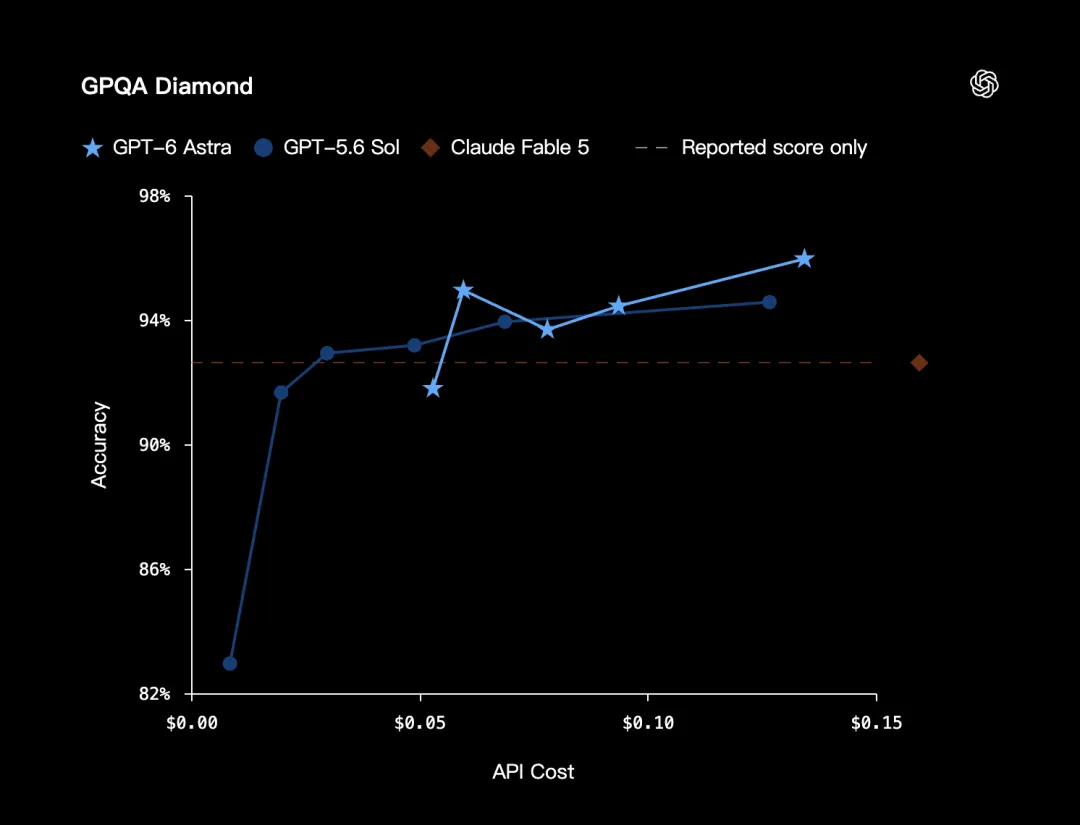
GQA Diamond, Astra, has also set new records in the testing of biological, chemical, and physical sciences.
Even with lower calculation costs, it can run at 94.9%, well above GPT-5.6 Sol (~94.6%), with an API estimated cost decrease of about 37%.
 |  |
Programming is still Astra's main battlefield.
OpenAI claims that the GPT-6 Astra is by far the best model for software engineering.
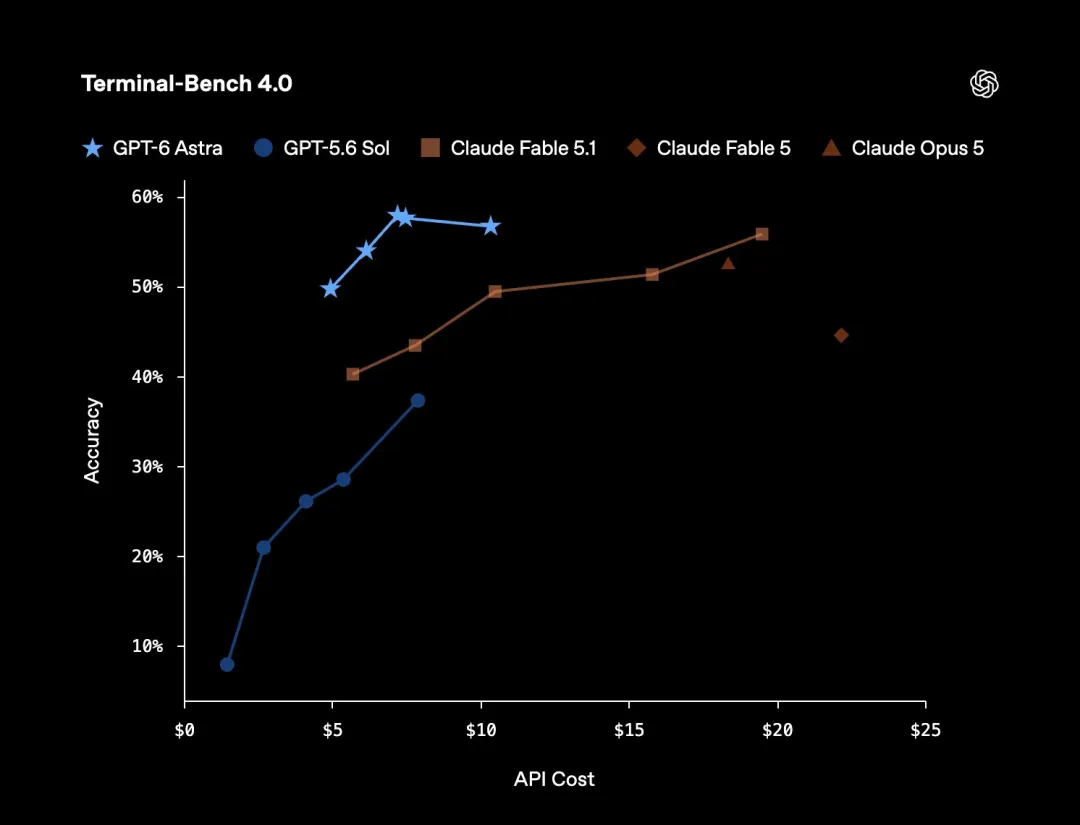
On Terminal-Bench 4.0, Astra scored 57.7%, GPT-5.6 Sol scored 37.3% and Claude Fable 5.1 scored 55.8%.
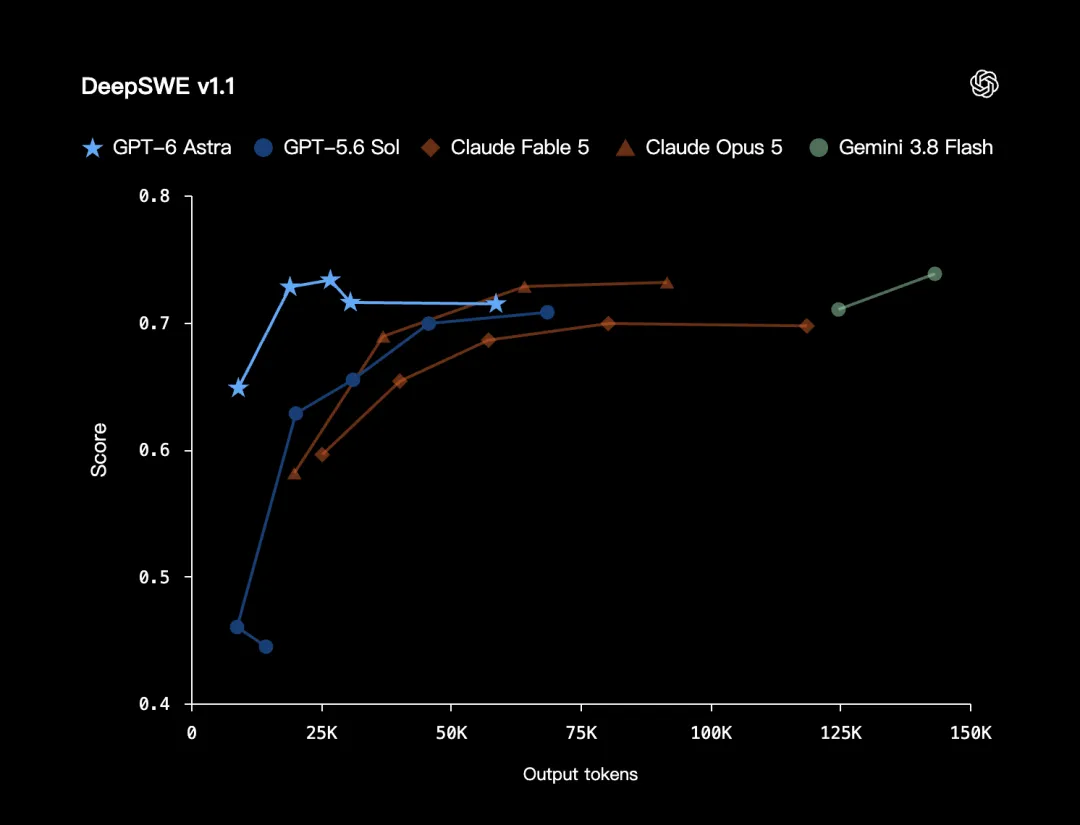
In DeepSWE v1.1, Astra reached 74.1%; internal database migration tasks reached 63.9%, a significant improvement from Sol's 42.7%.
 |  |
More critical upgrades than run scores are in the context management of the Codex.
In the past, long tasks, once filled with a context window, typically compressed history into a summary. Each time they were compressed, some details could be lost: why a fix failed, what a module behaved in a particular way, what restrictions the user initially set.
This time, Astra has added a note and retrieval mechanism across context windows.
It preserves critical information that has accumulated along the way, and early windows remain searchable. Even if a test result is not written into the abstract, the model can still retrieve it from past messages and tool output.
OpenAI has begun adding a set of external memories to the long-running AI: focusing on active memory, and searching for complete history when needed.
This ability may be more important than the ability to generate scores in a single code for hours of reconstructing tasks that span a large number of files.
The world's most powerful "computer use" model
However, what really distinguishes Astra from the previous generation is its ability to "use computers".
OpenAI calls Astra the best computer-based model in the world.
Ottman has repeatedly stressed that what excites him most about the next generation is this functionality.
Today, the GPT-6 Astra has completely evolved into a "super-expert" sitting in front of a computer, holding a keyboard.
OpenAI posted a 15-second shortened video: Astra is doing PCB layout in KiCad.
Astra opens KiCad, starts by placing the components on the circuit diagram, plotting the line, and finally completes a PCB that can be manufactured.
The layout of the circuit board has long depended on manual adjustment by engineers, and a position, a faulty copper wire, can lead to problems in subsequent printing.
Now, for the first time, this kind of work has been placed within the scope of the general model.

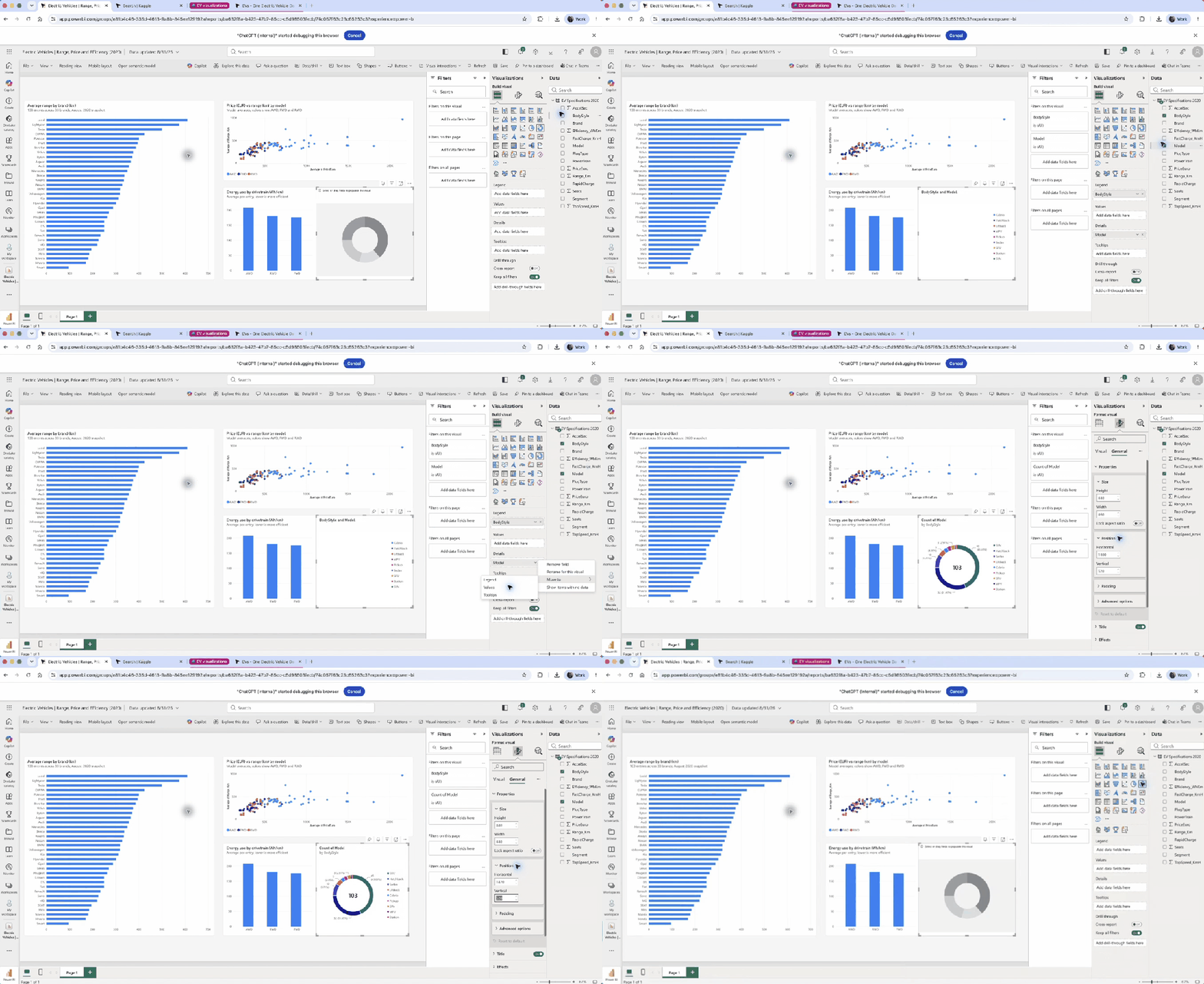
It also filled out a U.S. 1040 tax return, ran legal documents, reported in Power BI, and ran a front-end QA website.


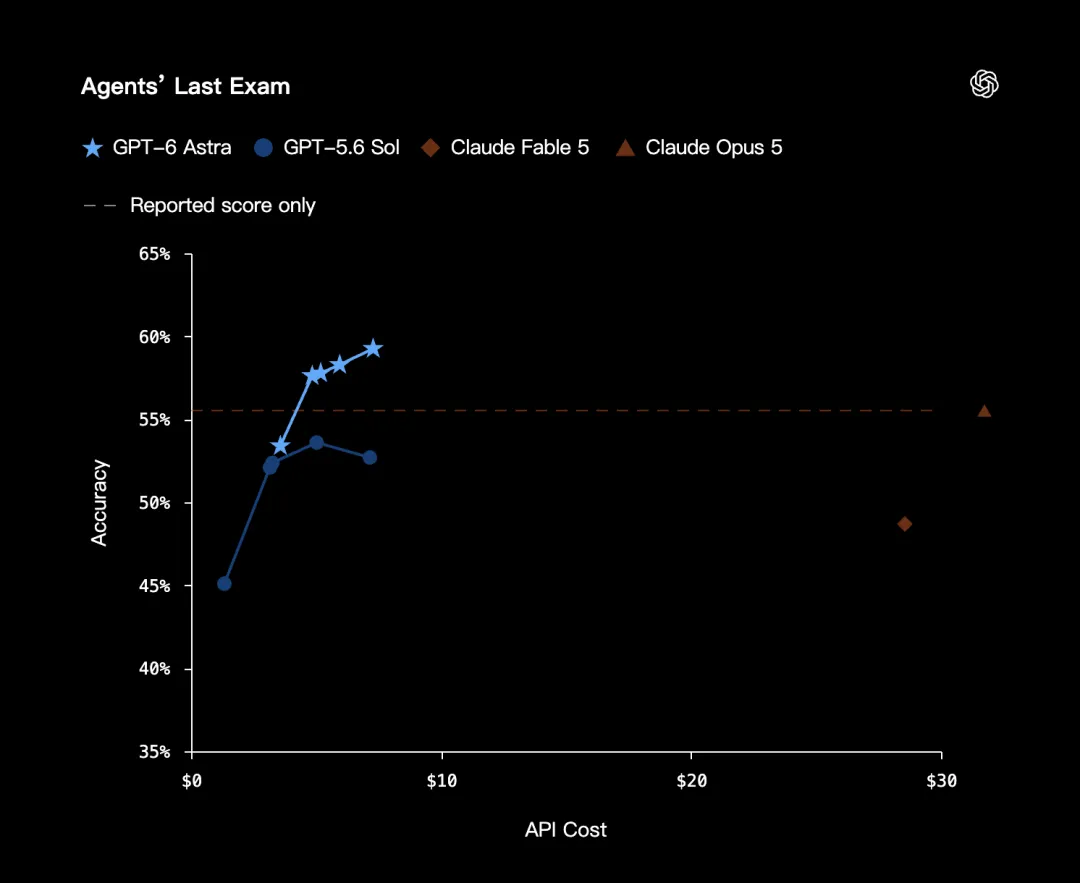
 Agents' Last Exam, which tests professional tasks in real software, ranges from financial modeling to engineering mapping. Astra scores 59.3%, outperforming Claude Opus 5 ((55.5%) and GPT-5.6 Sol ((53.6%).
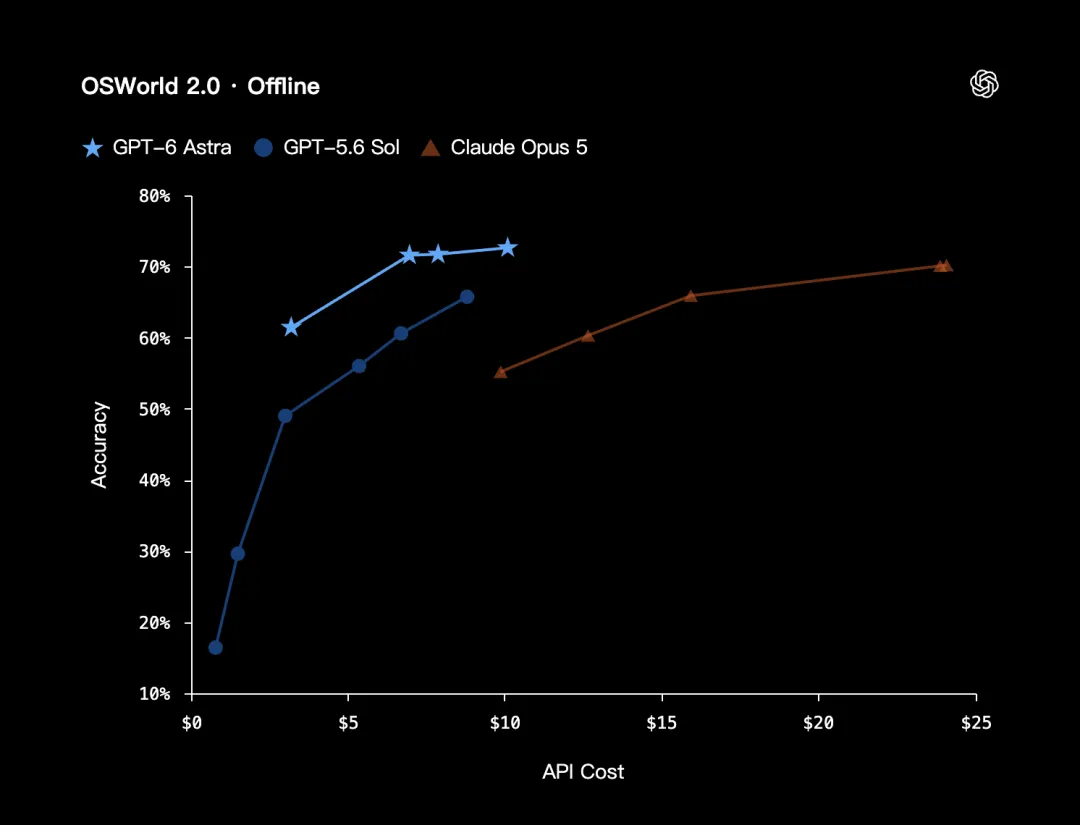
OSWorld 2.0, simulating a real-life operating computer. The previous generation of GPT-5.6 Sol takes an average of 75 minutes to complete a task, while the Astra takes only 40 minutes, from 65.7% to 72.6% respectively.
With a new version of Codex harness, on Mind2Web, web tasks are 1.9 times faster than on Sol.
 |  |
GPT-6 Astra is another major change in knowledge-based work.
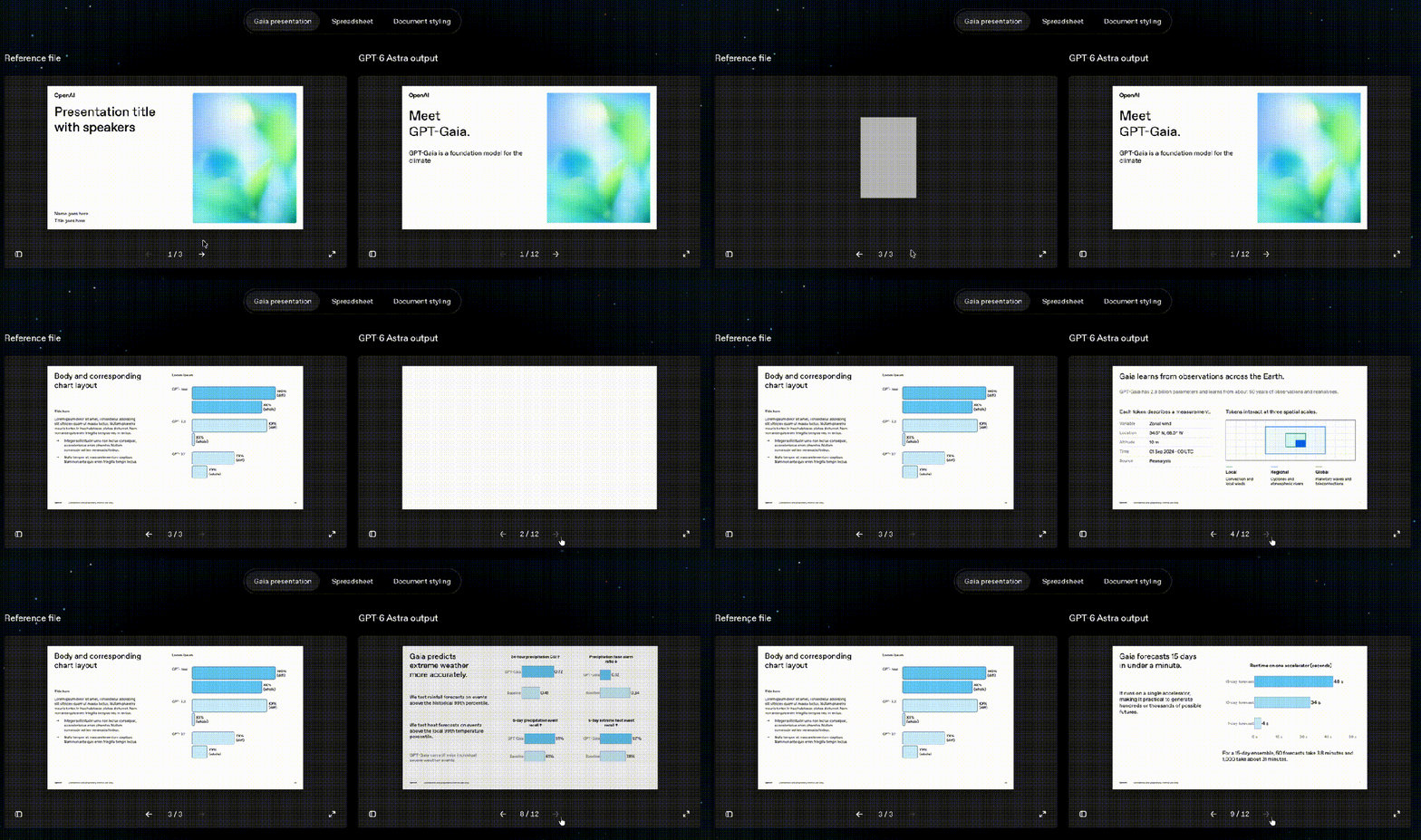
Astra has been trained in both office and professional environments to execute multi-step workflows and directly generate documents, spreadsheets and presentation documents.
On the AutomationBench, it jumped from 18.1% of the GPT-5.6 Sol to 41.4% and surpassed Claude Fable 5.1 by 31.4%.
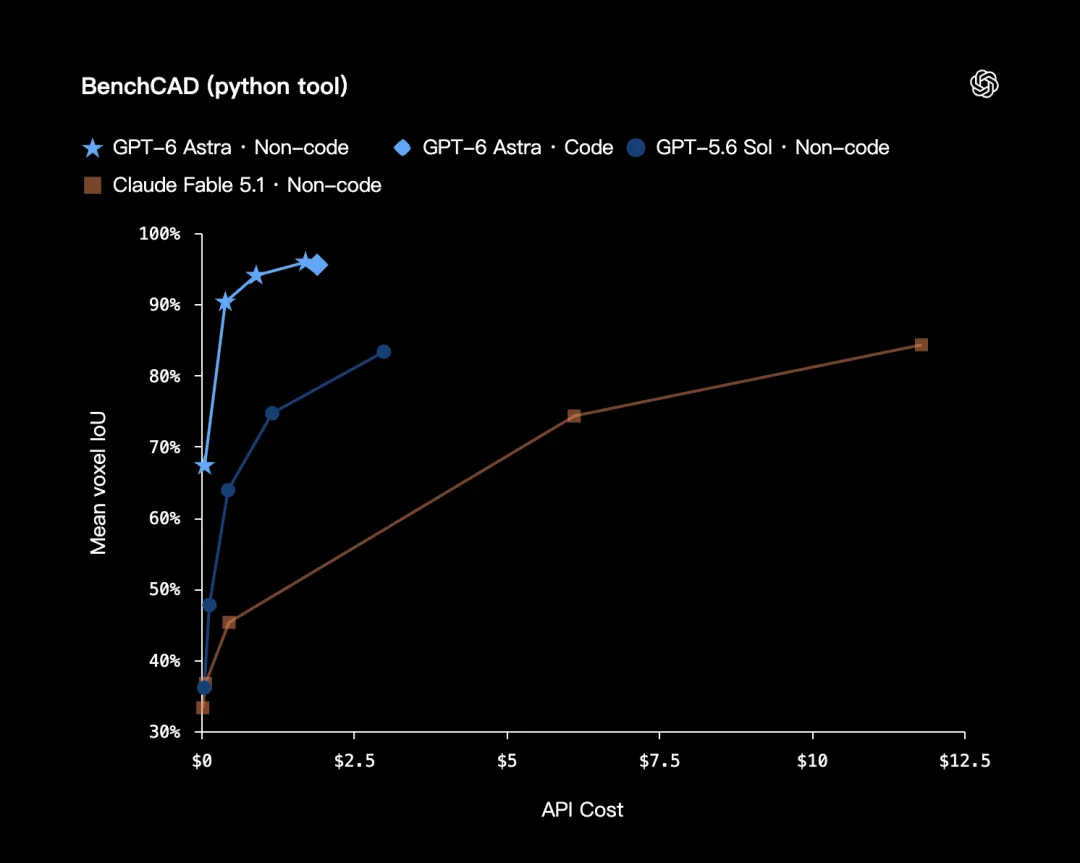
In BenchCAD, models need to render multiple viewpoints to reconstruct 3D objects using code.
The Astra collaboration tool has a geometrical gravity of 95.9%, GPT-5.6 Sol at 83.3% and Claude Fable 5.1 at 84.3%.[13] According to the test configuration given by OpenAI, Astra's estimated API cost is about 43% lower than that of Sol and about 86% lower than that of Fable 5.1.[14]
Astra's understanding of business models is also stronger.
Given the company's existing PPT of several pages, Astra can extend the edition, tone and narrative structure, complementing the following set of presentations.
The same goes for documentation and formatting: it grabs the really relevant context, removes the irrelevant reviews as much as possible, and brings the results closer to the company's original writing and visual specifications.
GPT-6 Astra also brings enhanced visual judgment to the websites, games, applications and rendering graphics it builds.
Astra first in Bl.