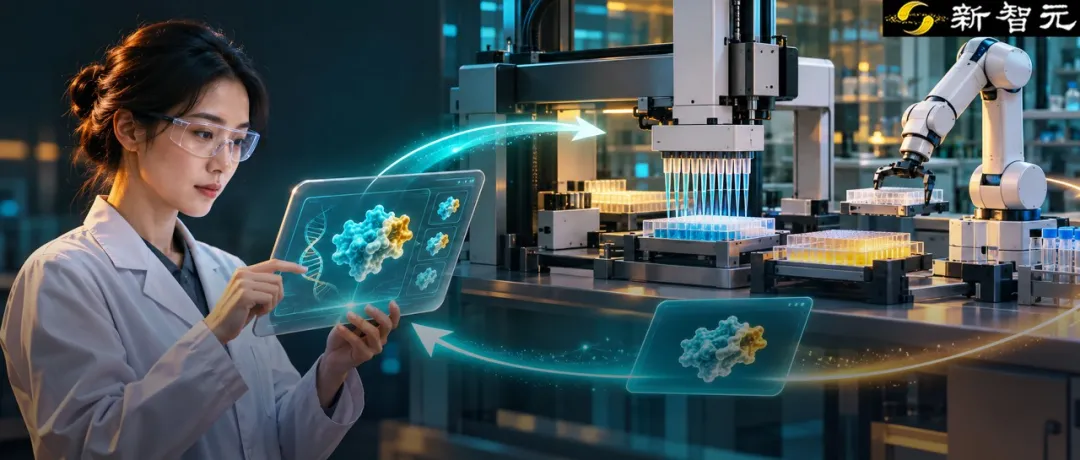
In February this year, OpenAI did something quite shocking:
GPT-5 is connected to Ginkgo Bioworks' cloud lab.AIDesign experiments,The robotsThe next round will be executed, the results will be retransmitted, and AI will design the next round.
Six rounds, 36,000 groups of reaction formulas, and the production cost of a standard protein decreased by 40 percent. Humans only need to pack the reagents, unload the boards, and look next door.
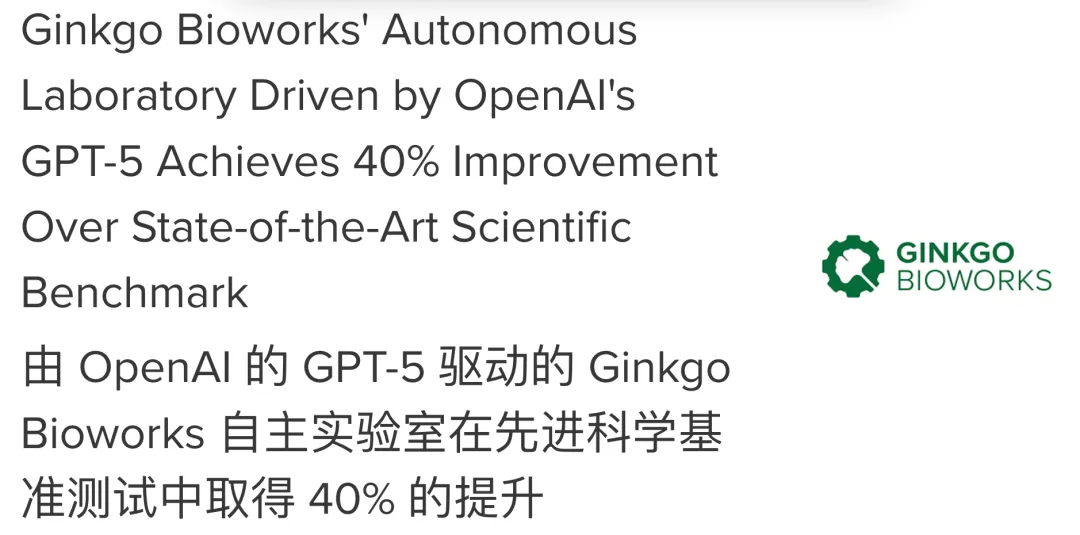
But there is a detail in the paper: the code that actually drives the robot is not written by GPT-5, it was written by Ginkgo's engineers.
In other words, AI will "think" experiments, not "do" experiments.
Anthropic also took the stage, building a wet lab and purchasing a one-employee biotech startup at the end of October, with Claude organizing 11 external laboratories to produce medicines.
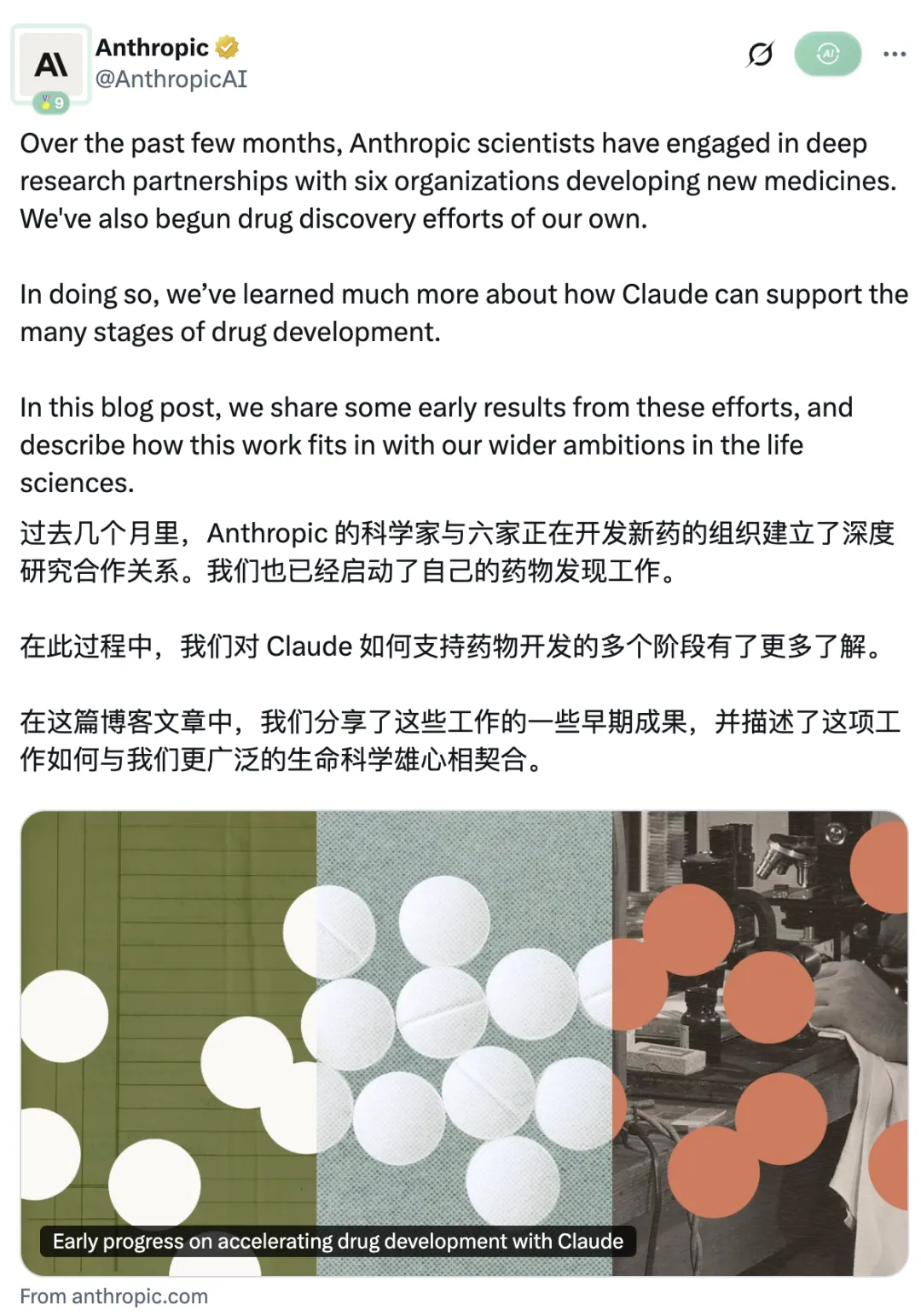
Almost a week later, OpenAI purchased Orchestra Bio, a drug research and development organization; Google directly connected the AI to a robot in the lab.
Overnight, the tech giants reached the same consensus:It's not enough to have a smart brain.AIIt's a real world where people can act and react.
On November 6th, the Shanghai Expo brought out the smart card.
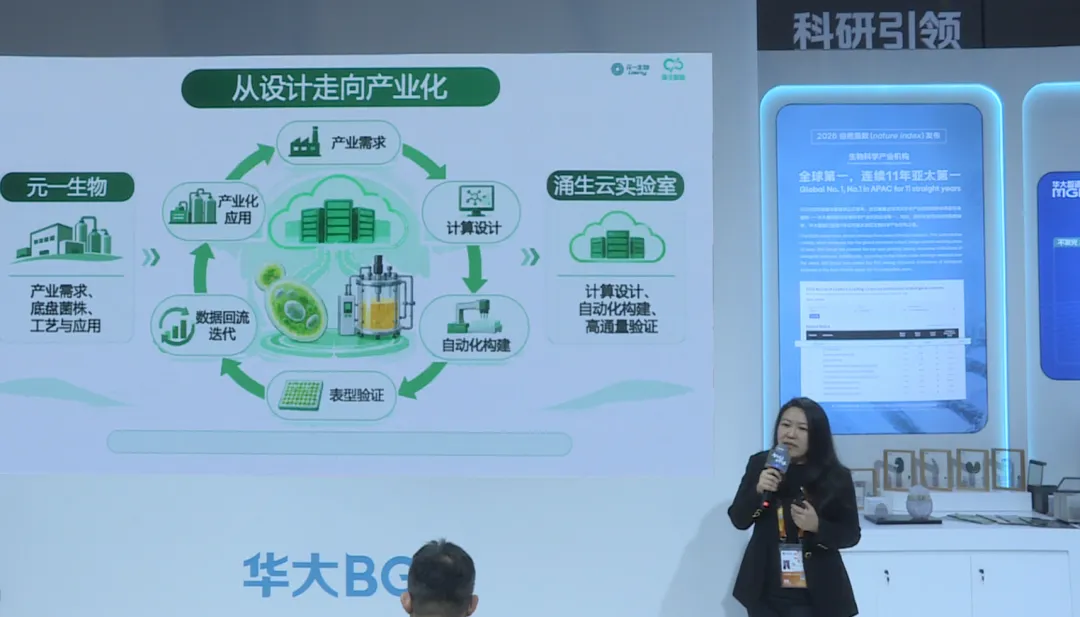
At the "Smart Base, World Coexistence" event, Huawei announced the AI Ready sequencer in the morning, and in the afternoon it launched the cloud autonomous laboratory SE-Fab-SynBio.
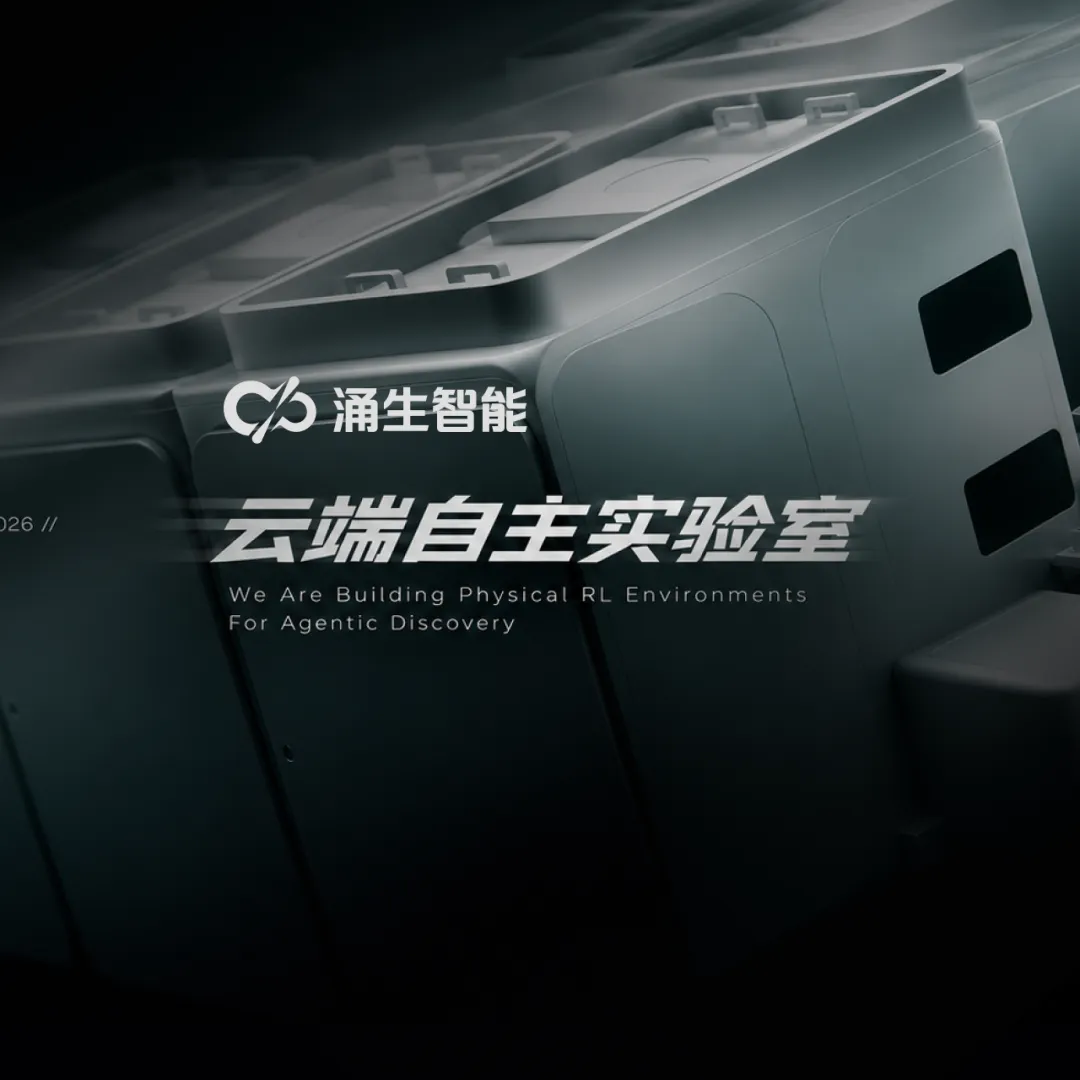
What this lab does is very simple:
AISaying, "I want to verify this", the lab actually does it again, and then returns the results to the AI with not only the results, but also the experimental conditions, process records, and quality information.
In a nutshell, others are giving AI a laboratory, which has become a training ground for AI.
And it's not PPT, the platform has already opened reservations online, and the enzyme used in its own sequencer is running out of results.
AI can think of 100 points a day.The lab can't do it.A scientist who studies industrial enzymes wants to find an enzyme that is more resistant to high temperatures.
What happened in the past? After weeks of literature, experimenting in several directions with experience, round by round.
Now that you have AI, in a few minutes you'll be able to come up with hundreds of candidates.
However, once you turn around, the lab equipment is in line, the experimenter is not ready, and the colleagues who are doing the experiment have three subjects in parallel.
More importantly, most AI candidates are doomed to be eliminated.
A set of real combined experimental data: AI designed 1,320 candidate proteins, with only 354 demonstrating targeted combined activity. The remaining 73% also consumed light expression and purification resources.
This is the reality of AI for Bio.
Biology is not mathematics, and it's not perfect; it's an enzyme that can't tolerate high temperatures, a protein that can't bind to a point, and only real experiments can give the answer.
The model says, "I think it works" is not mathematical, and the real world answers, "It does".
It's not just a group of topics at universities: the AI team that models has design, no laboratories; it's a simplified biotech like Mithril, and the entire research and development line is built on an external CRO network.
The bottleneck of scientific research is changing from "unthinkable" to "unthinkable".
The emergence of the Global Cloud Laboratory is what drives this new bottle of water.
Not experimental outsourcingIt's about creating a real world for AI.When you hear "cloud labs", many people's first reaction is, "Do you simulate experiments on a computer?"
It's the opposite. It's borrowed from the cloud computing mindset.
Cloud computing allows you not to build your own engine room, cloud labs allow you not to build your own lab. Real cultivation, reaction, detection is still happening in physical labs.
However, the emergence of intelligence has given SE-Fab-SynBio a position far greater than the ambition of a "shared lab":Physics of training scientific modelsStrengthening LearningThe environment.
Everyone who does AI understands: reinforcement learning is when a model makes a move, the environment gives a feedback, the model is adjusted accordingly, and so on. The environment of chess is the board, the environment of autonomous driving is the road, the environment of life science AI is the laboratory.
In their own words, the core value is to give AI as a verifier: to let AI interact with the real-world experiment and get reliable data feedback.
On November 6, OpenAI released another noteworthy study: BioBasicsBench.
This time, it's not about how much biological knowledge AI knows, it's about 100 real wet test data to see if it can understand the results, identify mistakes, and make the right judgments.
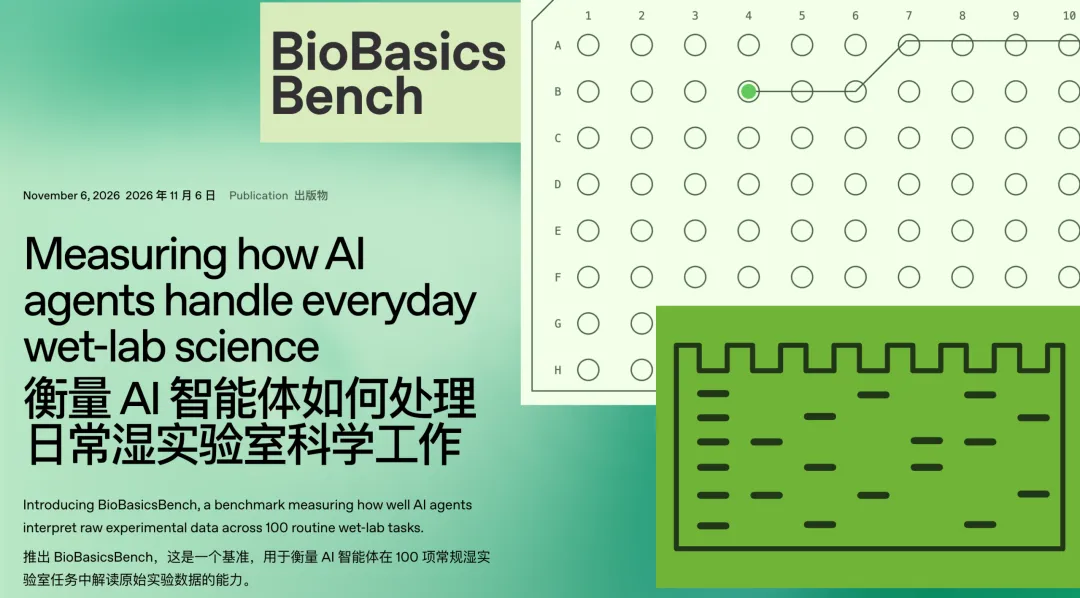
As a result, the GPT-6 Astra received an average score of only 66.7% on top-notch reasoning; the GPT-5.6 Sol scored only 43.8%. Even the GPT-6 ignored critical experimental controls, selected errors, and even overestimated the number of mice by about 12%.
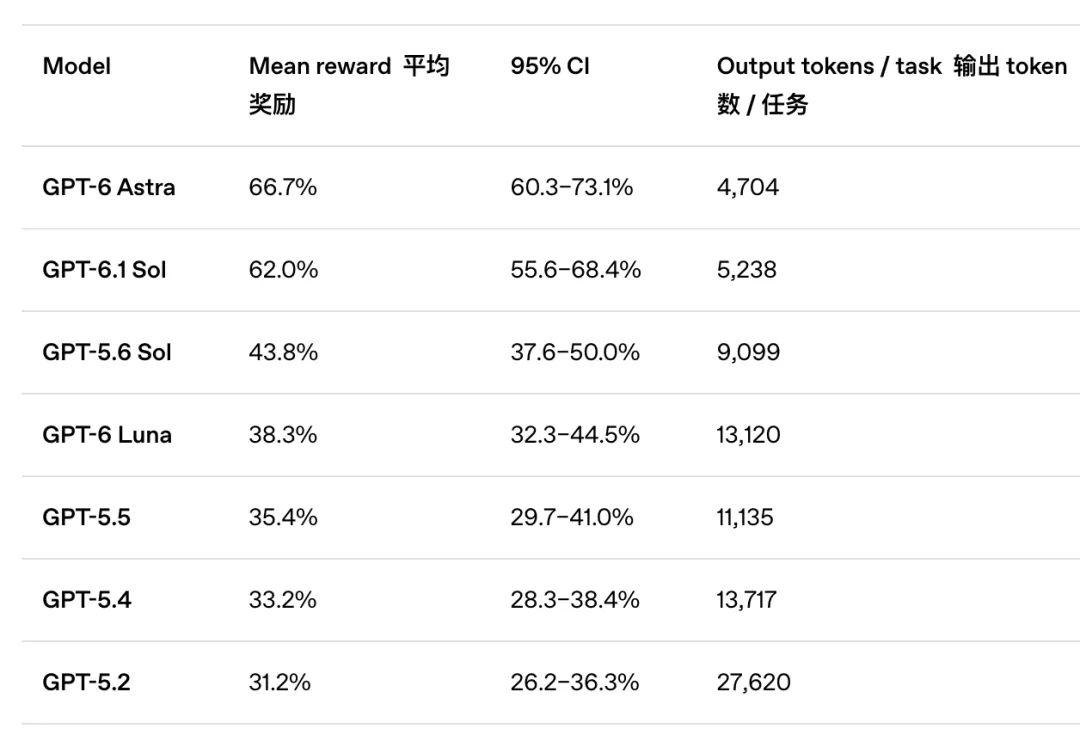
There is still a significant gap between the most advanced basic models and reliable understanding of real life science experiments.
The question is, how does AI really get through this?
It is not enough to continue to study the literature and expand the parameters of the model. It needs real experimental data, it needs to know where it is wrong, and it needs a physical environment that can constantly test, verify and get feedback.
This is precisely the central positioning of emerging intelligence: not to re-create a larger biological model, but to provide the real data and physics needed for the scientific model to break through the intellectual limits.Strengthening LearningThe environment.
Moreover, this infrastructure not only serves basic scientific research, but also provides a real experimentation and verification environment for molecular optimization, virtual cell prediction and calibration in AIDD (AI-driven drug development).
AI is responsible for making assumptions, real experiments are responsible for testing assumptions, and then returning the data of success and failure to AI, so that the next round of design is more grounded.
The model is responsible for being smart, and the cloud laboratory is responsible for getting it tested in the real world.
And you might ask: isn't this just an outsourcing experiment?
In the case of Mithril, the answer is quite clear.
One person, one model, eleven CROs. Claude doesn't touch the test tube, he doesn't feed the cells, he does the sorting: he reads the literature, he disassembles the plans, he cleans the data from the CROs, he writes the emails.
The Anthropic Technology Report details a 341-page CRO dataset of 113 antibody constructs, which Claude spent eight minutes integrating, cutting to 89, and four minutes rearranging material lists and experimental plans.
Wet experiments have not been replaced and are done entirely in external laboratories. AI consumes the cost of coordination across organizations: incoming email, data format alignment, cross-CRO progress tracking.
But think about it: Why would there be 341 pages of data packages? Why would 11 labs have to be email aligned?
Because the traditional outsourcing product is a report, the various formats, conditions and process information is scattered in the annexes, AI can read and write.
This is exactly what this "one-on-one+AI+external lab network" architecture lacks:The CRDMO is under construction.
Experimental capabilities can be ordered online just like cloud services; existing R&D tools and AI smart bodies go directly into the program interface; platforms standardize experimental modules according to a combination of research problems; the return is not a PDF, but a result plus the necessary conditions, processes and quality information to understand the results. AI can read directly and the next round can be used directly.
One report is the end, one feedback is the beginning. What Mithril needs is not more CROs, but an experimental base that can take AI directly.
From "what I want to verify" to AI itself,Or the scientist who was looking for enzymes.
AI helped him come up with 20 candidates, and the next thing he had to do was tell the cloud lab, "What do I want to verify?"
The experimental team worked with him to identify the objectives, materials, and programs, and then to schedule the corresponding equipment and processes according to the task. After the run, the results were packaged back together with conditions, processes, and quality control information.
Why pack so much?
Because the same number, under different conditions, can have completely different meanings. The two candidates are different, are the differences in the molecule itself, or are caused by temperature, measurement methods?
Another thing that is easily overlooked is that failure is also a valuable asset. As long as it is recorded in its entirety, a single failure can help you to avoid going in the wrong direction.
In science, figuring out why a path doesn't work is sometimes more valuable than walking blindly.
In this way, the emerging intelligence itself has run several rounds and the challenge is not to practice the puzzle, it is the enzyme that is really necessary for Huawei to make its own products.
DNA polymerase sequencing completed 3 rounds in 28 days, with a 37% reduction in sequencing error rate; PUP polymerase for RNA synthesis, 3 rounds in 25 days, with thermal stability indicator Tm increased by 3.4°C. Glucyl photosynthase sequencing and gene editing decarcinase sequencing also ran multiple rounds.
Back to the beginning: Why can't even OpenAI let GPT-5 write execution code?
Because from "think" to "do", there's a whole conversion chain in the middle:scientific intent→ experimental programming→ standard operation process→ device code→ physical execution,If anything goes wrong, the experiment could be canceled.
And most laboratories are a black box for AI: entirely man-made, processes written on paper and in the brain, and data scattered everywhere.
So the first thing that emerging intelligence is doing is turning the lab into an AI-powered body.
Devices can be driven by code, and AI can do it; processes can be digitized, and AI can understand the language of experiments; wet experiments can flow back into data, and AI can turn a blind eye.
There's a body and there's a brain.
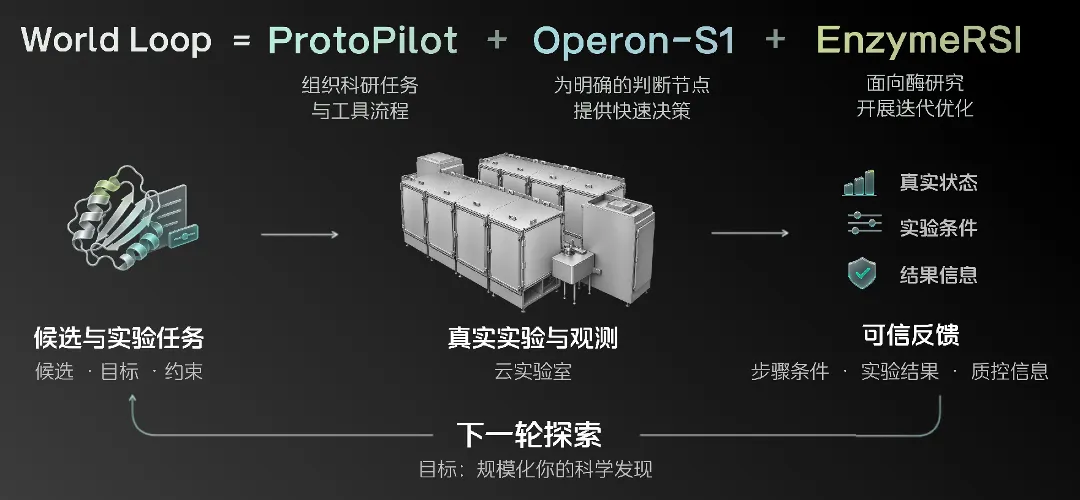
Alongside this, there is the emerging circular evolutionary system World Loop, which is made up of three parts:
ProtoPilot is responsible for "exact execution".You tell it in natural language, "Help me build eight Gluc mutations", and it can break down that sentence into an experimental program, turn it into executable code, send it down to a physical device, and then automatically modify it based on wet experimental feedback.
It really learns from the failure: there is a case in the paper where DNA assembly experiments are unusual in the transformation link, Protopilot itself diagnoses a resistance screening failure, and changes the program again. The run score is also quite high: ProtocolQA gets 76.85%, close to 79% of human experts; "program modification code" passes 88.2%, which is almost three times the number of devices manufacturers' own AI tools.
Operon-S1 is responsible for "quick decision-making".The process options are clear, the standards are clear, the nodes are clear, and without the big model thinking slowly, it hits the board directly.
Enzyme RSI is responsible for "evolution".It focuses on enzyme engineering, taking experimental feedback, and replacing the next round with optimization algorithms to determine which candidates and how to program.
There's also a BioLab Bench that supports the process of designing a robot that doesn't know how much to run.
And when he put these things together, he turned around and said,
The World Loop proposes candidate enzymes and the performance to be verified; the researchers confirm the program; the cloud autonomous laboratory executes and returns the results of each candidate with conditions, processes, and quality control information; the World Loop then determines which ones should be replicated, which ones should be further optimized, and then submits the next round of tasks.
That's exactly what GPT-5 failed to do at Ginkgo: it's not humans who write code and deliver results for AI, it's the AI who comes up with it, who translates it into code that the device can execute, who takes feedback and changes it.
You can buy a model, but you can't buy a crater you've walked through.Why is AI a reinforced learning environment?
It started with the real problem on the experimental stage.
The previous enzymes were used in home sequencing instruments, and the closed rings were run in the process of solving their own product problems, not in the sample for the conference.
The real problem is also the most challenging. From proposing a model to selecting a validation indicator, to having the equipment run the experiment according to the program, each step has to be something that underpins the accumulation of AI research and development, the understanding of life sciences, and the experience of laboratory automation.
In these three ways, emerging intelligence is not a temporary illusion: sequencing and laboratory automation of engineering accumulated from the understanding of the parent company, WADA, AI and life sciences, an AI4S article accumulated and refined in a round of home enzyme problems.
The top model can be called by anyone, and this side of the model is being flattened rapidly.
But "the other half of physics" is a real device, a real failure, a real constraint, it can't be downloaded, it can't be copied, and it can only be accumulated once in a lab.
When all models are there, the gap lies in the hands of those who look "on the real side of the world".
In a press release, Dr. Moon, Chief AI Officer at Huawei Intelligent, said: "Each round of data and knowledge accumulated by experiments can provide the basis for the next round of judgement and design. We will move from synthetic biology to more life sciences, pushing AI science discoveries to scale".

Like I said before, cloud labs borrowed the idea of cloud computing.
Cloud computing breaks down computing, storage, and databases into a standardized service, which business you want to run and which service you want to build.
The same is true for cloud-based autonomous laboratories: protein expression and enzyme engineering, molecular cloning and gene splicing, cell-free protein expression, strain modification, each of which is broken down into standardized experimental modules.
The task has changed, not changing the lab, but changing the way the modules are written and processed.


The modules can be changed, the SOP can be changed, and the account will remain unchanged.
The SE-Fab-SynBio ledger uses the old method of managing plant quality to determine "people, machines, materials, methods, rings": how each step is operated; which equipment is used, the school is not calibrated, how it operates; which batch of test material is consumed; according to which version of the SOP; the temperature and humidity at the time.
This series is based on the results of the corresponding experiment.
If you succeed, you get the result plus this string; if you fail, you get the result plus this string.
Positive, negative, unsuccessful, there are three kinds of records that don't go away. After a quality evaluation, you take a training model, you adjust the next round of strategic models to learn from each round of real experiments, and you learn not only "what happened", but also "why didn't happen".
Currently, SE-Fab-SynBio has covered scenarios such as enzyme mining, molecular cloning, directed evolution, cell-free synthesis, strain conversion in five directions, prioritizing candidate enzyme functional verification, and plans to expand into antibody engineering, nucleic acid drug delivery, microbiome and synthesis communities.
The official website (rlbio.genoria.cn) is up and open for reservations.
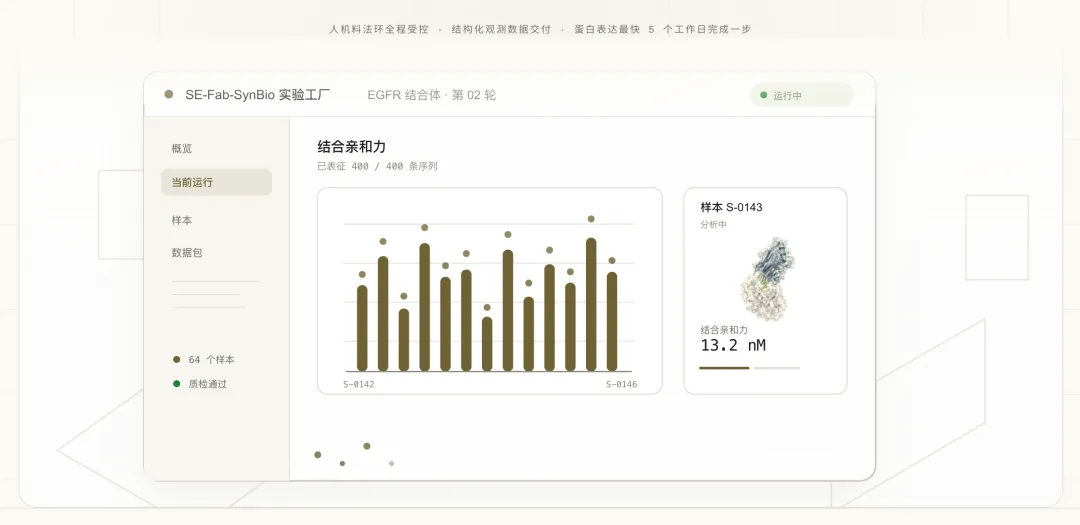
In the meantime, we're going to have to make sure that we're able to keep up with what's going on.
A synthetic biologically industrialised organism is running dry and wet in a closed loop in the direction of strain transformation.
In the words of its founder, Dr. Zhang Liu: "For bio-manufacturing enterprises, the strain is the productivity. After the last round of strain transformation, it is often difficult to overcome the results, conditions, biases and failures. After accessing the cloud laboratory, each round of conditions and quality control data can go back to our own research and development processes".
After the strain, there are cells.
On the same day, the emerging intelligence dropped two pieces, all pointing to AI virtual cells (AIVC): one on the side of the model and one directly into the treatment pipeline.
The AIVC has a lot of fire this year, that's all.
But everyone who has done it knows where the card is: public data is mostly what it looks like when the cells are "uninterrupted", the most desirable disruptive data for drug development is less, and negative results are scarce.
In order to fill this gap, people have to have large-scale "disturbing" cells on the lab, and to keep track of every condition and outcome (including failures). This is the core of the cloud lab.
The one on the side of the model is a demonstration of technology. It is a generic cell-sized model that attempts to calculate how a cell interacts with a drug in digital space and how it reacts to genetic disruption.
It's the same thing with the emerging intelligence that gives it and the enzyme that gives it:A real one.Strengthening LearningThe environment.
Former CEO Dr. Zhangjiajie said that the data production capacity of emerging intelligence has changed the scale of scientific problems, suggesting that today it is possible to "get over this connecting rod and build its own huge virtual cell dataset".
The two companies announced a joint venture and landed in a free-trade zone at sea, which Dr. Dunmore said was to be an "AI-native auto-cellular pharmaceutical company".
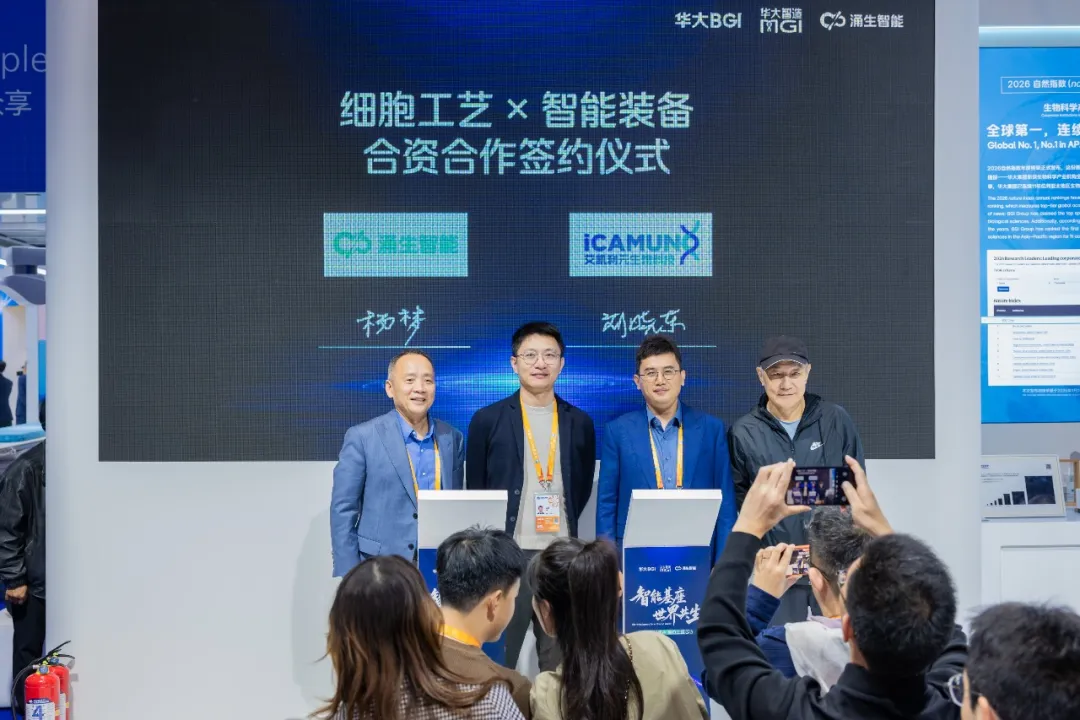
Eike has pipelines: Parkinson's disease candidate product ALC01 has received an IND license from the US FDA, and the entire chain of differentiation, process, quality control, and registration declarations is complete. Eike has the SE-Fab platform and the Physical AI automation equipment.
The joint venture was a closed loop, with only the objects being transformed from enzymes to cells: with automated, enclosed equipment, the cells were prepared from "manual experience" to "standard production line"; the real stem cells were built a "computing birth" that was continuously calibrated by experiments, generated single-cell multicellular data on a scale, and then recycled models.
The end result is no longer an experiment, but a drug pipeline.
Dr. Xiao Dong, founder of AIKE, a researcher-in-residence at West Lake University, said: "The next generation of cell therapy is not just about "can't do it", it's about "can't make it stable, can't replicate it".

Stem cells, virtual cells, cell therapies, three things that are very different from the industry, and the approach is the same: real-life experiments, conditional data flow, and the model's feedback for the next round.
Modules can be written, SOP can be changed, the bottom is the same.
Cloud Labs: Let's take a step closer between assumptions and answersOf course, scientists won't be kicked out of the lab. It's still a matter of people studying what problems, how to interpret the evidence. They can just finally get out of the lineup and get back to what's at the heart of science: asking questions and reading the answers.
From OpenAI to Anthropic, Google, everyone is moving in the same direction: the next AI for Science competition is moving from "who makes the most assumptions" to "who has the most ability to verify the assumptions".
As computing becomes more and more accessible, the next key question in scientific research is: Can experimental verification be equally accessible?
Science has never lacked imaginative assumptions, and the real driving force behind our understanding of life are the answers that have survived the test of reality.
What a cloud-based autonomous lab has to do is make the distance between the two a step closer.