It's the first time in the history of the world.
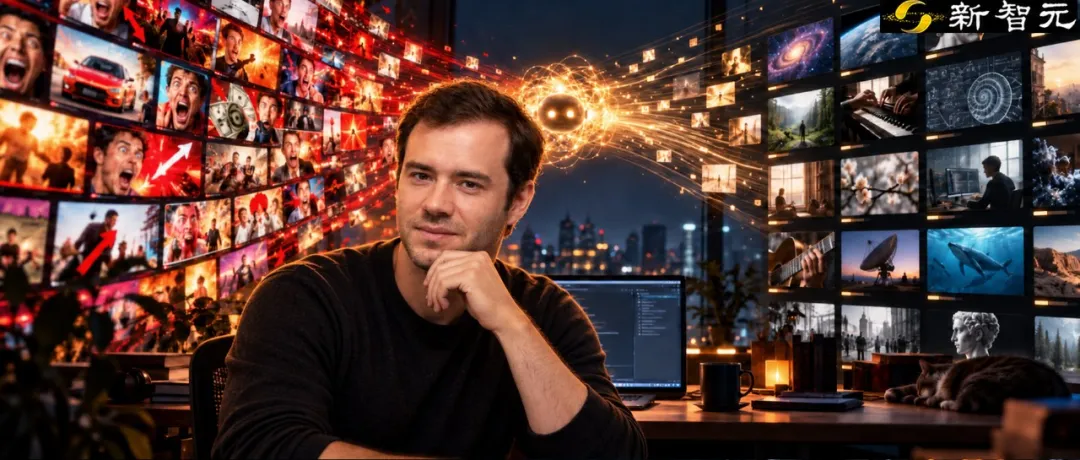
At 11pm on Friday, Karpathy was tired and went to YouTube to look for something.
He was greeted by a whole "garbage wall": covers one exaggeration after another, recommendations over and over again or those old topics.
He shouted: "The whole screen is crap, stupid, evolutionary crap".
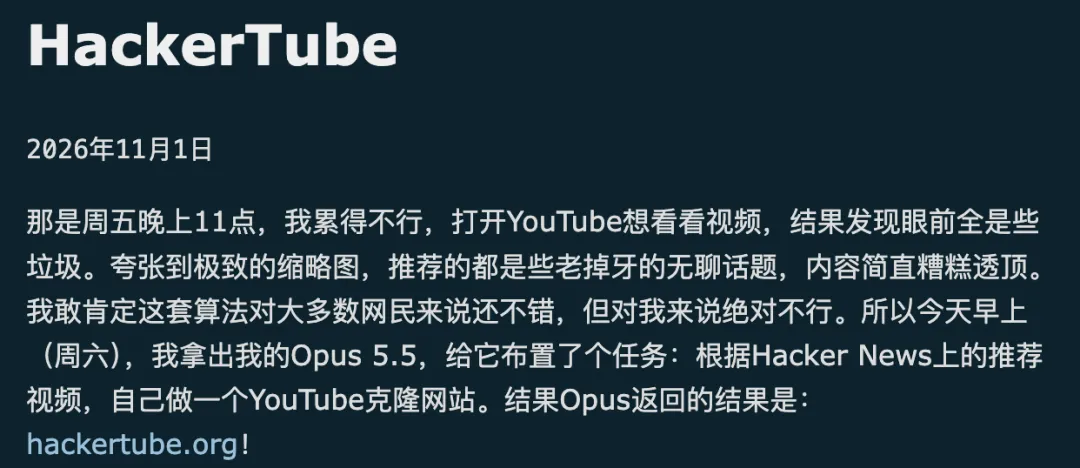
After a day of trying to relax, the result is a bunch of party headlines: You're not going to be a stranger to this feeling!
In Karpathi's view, YouTube's recommendation algorithm may appeal to most people, but it cannot satisfy users like him.
He later commented that there were too few users like him: in the eyes of the algorithm, small enough to fit four or five.
This time, he decided he couldn't stand it.
The next morning, he had Claude create a video-only YouTube.
Karpathy called the site HackerTube.
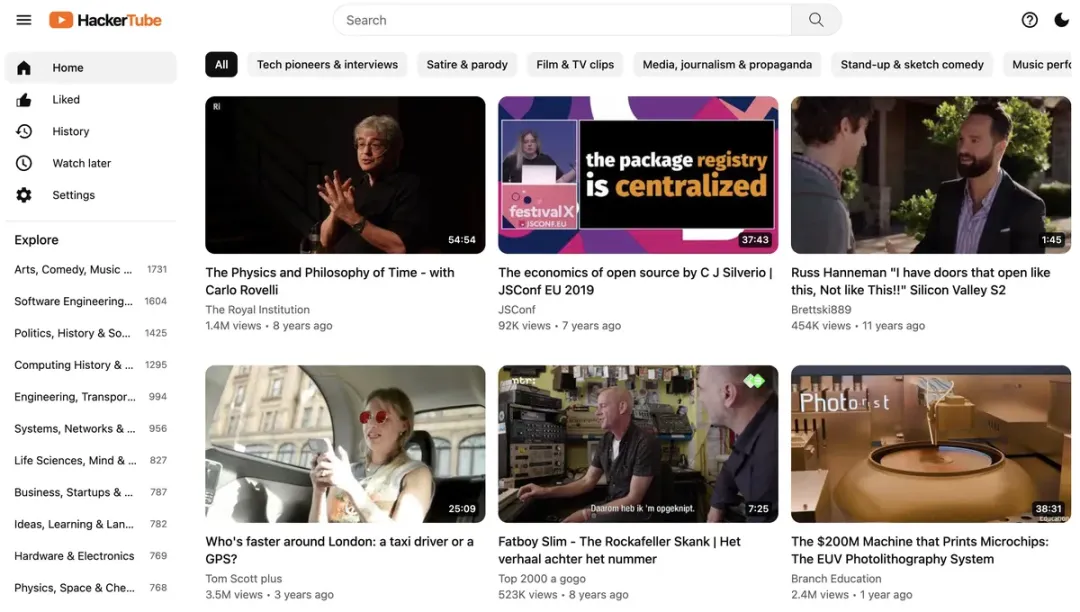
6454 videos and 150 themes make up Karpathy's own video entry.
The video still comes from YouTube, and the hints are from Hacker News (HN), a tech forum full of programmers and entrepreneurs.
Karpathy's thinking is simple:Video clips captured by HN netizens。
He gave almost all of this to AI.
Claude first downloaded 43 million comments in HN's nearly 20 years, then dumped the trash, leaving only those that recommended YouTube videos, almost 40,000.
Finally, 6,454 videos were organized into 150 themes.
The title of the video, the duration of the video, is changed from YouTube, and then a YouTube-like interface is installed and deployed online.
The whole project, about two hours.
Karpathy said he didn't read or write the code.
He also made the data packaging public.
Anyone can give their own AI and make their own version.
A needThe whole project was delivered.On Saturday morning, he gave Claude an instruction:
The video, which was recommended by HN Netizens, created a YouTube of our own.
And then, basically, Claude was working.
Opus 5.5 is responsible for organizing and providing a much faster Sonnet batch.
The content of the junk is washed away, and the rest is the commentary on the recommended videos.
The website has been written and is back online.
Karpathy turned on the server and left the IP address to Claude.
Updates, deployments, security reinforcements, performance optimizations, and Claude's a breath of fresh air.
And the co-founder of OpenAI, who only started the server while Claude was working, bought a few running legs for domain names.
He also tunes and feels a bit like a team.
He joined the Anthropic pre-training team in May this year.
This time, it's Claude himself.
The most striking thing is what Karpathy said at the end of his blog:
He is no longer working on any traditional projects.
Don't read the code, don't knock on the command line, just talk to Claude.
A netizen clicked directly on the comment section: This is the focus of the entire article.
The people who led the Tesla AI team back then, the way it works now, there is only one thing left:Requirements。
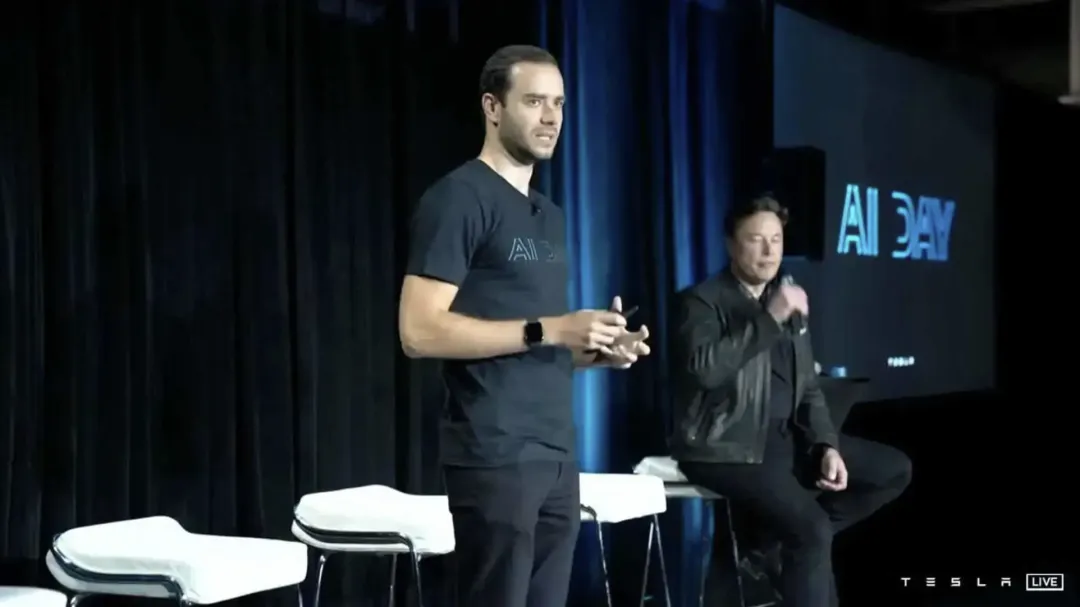
In 2021, Karpathy (left) speaks at the Tesla AI Day event, and Musk is on the right.
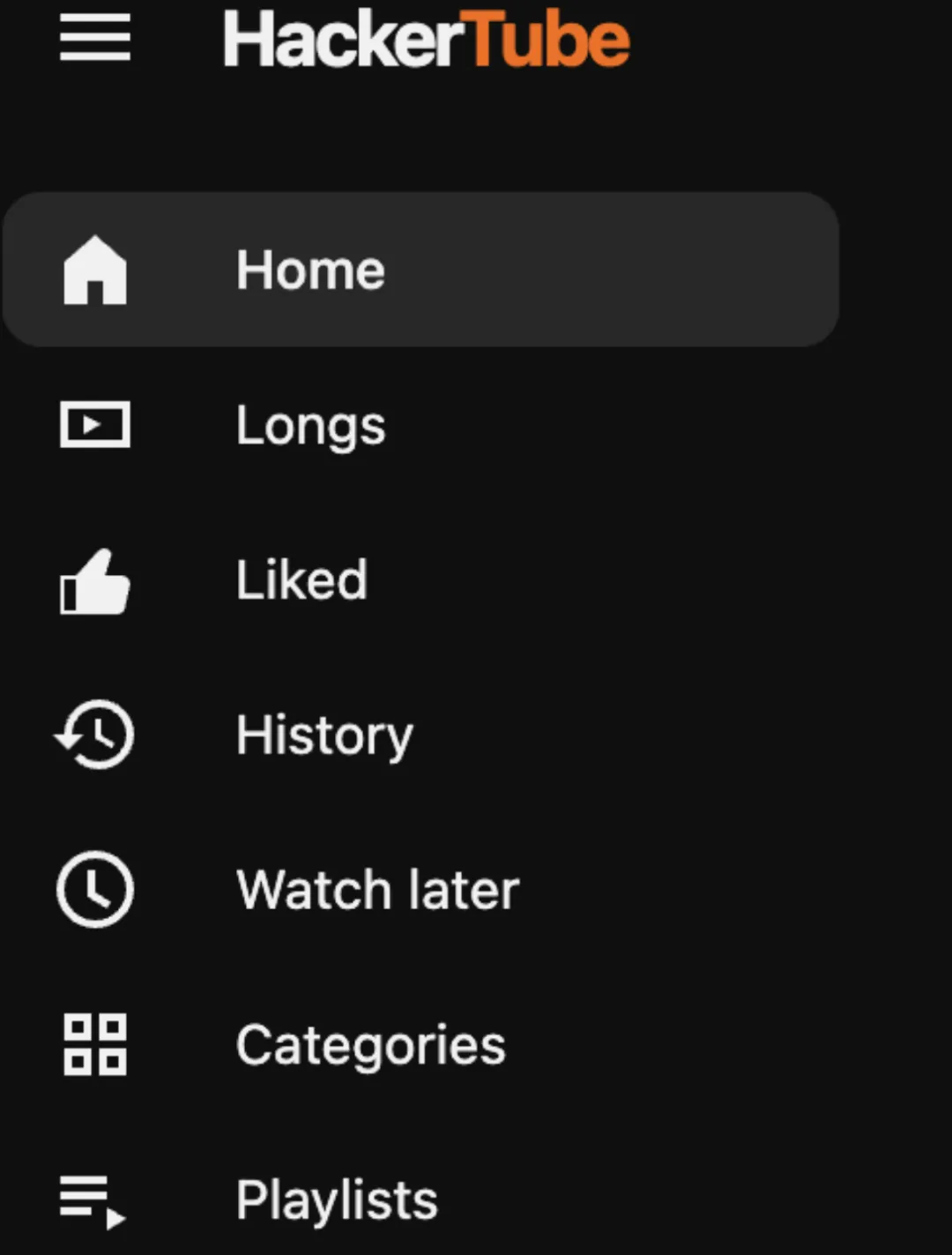
It looks like YouTube.But it's the other way around.At first glance, the HackerTube interface appears to be YouTube, but it is used everywhere else.
It doesn't need to be logged in, and anything you see exists only in your own browser.
There's no cover that has been repeatedly tested and clicked by specialists.
Each video's cover is replaced by a single clip in the middle of the video. On the side, there is also a "Longs" entrance, dedicated to video enhancement.
It's one of the most popular shorts on YouTube.
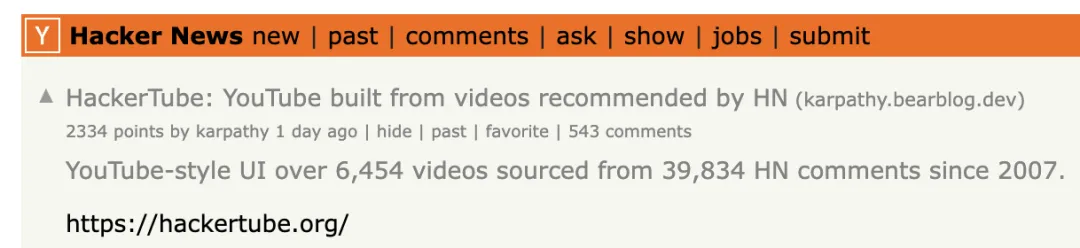
Karpathy sent the site to HN, and the posts rushed to 2000 probably.
The netizens compared it to a YouTube homepage.
Some say that homepage recommendations are better than personalized YouTube recommendations.
Some people dig holes in the interpretation of Bach's work and say they can't browse it on YouTube.
Some people say that cutting from YouTube is like walking into a forest.
One netizen said his 87-year-old father browses YouTube every day because of the negative content of World War II.
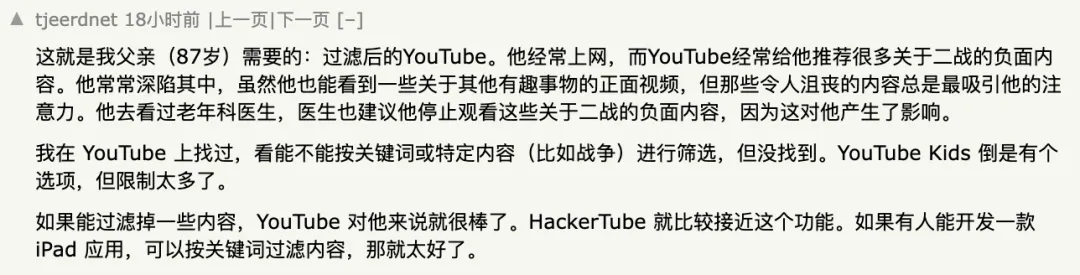
Even senior doctors have advised the elderly not to watch videos like this anymore.
The user believes that HackerTube is close to what his father needs.
The more you look at it, the more the algorithm pushes. Many people, like the old man above, are trapped in the information kitchen.
Some netizens speculate that algorithms care about how you keep watching; others say that platforms don't care how you feel after watching.
Even paying users are on fire.

One of the netizens said he had been a senior YouTube member for years, but he hated it more and more.
Offline synchronization is often problematic, and you can't even see your content on the plane.
The netizens complained that they wanted to create their own YouTube subscriber, but were not sure if the platform would allow it, "It's frustrating!"
The two-hour website accurately captured a crowd of complaints about the algorithm.
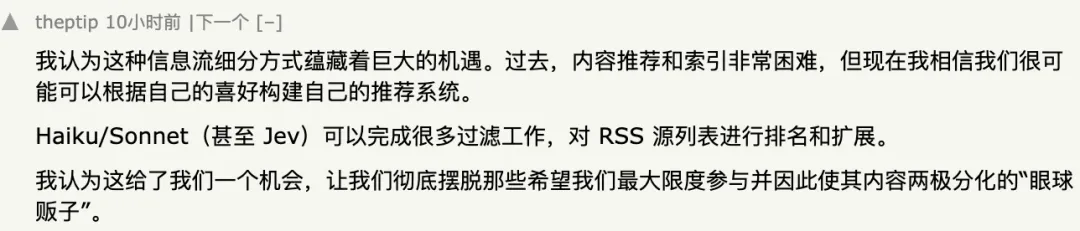
There are also netizens who look further.
In the past, it has been difficult to make recommendations and indexing.
Now, it is very likely that we will build our own recommendation system according to our own tastes.
In his view, the platforms are a group of "eye dealers" who just want you to keep watching, and so the content is more extreme.
Now is the time to get rid of them.
There is no shortage of people, there is no shortage of life in the background.
Some people on HN asked how many tokens the project burned, how much it cost.
Karpathy asked Claude to write his own bill.
Approximately 504 million tokens were entered, of which about 90% were stored.
Some 7.6 million tokens were issued.
More than ninety percent of Sonnet's usage is used to label comments.
To actually write a website, deploy it online, Opus only uses about a million tokens.
The 500 million tokens were collected on a single call.
Karpathy revealed that more than 90% of models are used for comment labeling, application development and deployment with about 1 million Opus tokens.
In two hours, the link that consumes the most tokens is to label comments.
This bill is a wake-up call to those who want to be data tools: cleaning, marking, and potentially consuming more tokens than writing code.
It's a good idea to try a little bit of information first, and then expand it further.
Starting with a single pieceMake your own toolsKarpathy released the data from the review analysis as a compression package.
His advice was to give you AI and make your own version.
The package also includes an explanation written to AI explaining how to use the documents.
YouTube's video information, which is not directly provided in the database, can be downloaded directly from YouTube.
The data and descriptions are ready, so that it can be "privately customized" according to personal preferences.
For example, if you only care about programming, you can leave AI with just a programming lesson. Then you can categorize it by topic, and each video is attached to a line that was originally recommended by the person who saw it.
This kind of opening is a private lesson plan. What you want to learn is clear, and wherever you learn is clear.
The same idea can be applied to the materials you have in your hands, such as the articles that eat ashes in the collector's box, and the list of tools that have been around for years.
It's the platform that used to talk about the video.
Now, a person who doesn't want to do it, like Karpathy, can create a personal video site.
Formerly, there were only two choices: change the platform or write your own code.
Now there's one more thing: tell AI exactly what needs to be done and give it the task.
In the comments section, some netizens say that the software threshold is falling. People can quickly come up with alternatives and are no longer tied up by software giants.
The people who were left behind by the algorithm started to create their own algorithms.
Of course, Karpathy himself is a top AI researcher. It doesn't take two hours for ordinary people to figure it out.
But this door has already opened a door.
Karpathy set a single standard: watch videos recommended by HN netizens.
The rest is for Claude.
It's your turn to get your hands on three things: where the data comes from, what criteria it's screened for, and what you want to get.
AI can write code for humans, not for human standards.